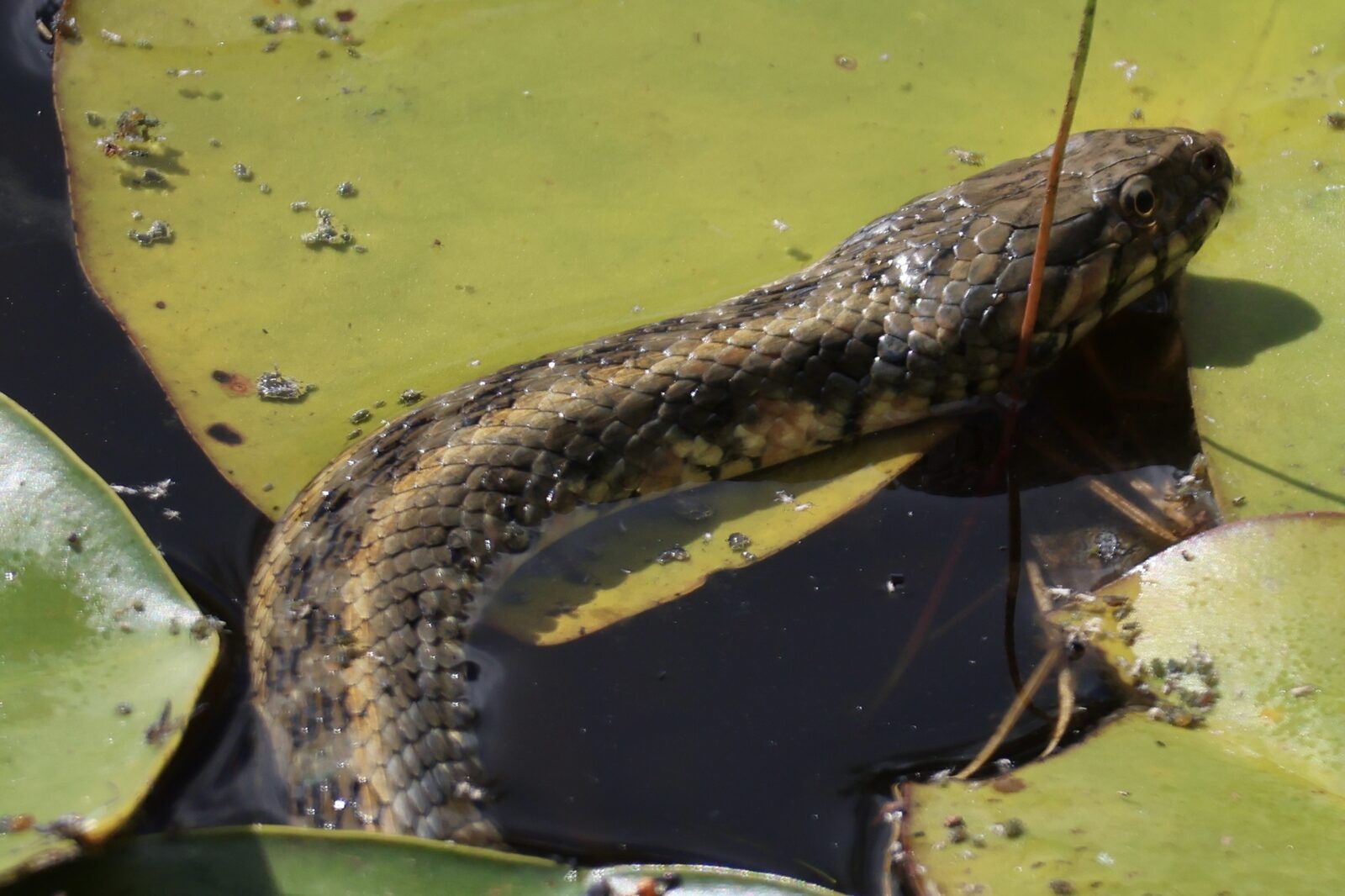
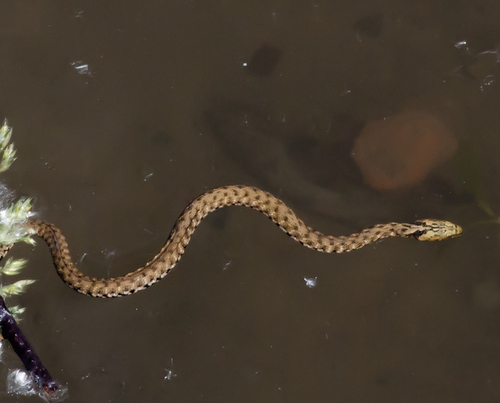
Viperine snake
Natrix maura
- Status
- Least Concern IUCN Red List
- Eats
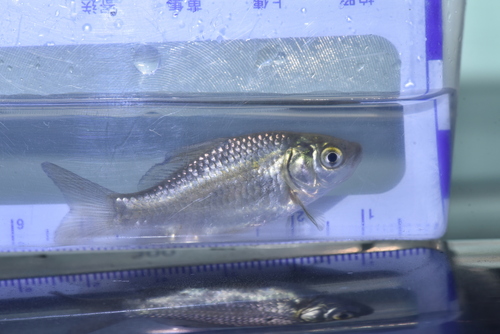
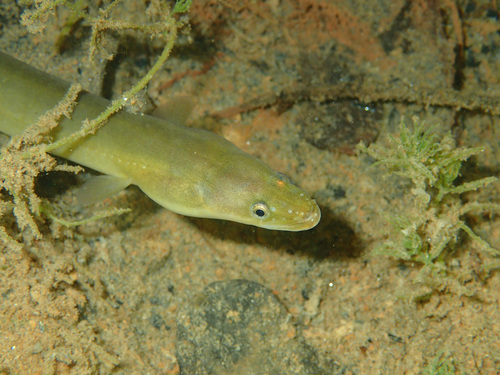
- goldfish, wels catfish, European eel and 92 more
- Where
- 10 countries · wetlands
People have shared 6,506 records of the viperine snake with GBIF, from 10 countries, most of them from Spain, France and Portugal. Records collected by GloBI show it eating 95 different kinds of animals and plants, and being eaten by 54.
In the northern hemisphere, people record it most in May and least in January. It belongs to the genus Natrix in the family Colubridae.
Habitats
What the viperine snake eats, and what eats it
Studies have recorded it eating 95 kinds of animals and plants, and 54 kinds of animals eating it. Tap any of them to follow the food chain.
- Amphibians 60
- Fish 18
- Earthworms 1
Eaten by



 Viperine snake

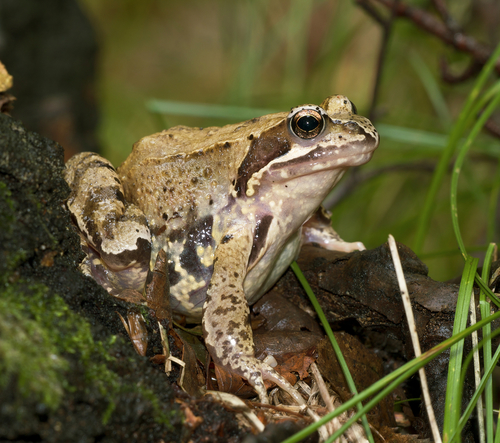

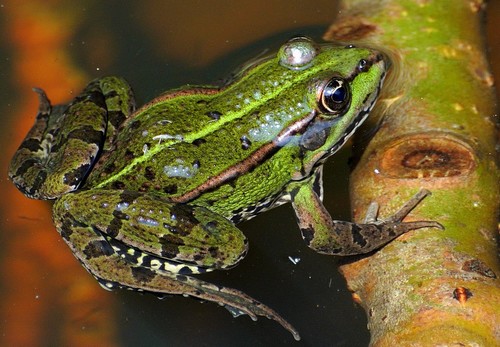
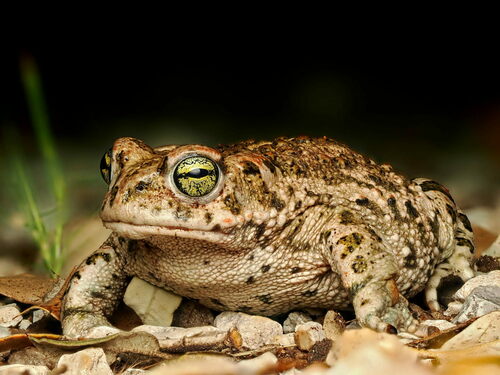
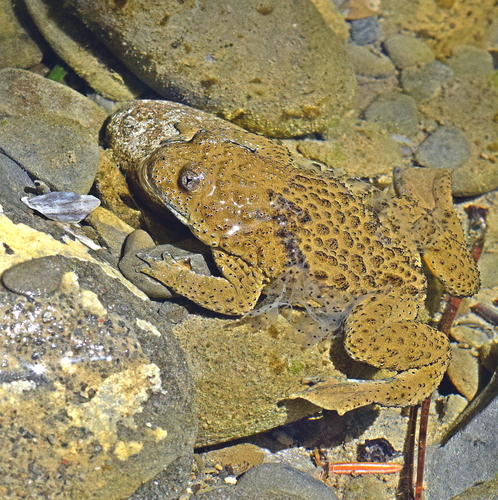

Records from studies worldwide, collected by GloBI. They include animals eaten as carrion, and they are not everything it eats in one place.
Where people see the viperine snake
People have shared 6,506 records from 10 countries.
Records show where people have seen it and shared it, not its full range. Country names open their page in Atlas.
When it is seen
Records per month in the northern hemisphere. More people outdoors also means more records.
Watch and listen
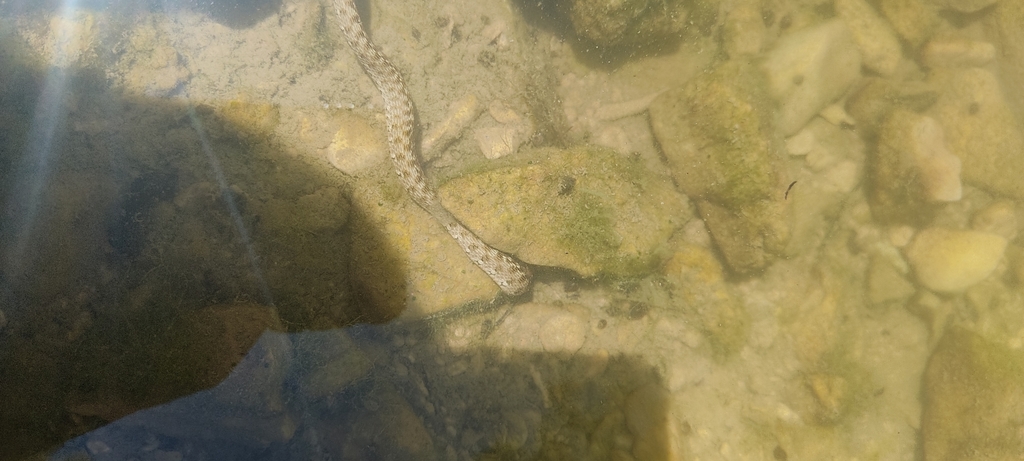
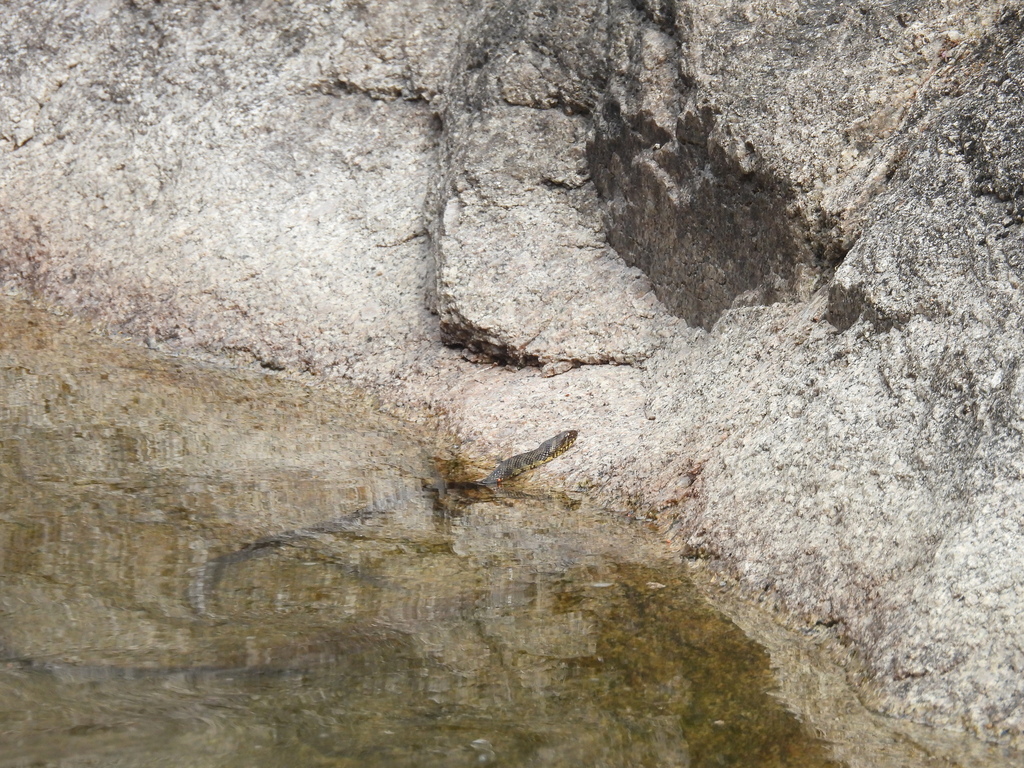
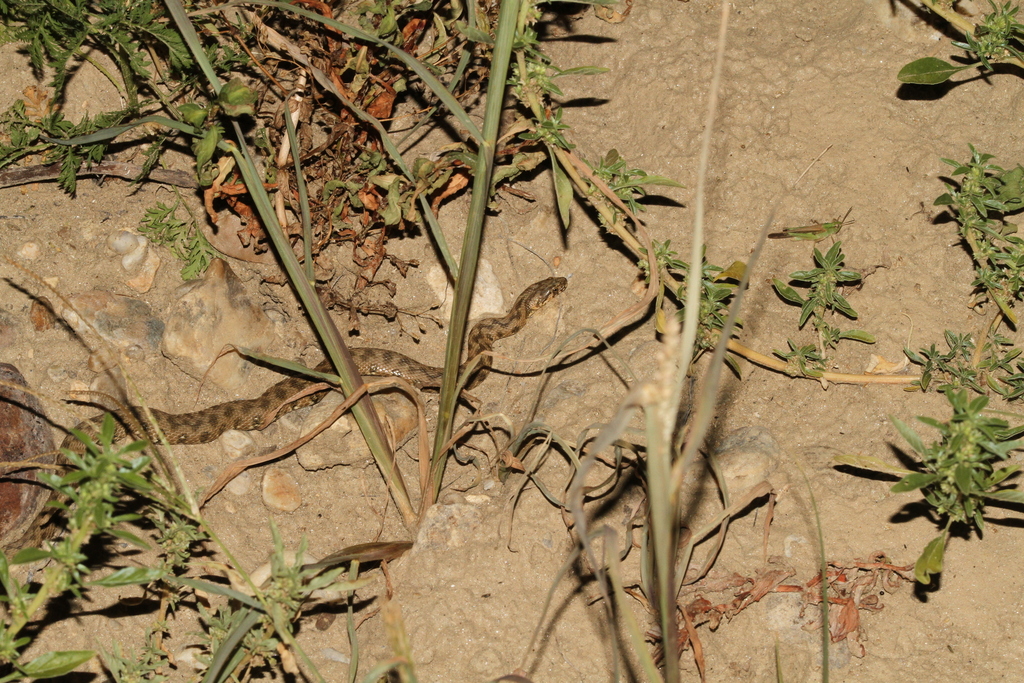
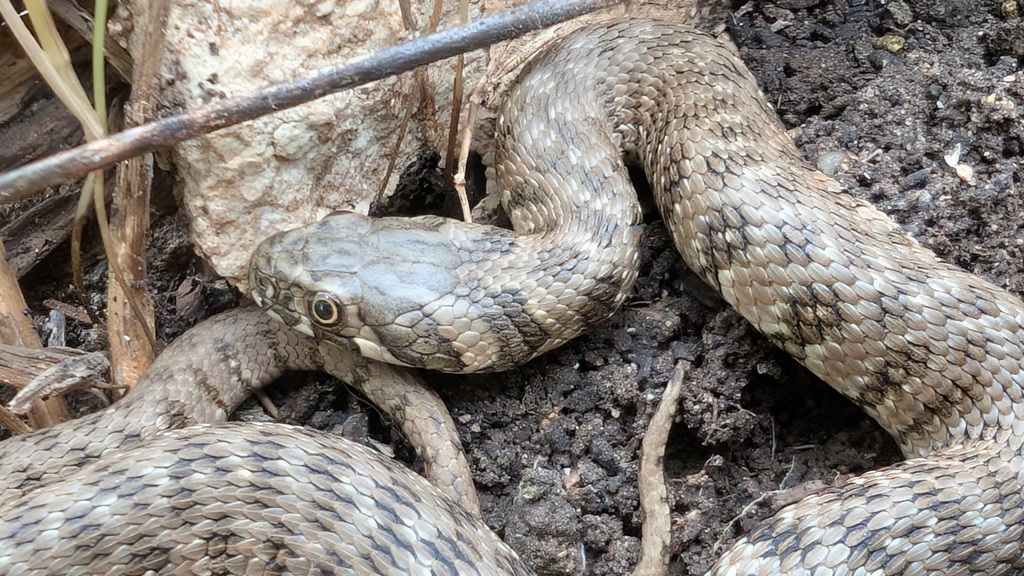
Its closest relatives
The other species of the genus Natrix.
Seen a viperine snake?
Share your photo on iNaturalist. Other naturalists help confirm it, and the record goes to GBIF, where scientists use it and where the maps on this page come from.
Put this species on your site
The card names every source and links back here.
<iframe src="https://4planetatlas.com/place/embed/species/viperine-snake" title="Viperine snake (Natrix maura), 4PLANET Species" width="100%" height="600" style="border:0;max-width:640px" loading="lazy"></iframe>
<p><a href="https://4species.com/viperine-snake">Viperine snake on 4PLANET Species</a></p>Explore next
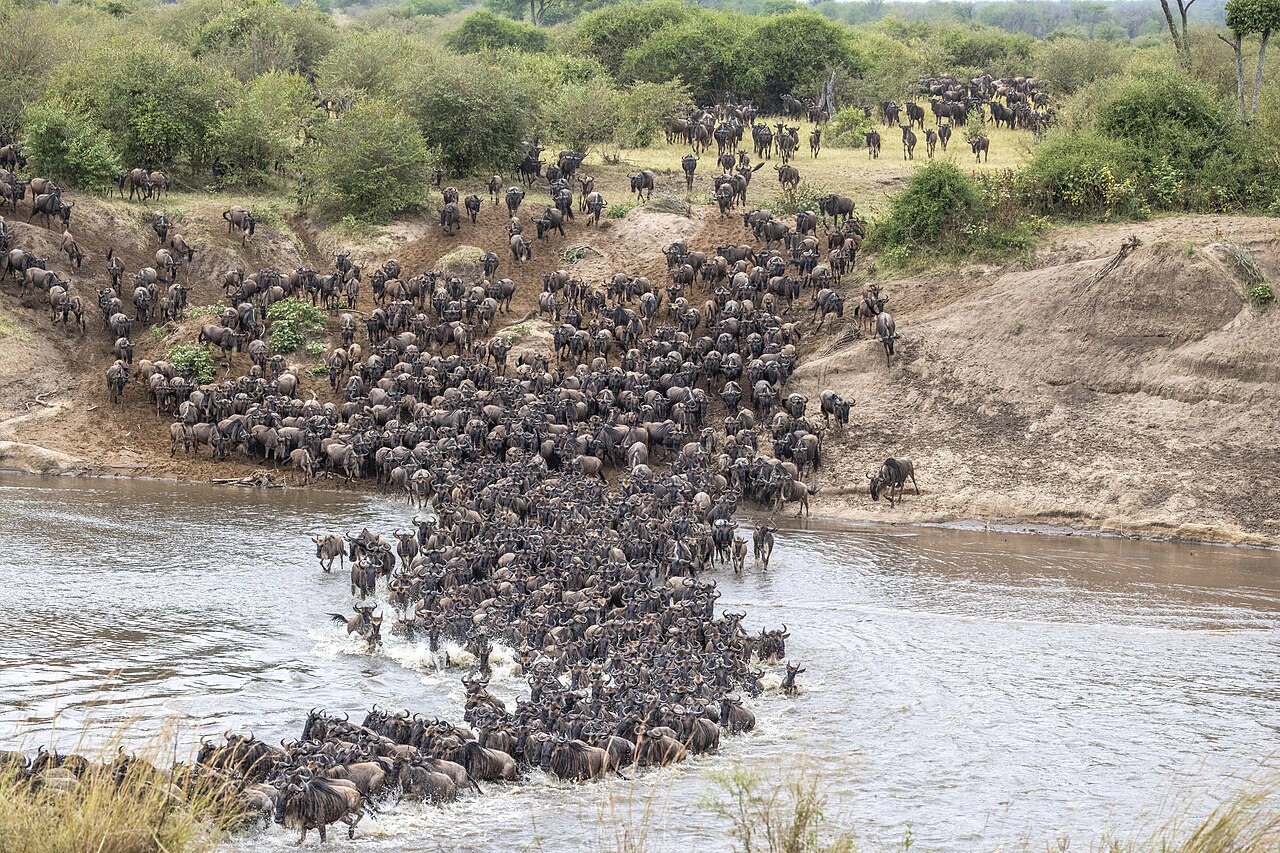
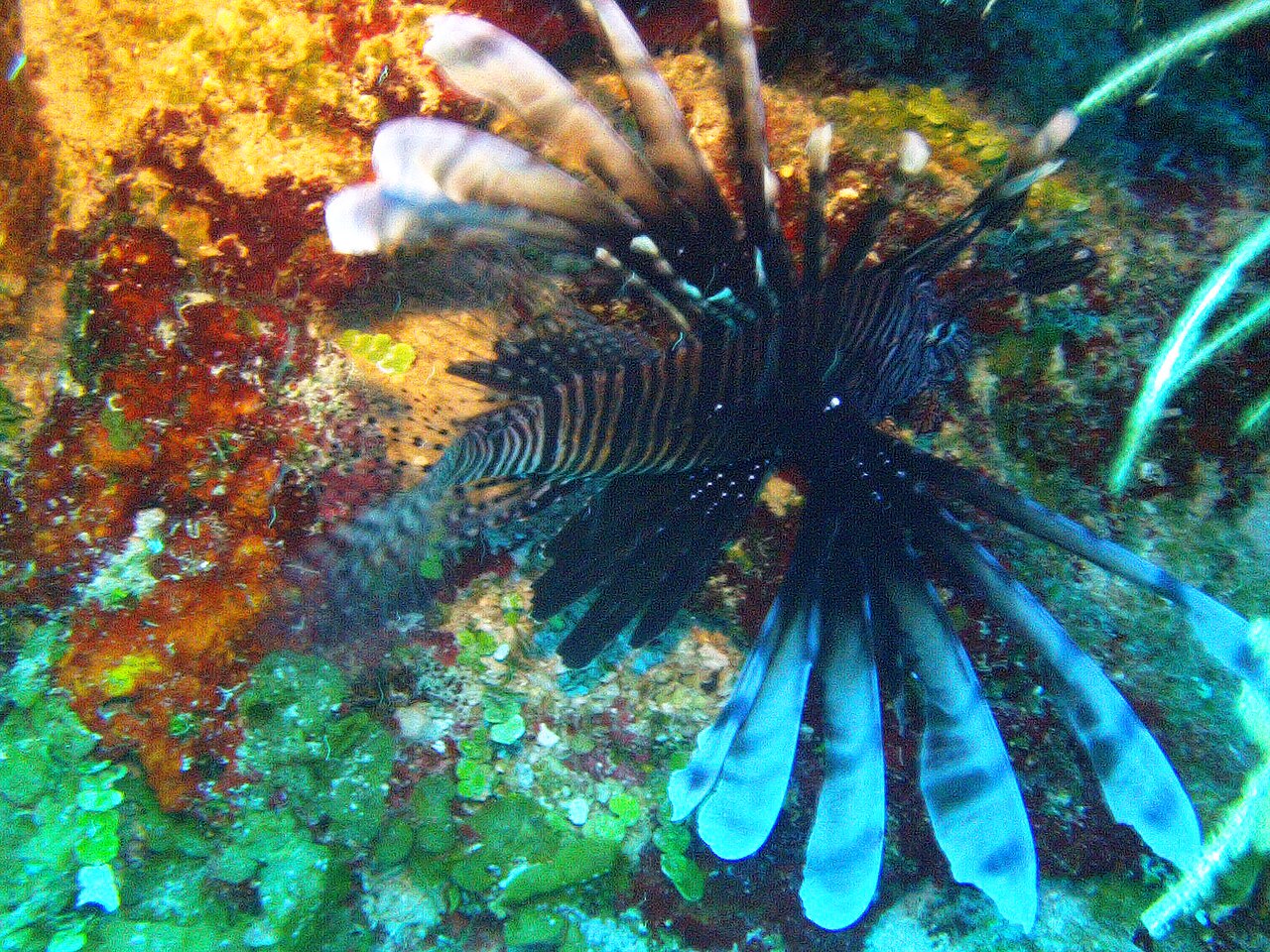
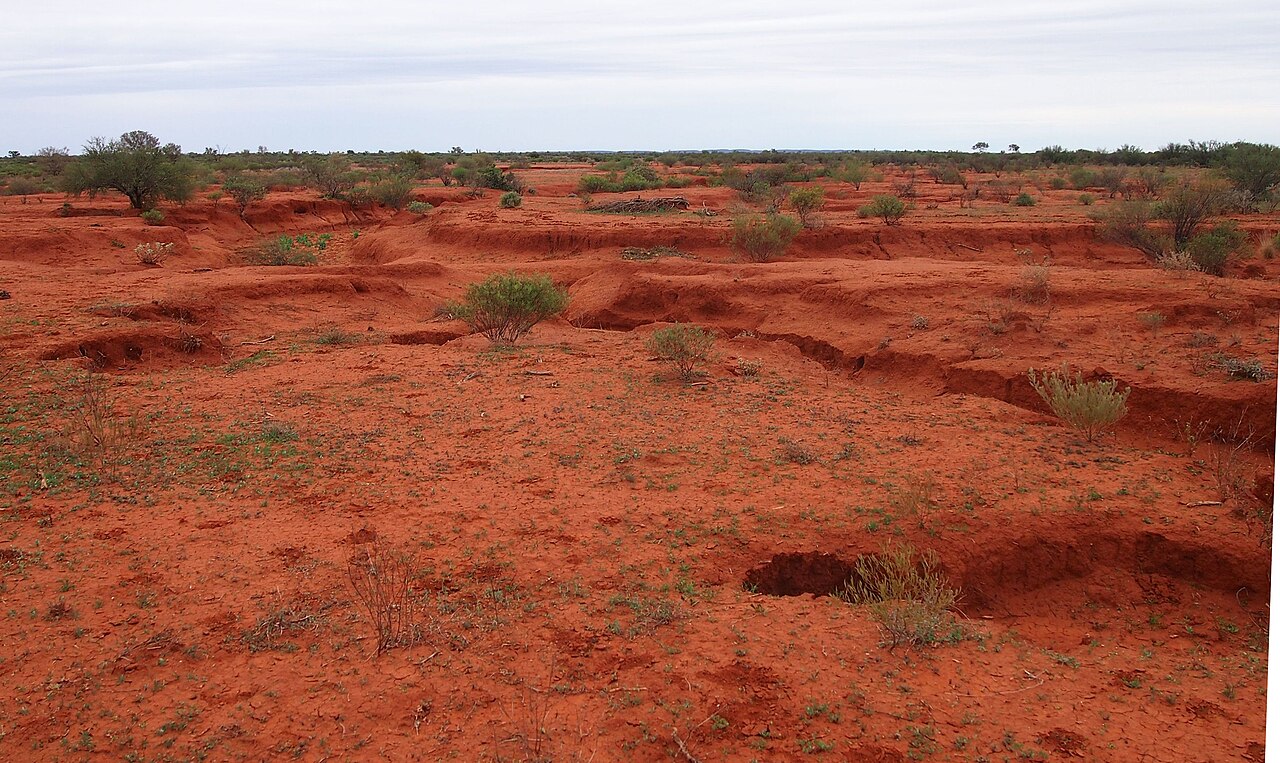
What puts the viperine snake under pressure, what helps, and who works on it.




Questions people ask
What does the viperine snake eat?
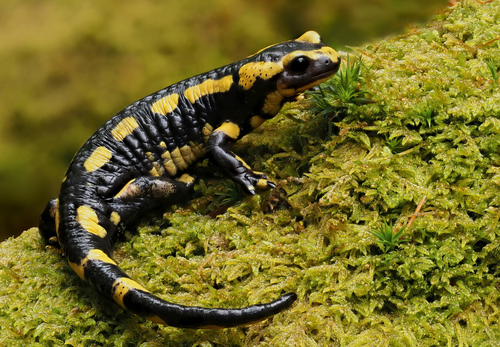
The viperine snake has been recorded eating 95 different kinds of animals and plants, most of them amphibians, fish and earthworms. The ones recorded most often are goldfish, wels catfish, european eel, fire salamander and common toad; records include animals eaten as carrion. Source: GloBI.
What eats the viperine snake?
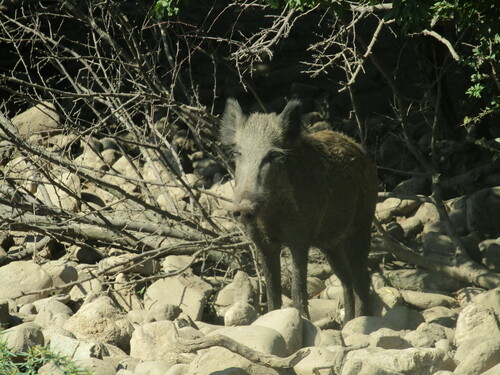
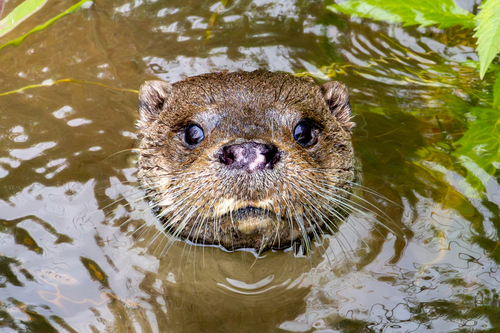
Recorded predators include grey wolf, wild boar, red fox, northern raven and eurasian magpie. Source: GloBI.
Where does the viperine snake live?
People have recorded it in 10 countries; the most records come from Spain, France, Portugal, Italy and Morocco. Records show where people have seen it, not its full range.
When is the viperine snake seen most?
In the northern hemisphere, the most records are made in May and the fewest in January. More people outdoors also means more records.
What are the viperine snake's closest relatives?
It shares the genus Natrix with dice snake.
Sources and photo credits
- GBIF · Natrix maura, 6,506 human observations
- GloBI · recorded interactions of Natrix maura
- Wikidata · Viperine snake (Q1541871)
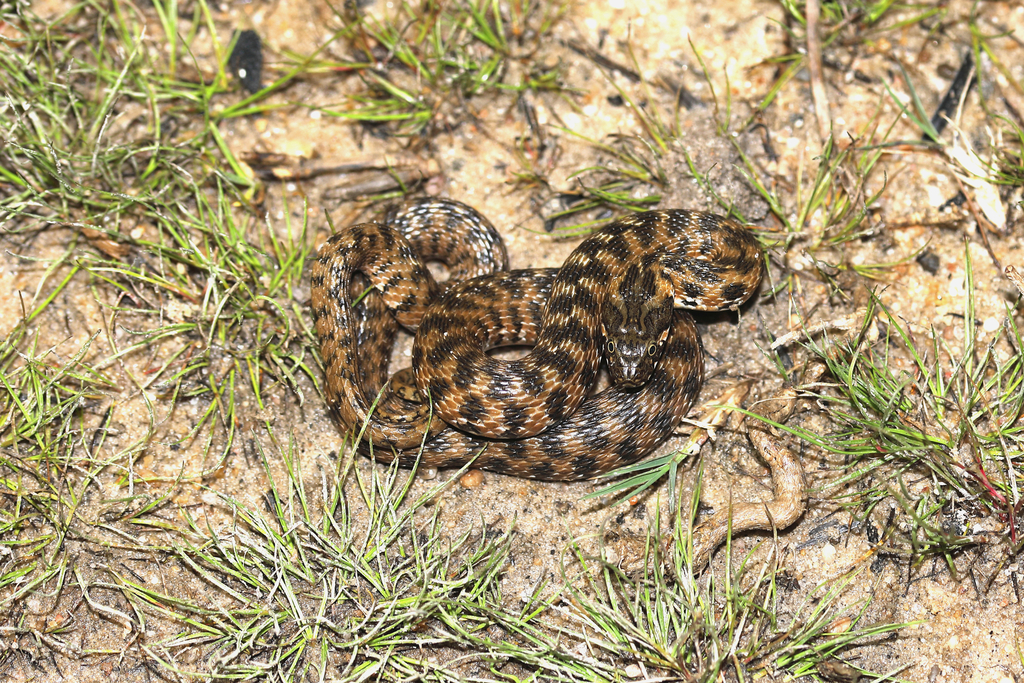
- Viperine snake (Natrix maura): harry beaman, CC BY 4.0
- Viperine snake (Natrix maura), Meseta Ibérica, Angueira, Norte, PT: ManOnEarth, CC BY 4.0
- Viperine snake (Natrix maura), 4439+RC Vila do Bispo, Portugal: Lucas Benaiche, CC BY-SA 4.0
- Viperine snake (Natrix maura), Saint-Martin-de-Crau, Provence-Alpes-Côte d'Azur, FR: harry beaman, CC BY 4.0
- Viperine snake (Natrix maura), Torres Novas, 2350, Portugal: Paulo Martins, CC BY-SA 4.0
- Viperine snake (Natrix maura), Ravin des Arcs, Unnamed Road, 34380, 34380 Notre-Dame-de-Londres, France: Samuel GUIRAUDOU, CC BY 4.0
- Viperine snake (Natrix maura), Montalegre, 5470, Portugal: Stuart, CC0
- Viperine snake (Natrix maura), 30700 Sanilhac-Sagriès, France: Samuel GUIRAUDOU, CC BY 4.0
- Viperine snake (Natrix maura), Djebba, Tunisia: Mattia Menchetti, CC BY 4.0
- Goldfish: Yung-Lun Lin, CC BY 4.0
- Wels catfish: Bernard DUPONT, CC BY-SA 4.0
- European eel: Julien Renoult, CC BY 4.0
- Fire salamander: Frank Vassen, CC BY 4.0
- Common frog: Jörg Hempel, CC BY-SA 4.0
- Marsh frog: Petra & Wilfried, CC BY 4.0
- Edible frog: Luciano 95, CC BY 4.0
- Natterjack toad: Gilles San Martin, CC BY-SA 4.0
- Yellow-bellied toad: Kostas Zontanos, CC BY 4.0
- Agile frog: Laurent Lebois, CC BY 4.0
- Grey wolf: Andrew Simon, CC BY 4.0
- Wild boar: SteveM4560, CC BY 4.0
- Red fox: Алина Урусова, CC BY 4.0
- Northern raven: xulescu_g, CC BY-SA 4.0
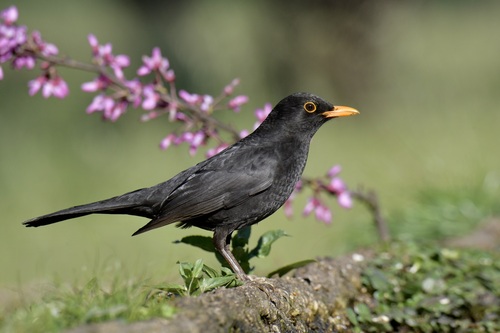
- Common blackbird: Luiz Lapa, CC BY 4.0
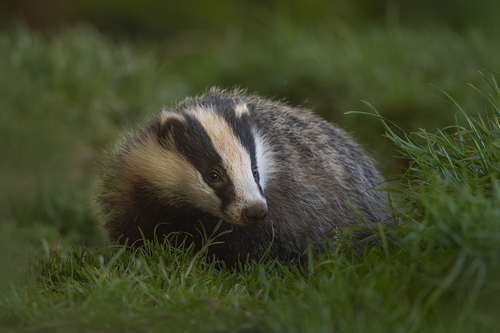
- Eurasian badger: caroline legg, CC BY 4.0
- Eurasian otter: Diego González Dopico, CC BY 4.0
- Dice snake: carnifex, CC BY 4.0
Records show where people have seen and shared the viperine snake, not its full range, and some countries and months are recorded far more than others. The food web lists interactions that studies have recorded somewhere in the world (GloBI), not everything it eats in one place.
Checked 2026-11-28.