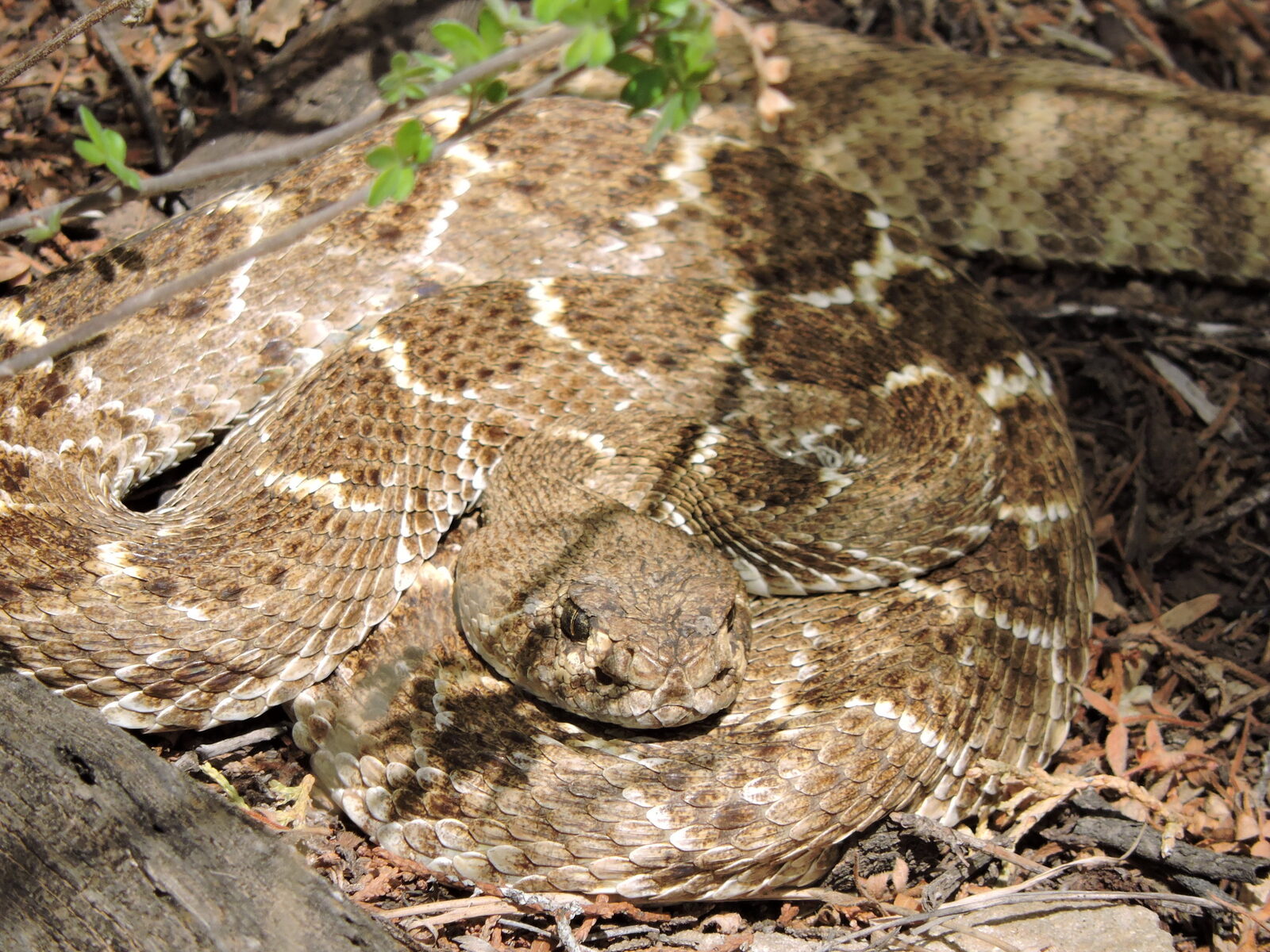
Western diamond-backed rattlesnake
Crotalus atrox
- Status
- Least Concern IUCN Red List
- Eats
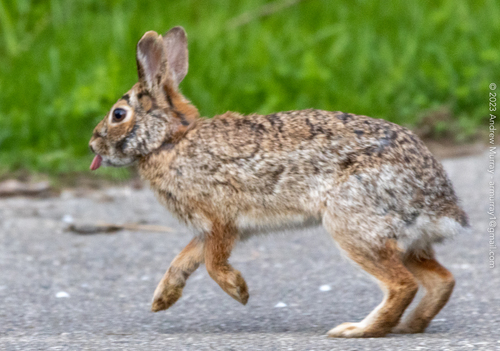
- eastern cottontail, northern cardinal, mourning dove and 65 more
- Eaten by
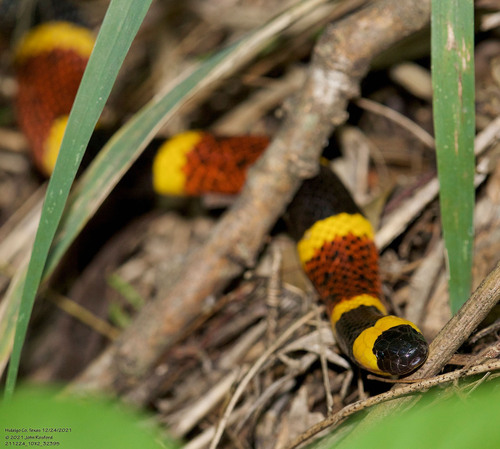
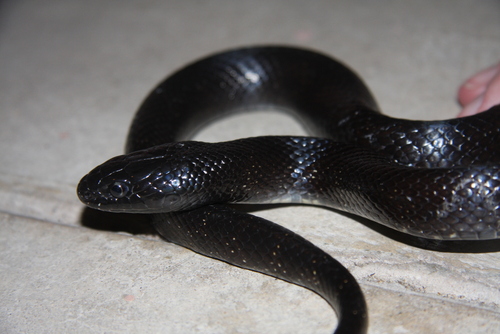
- texas coral snake, desert kingsnake
- Where
- 2 countries · deserts
People have shared 22,019 records of the western diamond-backed rattlesnake with GBIF, from 2 countries, most of them from United States and Mexico. Records collected by GloBI show it eating 68 different kinds of animals and plants, and being eaten by 5.
In the northern hemisphere, people record it most in August and least in January. It belongs to the genus Crotalus in the family Viperidae.
Habitats
What the western diamond-backed rattlesnake eats, and what eats it
Studies have recorded it eating 68 kinds of animals and plants, and 5 kinds of animals eating it. Tap any of them to follow the food chain.
- Mammals 32
- Birds 25
- Reptiles 9
 Western diamond-backed rattlesnake
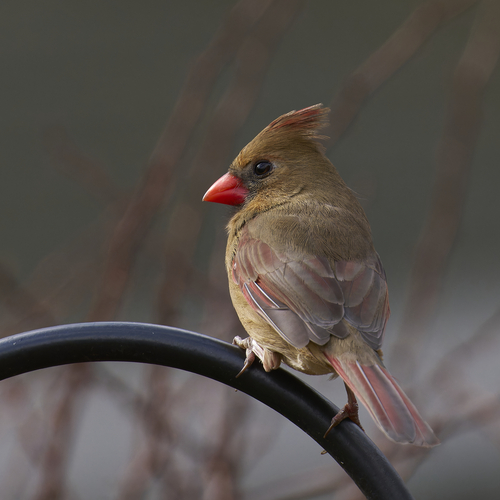
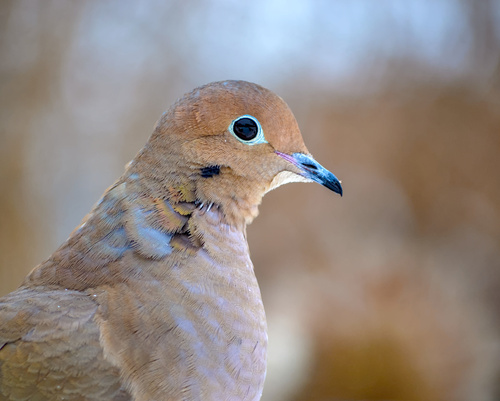
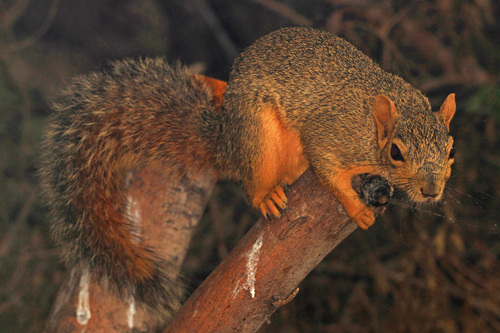
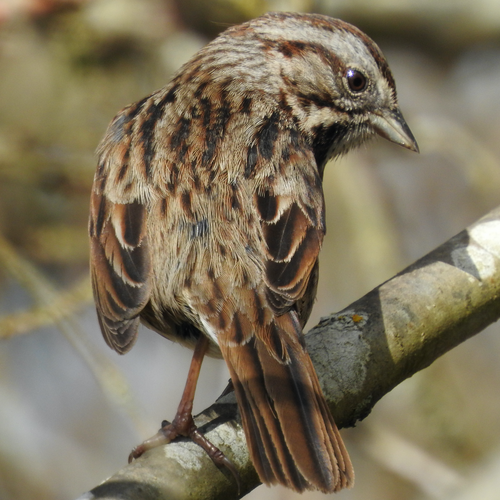

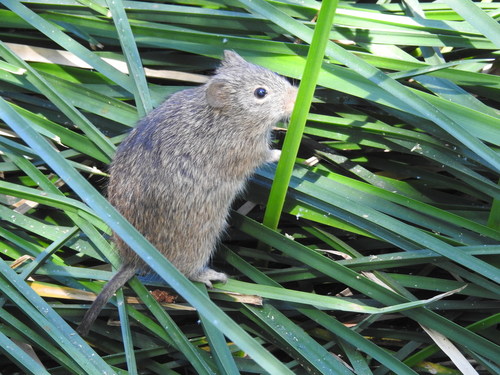
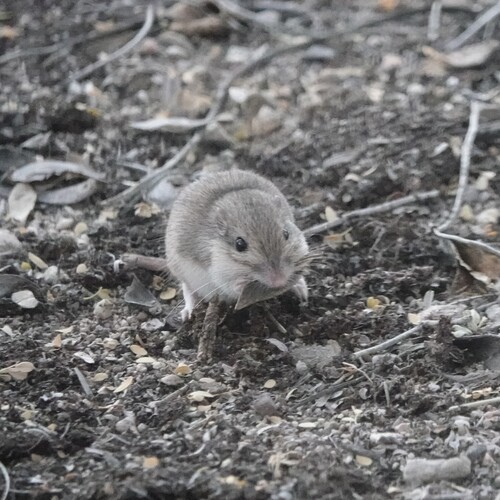
Records from studies worldwide, collected by GloBI. They include animals eaten as carrion, and they are not everything it eats in one place.
Where people see the western diamond-backed rattlesnake
People have shared 22,019 records from 2 countries.
Records show where people have seen it and shared it, not its full range. Country names open their page in Atlas.
When it is seen
Records per month in the northern hemisphere. More people outdoors also means more records.
Watch and listen
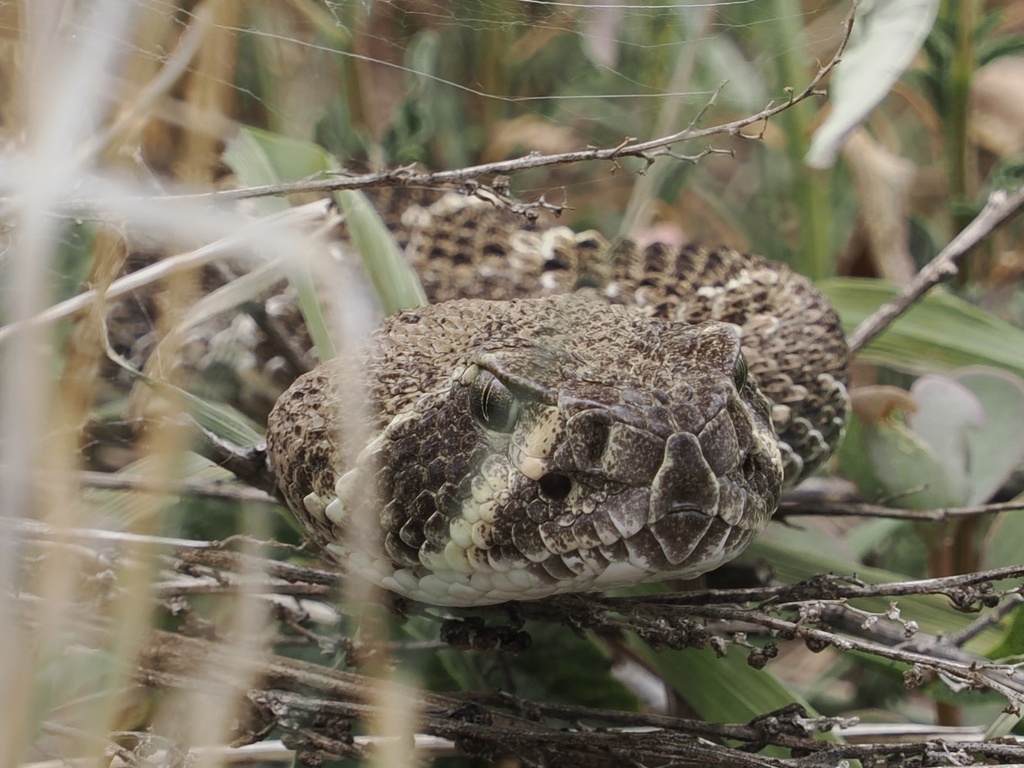
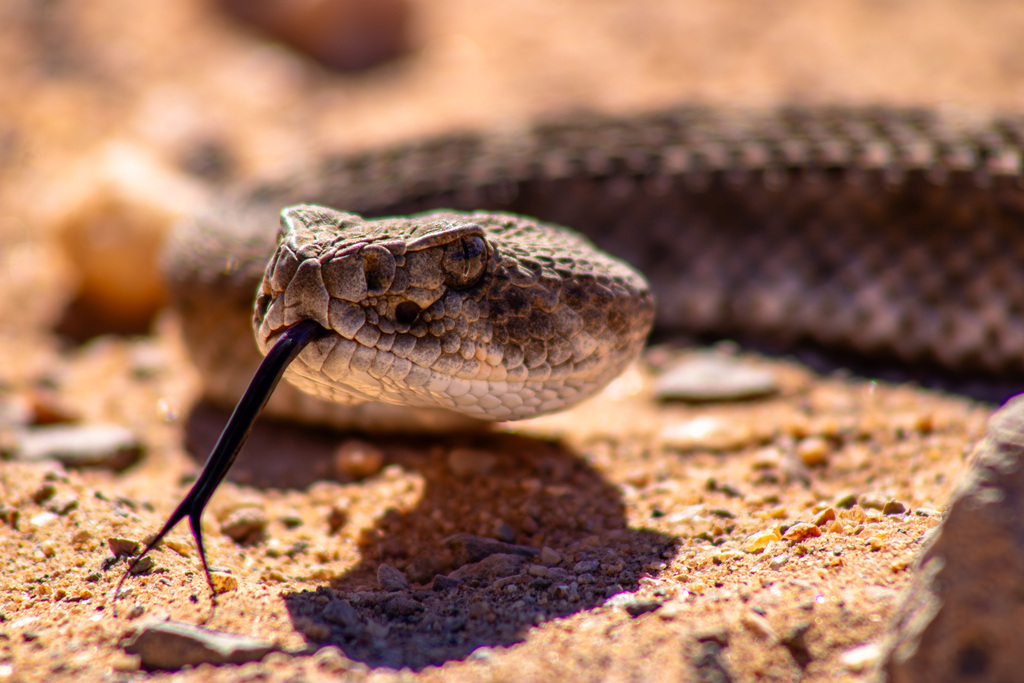
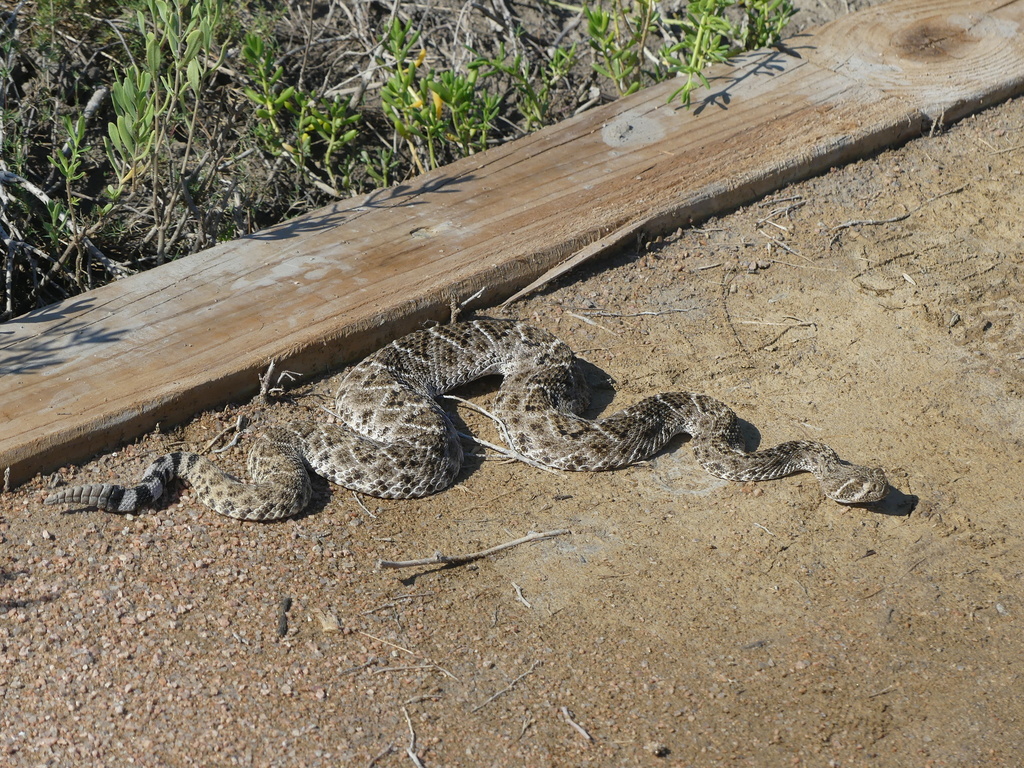
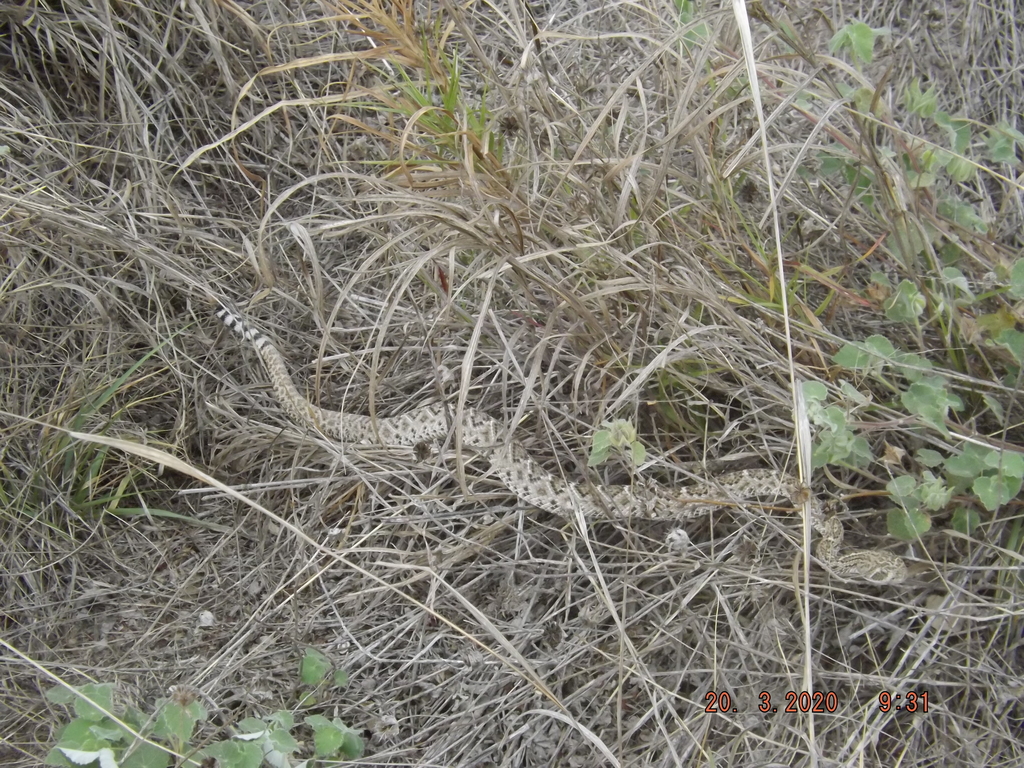
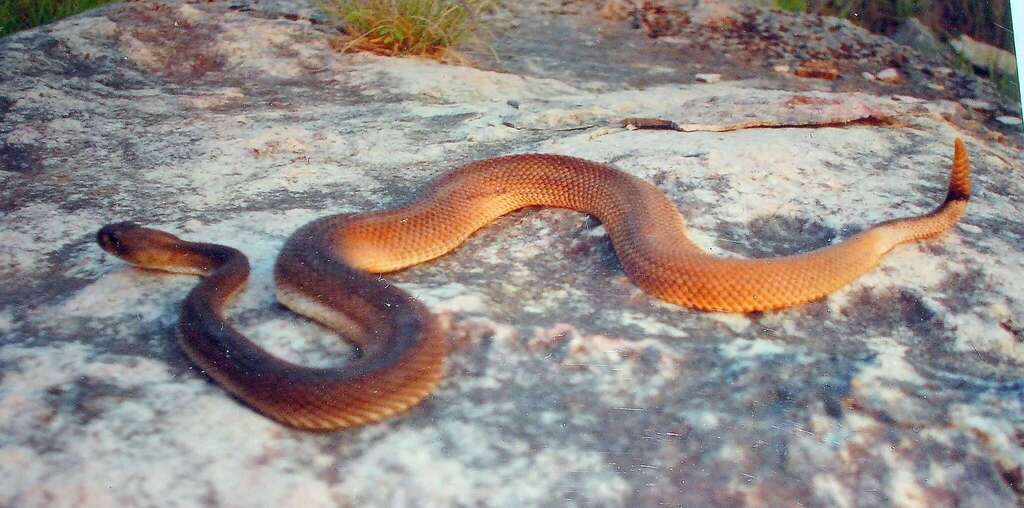
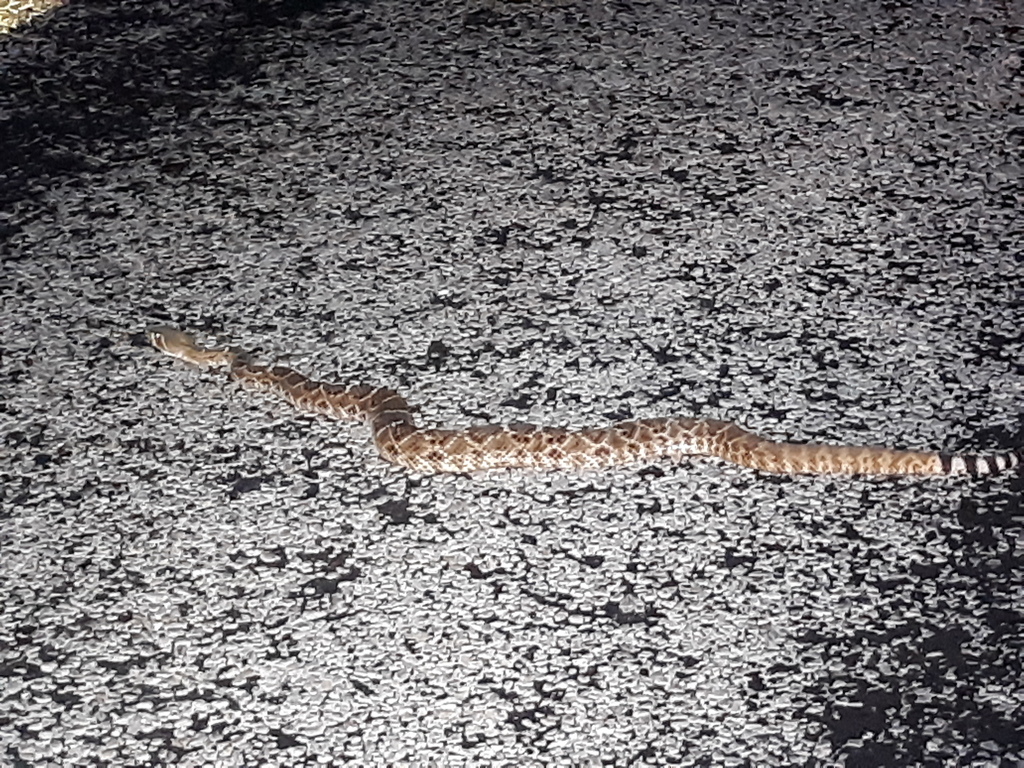
Its closest relatives
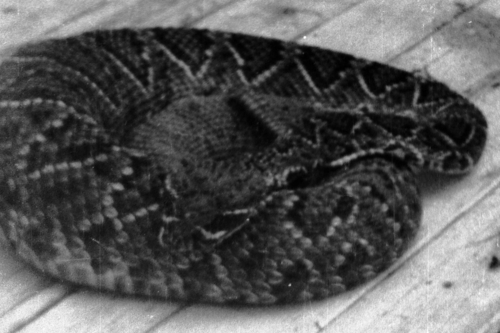
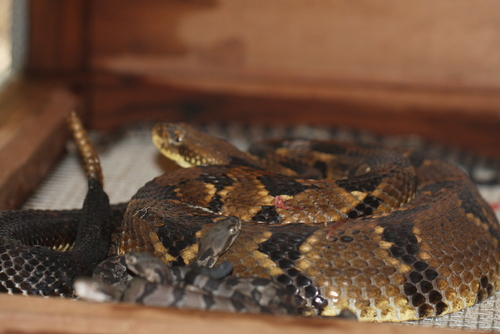
The other species of the genus Crotalus.
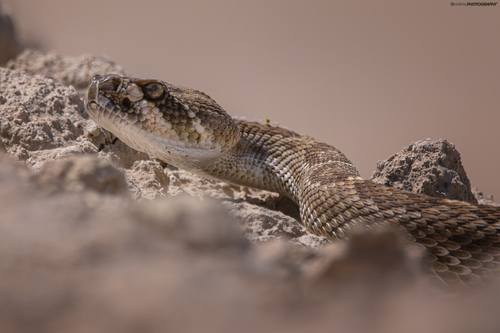
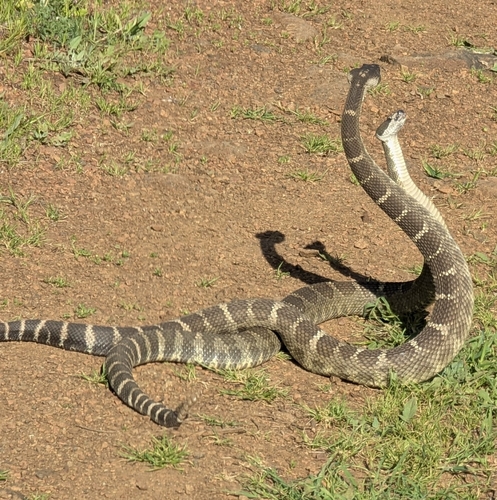
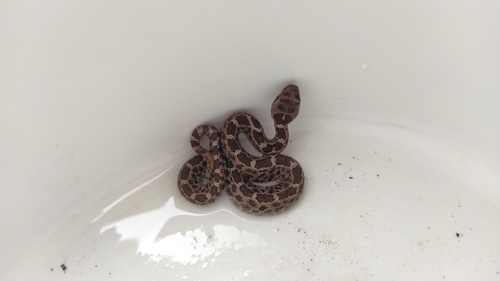
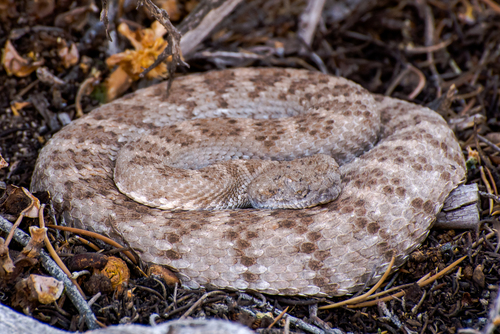
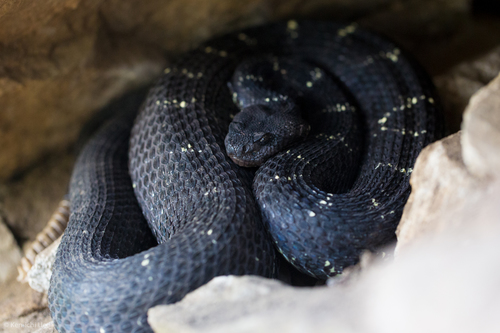
Seen a western diamond-backed rattlesnake?
Share your photo on iNaturalist. Other naturalists help confirm it, and the record goes to GBIF, where scientists use it and where the maps on this page come from.
Put this species on your site
The card names every source and links back here.
<iframe src="https://4planetatlas.com/place/embed/species/western-diamond-backed-rattlesnake" title="Western diamond-backed rattlesnake (Crotalus atrox), 4PLANET Species" width="100%" height="600" style="border:0;max-width:640px" loading="lazy"></iframe>
<p><a href="https://4species.com/western-diamond-backed-rattlesnake">Western diamond-backed rattlesnake on 4PLANET Species</a></p>Explore next
What puts the western diamond-backed rattlesnake under pressure, what helps, and who works on it.
Questions people ask
What does the western diamond-backed rattlesnake eat?
The western diamond-backed rattlesnake has been recorded eating 68 different kinds of animals and plants, most of them mammals, birds and reptiles. The ones recorded most often are eastern cottontail, northern cardinal, mourning dove, fox squirrel and song sparrow; records include animals eaten as carrion. Source: GloBI.
What eats the western diamond-backed rattlesnake?
Recorded predators include texas coral snake and desert kingsnake. Source: GloBI.
Where does the western diamond-backed rattlesnake live?
People have recorded it in 2 countries; the most records come from United States and Mexico. Records show where people have seen it, not its full range.
When is the western diamond-backed rattlesnake seen most?
In the northern hemisphere, the most records are made in August and the fewest in January. More people outdoors also means more records.
What are the western diamond-backed rattlesnake's closest relatives?
It shares the genus Crotalus with eastern diamondback rattlesnake, timber rattlesnake, red diamond rattlesnake, western rattlesnake and querétaro dusky rattlesnake.
Sources and photo credits
- GBIF · Crotalus atrox, 22,019 human observations
- GloBI · recorded interactions of Crotalus atrox
- Wikidata · Western diamond-backed rattlesnake (Q222287)
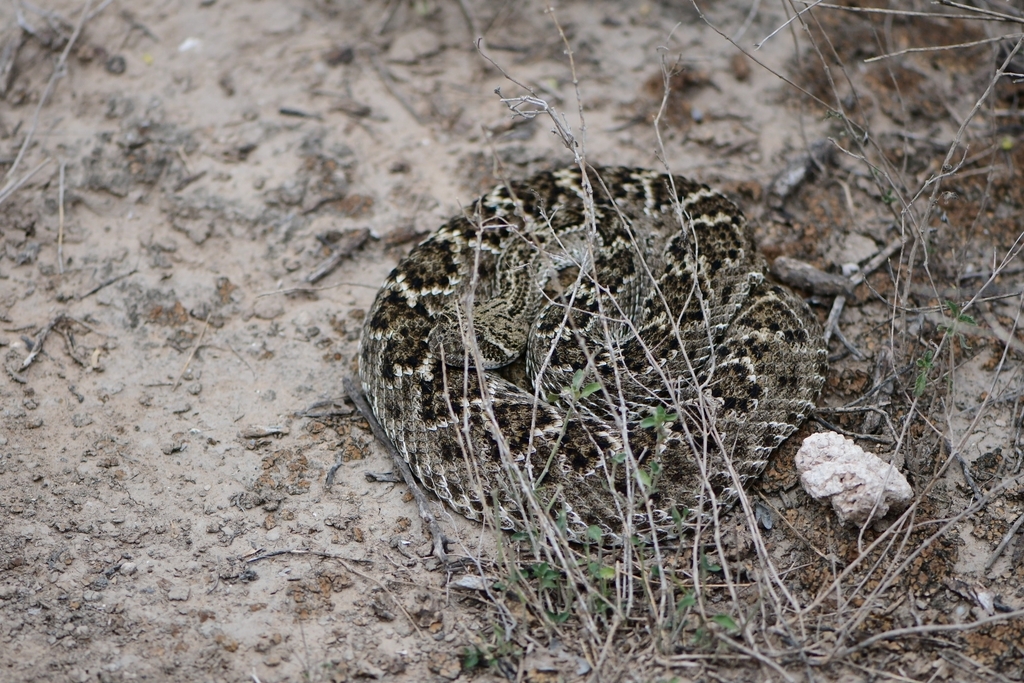
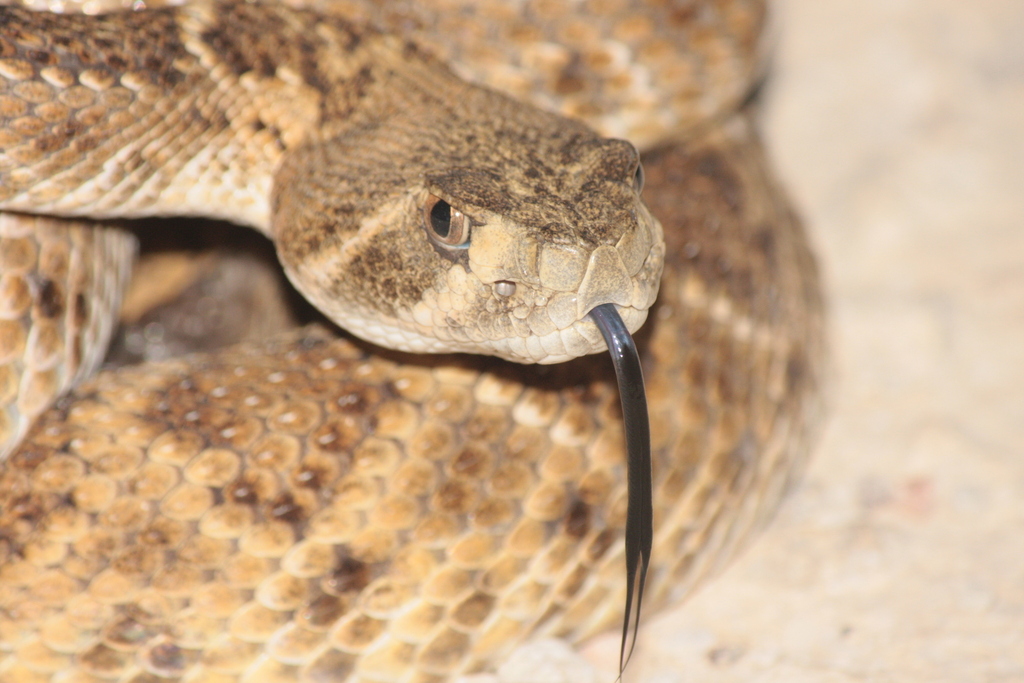
- Western diamond-backed rattlesnake (Crotalus atrox): Sam Kieschnick, CC BY 4.0
- Western diamond-backed rattlesnake (Crotalus atrox), Texas, US: Joey Santore, CC BY 4.0
- Western diamond-backed rattlesnake (Crotalus atrox), Jones County, TX, USA: B. P. White, CC BY-SA 4.0
- Western diamond-backed rattlesnake (Crotalus atrox), Las Vegas, NM, US: Dee Shea Himes, CC BY 4.0
- Western diamond-backed rattlesnake (Crotalus atrox), Hudspeth County, TX, USA: highsinger, CC BY 4.0
- Western diamond-backed rattlesnake (Crotalus atrox), Cameron County, TX, USA: Steadtler A, CC BY 4.0
- Western diamond-backed rattlesnake (Crotalus atrox), Cadereyta Jiménez, N.L., México: Ricardo Jaimes-López, CC BY 4.0
- Western diamond-backed rattlesnake (Crotalus atrox), Eastland County, TX, USA: squalicorax, CC0
- Western diamond-backed rattlesnake (Crotalus atrox), Stephens County, TX, USA: Alessandro Franchini, CC BY 4.0
- Eastern cottontail: Andrew Murray, CC BY 4.0
- Northern cardinal: Paul Danese, CC BY-SA 4.0
- Mourning dove: Timothy Lindsey, CC BY 4.0
- Fox squirrel: Judy Gallagher, CC BY 4.0
- Song sparrow: Daniel Levitis, CC BY 4.0
- Gambel's quail: Annika Lindqvist, CC BY 4.0
- Arizona cotton rat: Rachel Stringham, CC BY 4.0
- Desert pocket mouse: Scott Crabtree, CC BY 4.0
- Texas coral snake: John Rosford, CC BY 4.0
- Desert kingsnake: Ann McKenzie, CC0
- Eastern diamondback rattlesnake: William J. Deml, CC BY 4.0
- Timber rattlesnake: Ann McKenzie, CC0
- Red diamond rattlesnake: MarvalPhotography19, CC BY 4.0
- Western rattlesnake: Felicia Gershberg, CC BY 4.0
- Querétaro dusky rattlesnake: IA braham, CC BY 4.0
- Panamint rattlesnake: Dominic Gentilcore, CC BY 4.0
- Arizona black rattlesnake: Ken-ichi Ueda, CC BY 4.0
Records show where people have seen and shared the western diamond-backed rattlesnake, not its full range, and some countries and months are recorded far more than others. The food web lists interactions that studies have recorded somewhere in the world (GloBI), not everything it eats in one place.
Checked 2026-11-26.