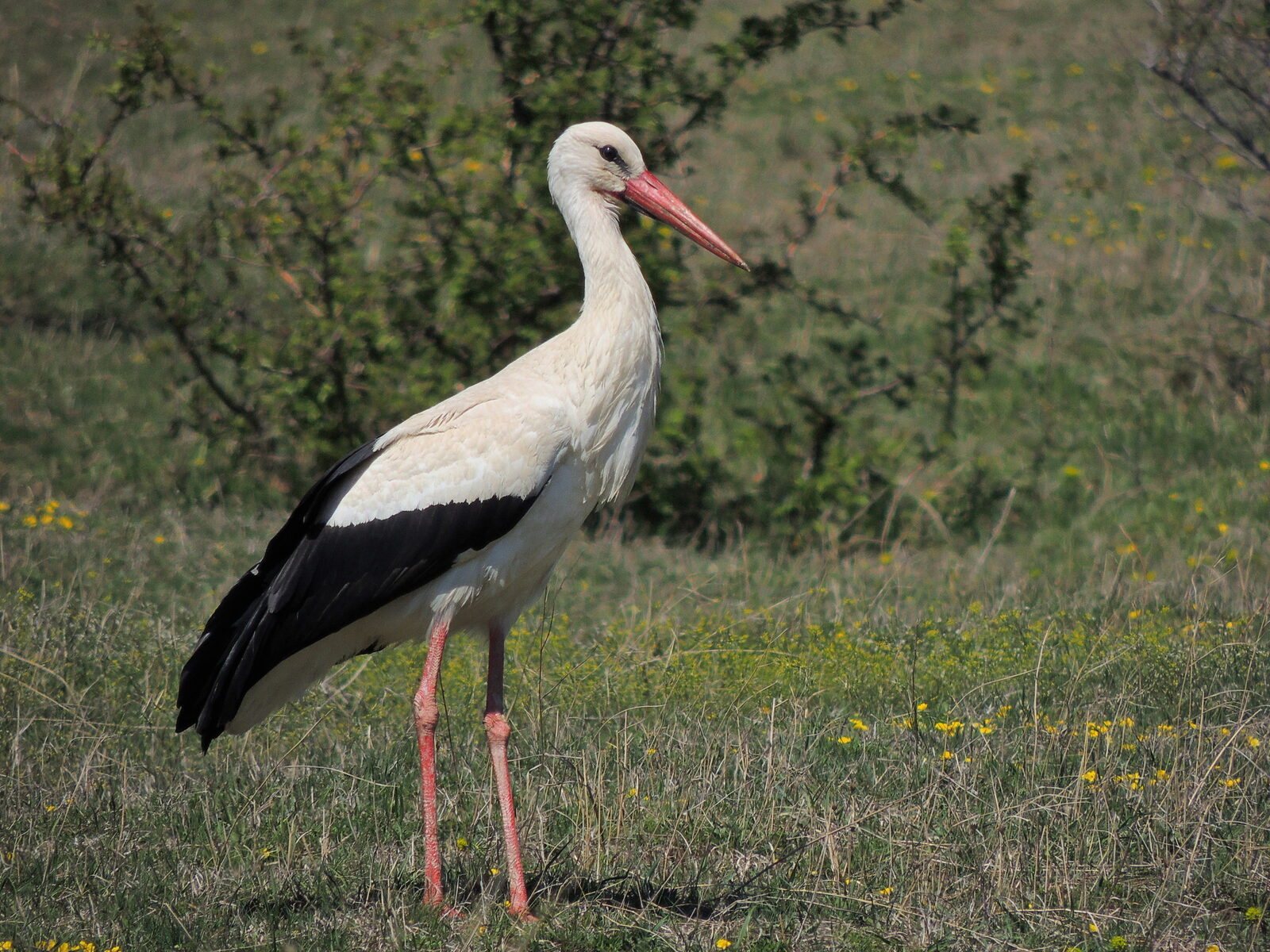
White Stork
Ciconia ciconia
- Status
- Least Concern IUCN Red List
- Eats
- European mole, field vole, mallard and 682 more
- Eaten by
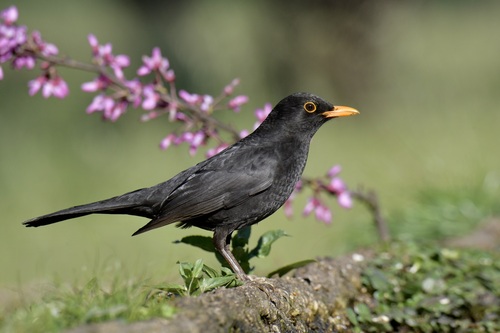
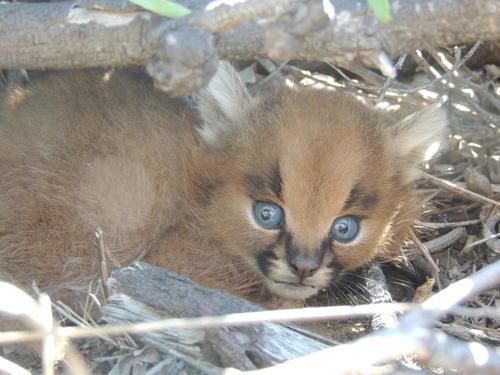
- northern raven, common blackbird, caracal
- Where
- 116 countries
On 4Planet Atlas it is among the wildlife people record most around Addis Ababa, Algiers and Amman, and 34 more of the cities we cover.
People have shared 753,549 records of the White Stork with GBIF, from 116 countries, most of them from Spain, Portugal and Germany. Records collected by GloBI show it eating 685 different kinds of animals and plants, and being eaten by 7.
What the white Stork eats, and what eats it
Studies have recorded it eating 685 kinds of animals and plants, and 7 kinds of animals eating it. Tap any of them to follow the food chain.
- Reptiles 162
- Mammals 147
- Insects 107
- Birds 104
- Fish 80
- Amphibians 35
- Crustaceans 1
Eaten by

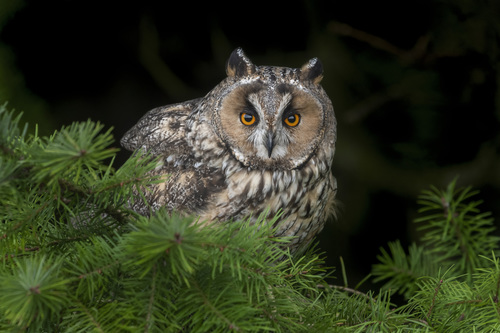
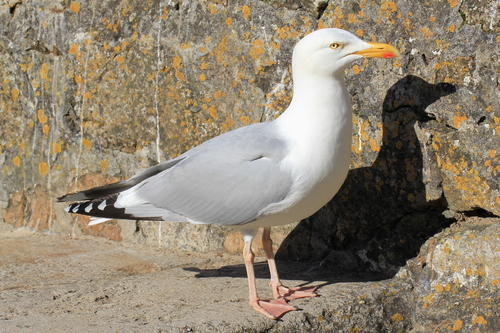 White Stork
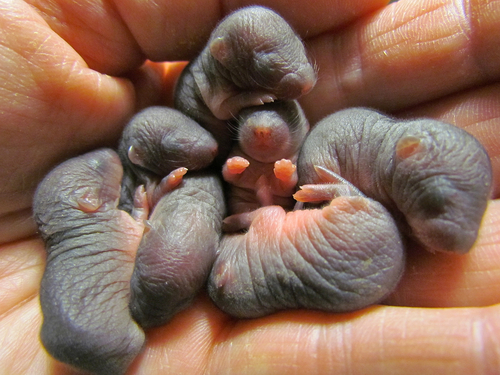

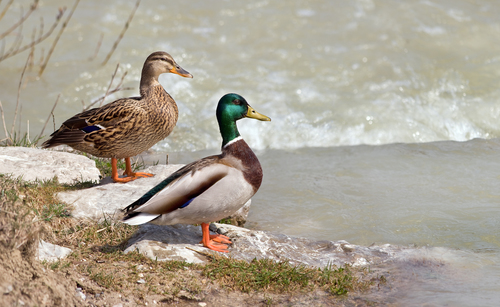
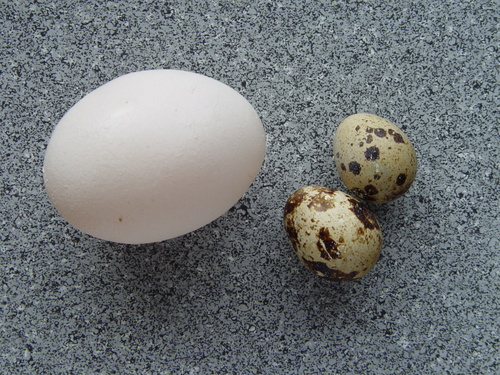
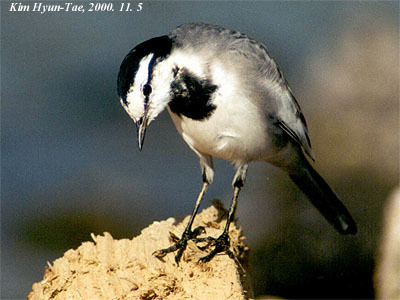
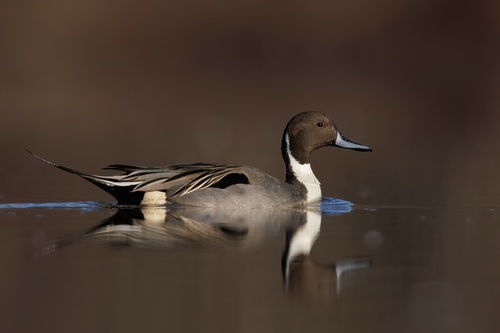
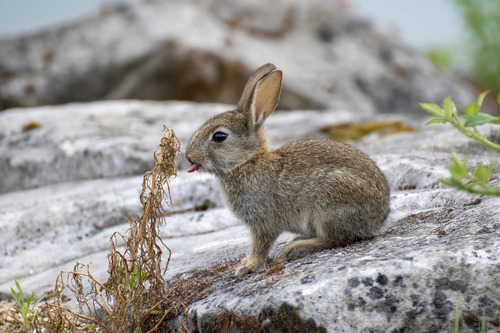
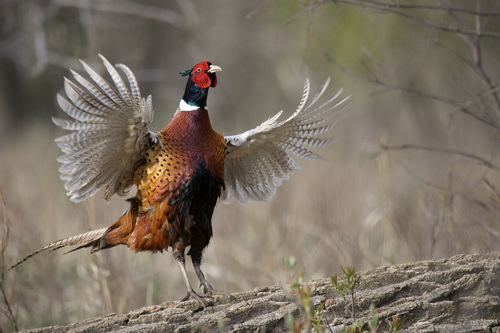
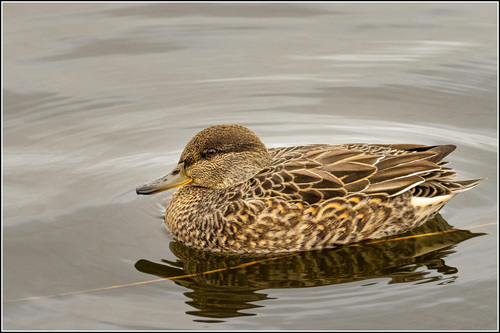
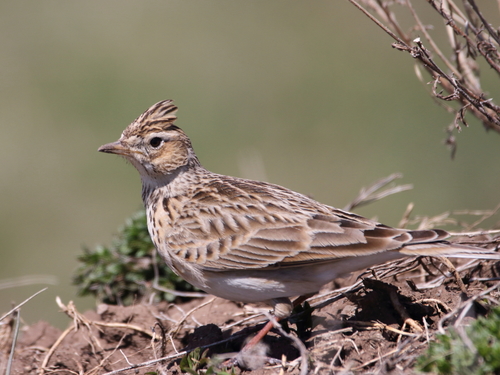

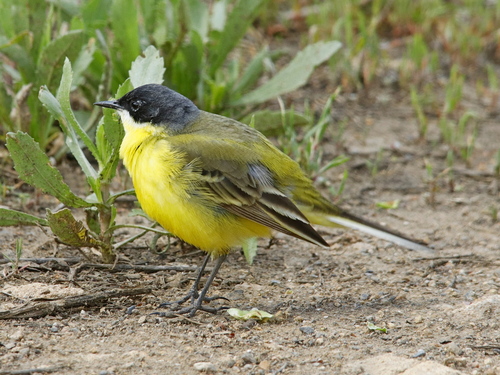
Records from studies worldwide, collected by GloBI. They include animals eaten as carrion, and they are not everything it eats in one place.
Where people see the white Stork
People have shared 753,549 records from 116 countries.
Near a city: Addis Ababa, Algiers, Amman, Amsterdam, Ankara, Baghdad, Belgrade, Berlin, Bratislava, Brussels, Bucharest, Budapest, Chișinău, Damascus, East Jerusalem, Kyiv, Lisbon, Ljubljana, Madrid, Minsk, Prague, Pristina, Rabat, Ramallah, Riga, Sarajevo, Skopje, Sofia, Tallinn, Tashkent, Tunis, Vaduz, Vienna, Vilnius, Warsaw, Yerevan, Zagreb.
Records show where people have seen it and shared it, not its full range. Country names open their page in Atlas.
When it is seen
Records per month in the northern hemisphere. More people outdoors also means more records.
Watch and listen
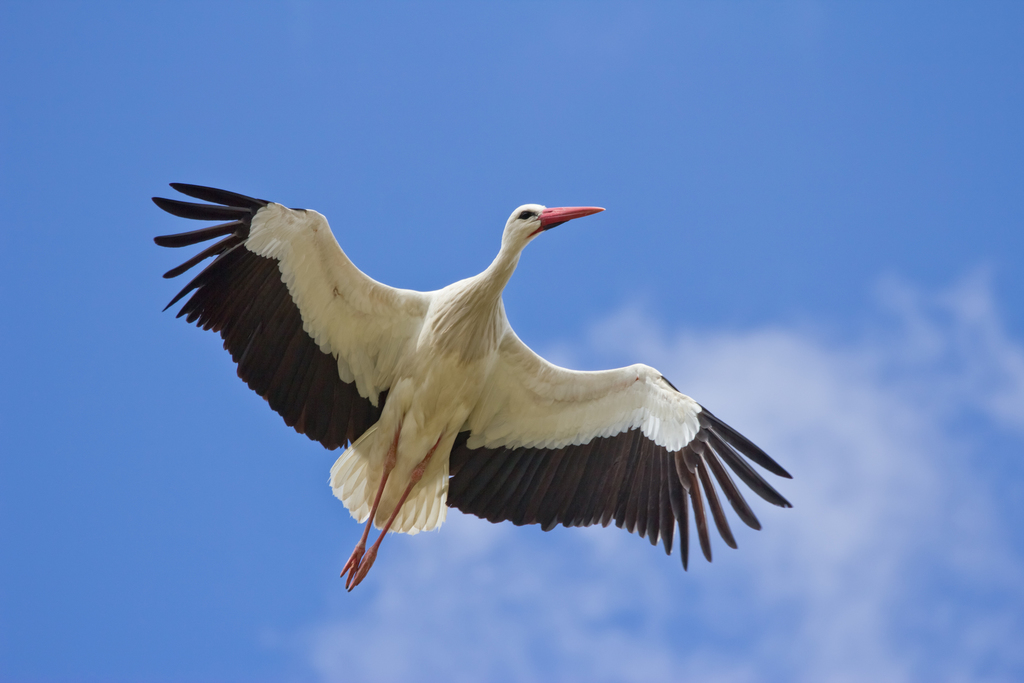
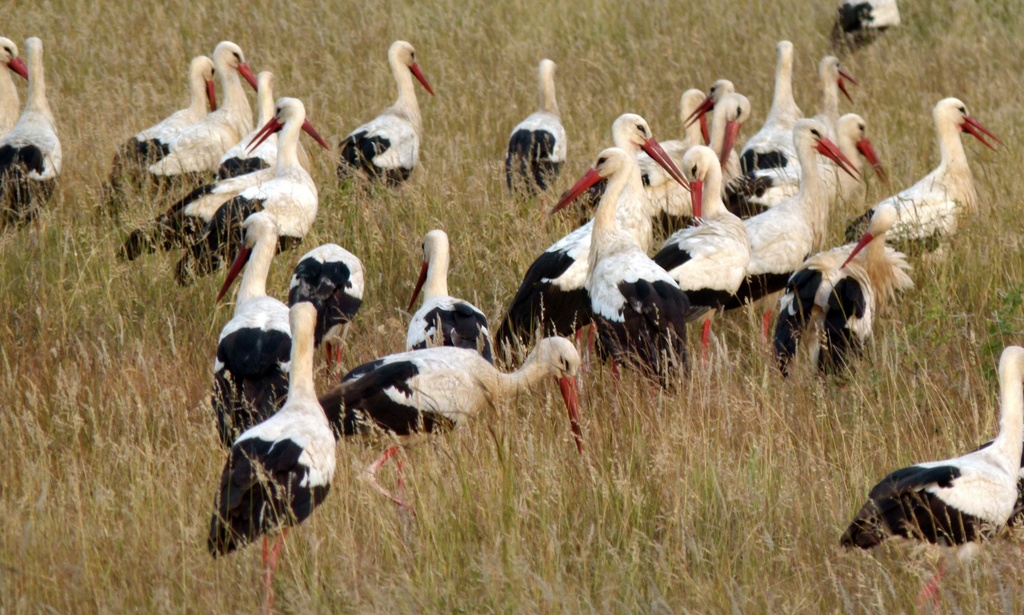
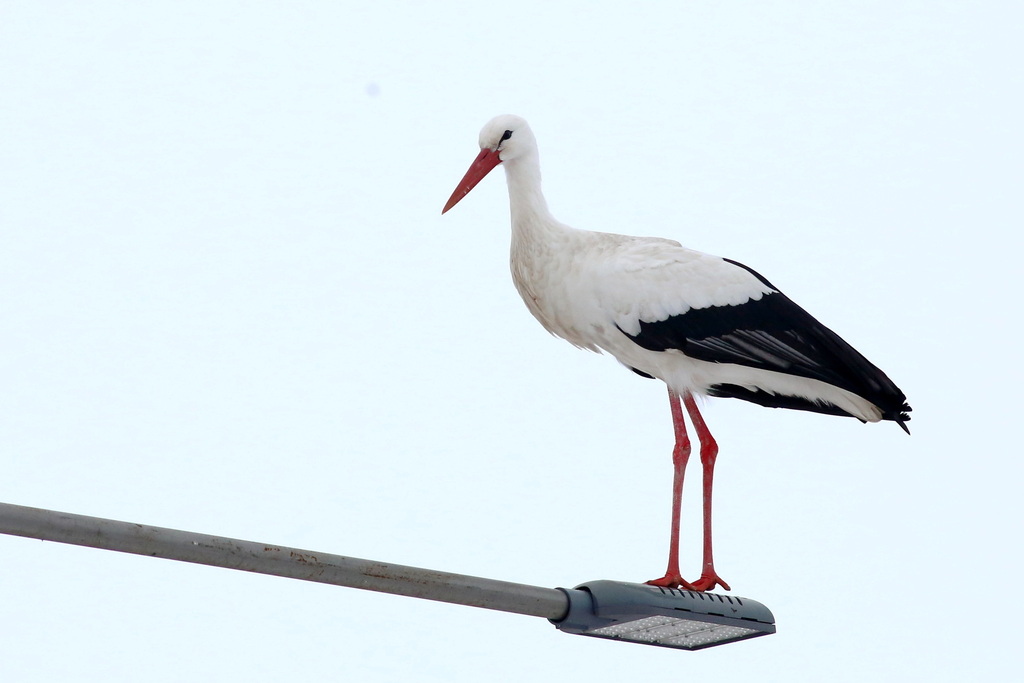
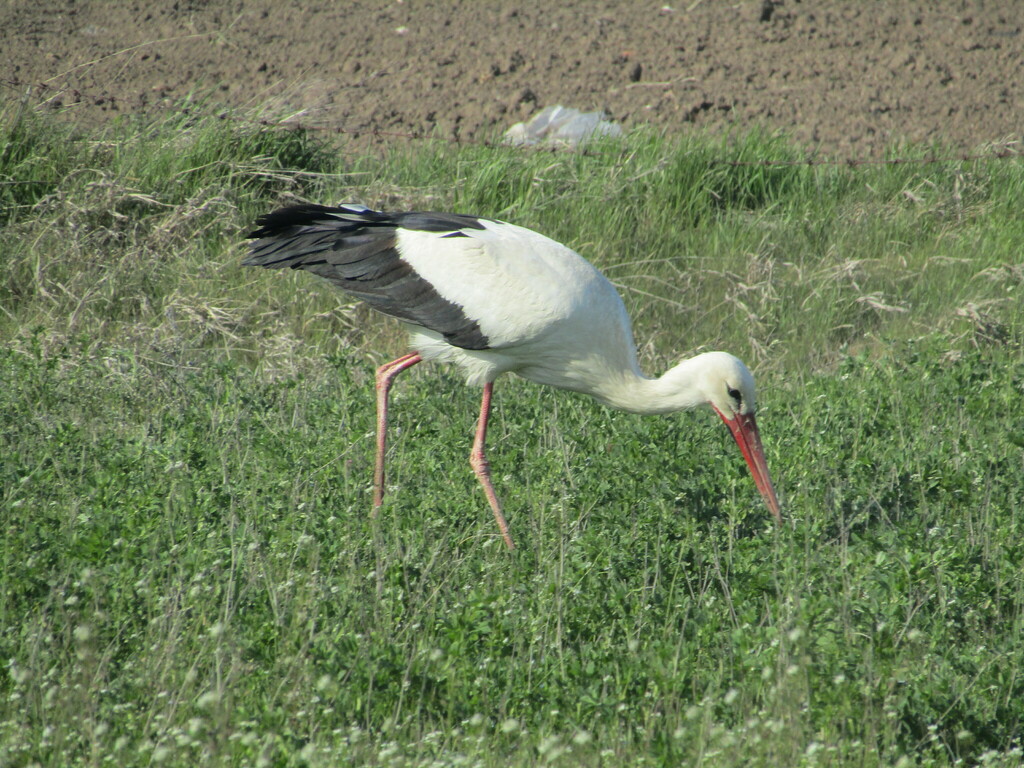
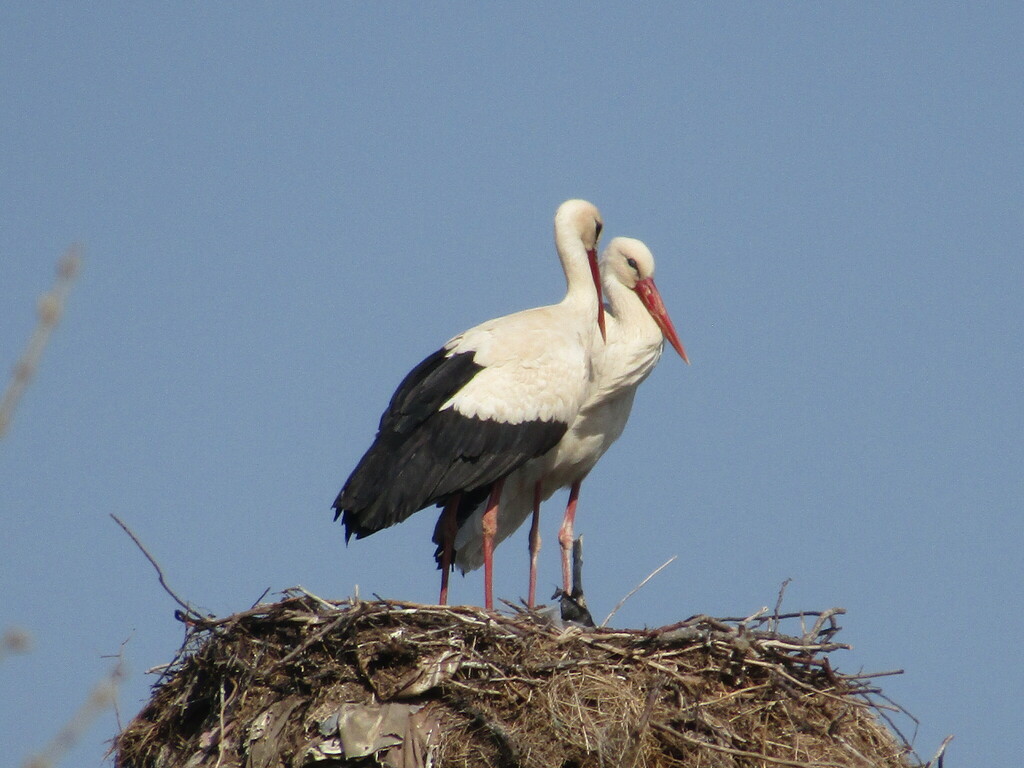
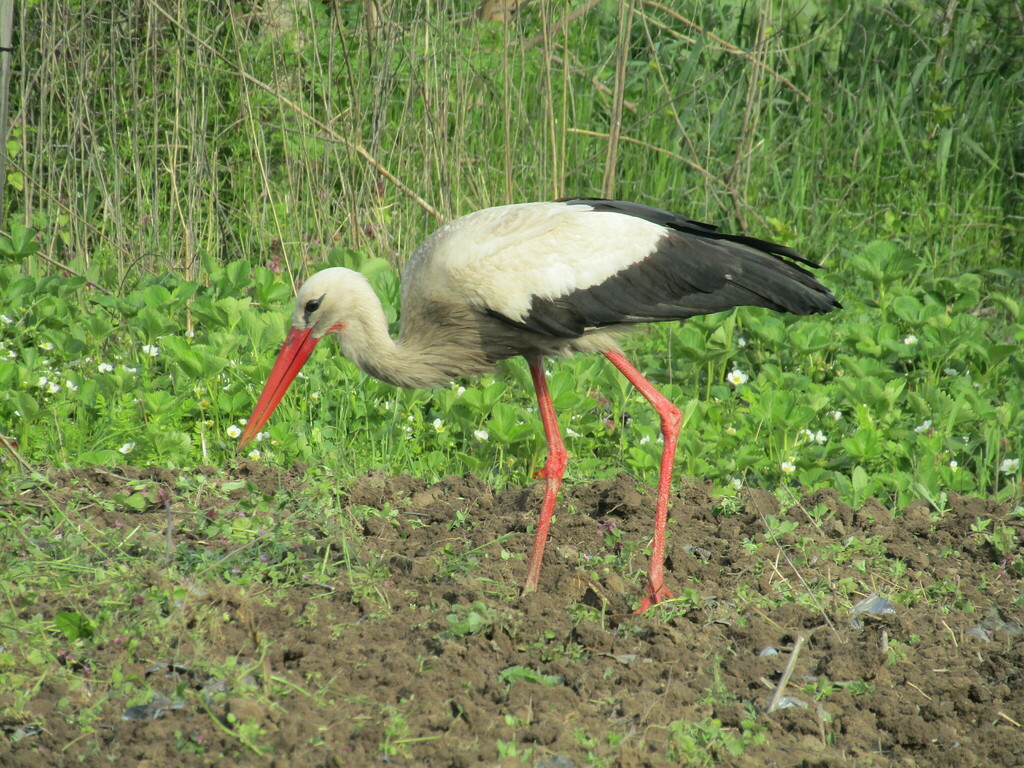
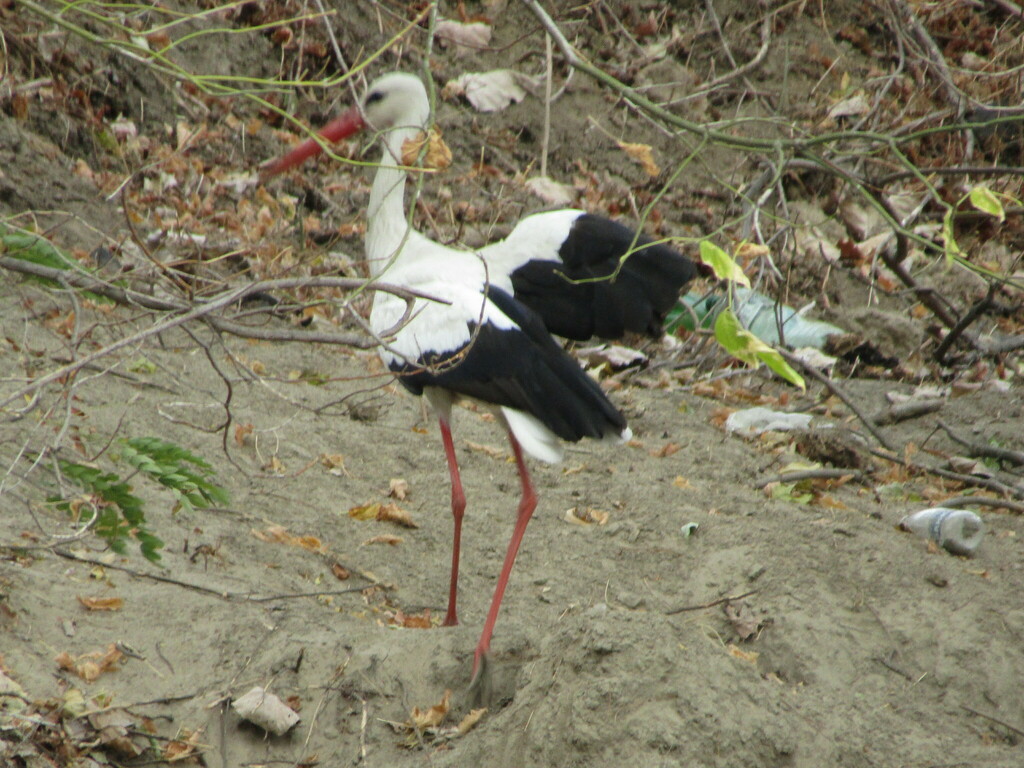
Its closest relatives
The other species of the genus Ciconia.
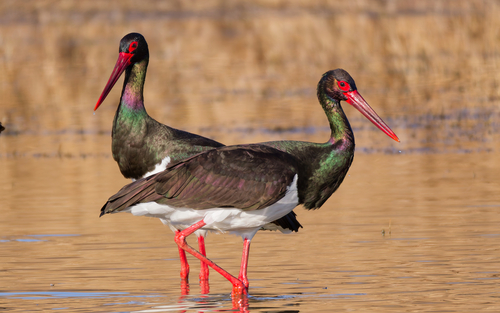
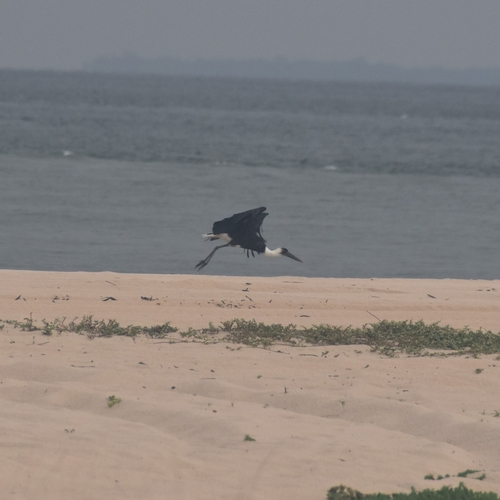


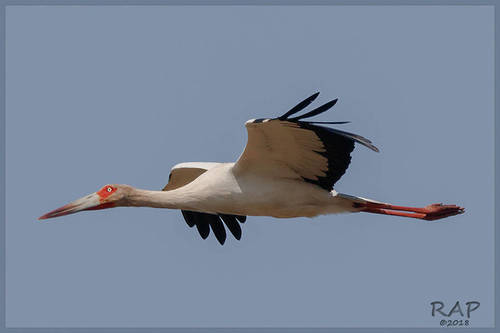
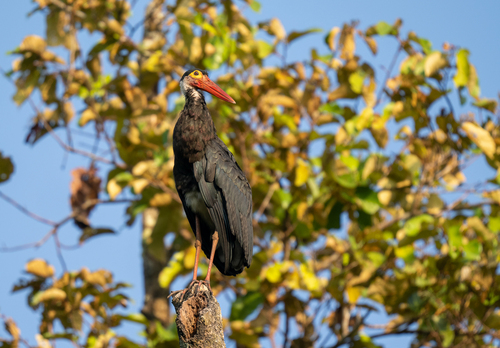
Follow the white Stork into its world
The story it is part of, with the threats and what helps.
Seen a white Stork?
Share your photo on iNaturalist. Other naturalists help confirm it, and the record goes to GBIF, where scientists use it and where the maps on this page come from.
Put this species on your site
The card names every source and links back here.
<iframe src="https://4planetatlas.com/place/embed/species/white-stork" title="White Stork (Ciconia ciconia), 4PLANET Species" width="100%" height="600" style="border:0;max-width:640px" loading="lazy"></iframe>
<p><a href="https://4species.com/white-stork">White Stork on 4PLANET Species</a></p>Questions people ask
What does the White Stork eat?
The White Stork has been recorded eating 685 different kinds of animals and plants, most of them reptiles, mammals, insects and birds. The ones recorded most often are european mole, field vole, mallard, common quail and white wagtail; records include animals eaten as carrion. Source: GloBI.
What eats the White Stork?
Recorded predators include northern raven, common blackbird, caracal, eurasian eagle-owl and carrion crow. Source: GloBI.
Where does the White Stork live?
People have recorded it in 116 countries; the most records come from Spain, Portugal, Germany, Poland and France. Records show where people have seen it, not its full range.
When is the White Stork seen most?
In the northern hemisphere, the most records are made in April and the fewest in October. More people outdoors also means more records.
What are the White Stork's closest relatives?
It shares the genus Ciconia with black stork, asian woolly-necked stork, abdim's stork, oriental white stork and maguari stork.
Sources and photo credits
- GBIF · Ciconia ciconia, 753,549 human observations
- GloBI · recorded interactions of Ciconia ciconia
- Wikidata · White Stork (Q25352)
- White Stork (Ciconia ciconia): xulescu_g, CC BY-SA 4.0
- Gray wolf (Canis lupus): Doug Smith, Public domain
- White Stork (Ciconia ciconia): Carlos Delgado, CC BY-SA 4.0
- White Stork (Ciconia ciconia): Bernard DUPONT, CC BY-SA 4.0
- White Stork (Ciconia ciconia), Nizhegorod, RU: Вячеслав Юсупов, CC BY 4.0
- White Stork (Ciconia ciconia), 4292 Dobri Dol, Bulgaria: SteveM4560, CC BY 4.0
- White Stork (Ciconia ciconia), 4292 Dobri Dol, Bulgaria: SteveM4560, CC BY 4.0
- White Stork (Ciconia ciconia), Калининский р-н, Тверская обл., Россия: Дмитрий Кошелев, CC BY 4.0
- White Stork (Ciconia ciconia), 4292 Dobri Dol, Bulgaria: SteveM4560, CC BY 4.0
- White Stork (Ciconia ciconia), Parvomay, Bulgaria: SteveM4560, CC BY 4.0
- European mole: Audrey, CC BY 4.0
- Field vole: David Perez, CC BY 4.0
- Mallard: anonymous, CC BY-SA 4.0
- Common quail: anonymous, CC BY-SA 4.0
- White wagtail: Kim, Hyun-tae, CC BY 4.0
- Northern pintail: Matt Felperin, CC BY 4.0
- European rabbit: Alexis Lours, CC BY 4.0
- Common pheasant: John Krampl, CC BY 4.0
- Eurasian teal: Smudge 9000, CC BY-SA 4.0
- Eurasian skylark: Ani Sarkisyan, CC BY 4.0
- Grey partridge: Christoph Moning, CC BY 4.0
- Western yellow wagtail: Andrew Simon, CC BY 4.0
- Northern raven: xulescu_g, CC BY-SA 4.0
- Common blackbird: Luiz Lapa, CC BY 4.0
- Caracal: Jacques van der Merwe, CC BY-SA 4.0
- Carrion crow: no rights reserved, uploaded by Charlie Farrell, CC0
- Long-eared owl: caroline legg, CC BY 4.0
- European herring gull: Stu's Images, CC BY-SA 4.0
- Black stork: Zinogre, CC BY-SA 4.0
- Asian woolly-necked stork: Nathan Van Cooten, CC BY 4.0
- Abdim's stork: datadan, CC BY 4.0
- Oriental white stork: Kim, Hyun-tae, CC BY 4.0
- Maguari stork: RAP, CC BY 4.0
- Storm's stork: Forest Botial-Jarvis, CC BY 4.0

Records show where people have seen and shared the White Stork, not its full range, and some countries and months are recorded far more than others. The food web lists interactions that studies have recorded somewhere in the world (GloBI), not everything it eats in one place.
Checked 2026-11-24.