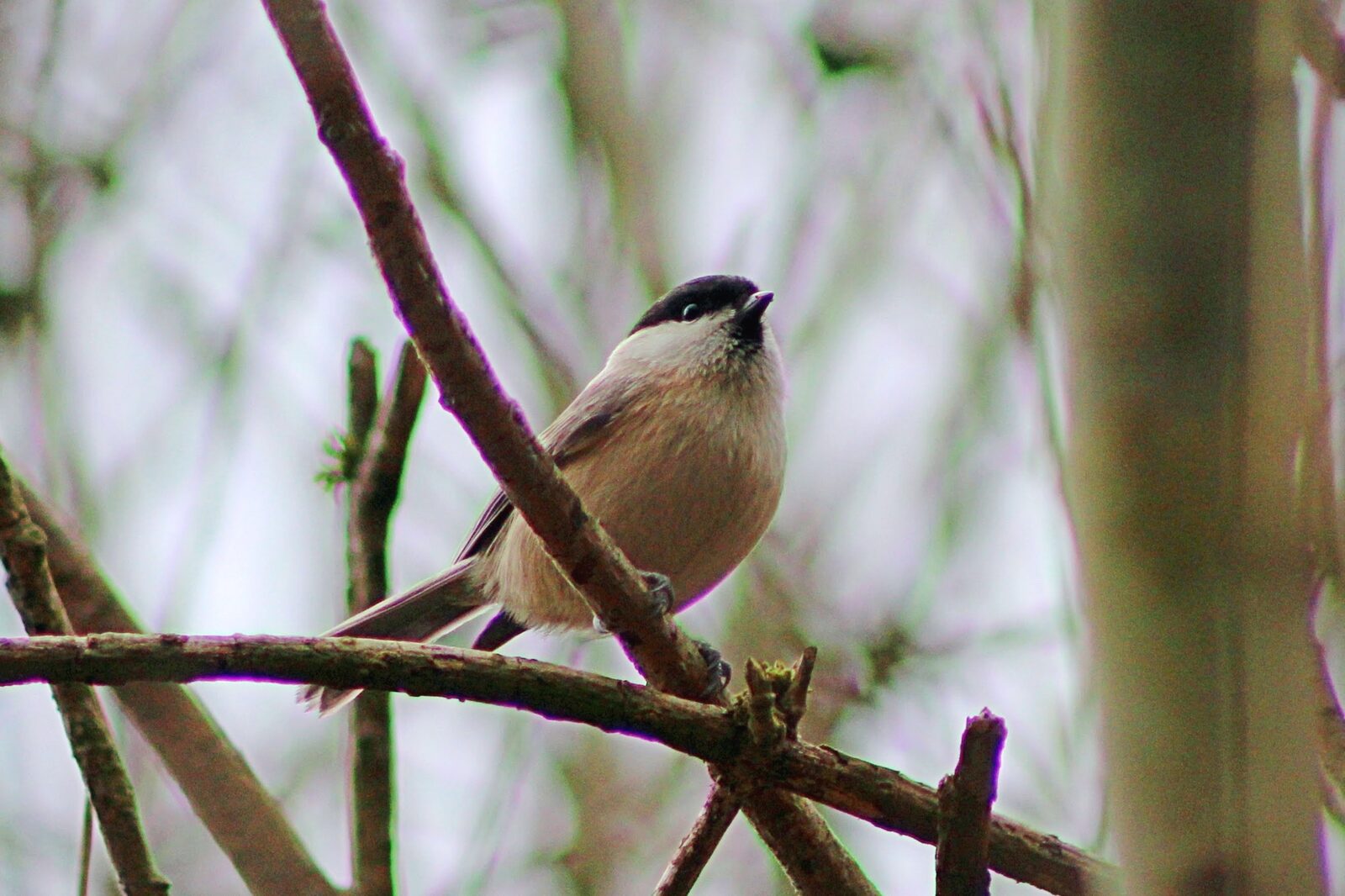
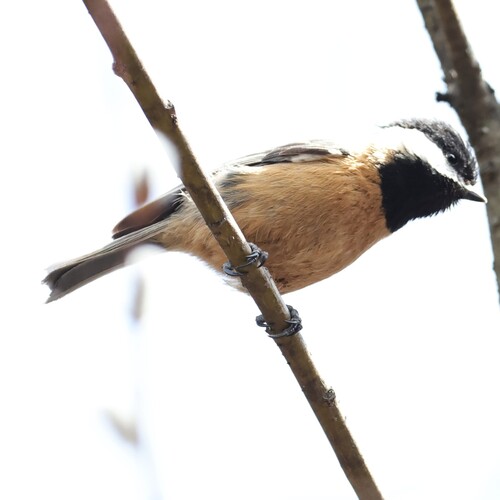
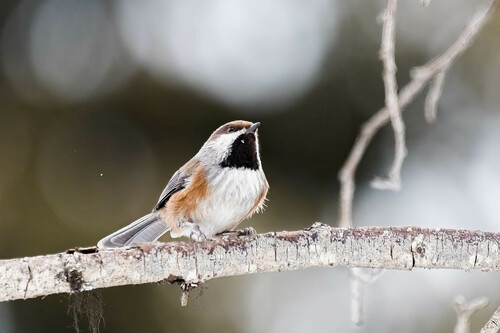
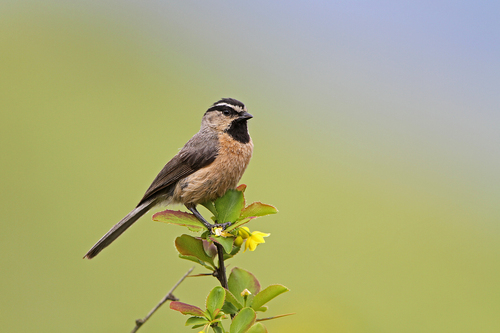
Willow tit
Poecile montanus
- Status
- Least Concern IUCN Red List
- Eats
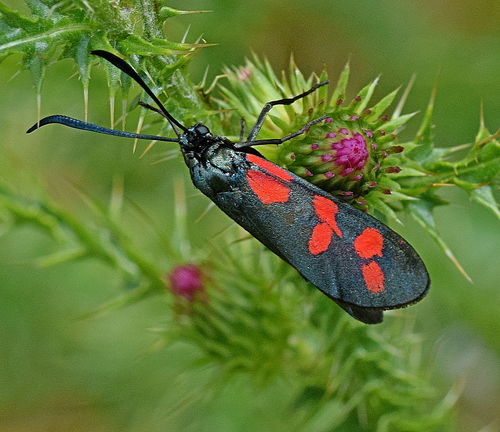
- six-spot burnet, wood bluegrass, tasteless water-pepper and 3,487 more
- Eaten by
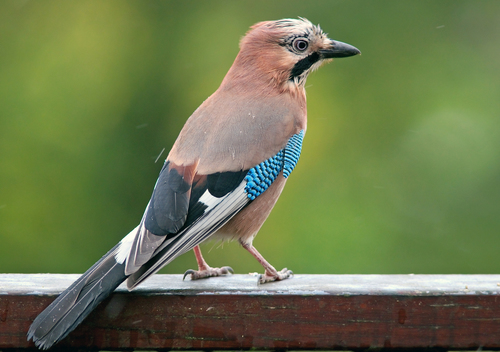
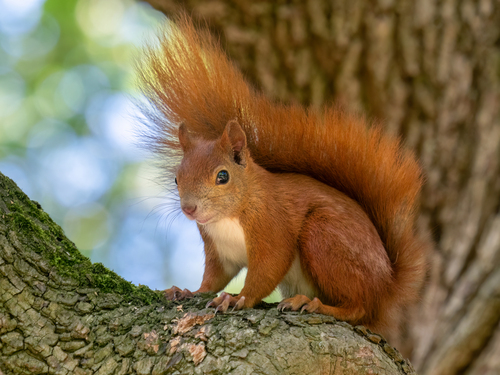
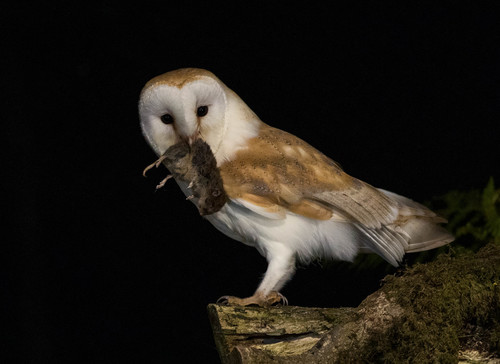
- northern raven, Eurasian magpie, Eurasian jay
- Where
- 45 countries · lake Baikal
On 4Planet Atlas it is among the wildlife people record most around Bergen, Berlin and Helsinki, and 13 more of the cities we cover.
People have shared 164,543 records of the willow tit with GBIF, from 45 countries, most of them from Russia, United Kingdom and Finland. Records collected by GloBI show it eating 3,490 different kinds of animals and plants, and being eaten by 34.
Habitats
What the willow tit eats, and what eats it
Studies have recorded it eating 3,490 kinds of animals and plants, and 34 kinds of animals eating it. Tap any of them to follow the food chain.
- Plants 1,849
- Insects 1,204
- Snails and slugs 4
Eaten by


 Willow tit







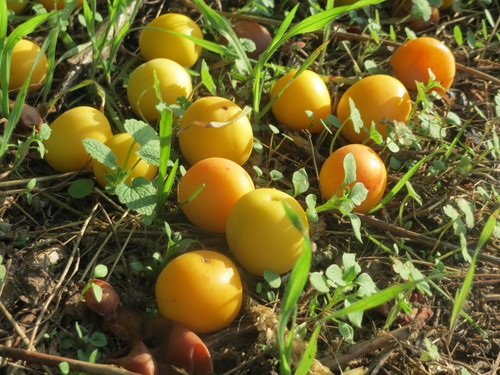
Records from studies worldwide, collected by GloBI. They include animals eaten as carrion, and they are not everything it eats in one place.
Where people see the willow tit
People have shared 164,543 records from 45 countries.
Near a city: Bergen, Berlin, Helsinki, Ljubljana, Minsk, Moscow, Oslo, Pyongyang, Riga, Sarajevo, Sofia, Stockholm, Tallinn, Ulaanbaatar, Vaduz, Vilnius.
Records show where people have seen it and shared it, not its full range. Country names open their page in Atlas.
When it is seen
Records per month in the northern hemisphere. More people outdoors also means more records.
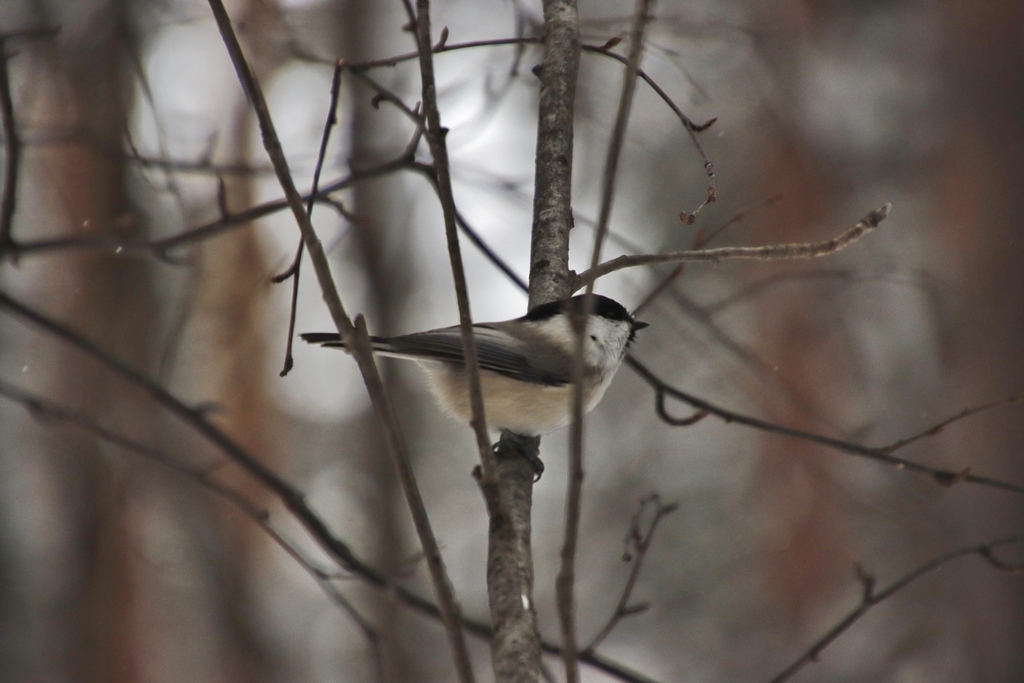
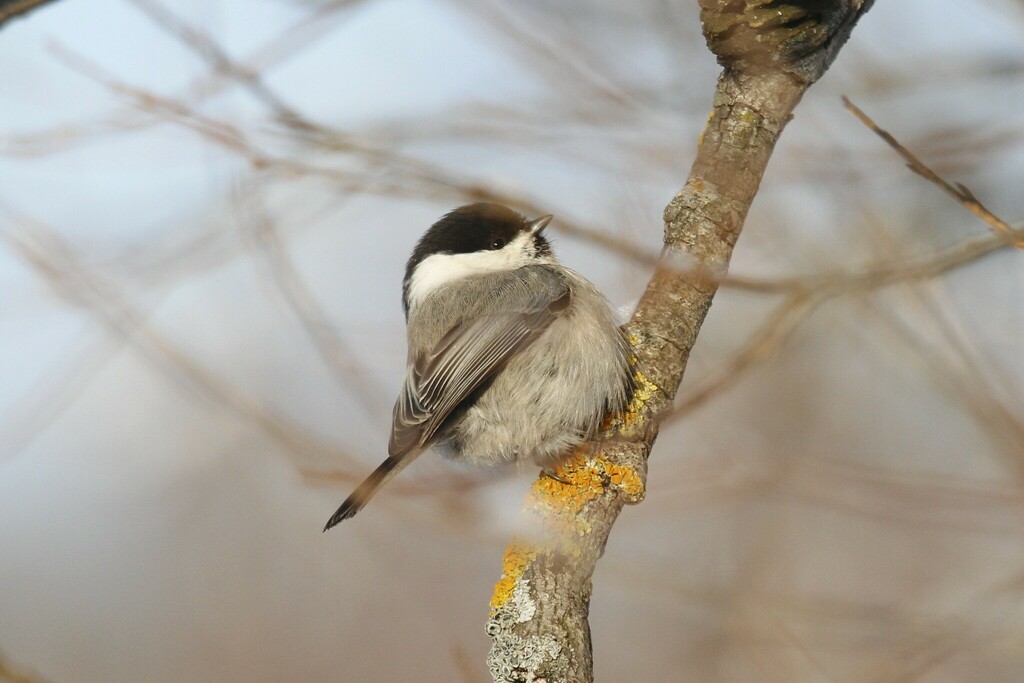
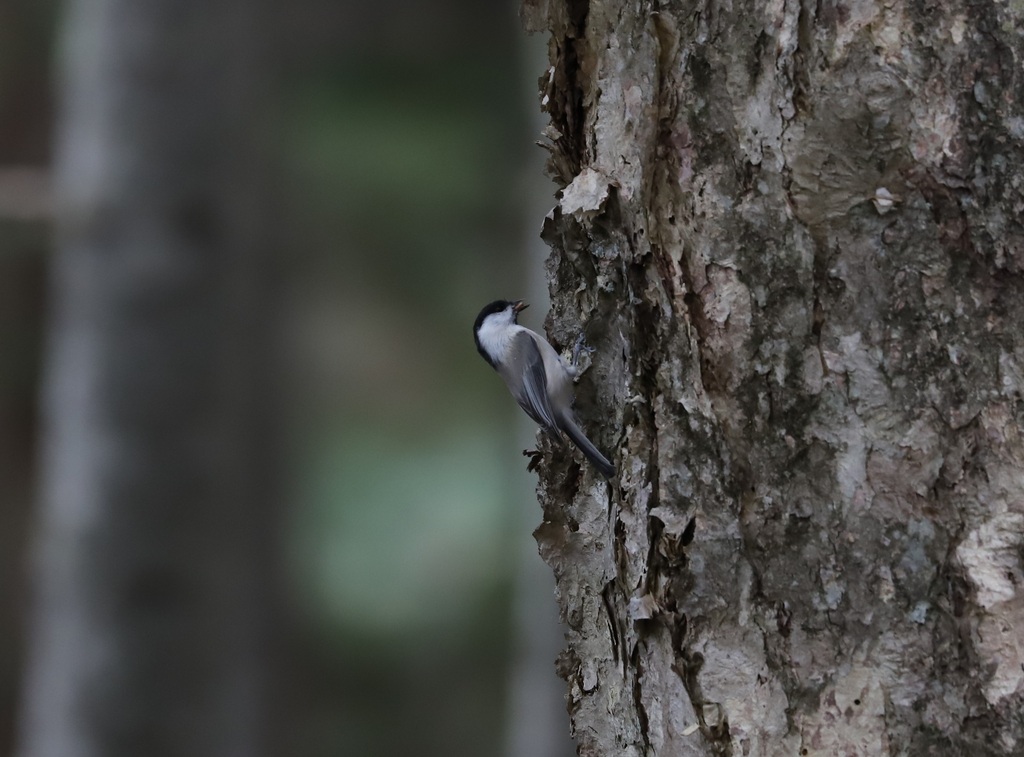
Watch and listen

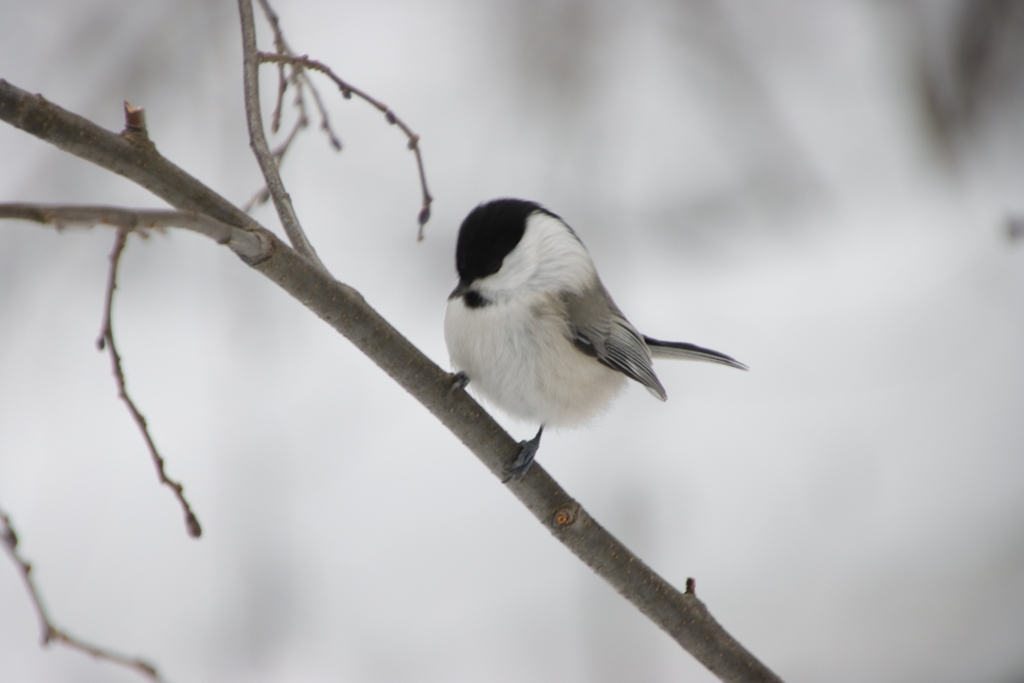
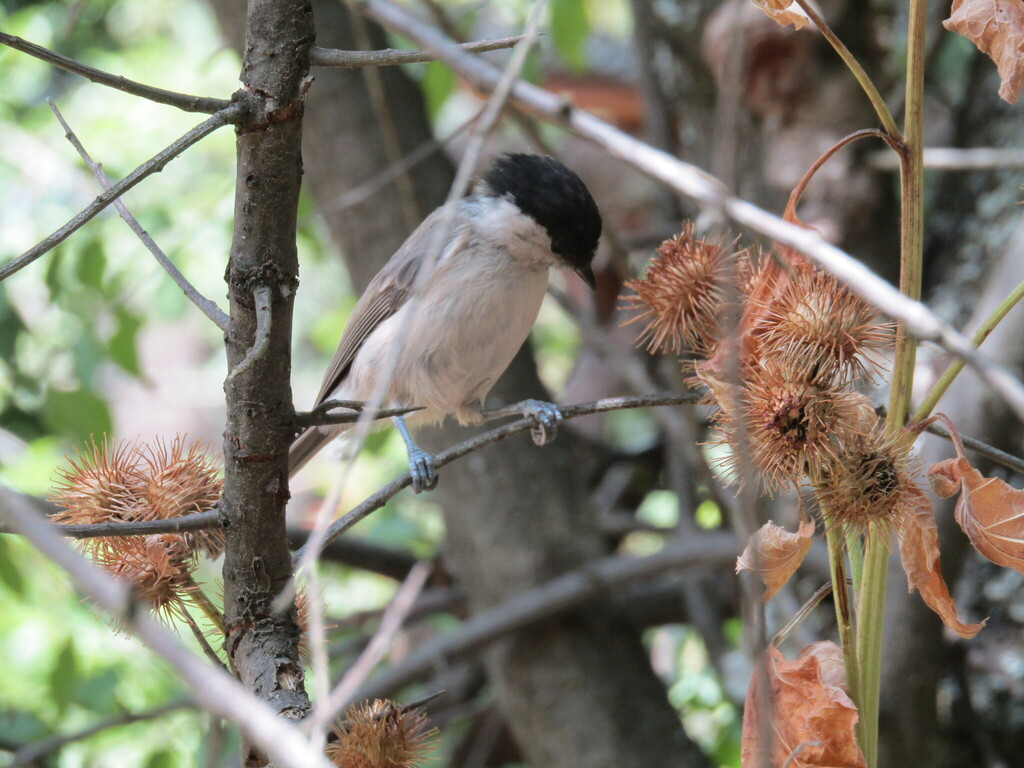
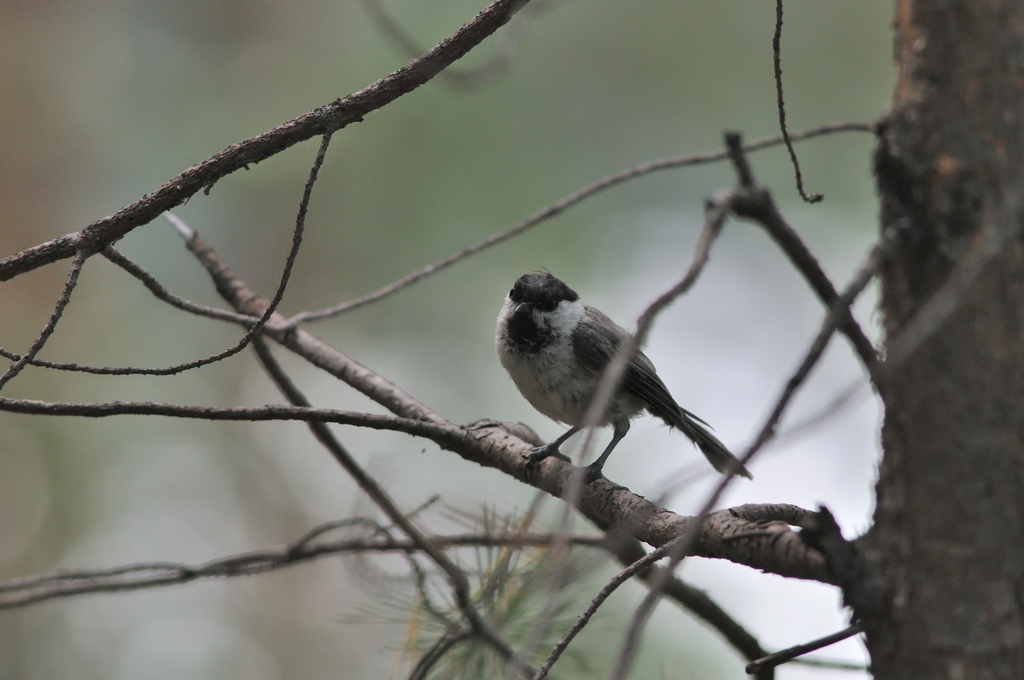
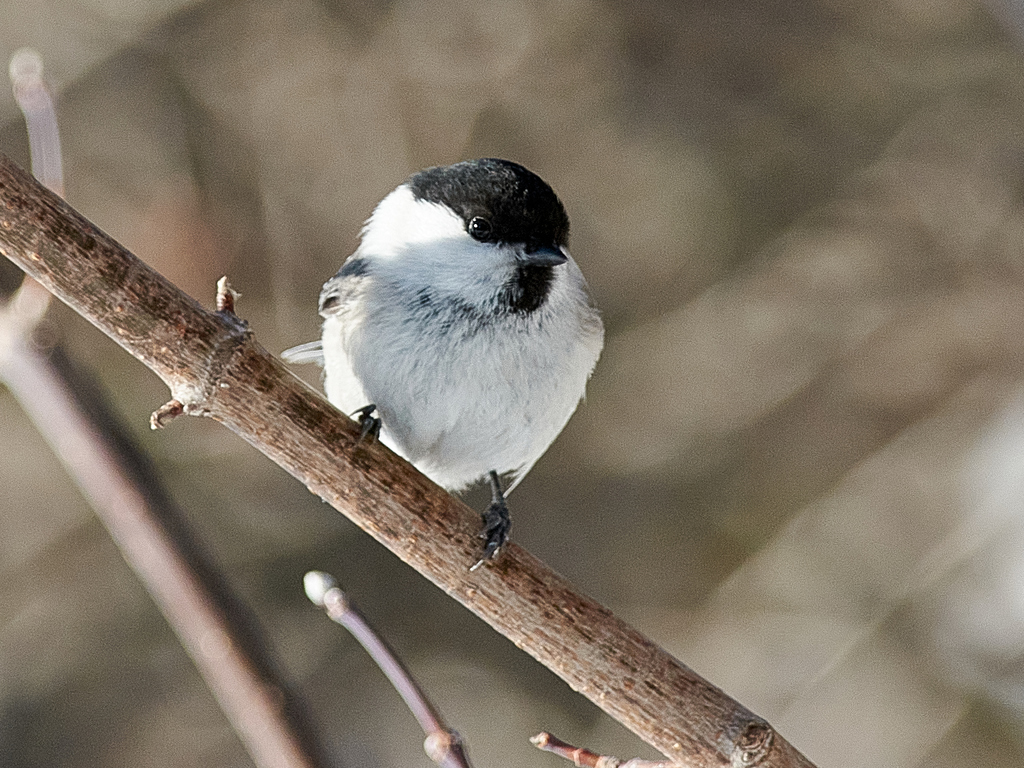
Its closest relatives
The other species of the genus Poecile.
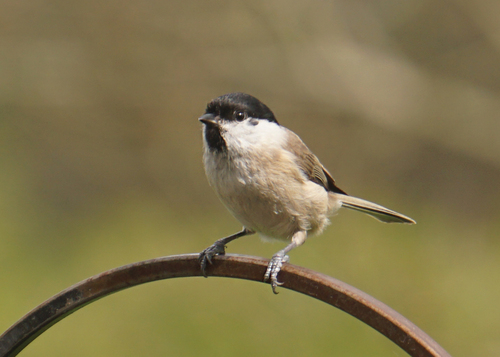
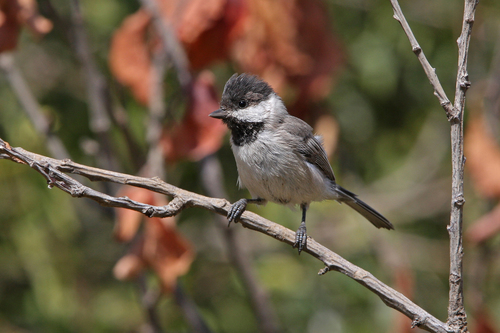
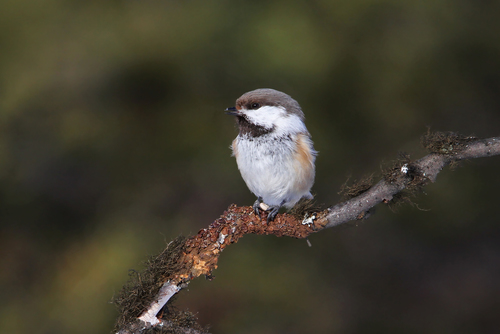
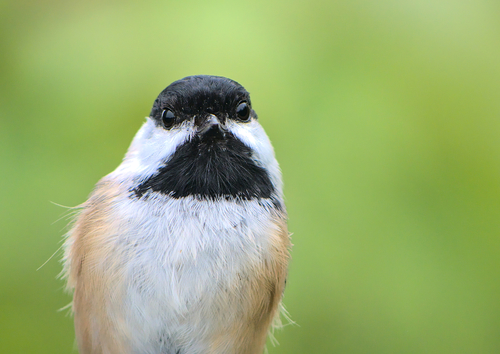

Seen a willow tit?
Share your photo on iNaturalist. Other naturalists help confirm it, and the record goes to GBIF, where scientists use it and where the maps on this page come from.
Questions people ask
What does the willow tit eat?
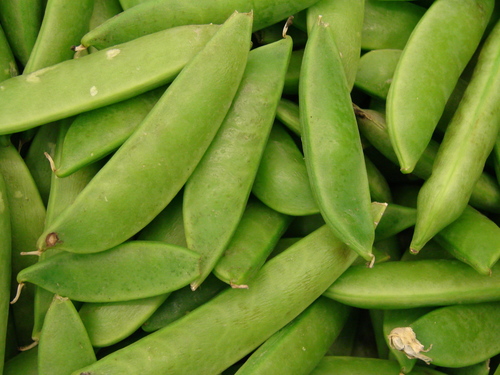
The willow tit has been recorded eating 3,490 different kinds of animals and plants, most of them plants, insects and snails and slugs. The ones recorded most often are six-spot burnet, wood bluegrass, tasteless water-pepper, garden pea and sweet cherry; records include animals eaten as carrion. Source: GloBI.
What eats the willow tit?
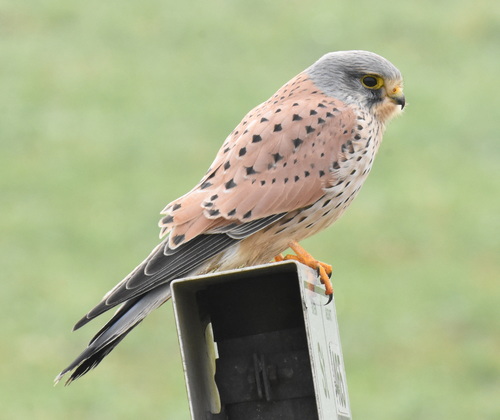
Recorded predators include northern raven, eurasian magpie, eurasian jay, eurasian red squirrel and eurasian eagle-owl. Source: GloBI.
Where does the willow tit live?
People have recorded it in 45 countries; the most records come from Russia, United Kingdom, Finland, Norway and Poland. Records show where people have seen it, not its full range.
When is the willow tit seen most?
In the northern hemisphere, the most records are made in January and the fewest in June. More people outdoors also means more records.
What are the willow tit's closest relatives?
It shares the genus Poecile with marsh tit, sombre tit, siberian tit, black-capped chickadee and mountain chickadee.
Sources and photo credits
- GBIF · Poecile montanus, 164,543 human observations
- GloBI · recorded interactions of Poecile montanus
- Wikidata · Willow tit (Q215211)
- Willow tit (Poecile montanus): Matt Pilkington, CC BY 4.0
- Willow tit (Poecile montanus): Andrew Bazdyrev, CC BY 4.0
- Willow tit (Poecile montanus), Челябинская обл., Россия, 456941: Евгений Маринкин, CC BY 4.0
- Willow tit (Poecile montanus), Глазов, республика Удмуртия, Россия: Константин Селивёрстов, CC BY 4.0
- Willow tit (Poecile montanus), Хигасиогава, Катасина, Повіт Тоне, Гумма 378-0414, Япония: Se Lena, CC BY 4.0
- Willow tit (Poecile montanus), Челябинская обл., Россия, 456941: Евгений Маринкин, CC BY 4.0
- Willow tit (Poecile montanus), Sliven municipality, Bulgaria: SteveM4560, CC BY 4.0
- Willow tit (Poecile montanus), Свердловская обл., Россия, 624603: Александр Краснов, CC BY 4.0
- Willow tit (Poecile montanus), Кировский р-н, Казань, Респ. Татарстан, Россия: Сергей Неклюдов, CC BY 4.0
- Six-spot burnet: Kostas Zontanos, CC BY 4.0
- Wood bluegrass: Douglas Goldman, CC BY-SA 4.0
- Tasteless water-pepper: Paul Cook, CC BY 4.0
- Garden pea: Forest and Kim Starr, CC BY 4.0
- Sweet cherry: hedera.baltica, CC BY-SA 4.0
- Common purslane: Forest and Kim Starr, CC BY 4.0
- Hazel: no rights reserved, uploaded by Paul Dubery, CC0
- Black nightshade: jamie-aa, CC BY 4.0
- Scots pine: anemoneprojectors (no internet at the moment), CC BY-SA 4.0
- Medlar: Francesco Santoro, CC BY 4.0
- Cherry plum: Andreas Rockstein, CC BY-SA 4.0
- Northern raven: xulescu_g, CC BY-SA 4.0
- Eurasian jay: Luc Viatour, CC BY-SA 4.0
- Eurasian red squirrel: Rhododendrites, CC BY-SA 4.0
- Common kestrel: Thorsten Hackbarth, CC BY 4.0
- Eurasian sparrowhawk: Stanislav Murashkin, CC BY 4.0
- Western barn owl: john.purvis, CC BY 4.0
- Marsh tit: Dave Hernon, CC BY 4.0
- Sombre tit: Christoph Moning, CC BY 4.0
- Siberian tit: Christoph Moning, CC BY 4.0
- Black-capped chickadee: Blake Ross, CC BY 4.0
- Mountain chickadee: Ron Knight, CC BY 4.0
- Père David's tit: Lihai Song, CC0
- Boreal chickadee: Kalvin Chan, CC BY 4.0
- White-browed tit: no rights reserved, uploaded by James Eaton, CC0
Records show where people have seen and shared the willow tit, not its full range, and some countries and months are recorded far more than others. The food web lists interactions that studies have recorded somewhere in the world (GloBI), not everything it eats in one place.
Checked 2026-11-23.