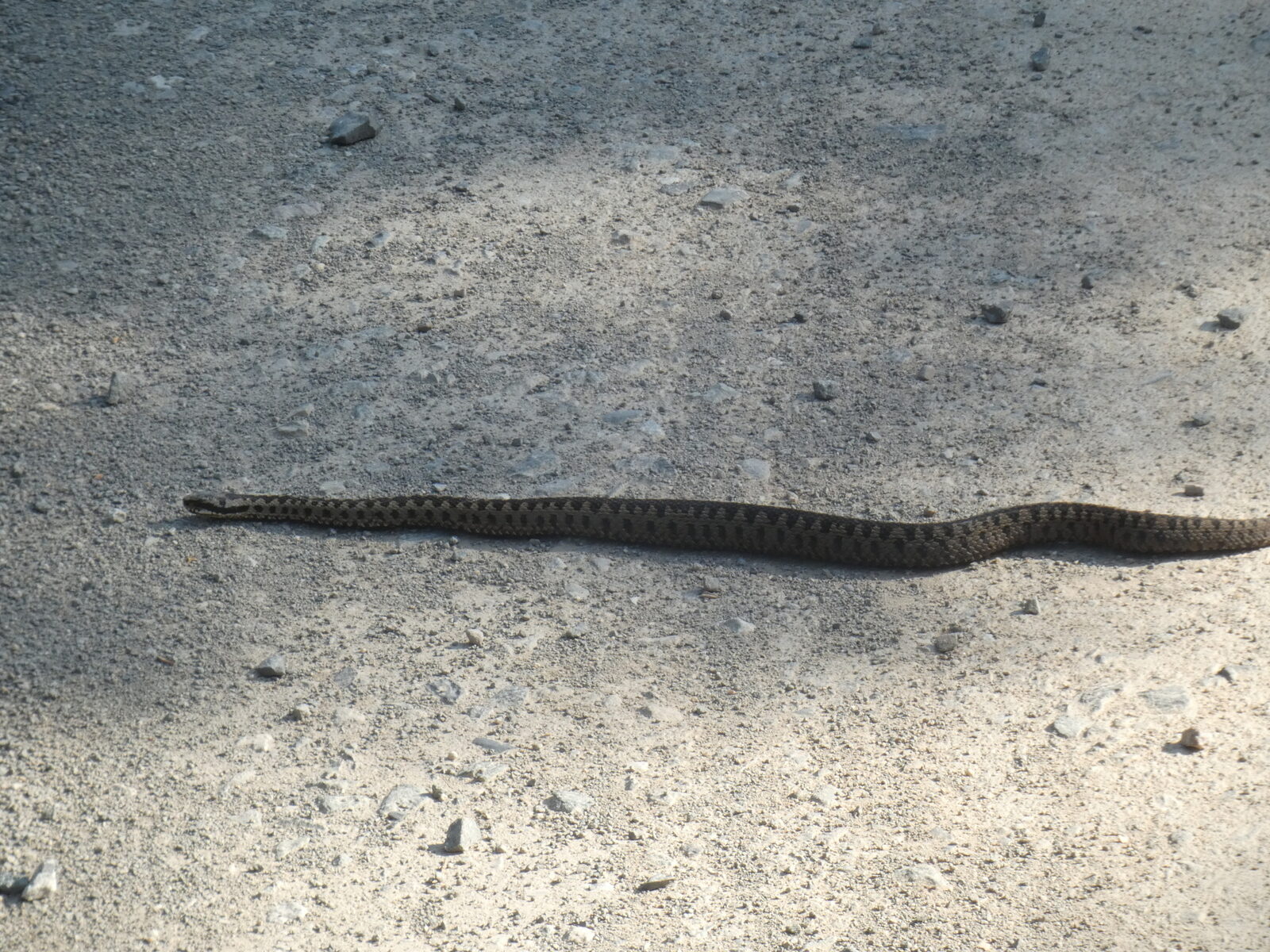
Adder
Vipera berus
- Status
- Least Concern IUCN Red List
- Lifespan
- About 10 years
- Eats
- Eurasian pygmy shrew, Eurasian red squirrel, edible dormouse and 582 more
- Where
- 37 countries · land
People have shared 16,235 records of the adder with GBIF, from 37 countries, most of them from Russia, United Kingdom and Finland. Records collected by GloBI show it eating 585 different kinds of animals and plants, and being eaten by 27.
In the northern hemisphere, people record it most in May and least in December. It belongs to the genus Vipera in the family Viperidae.
Habitats
- Land
What the adder eats, and what eats it
Studies have recorded it eating 585 kinds of animals and plants, and 27 kinds of animals eating it. Tap any of them to follow the food chain.
- Birds 216
- Mammals 148
- Reptiles 126
- Amphibians 74
Eaten by

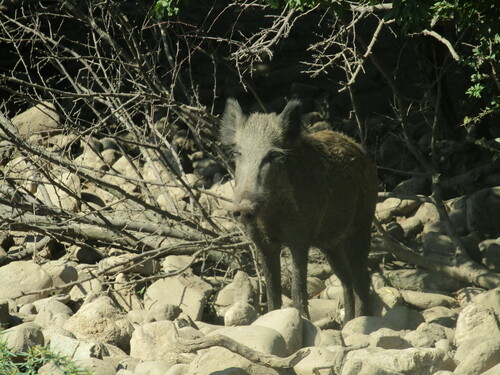


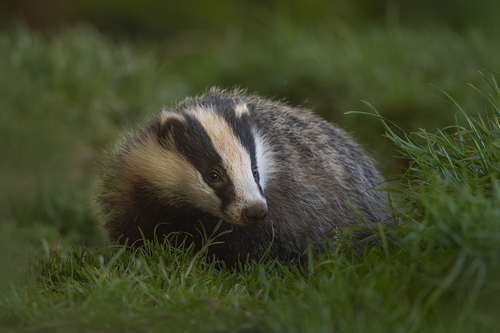
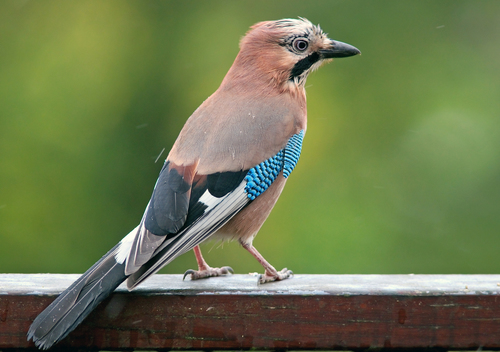
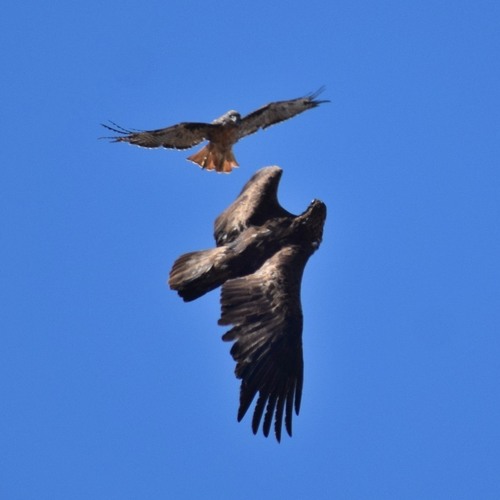 Adder
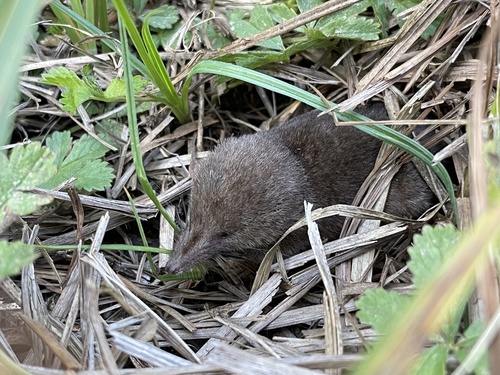
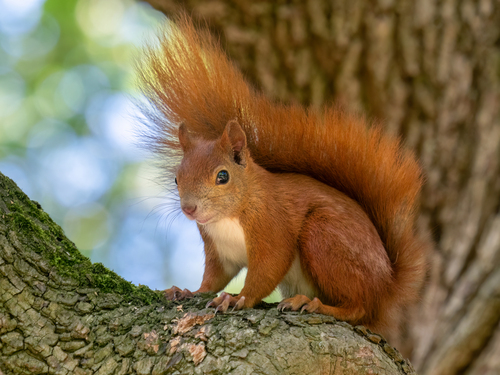
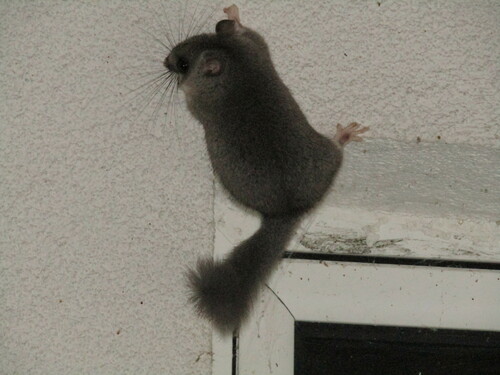
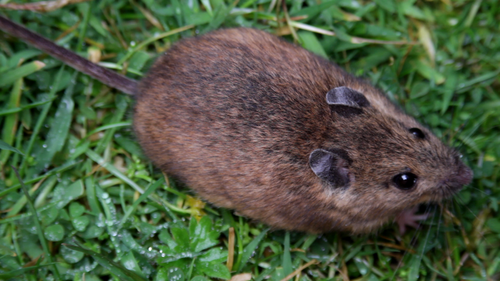
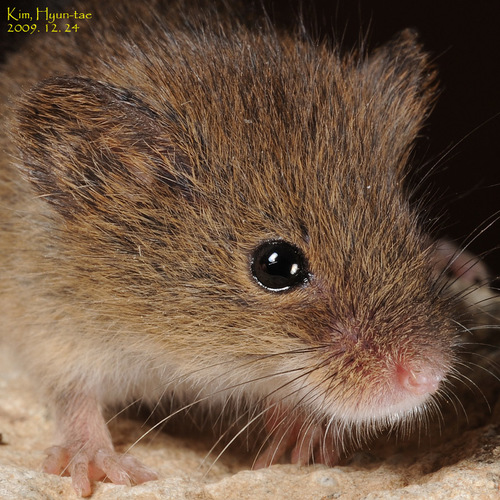
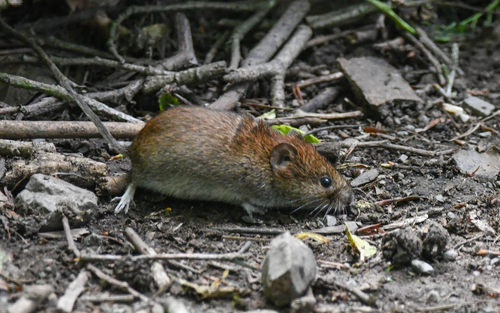
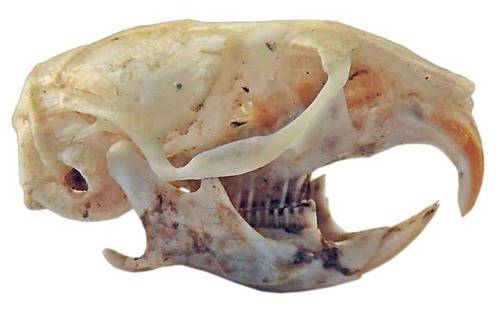
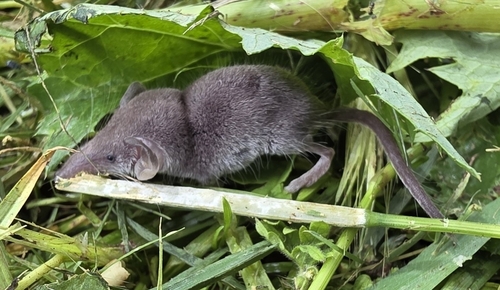


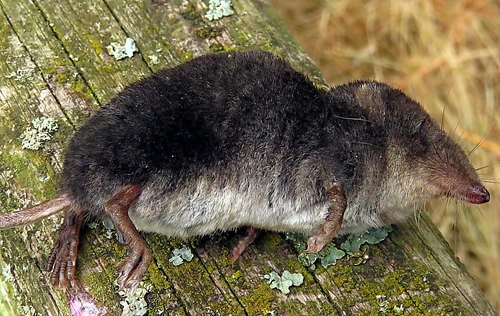
Records from studies worldwide, collected by GloBI. They include animals eaten as carrion, and they are not everything it eats in one place.
Where people see the adder
People have shared 16,235 records from 37 countries.
Records show where people have seen it and shared it, not its full range. Country names open their page in Atlas.
When it is seen
Records per month in the northern hemisphere. More people outdoors also means more records.
Watch and listen
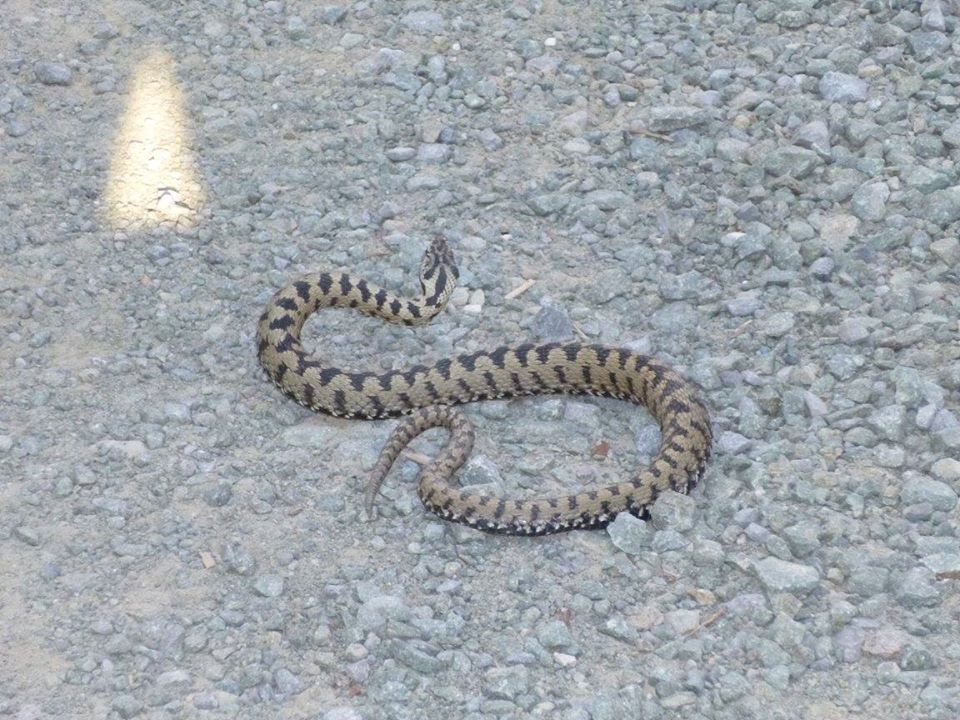
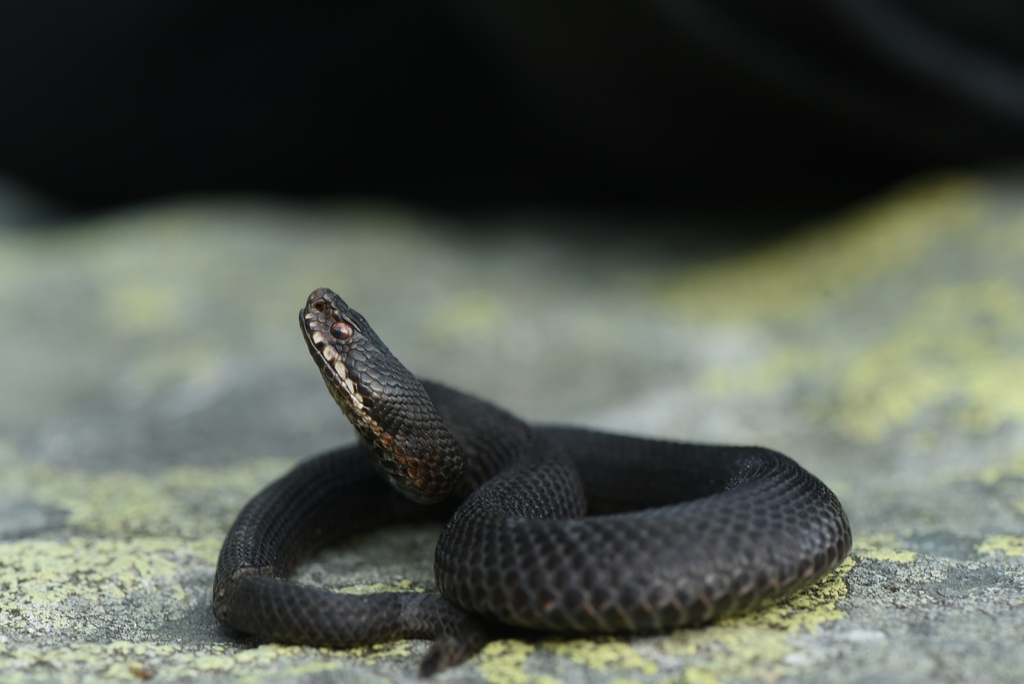
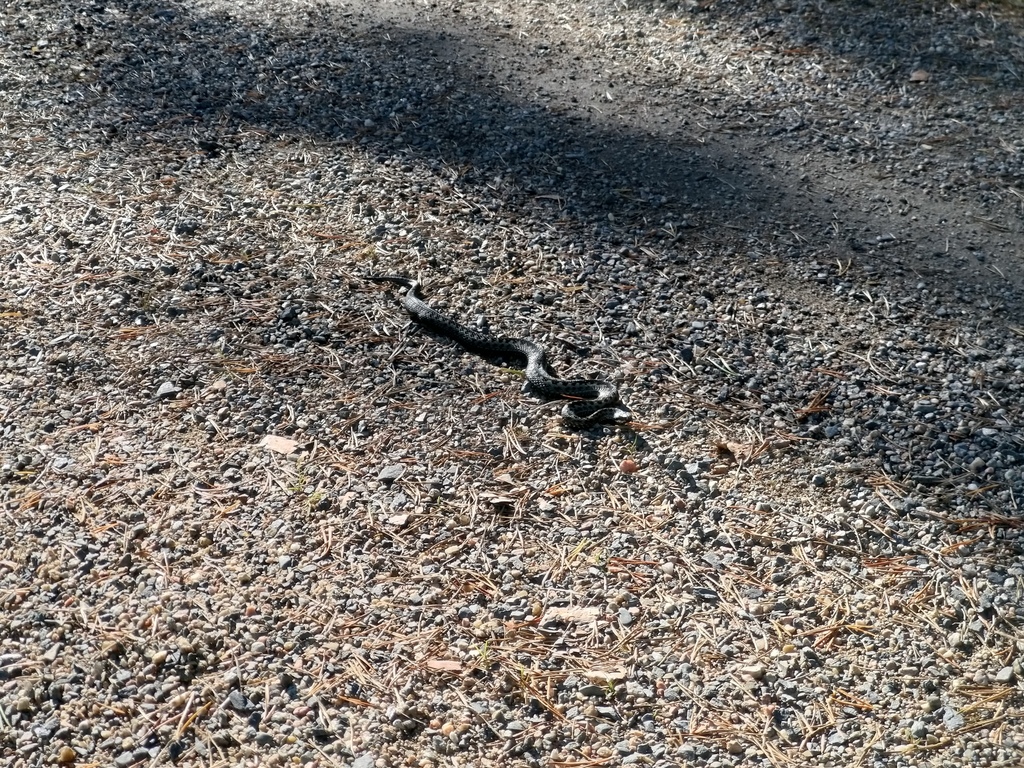
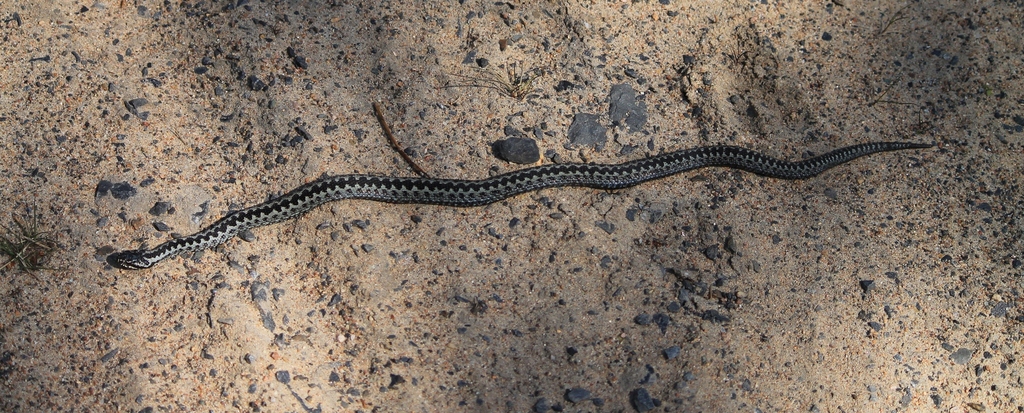
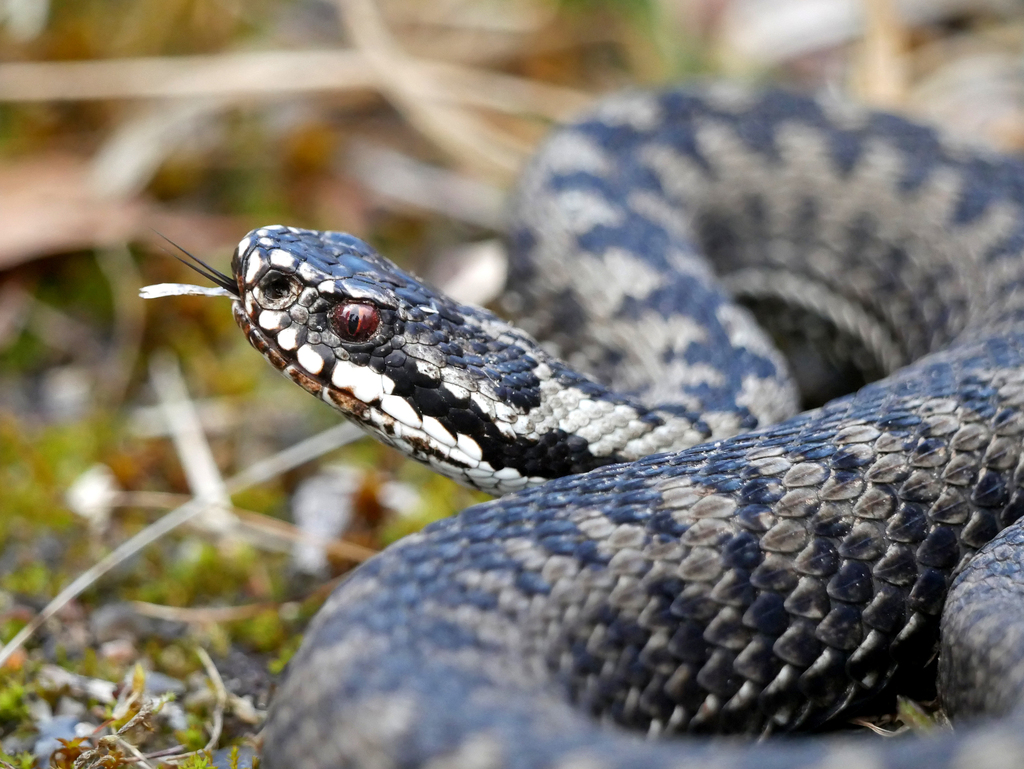
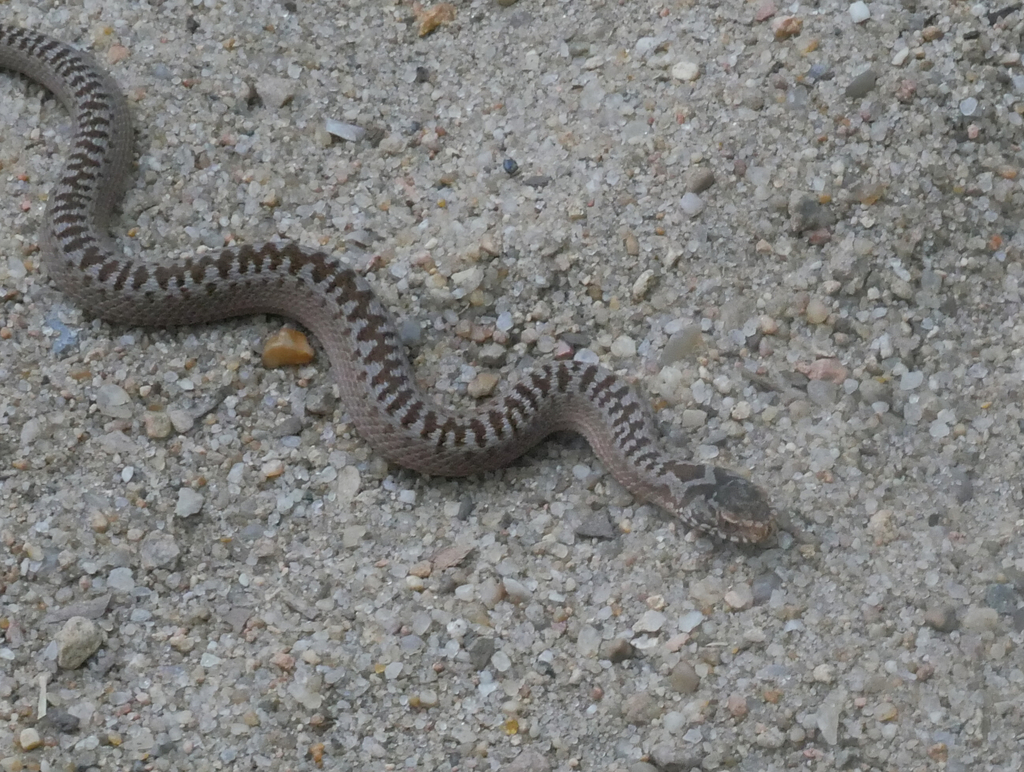
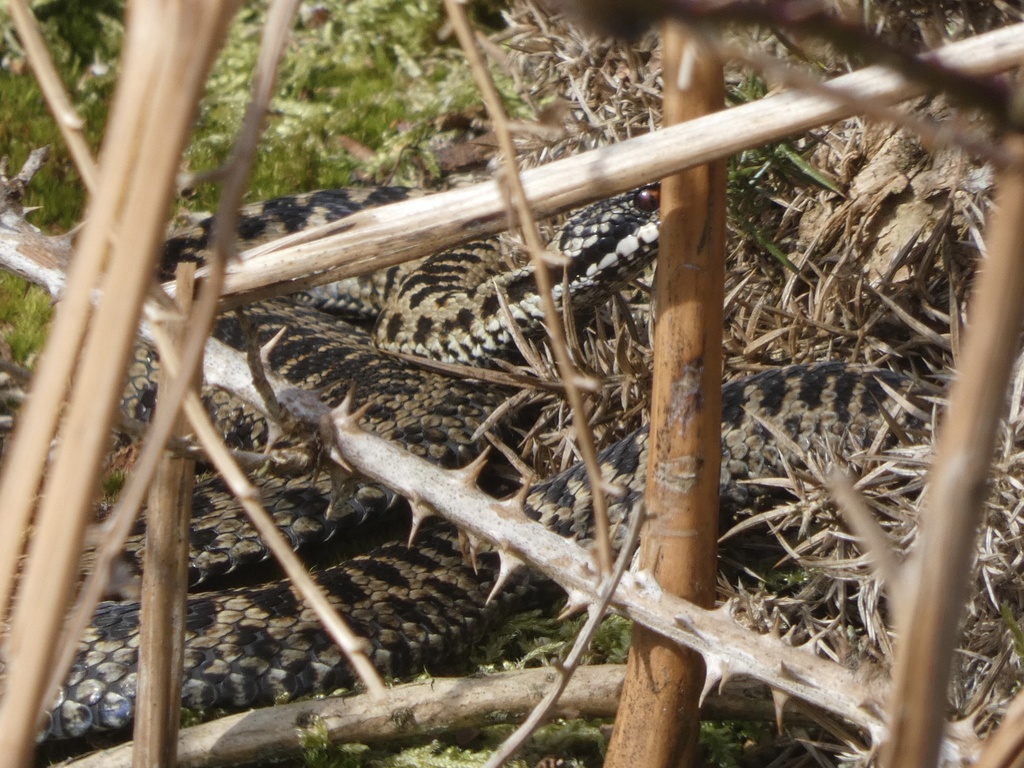
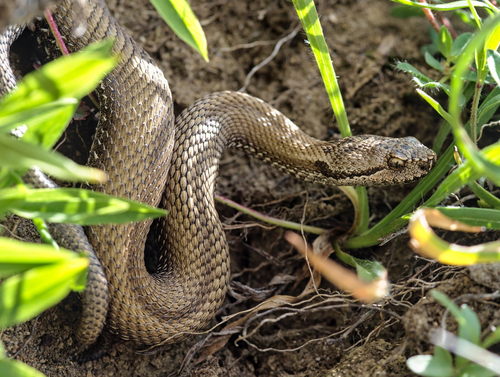
Its closest relatives
The other species of the genus Vipera.
Seen an adder?
Share your photo on iNaturalist. Other naturalists help confirm it, and the record goes to GBIF, where scientists use it and where the maps on this page come from.
Put this species on your site
The card names every source and links back here.
<iframe src="https://4planetatlas.com/place/embed/species/adder" title="Adder (Vipera berus), 4PLANET Species" width="100%" height="600" style="border:0;max-width:640px" loading="lazy"></iframe>
<p><a href="https://4species.com/adder">Adder on 4PLANET Species</a></p>Questions people ask
What does the adder eat?
The adder has been recorded eating 585 different kinds of animals and plants, most of them birds, mammals, reptiles and amphibians. The ones recorded most often are eurasian pygmy shrew, eurasian red squirrel, edible dormouse, hazel dormouse and wood mouse; records include animals eaten as carrion. Source: GloBI.
What eats the adder?
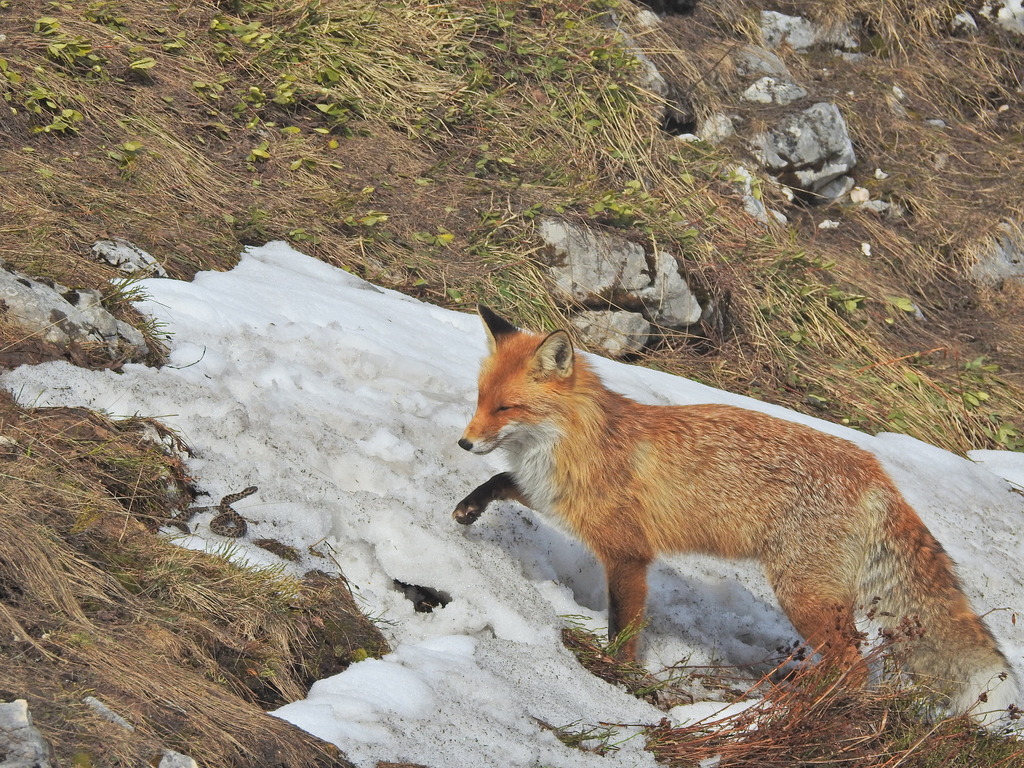
Recorded predators include grey wolf, wild boar, red fox, northern raven and eurasian magpie. Source: GloBI.
Where does the adder live?
People have recorded it in 37 countries; the most records come from Russia, United Kingdom, Finland, Denmark and Germany. Records show where people have seen it, not its full range.
How long does the adder live?
About 10 years on average, according to Wikidata.
When is the adder seen most?
In the northern hemisphere, the most records are made in May and the fewest in December. More people outdoors also means more records.
What are the adder's closest relatives?
It shares the genus Vipera with aspic viper.
Sources and photo credits
- GBIF · Vipera berus, 16,235 human observations
- GloBI · recorded interactions of Vipera berus
- Wikidata · Adder (Q192056)
- Adder (Vipera berus): Jean-Paul Boerekamps, CC0
- Adder (Vipera berus), Sacele, Romania: xulescu_g, CC BY-SA 4.0
- Adder (Vipera berus), Tuk Vojni, Hrvatska: Josip Skejo, CC BY 4.0
- Adder (Vipera berus), Яремчанский горсовет, Ивано-Франковская область, Украина: Viktor Strenada, CC BY 4.0
- Adder (Vipera berus), North Ostrobothnia, FI-OU, FI: uusijani, CC0
- Adder (Vipera berus), North Ostrobothnia, FI-OU, FI: uusijani, CC0
- Adder (Vipera berus), 8400 Ebeltoft, Danmark: Johan Kjær Prehn, CC BY 4.0
- Adder (Vipera berus), Niedersachsen, DE: Christian Kahle, CC0
- Adder (Vipera berus), Anglesey, Llanbedrgoch, Wales, GB: Sean Hartnett, CC BY 4.0
- Eurasian pygmy shrew: Gustavo Ciacco, CC0
- Eurasian red squirrel: Rhododendrites, CC BY-SA 4.0
- Edible dormouse: SteveM4560, CC BY 4.0
- Hazel dormouse: Matteo Marcandella, CC BY 4.0
- Wood mouse: Jackhynes, CC BY-SA 4.0
- Eurasian harvest mouse: Kim, Hyun-tae, CC BY 4.0
- Bank vole: Frank Sengpiel, CC BY 4.0
- Common vole: José-Manuel Benito, CC BY-SA 4.0
- Etruscan shrew: Vincenzo Lattanzi, CC BY 4.0
- Yellow-necked mouse: Teemu Lehtinen, CC BY 4.0
- Garden dormouse: Jan Ebr & Ivana Ebrová, CC BY 4.0
- Eurasian water shrew: Ian Ballam, CC BY 4.0
- Grey wolf: Andrew Simon, CC BY 4.0
- Wild boar: SteveM4560, CC BY 4.0
- Red fox: Алина Урусова, CC BY 4.0
- Northern raven: xulescu_g, CC BY-SA 4.0
- Eurasian badger: caroline legg, CC BY 4.0
- Eurasian jay: Luc Viatour, CC BY-SA 4.0
- Golden eagle: Anne Parsons, CC0
- Aspic viper: Gilles San Martin, CC BY-SA 4.0
Records show where people have seen and shared the adder, not its full range, and some countries and months are recorded far more than others. The food web lists interactions that studies have recorded somewhere in the world (GloBI), not everything it eats in one place.
Checked 2026-11-24.