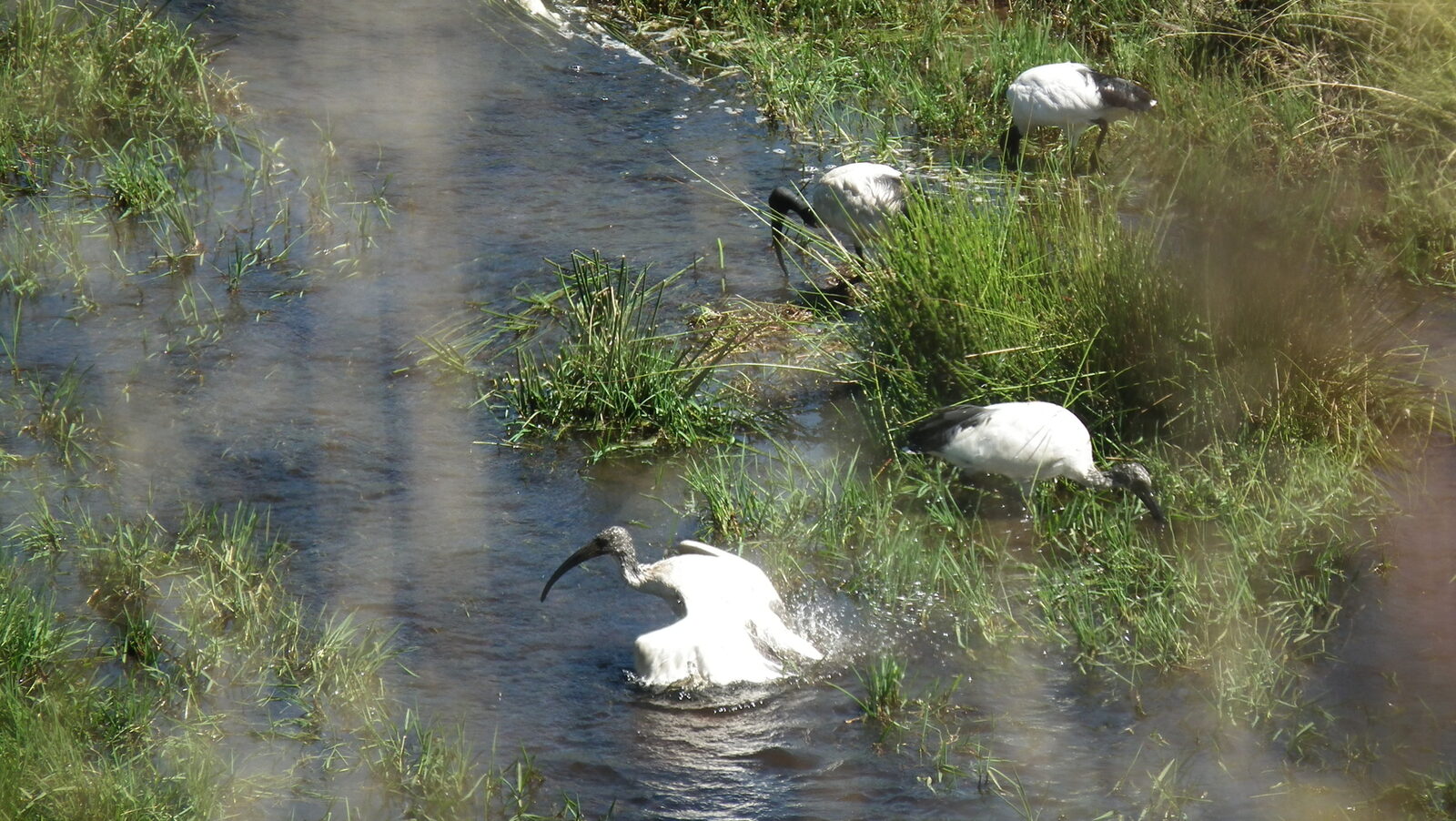
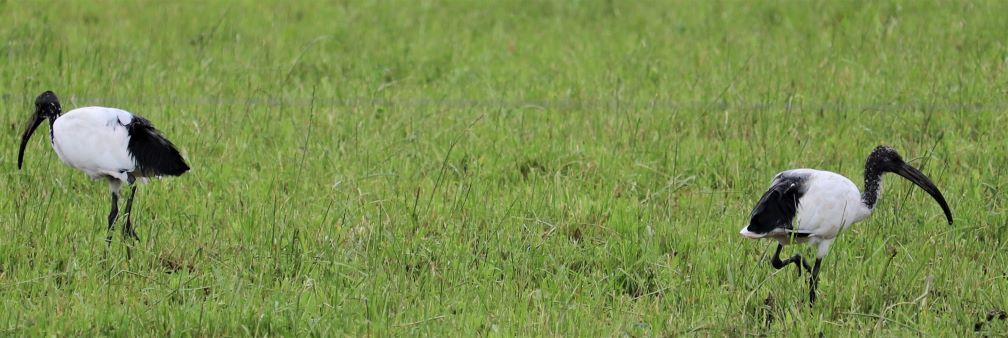
African Sacred Ibis
Threskiornis aethiopicus
- Status
- Least Concern IUCN Red List
- Eats
- watermelon, mallard, grey heron and 43 more
- Where
- 67 countries
On 4Planet Atlas it is among the wildlife people record most around Addis Ababa, Asmara and Banjul, and 24 more of the cities we cover.
People have shared 179,296 records of the African Sacred Ibis with GBIF, from 67 countries, most of them from South Africa, Taiwan and Kenya. Records collected by GloBI show it eating 46 different kinds of animals and plants.
What the African Sacred Ibis eats, and what eats it
Studies have recorded it eating 46 kinds of animals and plants. Tap any of them to follow the food chain.
- Insects 12
- Birds 10
- Plants 8
- Amphibians 5
- Mammals 3
- Fish 3
- Reptiles 2
African Sacred Ibis
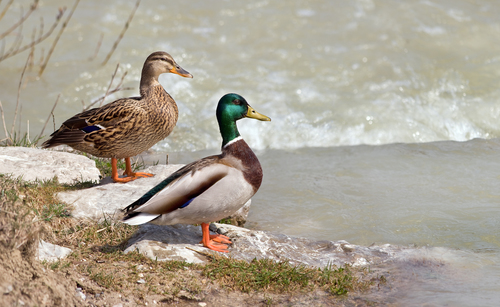
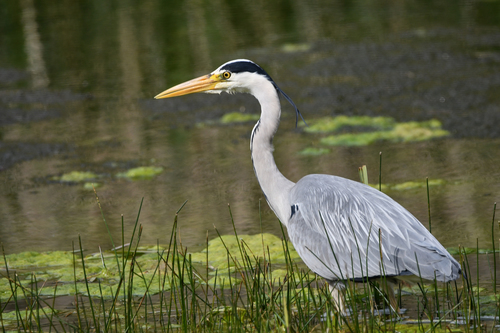
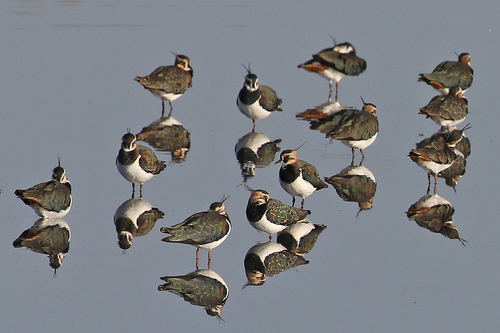
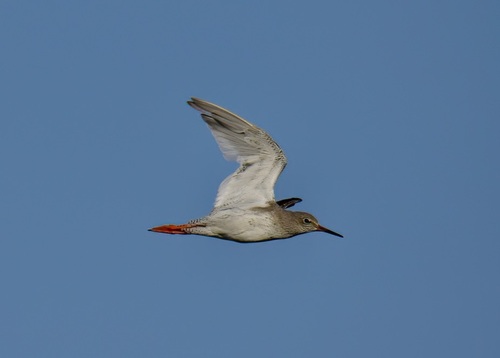
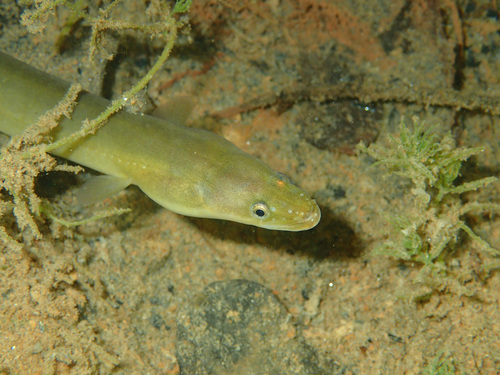
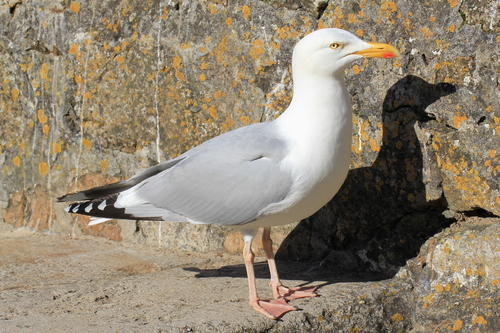
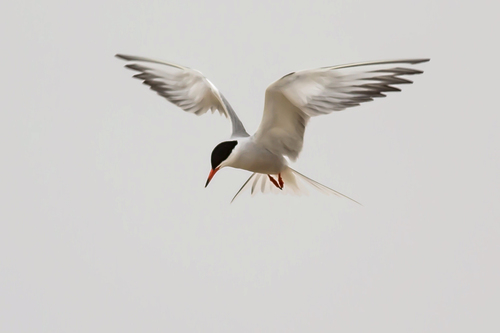
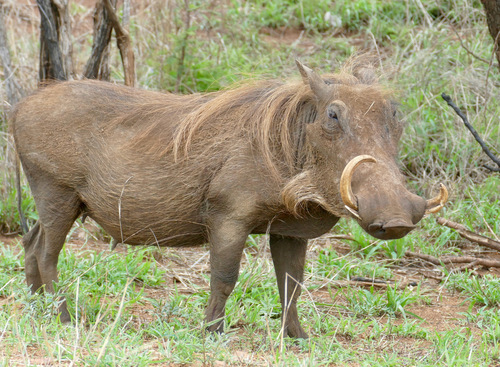
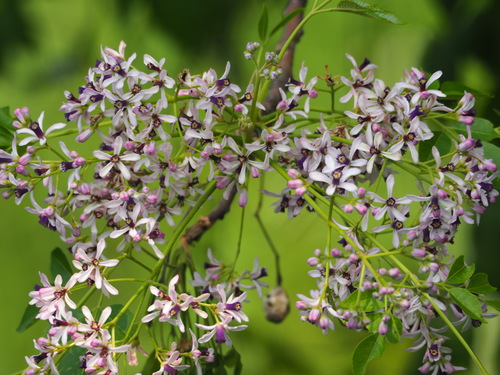
Records from studies worldwide, collected by GloBI. They include animals eaten as carrion, and they are not everything it eats in one place.
Where people see the African Sacred Ibis
People have shared 179,296 records from 67 countries.
Near a city: Addis Ababa, Asmara, Banjul, Bissau, Bloemfontein, Cape Town, Conakry, Dakar, Doha, Gaborone, Harare, Juba, Kampala, Khartoum, Kigali, Libreville, Lobamba, Luanda, Manama, Maputo, Mbabane, N'Djamena, Nairobi, Pretoria, Rome, Taipei, Windhoek.
Records show where people have seen it and shared it, not its full range. Country names open their page in Atlas.
When it is seen
Records per month in the southern hemisphere. More people outdoors also means more records.
Watch and listen
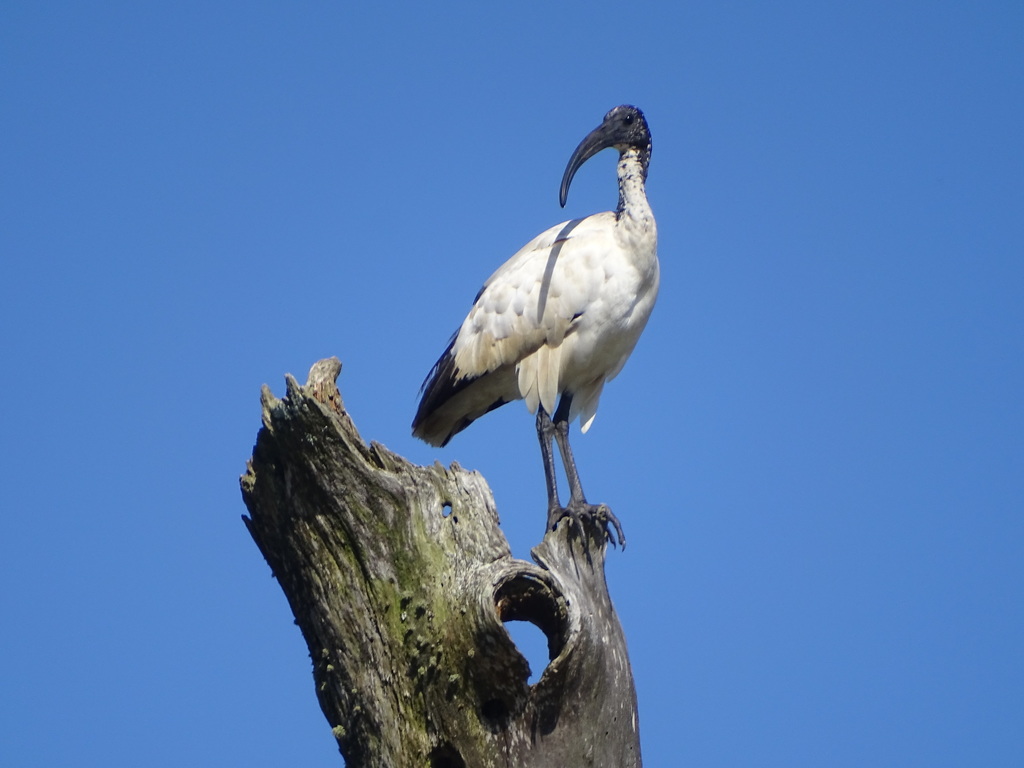
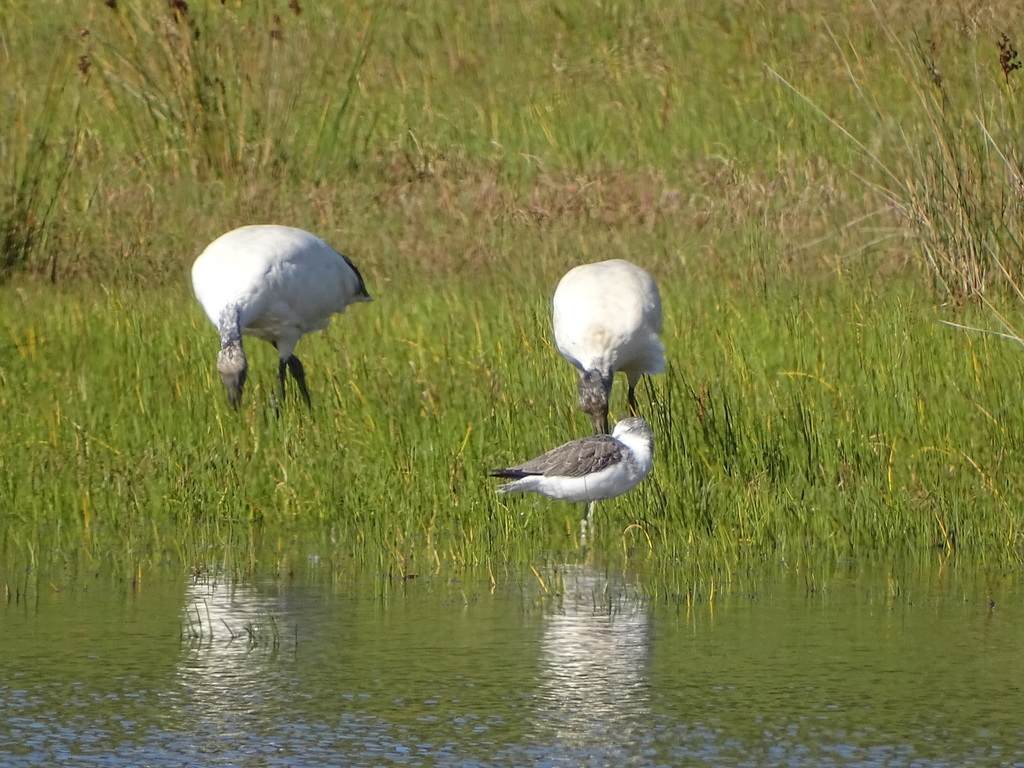
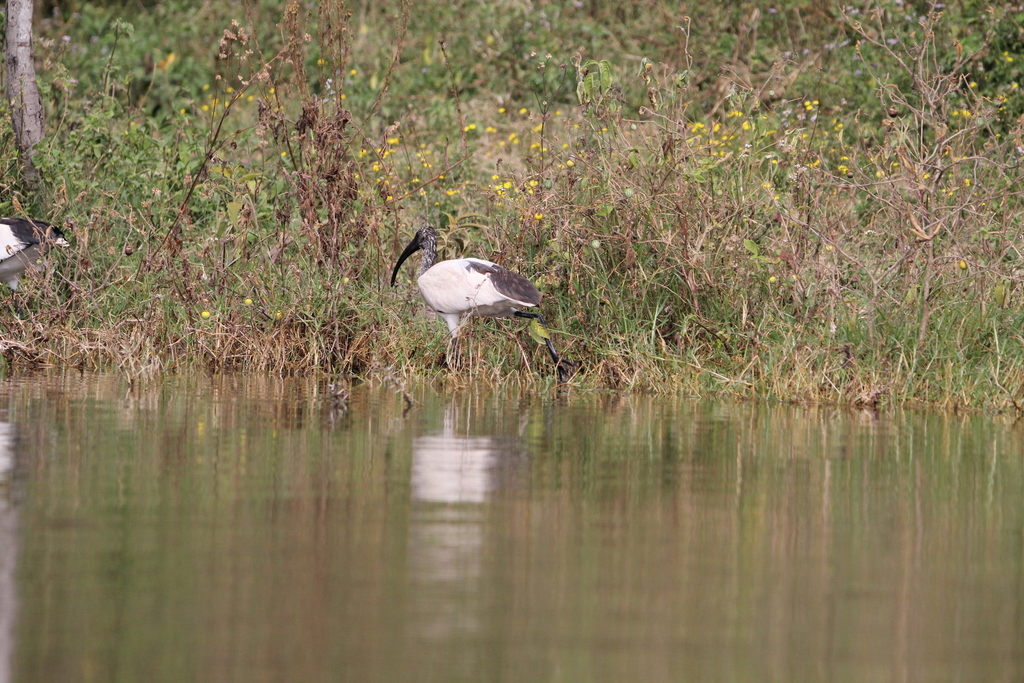
Its closest relatives
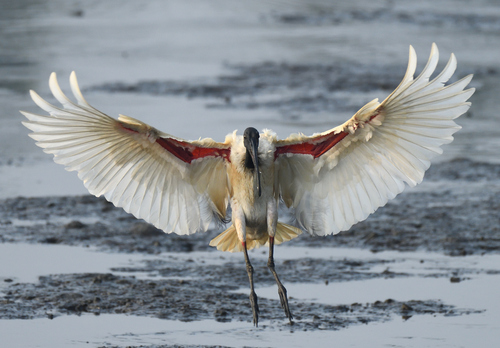
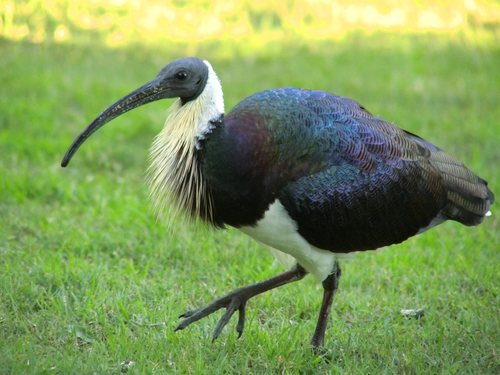
The other species of the genus Threskiornis.
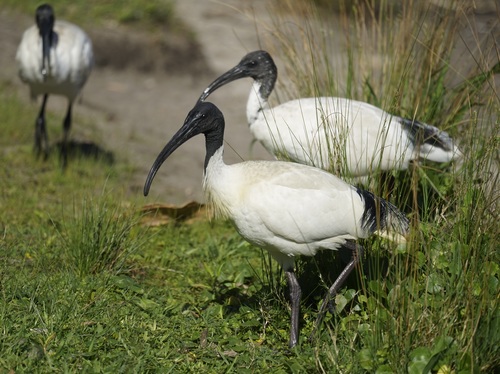

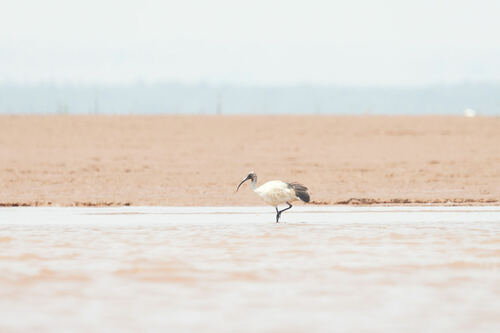
Seen an African Sacred Ibis?
Share your photo on iNaturalist. Other naturalists help confirm it, and the record goes to GBIF, where scientists use it and where the maps on this page come from.
Put this species on your site
The card names every source and links back here.
<iframe src="https://4planetatlas.com/place/embed/species/african-sacred-ibis" title="African Sacred Ibis (Threskiornis aethiopicus), 4PLANET Species" width="100%" height="600" style="border:0;max-width:640px" loading="lazy"></iframe>
<p><a href="https://4species.com/african-sacred-ibis">African Sacred Ibis on 4PLANET Species</a></p>Questions people ask
What does the African Sacred Ibis eat?
The African Sacred Ibis has been recorded eating 46 different kinds of animals and plants, most of them insects, birds, plants and amphibians. The ones recorded most often are watermelon, mallard, grey heron, common coot and northern lapwing; records include animals eaten as carrion. Source: GloBI.
Where does the African Sacred Ibis live?
People have recorded it in 67 countries; the most records come from South Africa, Taiwan, Kenya, Italy and Tanzania. Records show where people have seen it, not its full range.
When is the African Sacred Ibis seen most?
In the southern hemisphere, the most records are made in October and the fewest in April. More people outdoors also means more records.
What are the African Sacred Ibis's closest relatives?
It shares the genus Threskiornis with black-headed ibis, australian white ibis, straw-necked ibis, reunion ibis and malagasy sacred ibis.
Sources and photo credits
- GBIF · Threskiornis aethiopicus, 179,296 human observations
- GloBI · recorded interactions of Threskiornis aethiopicus
- Wikidata · African Sacred Ibis (Q208763)
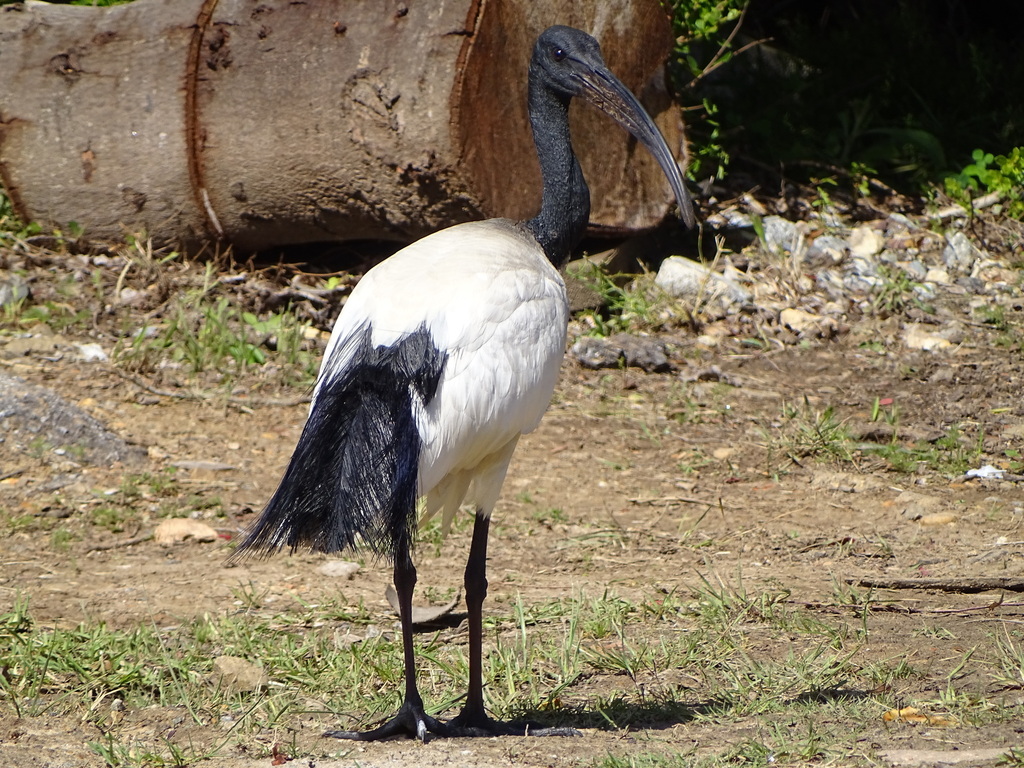
- African Sacred Ibis (Threskiornis aethiopicus): Shaun Swanepoel, CC BY 4.0
- African Sacred Ibis (Threskiornis aethiopicus), Humansdorp District, South Africa: Dave Brown, CC0
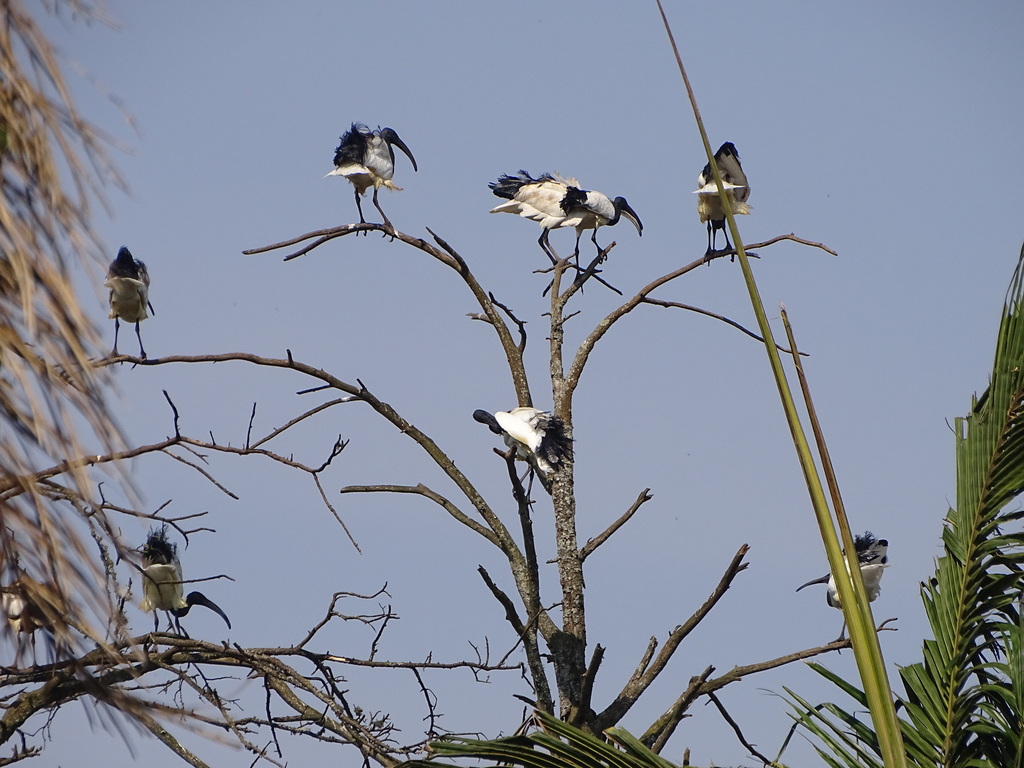
- African Sacred Ibis (Threskiornis aethiopicus), Wilderness, South Africa: Shaun Swanepoel, CC BY 4.0
- African Sacred Ibis (Threskiornis aethiopicus), Umzinyathi, KwaZulu-Natal, South Africa: Shaun Swanepoel, CC BY 4.0
- African Sacred Ibis (Threskiornis aethiopicus), Betty's Bay, 7141, South Africa: William Keenan, CC BY 4.0
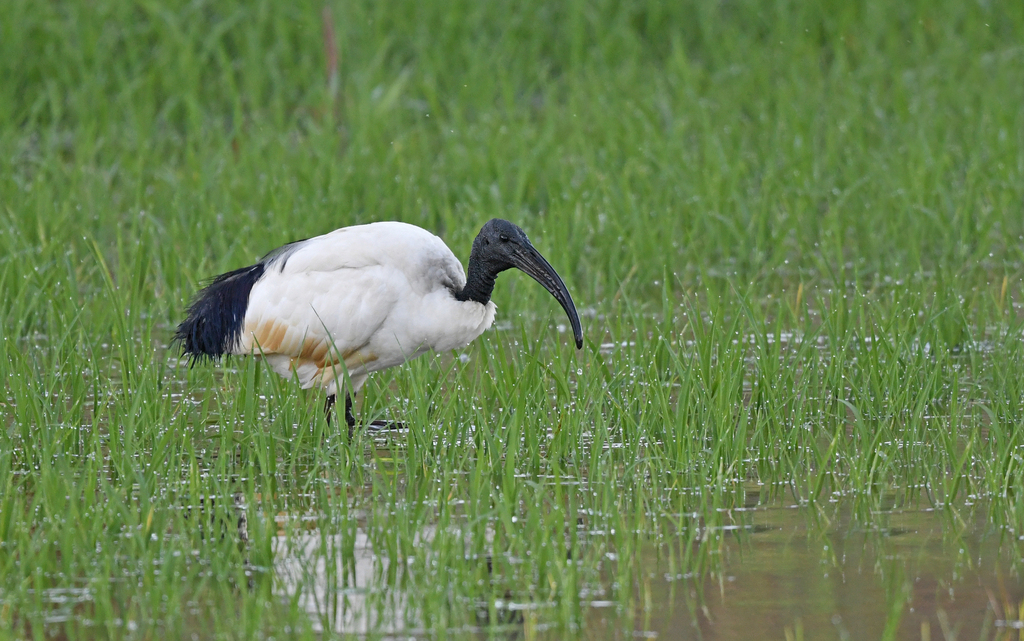
- African Sacred Ibis (Threskiornis aethiopicus), Vercelli, Italien: Christoph Moning, CC BY 4.0
- African Sacred Ibis (Threskiornis aethiopicus), South Cape DC, South Africa: Shaun Swanepoel, CC BY 4.0
- African Sacred Ibis (Threskiornis aethiopicus), Klein Brak River, 6503, South Africa: Shaun Swanepoel, CC BY 4.0
- African Sacred Ibis (Threskiornis aethiopicus), Naivasha, Nakuru, Kenya: Stefan Haag, CC BY 4.0
- Watermelon: Bernard DUPONT, CC BY-SA 4.0
- Mallard: anonymous, CC BY-SA 4.0
- Grey heron: Frank Sengpiel, CC BY 4.0
- Common coot: Roger Culos, CC BY-SA 4.0
- Northern lapwing: Roy Lowry, CC BY 4.0
- Common redshank: Luiz Lapa, CC BY 4.0
- European eel: Julien Renoult, CC BY 4.0
- European herring gull: Stu's Images, CC BY-SA 4.0
- Common tern: Bill Keim, CC BY 4.0
- Common warthog: Bernard DUPONT, CC BY-SA 4.0
- White cedar: no rights reserved, uploaded by 葉子, CC0
- Black-headed ibis: Sunny Joseph, CC BY 4.0
- Australian white ibis: Tim, CC BY 4.0
- Straw-necked ibis: Charles Lam, CC BY-SA 4.0
- Reunion ibis: Drawn by FunkMonk (Michael B. H.), with anatomical suggestions from Snowmanradio, CC BY-SA 4.0
- Malagasy sacred ibis: martin ingemansson, CC BY 4.0
Records show where people have seen and shared the African Sacred Ibis, not its full range, and some countries and months are recorded far more than others. The food web lists interactions that studies have recorded somewhere in the world (GloBI), not everything it eats in one place.
Checked 2026-11-24.