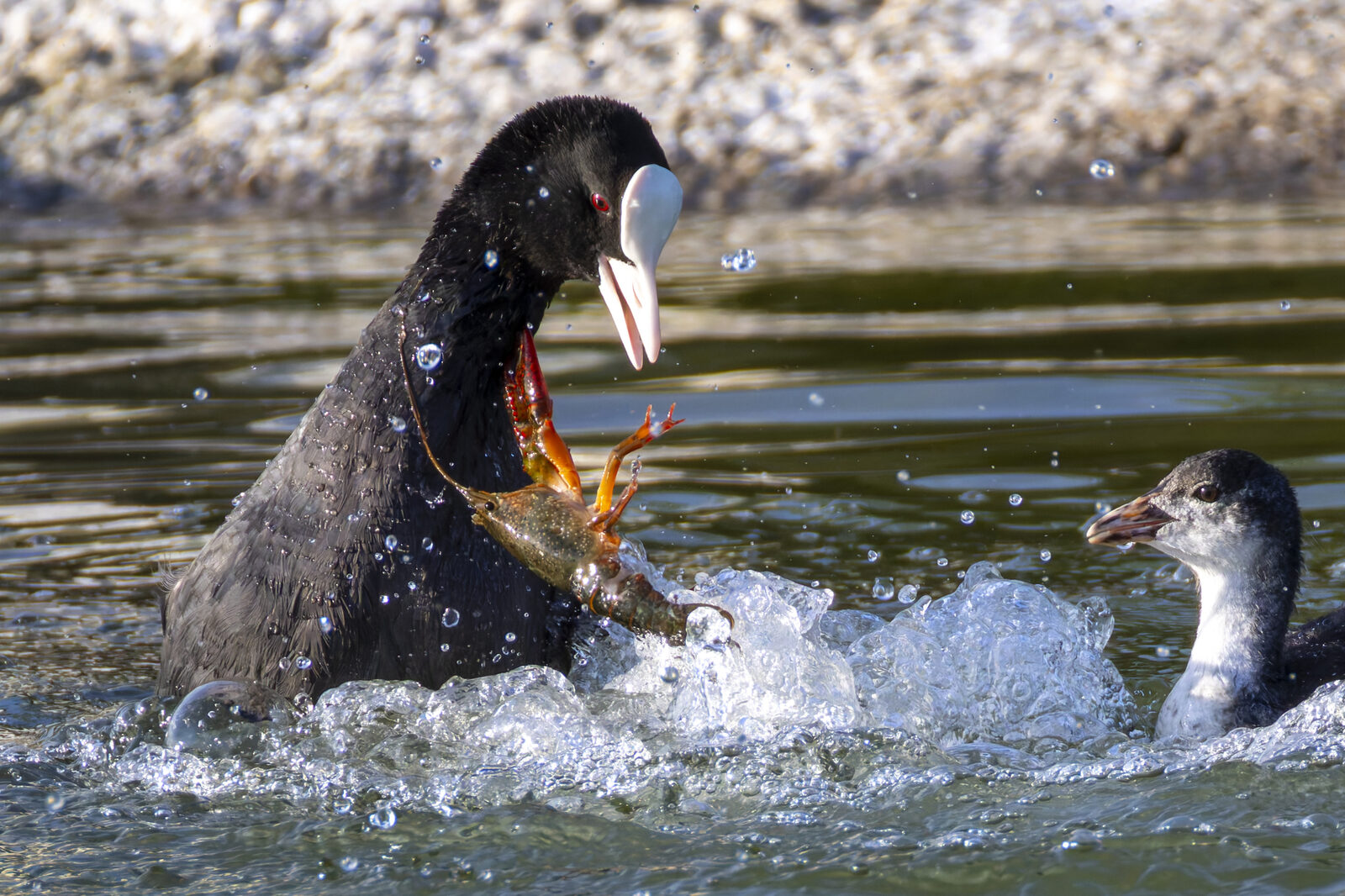
Common coot
Fulica atra
- Status
- Least Concern IUCN Red List
- Eats
- white wagtail, goldfish, little grebe and 2,620 more
- Eaten by
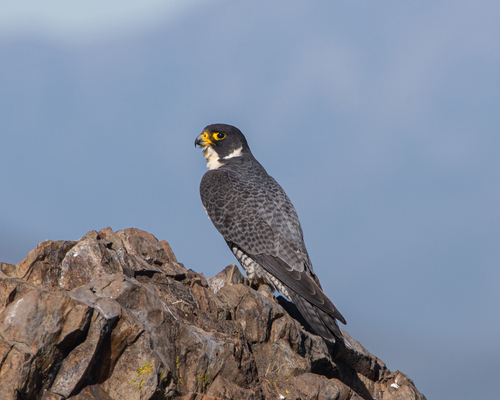
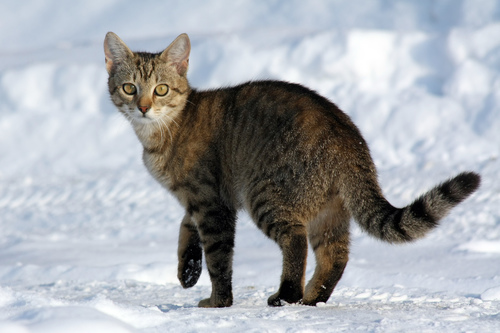
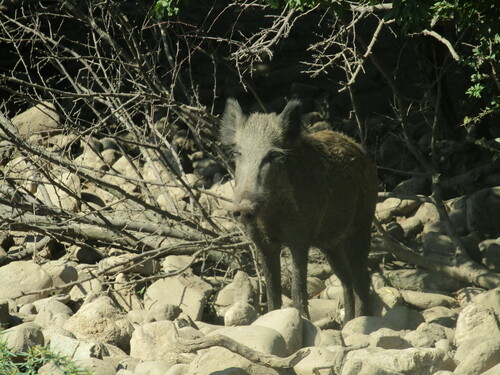
- peregrine falcon, cat, grey wolf
- Where
- 119 countries
On 4Planet Atlas it is among the wildlife people record most around Abu Dhabi, Algiers and Amman, and 87 more of the cities we cover.
People have shared 2,604,910 records of the common coot with GBIF, from 119 countries, most of them from United Kingdom, Australia and Spain. Records collected by GloBI show it eating 2,623 different kinds of animals and plants, and being eaten by 34.
What the common coot eats, and what eats it
Studies have recorded it eating 2,623 kinds of animals and plants, and 34 kinds of animals eating it. Tap any of them to follow the food chain.
- Plants 1,844
- Insects 238
- Snails and slugs 208
- Birds 48
- Shellfish 35
- Mammals 6
- Crustaceans 3



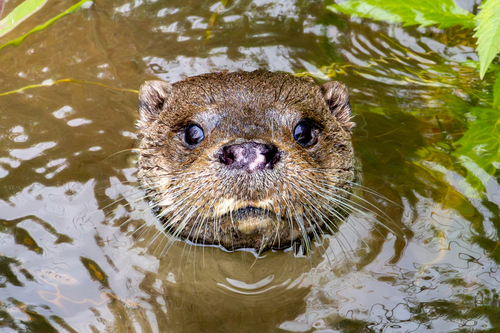
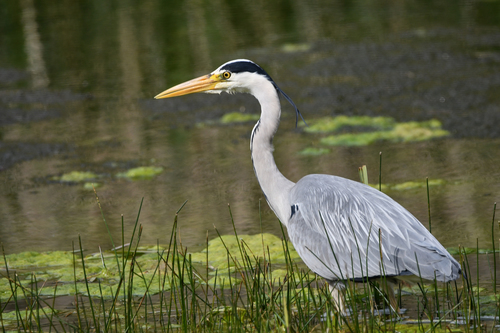 Common coot
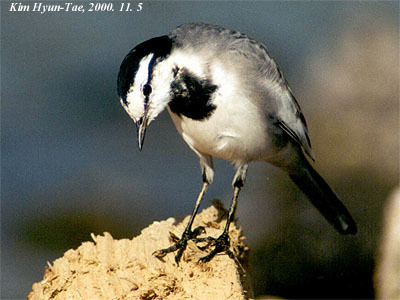
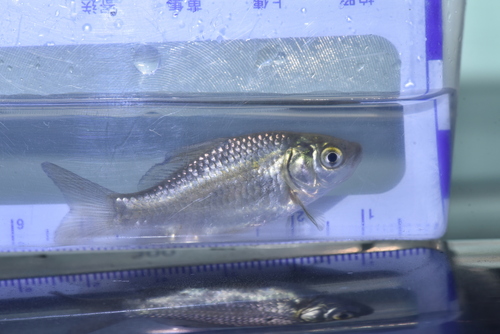
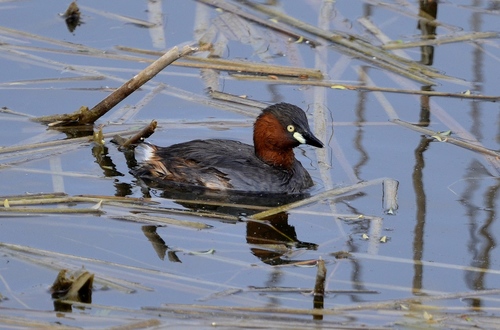
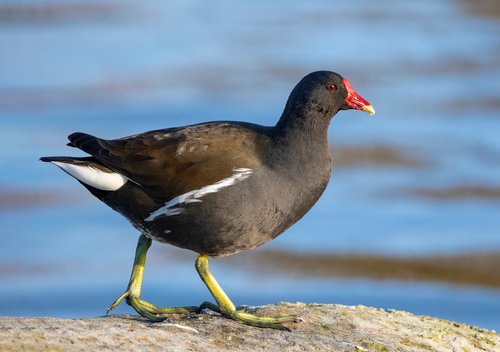
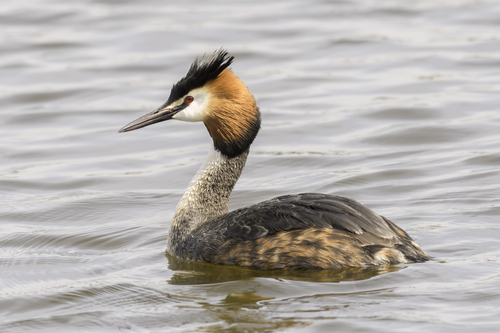
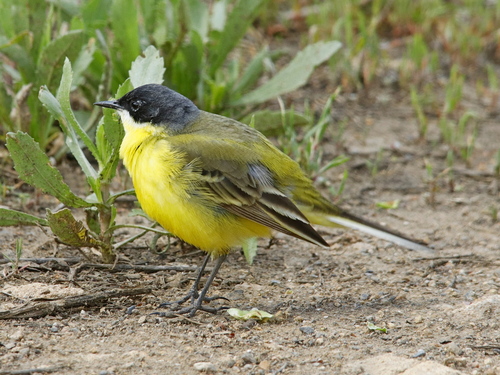
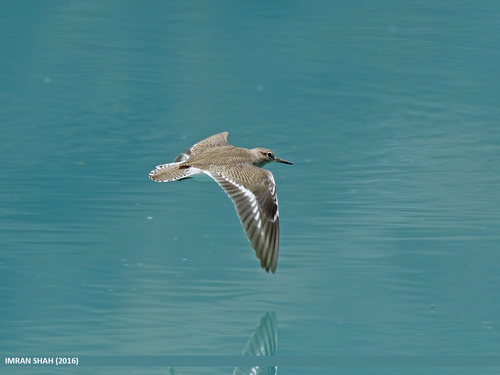
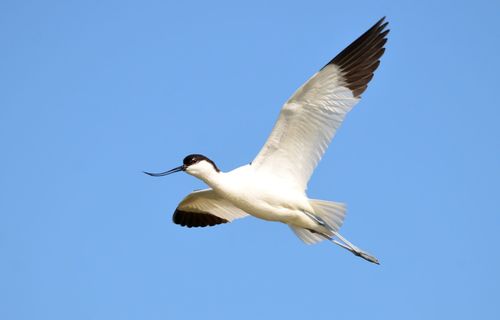
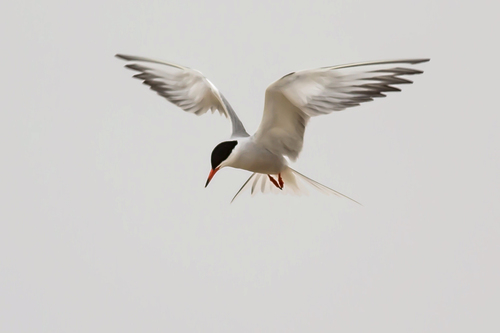
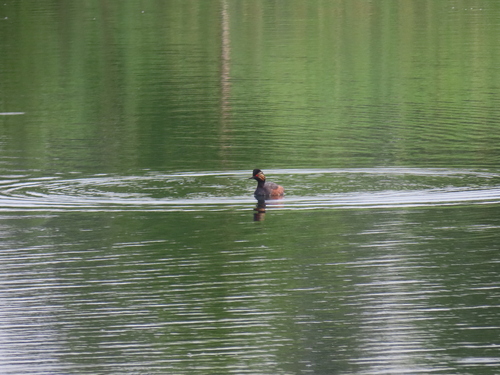
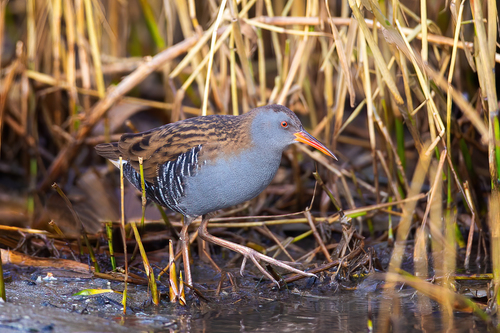
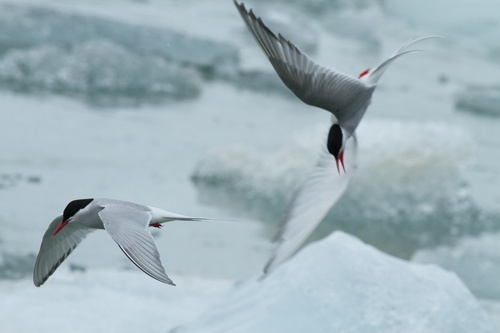
Records from studies worldwide, collected by GloBI. They include animals eaten as carrion, and they are not everything it eats in one place.
Where people see the common coot
People have shared 2,604,910 records from 119 countries.
Near a city: Abu Dhabi, Algiers, Amman, Amsterdam, Ankara, Ashgabat, Astana, Athens, Auckland, Baghdad, Baku, Beijing, Beirut, Belgrade, Bergen, Berlin, Bern, Bishkek, Bratislava, Brussels, Bucharest, Budapest, Cairo, Canberra, Chișinău, Copenhagen, Damascus, Delhi, Doha, Dublin, Dushanbe, East Jerusalem, Helsinki, Islamabad, Jerusalem, Kabul, Kuwait City, Kyiv, Lisbon, Ljubljana, London, Luxembourg City, Madrid, Manama, Melbourne, Minsk, Moscow, Mumbai, Muscat, Naypyidaw, New Delhi, Nicosia, Oslo, Paris, Podgorica, Prague, Praia, Pristina, Pyongyang, Rabat, Ramallah, Reykjavík, Riga, Riyadh, Rome, Sarajevo, Seoul, Shanghai, Skopje, Sofia, Stockholm, Sydney, Taipei, Tallinn, Tashkent, Tbilisi, Tehran, Tirana, Tokyo, Tripoli, Tunis, Ulaanbaatar, Vaduz, Valletta, Vienna, Vilnius, Warsaw, Wellington, Yerevan, Zagreb.
Records show where people have seen it and shared it, not its full range. Country names open their page in Atlas.
When it is seen
Records per month in the northern hemisphere. More people outdoors also means more records.
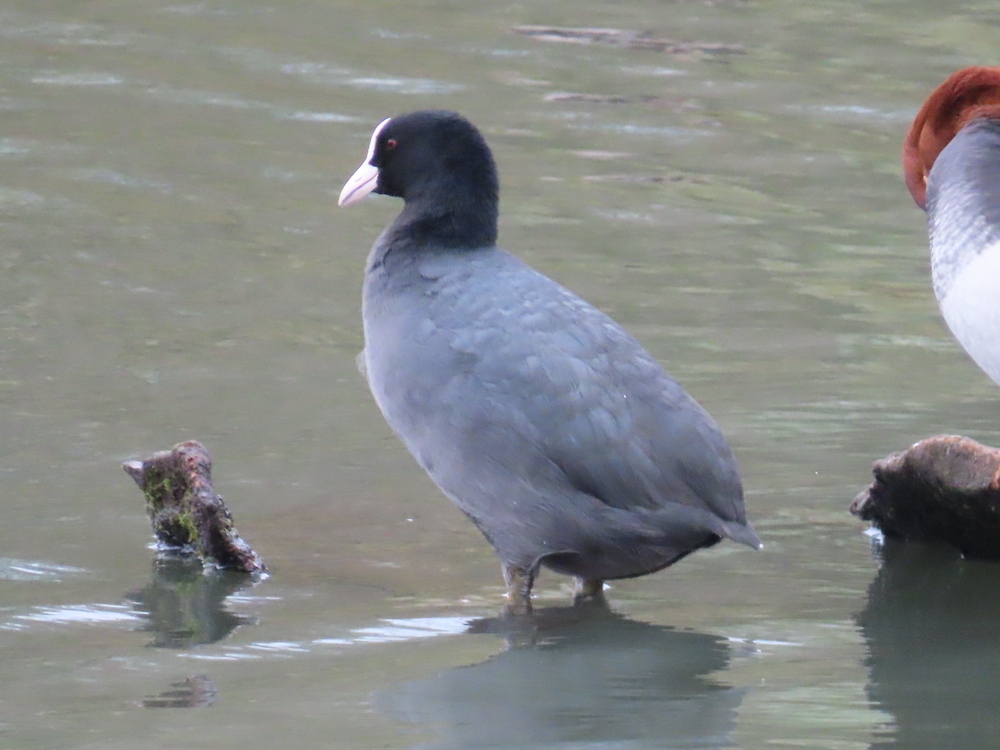
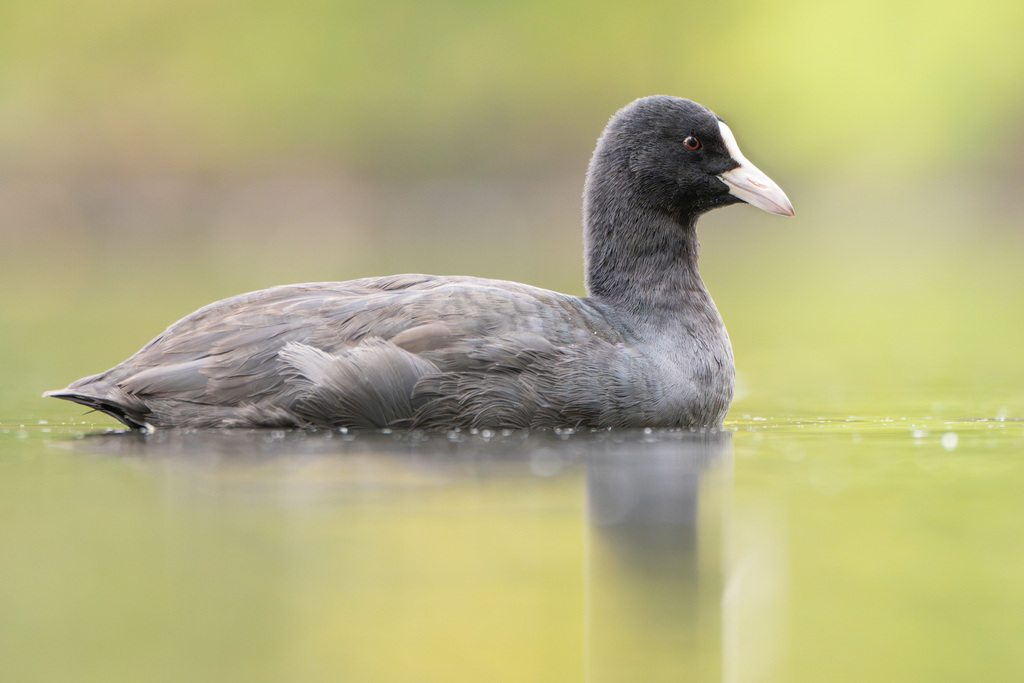
Watch and listen
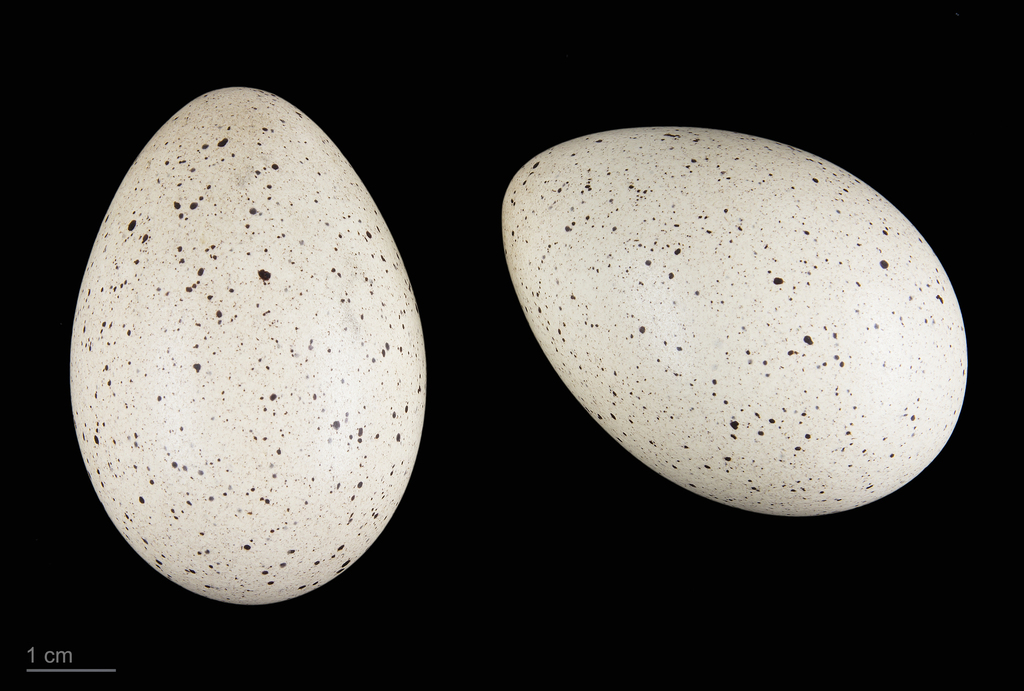
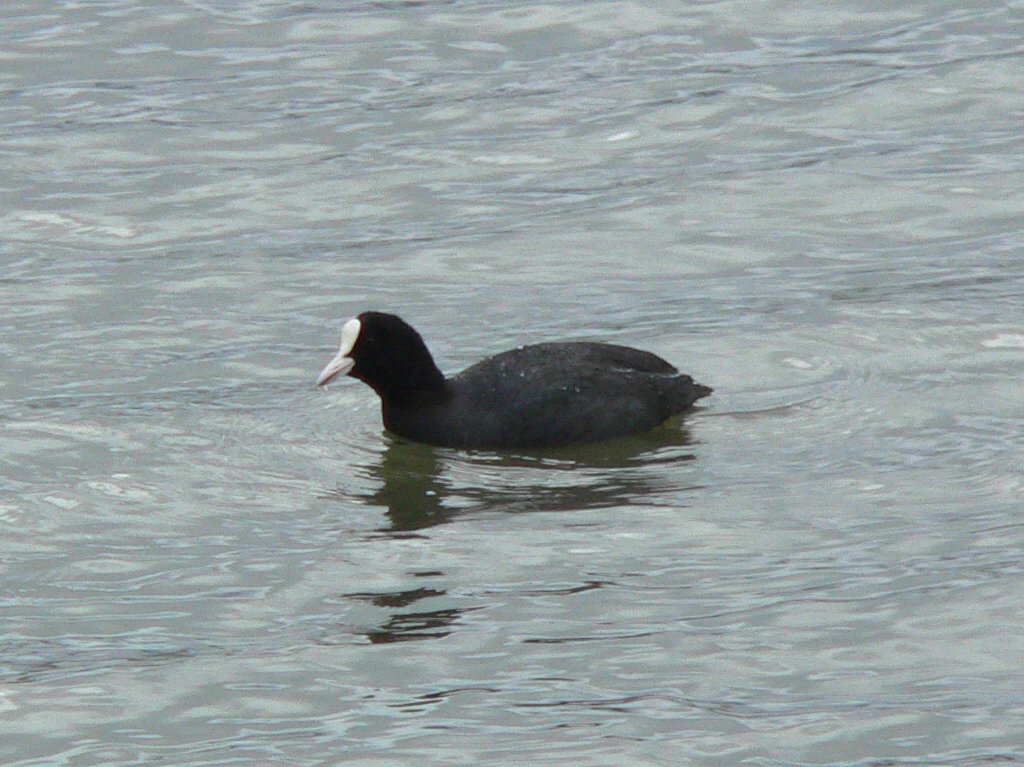
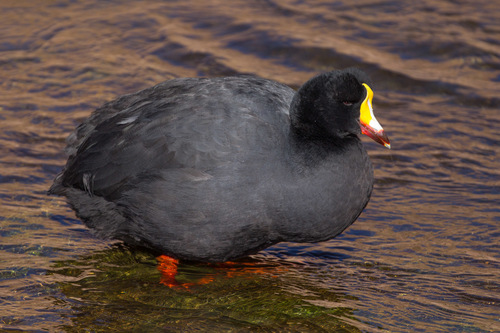
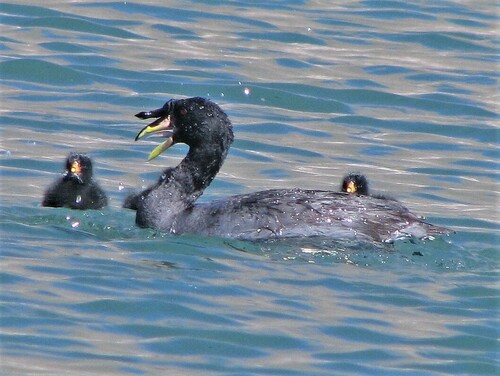
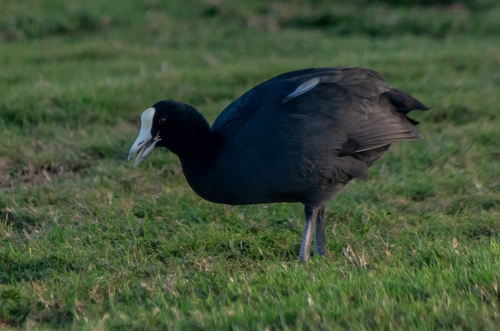
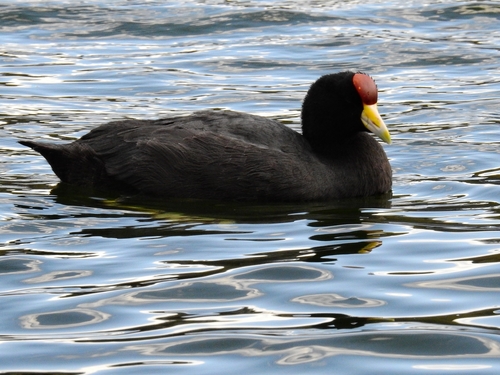
Its closest relatives
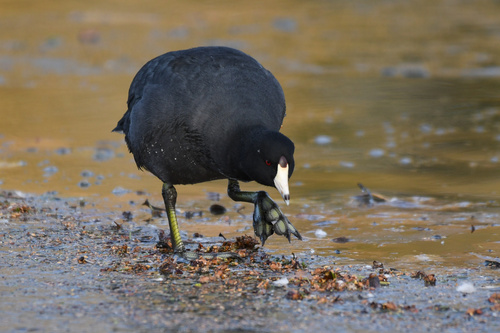
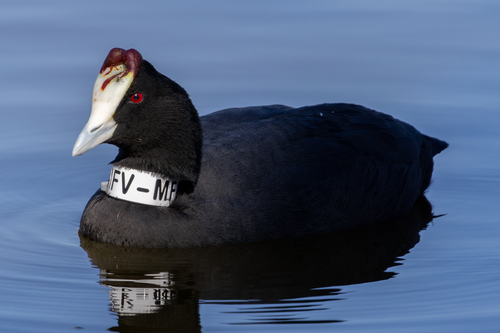
The other species of the genus Fulica.
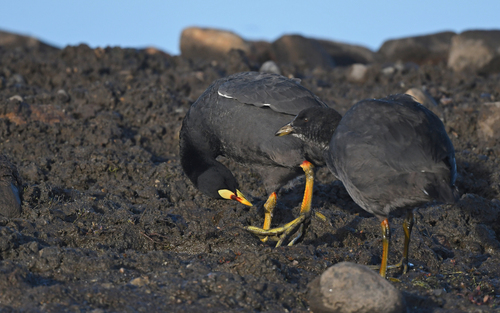
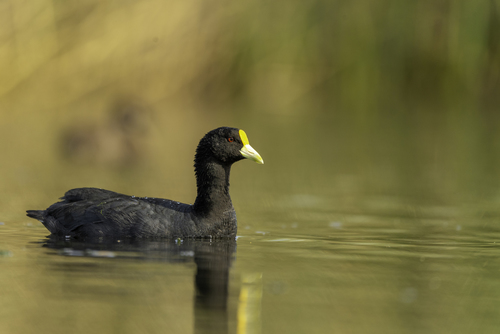
Seen a common coot?
Share your photo on iNaturalist. Other naturalists help confirm it, and the record goes to GBIF, where scientists use it and where the maps on this page come from.
Put this species on your site
The card names every source and links back here.
<iframe src="https://4planetatlas.com/place/embed/species/common-coot" title="Common coot (Fulica atra), 4PLANET Species" width="100%" height="600" style="border:0;max-width:640px" loading="lazy"></iframe>
<p><a href="https://4species.com/common-coot">Common coot on 4PLANET Species</a></p>Questions people ask
What does the common coot eat?
The common coot has been recorded eating 2,623 different kinds of animals and plants, most of them plants, insects, snails and slugs and birds. The ones recorded most often are white wagtail, goldfish, little grebe, common moorhen and great crested grebe; records include animals eaten as carrion. Source: GloBI.
What eats the common coot?
Recorded predators include peregrine falcon, cat, grey wolf, wild boar and red fox. Source: GloBI.
Where does the common coot live?
People have recorded it in 119 countries; the most records come from United Kingdom, Australia, Spain, India and Germany. Records show where people have seen it, not its full range.
When is the common coot seen most?
In the northern hemisphere, the most records are made in April and the fewest in July. More people outdoors also means more records.
What are the common coot's closest relatives?
It shares the genus Fulica with american coot, red-knobbed coot, giant coot, horned coot and hawaiian coot.
Sources and photo credits
- GBIF · Fulica atra, 2,604,910 human observations
- GloBI · recorded interactions of Fulica atra
- Wikidata · Common coot (Q25376)
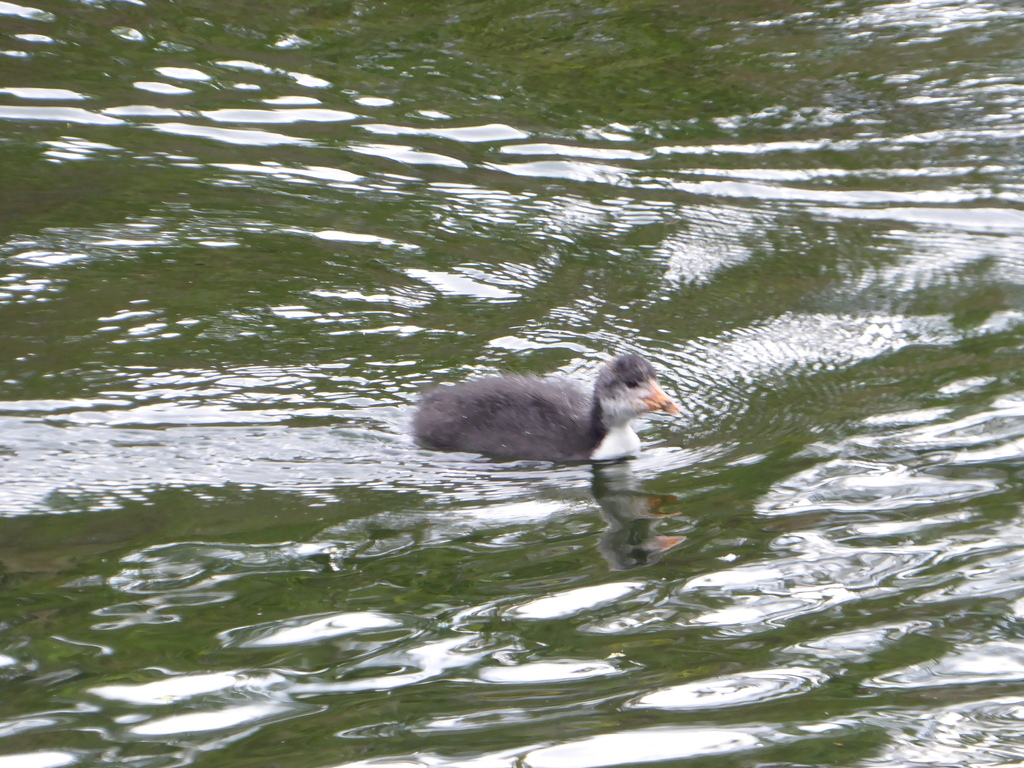
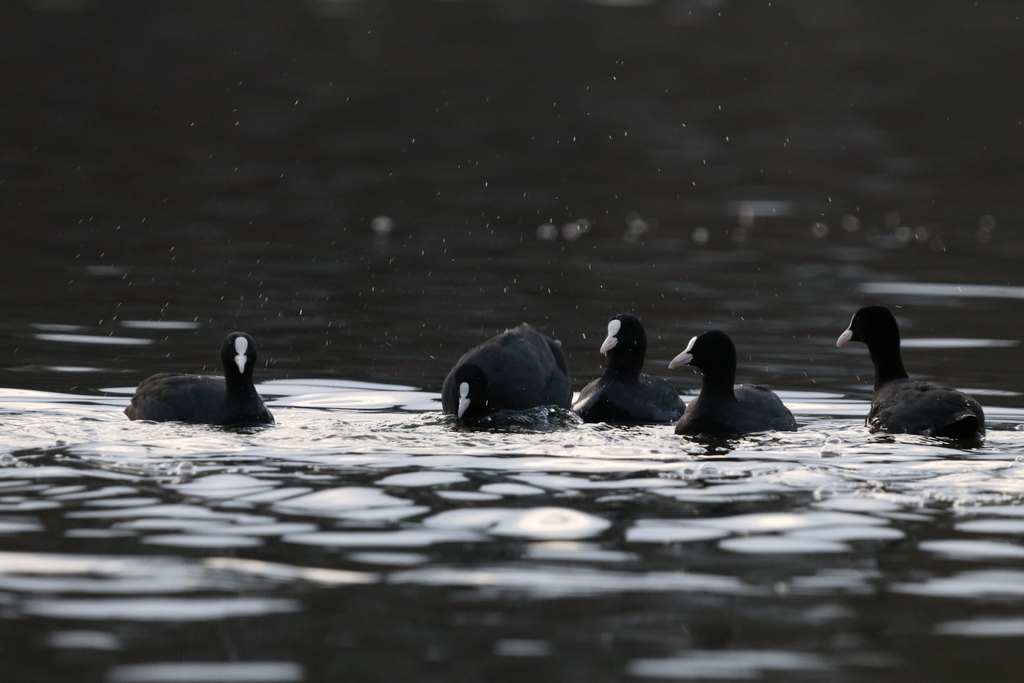
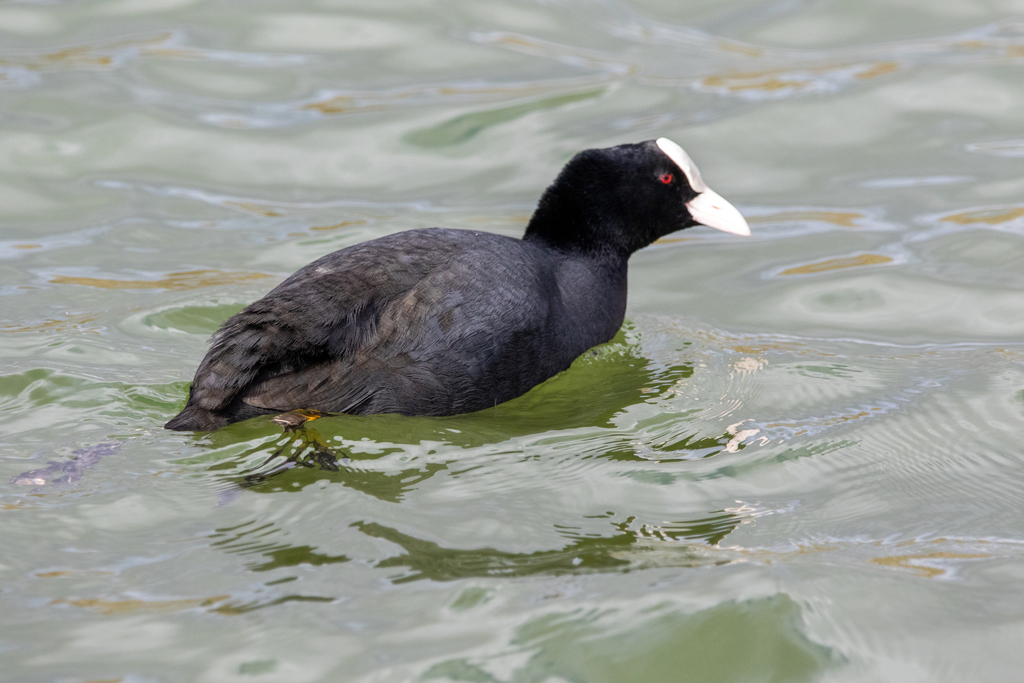
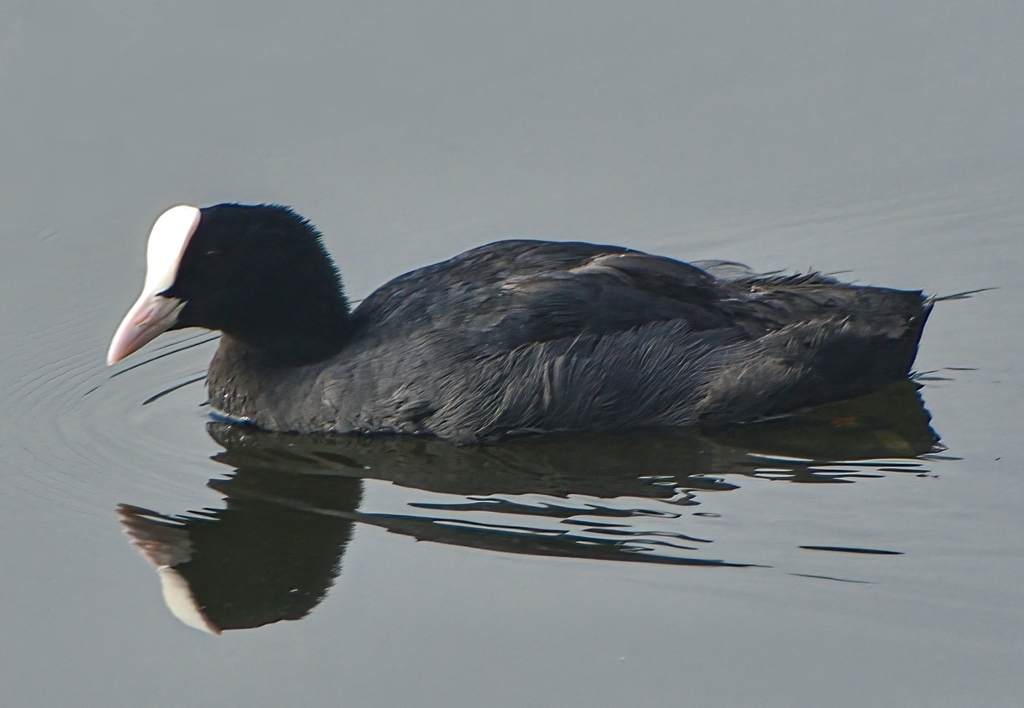
- Common coot (Fulica atra): Alexis Lours, CC BY 4.0
- Common coot (Fulica atra): Roger Culos, CC BY-SA 4.0
- Common coot (Fulica atra), Cagliari, Sardegna, IT: Mario Bassini, CC BY 4.0
- Common coot (Fulica atra), Ewell, UK: jamie-aa, CC BY 4.0
- Common coot (Fulica atra), Vake-Saburtalo, Tbilisi, Georgia: Donsky, CC BY 4.0
- Common coot (Fulica atra), La Courneuve, France: Alexis Lours, CC BY 4.0
- Common coot (Fulica atra), Bhegade Aali, Talegaon Dabhade, Maharashtra, India: Tejas M, CC BY 4.0
- Common coot (Fulica atra), Walsum, Germany: Theo Rickert, CC BY 4.0
- Common coot (Fulica atra), Neuhausen-Nymphenburg, Munich, Germany: cello caruso-turiello, CC BY 4.0
- White wagtail: Kim, Hyun-tae, CC BY 4.0
- Goldfish: Yung-Lun Lin, CC BY 4.0
- Little grebe: Zinogre, CC BY-SA 4.0
- Common moorhen: Alexis Lours, CC BY 4.0
- Great crested grebe: caroline legg, CC BY 4.0
- Western yellow wagtail: Andrew Simon, CC BY 4.0
- Common sandpiper: Imran Shah, CC BY-SA 4.0
- Pied avocet: Zinogre, CC BY-SA 4.0
- Common tern: Bill Keim, CC BY 4.0
- Black-necked grebe: Дмитрий Кошелев, CC BY 4.0
- Water rail: egorbirder, CC BY 4.0
- Arctic tern: Brian Gratwicke, CC BY 4.0
- Peregrine falcon: Nicolás Villaseca Merino, CC BY-SA 4.0
- Cat: Von.grzanka, CC BY-SA 4.0
- Grey wolf: Andrew Simon, CC BY 4.0
- Wild boar: SteveM4560, CC BY 4.0
- Red fox: Алина Урусова, CC BY 4.0
- Northern raven: xulescu_g, CC BY-SA 4.0
- Eurasian otter: Diego González Dopico, CC BY 4.0
- Grey heron: Frank Sengpiel, CC BY 4.0
- American coot: Justin Flint, CC BY 4.0
- Red-knobbed coot: Diego González Dopico, CC BY 4.0
- Giant coot: avocat, CC BY 4.0
- Horned coot: no rights reserved, uploaded by Hugo Hulsberg, CC0
- Hawaiian coot: Niki Robertson, CC BY 4.0
- Andean coot: Esteban Poveda, CC BY 4.0
- Red-gartered coot: Christoph Moning, CC BY 4.0
- White-winged coot: Luciano Massa, CC BY 4.0
Records show where people have seen and shared the common coot, not its full range, and some countries and months are recorded far more than others. The food web lists interactions that studies have recorded somewhere in the world (GloBI), not everything it eats in one place.
Checked 2026-11-22.