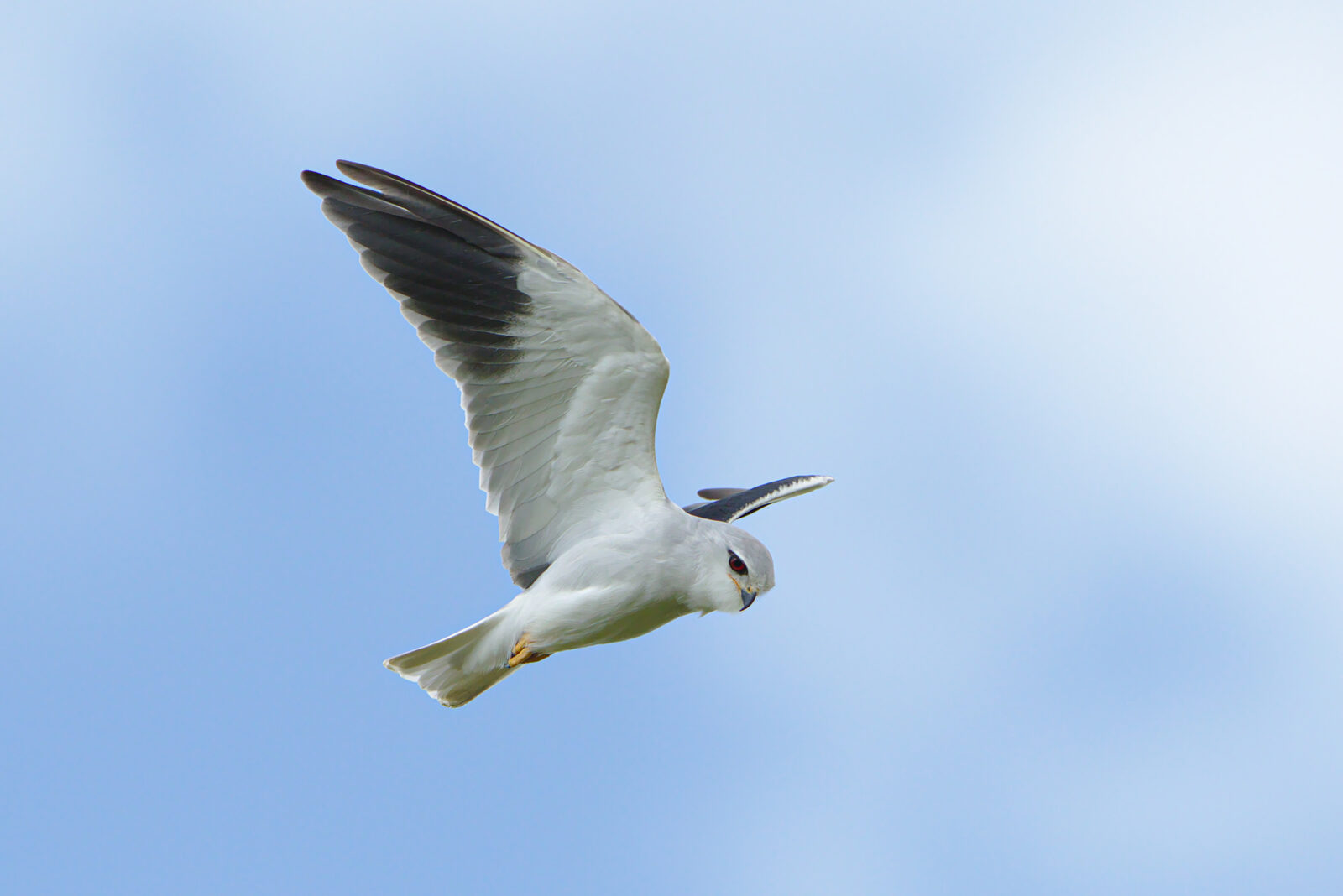
Black-winged kite
Elanus caeruleus
- Status
- Least Concern IUCN Red List
- Eats
- twite, citril finch, house sparrow and 205 more
- Eaten by
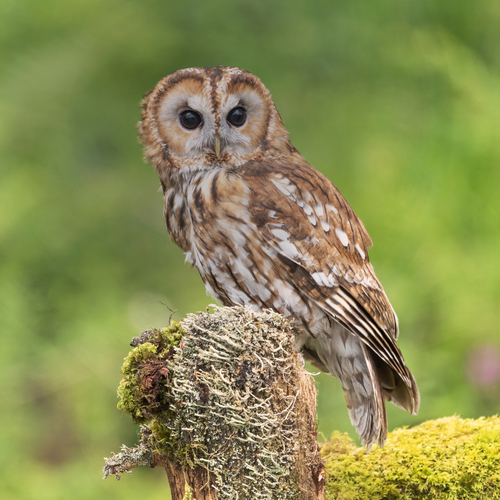
- northern raven, Eurasian eagle-owl, carrion crow
- Where
- 114 countries
On 4Planet Atlas it is among the wildlife people record most around Abuja, Accra and Amman, and 56 more of the cities we cover.
People have shared 410,062 records of the black-winged kite with GBIF, from 114 countries, most of them from India, Taiwan and South Africa. Records collected by GloBI show it eating 208 different kinds of animals and plants, and being eaten by 5.
What the black-winged kite eats, and what eats it
Studies have recorded it eating 208 kinds of animals and plants, and 5 kinds of animals eating it. Tap any of them to follow the food chain.
- Birds 97
- Mammals 88
- Amphibians 19
- Reptiles 1

 Black-winged kite
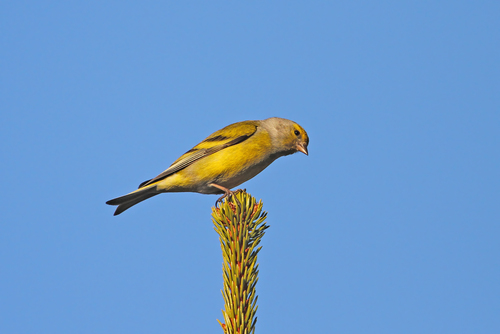
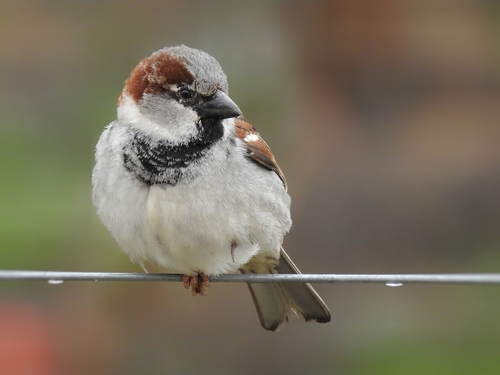
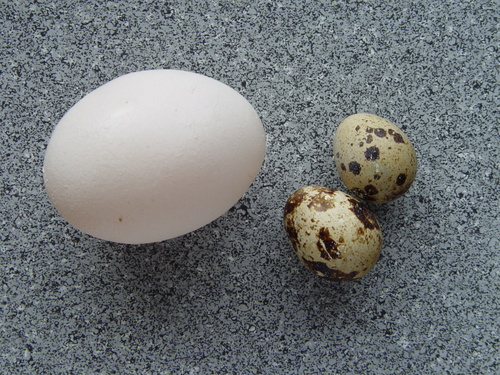
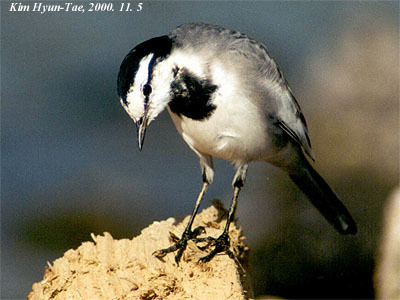
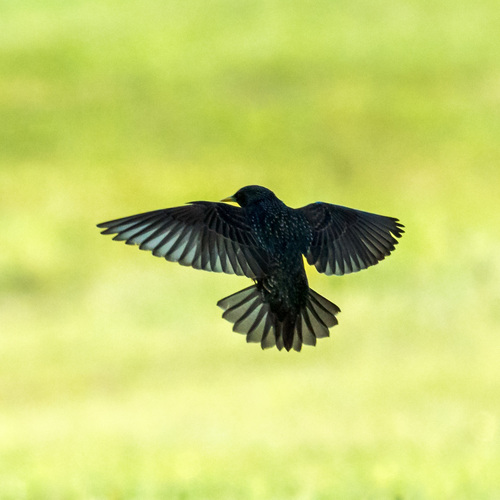
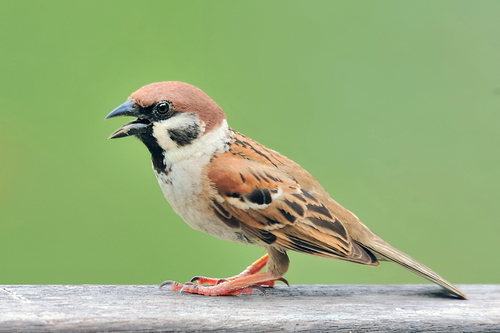
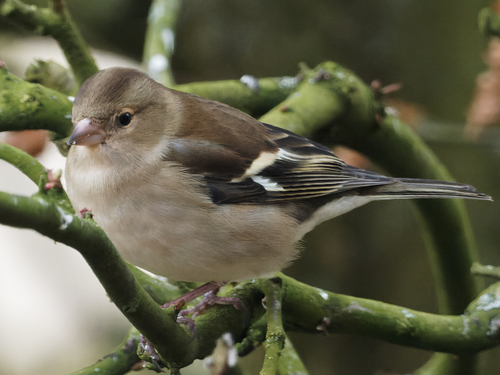
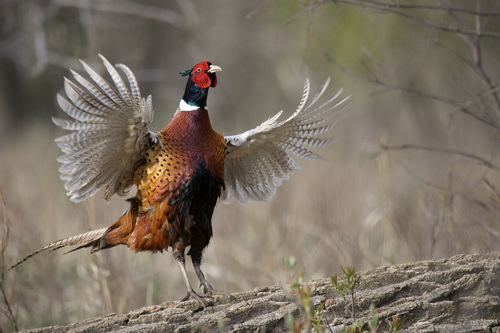
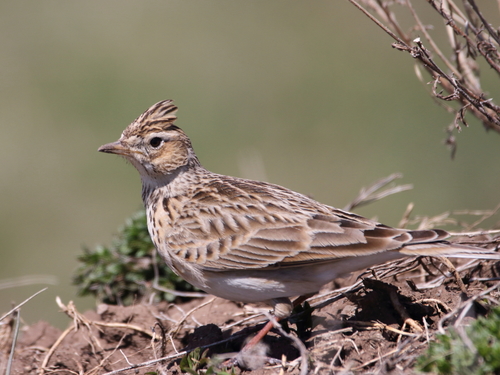

Records from studies worldwide, collected by GloBI. They include animals eaten as carrion, and they are not everything it eats in one place.
Where people see the black-winged kite
People have shared 410,062 records from 114 countries.
Near a city: Abuja, Accra, Amman, Baghdad, Bamako, Bangkok, Bangui, Beijing, Beirut, Bissau, Bloemfontein, Brazzaville, Cairo, Cape Town, Conakry, Damascus, Delhi, Dhaka, Dodoma, East Jerusalem, Gaborone, Hanoi, Harare, Islamabad, Jerusalem, Juba, Kampala, Khartoum, Kinshasa, Kuwait City, Lagos, Lisbon, Lobamba, Lomé, Luanda, Lusaka, Maputo, Maseru, Mbabane, Monrovia, Mumbai, Muscat, N'Djamena, Nairobi, Naypyidaw, New Delhi, Niamey, Ouagadougou, Phnom Penh, Porto-Novo, Pretoria, Rabat, Ramallah, Riyadh, Taipei, Tunis, Vientiane, Windhoek, Yamoussoukro.
Records show where people have seen it and shared it, not its full range. Country names open their page in Atlas.
When it is seen
Records per month in the northern hemisphere. More people outdoors also means more records.
Watch and listen
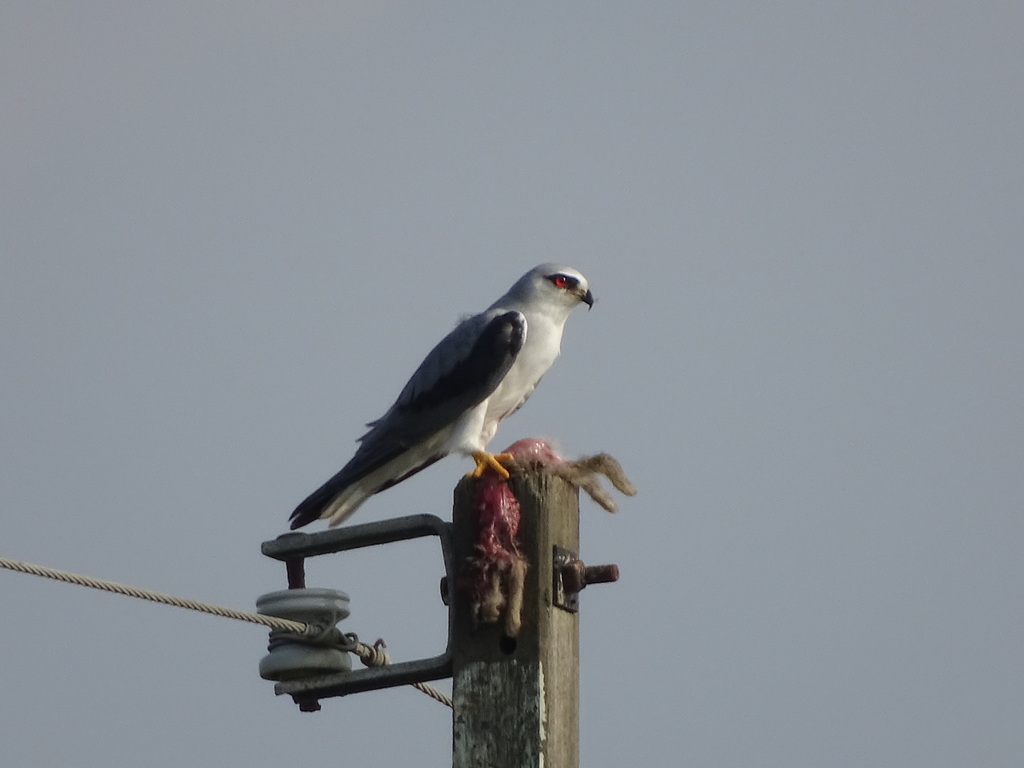
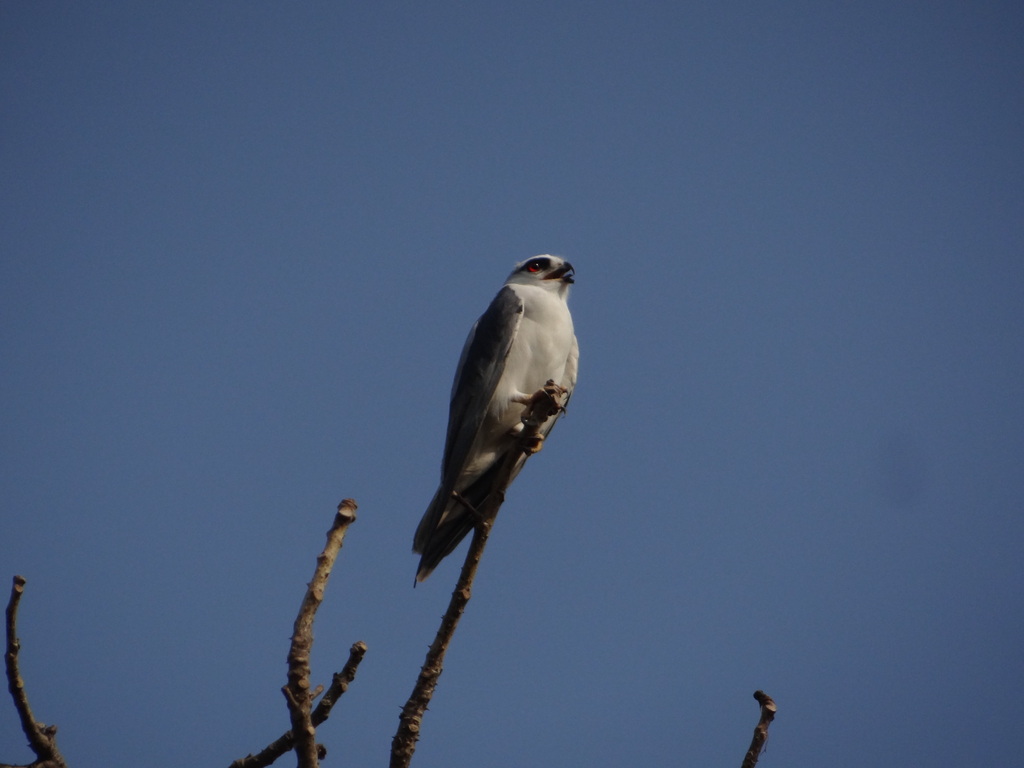
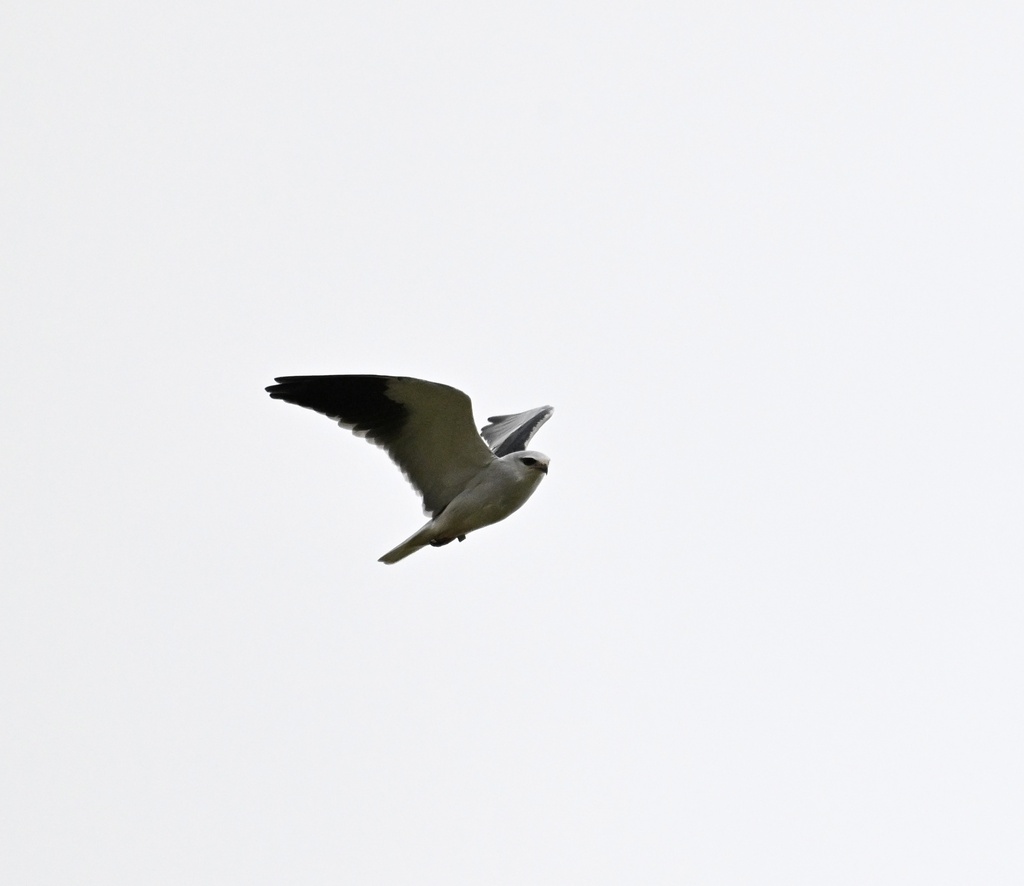
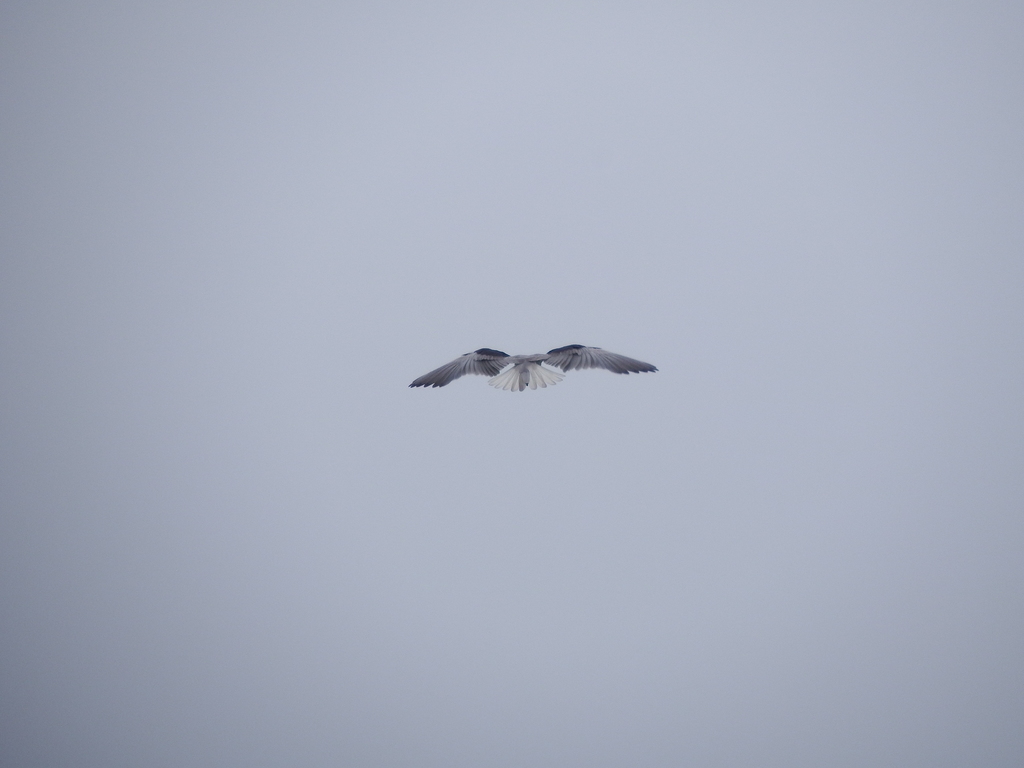
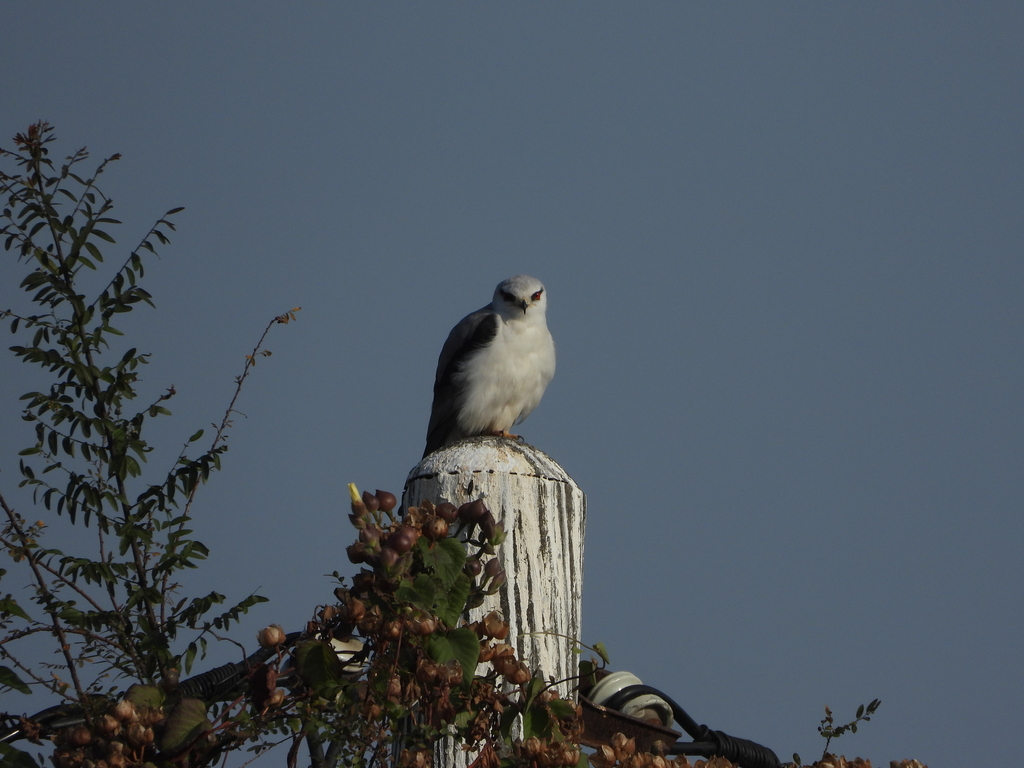
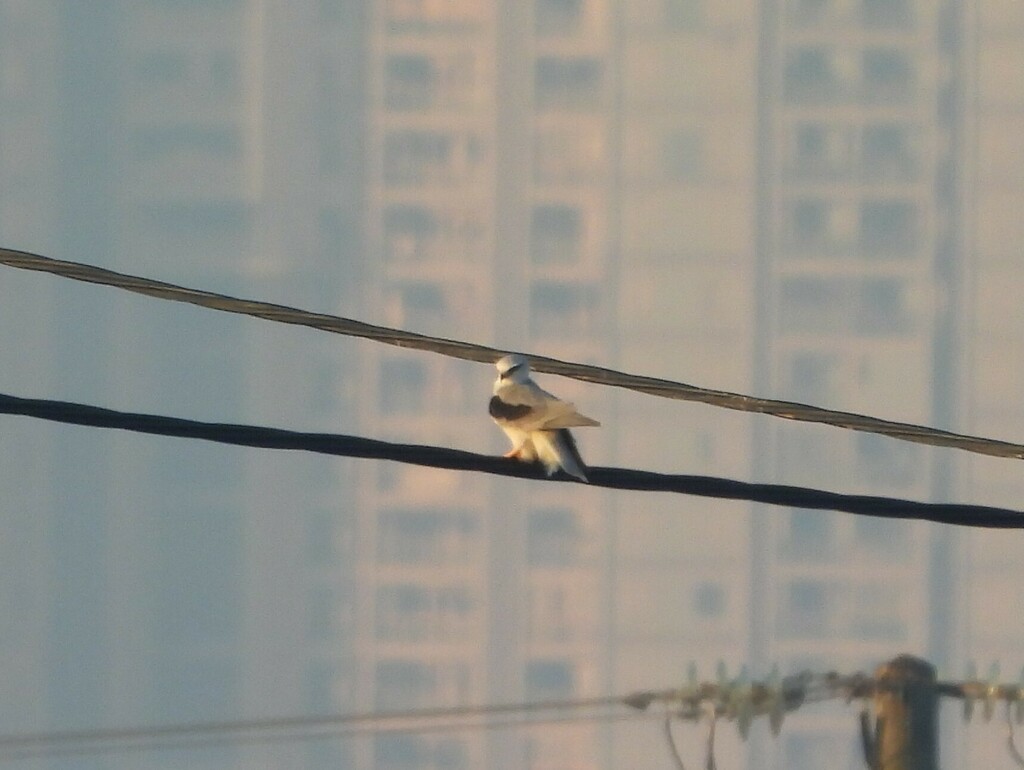
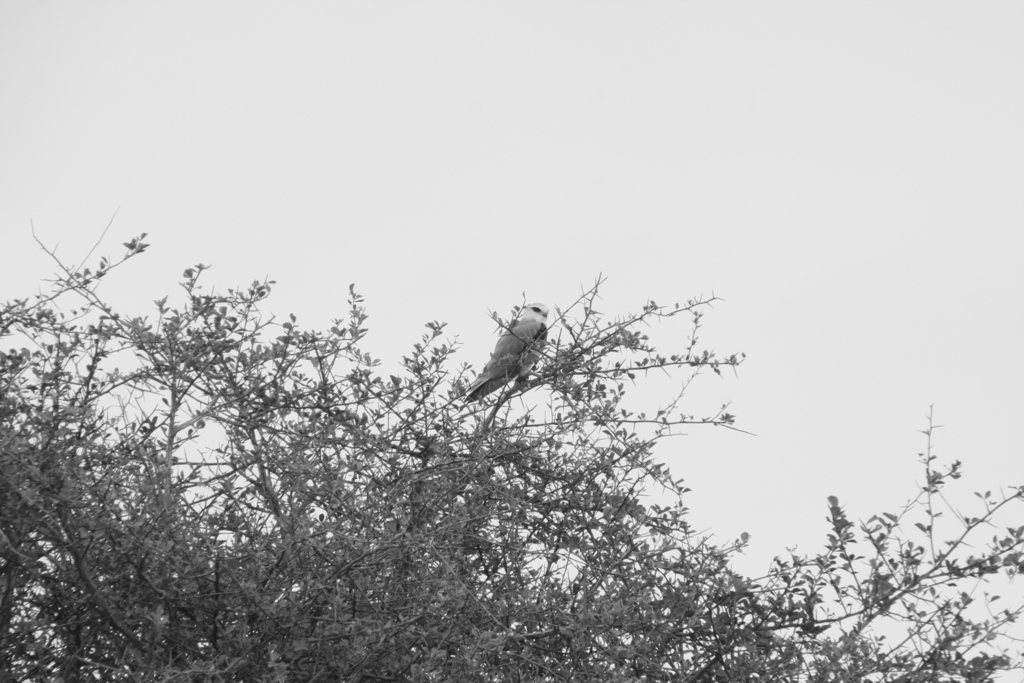
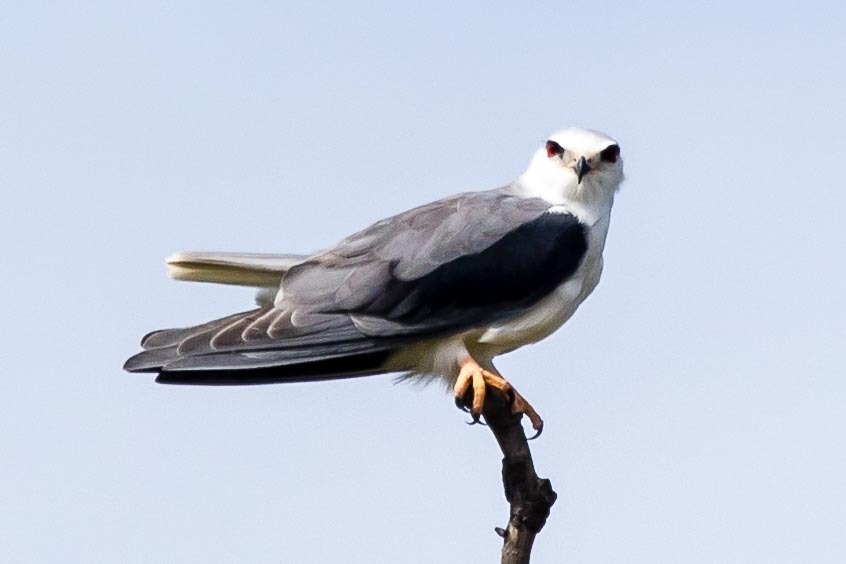
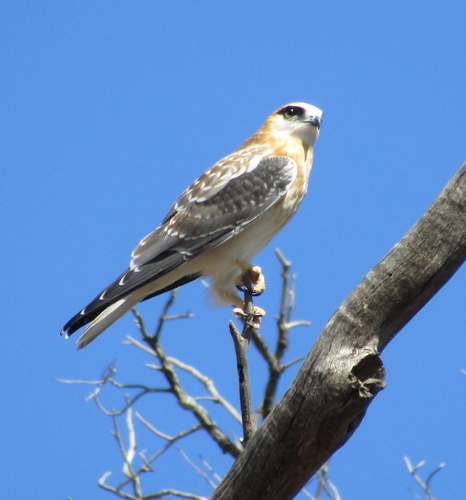
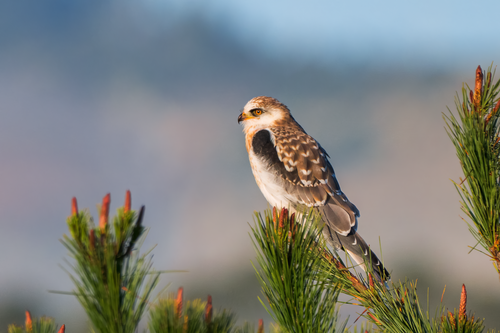
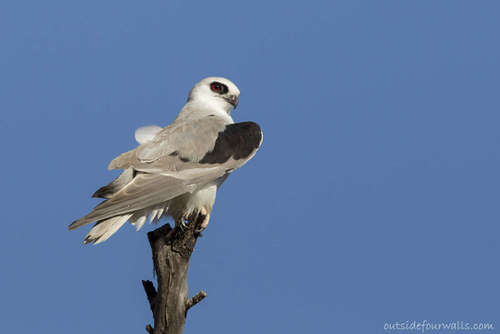
Its closest relatives
The other species of the genus Elanus.
Seen a black-winged kite?
Share your photo on iNaturalist. Other naturalists help confirm it, and the record goes to GBIF, where scientists use it and where the maps on this page come from.
Put this species on your site
The card names every source and links back here.
<iframe src="https://4planetatlas.com/place/embed/species/black-winged-kite" title="Black-winged kite (Elanus caeruleus), 4PLANET Species" width="100%" height="600" style="border:0;max-width:640px" loading="lazy"></iframe>
<p><a href="https://4species.com/black-winged-kite">Black-winged kite on 4PLANET Species</a></p>Questions people ask
What does the black-winged kite eat?
The black-winged kite has been recorded eating 208 different kinds of animals and plants, most of them birds, mammals, amphibians and reptiles. The ones recorded most often are twite, citril finch, house sparrow, common quail and white wagtail; records include animals eaten as carrion. Source: GloBI.
What eats the black-winged kite?
Recorded predators include northern raven, eurasian eagle-owl, carrion crow and tawny owl. Source: GloBI.
Where does the black-winged kite live?
People have recorded it in 114 countries; the most records come from India, Taiwan, South Africa, Israel and Portugal. Records show where people have seen it, not its full range.
When is the black-winged kite seen most?
In the northern hemisphere, the most records are made in January and the fewest in June. More people outdoors also means more records.
What are the black-winged kite's closest relatives?
It shares the genus Elanus with black-shouldered kite, white-tailed kite and letter-winged kite.
Sources and photo credits
- GBIF · Elanus caeruleus, 410,062 human observations
- GloBI · recorded interactions of Elanus caeruleus
- Wikidata · Black-winged kite (Q27227)
- Black-winged kite (Elanus caeruleus): Derek Keats, CC BY 4.0
- Black-winged kite (Elanus caeruleus), 台灣雲林縣: 雲一百香果, CC BY 4.0
- Black-winged kite (Elanus caeruleus), Nathkuva, Gujarat 389360, India: Piyush Marwadi, CC BY 4.0
- Black-winged kite (Elanus caeruleus), Heiligenbrunn, Burgenland, AT: Lukas Zangl, CC BY 4.0
- Black-winged kite (Elanus caeruleus), 台灣台北: 高山田鼠, CC BY 4.0
- Black-winged kite (Elanus caeruleus), 台灣高雄市: Redbird Wu, CC BY 4.0
- Black-winged kite (Elanus caeruleus), Yuen Long, Hong Kong: Stephen Matthews, CC0
- Black-winged kite (Elanus caeruleus), Aeroport, Niamey, Niger: B. P. White, CC BY-SA 4.0
- Black-winged kite (Elanus caeruleus), Ngorongoro, Tanzania: Dan Harville, CC BY-SA 4.0
- Twite: Fionn Ó Marcaigh, CC BY 4.0
- Citril finch: Christoph Moning, CC BY 4.0
- House sparrow: Esteban Poveda, CC BY 4.0
- Common quail: anonymous, CC BY-SA 4.0
- White wagtail: Kim, Hyun-tae, CC BY 4.0
- Common starling: Shiva Shenoy, CC BY 4.0
- Eurasian tree sparrow: Yiwenyiwen, CC BY-SA 4.0
- Eurasian chaffinch: William Stephens, CC BY 4.0
- Common pheasant: John Krampl, CC BY 4.0
- Eurasian skylark: Ani Sarkisyan, CC BY 4.0
- Grey partridge: Christoph Moning, CC BY 4.0
- Northern raven: xulescu_g, CC BY-SA 4.0
- Carrion crow: no rights reserved, uploaded by Charlie Farrell, CC0
- Tawny owl: caroline legg, CC BY 4.0
- Black-shouldered kite: Heath Hunter, CC BY 4.0
- White-tailed kite: cello caruso-turiello, CC BY 4.0
- Letter-winged kite: outsidefourwalls, CC BY 4.0
Records show where people have seen and shared the black-winged kite, not its full range, and some countries and months are recorded far more than others. The food web lists interactions that studies have recorded somewhere in the world (GloBI), not everything it eats in one place.
Checked 2026-11-24.