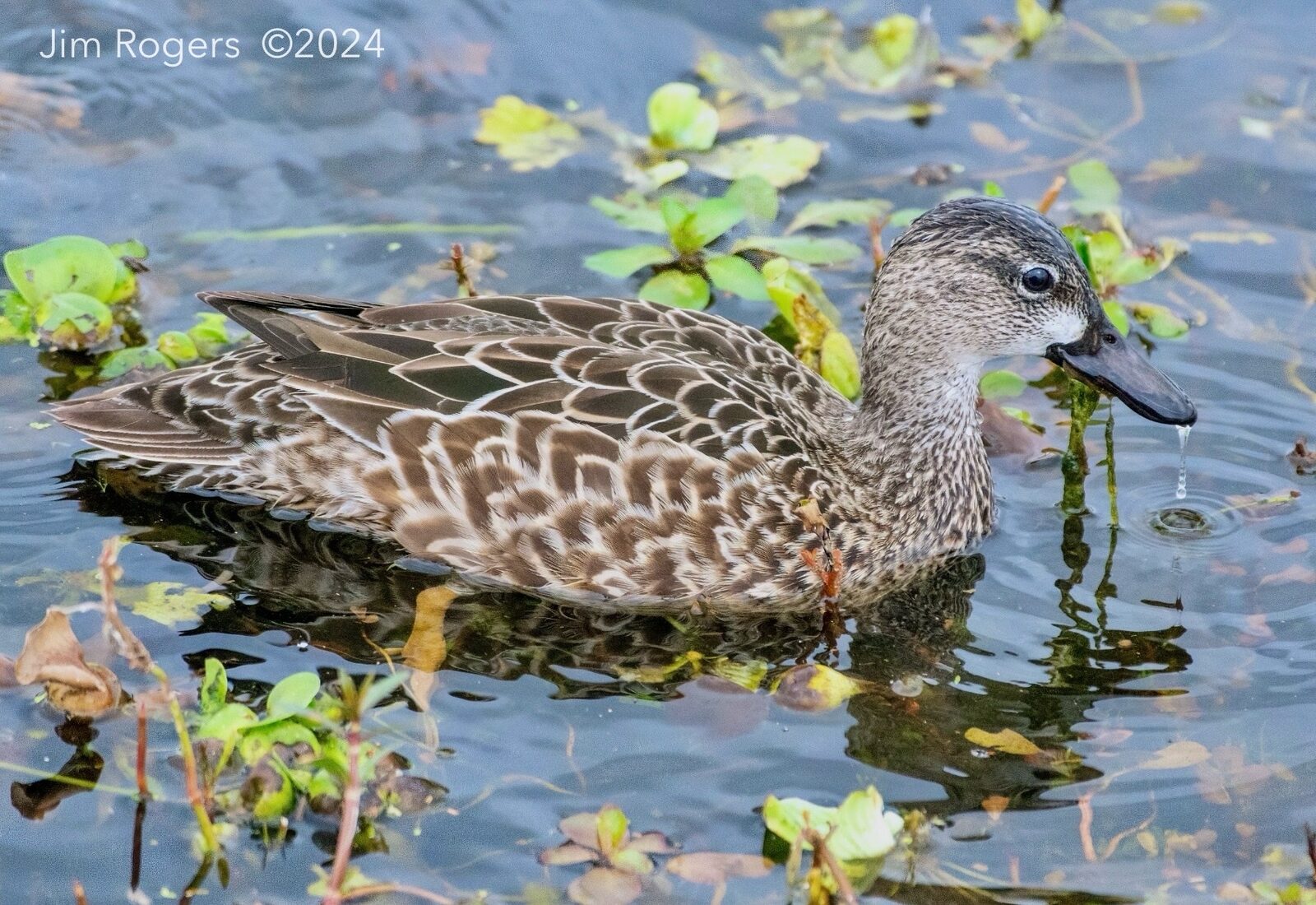
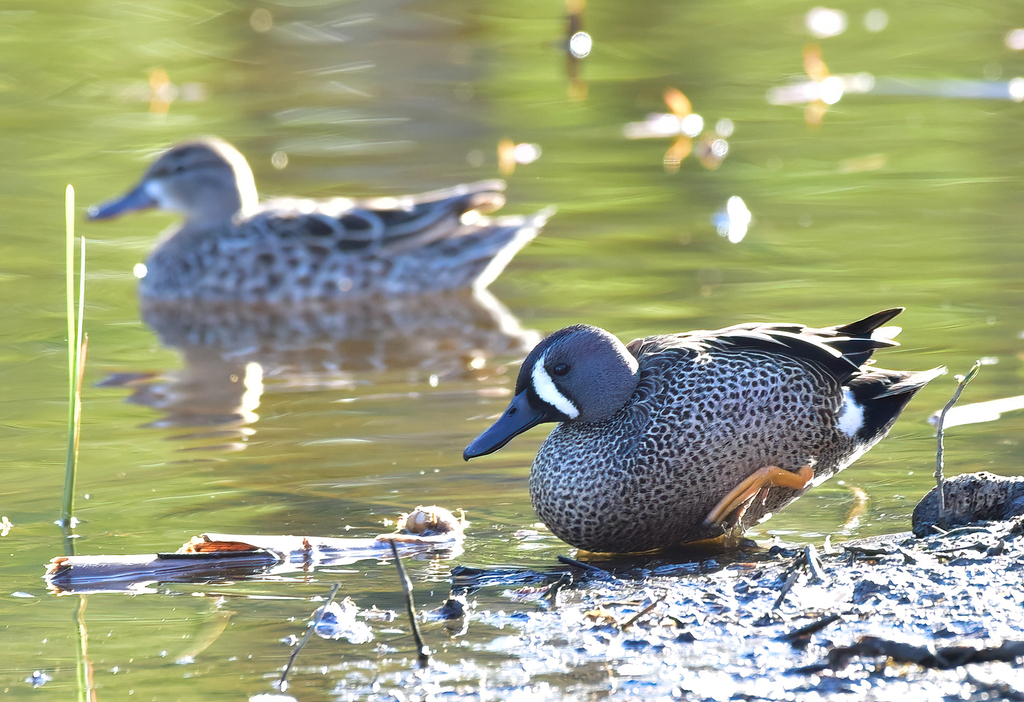
Blue-winged teal
Spatula discors
- Status
- Least Concern IUCN Red List
- Eats
- cockspur, beaked tasselweed and 1 more
- Eaten by
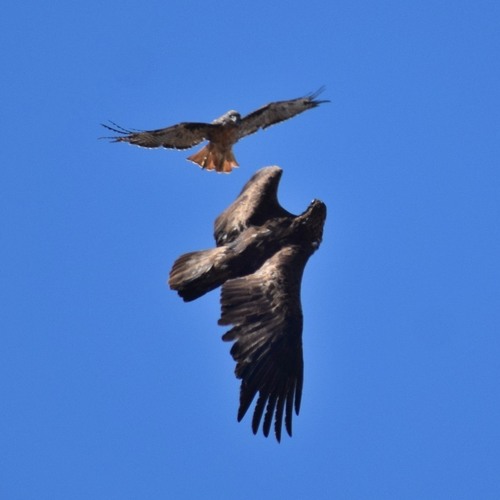
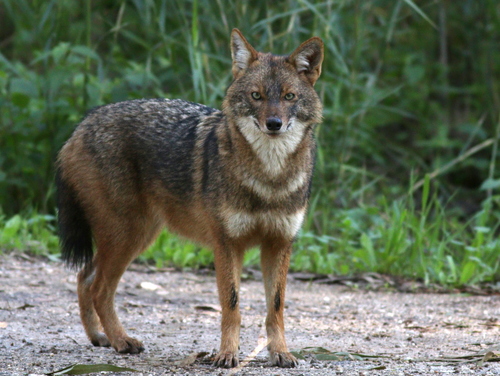
- red fox, northern raven, golden eagle
- Where
- 75 countries
On 4Planet Atlas it is among the wildlife people record most around Atlanta, Basseterre and Bogotá, and 20 more of the cities we cover.
People have shared 2,670,938 records of the blue-winged teal with GBIF, from 75 countries, most of them from United States, Canada and Mexico. Records collected by GloBI show it eating 3 different kinds of animals and plants, and being eaten by 9.
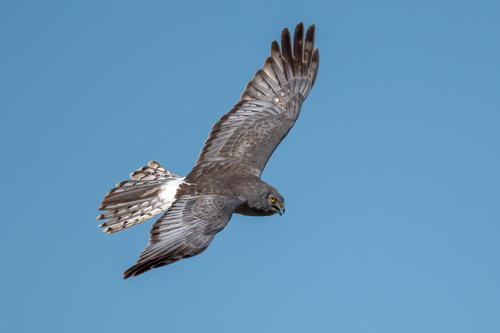
What the blue-winged teal eats, and what eats it
Studies have recorded it eating 3 kinds of animals and plants, and 9 kinds of animals eating it. Tap any of them to follow the food chain.
- Plants 3
Eaten by



 Blue-winged teal


Records from studies worldwide, collected by GloBI. They include animals eaten as carrion, and they are not everything it eats in one place.
Where people see the blue-winged teal
People have shared 2,670,938 records from 75 countries.
Near a city: Atlanta, Basseterre, Bogotá, Bridgetown, Castries, Chicago, Havana, Kingston, Kingstown, Las Vegas, Lima, Managua, Mexico City, Nassau, Ottawa, Port-au-Prince, Praia, San Salvador, Santo Domingo, St. George's, Tegucigalpa, Toronto, Vancouver.
Records show where people have seen it and shared it, not its full range. Country names open their page in Atlas.
When it is seen
Records per month in the northern hemisphere. More people outdoors also means more records.
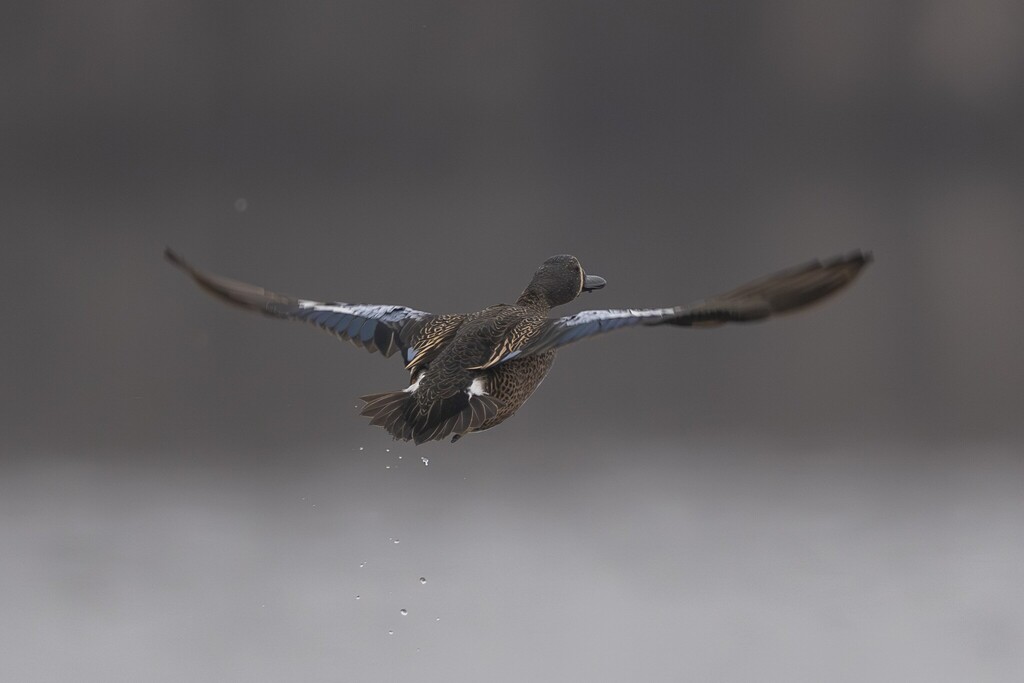
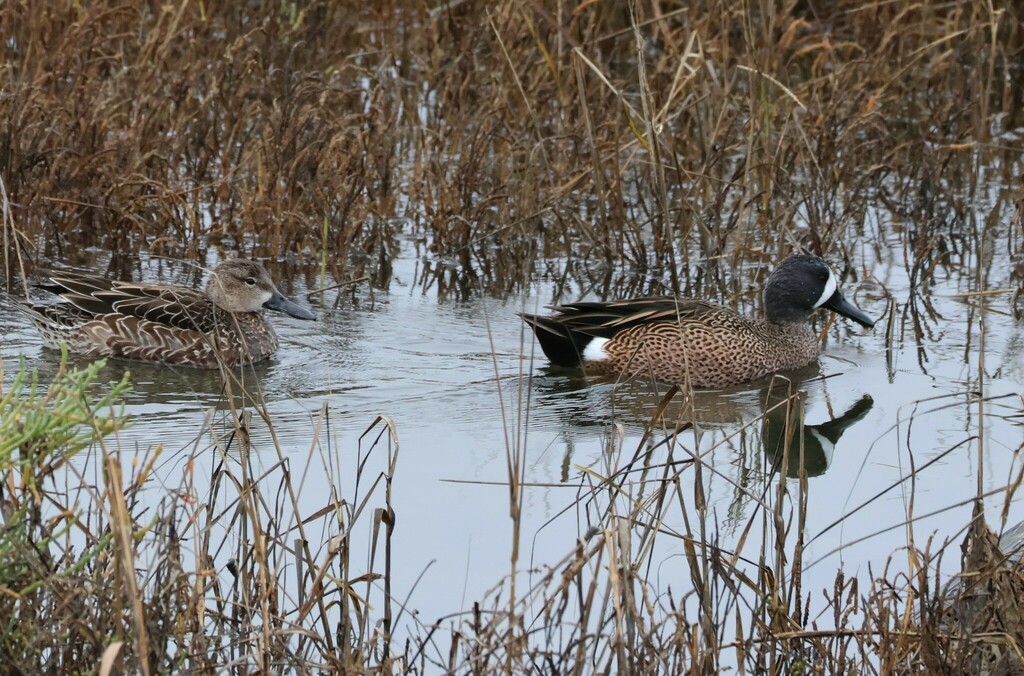
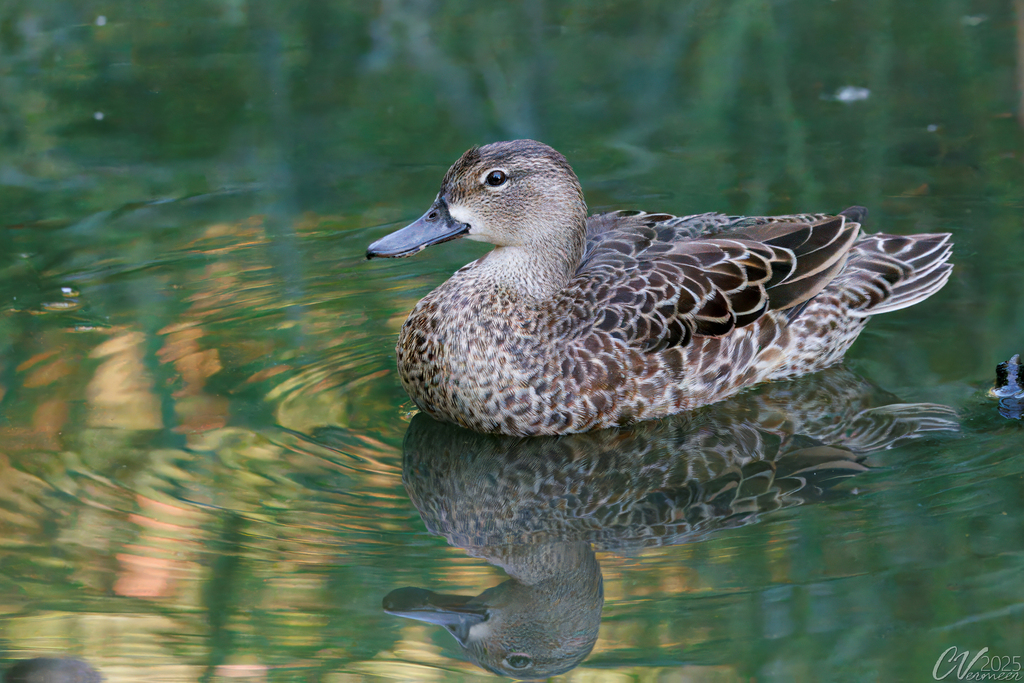
Watch and listen
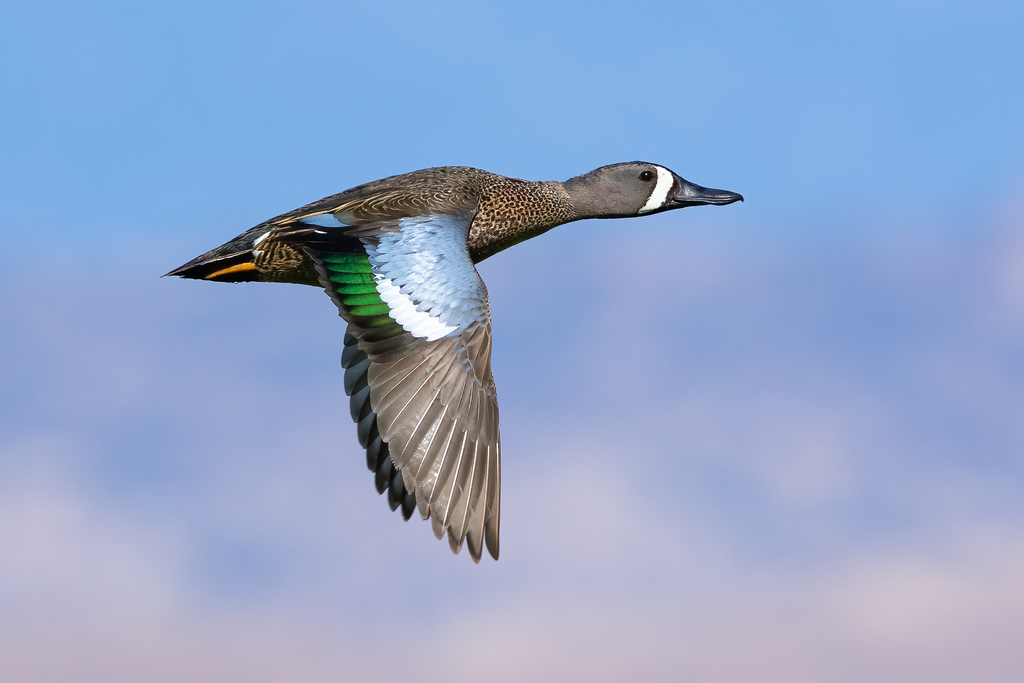
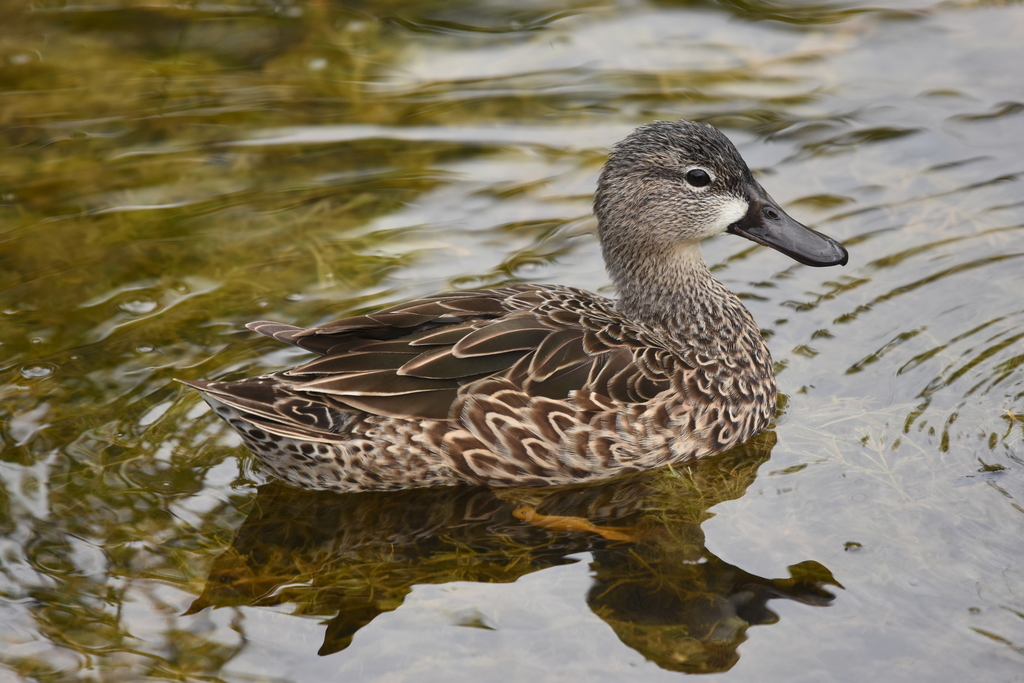
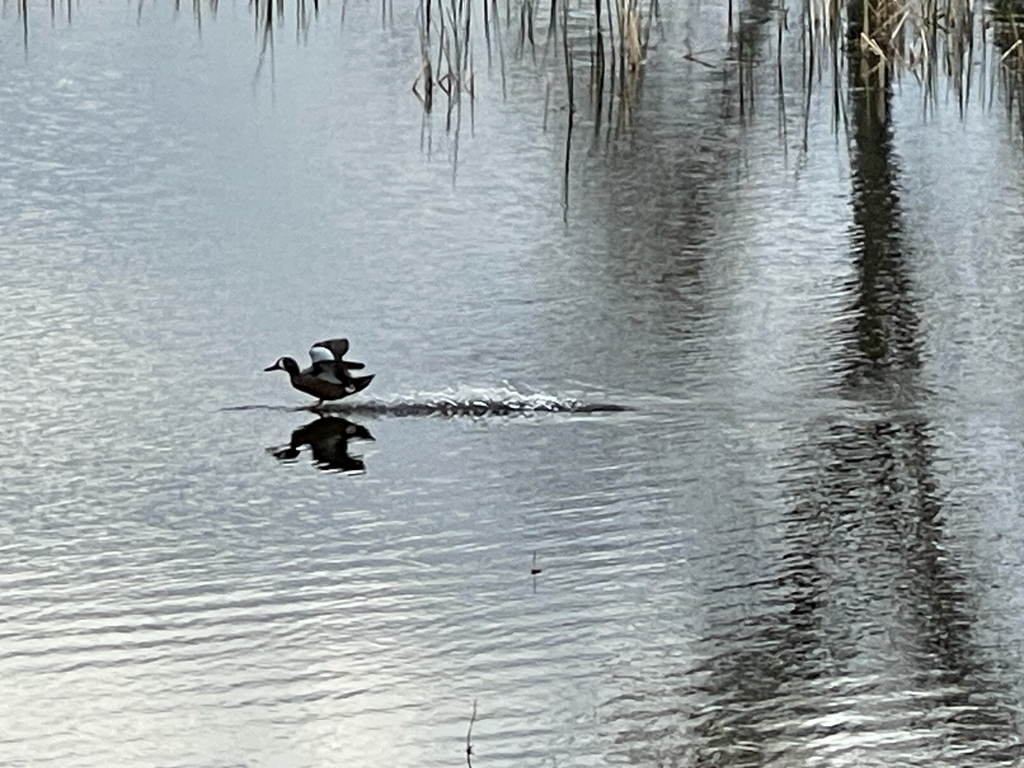
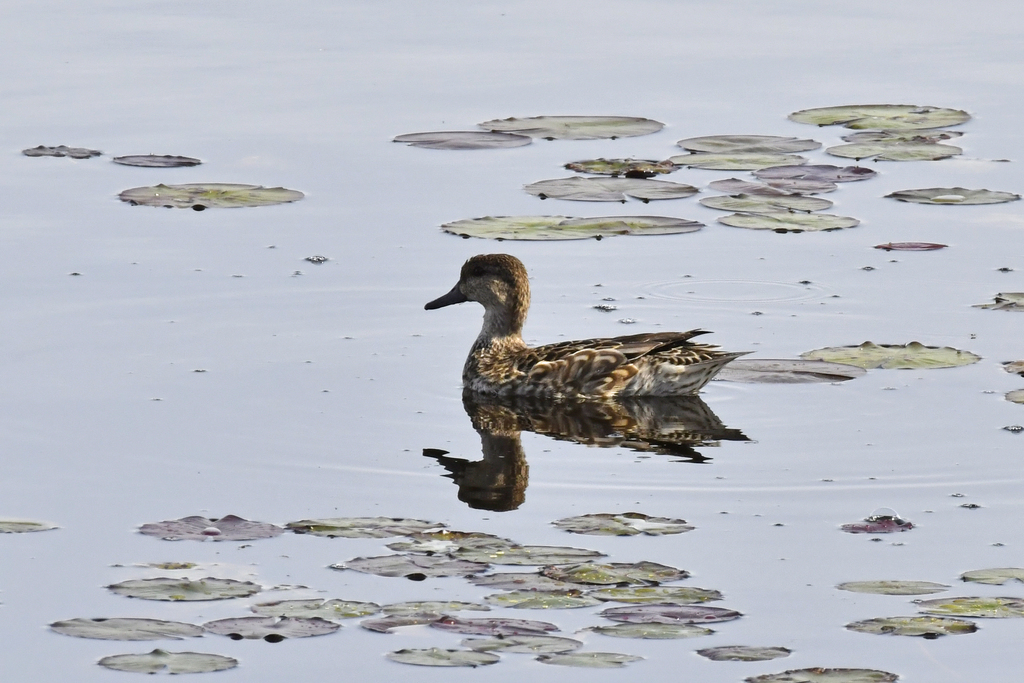
Its closest relatives
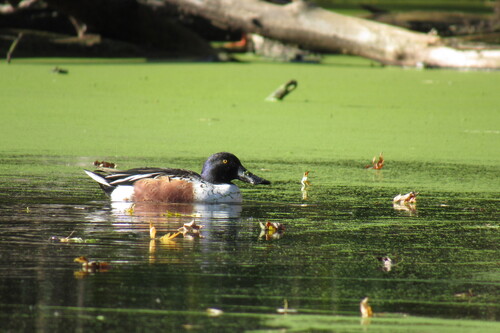
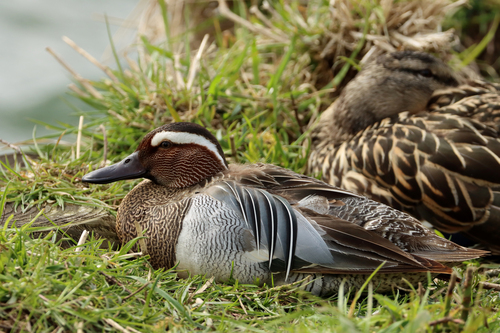
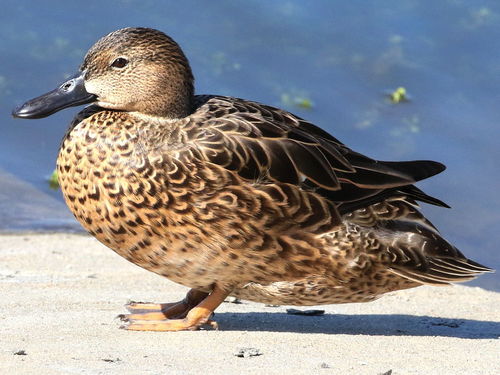
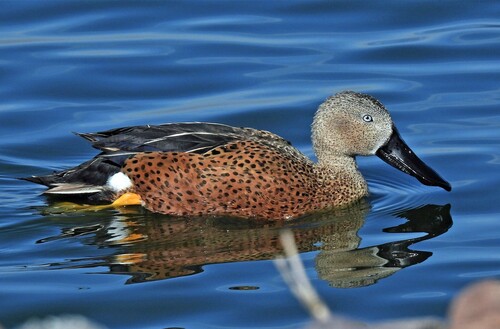
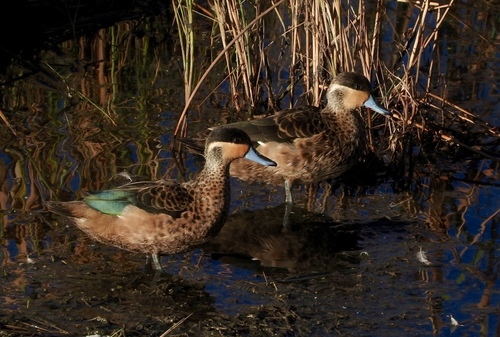
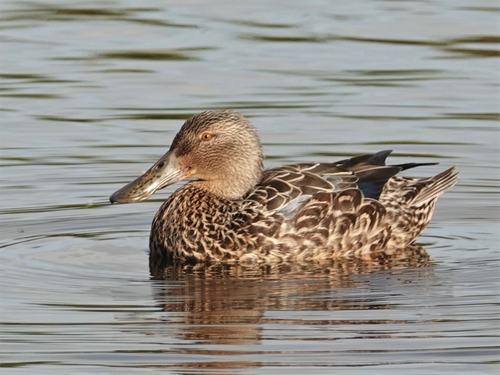
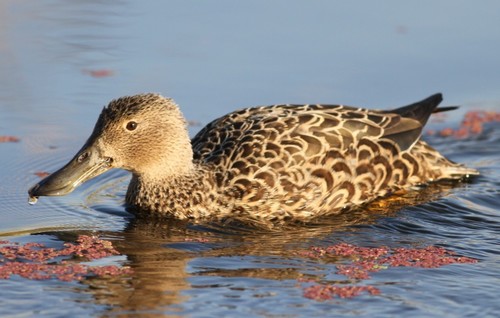
The other species of the genus Spatula.
Seen a blue-winged teal?
Share your photo on iNaturalist. Other naturalists help confirm it, and the record goes to GBIF, where scientists use it and where the maps on this page come from.
Put this species on your site
The card names every source and links back here.
<iframe src="https://4planetatlas.com/place/embed/species/blue-winged-teal" title="Blue-winged teal (Spatula discors), 4PLANET Species" width="100%" height="600" style="border:0;max-width:640px" loading="lazy"></iframe>
<p><a href="https://4species.com/blue-winged-teal">Blue-winged teal on 4PLANET Species</a></p>Questions people ask
What does the blue-winged teal eat?
The blue-winged teal has been recorded eating 3 different kinds of animals and plants, most of them plants. The ones recorded most often are cockspur and beaked tasselweed; records include animals eaten as carrion. Source: GloBI.
What eats the blue-winged teal?
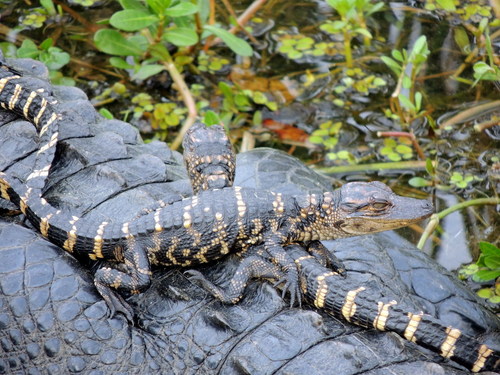
Recorded predators include red fox, northern raven, golden eagle, peregrine falcon and golden jackal. Source: GloBI.
Where does the blue-winged teal live?
People have recorded it in 75 countries; the most records come from United States, Canada, Mexico, Costa Rica and Colombia. Records show where people have seen it, not its full range.
When is the blue-winged teal seen most?
In the northern hemisphere, the most records are made in April and the fewest in July. More people outdoors also means more records.
What are the blue-winged teal's closest relatives?
It shares the genus Spatula with northern shoveler, garganey, cinnamon teal, red shoveler and blue-billed teal.
Sources and photo credits
- GBIF · Spatula discors, 2,670,938 human observations
- GloBI · recorded interactions of Spatula discors
- Wikidata · Blue-winged teal (Q28106778)
- Blue-winged teal (Spatula discors): James Rogers, CC BY 4.0
- Blue-winged teal (Spatula discors), Bossier Parish, LA, USA: Brandon Johnson, CC BY 4.0
- Blue-winged teal (Spatula discors), Chula Vista, CA, USA: Millie Basden, CC BY 4.0
- Blue-winged teal (Spatula discors), River East, Winnipeg, MB R2G, Canada: Carol Ann Vermeer, CC BY 4.0
- Blue-winged teal (Spatula discors), Glenn County, CA, USA: Frank Schulenburg, CC BY-SA 4.0
- Blue-winged teal (Spatula discors), 1 Wildlife Dr, Sanibel, FL 33957, USA: Guy Babineau, CC BY 4.0
- Blue-winged teal (Spatula discors), Prairie Ponds Trail, Denver, CO, US: Jared Lincenberg, CC BY 4.0
- Blue-winged teal (Spatula discors), St. Marks NWR, Wakulla County, FL, USA: Tom Kennedy, CC BY 4.0
- Blue-winged teal (Spatula discors), West Side, Vancouver, BC, Canada: Marcel_Pepin, CC BY 4.0
- Cockspur: Thomas Gyselinck, CC BY 4.0
- Beaked tasselweed: Forest and Kim Starr, CC BY 4.0
- Red fox: Алина Урусова, CC BY 4.0
- Northern raven: xulescu_g, CC BY-SA 4.0
- Golden eagle: Anne Parsons, CC0
- Peregrine falcon: Shirley Zundell, CC BY 4.0
- Golden jackal: Jan Ebr & Ivana Ebrová, CC BY 4.0
- American alligator: no rights reserved, uploaded by Vijay Barve, CC0
- Northern harrier: Jonathan Eisen, CC BY 4.0
- Northern shoveler: Hal, CC BY-SA 4.0
- Garganey: Dave, CC BY 4.0
- Cinnamon teal: Peter Chen 2.0, CC BY 4.0
- Red shoveler: no rights reserved, uploaded by Hugo Hulsberg, CC0
- Blue-billed teal: nmoorhatch, CC BY 4.0
- Australasian shoveler: Jacqui Geux, CC BY 4.0
- Cape shoveler: Derek Keats, CC BY 4.0
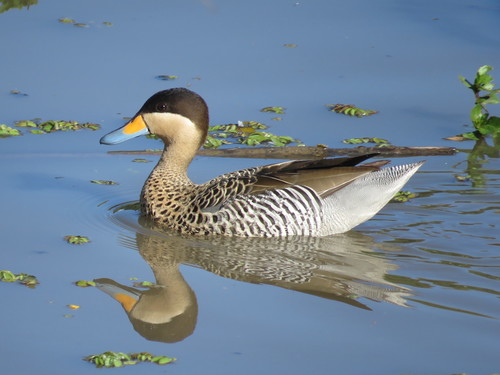
- Silver teal: no rights reserved, uploaded by Diego Carús, CC0
Records show where people have seen and shared the blue-winged teal, not its full range, and some countries and months are recorded far more than others. The food web lists interactions that studies have recorded somewhere in the world (GloBI), not everything it eats in one place.
Checked 2026-11-25.