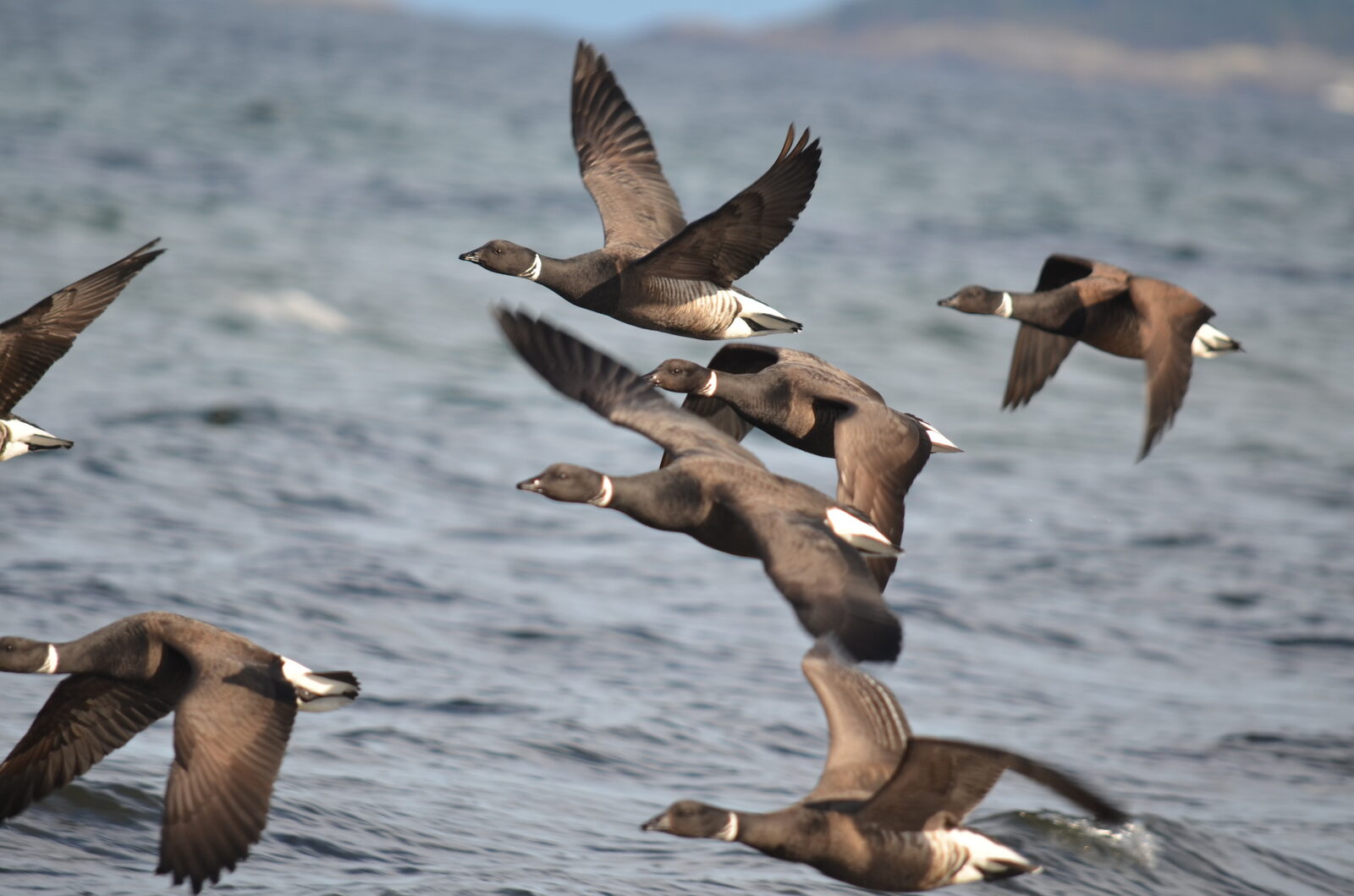
Brent goose
Branta bernicla
- Status
- Least Concern IUCN Red List
- Eats
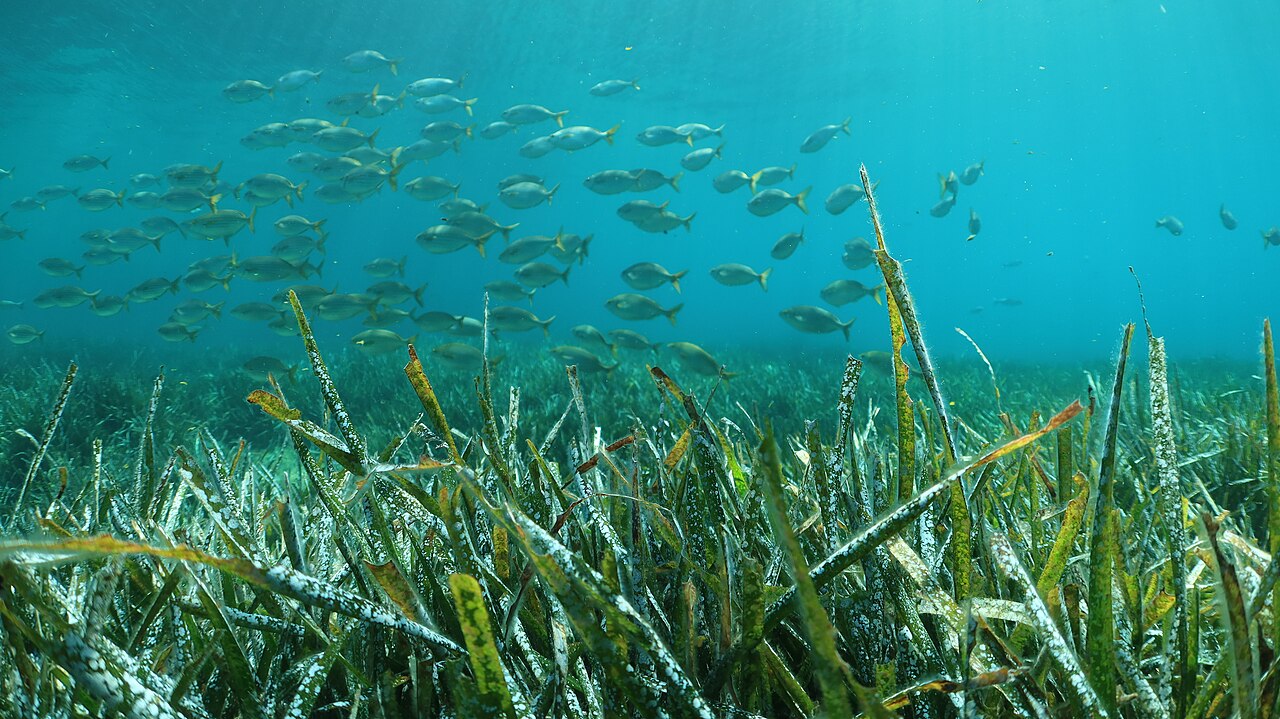
- eelgrass, sea arrowgrass, sea aster and 13 more
- Where
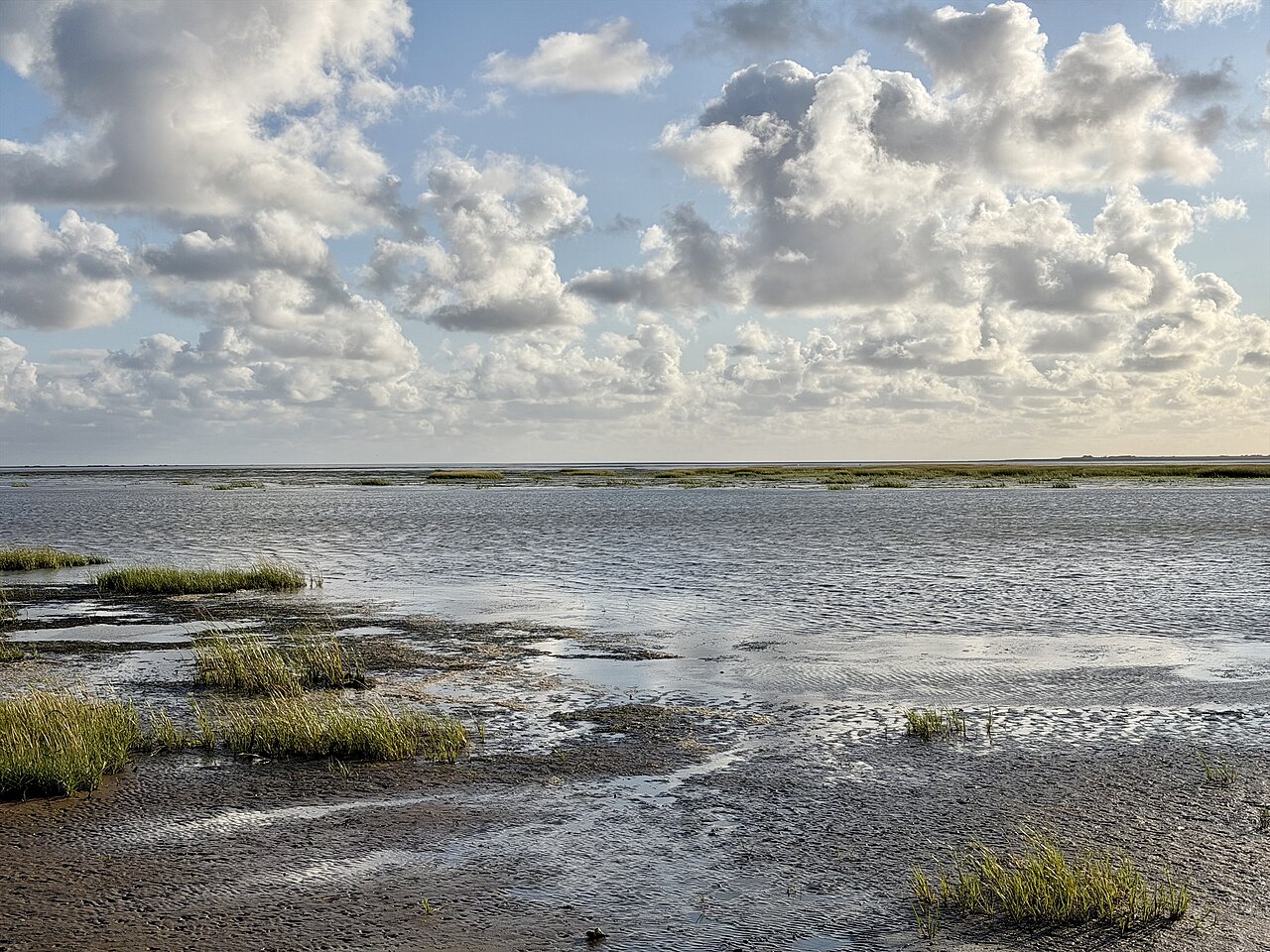
- 53 countries · wadden Sea
On 4Planet Atlas it is among the wildlife people record most around Copenhagen, Dublin and New York, and 2 more of the cities we cover.
People have shared 748,794 records of the brent goose with GBIF, from 53 countries, most of them from United States, United Kingdom and Canada. Records collected by GloBI show it eating 16 different kinds of animals and plants, and being eaten by 25.
Habitats
What the brent goose eats, and what eats it
Studies have recorded it eating 16 kinds of animals and plants, and 25 kinds of animals eating it. Tap any of them to follow the food chain.
- Plants 10
- Snails and slugs 3

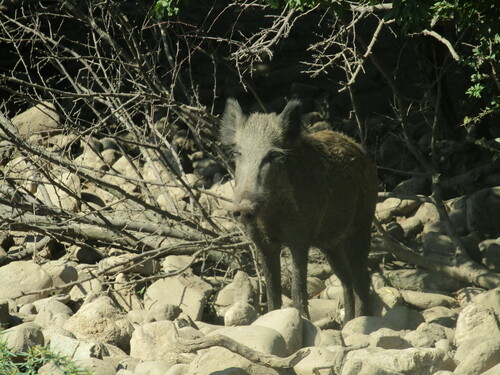

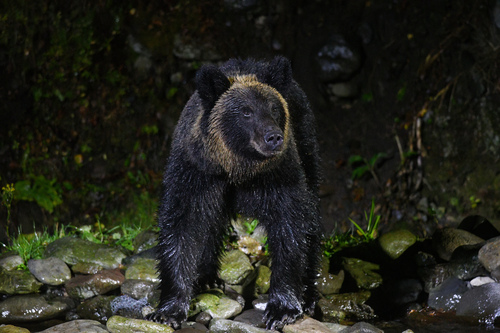

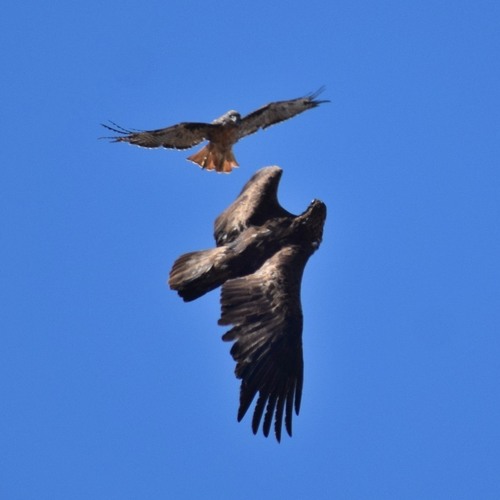
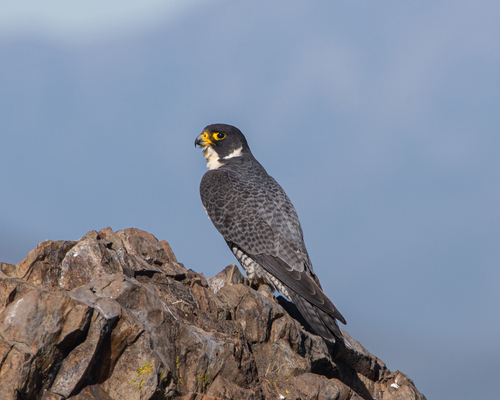
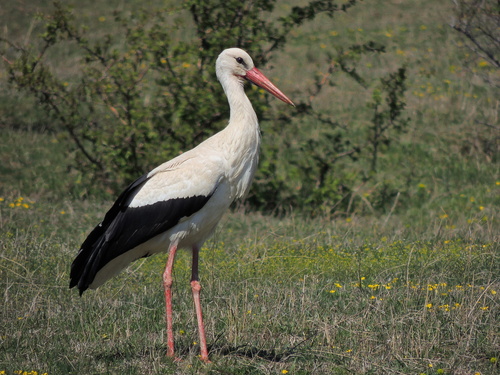 Brent goose
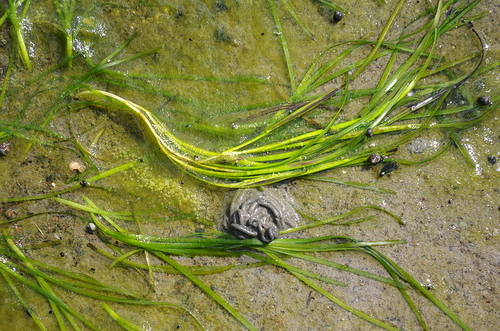
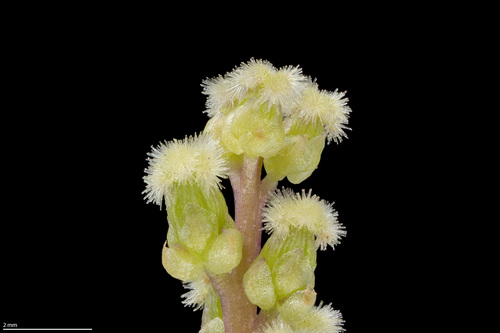
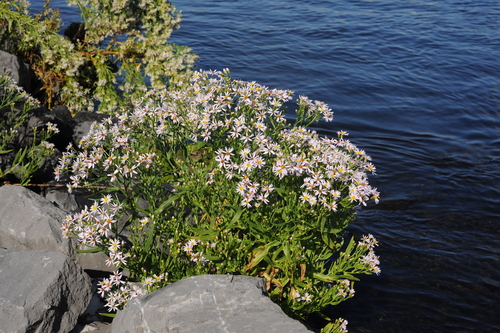
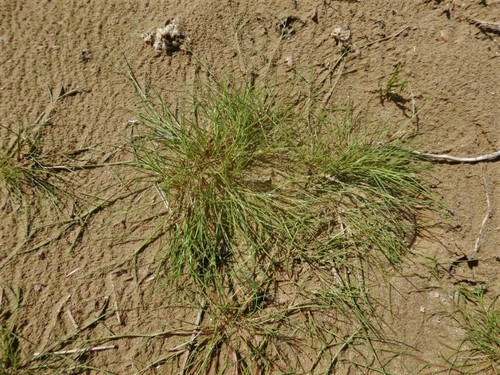
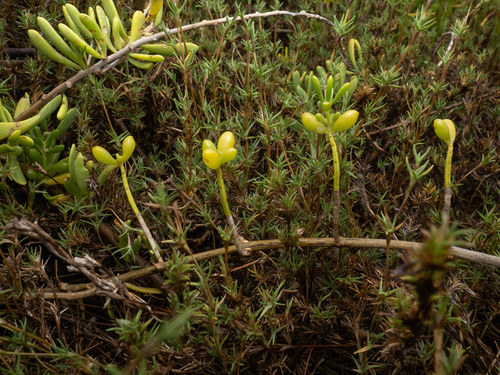
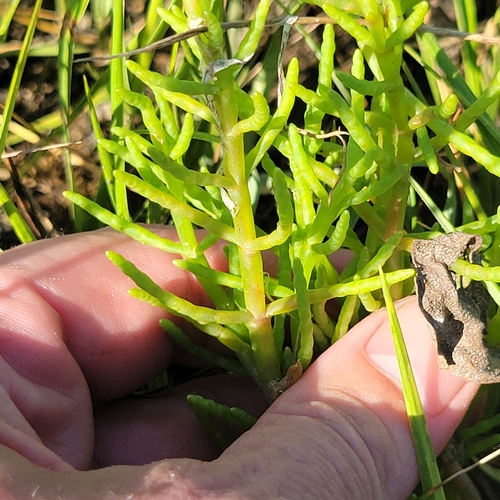
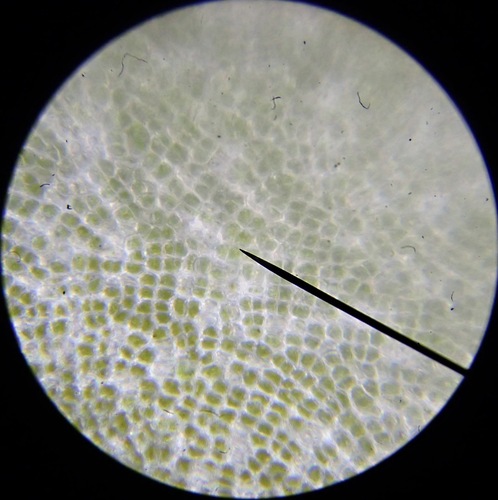
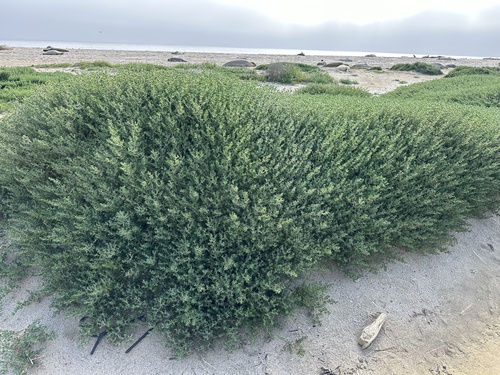
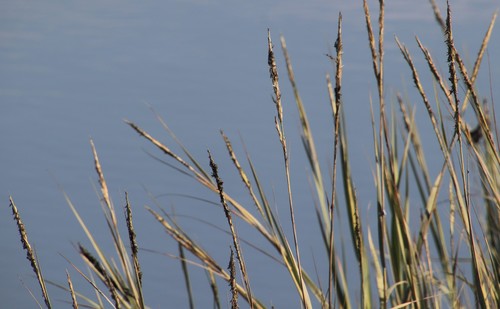

Records from studies worldwide, collected by GloBI. They include animals eaten as carrion, and they are not everything it eats in one place.
Where people see the brent goose
People have shared 748,794 records from 53 countries.
Near a city: Copenhagen, Dublin, New York, Reykjavík, Vancouver.
Records show where people have seen it and shared it, not its full range. Country names open their page in Atlas.
When it is seen
Records per month in the northern hemisphere. More people outdoors also means more records.
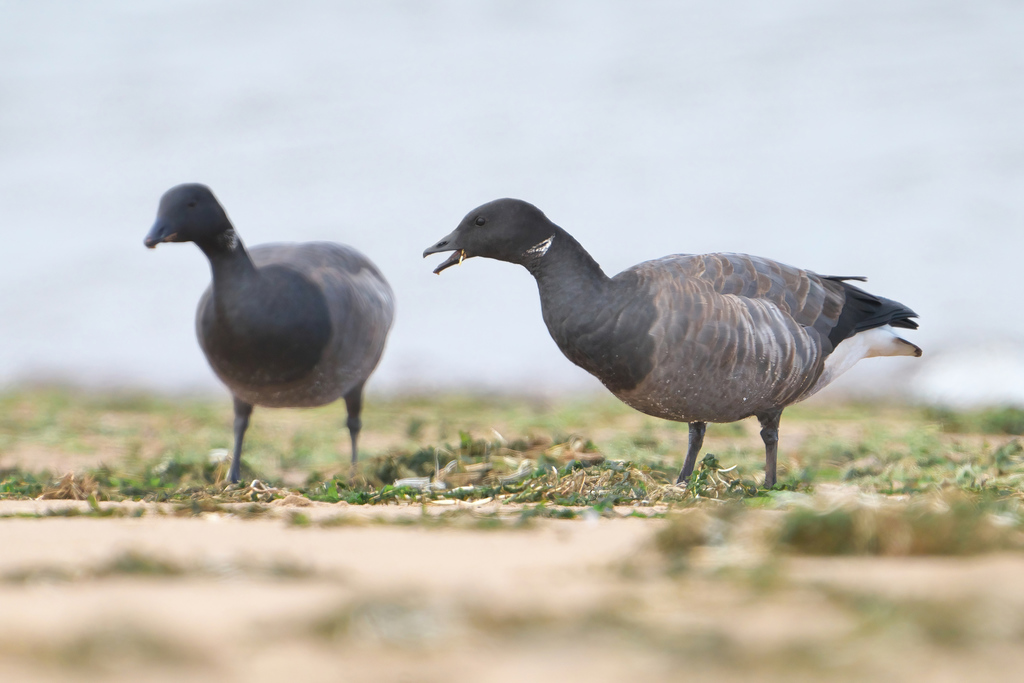
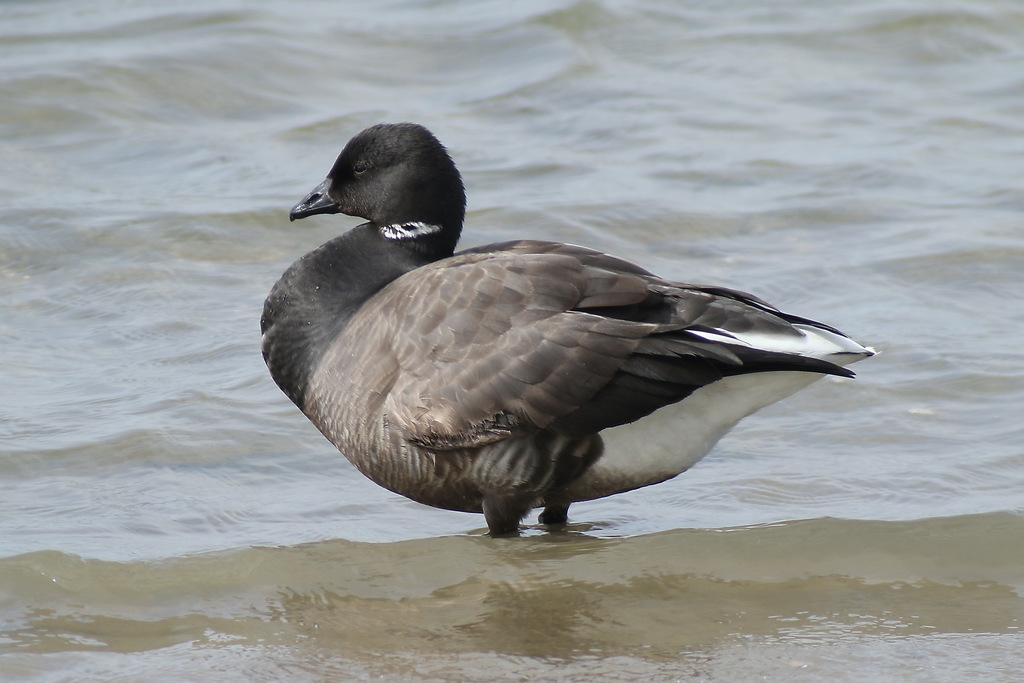
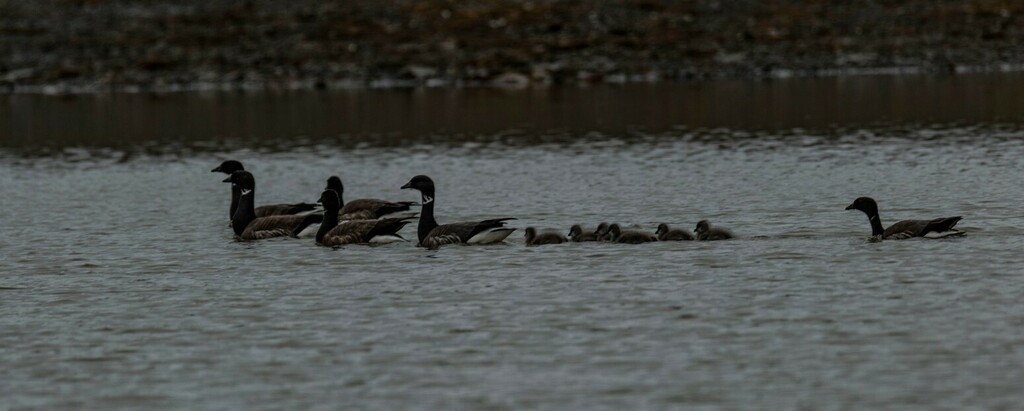
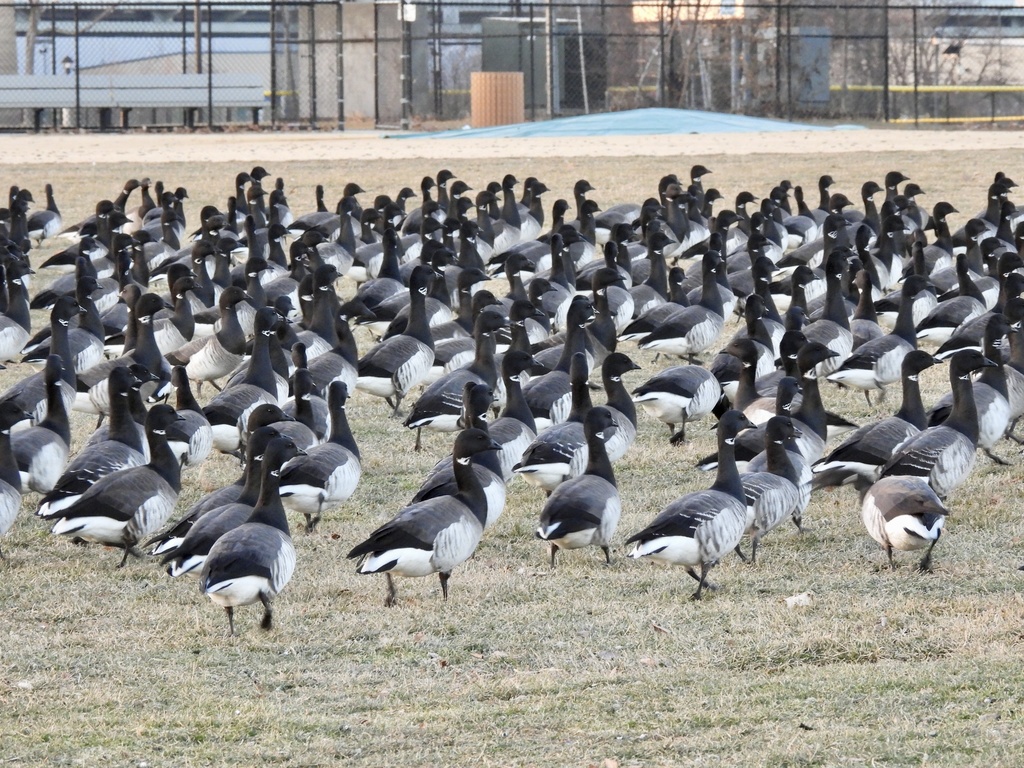
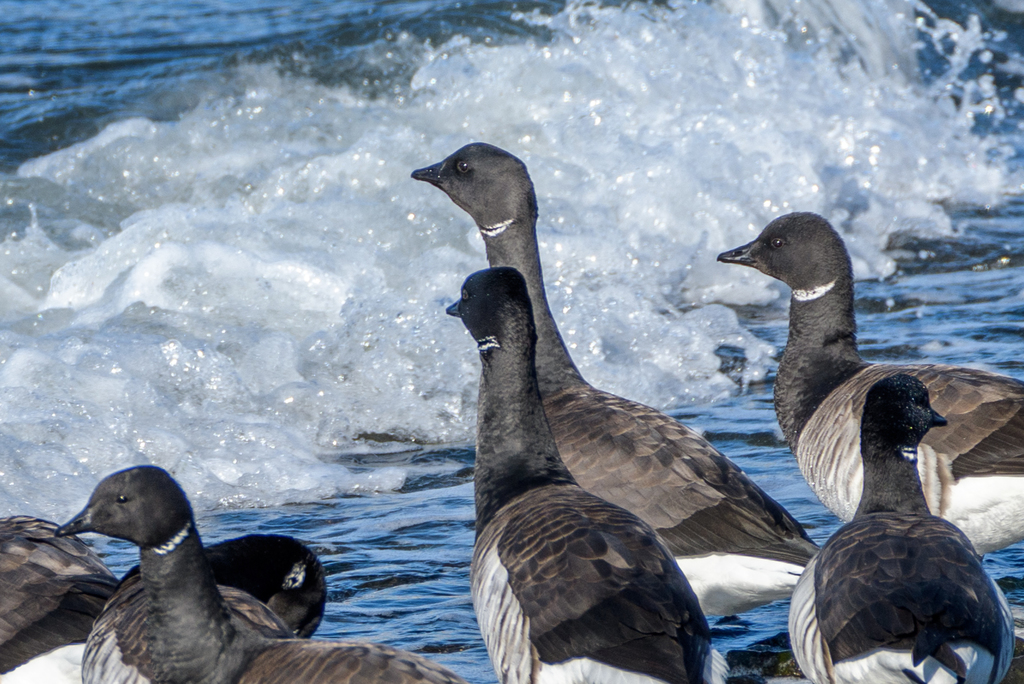
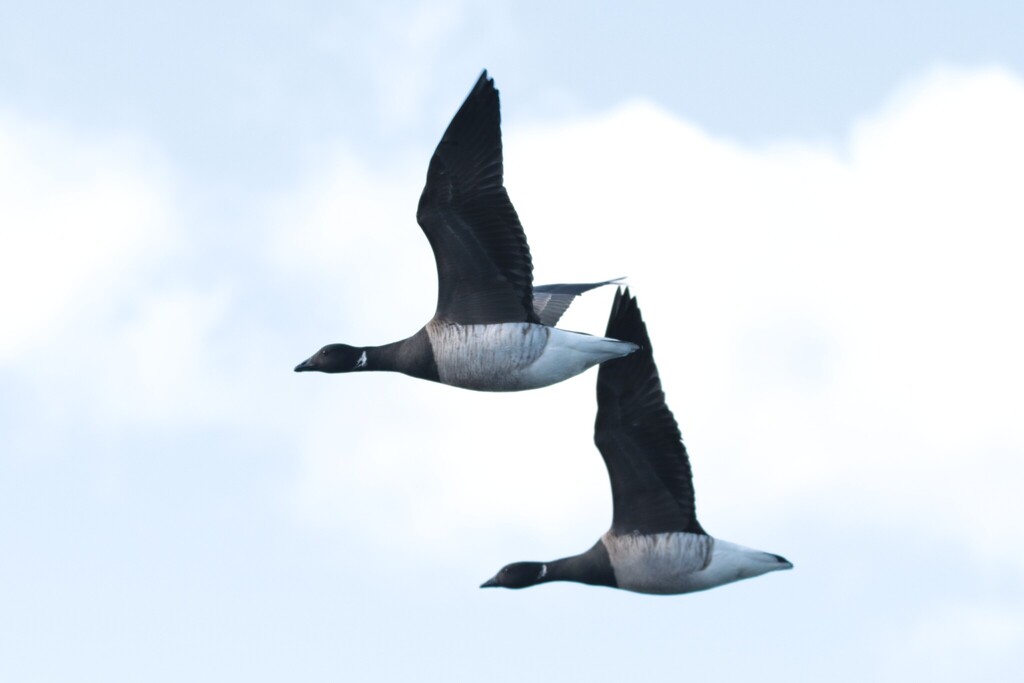
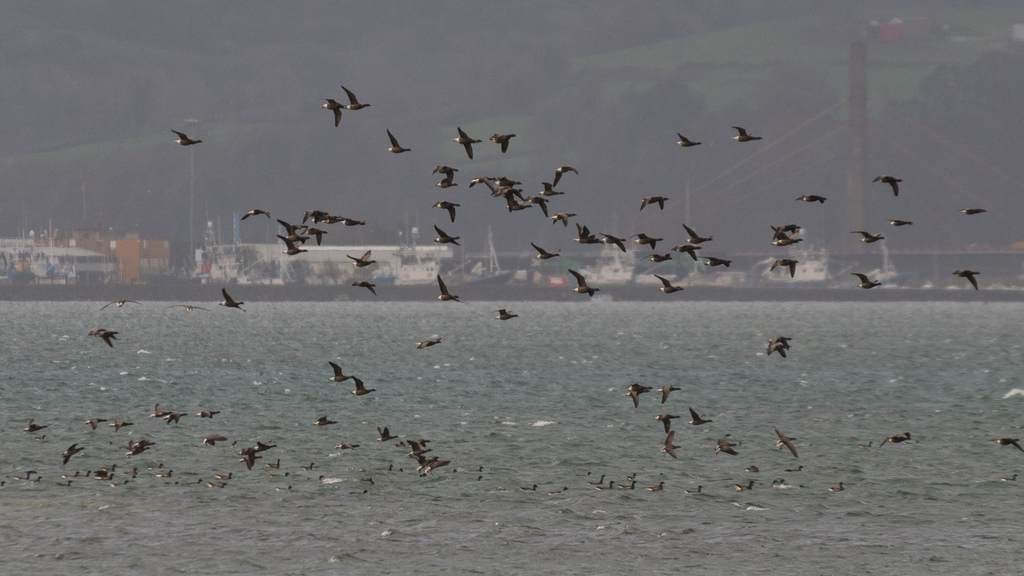
Watch and listen
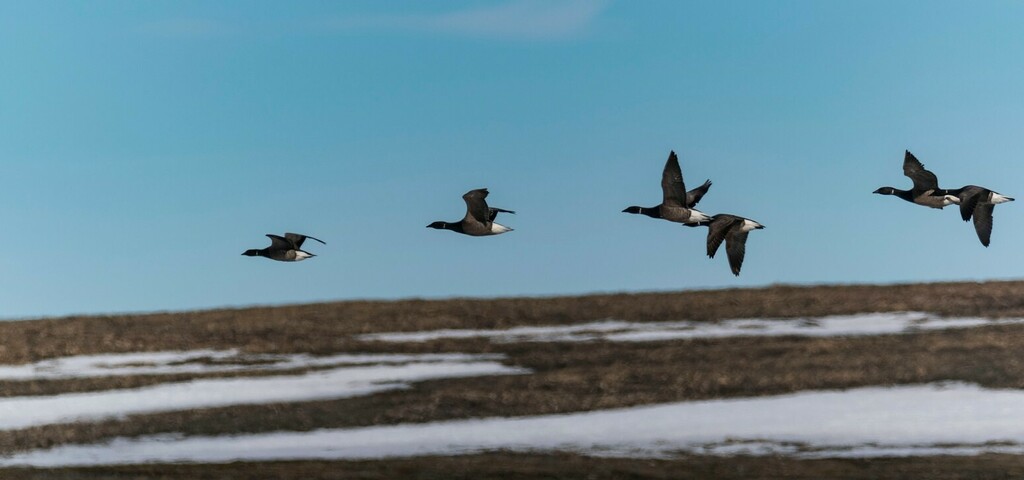
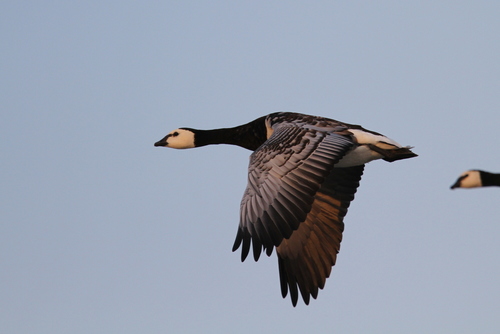
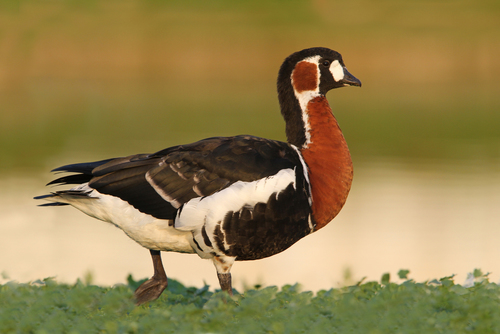
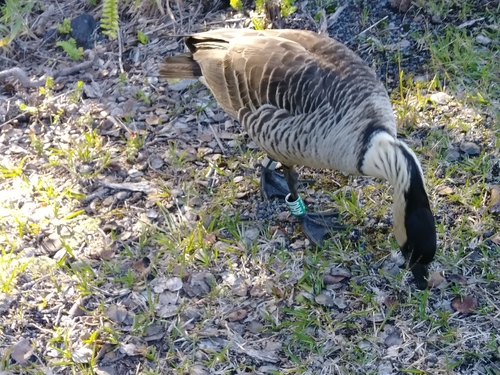
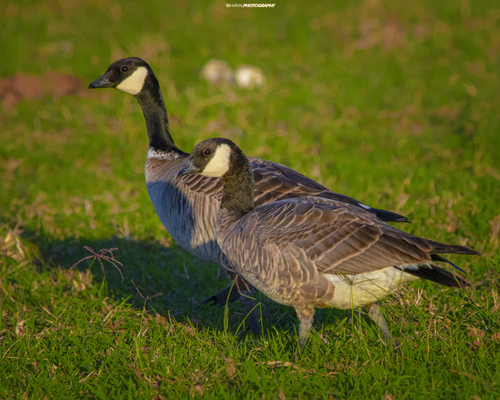
Its closest relatives
The other species of the genus Branta.
Seen a brent goose?
Share your photo on iNaturalist. Other naturalists help confirm it, and the record goes to GBIF, where scientists use it and where the maps on this page come from.
Put this species on your site
The card names every source and links back here.
<iframe src="https://4planetatlas.com/place/embed/species/brent-goose" title="Brent goose (Branta bernicla), 4PLANET Species" width="100%" height="600" style="border:0;max-width:640px" loading="lazy"></iframe>
<p><a href="https://4species.com/brent-goose">Brent goose on 4PLANET Species</a></p>Explore next
What puts the brent goose under pressure, what helps, and who works on it.
Questions people ask
What does the brent goose eat?
The brent goose has been recorded eating 16 different kinds of animals and plants, most of them plants and snails and slugs. The ones recorded most often are eelgrass, sea arrowgrass, sea aster, common saltmarsh-grass and turtleweed; records include animals eaten as carrion. Source: GloBI.
What eats the brent goose?
Recorded predators include grey wolf, wild boar, red fox, brown bear and northern raven. Source: GloBI.
Where does the brent goose live?
People have recorded it in 53 countries; the most records come from United States, United Kingdom, Canada, Ireland and Netherlands. Records show where people have seen it, not its full range.
When is the brent goose seen most?
In the northern hemisphere, the most records are made in January and the fewest in August. More people outdoors also means more records.
What are the brent goose's closest relatives?
It shares the genus Branta with canada goose, barnacle goose, red-breasted goose, nene and cackling goose.
Sources and photo credits
- GBIF · Branta bernicla, 748,794 human observations
- GloBI · recorded interactions of Branta bernicla
- Wikidata · Brent goose (Q27050)
- Brent goose (Branta bernicla): Liam Steele, CC BY 4.0
- Brent goose (Branta bernicla), Diksonskiy rayon, Krasnoyarsk, Russia: Алексей Логинов, CC BY 4.0
- Brent goose (Branta bernicla), Ломоносовский р-н, Ленинградская обл., Россия: Andrey Gulivanov, CC BY 4.0
- Brent goose (Branta bernicla), Tendring District, England, United Kingdom: Donald Hobern, CC BY 4.0
- Brent goose (Branta bernicla), Diksonskiy rayon, Krasnoyarsk, Russia: Алексей Логинов, CC BY 4.0
- Brent goose (Branta bernicla), Randall's Island Park, New York, NY, US: Caroline Quinn, CC BY 4.0
- Brent goose (Branta bernicla), Boston, MA, USA: Andrew Hrycyna, CC BY 4.0
- Brent goose (Branta bernicla), Sandwich, MA 02563, USA: Jake McCumber, CC BY 4.0
- Brent goose (Branta bernicla), Santoña, Cantabria, España: euqirneto, CC BY 4.0
- Eelgrass: Георгий Виноградов (Georgy Vinogradov), CC BY 4.0
- Sea arrowgrass: Will Pearce, CC BY 4.0
- Sea aster: Joost J. Bakker IJmuiden, CC BY 4.0
- Common saltmarsh-grass: pete_gateley, CC0
- Turtleweed: Turner Brockman, CC BY-SA 4.0
- Virginia glasswort: Matt Pelikan, CC BY 4.0
- Sea lettuce: no rights reserved, uploaded by Héctor Ibáñez Cantero, CC0
- Alkali seaheath: william_hoyer, CC BY 4.0
- California cordgrass: Millie Basden, CC BY 4.0
- Marsh jaumea: Jerry Kirkhart, CC BY 4.0
- Grey wolf: Andrew Simon, CC BY 4.0
- Wild boar: SteveM4560, CC BY 4.0
- Red fox: Алина Урусова, CC BY 4.0
- Brown bear: Nathan Ruser, CC BY 4.0
- Northern raven: xulescu_g, CC BY-SA 4.0
- Golden eagle: Anne Parsons, CC0
- Peregrine falcon: Nicolás Villaseca Merino, CC BY-SA 4.0
- White stork: xulescu_g, CC BY-SA 4.0
- Canada goose: John Barkla, CC BY 4.0
- Barnacle goose: Christoph Moning, CC BY 4.0
- Red-breasted goose: Christoph Moning, CC BY 4.0
- Nene: Daval Davis, CC BY 4.0
- Cackling goose: MarvalPhotography19, CC BY 4.0
Records show where people have seen and shared the brent goose, not its full range, and some countries and months are recorded far more than others. The food web lists interactions that studies have recorded somewhere in the world (GloBI), not everything it eats in one place.
Checked 2026-11-23.