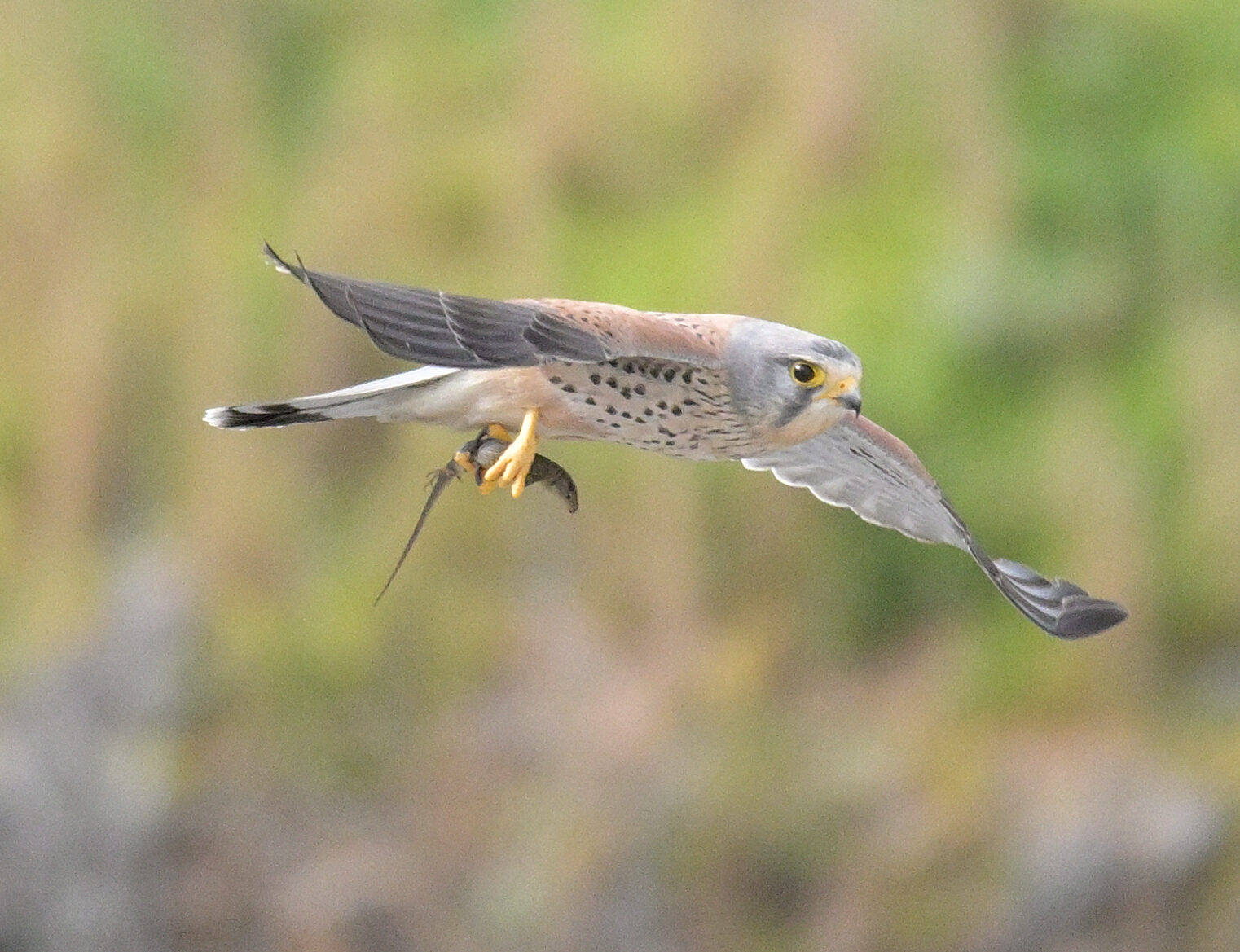
Eurasian Kestrel
Falco tinnunculus
- Status
- Least Concern IUCN Red List
- Eats
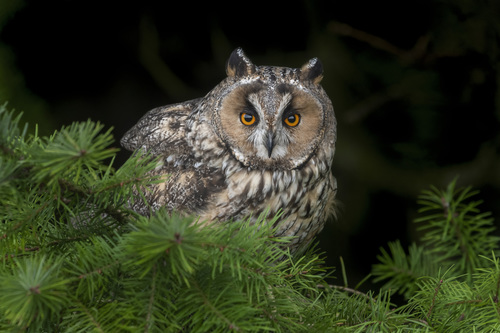
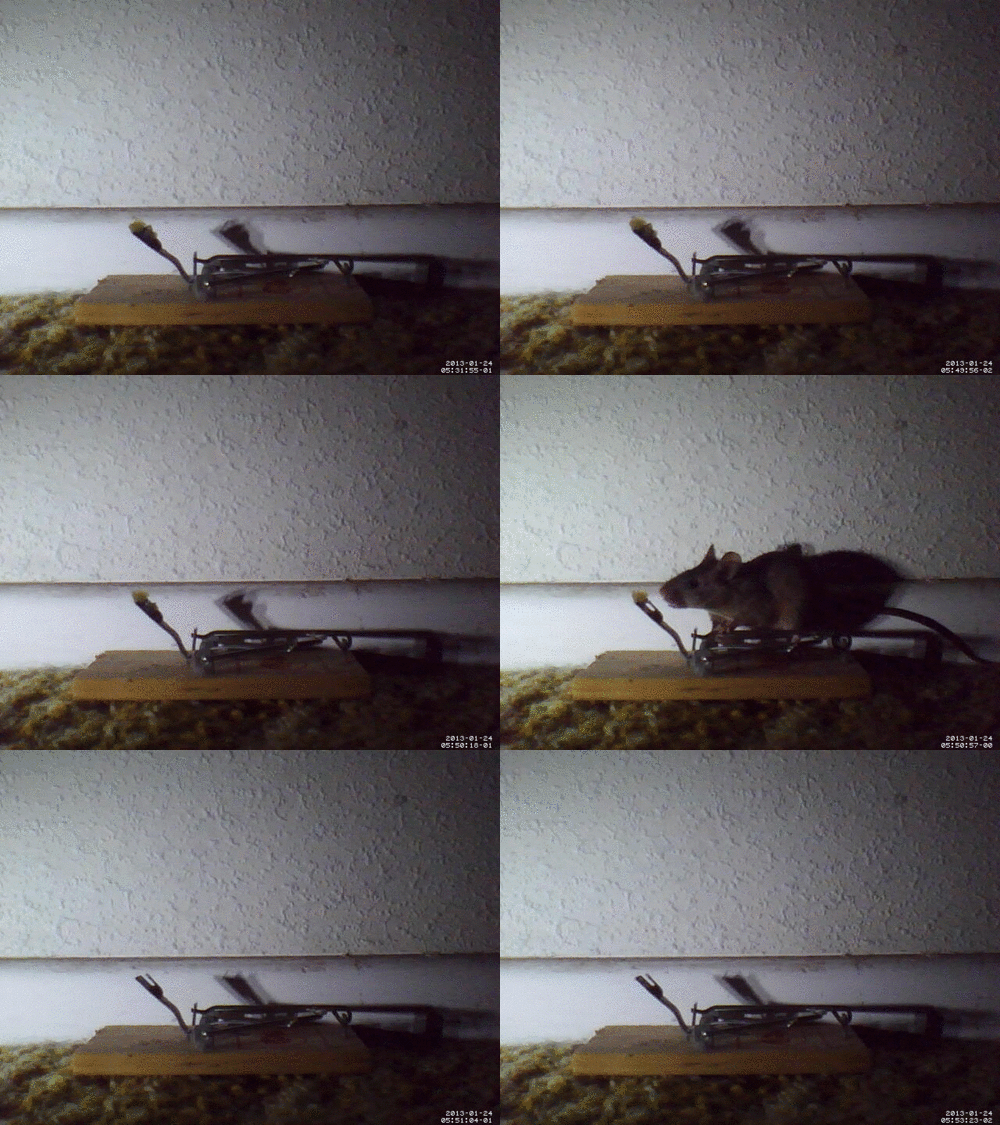
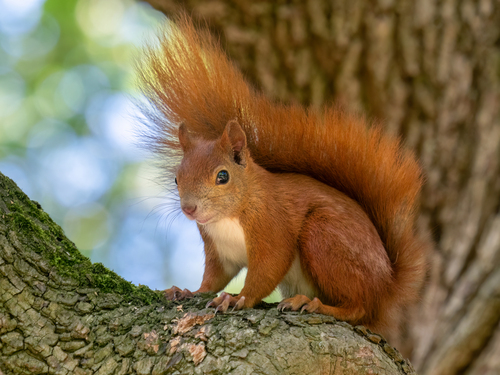
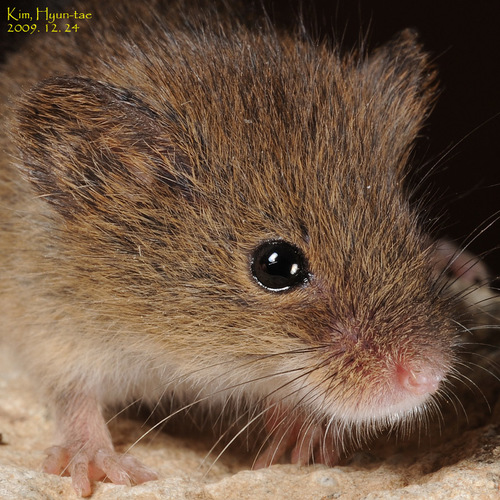
- house mouse, Eurasian red squirrel, Eurasian harvest mouse and 694 more
- Eaten by
- northern raven, peregrine falcon, Eurasian eagle-owl
- Where
- 150 countries · wadden Sea
On 4Planet Atlas it is among the wildlife people record most around Abu Dhabi, Abuja and Accra, and 87 more of the cities we cover.
People have shared 2,055,223 records of the Eurasian Kestrel with GBIF, from 150 countries, most of them from United Kingdom, Spain and Germany. Records collected by GloBI show it eating 697 different kinds of animals and plants, and being eaten by 14.
Habitats
What the Eurasian Kestrel eats, and what eats it
Studies have recorded it eating 697 kinds of animals and plants, and 14 kinds of animals eating it. Tap any of them to follow the food chain.
- Birds 263
- Mammals 150
- Reptiles 123
- Insects 112
- Amphibians 28
Eaten by



 Eurasian Kestrel
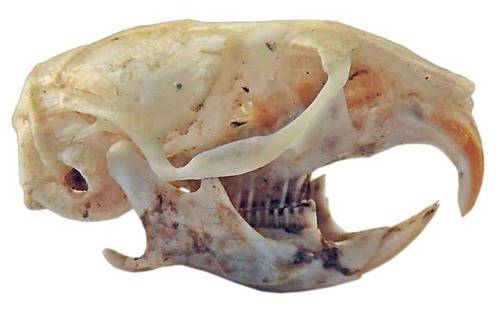
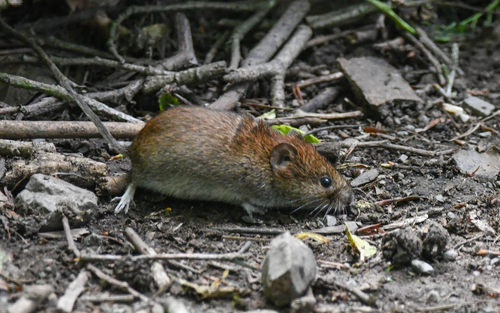
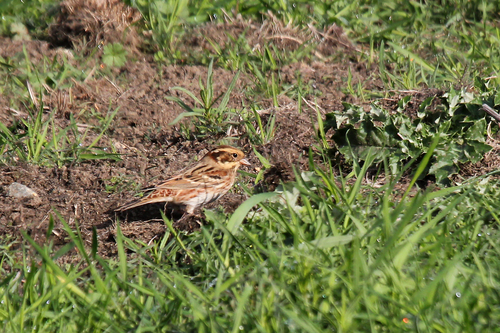
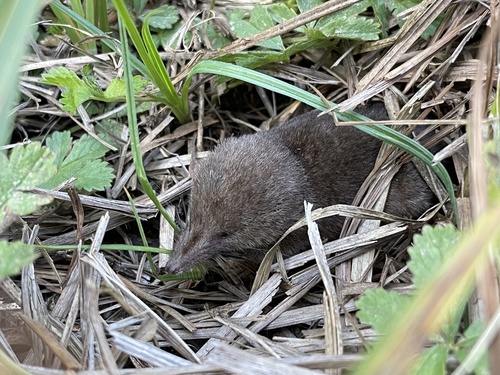
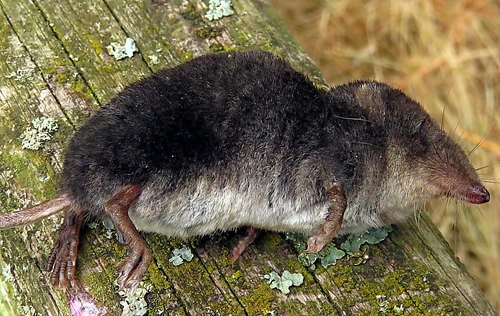
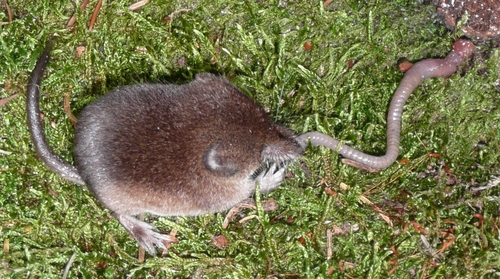

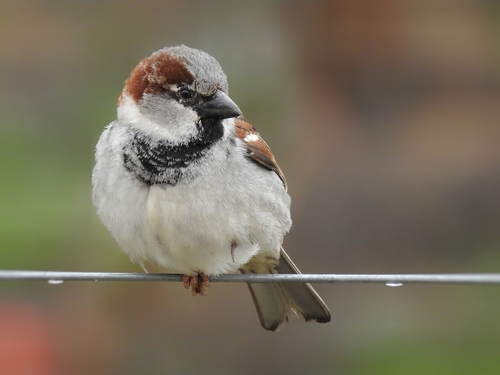
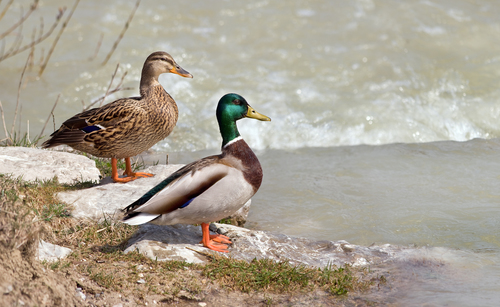
Records from studies worldwide, collected by GloBI. They include animals eaten as carrion, and they are not everything it eats in one place.
Where people see the Eurasian Kestrel
People have shared 2,055,223 records from 150 countries.
Near a city: Abu Dhabi, Abuja, Accra, Addis Ababa, Algiers, Amman, Amsterdam, Andorra la Vella, Ankara, Ashgabat, Astana, Athens, Baku, Beijing, Belgrade, Bergen, Berlin, Bern, Bishkek, Bratislava, Brazzaville, Brussels, Bucharest, Budapest, Cairo, Chișinău, Conakry, Copenhagen, Dakar, Damascus, Dhaka, Doha, Dublin, Dushanbe, East Jerusalem, Hanoi, Helsinki, Kabul, Kigali, Kinshasa, Kyiv, Lagos, Lisbon, Ljubljana, Lomé, London, Luxembourg City, Madrid, Manama, Minsk, Moscow, Muscat, Nicosia, Oslo, Paris, Phnom Penh, Podgorica, Porto-Novo, Prague, Praia, Pristina, Pyongyang, Rabat, Ramallah, Riga, Riyadh, Rome, Sarajevo, Seoul, Shanghai, Skopje, Sofia, Stockholm, Taipei, Tallinn, Tashkent, Tbilisi, Tehran, Thimphu, Tirana, Tokyo, Tunis, Ulaanbaatar, Vaduz, Valletta, Vienna, Vientiane, Warsaw, Yerevan, Zagreb.
Records show where people have seen it and shared it, not its full range. Country names open their page in Atlas.
When it is seen
Records per month in the northern hemisphere. More people outdoors also means more records.
Watch and listen
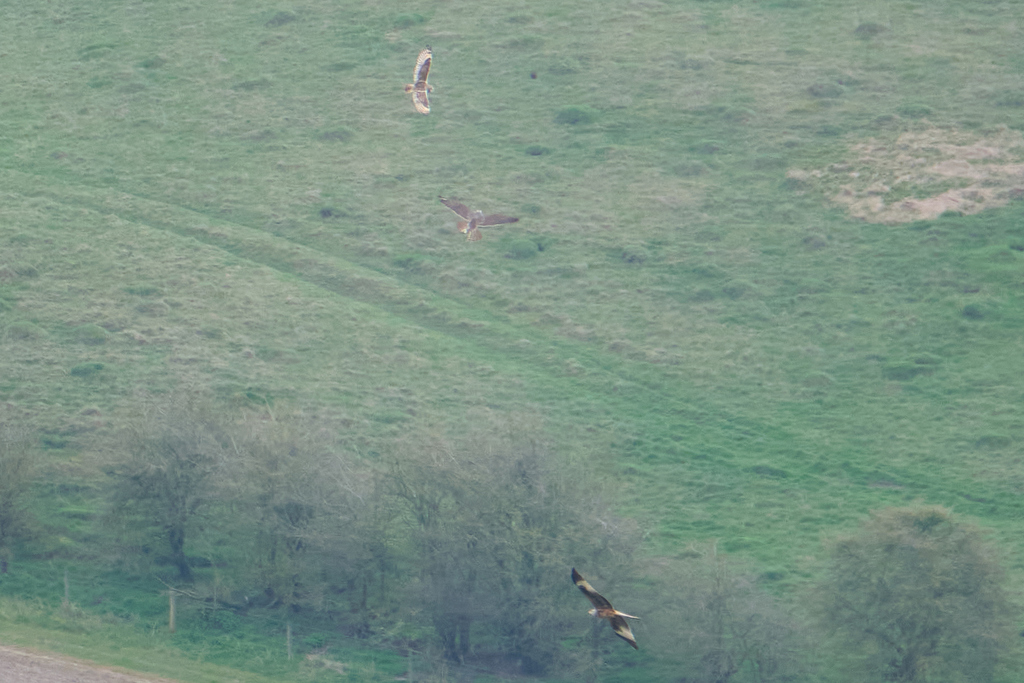
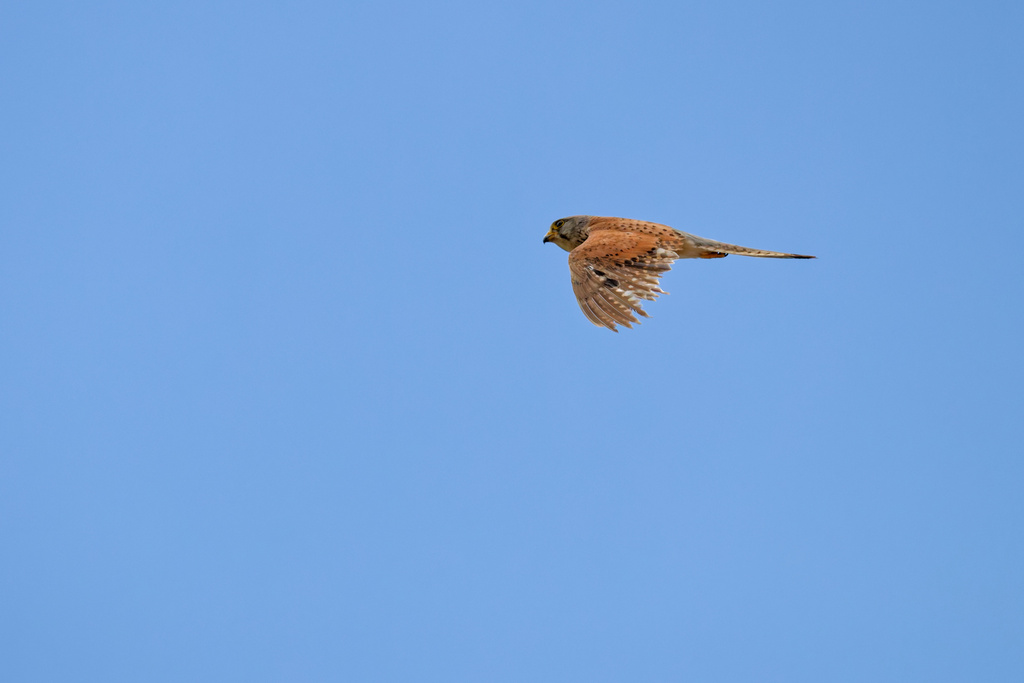
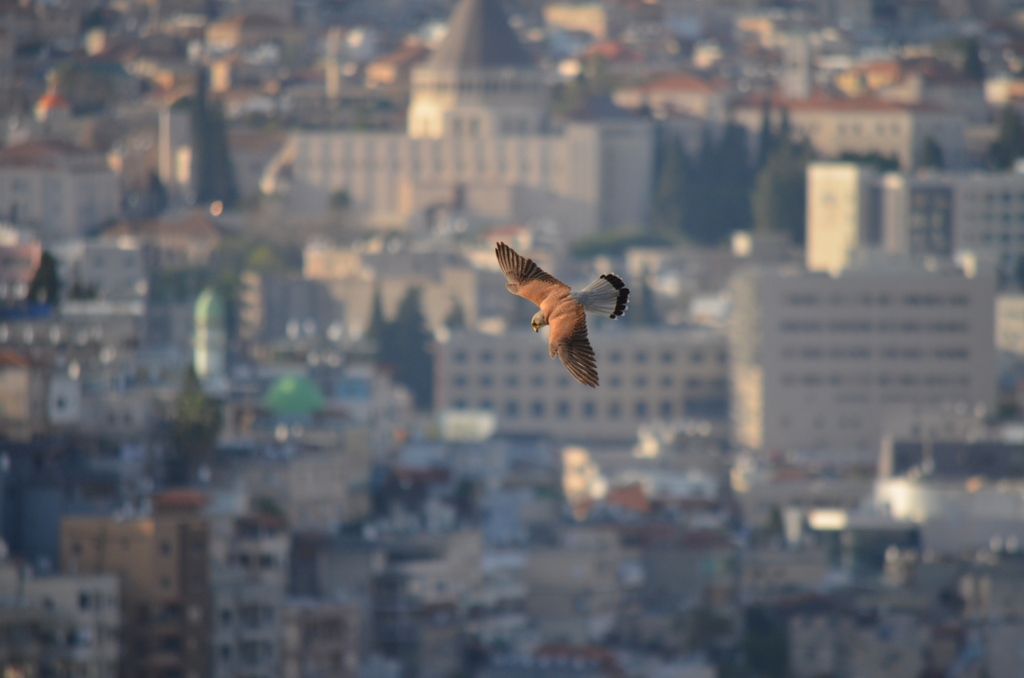
Its closest relatives
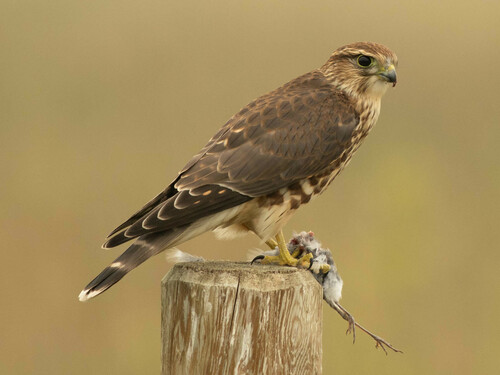
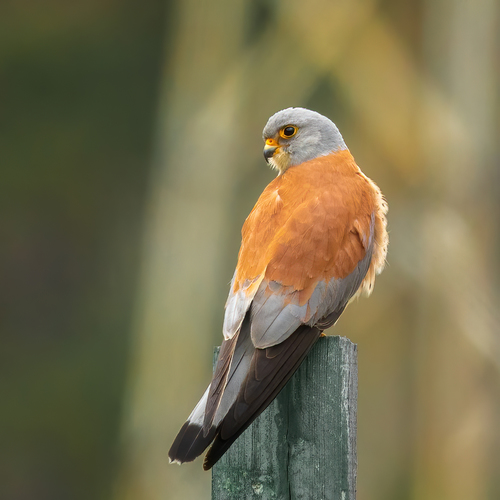
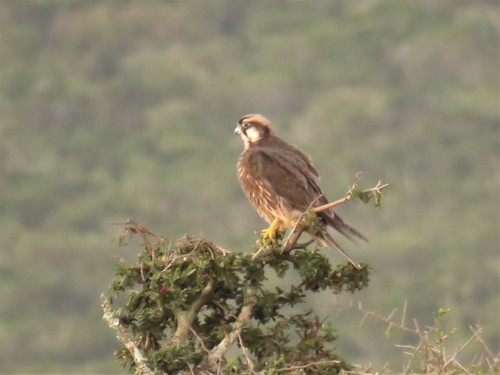
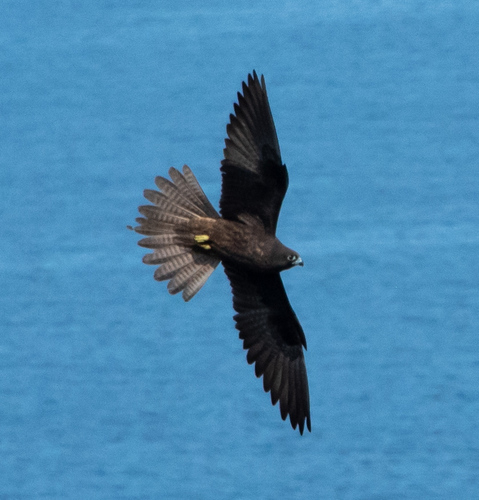
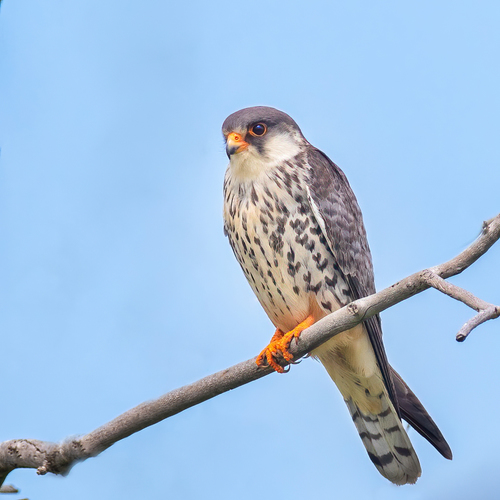
The other species of the genus Falco.

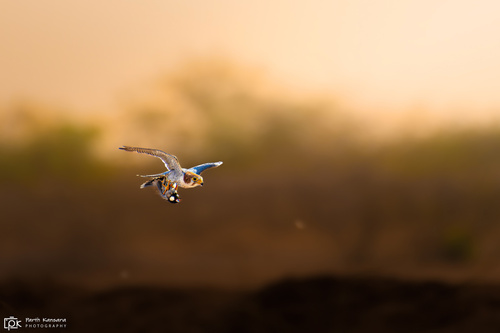
Seen an Eurasian Kestrel?
Share your photo on iNaturalist. Other naturalists help confirm it, and the record goes to GBIF, where scientists use it and where the maps on this page come from.
Put this species on your site
The card names every source and links back here.
<iframe src="https://4planetatlas.com/place/embed/species/eurasian-kestrel" title="Eurasian Kestrel (Falco tinnunculus), 4PLANET Species" width="100%" height="600" style="border:0;max-width:640px" loading="lazy"></iframe>
<p><a href="https://4species.com/eurasian-kestrel">Eurasian Kestrel on 4PLANET Species</a></p>Explore next
What puts the Eurasian Kestrel under pressure, what helps, and who works on it.

Questions people ask
What does the Eurasian Kestrel eat?
The Eurasian Kestrel has been recorded eating 697 different kinds of animals and plants, most of them birds, mammals, reptiles and insects. The ones recorded most often are house mouse, eurasian red squirrel, eurasian harvest mouse, common vole and bank vole; records include animals eaten as carrion. Source: GloBI.
What eats the Eurasian Kestrel?
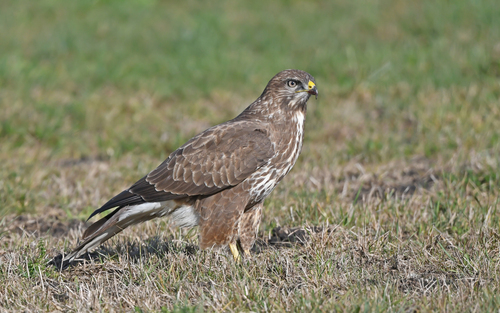
Recorded predators include northern raven, peregrine falcon, eurasian eagle-owl, eurasian sparrowhawk and common buzzard. Source: GloBI.
Where does the Eurasian Kestrel live?
People have recorded it in 150 countries; the most records come from United Kingdom, Spain, Germany, Portugal and France. Records show where people have seen it, not its full range.
When is the Eurasian Kestrel seen most?
In the northern hemisphere, the most records are made in April and the fewest in February. More people outdoors also means more records.
What are the Eurasian Kestrel's closest relatives?
It shares the genus Falco with peregrine falcon, merlin, lesser kestrel, saker falcon and lanner falcon.
Sources and photo credits
- GBIF · Falco tinnunculus, 2,055,223 human observations
- GloBI · recorded interactions of Falco tinnunculus
- Wikidata · Eurasian Kestrel (Q26490)
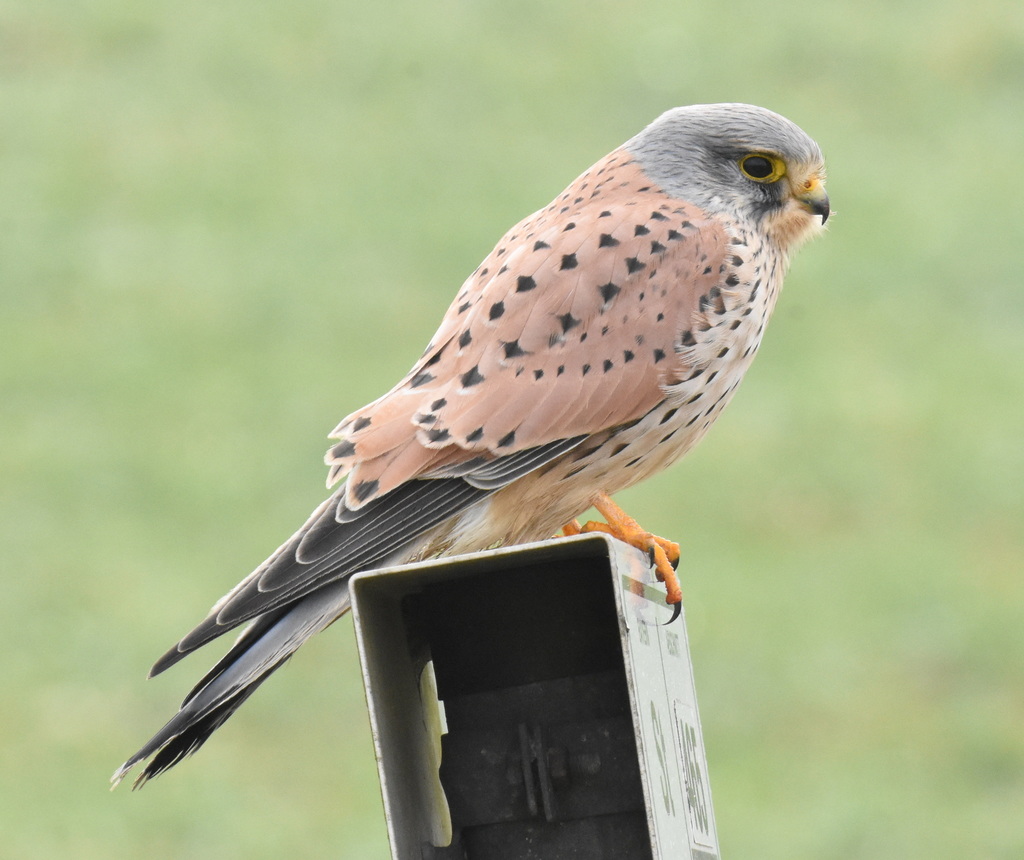
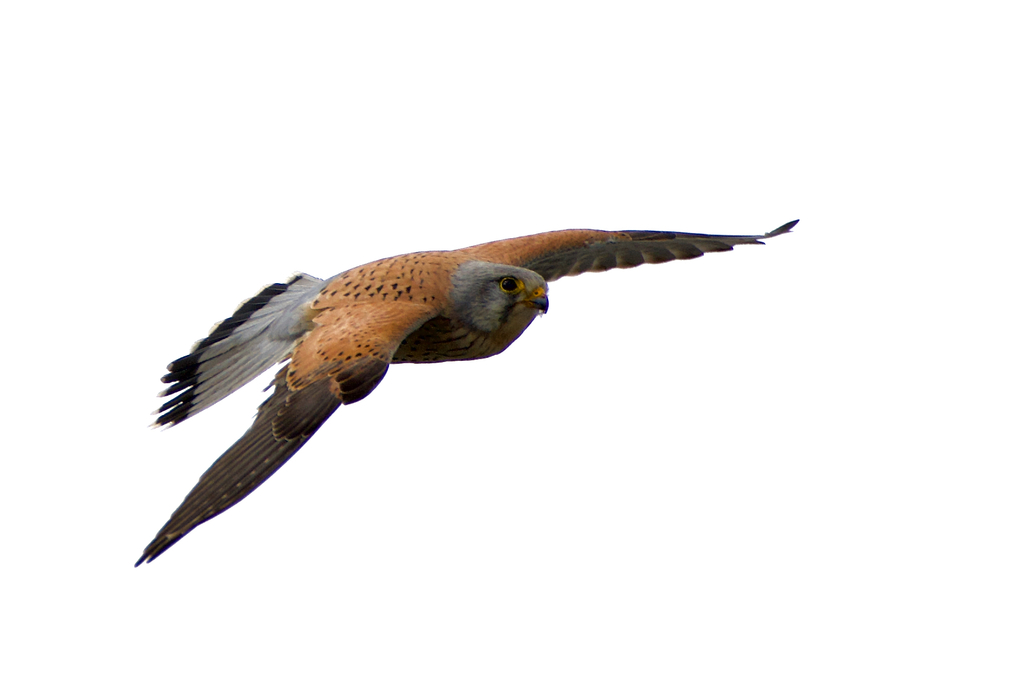
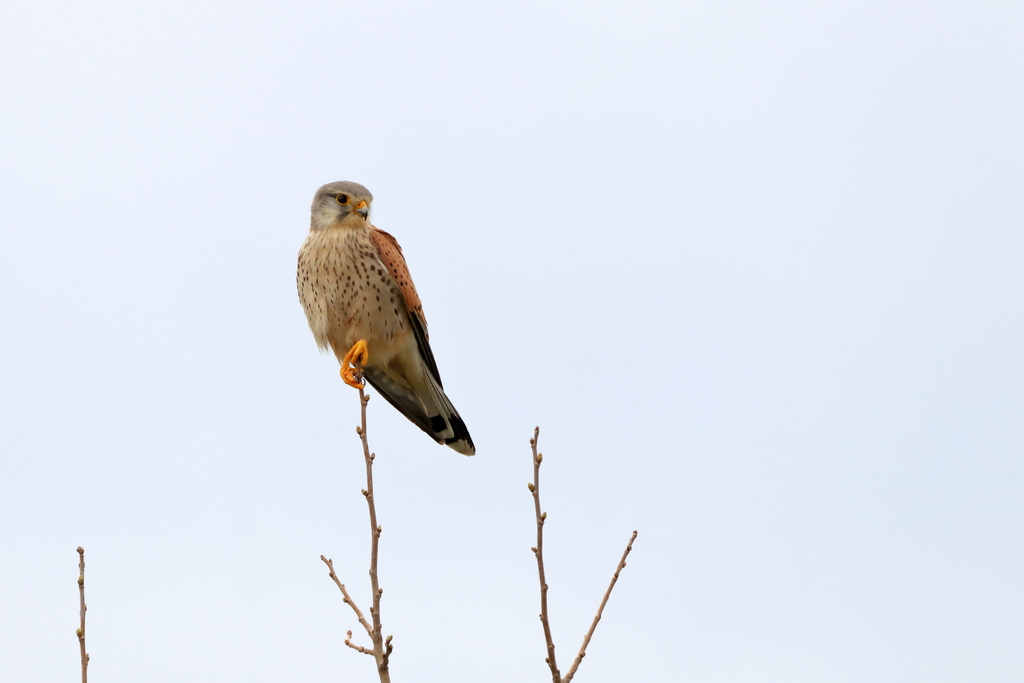
- Eurasian Kestrel (Falco tinnunculus): Luis Ferreira, CC0
- Eurasian Kestrel (Falco tinnunculus): Thorsten Hackbarth, CC BY 4.0
- Eurasian Kestrel (Falco tinnunculus), Zorilor, Cluj-Napoca, Romania: Codrin Bucur, CC BY 4.0
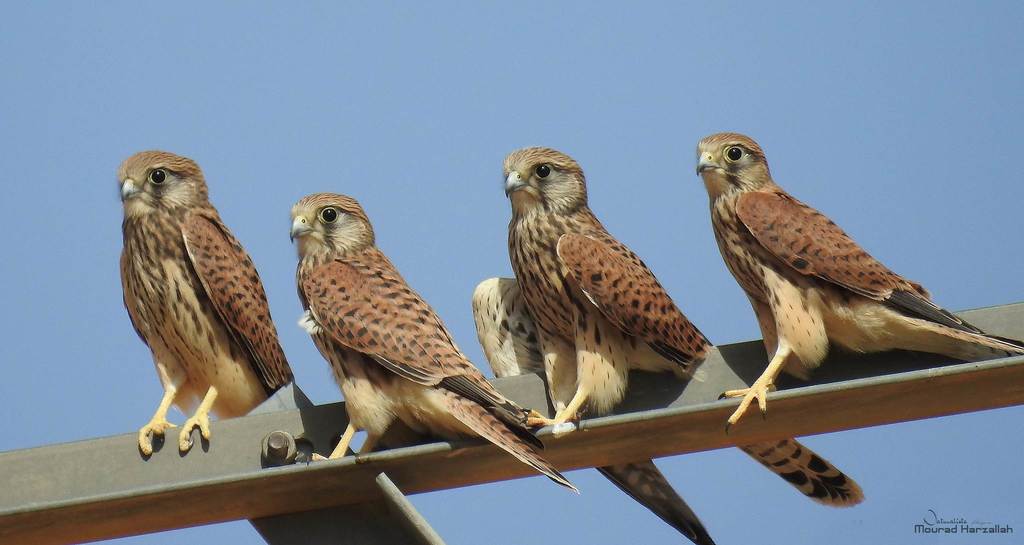
- Eurasian Kestrel (Falco tinnunculus), El Achir, Algérie: Mourad Harzallah, CC BY 4.0
- Eurasian Kestrel (Falco tinnunculus), Vake-Saburtalo, Tbilisi, Georgia: Donsky, CC BY 4.0
- Eurasian Kestrel (Falco tinnunculus), Oxfordshire, UK: Shawn O'Donnell, CC BY 4.0
- Eurasian Kestrel (Falco tinnunculus), Saburtalo, Tbilisi, Georgia: Donsky, CC BY 4.0
- Eurasian Kestrel (Falco tinnunculus), Nazareth, Israel: Josiah Londerée, CC BY 4.0
- House mouse: Tony Wills, CC BY-SA 4.0
- Eurasian red squirrel: Rhododendrites, CC BY-SA 4.0
- Eurasian harvest mouse: Kim, Hyun-tae, CC BY 4.0
- Common vole: José-Manuel Benito, CC BY-SA 4.0
- Bank vole: Frank Sengpiel, CC BY 4.0
- Rustic bunting: James Heal, CC BY 4.0
- Eurasian pygmy shrew: Gustavo Ciacco, CC0
- Eurasian water shrew: Ian Ballam, CC BY 4.0
- Common shrew: Soricida, CC BY-SA 4.0
- Field vole: David Perez, CC BY 4.0
- House sparrow: Esteban Poveda, CC BY 4.0
- Mallard: anonymous, CC BY-SA 4.0
- Northern raven: xulescu_g, CC BY-SA 4.0
- Peregrine falcon: Shirley Zundell, CC BY 4.0
- Eurasian sparrowhawk: Stanislav Murashkin, CC BY 4.0
- Common buzzard: Christoph Moning, CC BY 4.0
- European pine marten: Bartosz Sarnowski, CC BY 4.0
- Carrion crow: no rights reserved, uploaded by Charlie Farrell, CC0
- Long-eared owl: caroline legg, CC BY 4.0
- Merlin: no rights reserved, uploaded by Kathlin Simpkins, CC0
- Lesser kestrel: egorbirder, CC BY 4.0
- Saker falcon: Eddy Van 3000, CC BY-SA 4.0
- Lanner falcon: Christiaan Viljoen, CC BY 4.0
- Eleonora's falcon: Don Loarie, CC BY 4.0
- Amur falcon: egorbirder, CC BY 4.0
- Red-necked falcon: Parth Kansara, CC BY 4.0
Records show where people have seen and shared the Eurasian Kestrel, not its full range, and some countries and months are recorded far more than others. The food web lists interactions that studies have recorded somewhere in the world (GloBI), not everything it eats in one place.
Checked 2026-11-24.