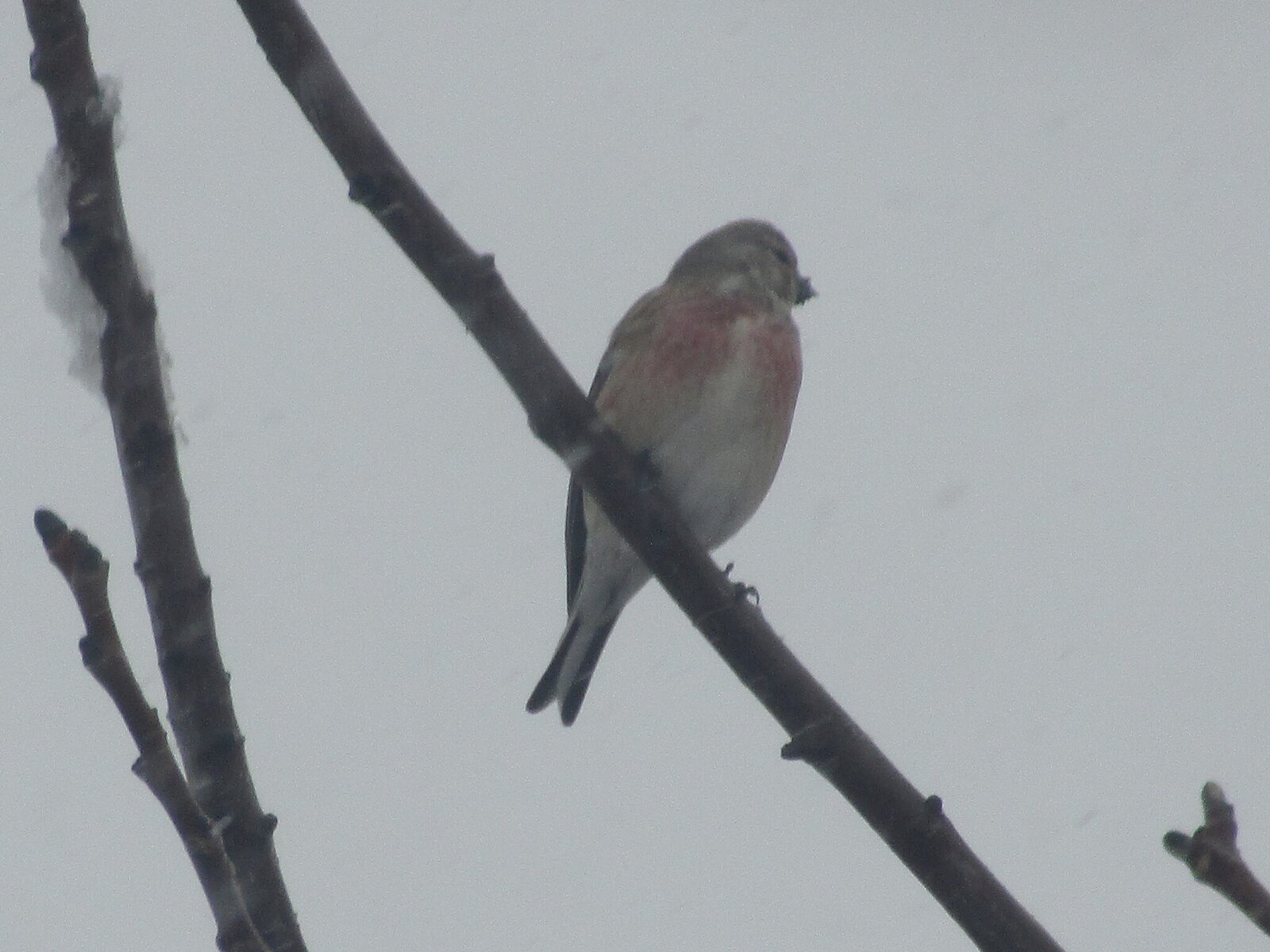
Eurasian Linnet
Linaria cannabina
- Status
- Least Concern IUCN Red List
- Eats
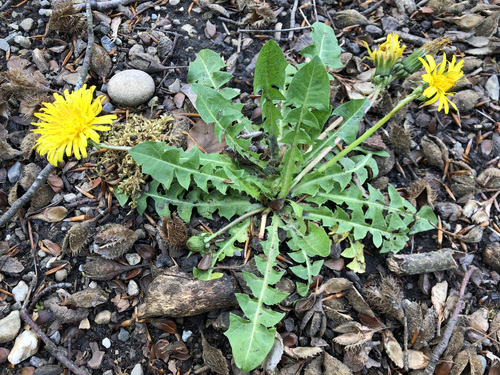
- common dandelion, common chickweed, Shepherd's-purse and 1,927 more
- Eaten by
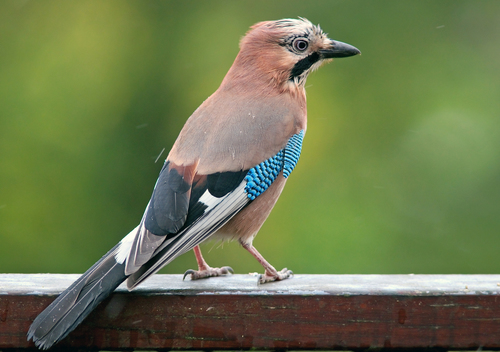
- grey wolf, red fox, northern raven
- Where
- 83 countries
On 4Planet Atlas it is among the wildlife people record most around Amman, Amsterdam and Andorra la Vella, and 52 more of the cities we cover.
People have shared 1,249,234 records of the Eurasian Linnet with GBIF, from 83 countries, most of them from United Kingdom, Spain and Portugal. Records collected by GloBI show it eating 1,930 different kinds of animals and plants, and being eaten by 55.
What the Eurasian Linnet eats, and what eats it
Studies have recorded it eating 1,930 kinds of animals and plants, and 55 kinds of animals eating it. Tap any of them to follow the food chain.
- Plants 1,844
Eaten by



 Eurasian Linnet
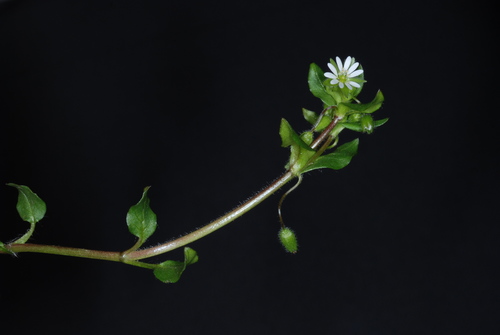
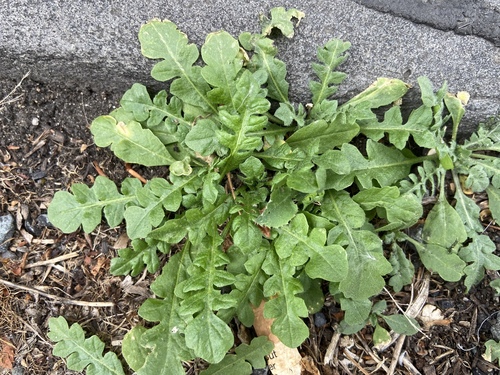
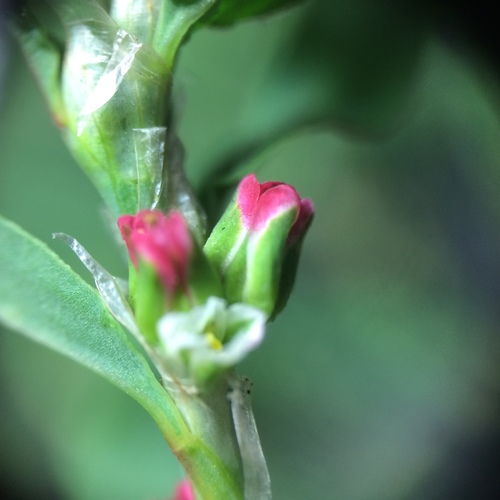

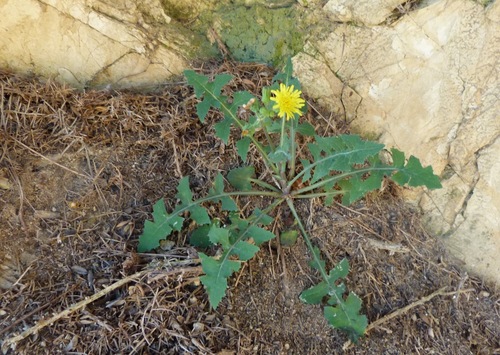
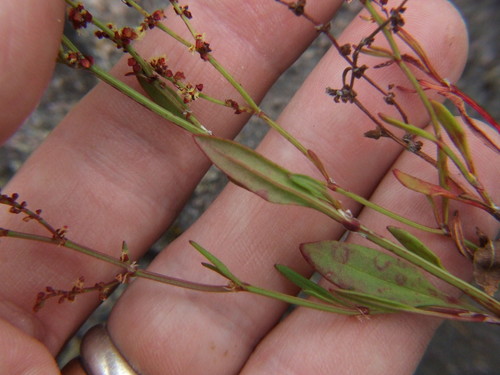
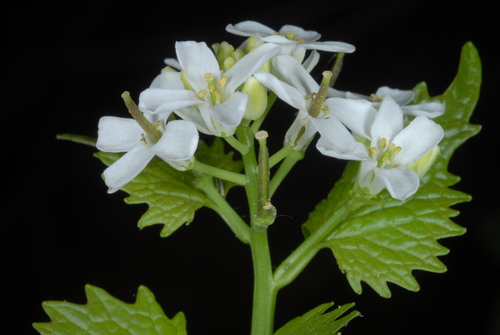
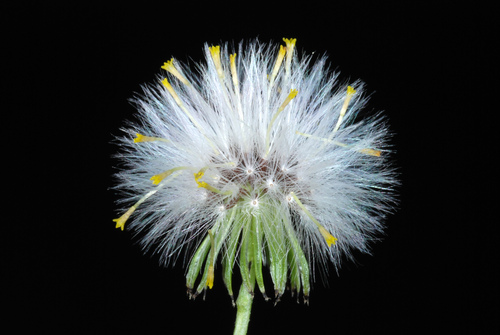
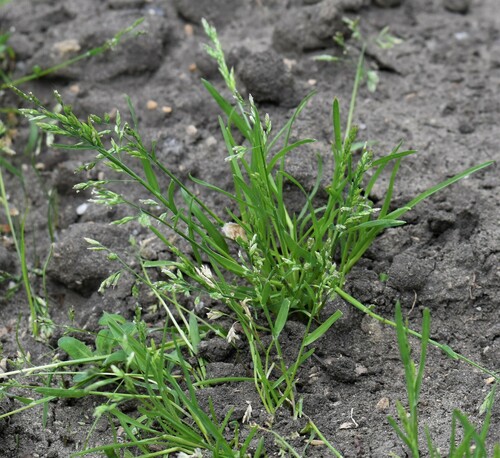
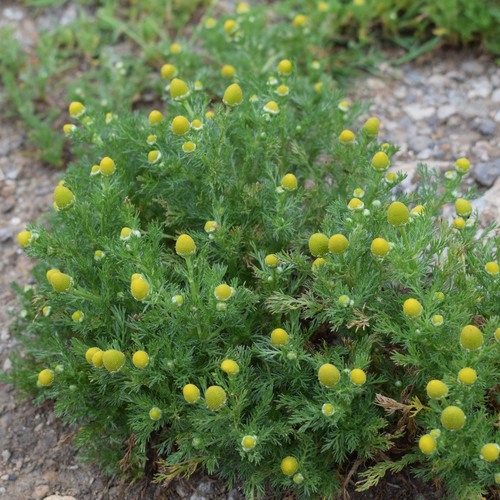

Records from studies worldwide, collected by GloBI. They include animals eaten as carrion, and they are not everything it eats in one place.
Where people see the Eurasian Linnet
People have shared 1,249,234 records from 83 countries.
Near a city: Amman, Amsterdam, Andorra la Vella, Ankara, Ashgabat, Astana, Athens, Baku, Bergen, Berlin, Bern, Bratislava, Brussels, Budapest, Chișinău, Copenhagen, Damascus, Dublin, Dushanbe, East Jerusalem, Helsinki, Jerusalem, Kyiv, Lisbon, Ljubljana, London, Luxembourg City, Madrid, Minsk, Moscow, Nicosia, Oslo, Paris, Podgorica, Prague, Pristina, Rabat, Ramallah, Riga, Rome, Sarajevo, Skopje, Sofia, Stockholm, Tallinn, Tbilisi, Tehran, Tunis, Vaduz, Valletta, Vienna, Vilnius, Warsaw, Yerevan, Zagreb.
Records show where people have seen it and shared it, not its full range. Country names open their page in Atlas.
When it is seen
Records per month in the northern hemisphere. More people outdoors also means more records.
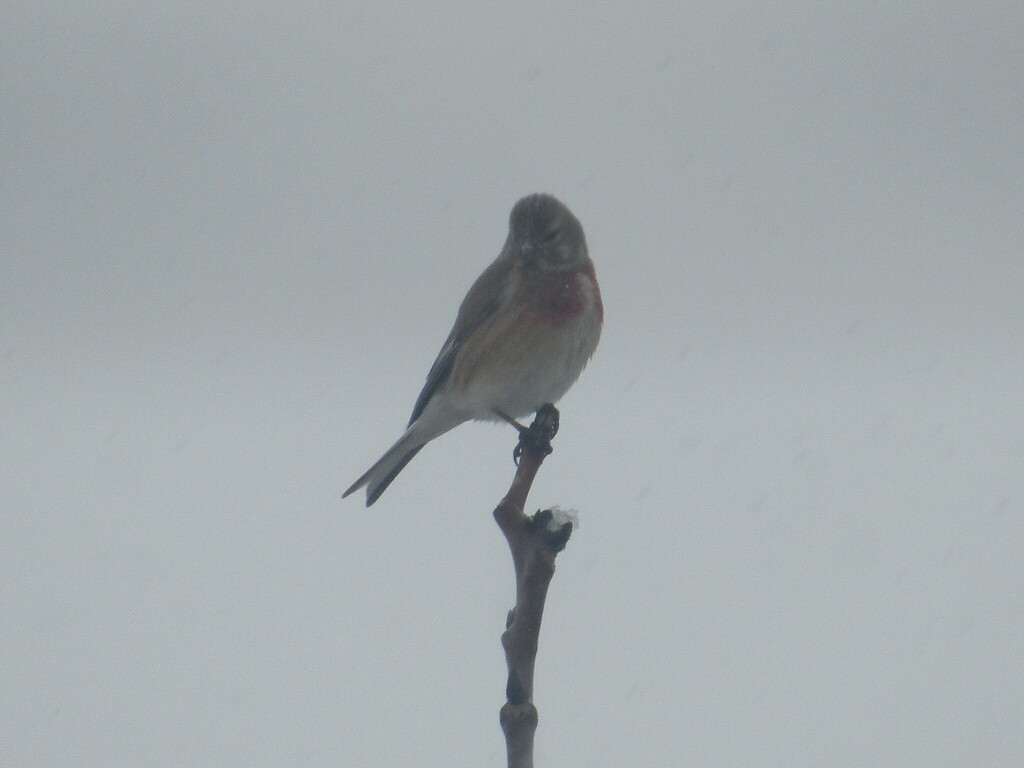
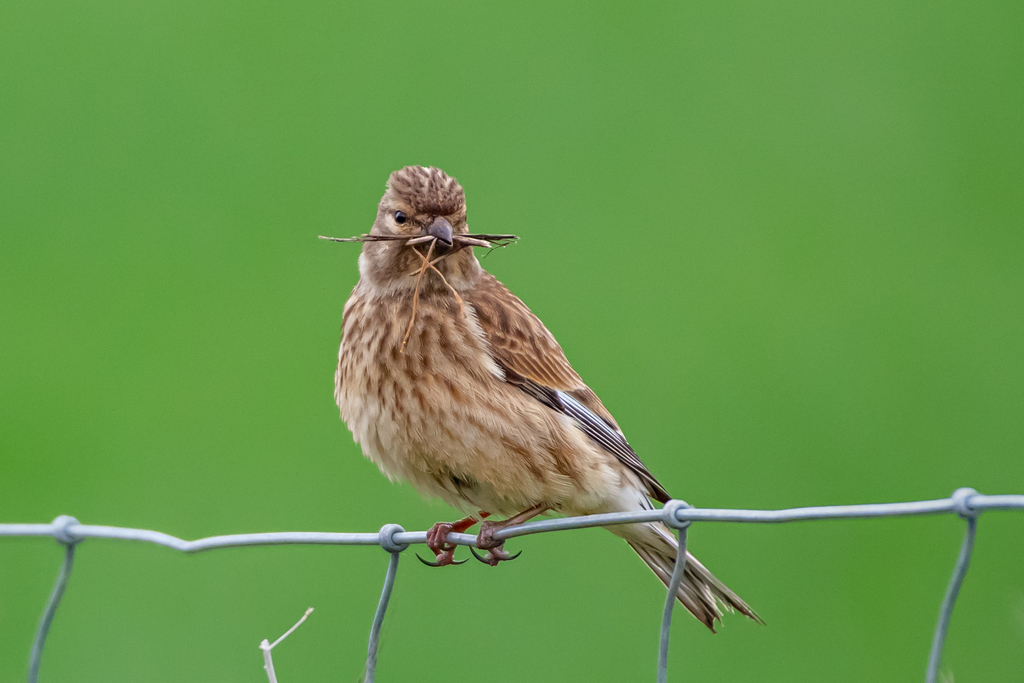
Watch and listen
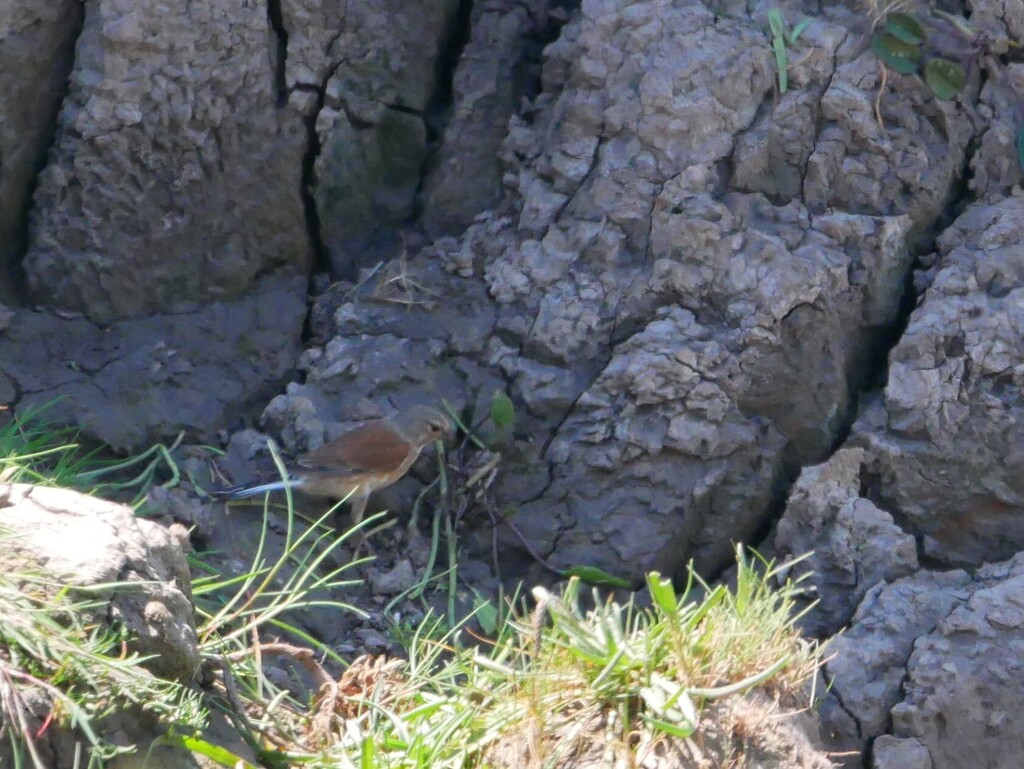
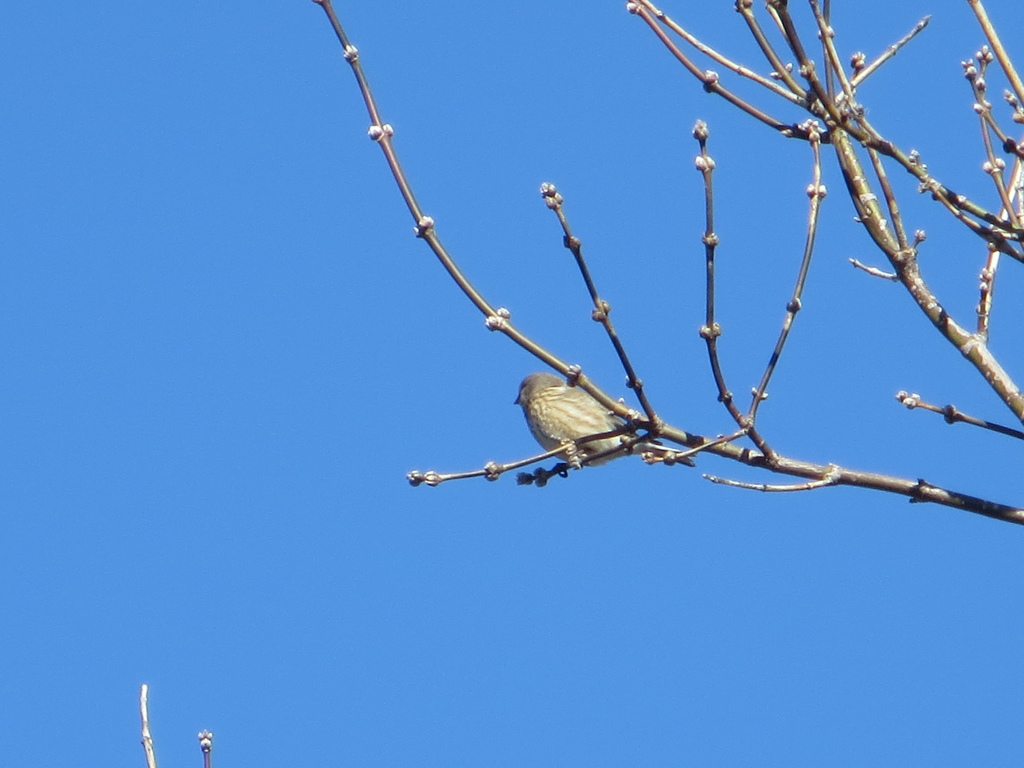
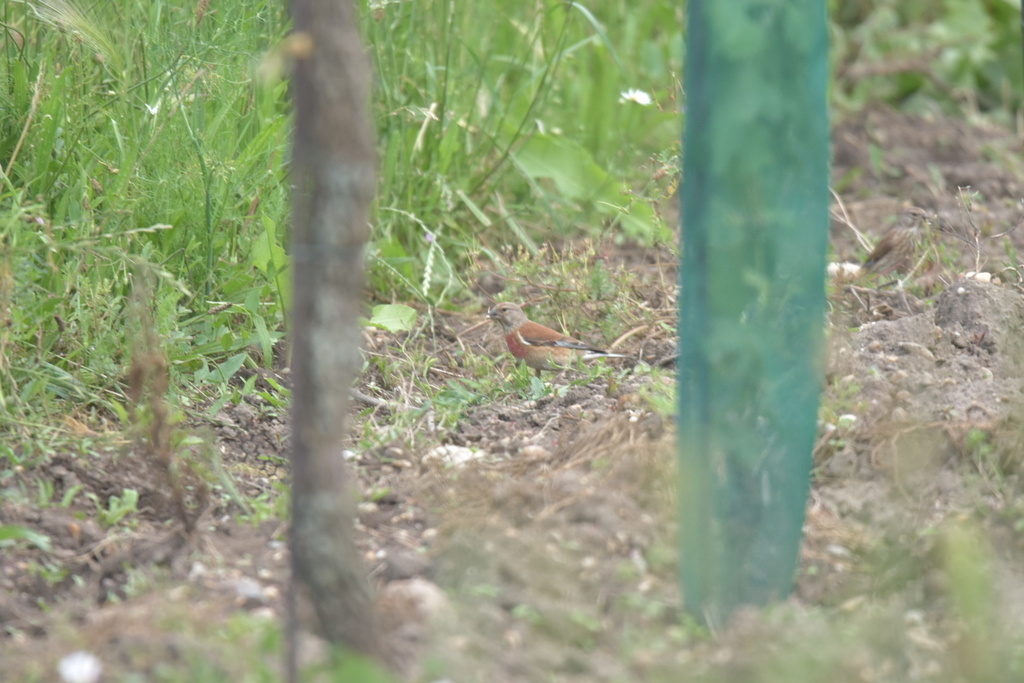
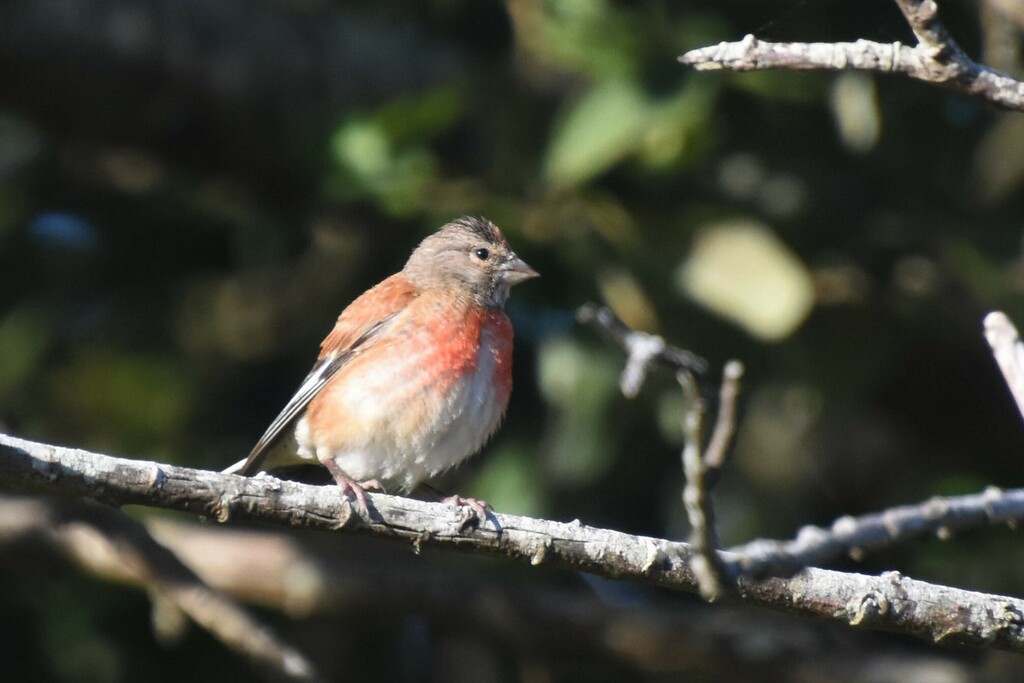
Its closest relatives
The other species of the genus Linaria.
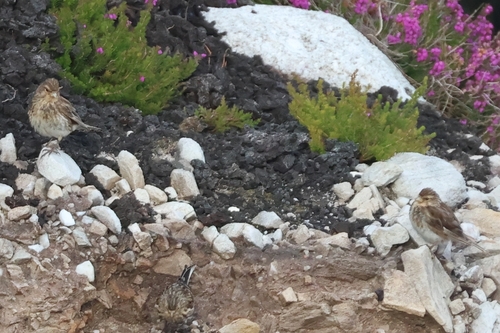
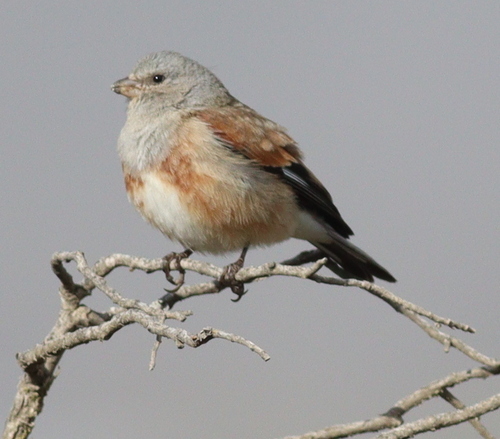
Seen an Eurasian Linnet?
Share your photo on iNaturalist. Other naturalists help confirm it, and the record goes to GBIF, where scientists use it and where the maps on this page come from.
Put this species on your site
The card names every source and links back here.
<iframe src="https://4planetatlas.com/place/embed/species/eurasian-linnet" title="Eurasian Linnet (Linaria cannabina), 4PLANET Species" width="100%" height="600" style="border:0;max-width:640px" loading="lazy"></iframe>
<p><a href="https://4species.com/eurasian-linnet">Eurasian Linnet on 4PLANET Species</a></p>Questions people ask
What does the Eurasian Linnet eat?
The Eurasian Linnet has been recorded eating 1,930 different kinds of animals and plants, most of them plants. The ones recorded most often are common dandelion, common chickweed, shepherd's-purse, prostrate knotweed and meadowsweet; records include animals eaten as carrion. Source: GloBI.
What eats the Eurasian Linnet?
Recorded predators include grey wolf, red fox, northern raven, eurasian magpie and eurasian jay. Source: GloBI.
Where does the Eurasian Linnet live?
People have recorded it in 83 countries; the most records come from United Kingdom, Spain, Portugal, France and Germany. Records show where people have seen it, not its full range.
When is the Eurasian Linnet seen most?
In the northern hemisphere, the most records are made in April and the fewest in February. More people outdoors also means more records.
What are the Eurasian Linnet's closest relatives?
It shares the genus Linaria with twite and yemen linnet.
Sources and photo credits
- GBIF · Linaria cannabina, 1,249,234 human observations
- GloBI · recorded interactions of Linaria cannabina
- Wikidata · Eurasian Linnet (Q27075852)
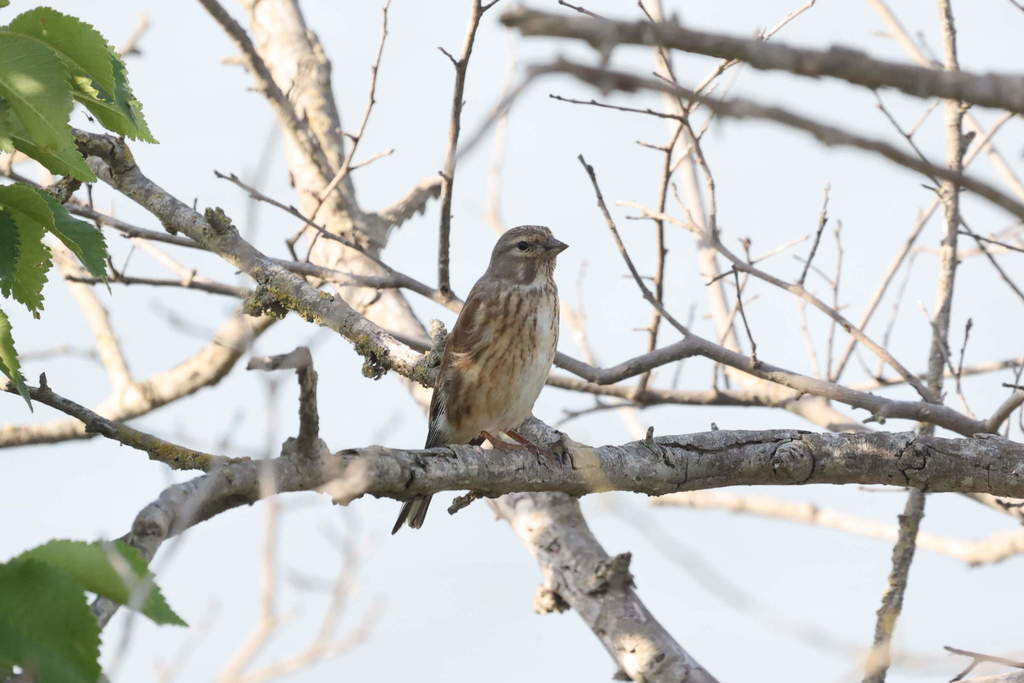
- Eurasian Linnet (Linaria cannabina): SteveM4560, CC BY 4.0
- Eurasian Linnet (Linaria cannabina), 4292 Dobri dol, Bulgaria: SteveM4560, CC BY 4.0
- Eurasian Linnet (Linaria cannabina), Bourgfelden, Saint-Louis, France: Codrin Bucur, CC BY 4.0
- Eurasian Linnet (Linaria cannabina), North Devon Coast AONB, Braunton, England, GB: Joss Carr, CC BY 4.0
- Eurasian Linnet (Linaria cannabina), WWT Slimbridge, Bowditch, WWT GL2 7BT, UK: Nick Carey, CC BY 4.0
- Eurasian Linnet (Linaria cannabina), Ртищево, Саратовская обл., Россия: Andrey Sdobnikov, CC BY 4.0
- Eurasian Linnet (Linaria cannabina), Neusiedler See-Nordöstliches Leithagebirge, Apetlon, Burgenland, AT: Lukas Zangl, CC BY 4.0
- Eurasian Linnet (Linaria cannabina), Pontevedra, España: Tristo, CC BY 4.0
- Eurasian Linnet (Linaria cannabina), Villeneuve-lès-Maguelone, France: Tommy Andriollo, CC BY 4.0
- Common dandelion: Jason Grant, CC BY 4.0
- Common chickweed: Douglas Goldman, CC BY-SA 4.0
- Shepherd's-purse: Joss Carr, CC BY 4.0
- Prostrate knotweed: Dilrukshan Priyantha Wijesinghe, CC BY 4.0
- Meadowsweet: Sten Porse, CC BY-SA 4.0
- Common sowthistle: Colin Meurk, CC BY-SA 4.0
- Sheep sorrel: cstobie, CC BY 4.0
- Garlic mustard: Douglas Goldman, CC BY-SA 4.0
- Common groundsel: Douglas Goldman, CC BY-SA 4.0
- Annual bluegrass: Eric Lamb, CC BY 4.0
- Disc mayweed: no rights reserved, uploaded by Anne Parsons, CC0
- Wood bluegrass: Douglas Goldman, CC BY-SA 4.0
- Grey wolf: Andrew Simon, CC BY 4.0
- Red fox: Алина Урусова, CC BY 4.0
- Northern raven: xulescu_g, CC BY-SA 4.0
- Eurasian jay: Luc Viatour, CC BY-SA 4.0
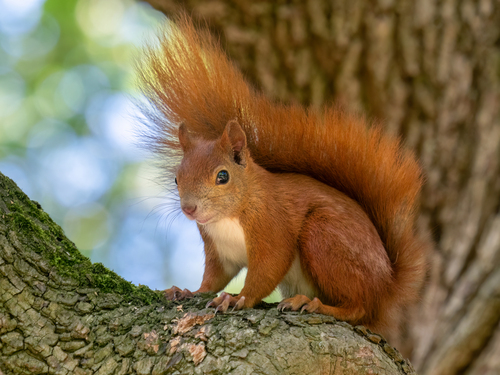
- Eurasian red squirrel: Rhododendrites, CC BY-SA 4.0
- Peregrine falcon: Shirley Zundell, CC BY 4.0
- Twite: Fionn Ó Marcaigh, CC BY 4.0
- Yemen linnet: Jan Ebr & Ivana Ebrová, CC BY 4.0
Records show where people have seen and shared the Eurasian Linnet, not its full range, and some countries and months are recorded far more than others. The food web lists interactions that studies have recorded somewhere in the world (GloBI), not everything it eats in one place.
Checked 2026-11-24.