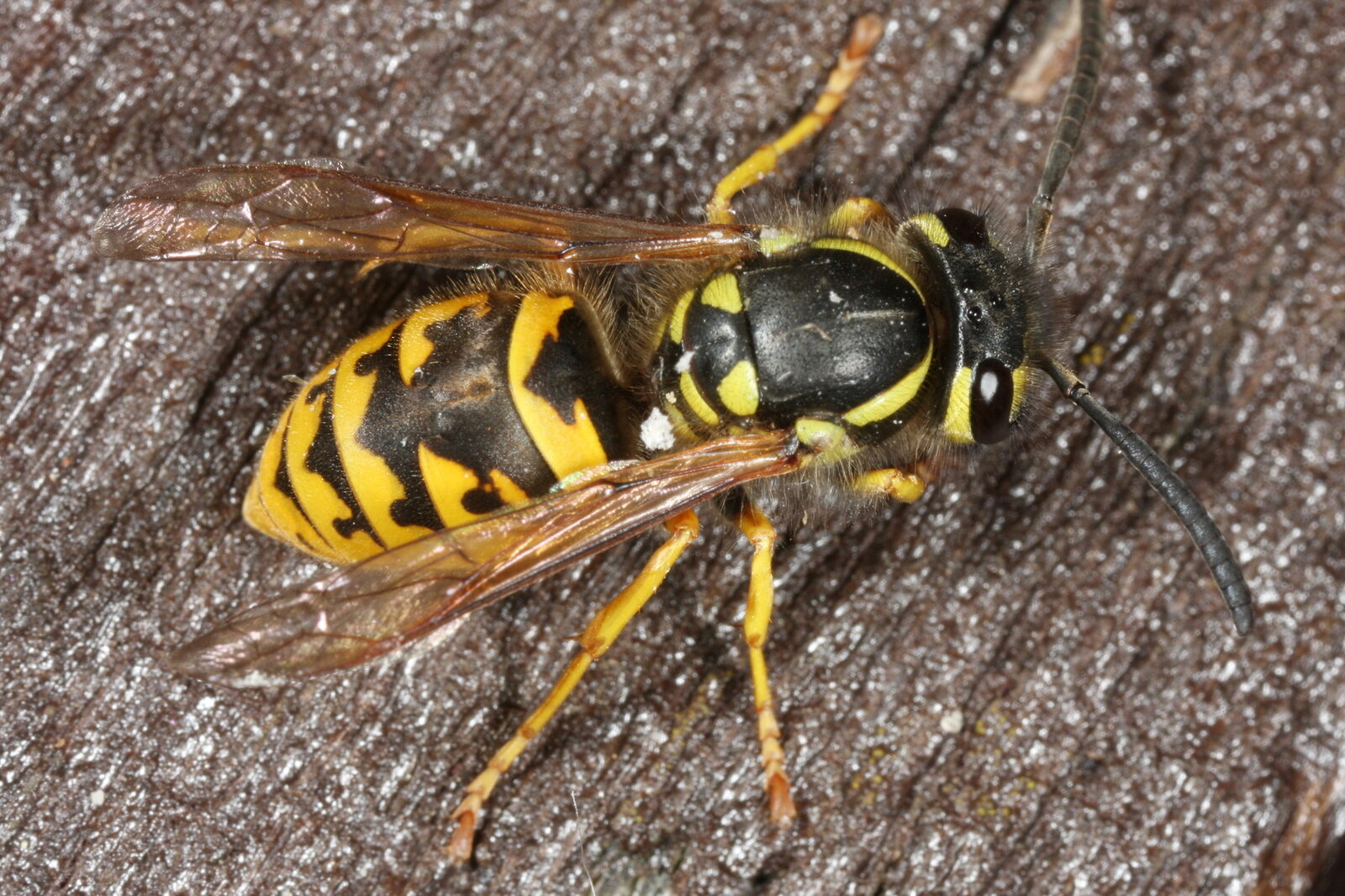
German Yellowjacket
Vespula germanica
- Status
- IUCN Red List
- Lifespan
- About 17 days
- Eats
- brown rat, watermelon, wild boar and 83 more
- Eaten by
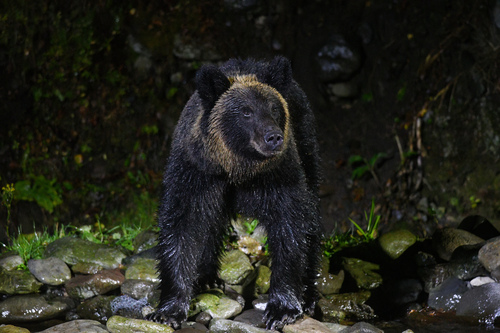
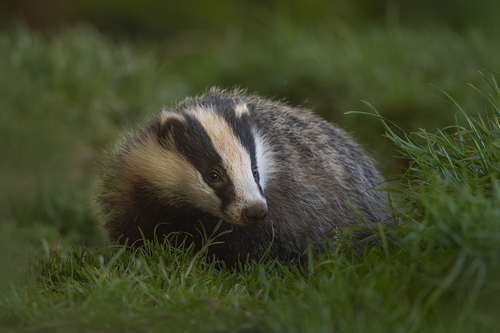
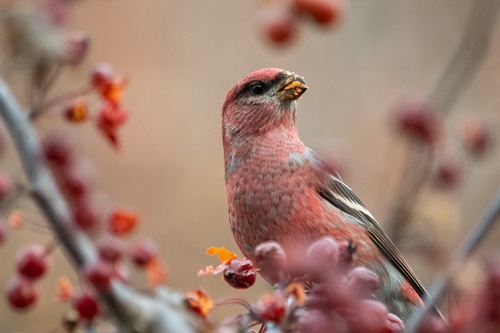
- brown bear, Eurasian badger, pine grosbeak
- Where
- 73 countries
On 4Planet Atlas it is among the wildlife people record most around Tashkent.
People have shared 34,706 records of the German Yellowjacket with GBIF, from 73 countries, most of them from United States, Canada and Germany. Records collected by GloBI show it eating 86 different kinds of animals and plants, and being eaten by 9.
What the german Yellowjacket eats, and what eats it
Studies have recorded it eating 86 kinds of animals and plants, and 9 kinds of animals eating it. Tap any of them to follow the food chain.
- Plants 27
- Insects 25
- Snails and slugs 11
- Mammals 7
- Birds 6
- Spiders and mites 3
- Fish 2
Eaten by

 German Yellowjacket

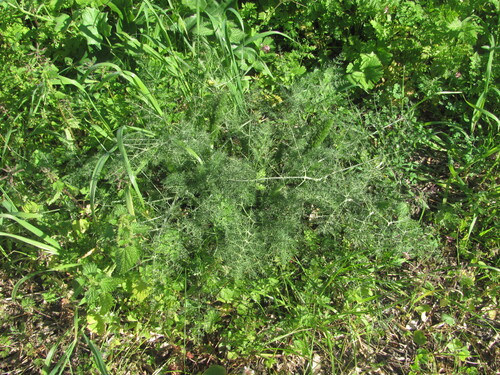
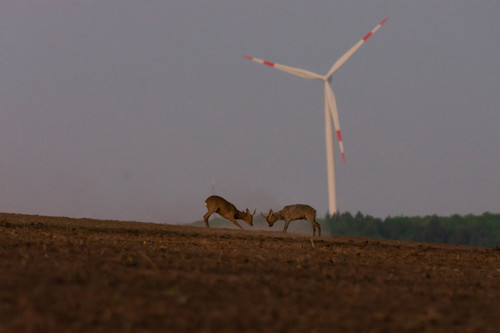
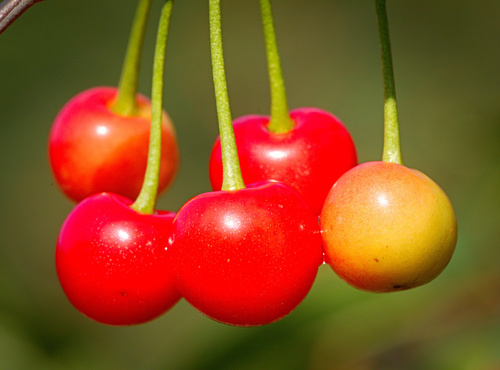
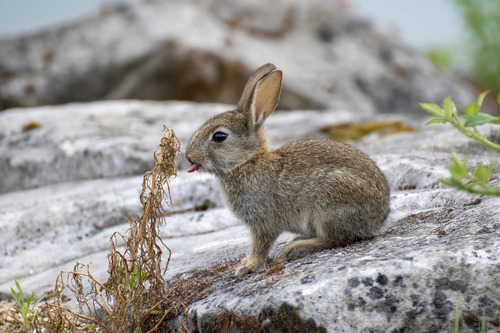
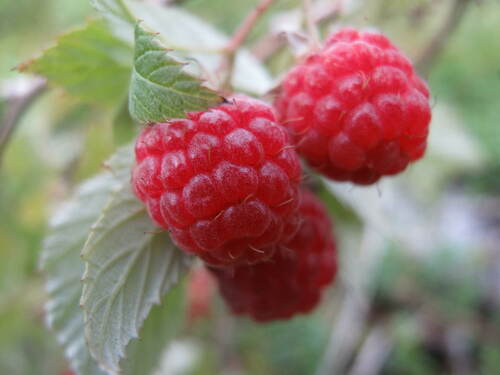

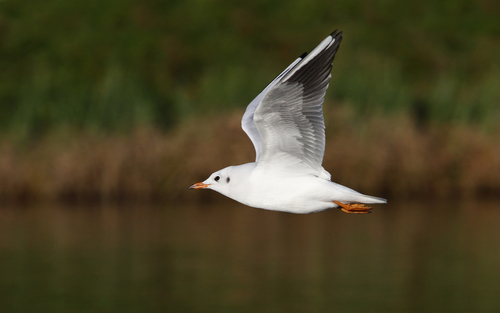
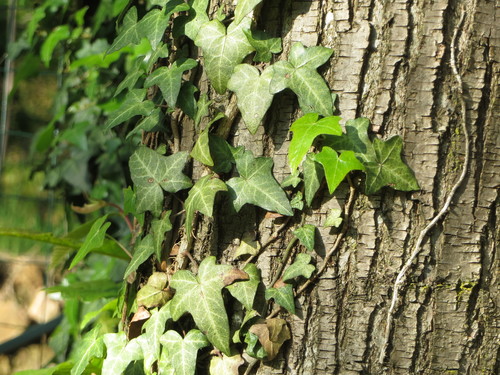

Records from studies worldwide, collected by GloBI. They include animals eaten as carrion, and they are not everything it eats in one place.
Where people see the german Yellowjacket
People have shared 34,706 records from 73 countries.
Near a city: Tashkent.
Records show where people have seen it and shared it, not its full range. Country names open their page in Atlas.
When it is seen
Records per month in the northern hemisphere. More people outdoors also means more records.
Watch and listen
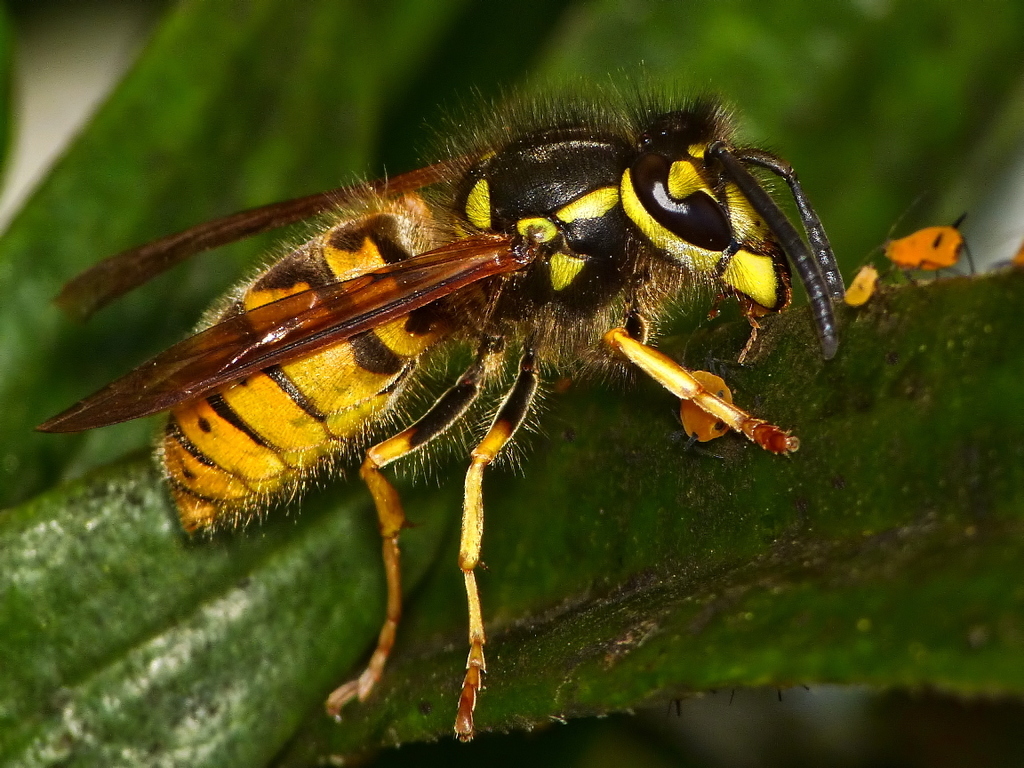
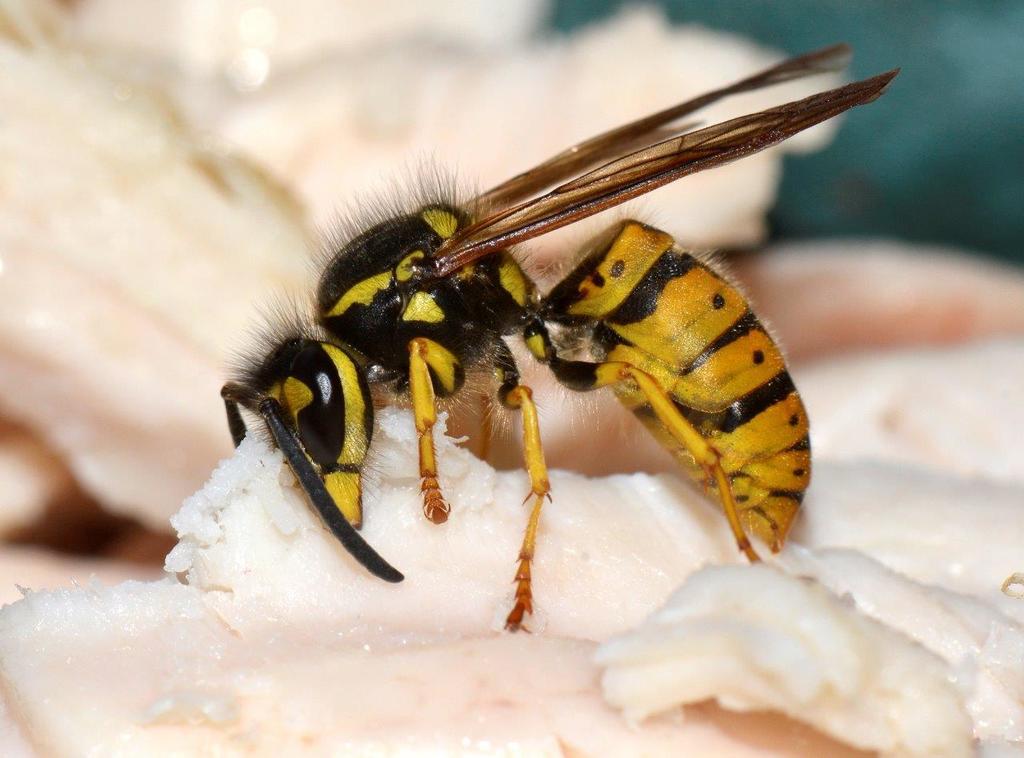
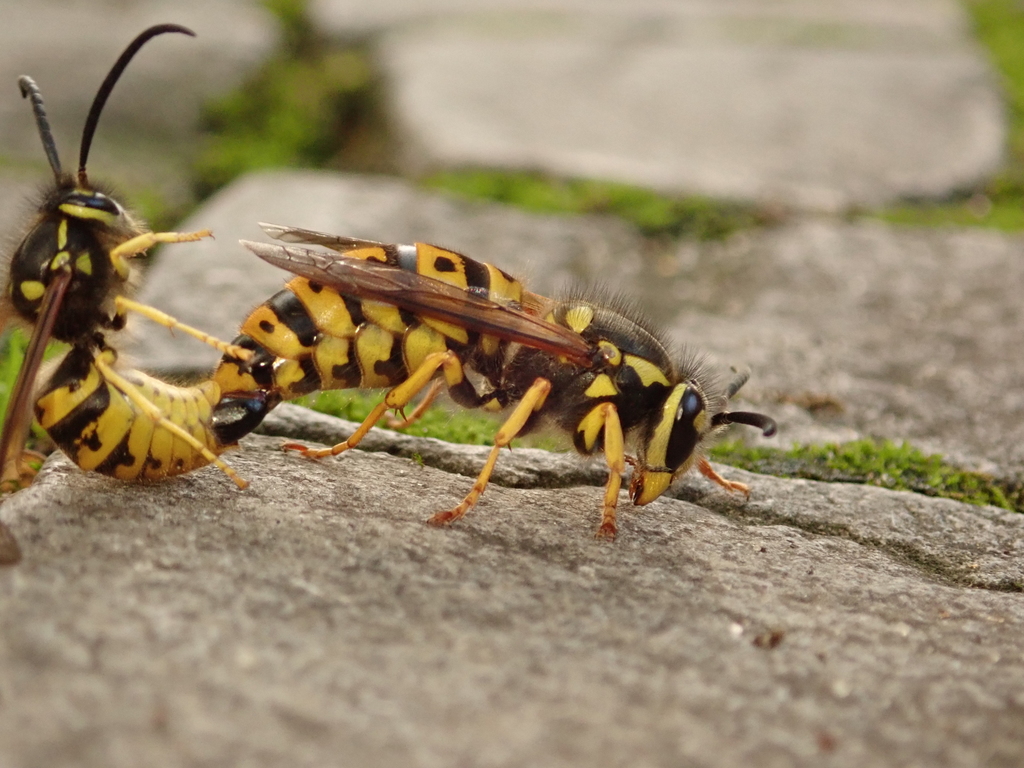
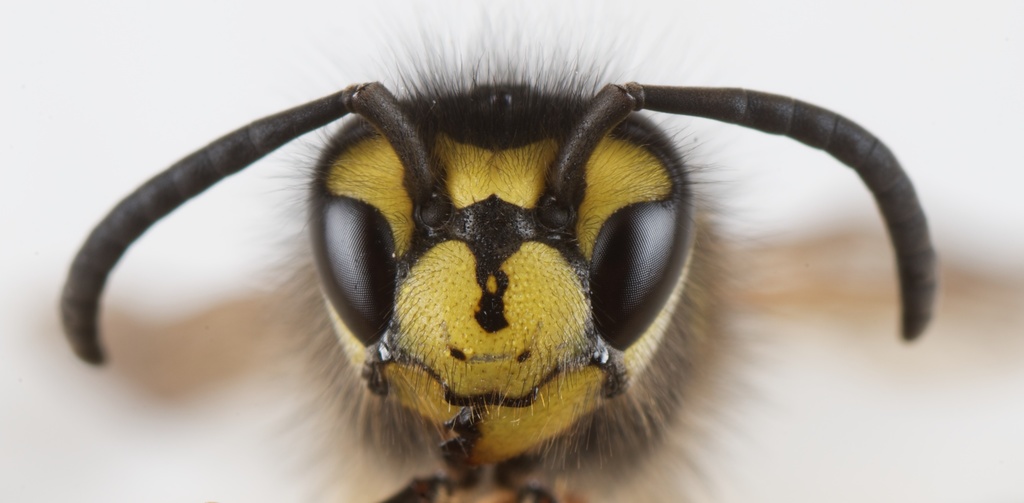
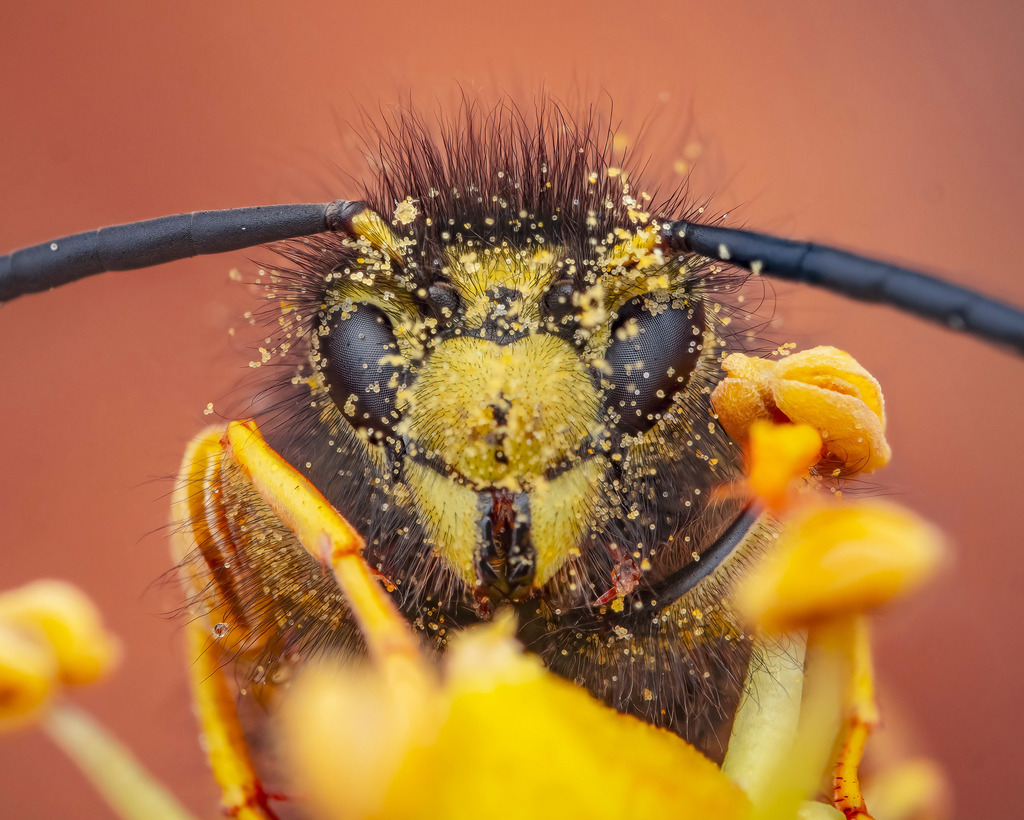
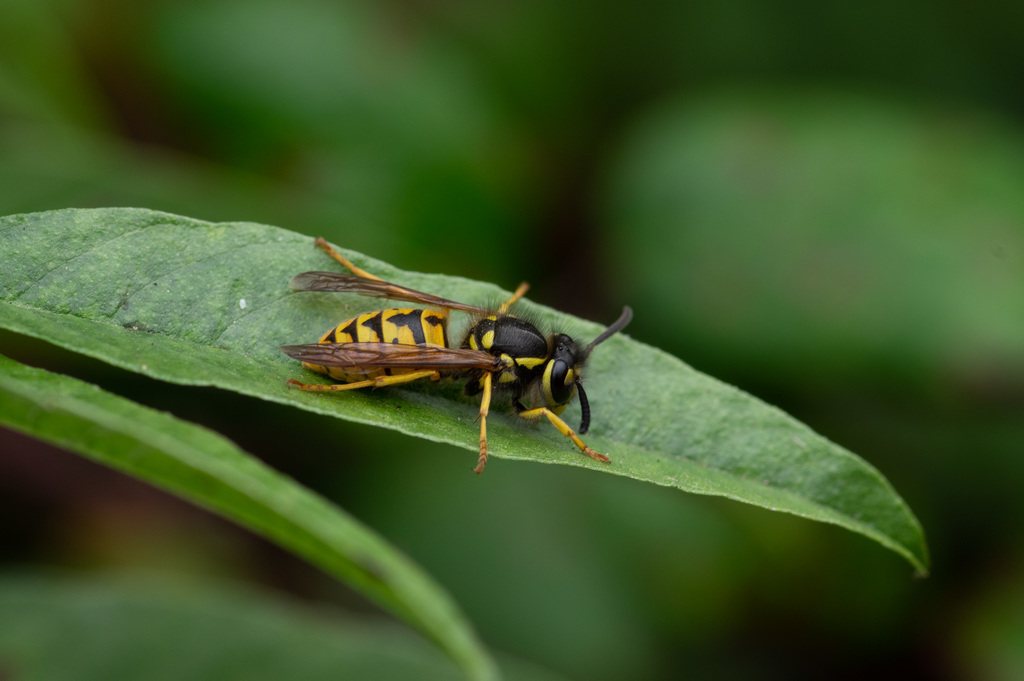
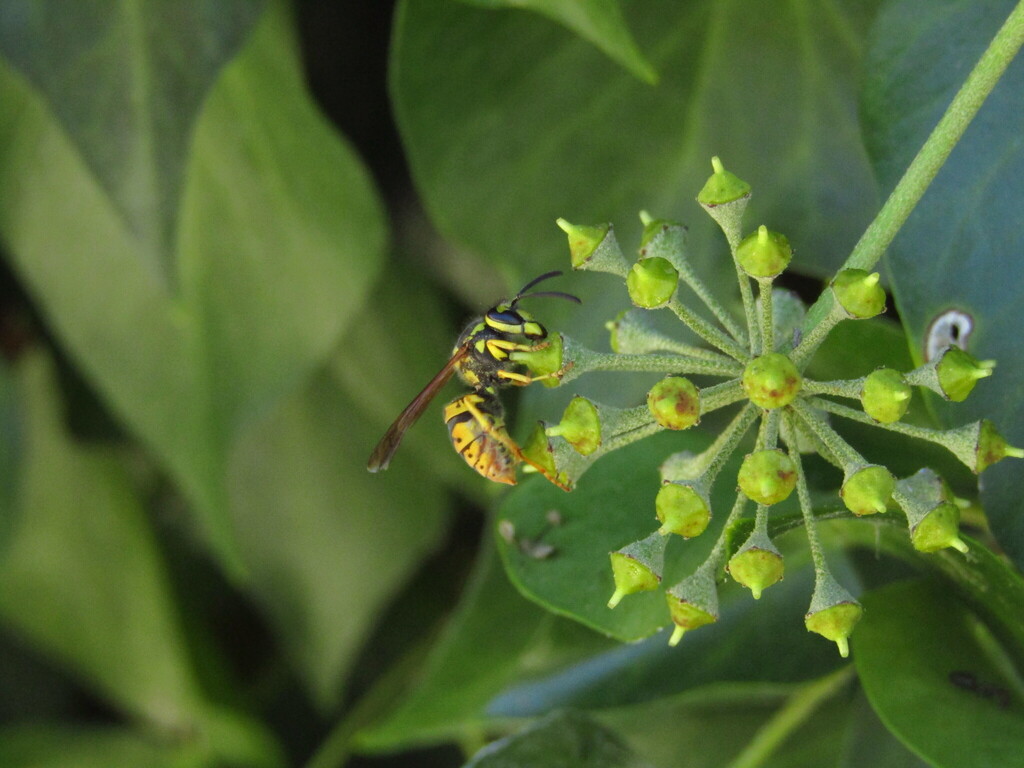
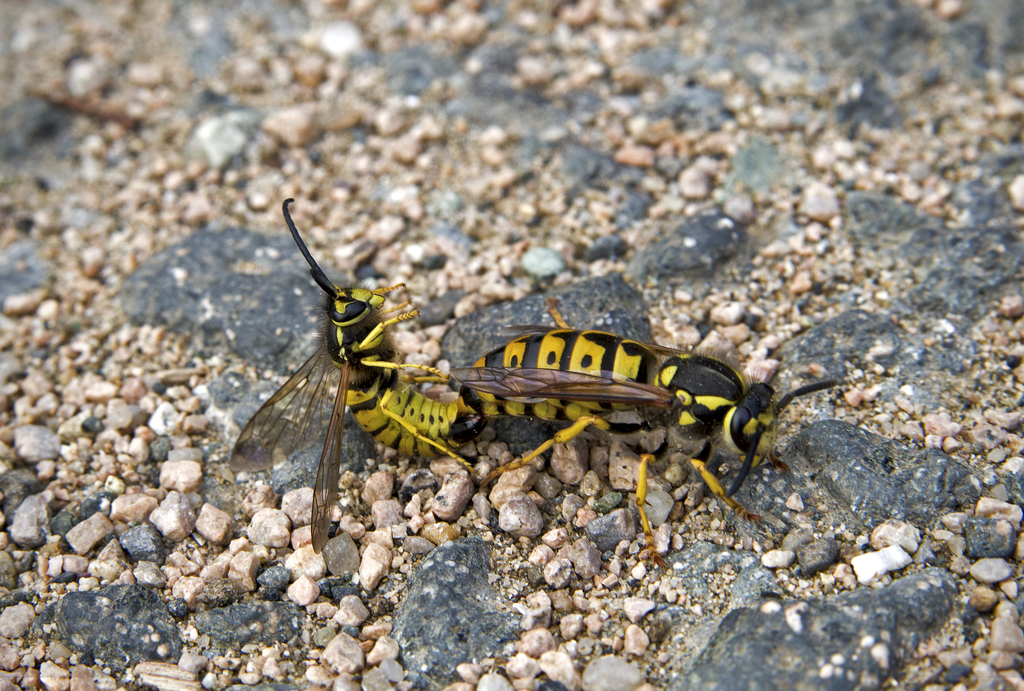
Its closest relatives
The other species of the genus Vespula.


Seen a german Yellowjacket?
Share your photo on iNaturalist. Other naturalists help confirm it, and the record goes to GBIF, where scientists use it and where the maps on this page come from.
Put this species on your site
The card names every source and links back here.
<iframe src="https://4planetatlas.com/place/embed/species/german-yellowjacket" title="German Yellowjacket (Vespula germanica), 4PLANET Species" width="100%" height="600" style="border:0;max-width:640px" loading="lazy"></iframe>
<p><a href="https://4species.com/german-yellowjacket">German Yellowjacket on 4PLANET Species</a></p>Questions people ask
What does the German Yellowjacket eat?
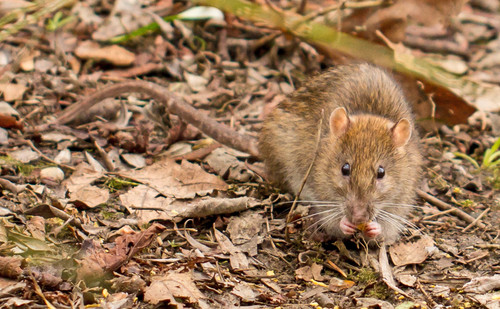
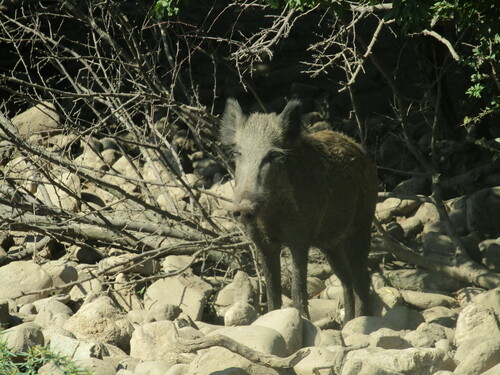
The German Yellowjacket has been recorded eating 86 different kinds of animals and plants, most of them plants, insects, snails and slugs and mammals. The ones recorded most often are brown rat, watermelon, wild boar, fennel and roe deer; records include animals eaten as carrion. Source: GloBI.
What eats the German Yellowjacket?
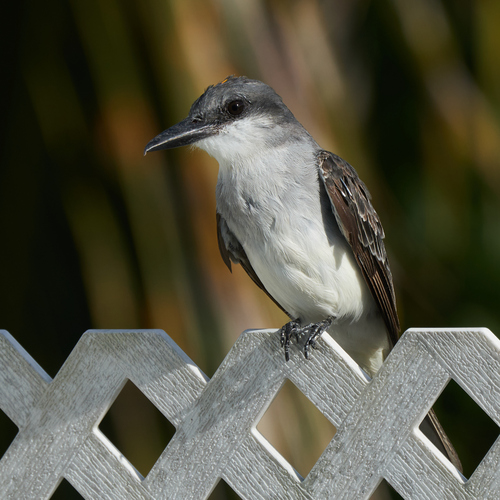
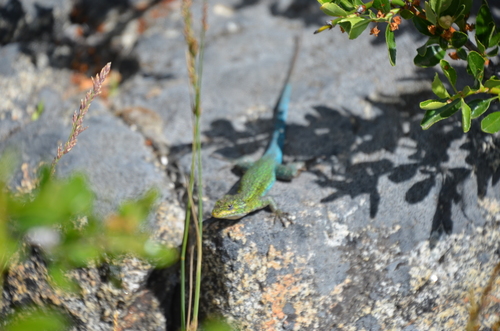
Recorded predators include brown bear, eurasian badger, pine grosbeak, dusky woodswallow and gray kingbird. Source: GloBI.
Where does the German Yellowjacket live?
People have recorded it in 73 countries; the most records come from United States, Canada, Germany, United Kingdom and Australia. Records show where people have seen it, not its full range.
How long does the German Yellowjacket live?
About 17 days on average, according to Wikidata.
When is the German Yellowjacket seen most?
In the northern hemisphere, the most records are made in September and the fewest in January. More people outdoors also means more records.
What are the German Yellowjacket's closest relatives?
It shares the genus Vespula with eastern yellowjacket and alaska yellowjacket.
Sources and photo credits
- GBIF · Vespula germanica, 34,706 human observations
- GloBI · recorded interactions of Vespula germanica
- Wikidata · German Yellowjacket (Q1130274)
- German Yellowjacket (Vespula germanica): ingridaltmann, CC BY 4.0
- German Yellowjacket (Vespula germanica): Sid Mosdell, CC BY 4.0
- German Yellowjacket (Vespula germanica): Jean and Fred, CC BY 4.0
- German Yellowjacket (Vespula germanica): Alexis Tinker-Tsavalas, CC BY 4.0
- German Yellowjacket (Vespula germanica): Jon Sullivan, CC BY 4.0
- German Yellowjacket (Vespula germanica), Berliner Innenstadt, Berlin, Germany: Alexis Tinker-Tsavalas, CC BY 4.0
- German Yellowjacket (Vespula germanica), San Antonio, Valparaíso, Chile: Jorge Herreros de Lartundo, CC BY 4.0
- German Yellowjacket (Vespula germanica), Province of Pisa, Italy: Samuele Papeschi, CC BY 4.0
- German Yellowjacket (Vespula germanica), Primorsko, Burgas, Bulgaria: Katya, CC BY 4.0
- Brown rat: Martin Cooper, CC BY 4.0
- Watermelon: Bernard DUPONT, CC BY-SA 4.0
- Wild boar: SteveM4560, CC BY 4.0
- Fennel: zebedeugalinha, CC BY 4.0
- Roe deer: Charlotte Kirchner, CC BY 4.0
- Sweet cherry: hedera.baltica, CC BY-SA 4.0
- European rabbit: Alexis Lours, CC BY 4.0
- Raspberry: Ole Husby, CC BY-SA 4.0
- Hazel: no rights reserved, uploaded by Paul Dubery, CC0
- Black-headed gull: Christoph Moning, CC BY 4.0
- English ivy: Marianna Boi, CC BY 4.0
- European mantis: Charles J. Sharp, CC BY-SA 4.0
- Brown bear: Nathan Ruser, CC BY 4.0
- Eurasian badger: caroline legg, CC BY 4.0
- Pine grosbeak: Richard Littauer, CC BY 4.0
- Dusky woodswallow: patrickkavanagh, CC BY 4.0
- Gray kingbird: Glynn Morris, CC BY 4.0
- Blue-green smooth-throated lizard: Lauu, CC BY 4.0
- Eastern yellowjacket: Judy Gallagher, CC BY-SA 4.0
- Alaska yellowjacket: Franco Folini, CC BY 4.0
Records show where people have seen and shared the German Yellowjacket, not its full range, and some countries and months are recorded far more than others. The food web lists interactions that studies have recorded somewhere in the world (GloBI), not everything it eats in one place.
Checked 2026-11-26.