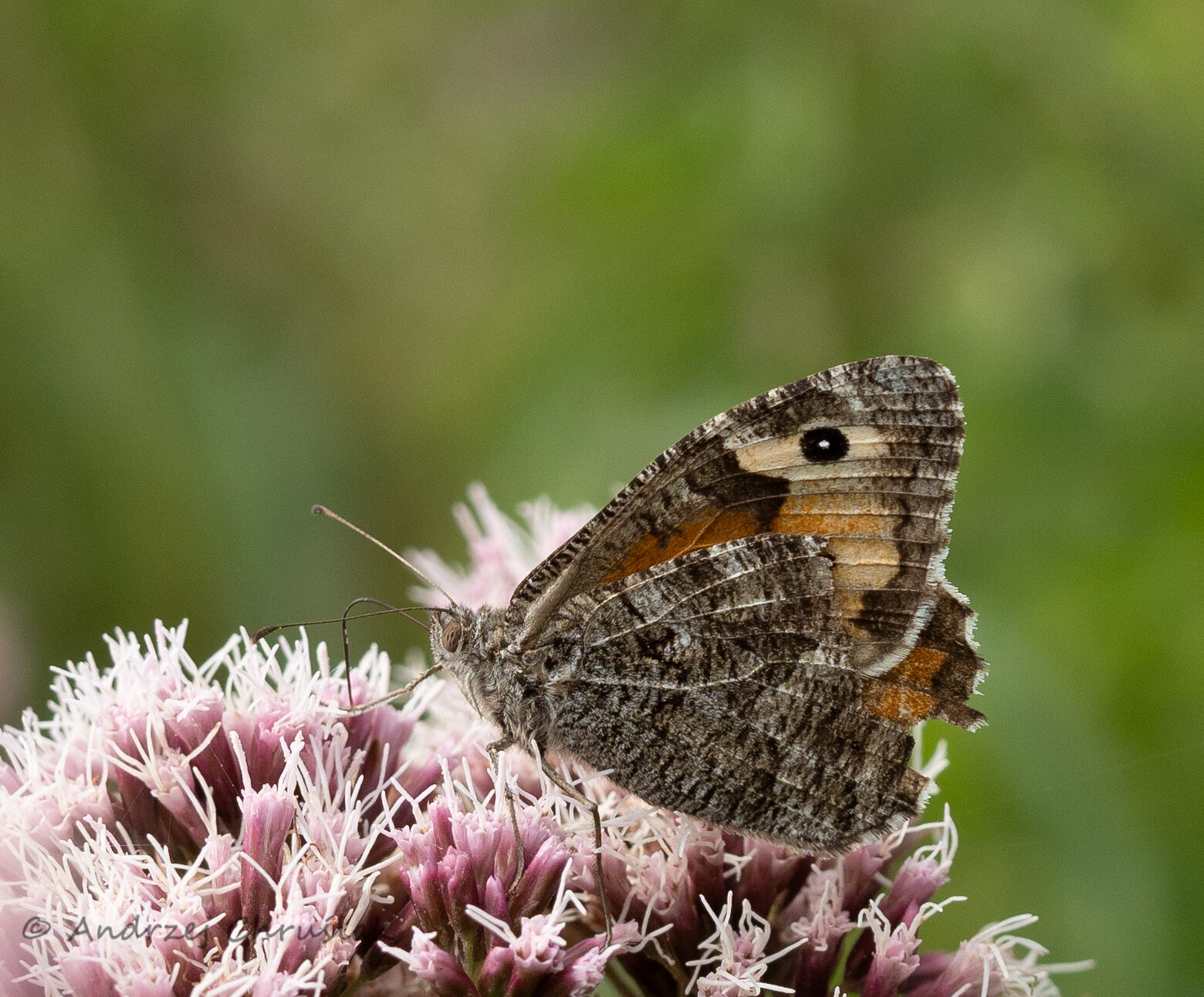
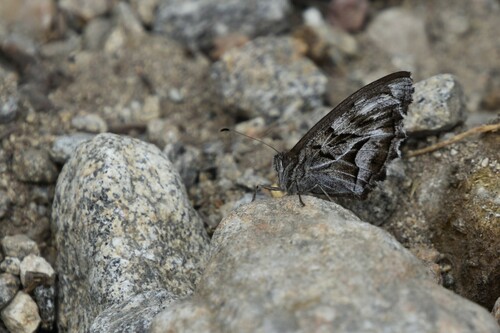
Grayling
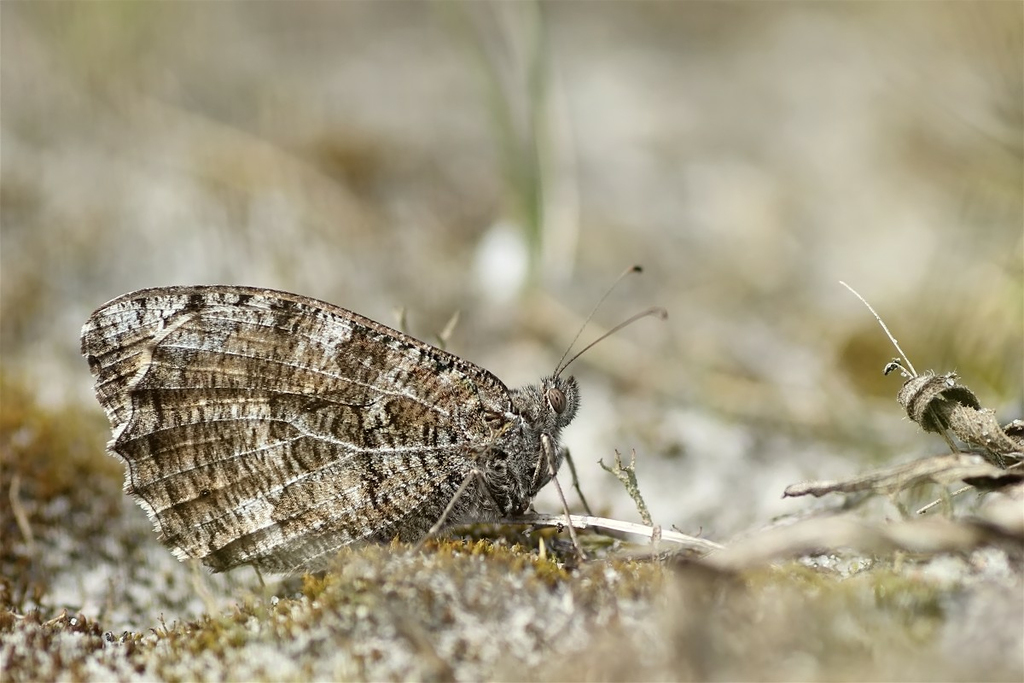
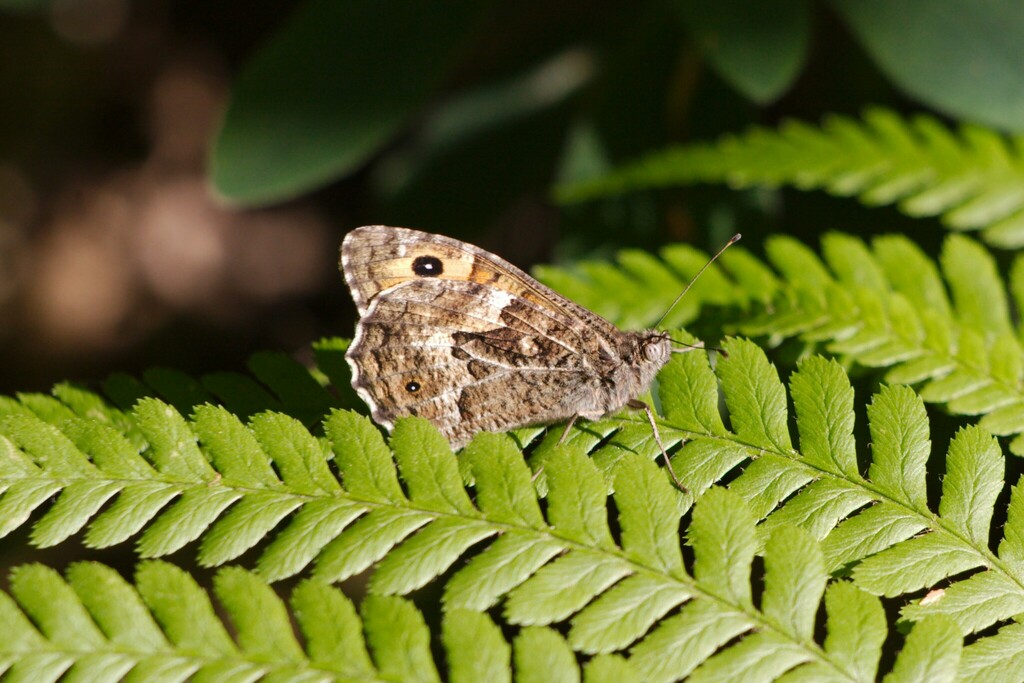
Hipparchia semele
- Status
- IUCN Red List
- Eats
- wood bluegrass, bearded couch, hyssop and 150 more
- Eaten by
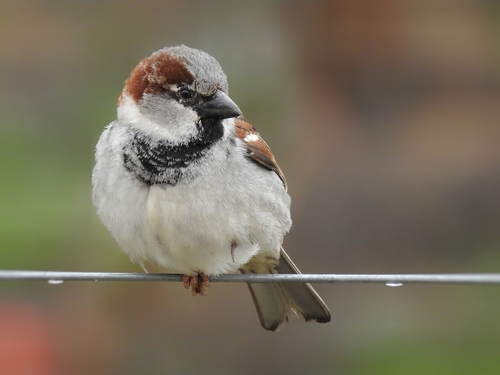
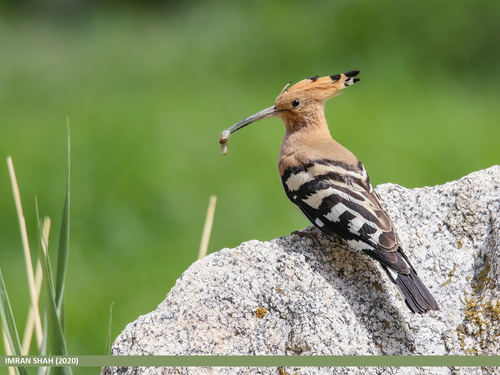
- house sparrow, Eurasian magpie, Eurasian hoopoe
- Where
- 35 countries
People have shared 8,759 records of the grayling with GBIF, from 35 countries, most of them from Spain, France and United Kingdom. Records collected by GloBI show it eating 153 different kinds of animals and plants, and being eaten by 97.
In the northern hemisphere, people record it most in July and least in February. It belongs to the genus Hipparchia in the family Nymphalidae.
What the grayling eats, and what eats it
Studies have recorded it eating 153 kinds of animals and plants, and 97 kinds of animals eating it. Tap any of them to follow the food chain.
- Plants 142
Eaten by
 Grayling

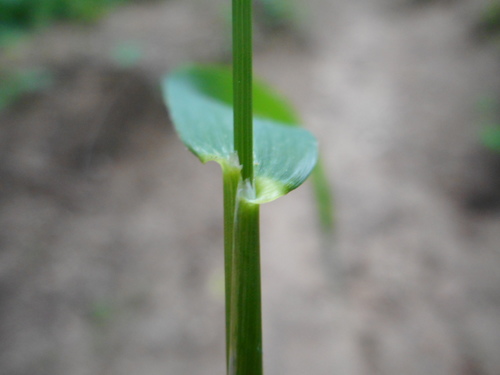
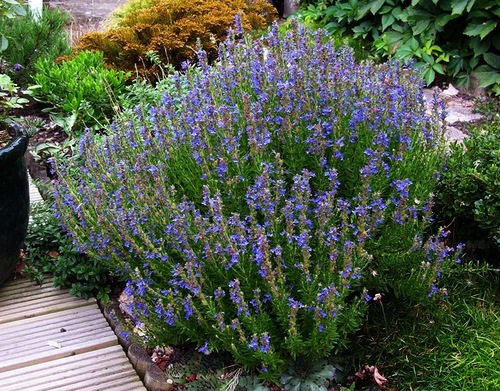
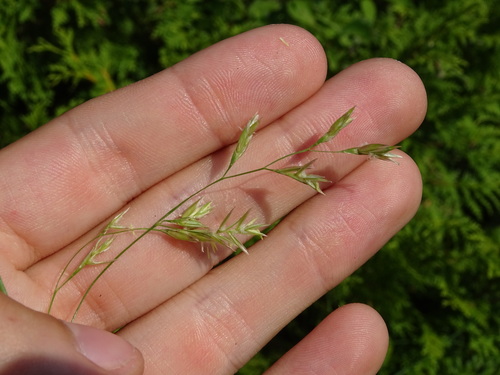


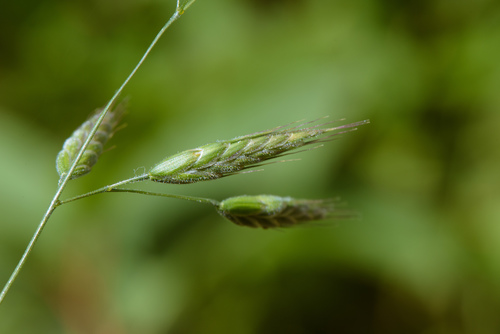
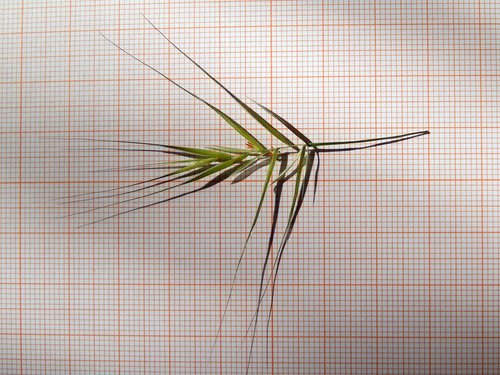
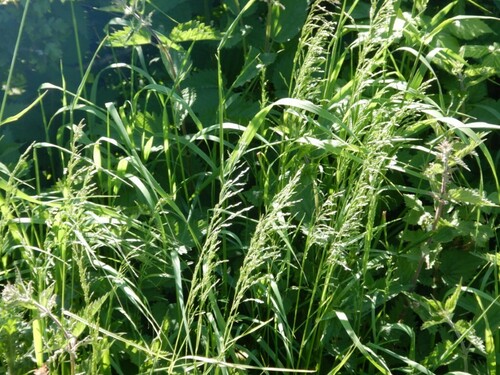
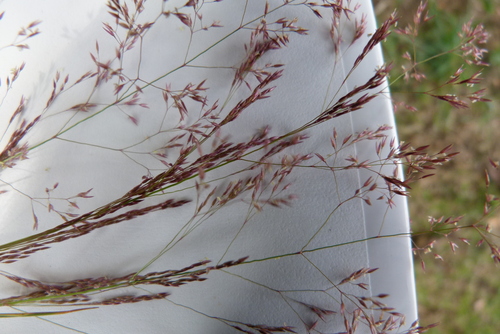
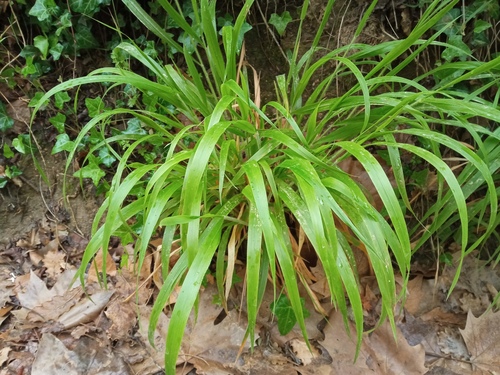
Records from studies worldwide, collected by GloBI. They include animals eaten as carrion, and they are not everything it eats in one place.
Where people see the grayling
People have shared 8,759 records from 35 countries.
Records show where people have seen it and shared it, not its full range. Country names open their page in Atlas.
When it is seen
Records per month in the northern hemisphere. More people outdoors also means more records.
Watch and listen
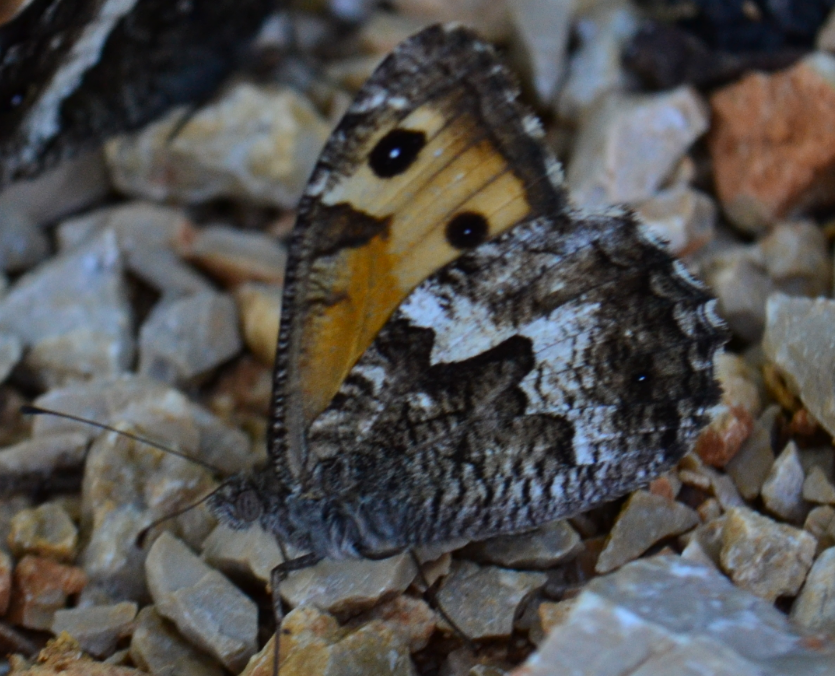
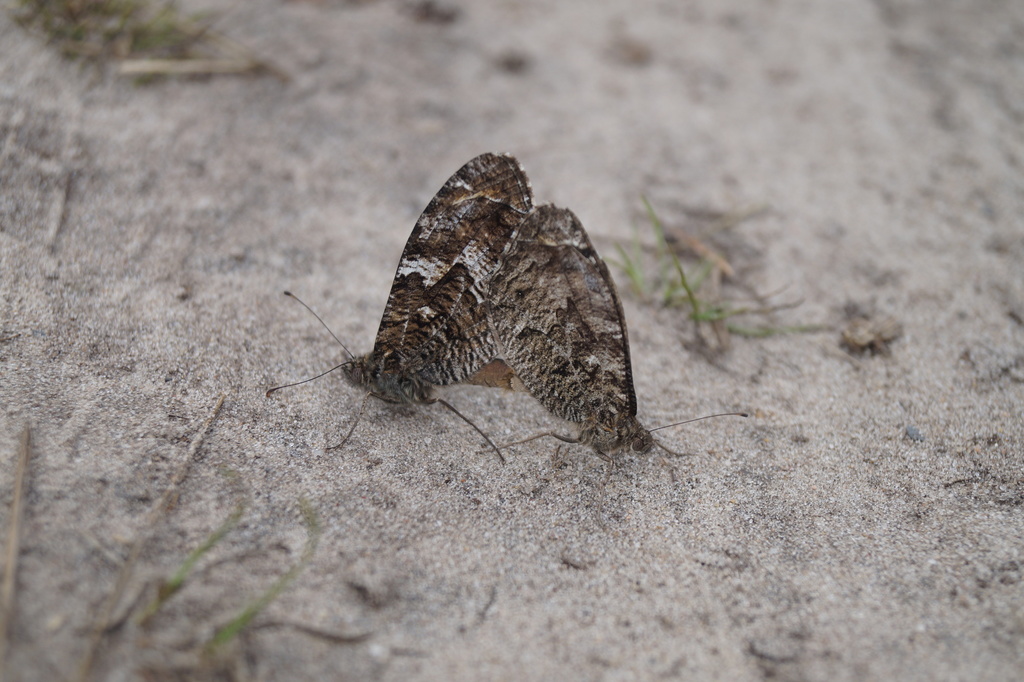
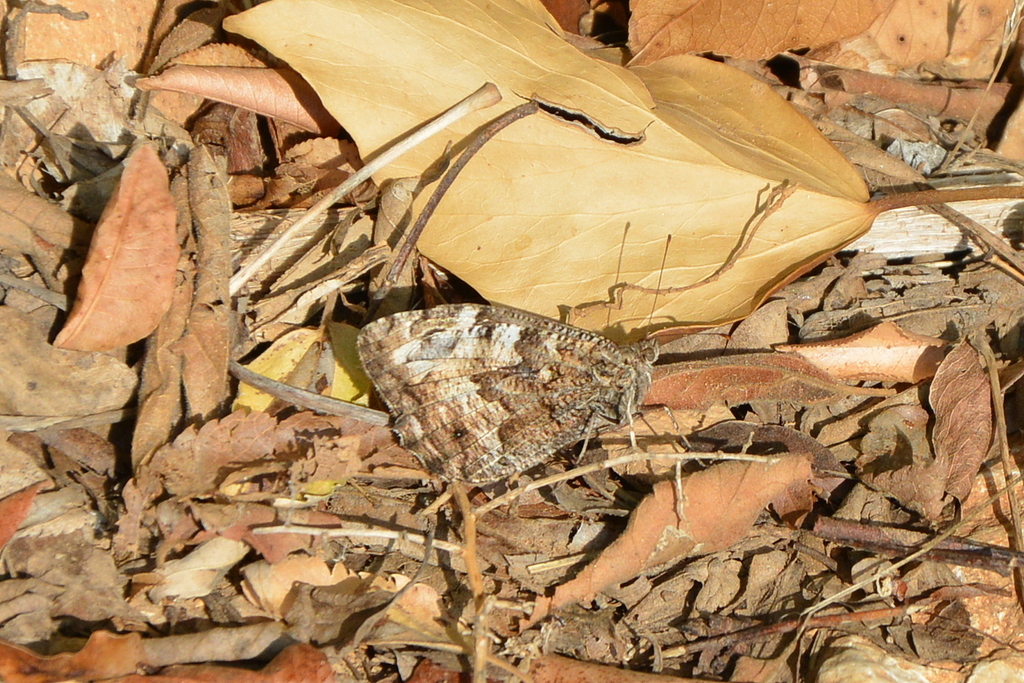
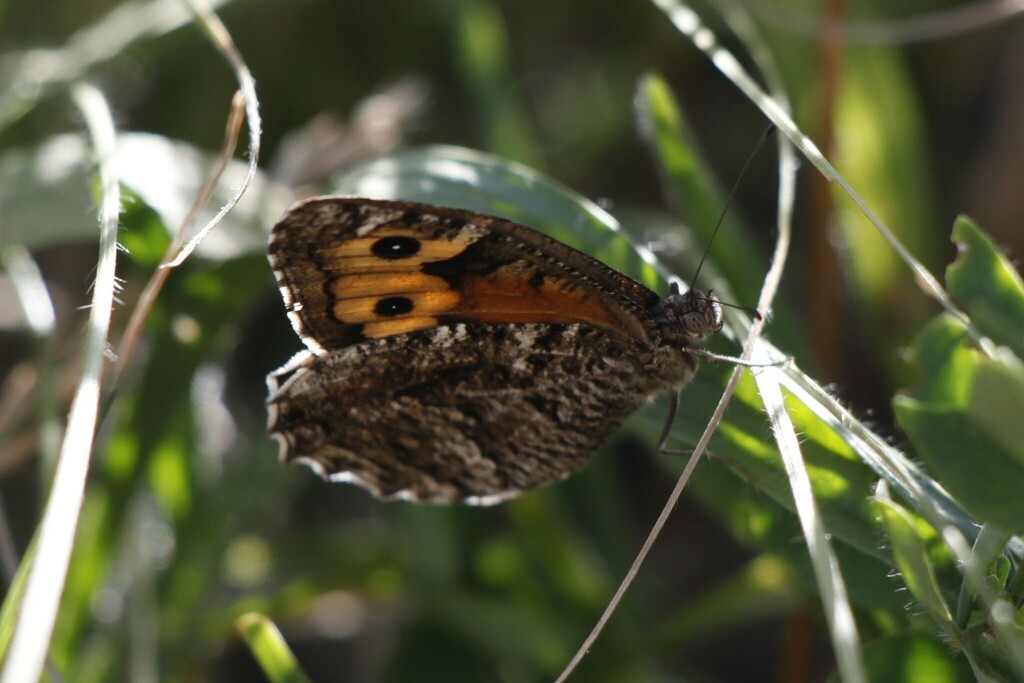
Its closest relatives
The other species of the genus Hipparchia.
Seen a grayling?
Share your photo on iNaturalist. Other naturalists help confirm it, and the record goes to GBIF, where scientists use it and where the maps on this page come from.
Put this species on your site
The card names every source and links back here.
<iframe src="https://4planetatlas.com/place/embed/species/grayling" title="Grayling (Hipparchia semele), 4PLANET Species" width="100%" height="600" style="border:0;max-width:640px" loading="lazy"></iframe>
<p><a href="https://4species.com/grayling">Grayling on 4PLANET Species</a></p>Questions people ask
What does the grayling eat?
The grayling has been recorded eating 153 different kinds of animals and plants, most of them plants. The ones recorded most often are wood bluegrass, bearded couch, hyssop, grass and drooping brome; records include animals eaten as carrion. Source: GloBI.
What eats the grayling?
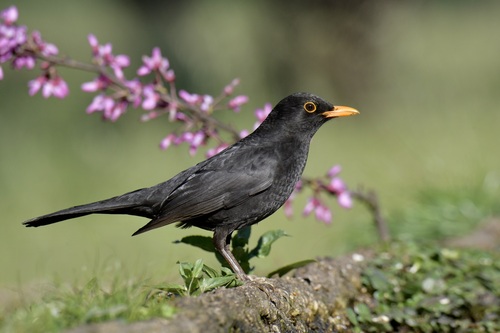
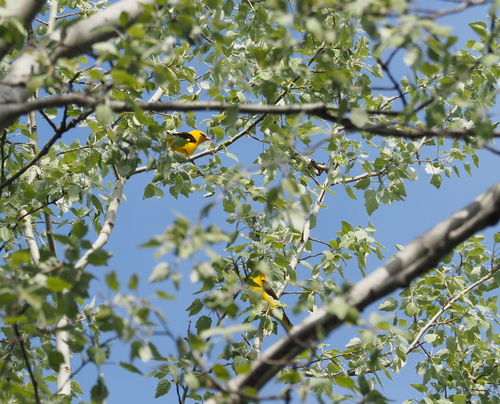
Recorded predators include house sparrow, eurasian magpie, eurasian hoopoe, common blackbird and eurasian golden oriole. Source: GloBI.
Where does the grayling live?
People have recorded it in 35 countries; the most records come from Spain, France, United Kingdom, Italy and Sweden. Records show where people have seen it, not its full range.
When is the grayling seen most?
In the northern hemisphere, the most records are made in July and the fewest in February. More people outdoors also means more records.
What are the grayling's closest relatives?
It shares the genus Hipparchia with hipparchiafubcc bb.
Sources and photo credits
- GBIF · Hipparchia semele, 8,759 human observations
- GloBI · recorded interactions of Hipparchia semele
- Grayling (Hipparchia semele): Andrzej Chruślak, CC BY 4.0
- Grayling (Hipparchia semele), Vorpommern-Rügen, Mecklenburg-Vorpommern, Deutschland: Anja J., CC BY 4.0
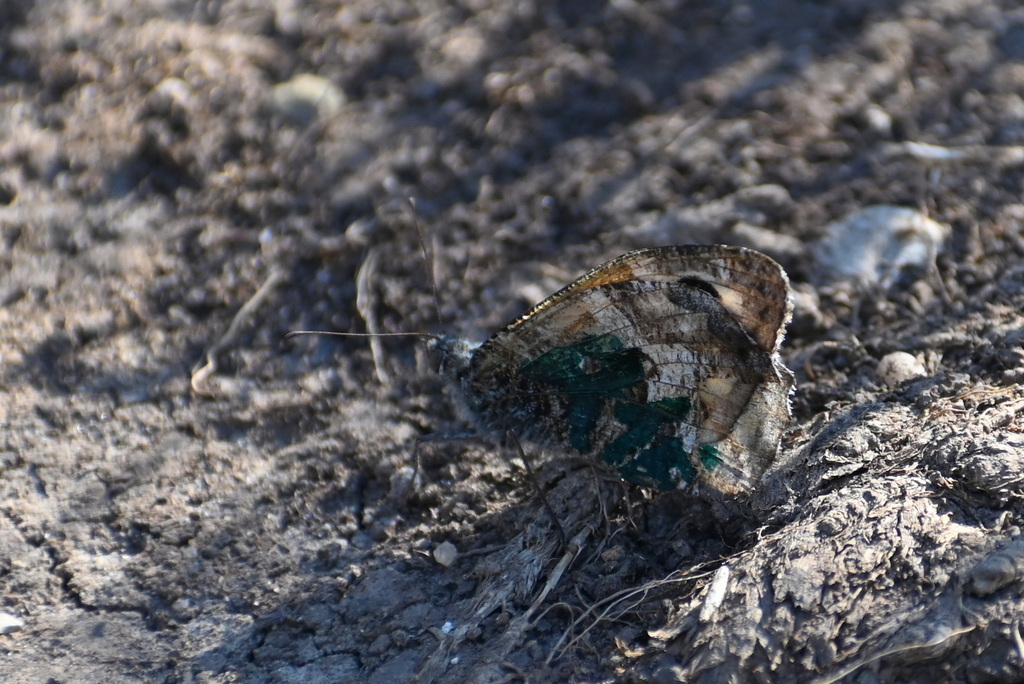
- Grayling (Hipparchia semele), 79356 Eichstetten am Kaiserstuhl, Deutschland: Patrick Meurin, CC BY 4.0
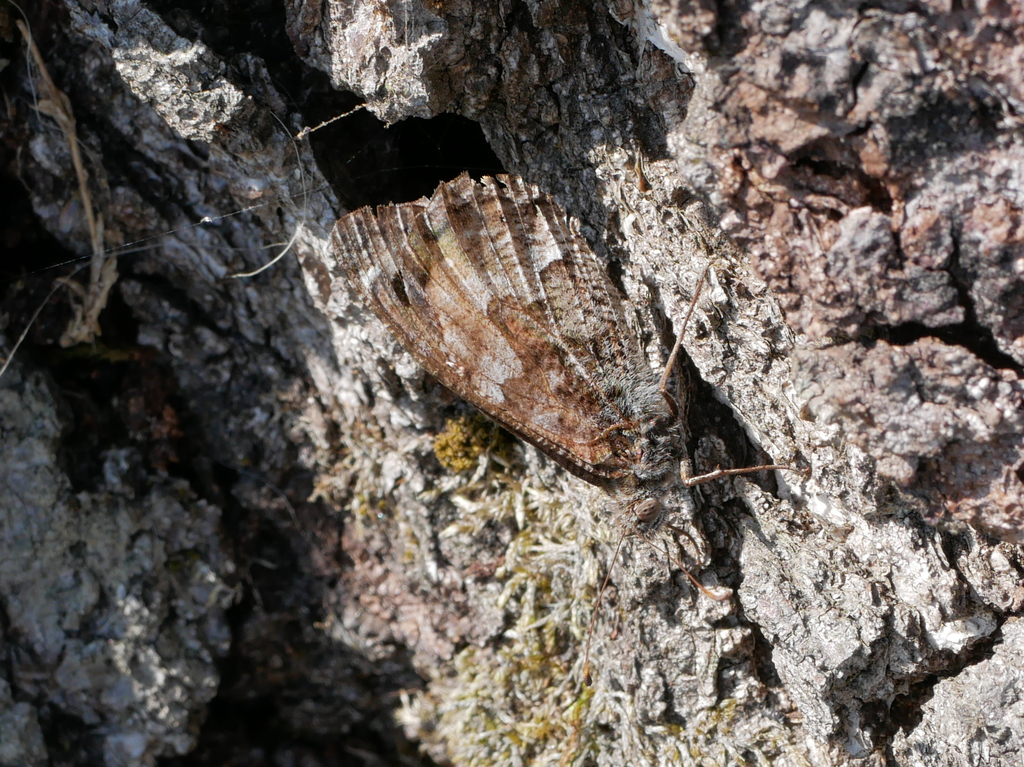
- Grayling (Hipparchia semele), Praha 5, Česko: Pavel Kacl, CC BY 4.0
- Grayling (Hipparchia semele), 29646 Bispingen, Deutschland: Christian Kahle, CC0
- Grayling (Hipparchia semele), Soline, Croatia: Marino Linić, CC0
- Grayling (Hipparchia semele), Hoenderloo, Nederland: Lars Willighagen, CC BY 4.0
- Grayling (Hipparchia semele), Rupe, Skradin, Chorvatsko: Pavel Kacl, CC BY 4.0
- Grayling (Hipparchia semele), 79235 Vogtsburg im Kaiserstuhl, Deutschland: Patrick Meurin, CC BY 4.0
- Wood bluegrass: Douglas Goldman, CC BY-SA 4.0
- Bearded couch: Eugene Popov, CC BY 4.0
- Hyssop: peganum, CC BY-SA 4.0
- Grass: Reuven Martin, CC0
- Drooping brome: Alexis Tinker-Tsavalas, CC BY 4.0
- Wood small-reed: Andreas Rockstein, CC BY-SA 4.0
- Soft brome: Cheng-Tao Lin, CC BY 4.0
- Barren brome: Luca Fornasari, CC BY 4.0
- Rough bluegrass: pete_gateley, CC0
- Colonial bentgrass: Colin Meurk, CC BY-SA 4.0
- False brome: Josep Gesti, CC BY-SA 4.0
- House sparrow: Esteban Poveda, CC BY 4.0
- Eurasian hoopoe: Birds of Gilgit-Baltistan, CC BY-SA 4.0
- Common blackbird: Luiz Lapa, CC BY 4.0
- Eurasian golden oriole: carnifex, CC BY 4.0
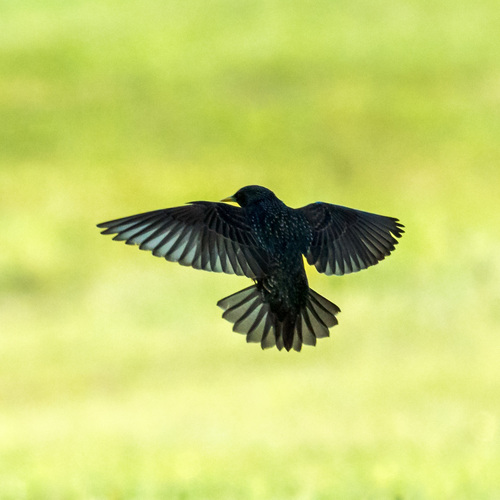
- Common starling: Shiva Shenoy, CC BY 4.0
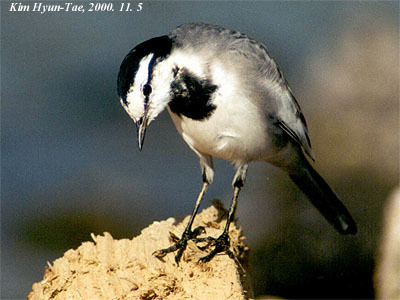
- White wagtail: Kim, Hyun-tae, CC BY 4.0
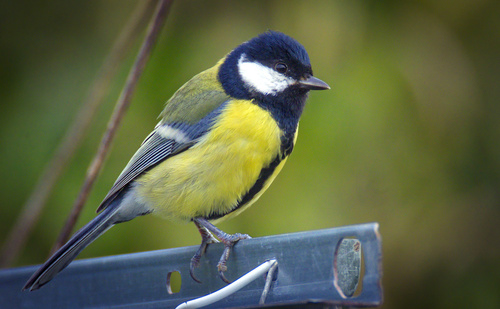
- Great tit: hedera.baltica, CC BY-SA 4.0
- Hipparchiafubcc bb: Tristo, CC BY 4.0
Records show where people have seen and shared the grayling, not its full range, and some countries and months are recorded far more than others. The food web lists interactions that studies have recorded somewhere in the world (GloBI), not everything it eats in one place.
Checked 2026-11-27.