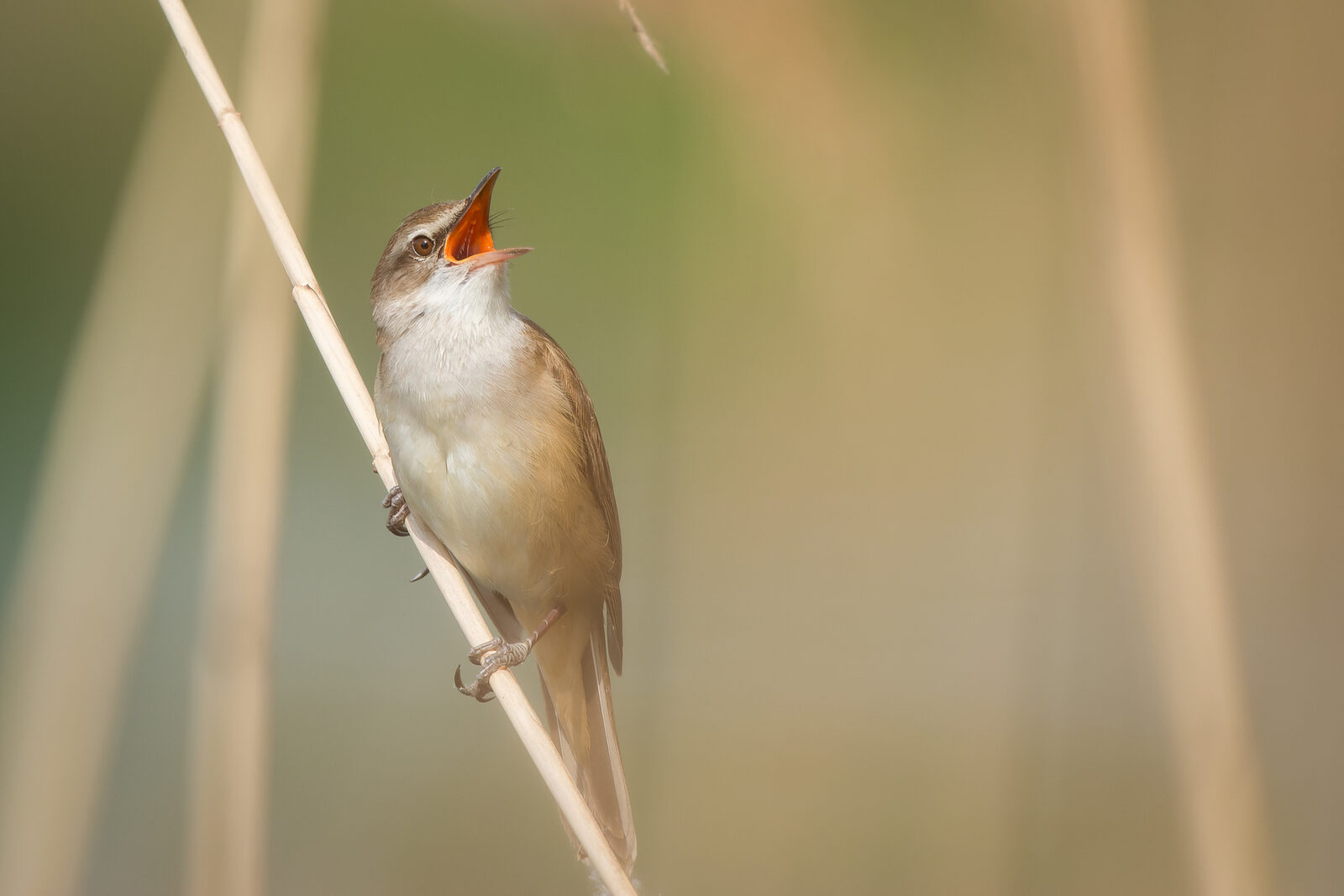
Great reed warbler
Acrocephalus arundinaceus
- Status
- Least Concern IUCN Red List
- Eats
- common frog, marsh frog, edible frog and 2,617 more
- Eaten by
- grey wolf, red fox, common cuckoo
- Where
- 107 countries
On 4Planet Atlas it is among the wildlife people record most around Ankara, Astana and Athens, and 33 more of the cities we cover.
People have shared 180,851 records of the great reed warbler with GBIF, from 107 countries, most of them from Spain, Poland and Germany. Records collected by GloBI show it eating 2,620 different kinds of animals and plants, and being eaten by 33.
What the great reed warbler eats, and what eats it
Studies have recorded it eating 2,620 kinds of animals and plants, and 33 kinds of animals eating it. Tap any of them to follow the food chain.
- Insects 1,986
- Amphibians 27
- Crustaceans 5
- Snails and slugs 4
- Plants 1
- Birds 1
Eaten by


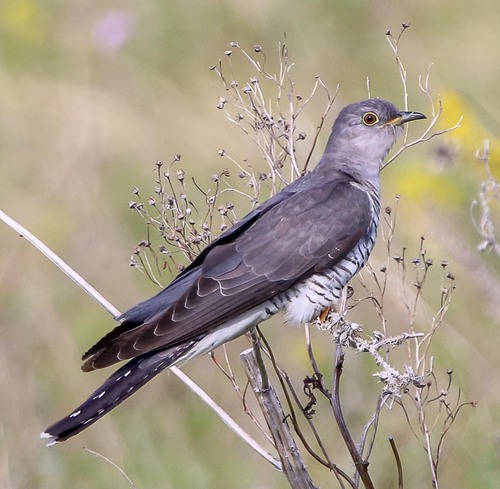

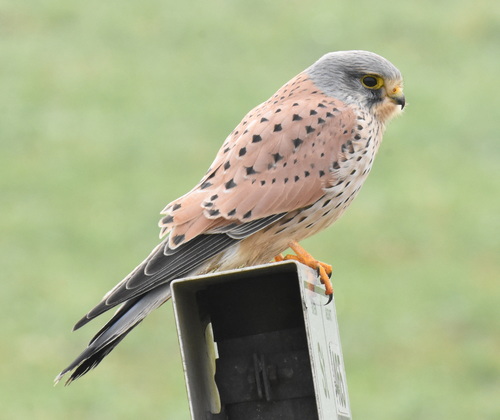
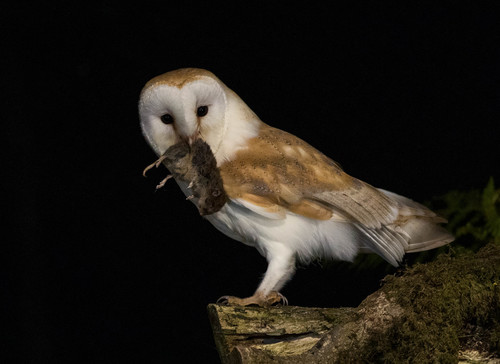 Great reed warbler
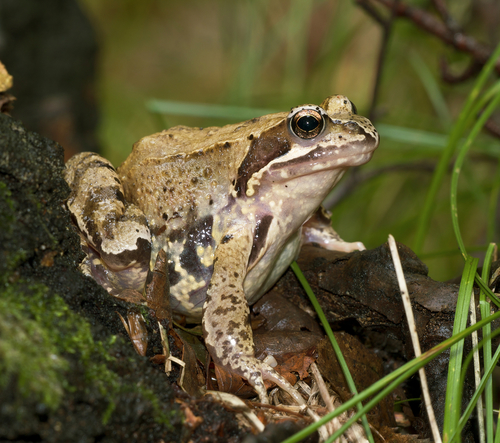

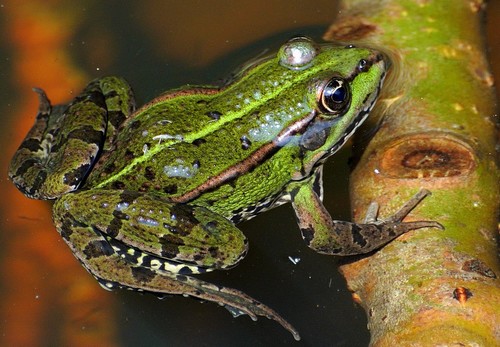

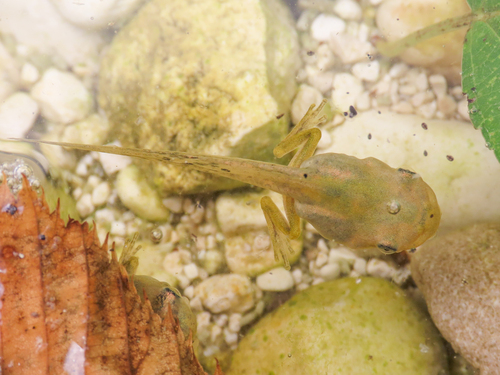
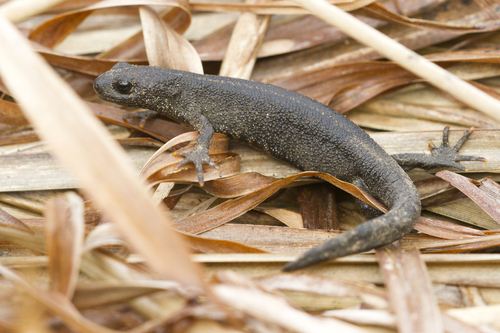
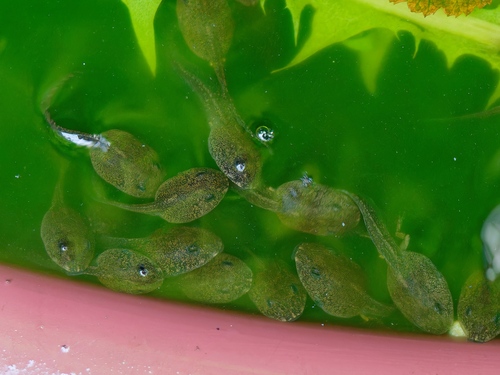
Records from studies worldwide, collected by GloBI. They include animals eaten as carrion, and they are not everything it eats in one place.
Where people see the great reed warbler
People have shared 180,851 records from 107 countries.
Near a city: Ankara, Astana, Athens, Baku, Beirut, Belgrade, Berlin, Bern, Bratislava, Bucharest, Budapest, Chișinău, Damascus, Kuwait City, Kyiv, Lisbon, Ljubljana, Madrid, Minsk, Podgorica, Prague, Pristina, Riga, Riyadh, Sarajevo, Skopje, Sofia, Tallinn, Tbilisi, Tehran, Tirana, Valletta, Vilnius, Warsaw, Yerevan, Zagreb.
Records show where people have seen it and shared it, not its full range. Country names open their page in Atlas.
When it is seen
Records per month in the northern hemisphere. More people outdoors also means more records.
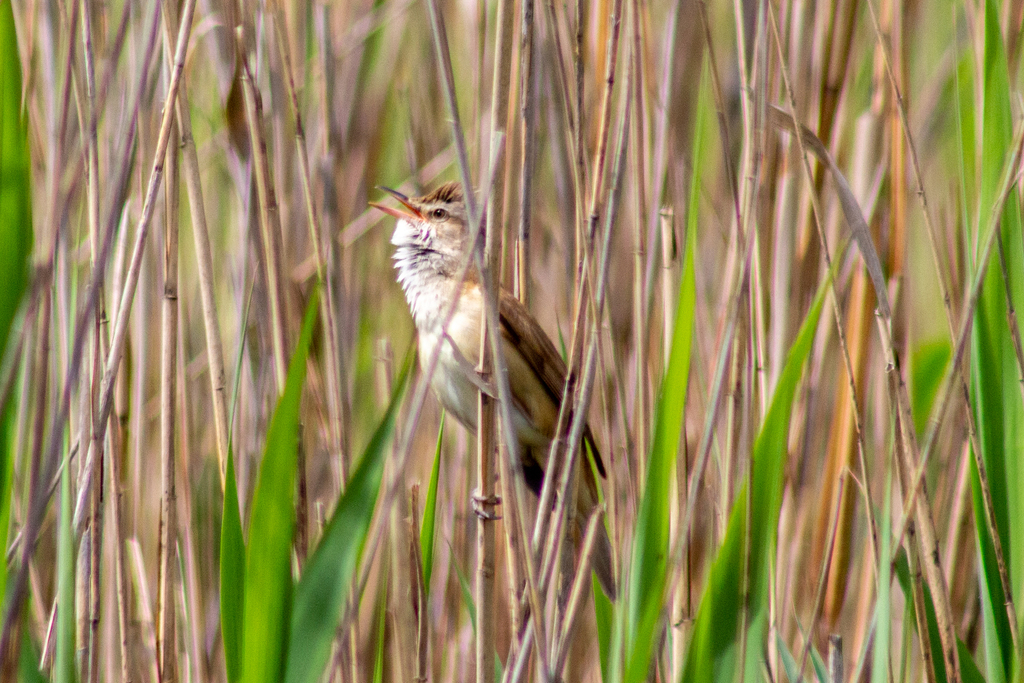
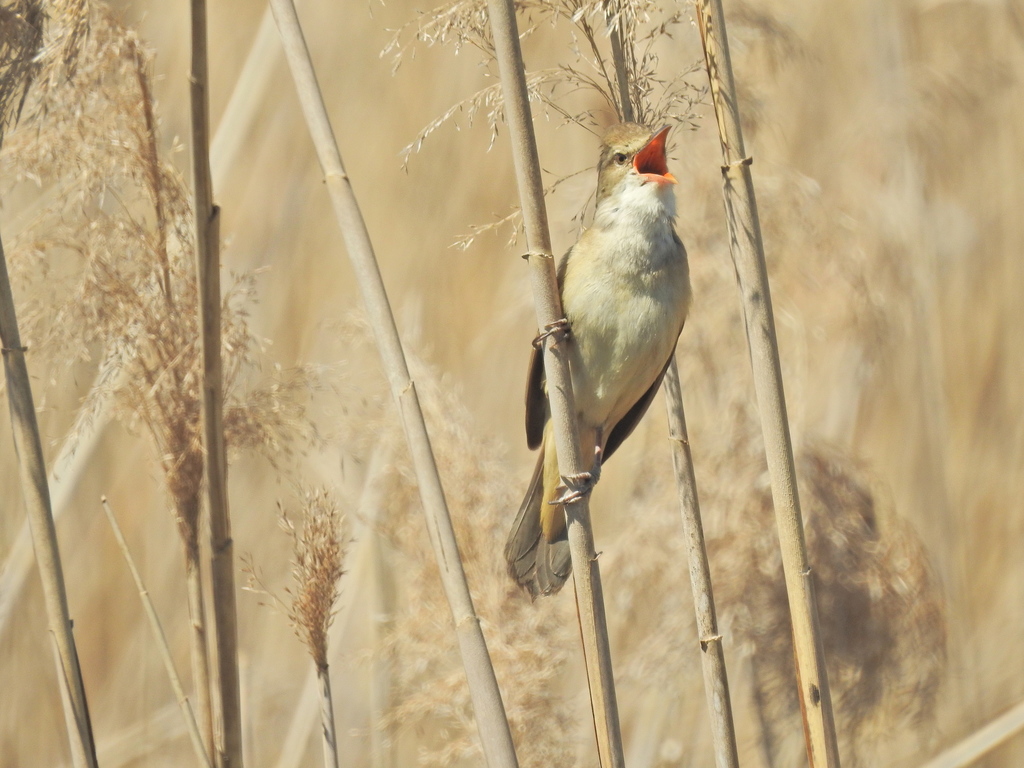
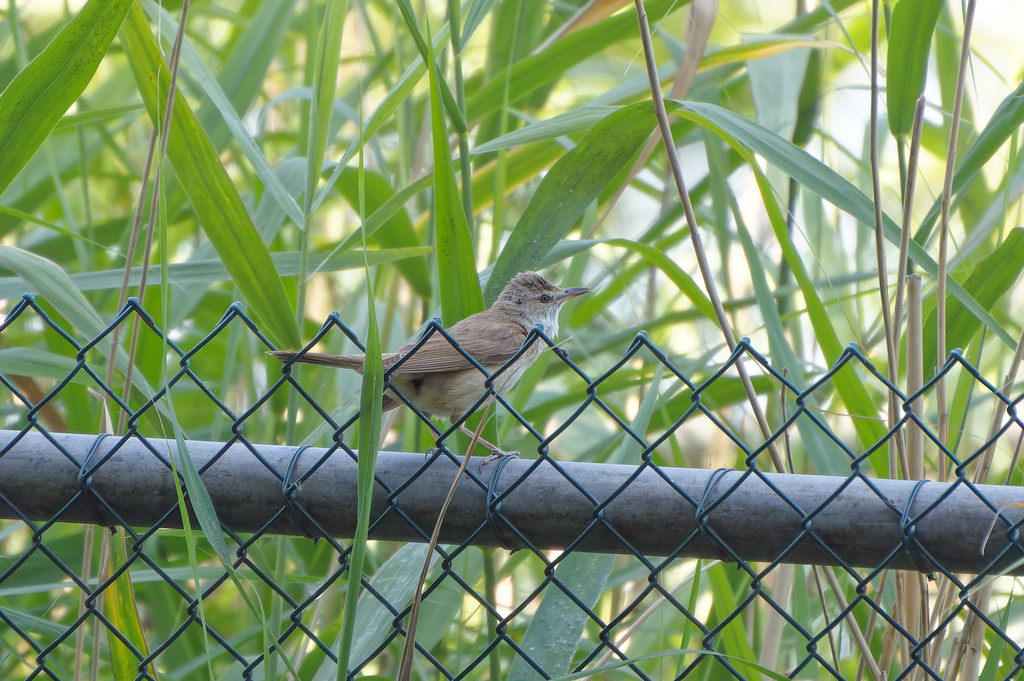
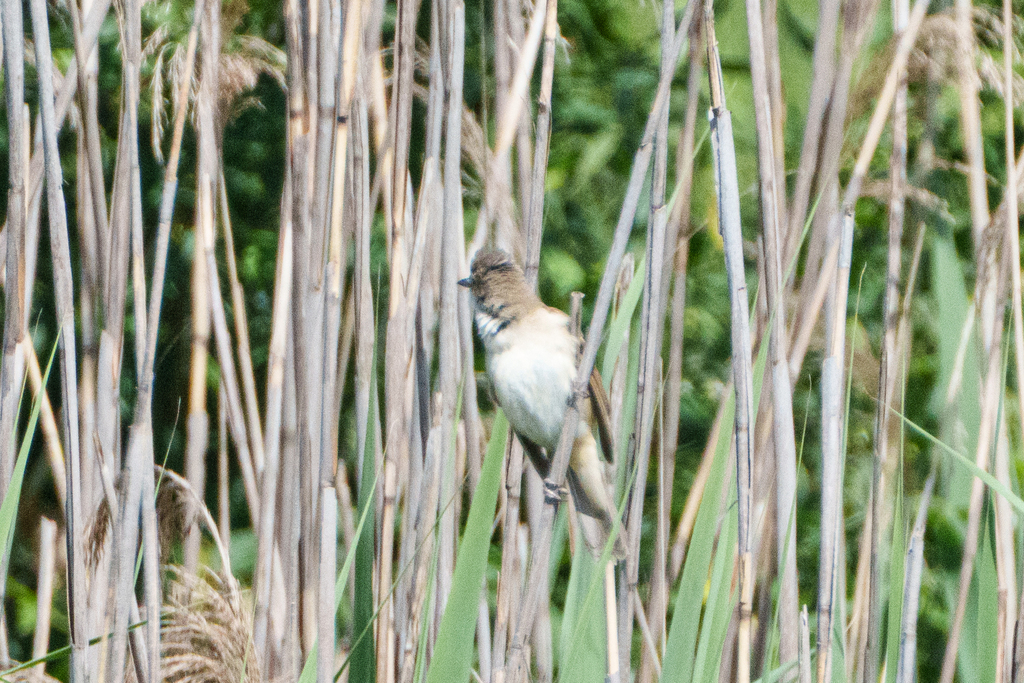
Watch and listen
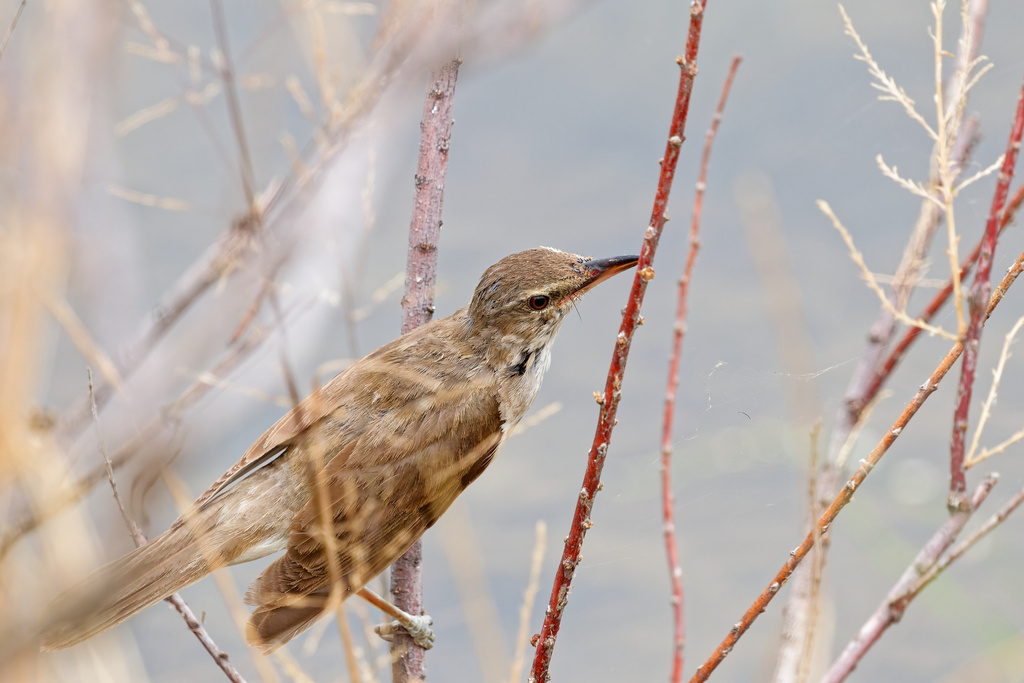
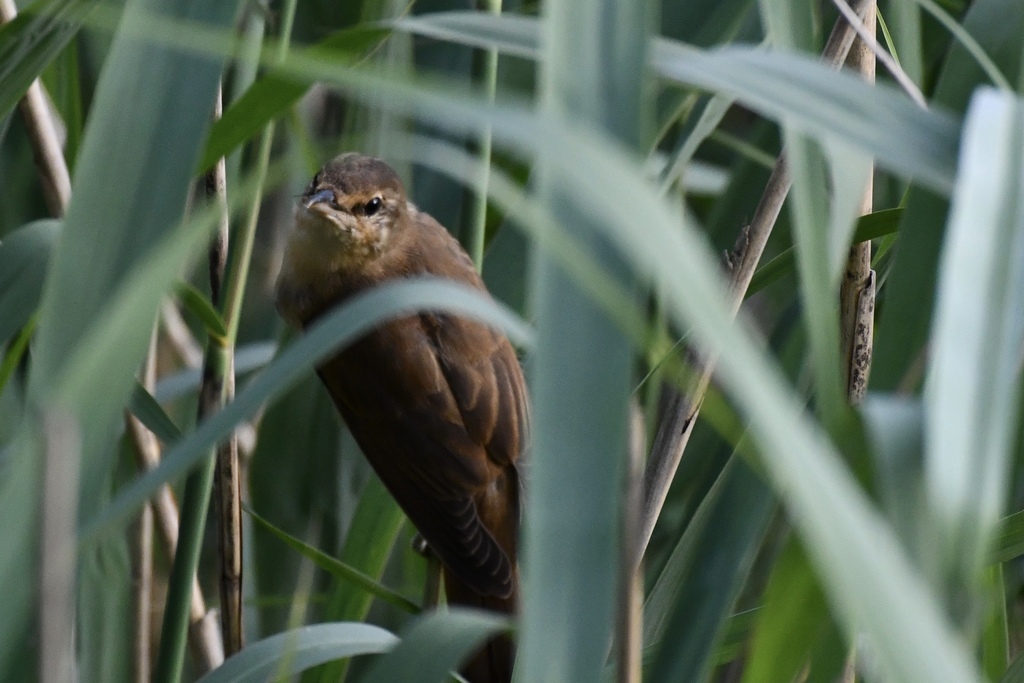
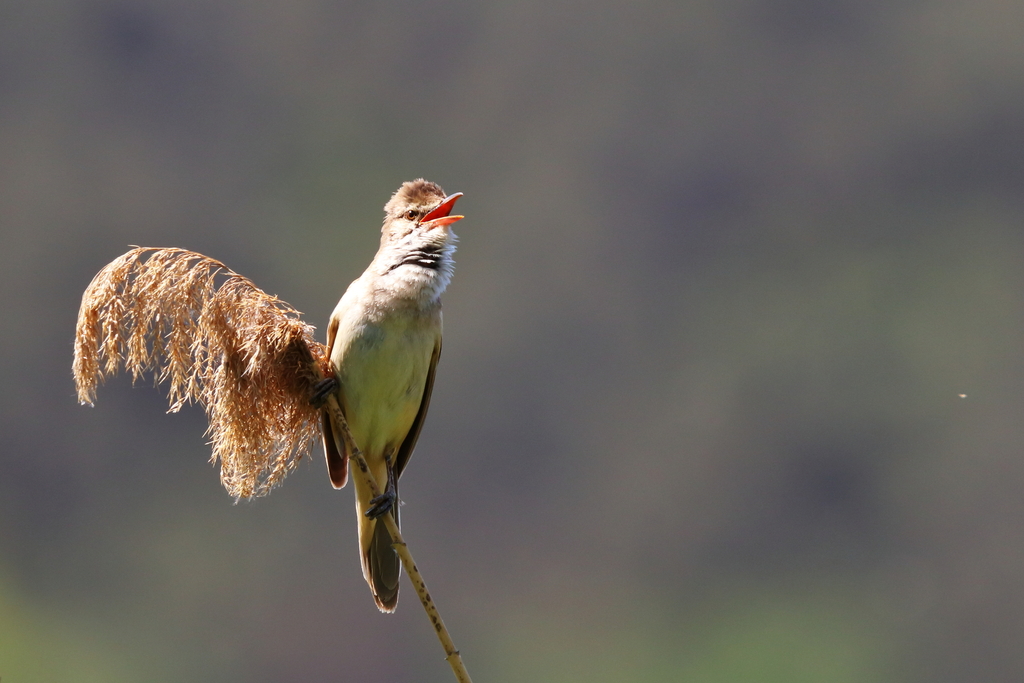
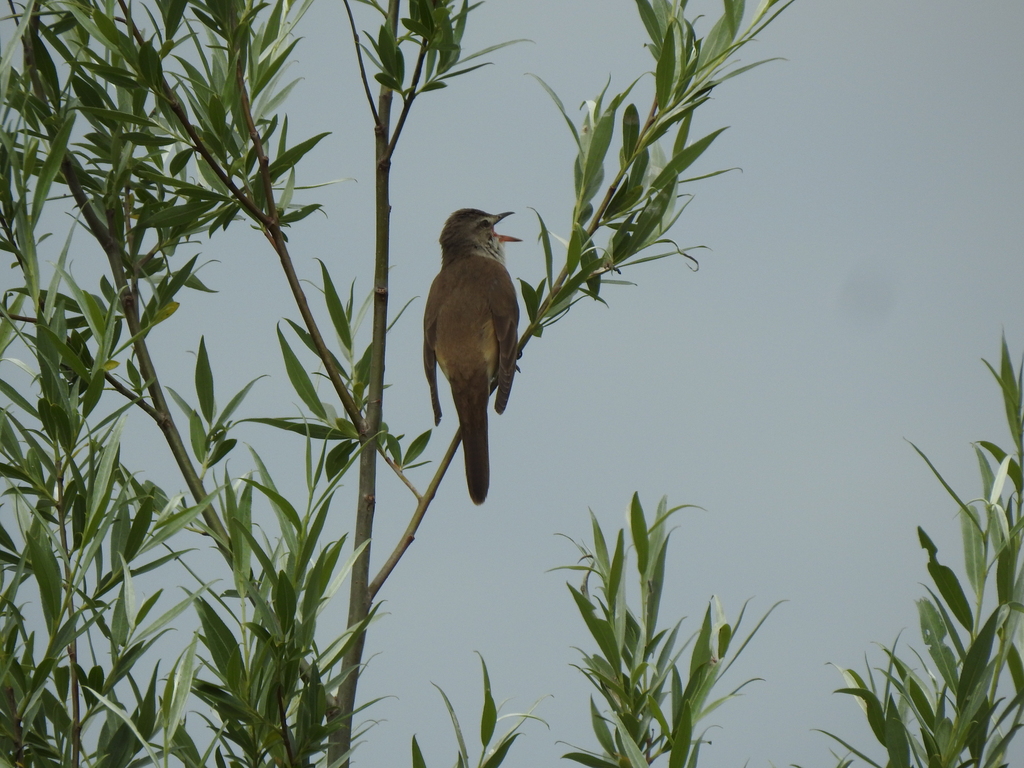
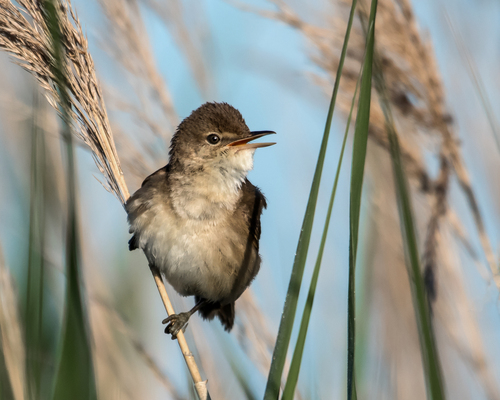
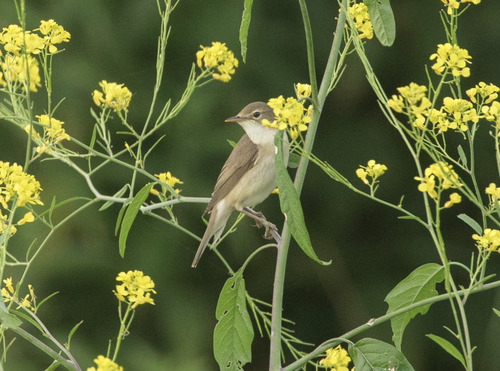
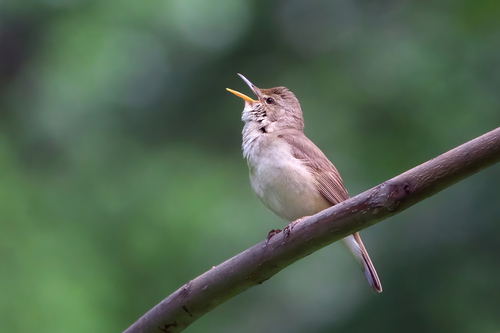
Its closest relatives
The other species of the genus Acrocephalus.
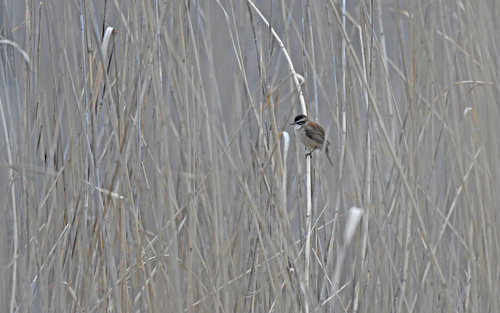
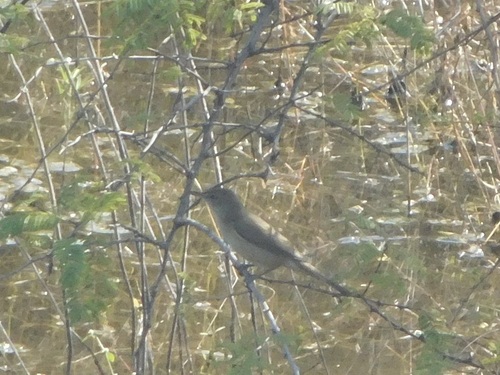


Seen a great reed warbler?
Share your photo on iNaturalist. Other naturalists help confirm it, and the record goes to GBIF, where scientists use it and where the maps on this page come from.
Put this species on your site
The card names every source and links back here.
<iframe src="https://4planetatlas.com/place/embed/species/great-reed-warbler" title="Great reed warbler (Acrocephalus arundinaceus), 4PLANET Species" width="100%" height="600" style="border:0;max-width:640px" loading="lazy"></iframe>
<p><a href="https://4species.com/great-reed-warbler">Great reed warbler on 4PLANET Species</a></p>Questions people ask
What does the great reed warbler eat?
The great reed warbler has been recorded eating 2,620 different kinds of animals and plants, most of them insects, amphibians, crustaceans and snails and slugs. The ones recorded most often are common frog, marsh frog, edible frog, agile frog and italian tree frog; records include animals eaten as carrion. Source: GloBI.
What eats the great reed warbler?
Recorded predators include grey wolf, red fox, common cuckoo, eurasian eagle-owl and eurasian sparrowhawk. Source: GloBI.
Where does the great reed warbler live?
People have recorded it in 107 countries; the most records come from Spain, Poland, Germany, Israel and Czech Republic. Records show where people have seen it, not its full range.
When is the great reed warbler seen most?
In the northern hemisphere, the most records are made in May and the fewest in December. More people outdoors also means more records.
What are the great reed warbler's closest relatives?
It shares the genus Acrocephalus with eurasian reed warbler, marsh warbler, blyth’s reed warbler, moustached warbler and clamorous reed warbler.
Sources and photo credits
- GBIF · Acrocephalus arundinaceus, 180,851 human observations
- GloBI · recorded interactions of Acrocephalus arundinaceus
- Wikidata · Great reed warbler (Q180835)
- Great reed warbler (Acrocephalus arundinaceus): Tomas Broucek, CC BY 4.0
- Great reed warbler (Acrocephalus arundinaceus), Gardabani Municipality, Georgia: Donsky, CC BY 4.0
- Great reed warbler (Acrocephalus arundinaceus), Remerschen : rober025, CC BY 4.0
- Great reed warbler (Acrocephalus arundinaceus), Vake-Saburtalo, Tbilisi, Georgia: Donsky, CC BY 4.0
- Great reed warbler (Acrocephalus arundinaceus), Сельмаш, Гомель, Беларусь: ognevit, CC BY 4.0
- Great reed warbler (Acrocephalus arundinaceus), Ghimbav, Rumänien: xulescu_g, CC BY-SA 4.0
- Great reed warbler (Acrocephalus arundinaceus), Arrondissement de Treptow-Köpenick, Berlin, Allemagne: Donald Davesne, CC BY 4.0
- Great reed warbler (Acrocephalus arundinaceus), Gudžionys, Trakų r. sav., Lietuva: Kristupas, CC BY 4.0
- Great reed warbler (Acrocephalus arundinaceus), Salzburg-Umgebung, Österreich: Hannes Oberreiter, CC BY 4.0
- Common frog: Jörg Hempel, CC BY-SA 4.0
- Marsh frog: Petra & Wilfried, CC BY 4.0
- Edible frog: Luciano 95, CC BY 4.0
- Agile frog: Laurent Lebois, CC BY 4.0
- Italian tree frog: Emanuele Santarelli, CC BY-SA 4.0
- Italian crested newt: Andrea Battisti, CC BY 4.0
- Italian agile frog: olrett, CC BY 4.0
- Grey wolf: Andrew Simon, CC BY 4.0
- Red fox: Алина Урусова, CC BY 4.0
- Common cuckoo: no rights reserved, uploaded by Юрий Носков, CC0
- Eurasian sparrowhawk: Stanislav Murashkin, CC BY 4.0
- Common kestrel: Thorsten Hackbarth, CC BY 4.0
- Western barn owl: john.purvis, CC BY 4.0
- Eurasian reed warbler: Alan Shearman, CC BY 4.0
- Marsh warbler: Paolo Zucca, CC BY 4.0
- Blyth’s reed warbler: Andrey Gulivanov, CC BY 4.0
- Moustached warbler: Christoph Moning, CC BY 4.0
- Clamorous reed warbler: Aryan K, CC BY 4.0
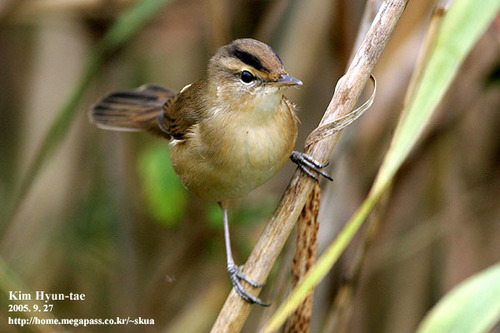
- Black-browed reed warbler: Kim, Hyun-tae, CC BY 4.0
- Blunt-winged warbler: J.M.Garg, CC BY-SA 4.0
- Basra reed warbler: no rights reserved, uploaded by Tero Linjama, CC0
Records show where people have seen and shared the great reed warbler, not its full range, and some countries and months are recorded far more than others. The food web lists interactions that studies have recorded somewhere in the world (GloBI), not everything it eats in one place.
Checked 2026-11-24.