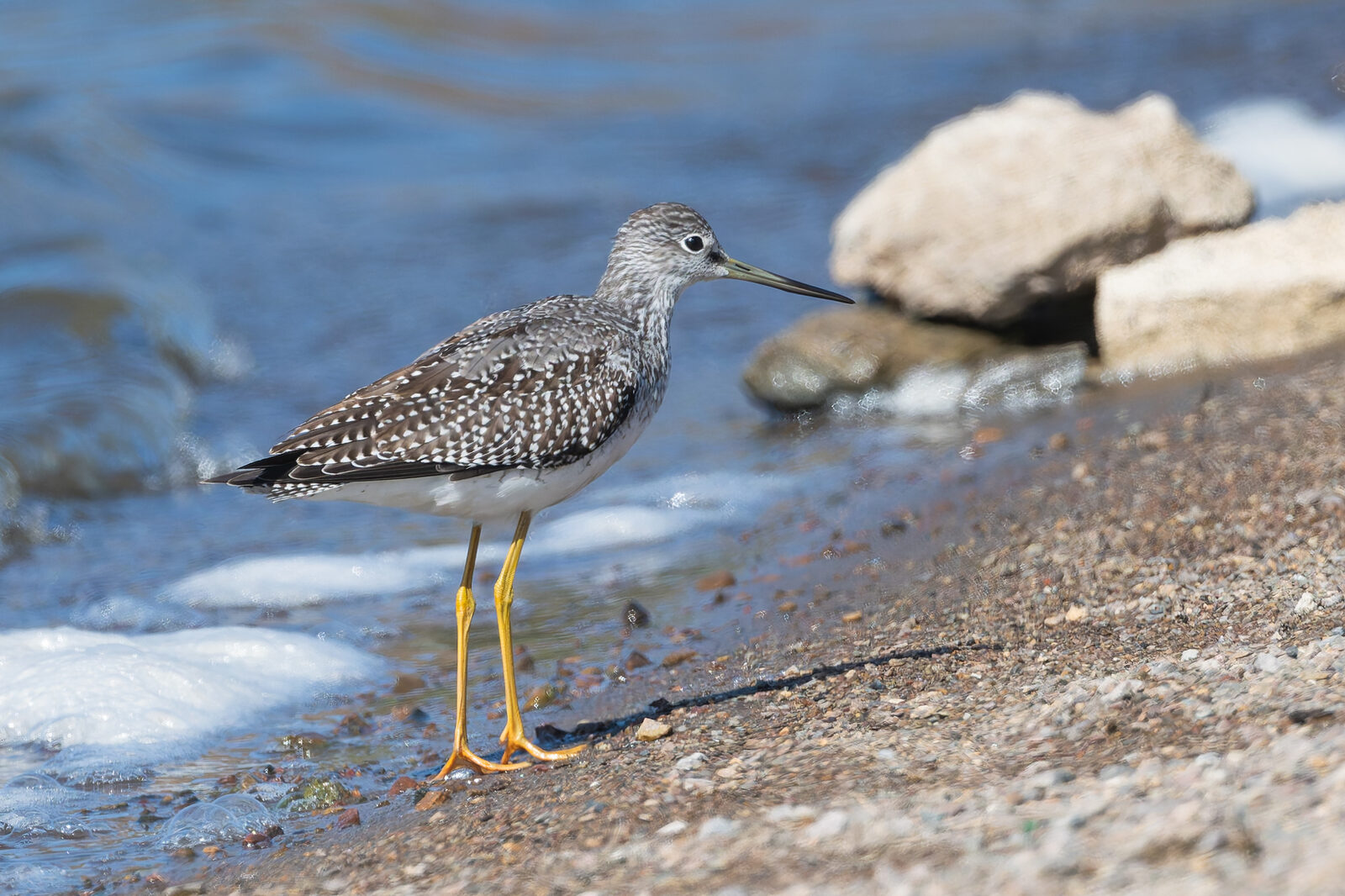
Greater yellowlegs
Tringa melanoleuca
- Status
- Near Threatened IUCN Red List
- Eats
- American eel, mummichog, three-spined stickleback and 37 more
- Where
- 69 countries
On 4Planet Atlas it is among the wildlife people record most around Basseterre, Bridgetown and Castries, and 21 more of the cities we cover.
People have shared 2,920,853 records of the greater yellowlegs with GBIF, from 69 countries, most of them from United States, Canada and Mexico. Records collected by GloBI show it eating 40 different kinds of animals and plants.
What the greater yellowlegs eats, and what eats it
Studies have recorded it eating 40 kinds of animals and plants. Tap any of them to follow the food chain.
- Fish 8
- Worms 6
- Snails and slugs 3
- Insects 3
- Crustaceans 2
- Amphibians 1
Greater yellowlegs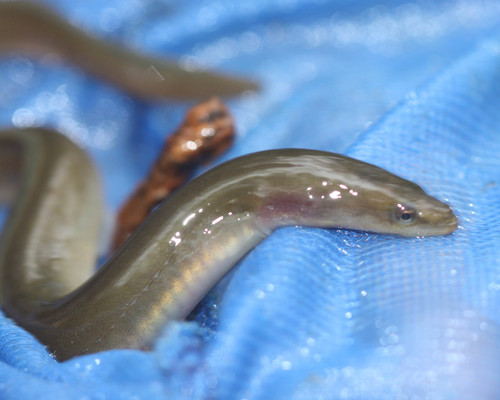
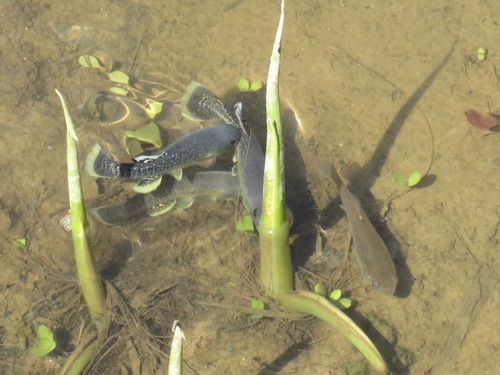

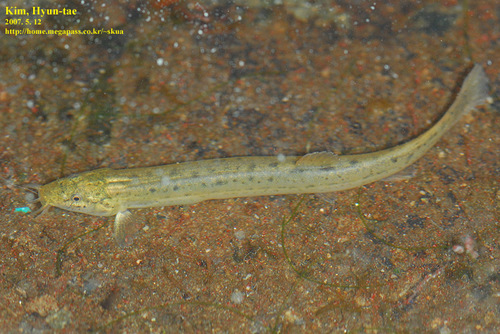
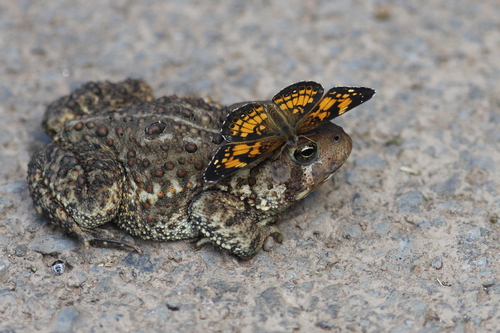
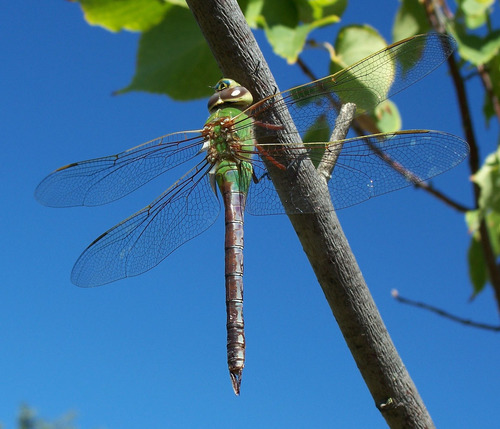
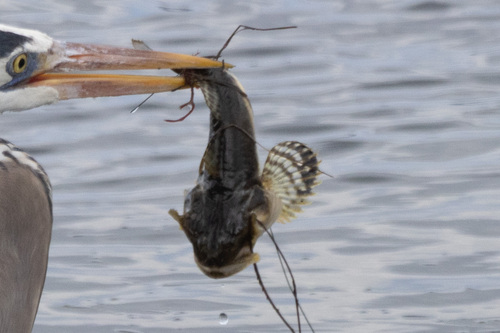
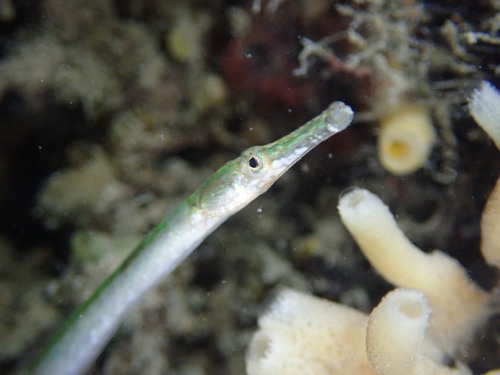
Records from studies worldwide, collected by GloBI. They include animals eaten as carrion, and they are not everything it eats in one place.
Where people see the greater yellowlegs
People have shared 2,920,853 records from 69 countries.
Near a city: Basseterre, Bridgetown, Castries, Georgetown, Havana, Kingston, Kingstown, Lima, Managua, Montevideo, Nassau, New York, Ottawa, Paramaribo, Port-au-Prince, Port of Spain, Reykjavík, Roseau, Santiago, Santo Domingo, St. George's, Toronto, Vancouver, Washington, D.C..
Records show where people have seen it and shared it, not its full range. Country names open their page in Atlas.
When it is seen
Records per month in the northern hemisphere. More people outdoors also means more records.
Watch and listen
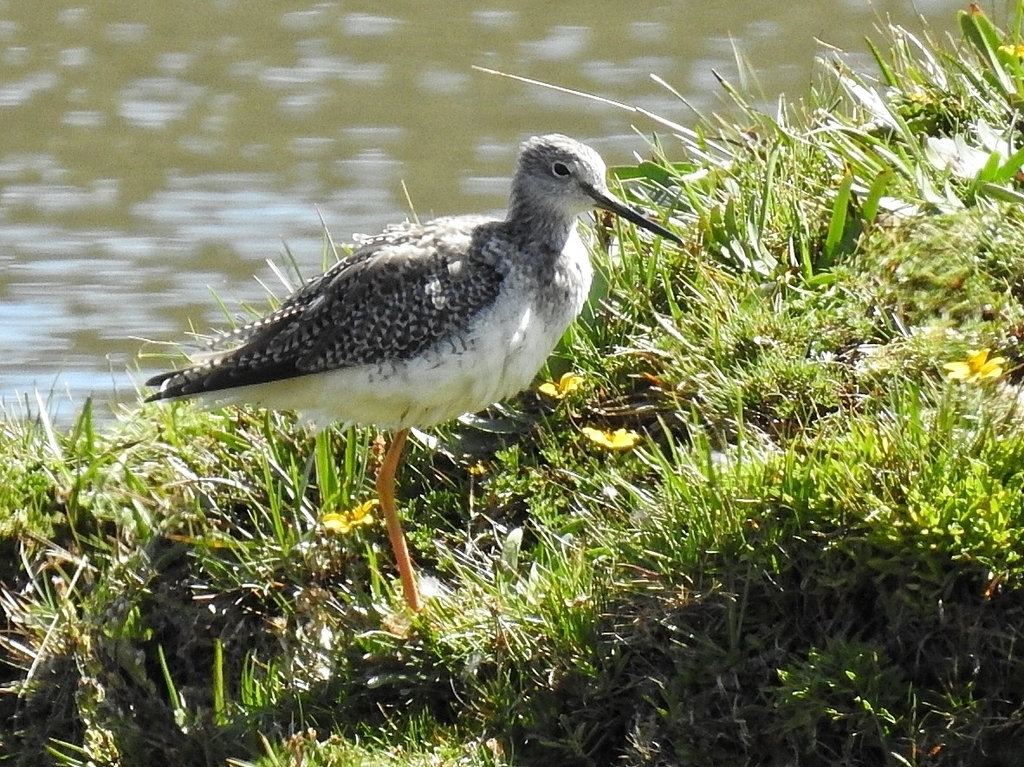
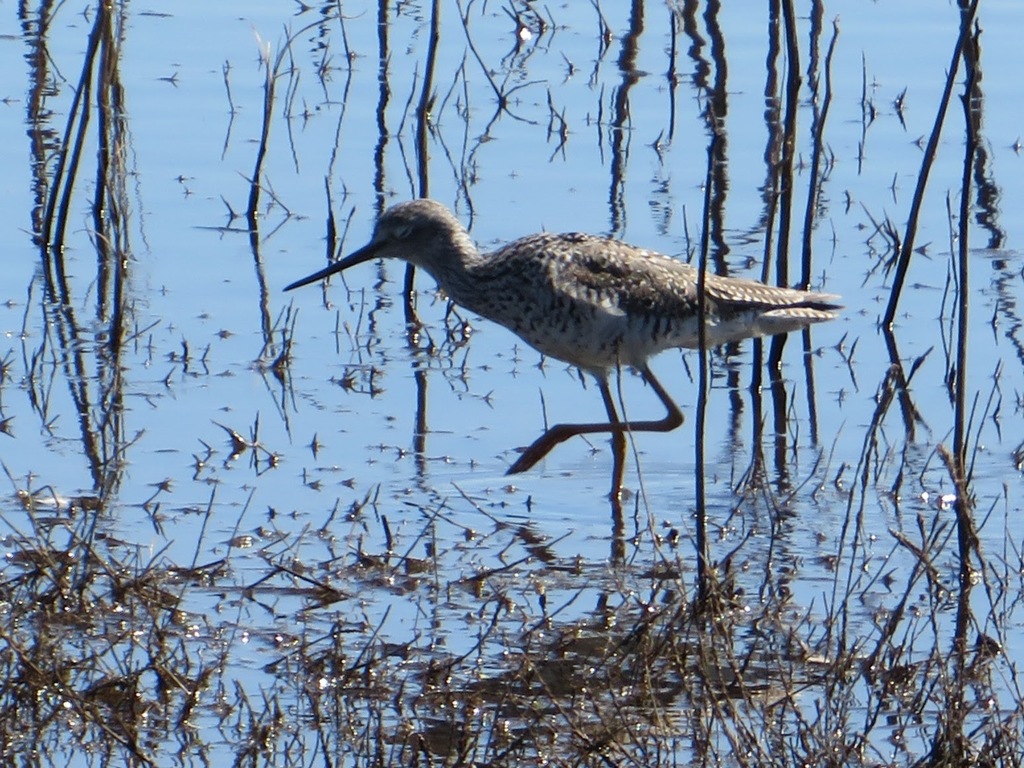
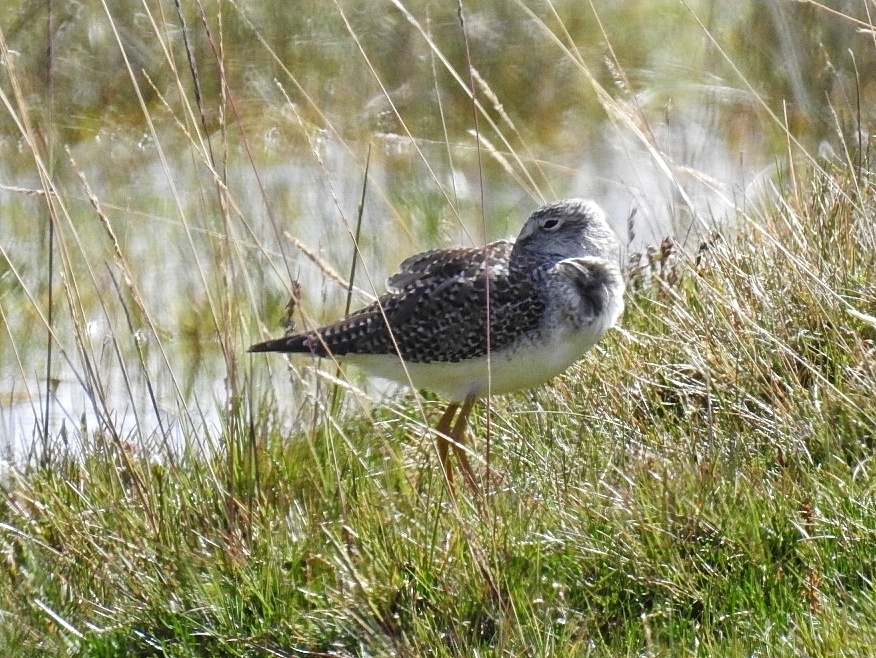
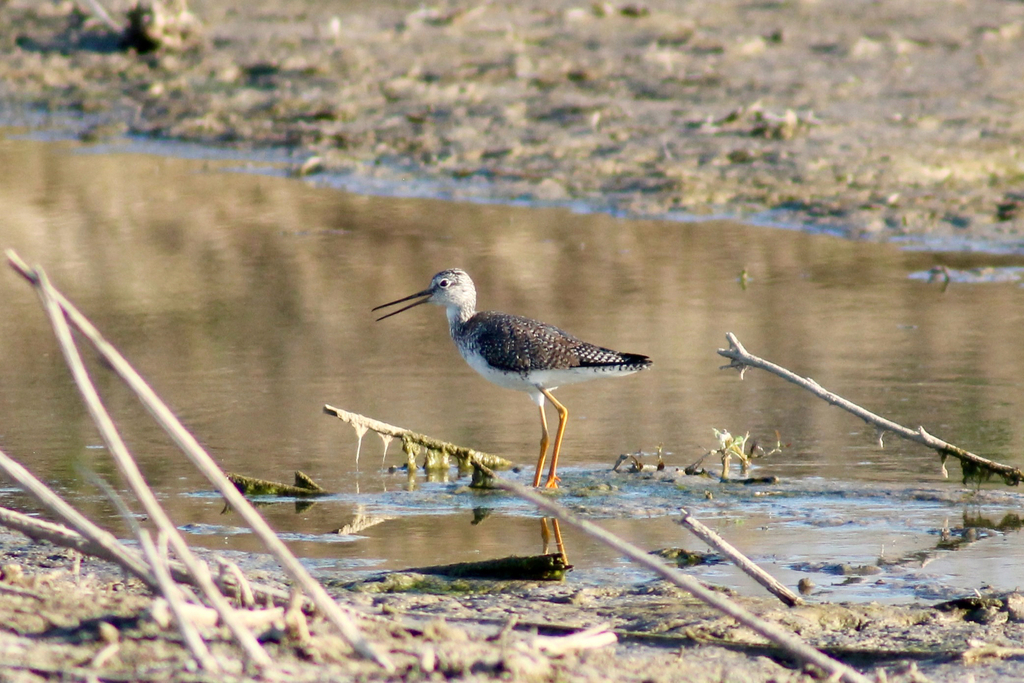
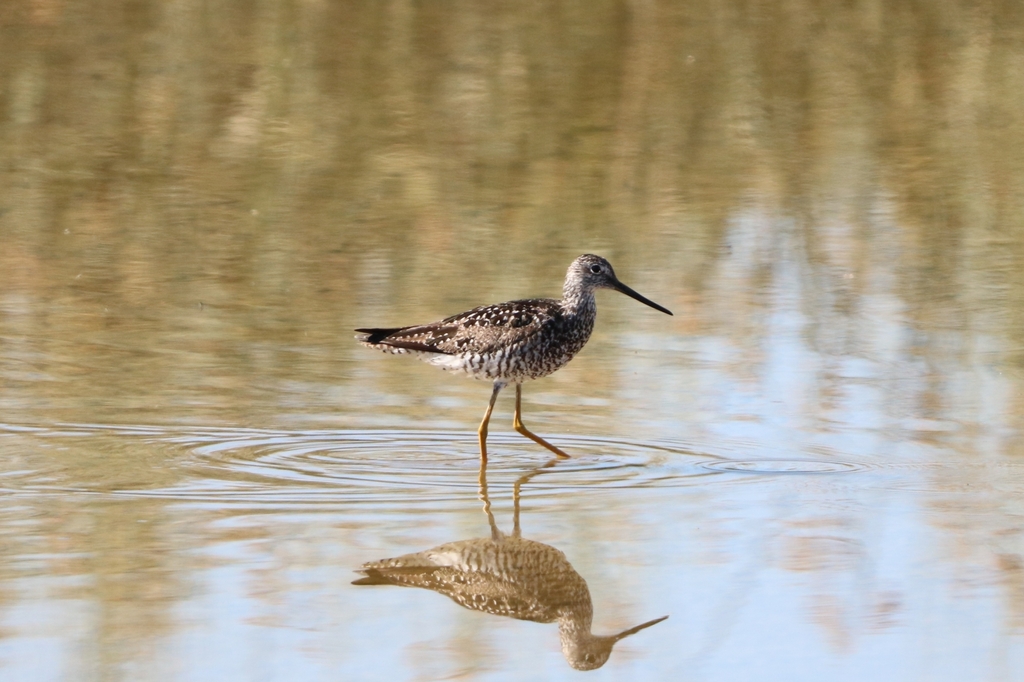
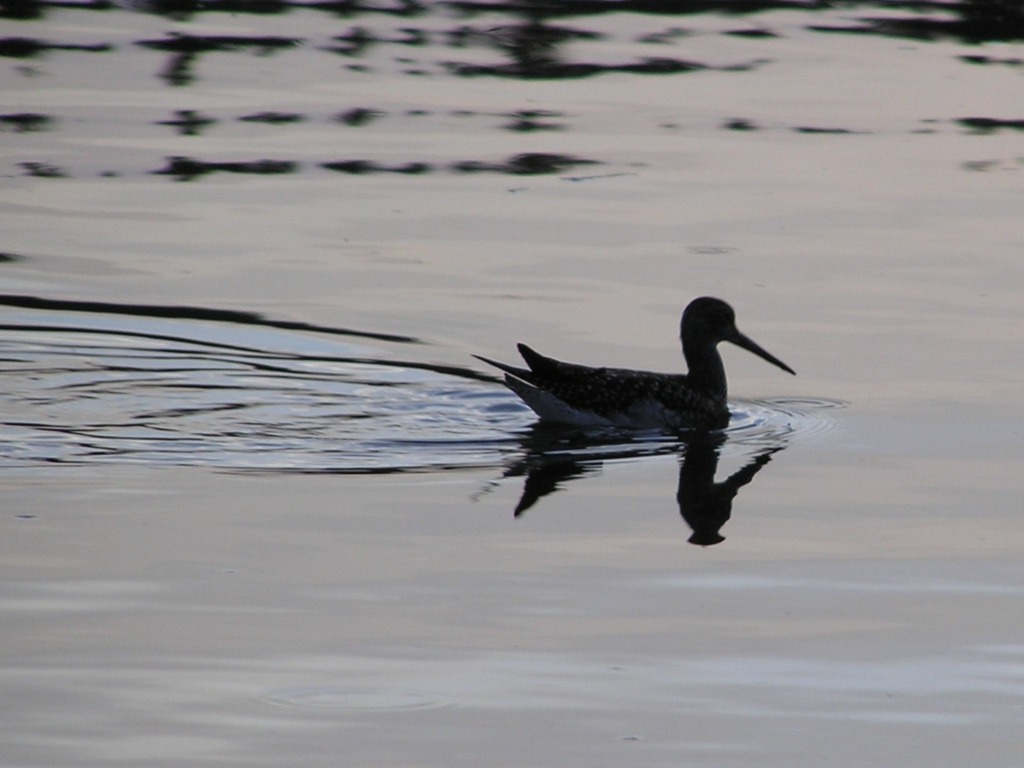
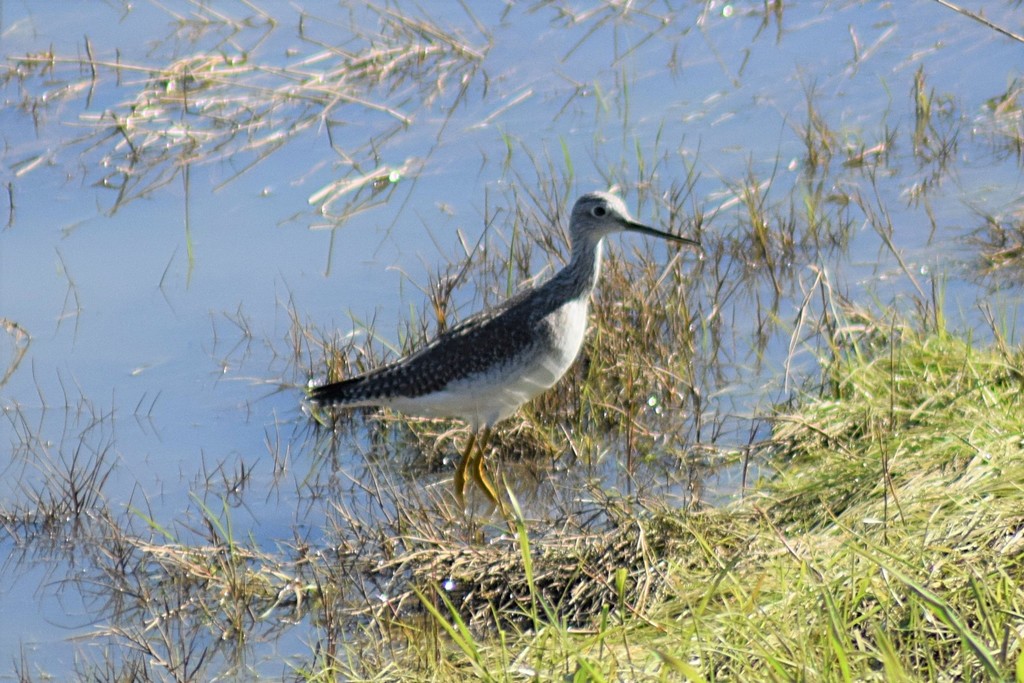
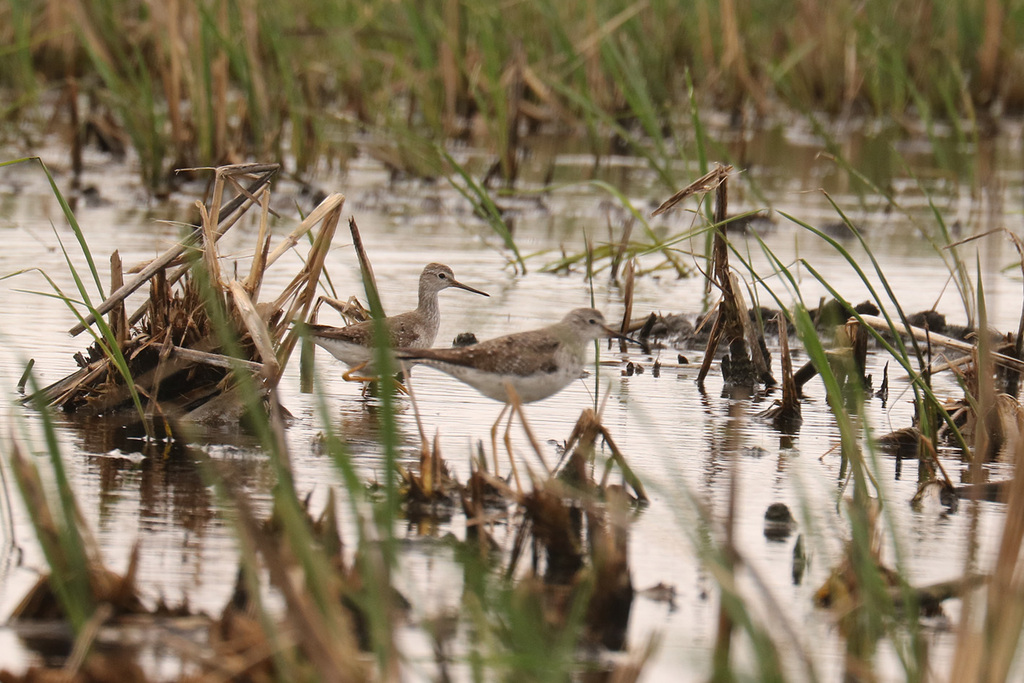
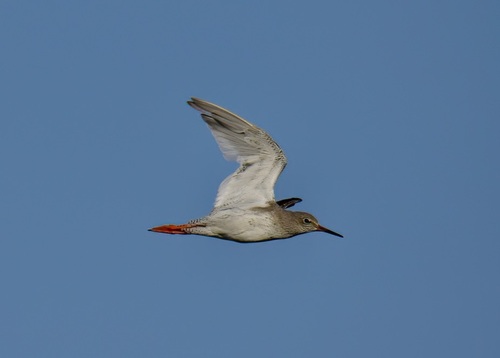
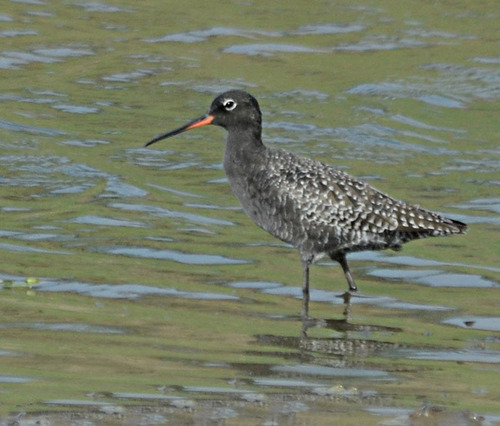
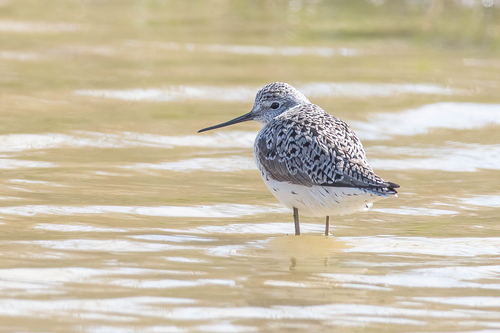
Its closest relatives
The other species of the genus Tringa.


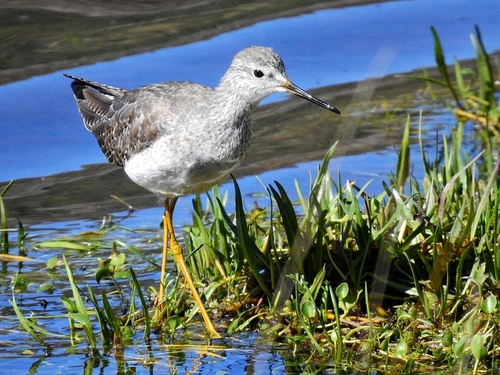
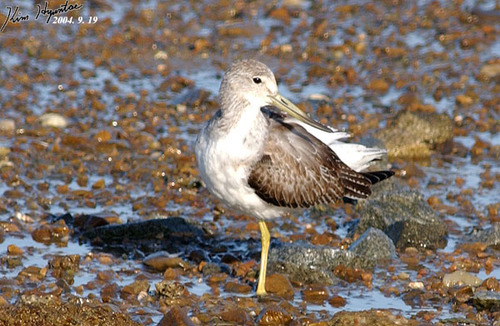
Seen a greater yellowlegs?
Share your photo on iNaturalist. Other naturalists help confirm it, and the record goes to GBIF, where scientists use it and where the maps on this page come from.
Put this species on your site
The card names every source and links back here.
<iframe src="https://4planetatlas.com/place/embed/species/greater-yellowlegs" title="Greater yellowlegs (Tringa melanoleuca), 4PLANET Species" width="100%" height="600" style="border:0;max-width:640px" loading="lazy"></iframe>
<p><a href="https://4species.com/greater-yellowlegs">Greater yellowlegs on 4PLANET Species</a></p>Questions people ask
What does the greater yellowlegs eat?
The greater yellowlegs has been recorded eating 40 different kinds of animals and plants, most of them fish, worms, snails and slugs and insects. The ones recorded most often are american eel, mummichog, three-spined stickleback, pond loach and american toad; records include animals eaten as carrion. Source: GloBI.
Where does the greater yellowlegs live?
People have recorded it in 69 countries; the most records come from United States, Canada, Mexico, Chile and Argentina. Records show where people have seen it, not its full range.
When is the greater yellowlegs seen most?
In the northern hemisphere, the most records are made in April and the fewest in June. More people outdoors also means more records.
What are the greater yellowlegs's closest relatives?
It shares the genus Tringa with common redshank, common greenshank, green sandpiper, wood sandpiper and spotted redshank.
Sources and photo credits
- GBIF · Tringa melanoleuca, 2,920,853 human observations
- GloBI · recorded interactions of Tringa melanoleuca
- Wikidata · Greater yellowlegs (Q570379)
- Greater yellowlegs (Tringa melanoleuca): no rights reserved, uploaded by Adam Jackson, CC0
- Greater yellowlegs (Tringa melanoleuca), LAGUNA DE LIMPIOPUNGO: Esteban Poveda, CC BY 4.0
- Greater yellowlegs (Tringa melanoleuca), Sacramento County, CA, USA: Justin, CC BY 4.0
- Greater yellowlegs (Tringa melanoleuca), LAGUNA DE LIMPIOPUNGO: Esteban Poveda, CC BY 4.0
- Greater yellowlegs (Tringa melanoleuca), Lehman Rd, Kyle, TX, US: colincolincol, CC BY 4.0
- Greater yellowlegs (Tringa melanoleuca), FPHM+C3, Brigham City, UT, USA: Oscar Dove, CC BY 4.0
- Greater yellowlegs (Tringa melanoleuca), Côte-Nord, QC, Canada: Patrice Dupont, CC BY 4.0
- Greater yellowlegs (Tringa melanoleuca), Ulistac Natural Area, CA, US: Anne Parsons, CC0
- Greater yellowlegs (Tringa melanoleuca), Reserva Natural Punta Lara, Provincia de Buenos Aires, Argentina: Holger Braun, CC BY 4.0
- American eel: no rights reserved, uploaded by Scott Loarie, CC0
- Mummichog: jonsense, CC BY 4.0
- Three-spined stickleback: Kasper Malmberg, CC BY 4.0
- Pond loach: Kim, Hyun-tae, CC BY 4.0
- American toad: no rights reserved, uploaded by Andy Wilson, CC0
- Green darner: Eugene Zelenko, CC BY-SA 4.0
- Pacific staghorn sculpin: Jodhan Fine, CC0
- Bay pipefish: Cricket Raspet, CC BY 4.0
- Common redshank: Luiz Lapa, CC BY 4.0
- Common greenshank: JJ Harrison, CC BY-SA 4.0
- Green sandpiper: Jan Ebr & Ivana Ebrová, CC BY 4.0
- Wood sandpiper: Kim, Hyun-tae, CC BY 4.0
- Spotted redshank: Savi.odl, CC BY-SA 4.0
- Marsh sandpiper: egorbirder, CC BY 4.0
- Lesser yellowlegs: Esteban Poveda, CC BY 4.0
- Nordmann’s greenshank: Kim, Hyun-tae, CC BY 4.0
Records show where people have seen and shared the greater yellowlegs, not its full range, and some countries and months are recorded far more than others. The food web lists interactions that studies have recorded somewhere in the world (GloBI), not everything it eats in one place.
Checked 2026-11-22.