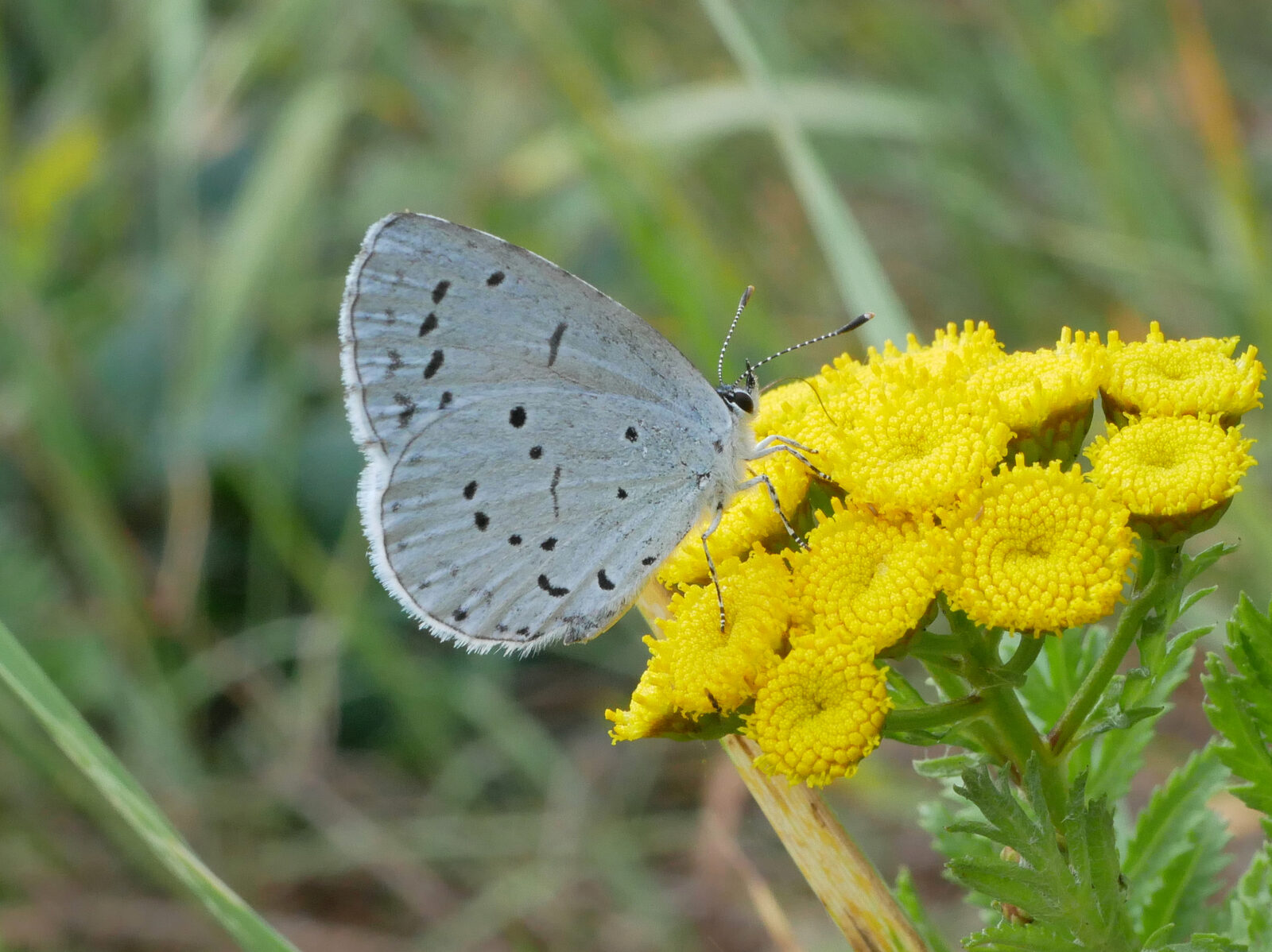
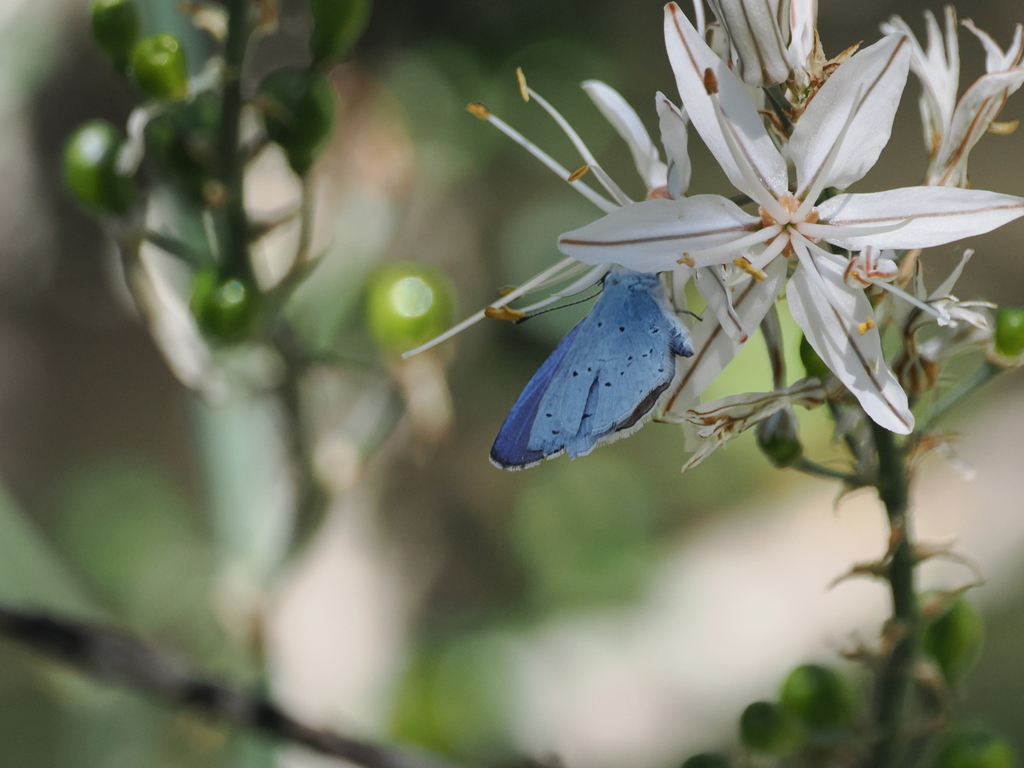
Holly blue
Celastrina argiolus
- Status
- IUCN Red List
- Eats
- black locust, white clover, tufted vetch and 321 more
- Eaten by
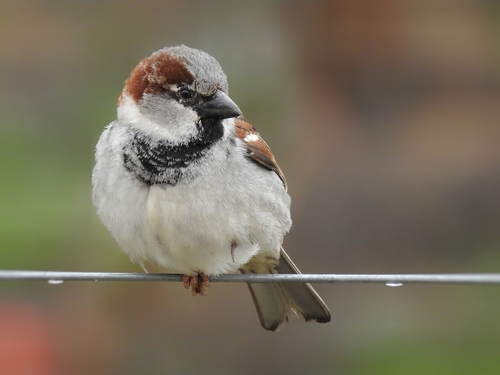
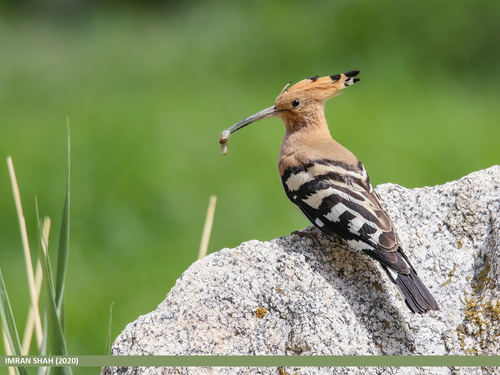
- house sparrow, Eurasian magpie, Eurasian hoopoe
- Where
- 66 countries
On 4Planet Atlas it is among the wildlife people record most around Amsterdam, Brussels and Dublin, and 2 more of the cities we cover.
People have shared 39,628 records of the holly blue with GBIF, from 66 countries, most of them from United Kingdom, Germany and France. Records collected by GloBI show it eating 324 different kinds of animals and plants, and being eaten by 94.
What the holly blue eats, and what eats it
Studies have recorded it eating 324 kinds of animals and plants, and 94 kinds of animals eating it. Tap any of them to follow the food chain.
- Plants 320
Eaten by
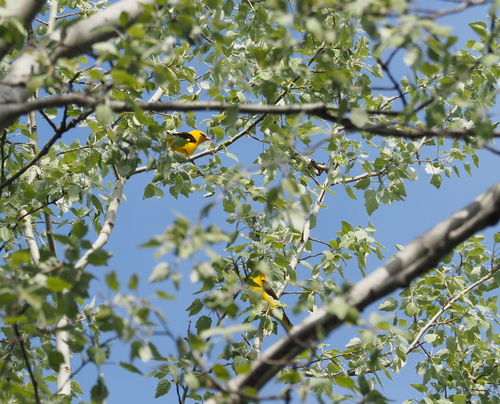
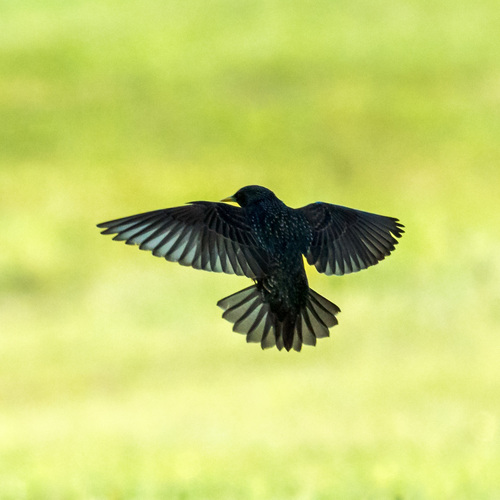
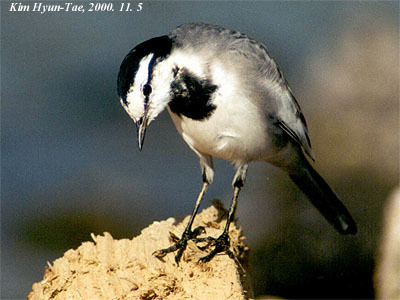
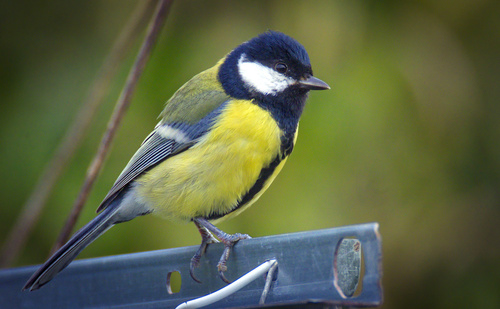 Holly blue

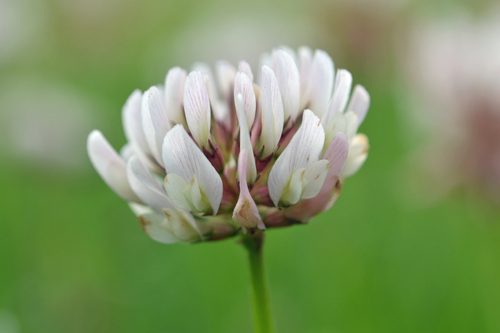
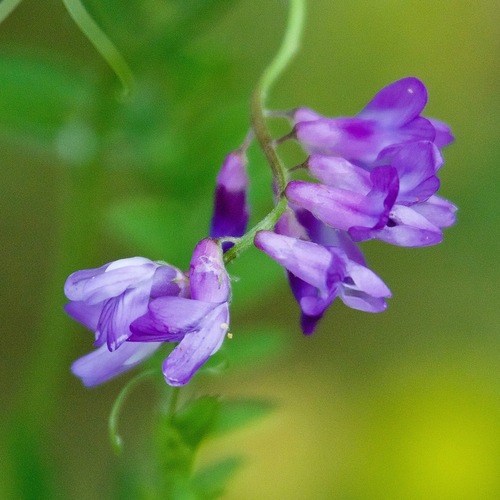
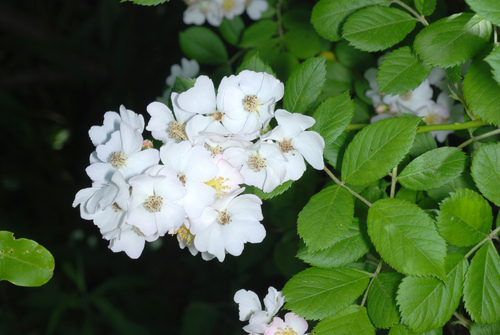
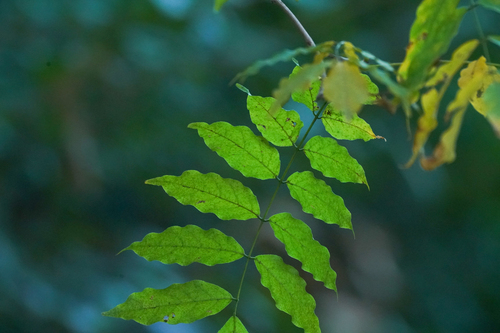

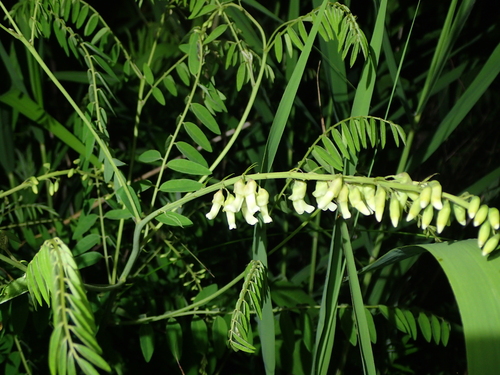
Records from studies worldwide, collected by GloBI. They include animals eaten as carrion, and they are not everything it eats in one place.
Where people see the holly blue
People have shared 39,628 records from 66 countries.
Near a city: Amsterdam, Brussels, Dublin, London, Paris.
Records show where people have seen it and shared it, not its full range. Country names open their page in Atlas.
When it is seen
Records per month in the northern hemisphere. More people outdoors also means more records.
Watch and listen
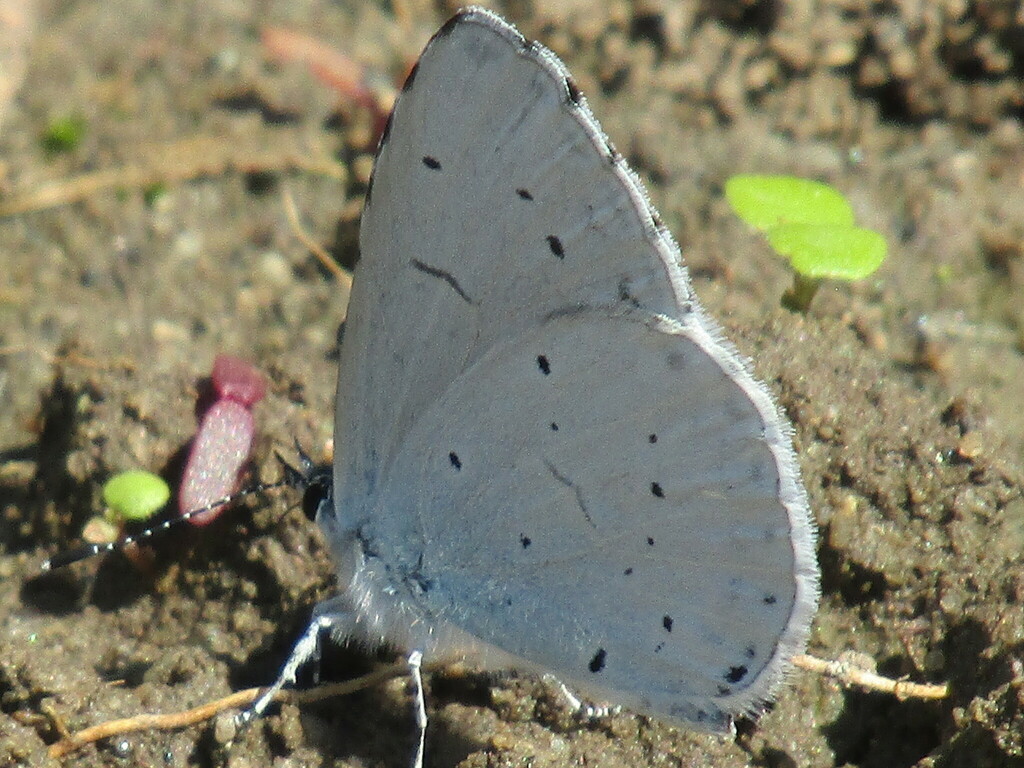
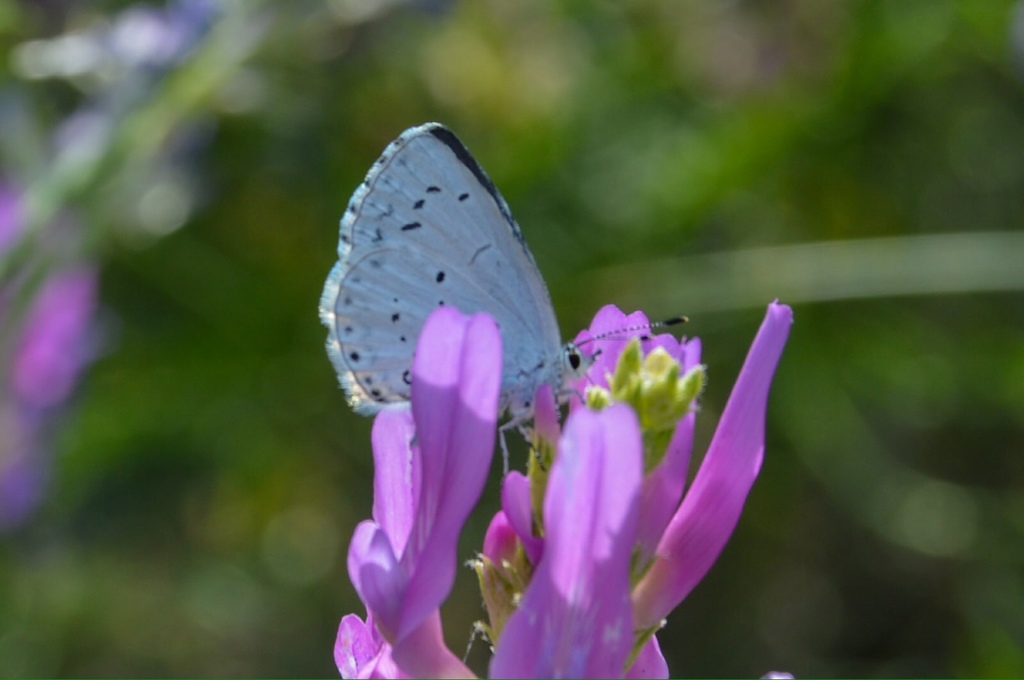
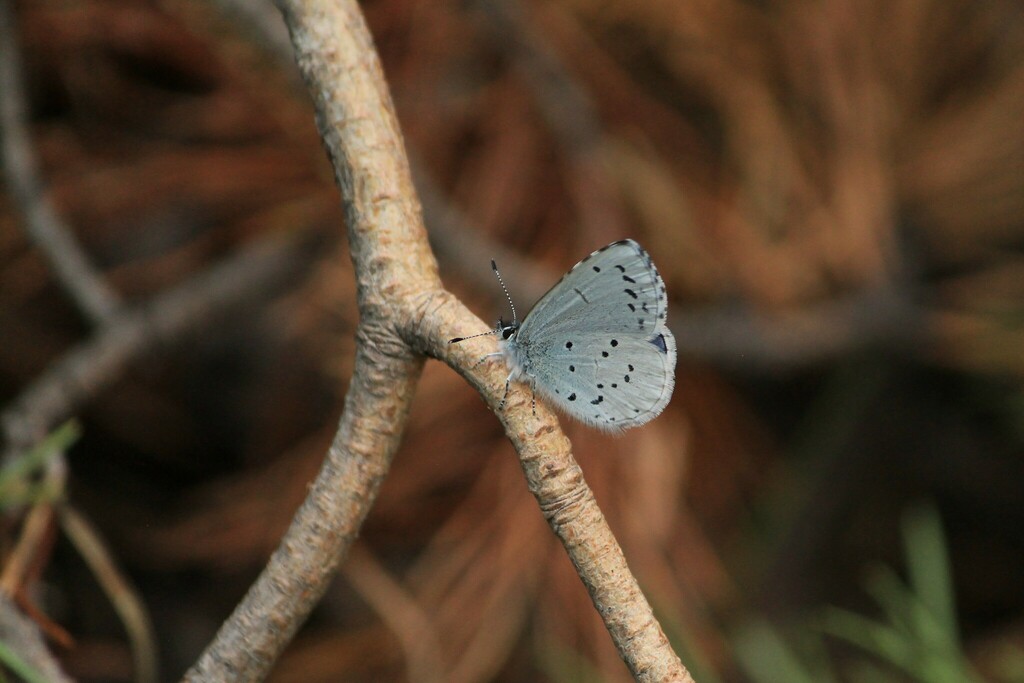
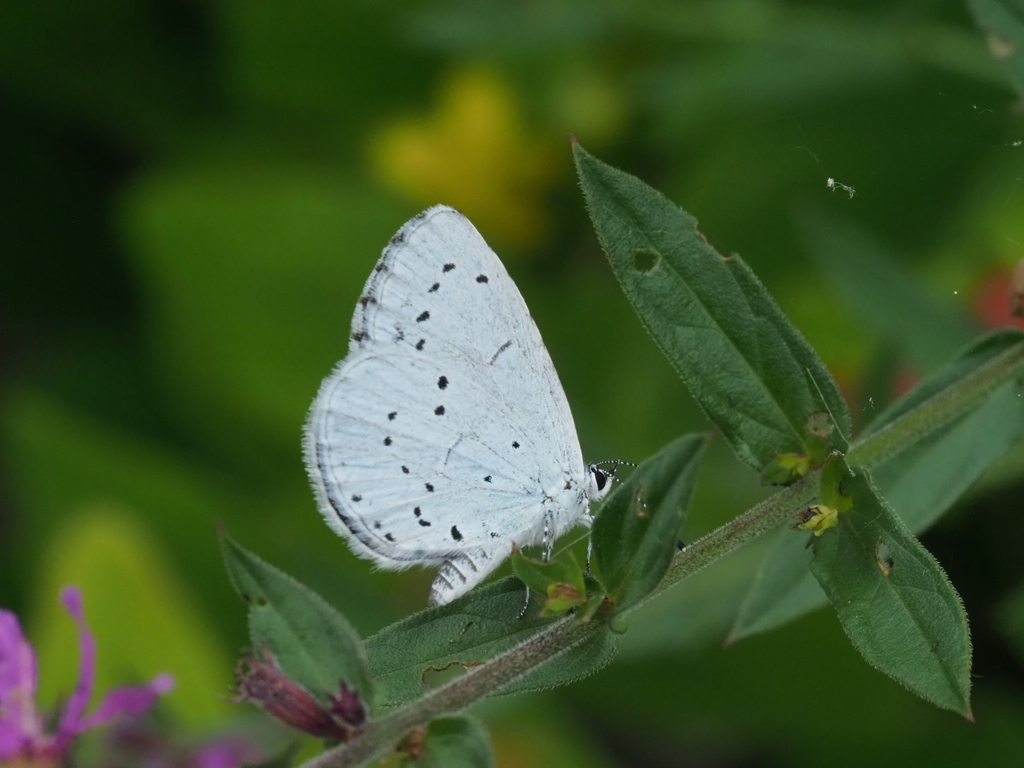
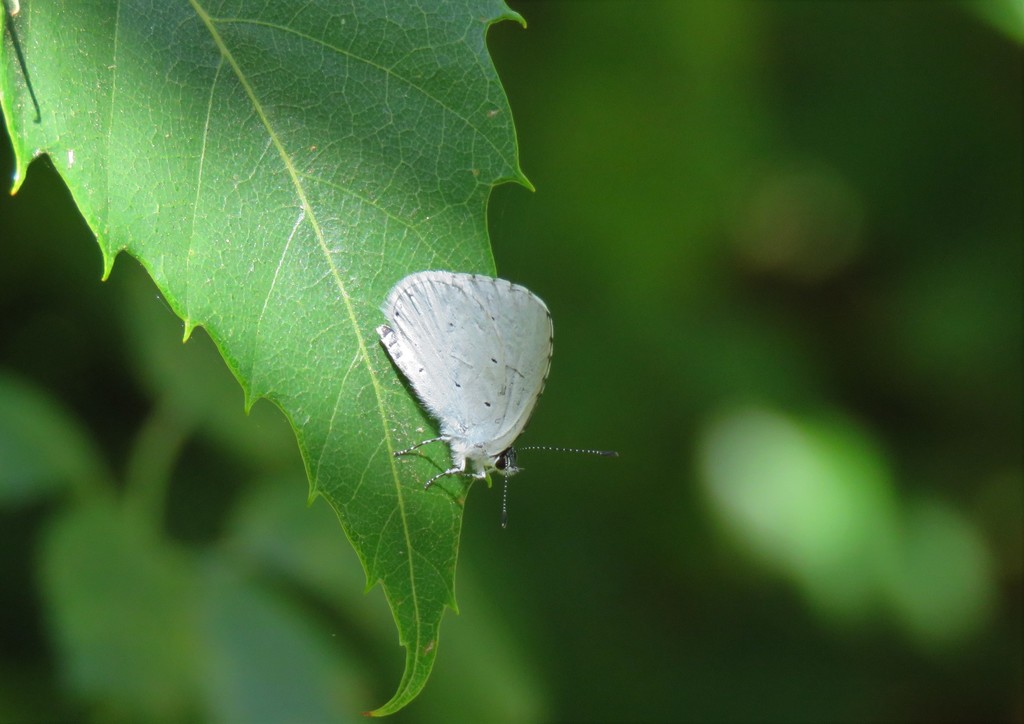
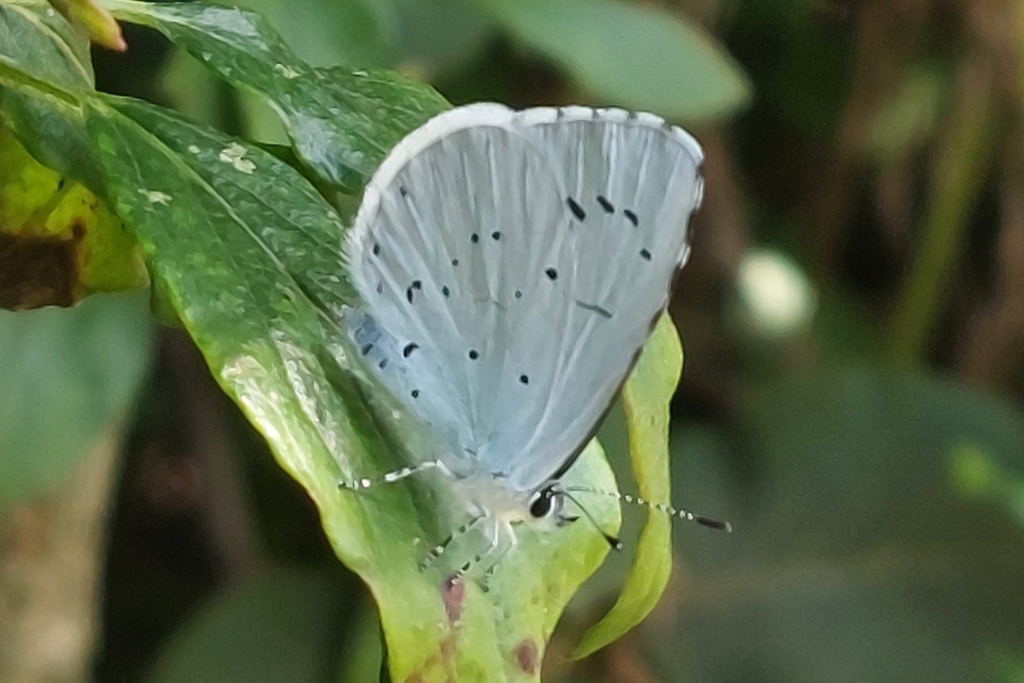
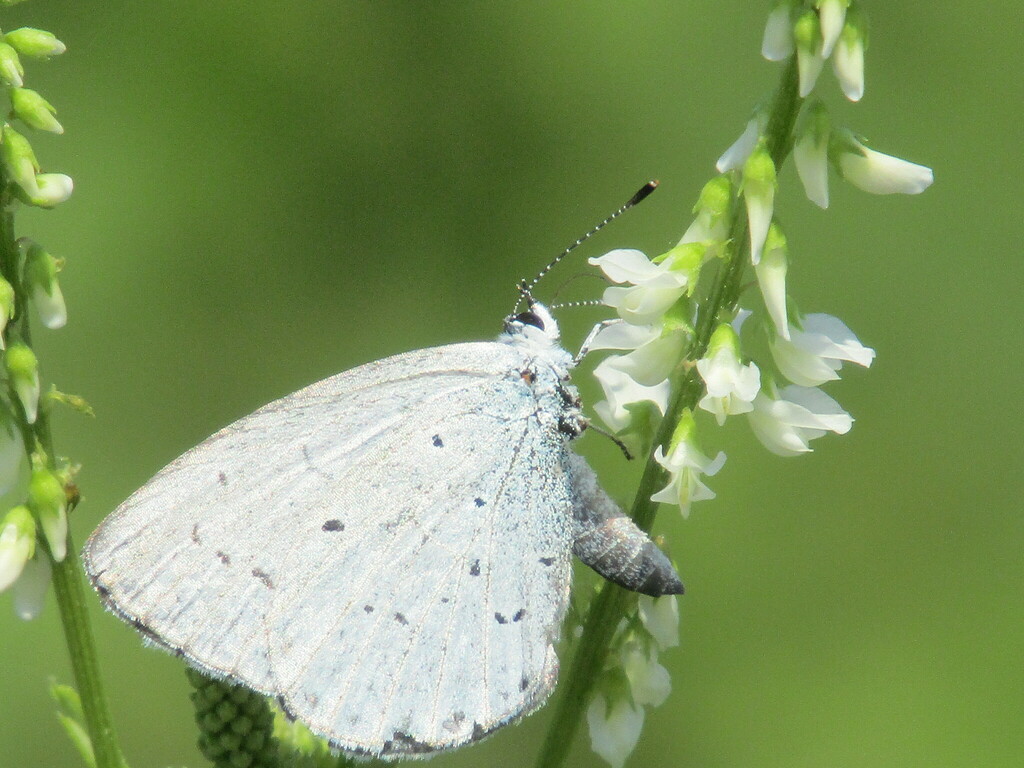
Seen a holly blue?
Share your photo on iNaturalist. Other naturalists help confirm it, and the record goes to GBIF, where scientists use it and where the maps on this page come from.
Put this species on your site
The card names every source and links back here.
<iframe src="https://4planetatlas.com/place/embed/species/holly-blue" title="Holly blue (Celastrina argiolus), 4PLANET Species" width="100%" height="600" style="border:0;max-width:640px" loading="lazy"></iframe>
<p><a href="https://4species.com/holly-blue">Holly blue on 4PLANET Species</a></p>Questions people ask
What does the holly blue eat?
The holly blue has been recorded eating 324 different kinds of animals and plants, most of them plants. The ones recorded most often are black locust, white clover, tufted vetch, multiflora rose and japanese wisteria; records include animals eaten as carrion. Source: GloBI.
What eats the holly blue?
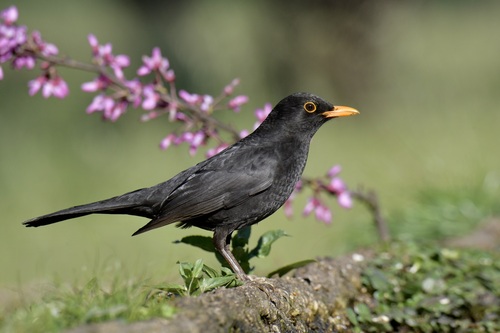
Recorded predators include house sparrow, eurasian magpie, eurasian hoopoe, common blackbird and eurasian golden oriole. Source: GloBI.
Where does the holly blue live?
People have recorded it in 66 countries; the most records come from United Kingdom, Germany, France, Italy and Russia. Records show where people have seen it, not its full range.
When is the holly blue seen most?
In the northern hemisphere, the most records are made in July and the fewest in December. More people outdoors also means more records.
Sources and photo credits
- GBIF · Celastrina argiolus, 39,628 human observations
- GloBI · recorded interactions of Celastrina argiolus
- Wikidata · Holly blue (Q792871)
- Holly blue (Celastrina argiolus): no rights reserved, uploaded by Christian Kahle, CC0
- Holly blue (Celastrina argiolus), 4292 Dobri dol, Bulgaria: SteveM4560, CC BY 4.0
- Holly blue (Celastrina argiolus), Соль-Илецк, Оренбургская область, RU: Evgenij Samarin, CC BY 4.0
- Holly blue (Celastrina argiolus), Itä-Lappi, Suomi: uusijani, CC0
- Holly blue (Celastrina argiolus), An den Lichtwiesen, Darmstadt, Deutschland: luckilucki, CC0
- Holly blue (Celastrina argiolus), Figueiró dos Vinhos, 3260, Portugal: Paulo Martins, CC BY-SA 4.0
- Holly blue (Celastrina argiolus), Presinge, Grand Cara, 1243 Presinge, Switzerland: Tommy Andriollo, CC BY 4.0
- Holly blue (Celastrina argiolus), Parvomay, Bulgaria: SteveM4560, CC BY 4.0
- Holly blue (Celastrina argiolus), Cáceres, Spain: Nicolás Tamargo, CC0
- Black locust: Георгий Виноградов (Georgy Vinogradov), CC BY 4.0
- White clover: Conall, CC BY 4.0
- Tufted vetch: Bill Levine, CC BY 4.0
- Multiflora rose: Douglas Goldman, CC BY-SA 4.0
- Japanese wisteria: WATANABE Hitoshi 渡辺仁, CC BY 4.0
- Tasteless water-pepper: Paul Cook, CC BY 4.0
- Shrubby sophora: renshuchu, CC0
- House sparrow: Esteban Poveda, CC BY 4.0
- Eurasian hoopoe: Birds of Gilgit-Baltistan, CC BY-SA 4.0
- Common blackbird: Luiz Lapa, CC BY 4.0
- Eurasian golden oriole: carnifex, CC BY 4.0
- Common starling: Shiva Shenoy, CC BY 4.0
- White wagtail: Kim, Hyun-tae, CC BY 4.0
- Great tit: hedera.baltica, CC BY-SA 4.0
Records show where people have seen and shared the holly blue, not its full range, and some countries and months are recorded far more than others. The food web lists interactions that studies have recorded somewhere in the world (GloBI), not everything it eats in one place.
Checked 2026-11-23.