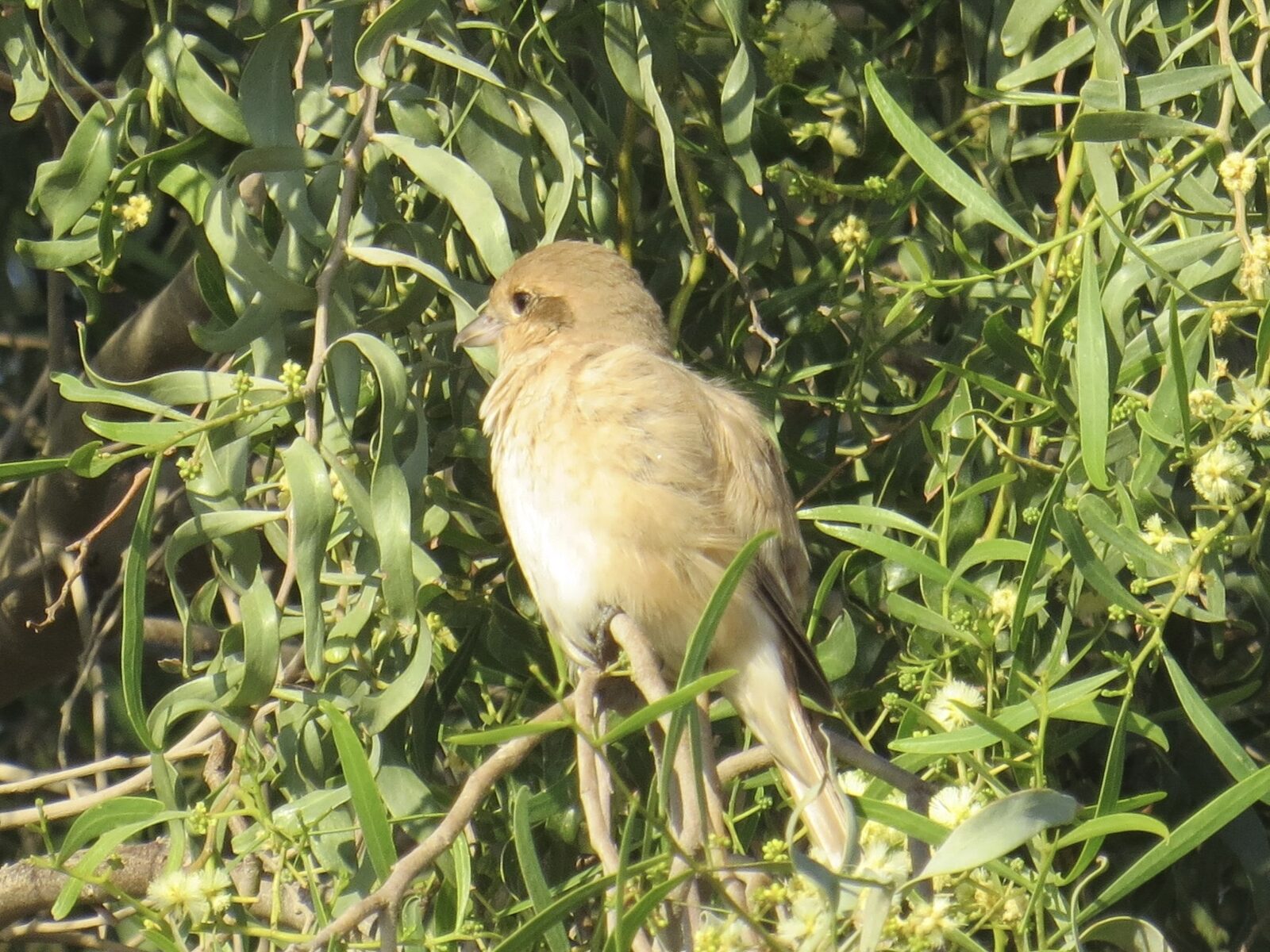
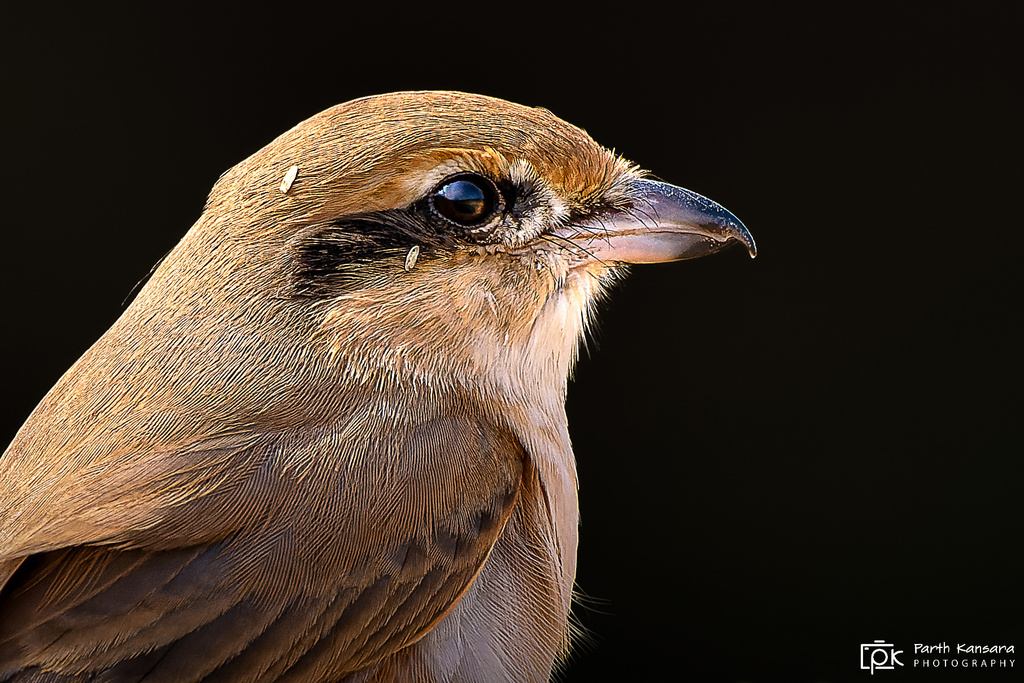
Isabelline shrike
Lanius isabellinus
- Status
- Least Concern IUCN Red List
- Eats
- common cuckoo and 0 more
- Where
- 66 countries
On 4Planet Atlas it is among the wildlife people record most around Abu Dhabi, Ashgabat and Bishkek, and 9 more of the cities we cover.
People have shared 51,115 records of the isabelline shrike with GBIF, from 66 countries, most of them from India, United Arab Emirates and Kuwait. Records collected by GloBI show it eating 1 different kinds of animals and plants, and being eaten by 9.
What the isabelline shrike eats, and what eats it
Studies have recorded it eating 1 kinds of animals and plants, and 9 kinds of animals eating it. Tap any of them to follow the food chain.
- Birds 1
Eaten by

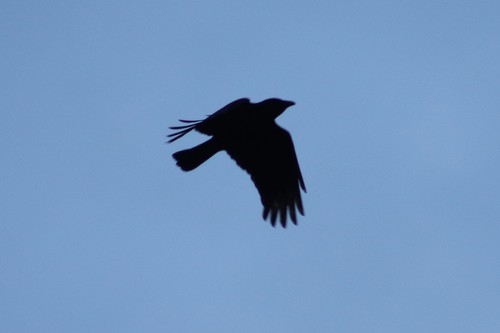

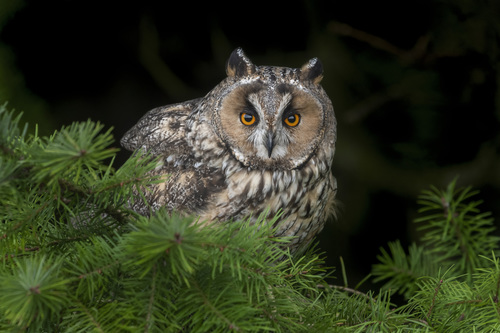
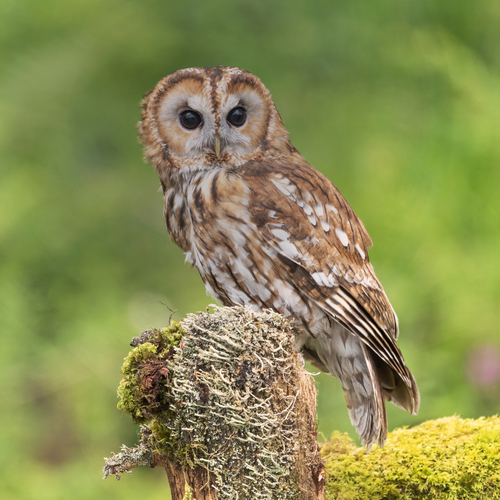 Isabelline shrike
Eats
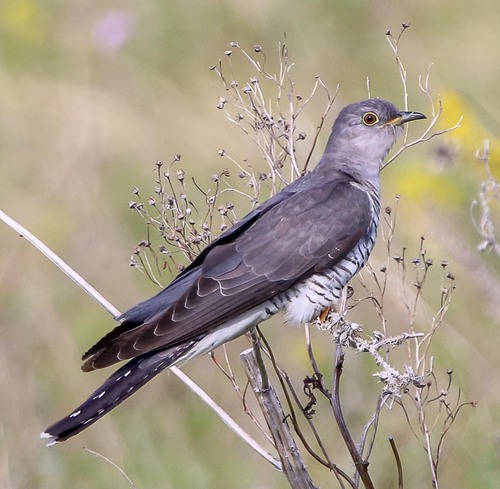
Records from studies worldwide, collected by GloBI. They include animals eaten as carrion, and they are not everything it eats in one place.
Where people see the isabelline shrike
People have shared 51,115 records from 66 countries.
Near a city: Abu Dhabi, Ashgabat, Bishkek, Doha, Dushanbe, Kabul, Kuwait City, Manama, Muscat, Riyadh, Tashkent, Tehran.
Records show where people have seen it and shared it, not its full range. Country names open their page in Atlas.
When it is seen
Records per month in the northern hemisphere. More people outdoors also means more records.
Watch and listen
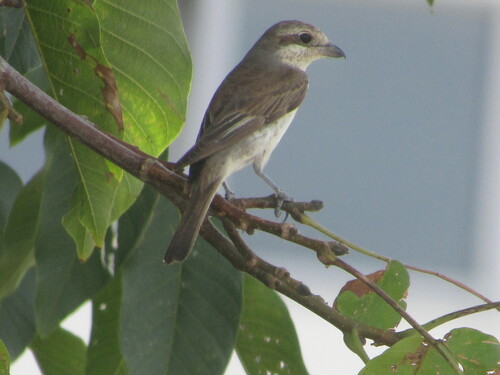
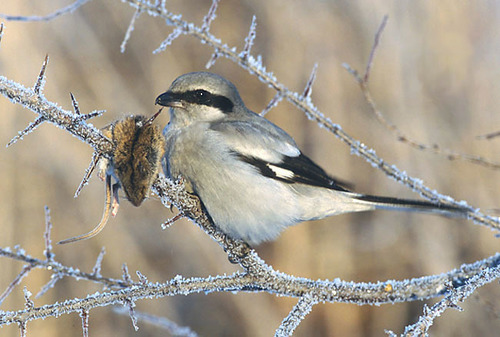
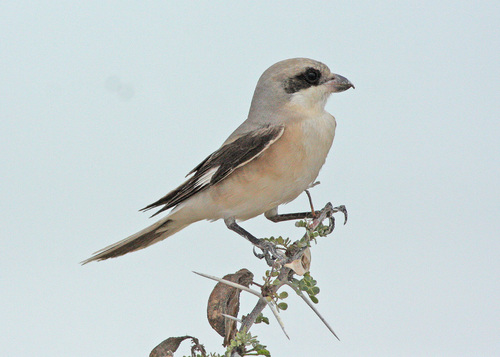
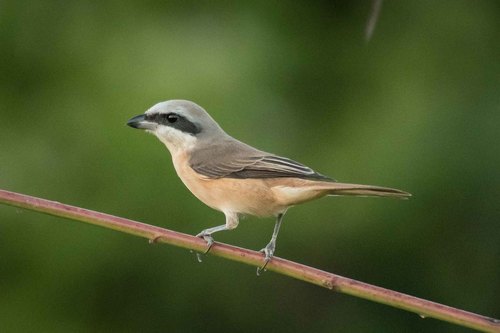
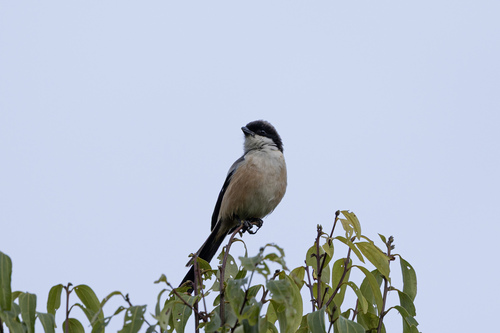
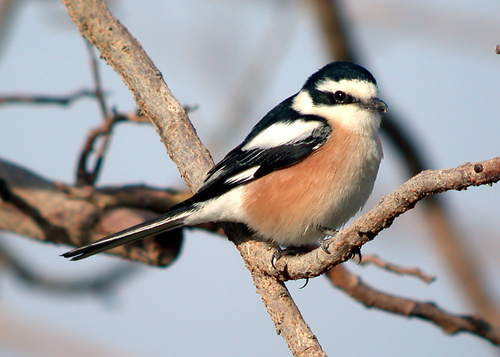
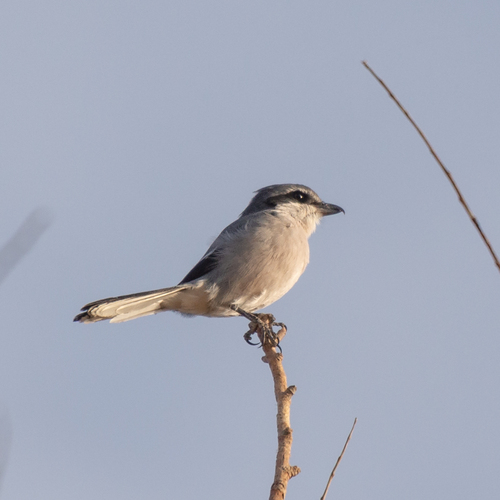
Its closest relatives
The other species of the genus Lanius.

Seen an isabelline shrike?
Share your photo on iNaturalist. Other naturalists help confirm it, and the record goes to GBIF, where scientists use it and where the maps on this page come from.
Put this species on your site
The card names every source and links back here.
<iframe src="https://4planetatlas.com/place/embed/species/isabelline-shrike" title="Isabelline shrike (Lanius isabellinus), 4PLANET Species" width="100%" height="600" style="border:0;max-width:640px" loading="lazy"></iframe>
<p><a href="https://4species.com/isabelline-shrike">Isabelline shrike on 4PLANET Species</a></p>Questions people ask
What does the isabelline shrike eat?
The isabelline shrike has been recorded eating 1 different kinds of animals and plants, most of them birds. The ones recorded most often are common cuckoo; records include animals eaten as carrion. Source: GloBI.
What eats the isabelline shrike?
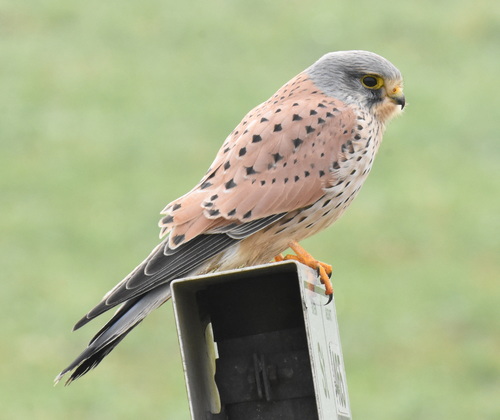
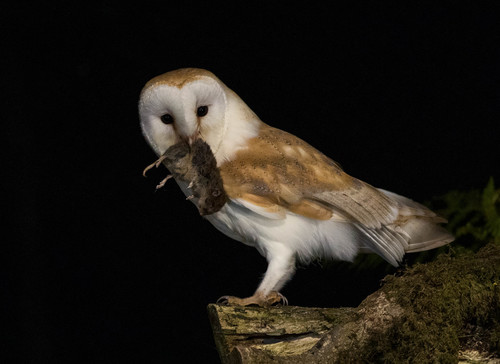
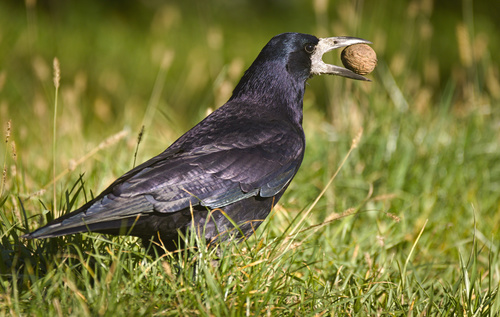
Recorded predators include common kestrel, eurasian sparrowhawk, western barn owl, rook and carrion crow. Source: GloBI.
Where does the isabelline shrike live?
People have recorded it in 66 countries; the most records come from India, United Arab Emirates, Kuwait, Oman and Saudi Arabia. Records show where people have seen it, not its full range.
When is the isabelline shrike seen most?
In the northern hemisphere, the most records are made in November and the fewest in July. More people outdoors also means more records.
What are the isabelline shrike's closest relatives?
It shares the genus Lanius with red-backed shrike, great grey shrike, lesser grey shrike, woodchat shrike and brown shrike.
Sources and photo credits
- GBIF · Lanius isabellinus, 51,115 human observations
- GloBI · recorded interactions of Lanius isabellinus
- Wikidata · Isabelline shrike (Q752678)
- Isabelline shrike (Lanius isabellinus): Jono, CC BY 4.0
- Isabelline shrike (Lanius isabellinus), Kachchh, IN-GJ, IN: Parth Kansara, CC BY 4.0
- Common cuckoo: no rights reserved, uploaded by Юрий Носков, CC0
- Common kestrel: Thorsten Hackbarth, CC BY 4.0
- Eurasian sparrowhawk: Stanislav Murashkin, CC BY 4.0
- Western barn owl: john.purvis, CC BY 4.0
- Rook: hedera.baltica, CC BY-SA 4.0
- Carrion crow: no rights reserved, uploaded by Charlie Farrell, CC0
- Eurasian hobby: Ani Sarkisyan, CC BY 4.0
- Long-eared owl: caroline legg, CC BY 4.0
- Tawny owl: caroline legg, CC BY 4.0
- Red-backed shrike: SteveM4560, CC BY 4.0
- Great grey shrike: Marek Szczepanek, CC BY-SA 4.0
- Lesser grey shrike: Ron Knight, CC BY 4.0
- Woodchat shrike: Ani Sarkisyan, CC BY 4.0
- Brown shrike: 尹若宇, CC BY-SA 4.0
- Long-tailed shrike: Kalvin Chan, CC BY 4.0
- Masked shrike: Len Worthington, CC BY-SA 4.0
- Iberian grey shrike: euqirneto, CC BY 4.0
Records show where people have seen and shared the isabelline shrike, not its full range, and some countries and months are recorded far more than others. The food web lists interactions that studies have recorded somewhere in the world (GloBI), not everything it eats in one place.
Checked 2026-11-22.