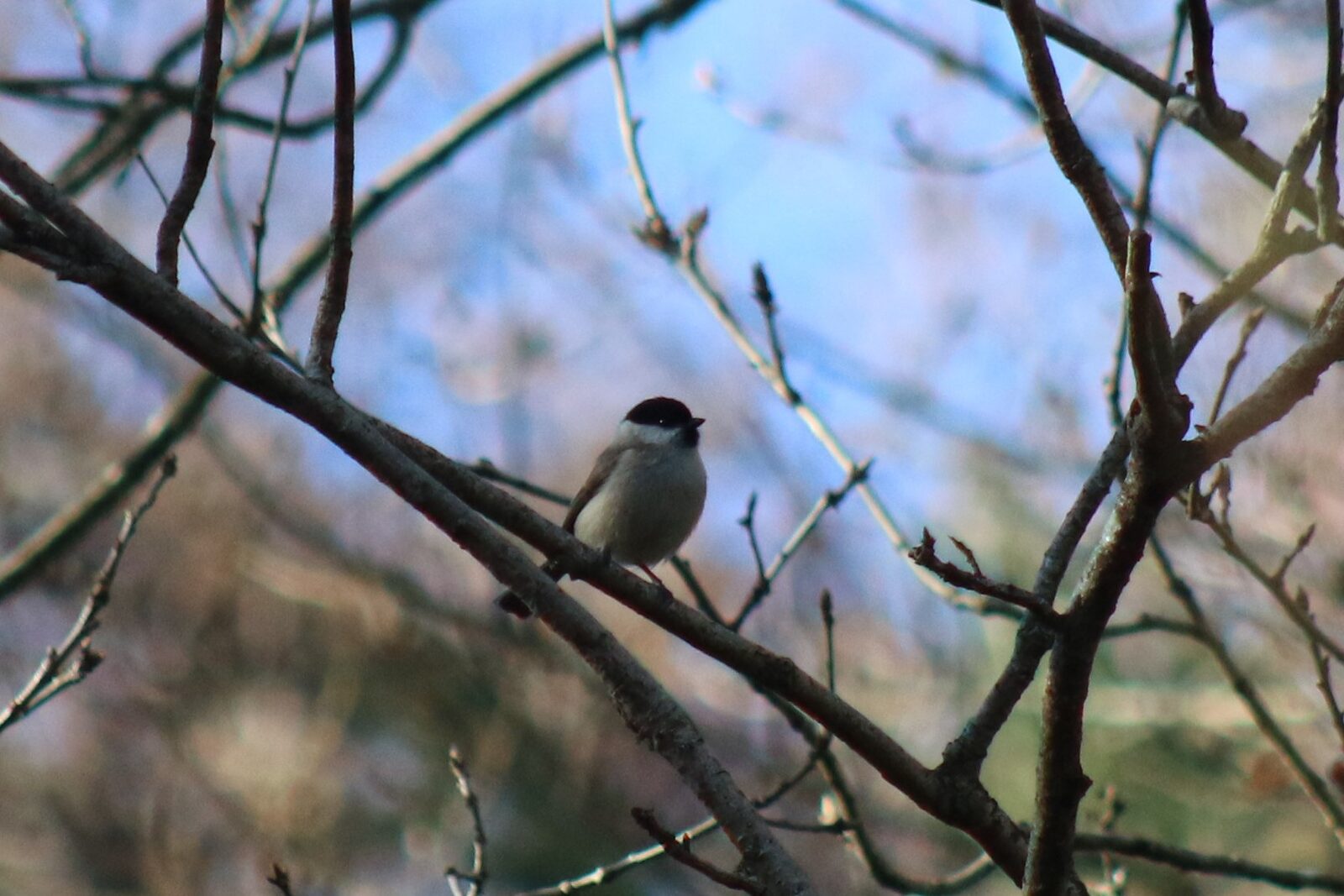
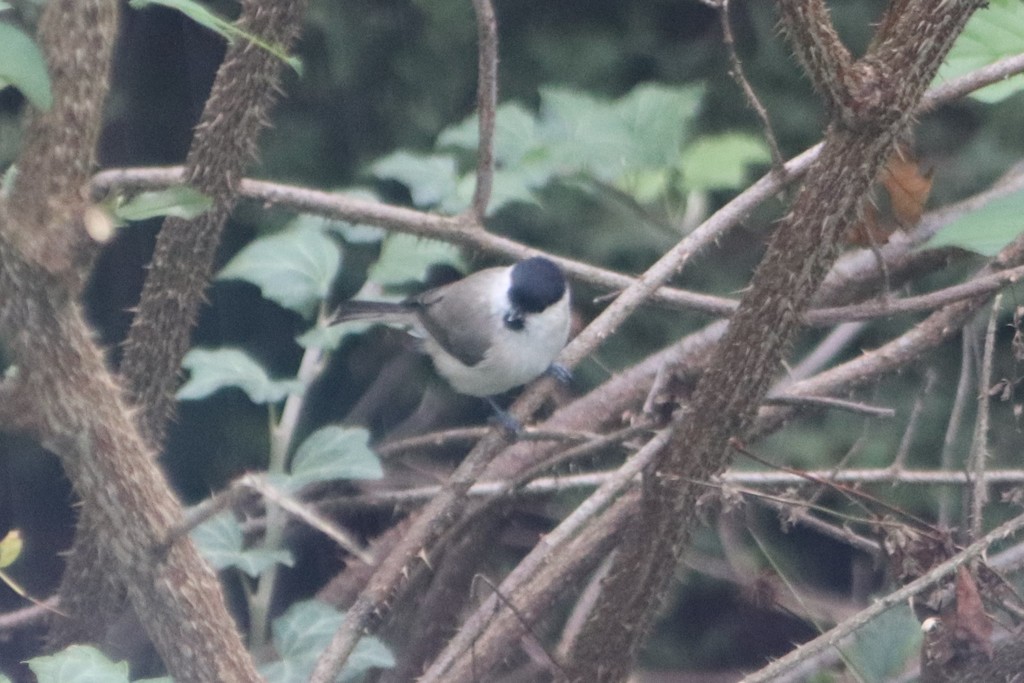
Marsh tit
Poecile palustris
- Status
- Least Concern IUCN Red List
- Eats
- dwarf elder, six-spot burnet, wood bluegrass and 3,489 more
- Eaten by
- grey wolf, red fox, northern raven
- Where
- 46 countries
On 4Planet Atlas it is among the wildlife people record most around Andorra la Vella, Beijing and Belgrade, and 30 more of the cities we cover.
People have shared 345,989 records of the marsh tit with GBIF, from 46 countries, most of them from Germany, United Kingdom and France. Records collected by GloBI show it eating 3,492 different kinds of animals and plants, and being eaten by 38.
What the marsh tit eats, and what eats it
Studies have recorded it eating 3,492 kinds of animals and plants, and 38 kinds of animals eating it. Tap any of them to follow the food chain.
- Plants 1,852
- Insects 1,203
- Snails and slugs 4
Eaten by




 Marsh tit





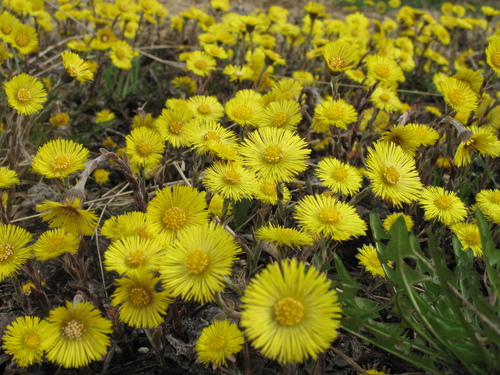
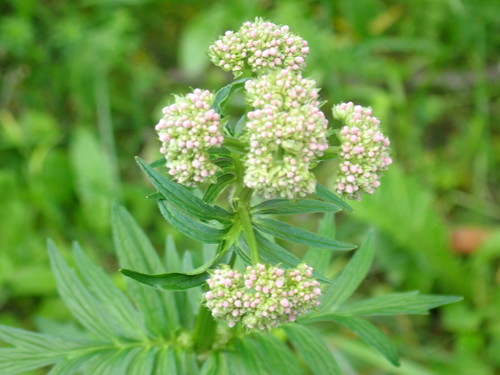



Records from studies worldwide, collected by GloBI. They include animals eaten as carrion, and they are not everything it eats in one place.
Where people see the marsh tit
People have shared 345,989 records from 46 countries.
Near a city: Andorra la Vella, Beijing, Belgrade, Bergen, Berlin, Bern, Bratislava, Budapest, Chișinău, Copenhagen, Kyiv, Ljubljana, Luxembourg City, Minsk, Oslo, Paris, Podgorica, Prague, Pyongyang, Riga, Rome, Sarajevo, Seoul, Skopje, Sofia, Stockholm, Tallinn, Ulaanbaatar, Vaduz, Vienna, Vilnius, Warsaw, Zagreb.
Records show where people have seen it and shared it, not its full range. Country names open their page in Atlas.
When it is seen
Records per month in the northern hemisphere. More people outdoors also means more records.
Watch and listen
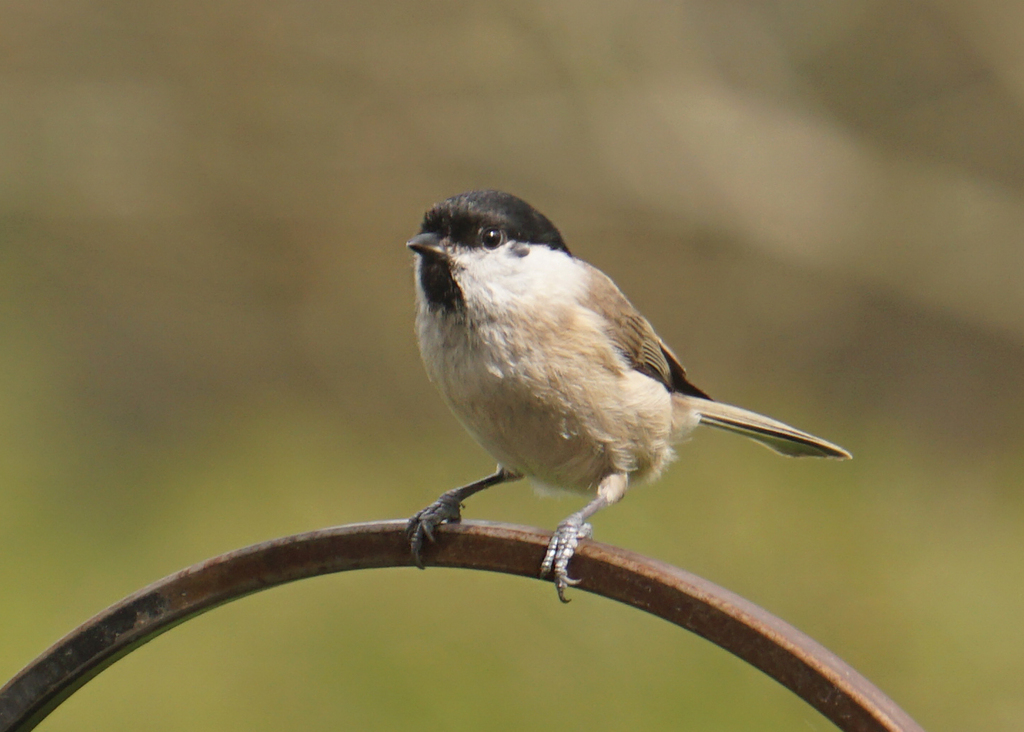
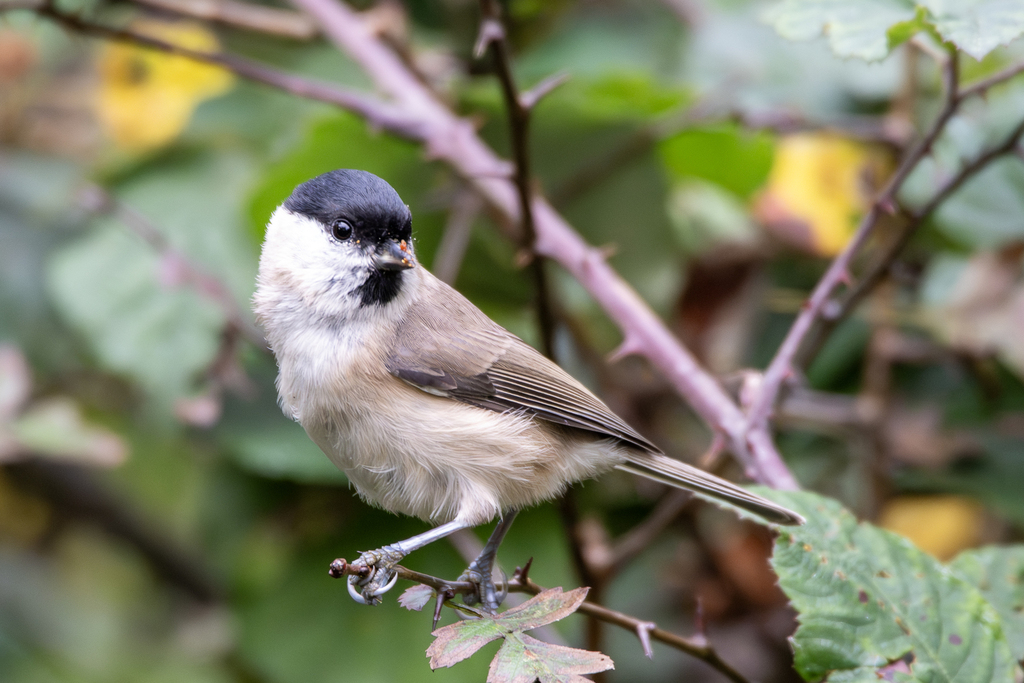
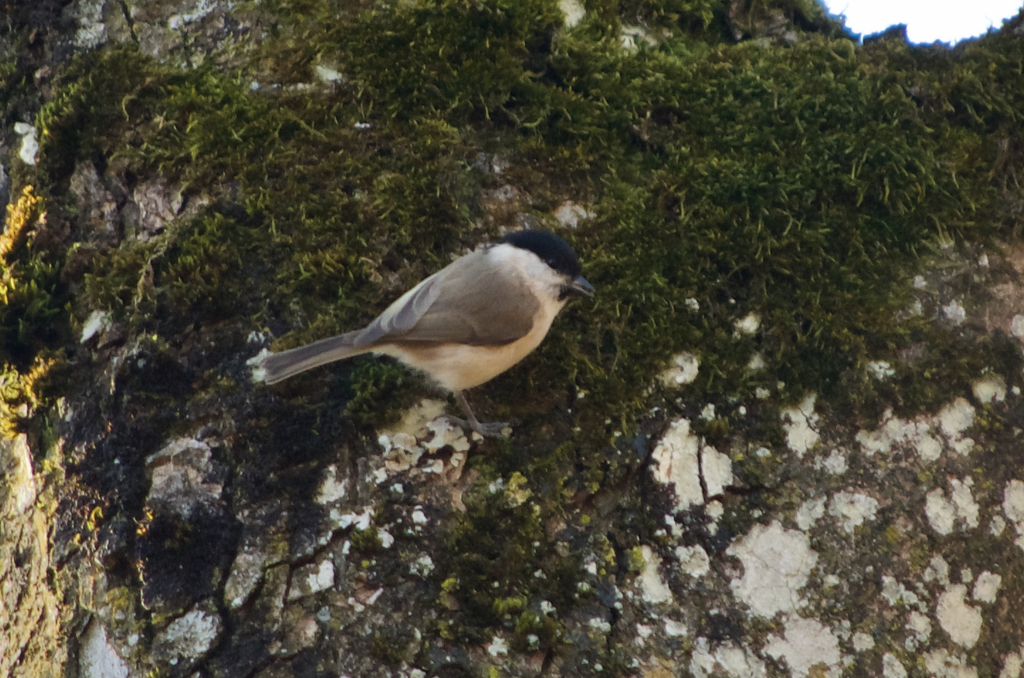
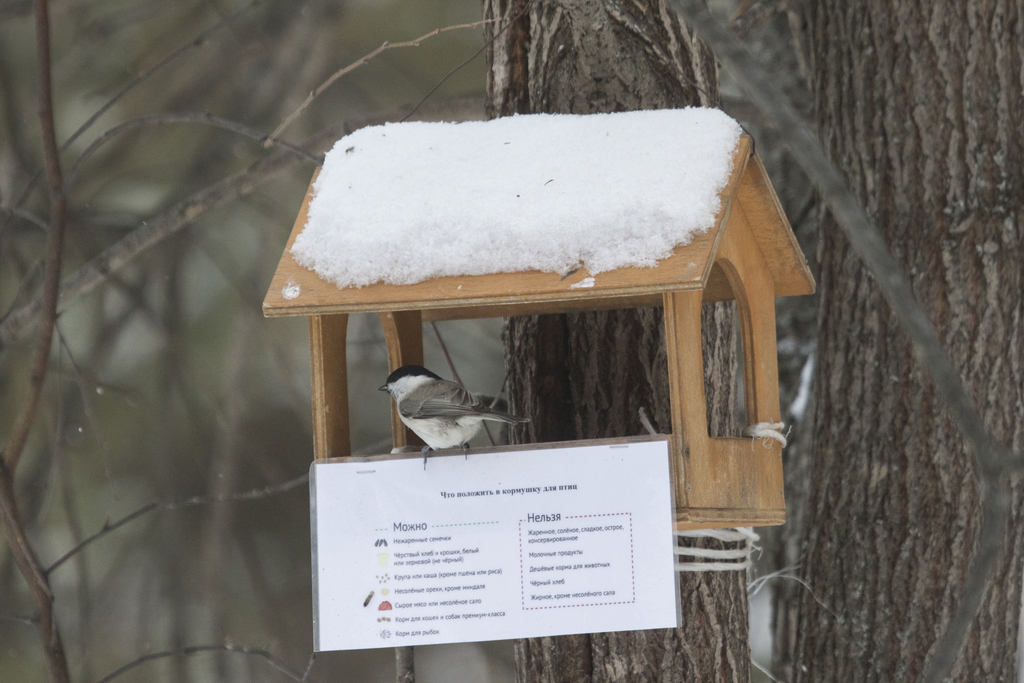

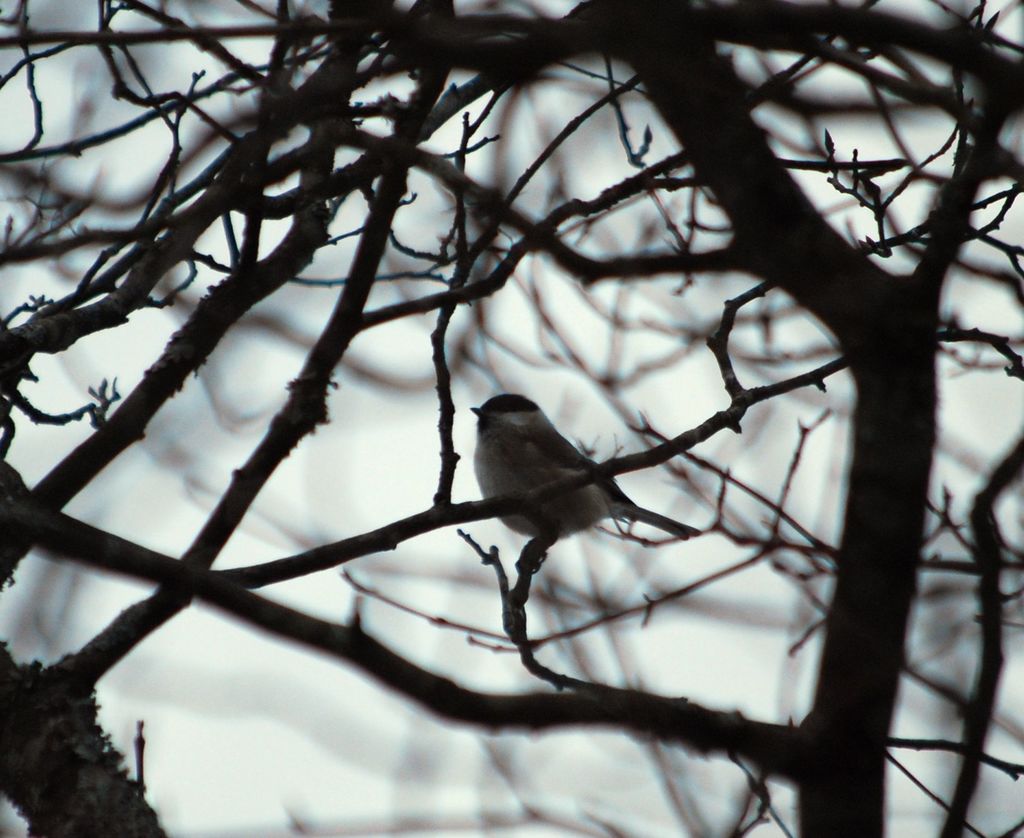
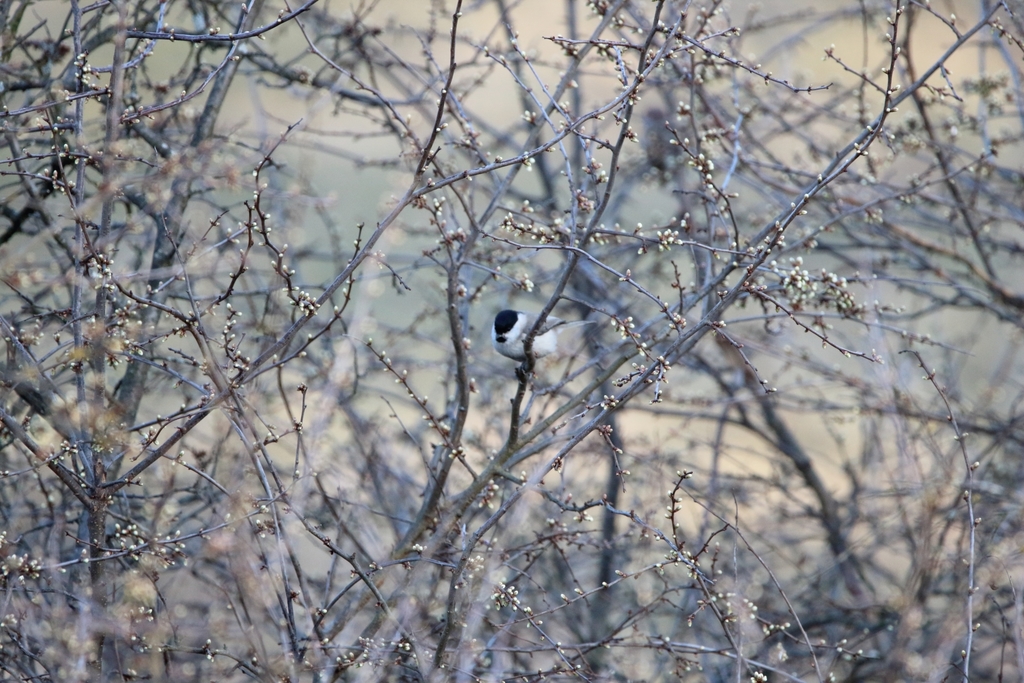
Its closest relatives
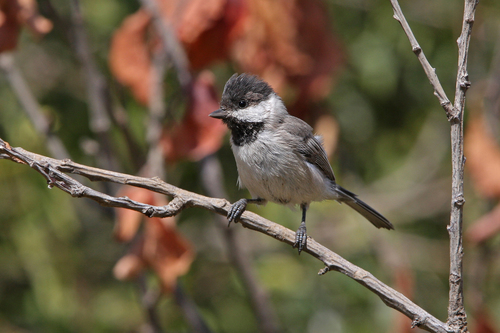
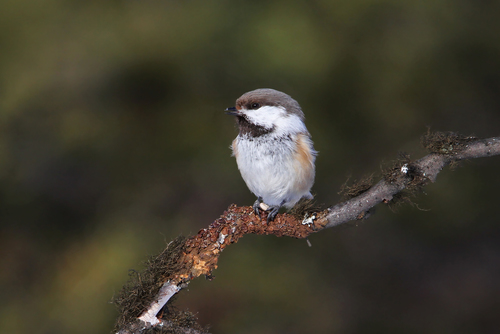
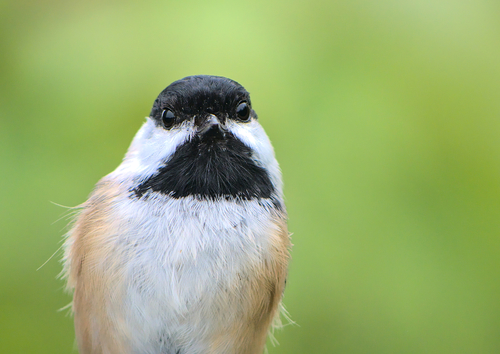
The other species of the genus Poecile.


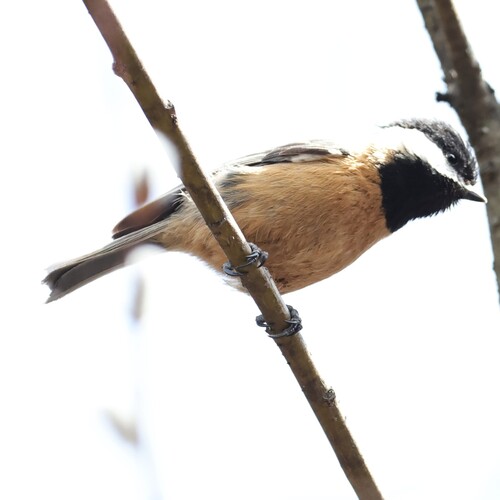
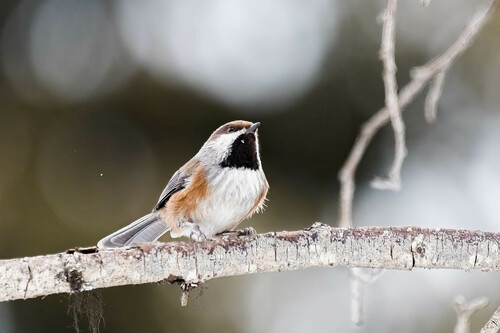
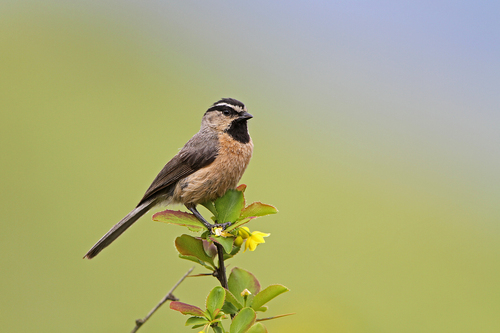
Seen a marsh tit?
Share your photo on iNaturalist. Other naturalists help confirm it, and the record goes to GBIF, where scientists use it and where the maps on this page come from.
Put this species on your site
The card names every source and links back here.
<iframe src="https://4planetatlas.com/place/embed/species/marsh-tit" title="Marsh tit (Poecile palustris), 4PLANET Species" width="100%" height="600" style="border:0;max-width:640px" loading="lazy"></iframe>
<p><a href="https://4species.com/marsh-tit">Marsh tit on 4PLANET Species</a></p>Questions people ask
What does the marsh tit eat?
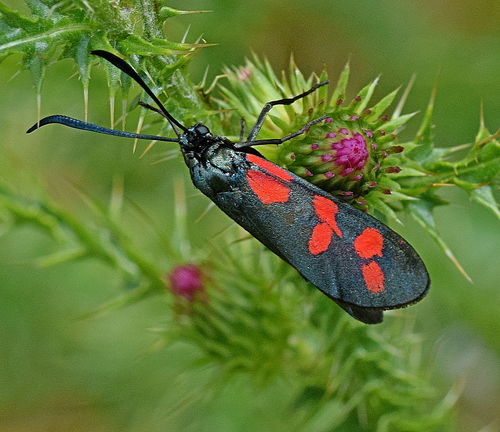
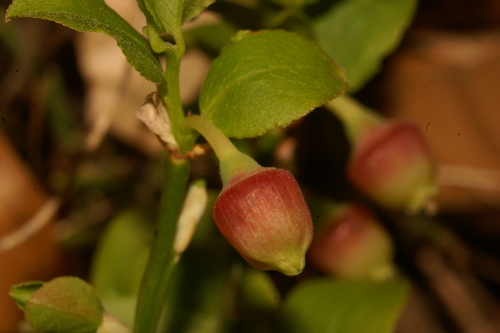
The marsh tit has been recorded eating 3,492 different kinds of animals and plants, most of them plants, insects and snails and slugs. The ones recorded most often are dwarf elder, six-spot burnet, wood bluegrass, tasteless water-pepper and bilberry; records include animals eaten as carrion. Source: GloBI.
What eats the marsh tit?
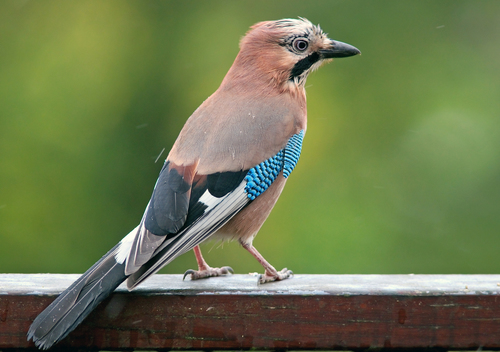
Recorded predators include grey wolf, red fox, northern raven, eurasian magpie and eurasian jay. Source: GloBI.
Where does the marsh tit live?
People have recorded it in 46 countries; the most records come from Germany, United Kingdom, France, South Korea and China. Records show where people have seen it, not its full range.
When is the marsh tit seen most?
In the northern hemisphere, the most records are made in March and the fewest in July. More people outdoors also means more records.
What are the marsh tit's closest relatives?
It shares the genus Poecile with willow tit, sombre tit, siberian tit, black-capped chickadee and mountain chickadee.
Sources and photo credits
- GBIF · Poecile palustris, 345,989 human observations
- GloBI · recorded interactions of Poecile palustris
- Wikidata · Marsh tit (Q207838)
- Marsh tit (Poecile palustris): Charlie Farrell, CC0
- Marsh tit (Poecile palustris), Monmouthshire, UK: Dave Hernon, CC BY 4.0
- Marsh tit (Poecile palustris), Lancashire, UK: Tim Worwood, CC BY 4.0
- Marsh tit (Poecile palustris), 4702 Oensingen, Switzerland: Codrin Bucur, CC BY 4.0
- Marsh tit (Poecile palustris), Салаватский р-н, Респ. Башкортостан, Россия: Полина Полежанкина, CC BY 4.0
- Marsh tit (Poecile palustris), 3454 Sitzenberg-Reidling, Austria: Daniel Linzbauer, CC BY 4.0
- Marsh tit (Poecile palustris), Obertraun, Austria: Mirela, CC0
- Marsh tit (Poecile palustris), Gänserndorf, AT-NO, AT: Tristan Haab, CC BY 4.0
- Marsh tit (Poecile palustris), 3361 Aschbach-Markt, Austria: Gabriel Mayrhofer, CC BY 4.0
- Dwarf elder: Igor Balashov, CC BY 4.0
- Six-spot burnet: Kostas Zontanos, CC BY 4.0
- Wood bluegrass: Douglas Goldman, CC BY-SA 4.0
- Tasteless water-pepper: Paul Cook, CC BY 4.0
- Bilberry: Benjamin Zwittnig, CC BY 4.0
- Cowberry: Valerii Glazunov, CC BY 4.0
- Stinging nettle: Drepanostoma, CC BY 4.0
- Coltsfoot: Ole Husby, CC BY-SA 4.0
- Common valerian: Lynn Harper, CC0
- Bog bilberry: Andrey Zharkikh, CC BY 4.0
- Sweet violet: Björn Sothmann, CC BY-SA 4.0
- Johnny-jump-up: Kostas Zontanos, CC BY 4.0
- Grey wolf: Andrew Simon, CC BY 4.0
- Red fox: Алина Урусова, CC BY 4.0
- Northern raven: xulescu_g, CC BY-SA 4.0
- Eurasian jay: Luc Viatour, CC BY-SA 4.0
- Eurasian red squirrel: Rhododendrites, CC BY-SA 4.0
- Common kestrel: Thorsten Hackbarth, CC BY 4.0
- Willow tit: Andrew Bazdyrev, CC BY 4.0
- Sombre tit: Christoph Moning, CC BY 4.0
- Siberian tit: Christoph Moning, CC BY 4.0
- Black-capped chickadee: Blake Ross, CC BY 4.0
- Mountain chickadee: Ron Knight, CC BY 4.0
- Père David's tit: Lihai Song, CC0
- Boreal chickadee: Kalvin Chan, CC BY 4.0
- White-browed tit: no rights reserved, uploaded by James Eaton, CC0
Records show where people have seen and shared the marsh tit, not its full range, and some countries and months are recorded far more than others. The food web lists interactions that studies have recorded somewhere in the world (GloBI), not everything it eats in one place.
Checked 2026-11-22.