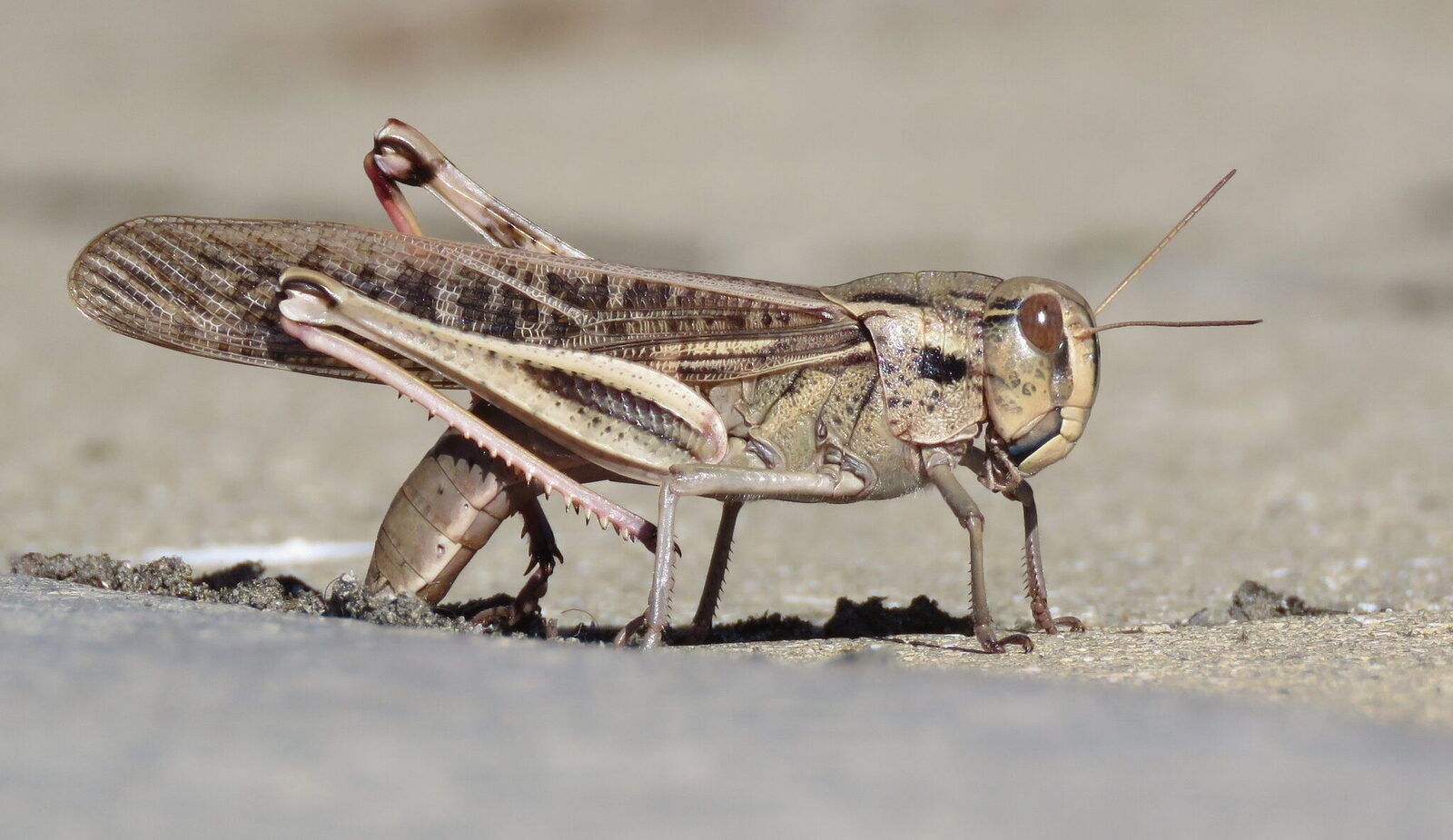
Migratory locust
Locusta migratoria
- Status
- IUCN Red List
- Eats
- common reed, woodchat shrike, soft rush and 24 more
- Eaten by
- red fox, northern raven, Eurasian magpie
- Where
- 72 countries
People have shared 7,332 records of the migratory locust with GBIF, from 72 countries, most of them from Spain, France and Japan. Records collected by GloBI show it eating 27 different kinds of animals and plants, and being eaten by 34.
In the northern hemisphere, people record it most in October and least in January. It belongs to the genus Locusta in the family Acrididae.
What the migratory locust eats, and what eats it
Studies have recorded it eating 27 kinds of animals and plants, and 34 kinds of animals eating it. Tap any of them to follow the food chain.
- Plants 26
- Birds 1
Eaten by


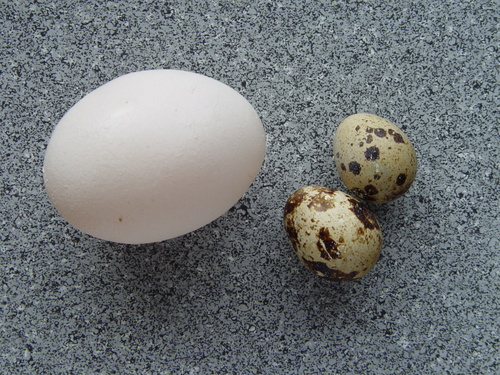
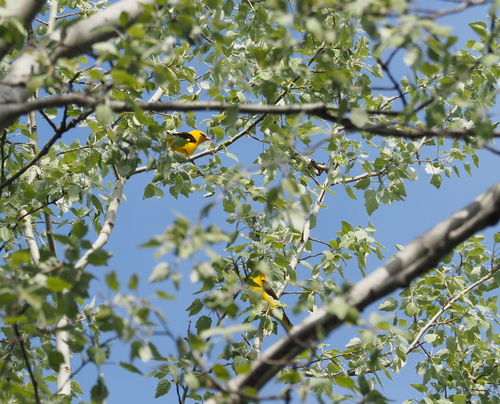
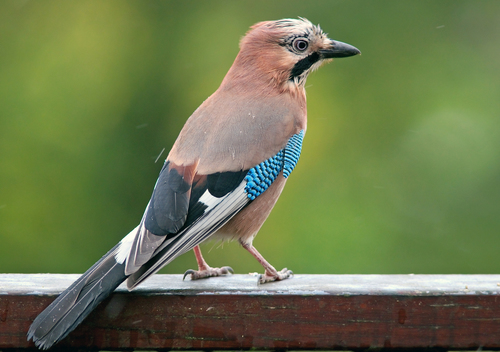
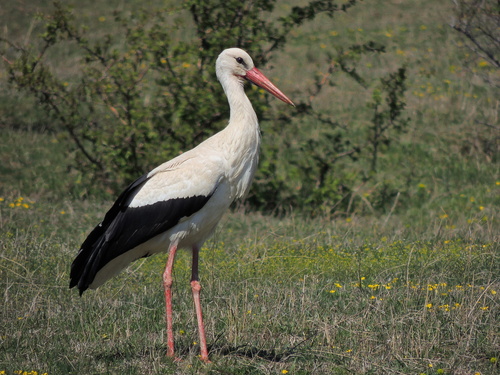
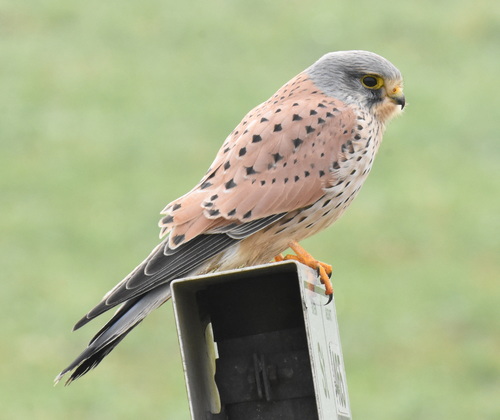 Migratory locust
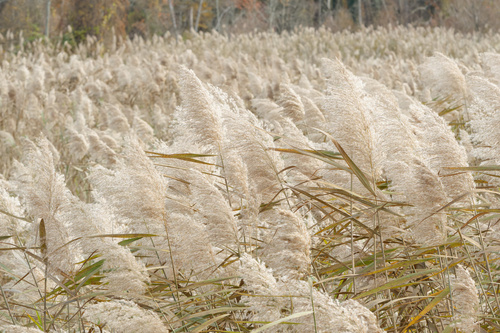

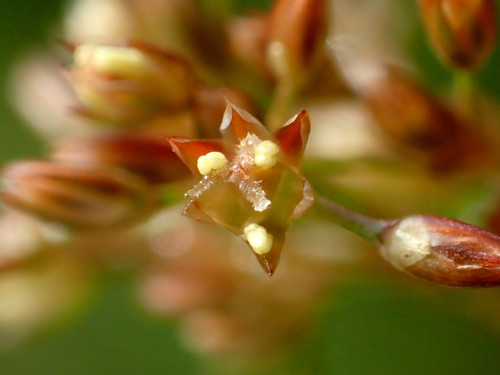

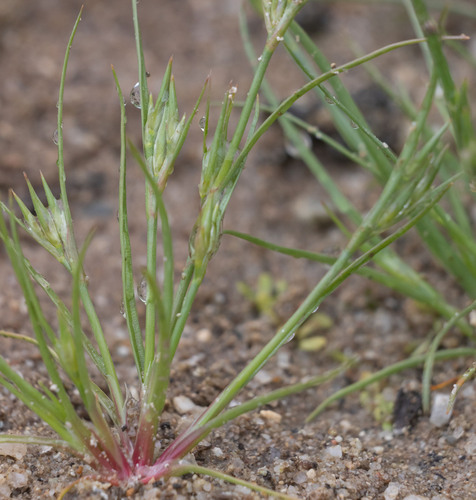
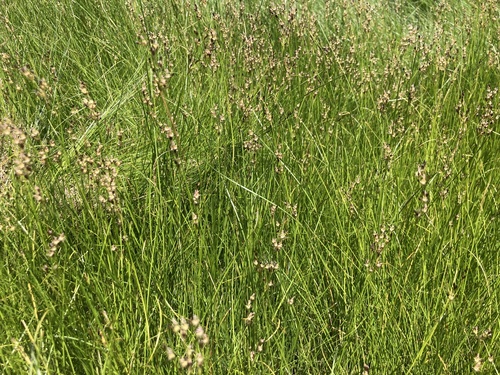
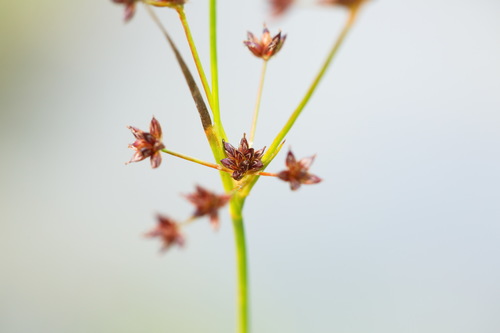



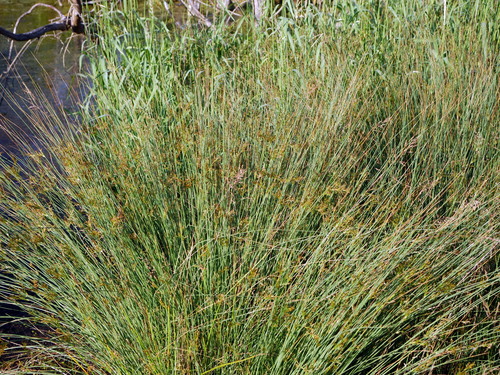
Records from studies worldwide, collected by GloBI. They include animals eaten as carrion, and they are not everything it eats in one place.
Where people see the migratory locust
People have shared 7,332 records from 72 countries.
Records show where people have seen it and shared it, not its full range. Country names open their page in Atlas.
When it is seen
Records per month in the northern hemisphere. More people outdoors also means more records.
Watch and listen


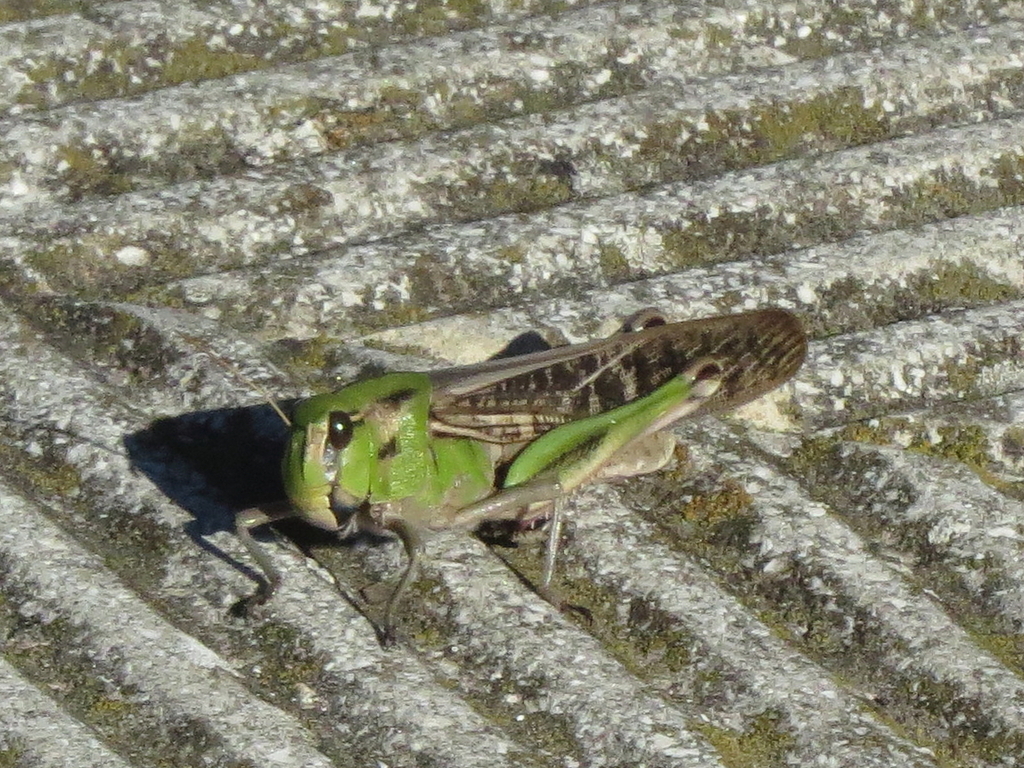
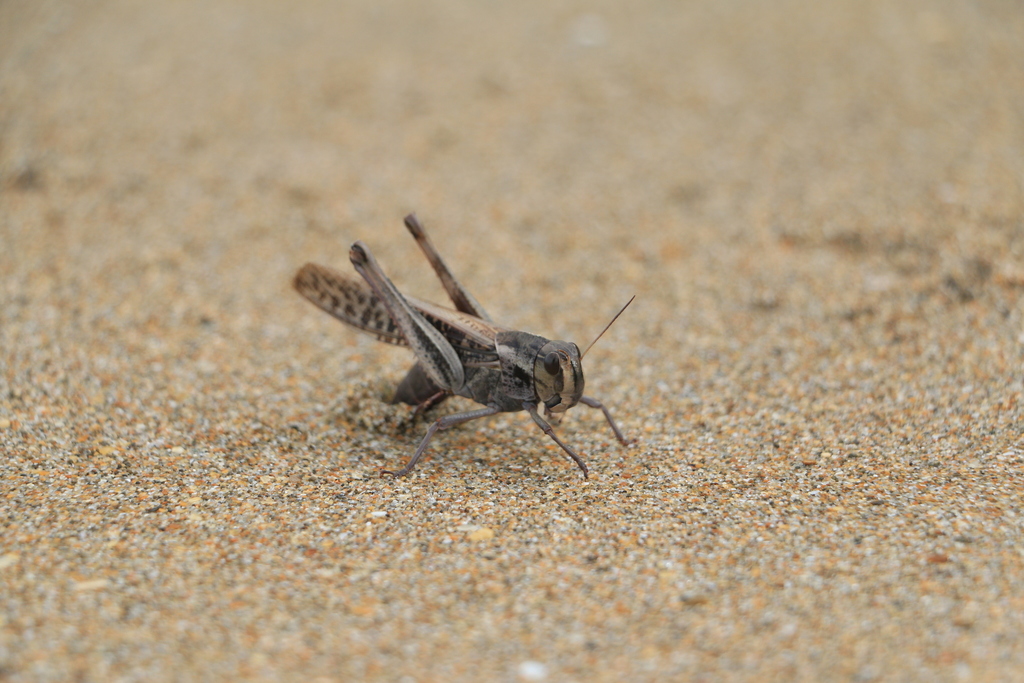
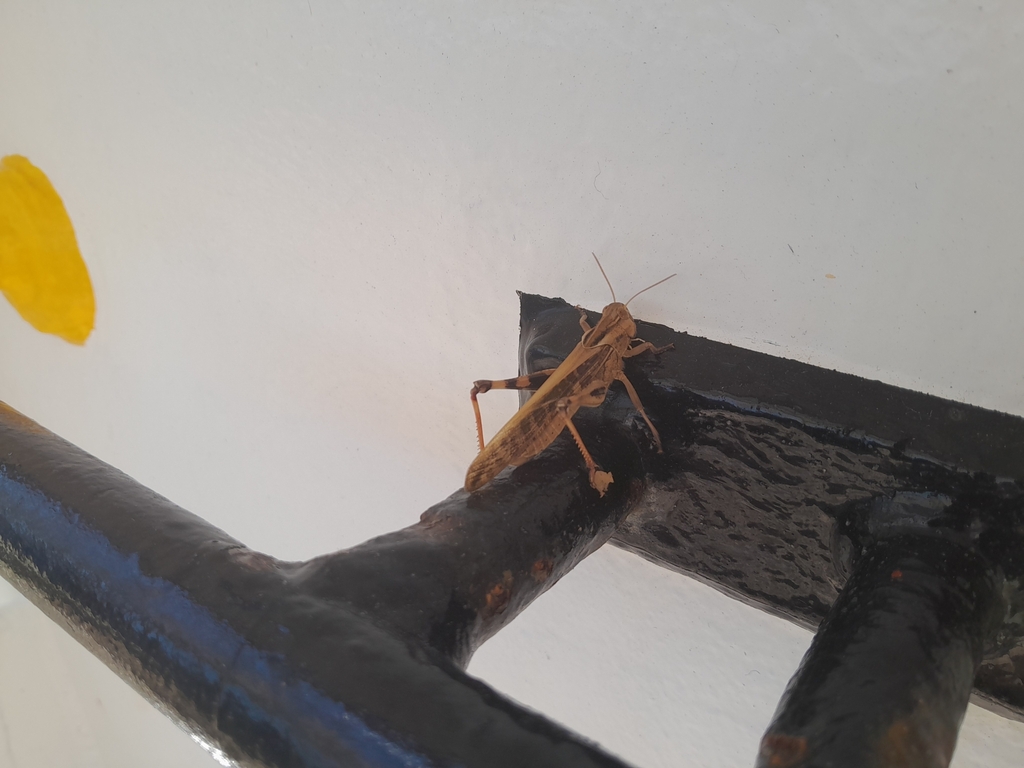
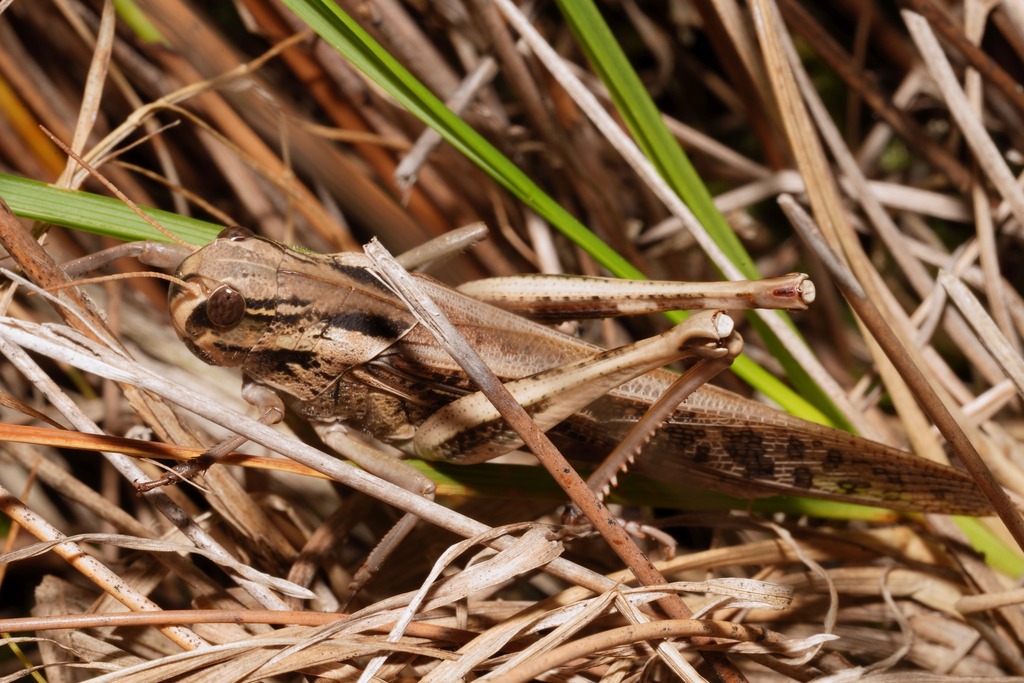
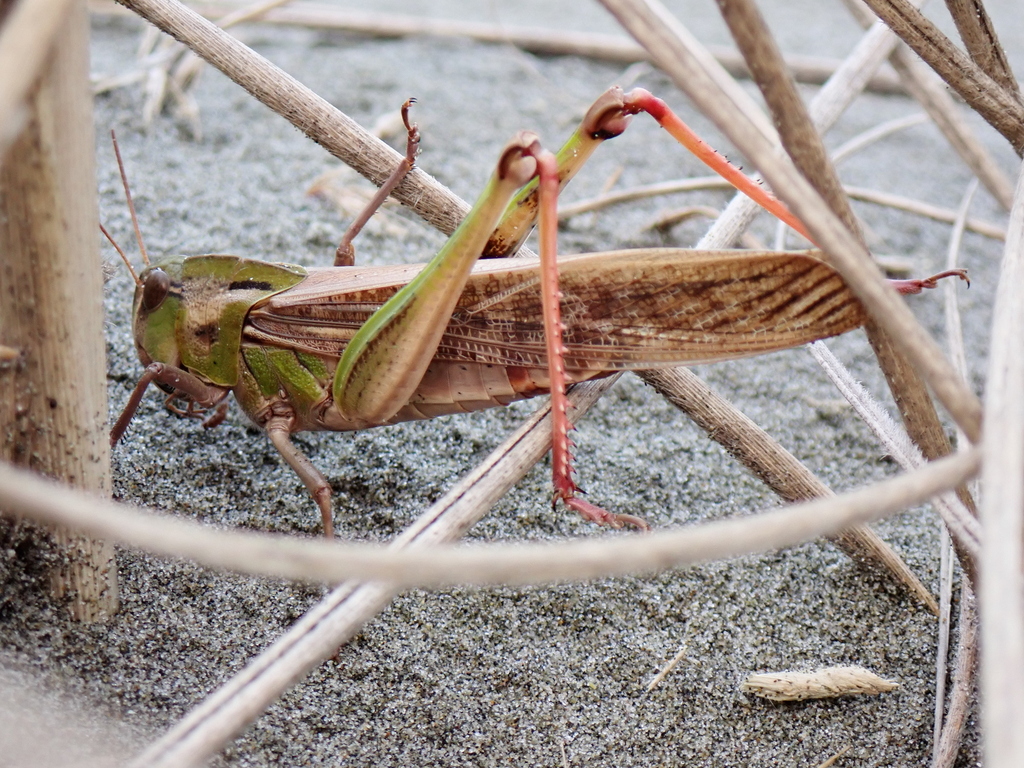
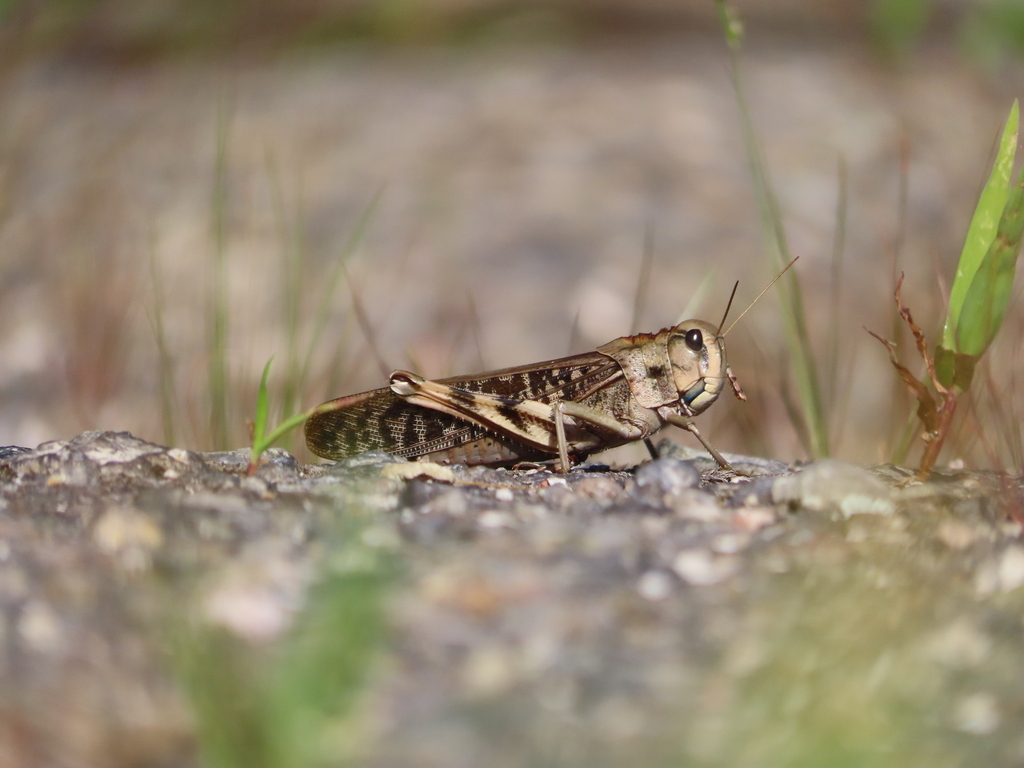
Seen a migratory locust?
Share your photo on iNaturalist. Other naturalists help confirm it, and the record goes to GBIF, where scientists use it and where the maps on this page come from.
Put this species on your site
The card names every source and links back here.
<iframe src="https://4planetatlas.com/place/embed/species/migratory-locust" title="Migratory locust (Locusta migratoria), 4PLANET Species" width="100%" height="600" style="border:0;max-width:640px" loading="lazy"></iframe>
<p><a href="https://4species.com/migratory-locust">Migratory locust on 4PLANET Species</a></p>Questions people ask
What does the migratory locust eat?
The migratory locust has been recorded eating 27 different kinds of animals and plants, most of them plants and birds. The ones recorded most often are common reed, woodchat shrike, soft rush, compact rush and toad rush; records include animals eaten as carrion. Source: GloBI.
What eats the migratory locust?
Recorded predators include red fox, northern raven, eurasian magpie, common quail and eurasian golden oriole. Source: GloBI.
Where does the migratory locust live?
People have recorded it in 72 countries; the most records come from Spain, France, Japan, Italy and Portugal. Records show where people have seen it, not its full range.
When is the migratory locust seen most?
In the northern hemisphere, the most records are made in October and the fewest in January. More people outdoors also means more records.
Sources and photo credits
- GBIF · Locusta migratoria, 7,332 human observations
- GloBI · recorded interactions of Locusta migratoria
- Wikidata · Migratory locust (Q1059580)
- Migratory locust (Locusta migratoria): William Harland, CC BY 4.0
- Migratory locust (Locusta migratoria): Ettore Balocchi, CC BY 4.0
- Migratory locust (Locusta migratoria): Kim, Hyun-tae, CC BY 4.0
- Migratory locust (Locusta migratoria), 60126 Torrette AN, Italia: Gianni Del Bufalo bygdb, CC BY 4.0
- Migratory locust (Locusta migratoria), Teviotdale, New Zealand: Josh Sutton, CC BY 4.0
- Migratory locust (Locusta migratoria), Portimão, Faro, Portugal: Duarte Frade, CC BY 4.0
- Migratory locust (Locusta migratoria), Omapere 0473, Neuseeland: Uwe Schneehagen, CC BY-SA 4.0
- Migratory locust (Locusta migratoria), Foxton Beach, New Zealand: Arnim Littek, CC BY 4.0
- Migratory locust (Locusta migratoria), Нарукоонсен, Осаки, Мияги, Япония: Timur Kalininsky, CC BY 4.0
- Common reed: Donald Davesne, CC BY 4.0
- Woodchat shrike: Ani Sarkisyan, CC BY 4.0
- Soft rush: no rights reserved, uploaded by 葉子, CC0
- Compact rush: Thomas Gyselinck, CC BY 4.0
- Toad rush: Pinnacles National Park, CC BY 4.0
- Saltmarsh rush: M Sorensen, CC0
- Jointed rush: Вячеслав Юсупов, CC BY 4.0
- Slender rush: Thomas Gyselinck, CC BY 4.0
- Dwarf rush: zebedeugalinha, CC BY 4.0
- Heath rush: Joe Dillon, CC BY 4.0
- Hard rush: Wolfgang Jauch, CC BY 4.0
- Red fox: Алина Урусова, CC BY 4.0
- Northern raven: xulescu_g, CC BY-SA 4.0
- Common quail: anonymous, CC BY-SA 4.0
- Eurasian golden oriole: carnifex, CC BY 4.0
- Eurasian jay: Luc Viatour, CC BY-SA 4.0
- White stork: xulescu_g, CC BY-SA 4.0
- Common kestrel: Thorsten Hackbarth, CC BY 4.0
Records show where people have seen and shared the migratory locust, not its full range, and some countries and months are recorded far more than others. The food web lists interactions that studies have recorded somewhere in the world (GloBI), not everything it eats in one place.
Checked 2026-11-27.