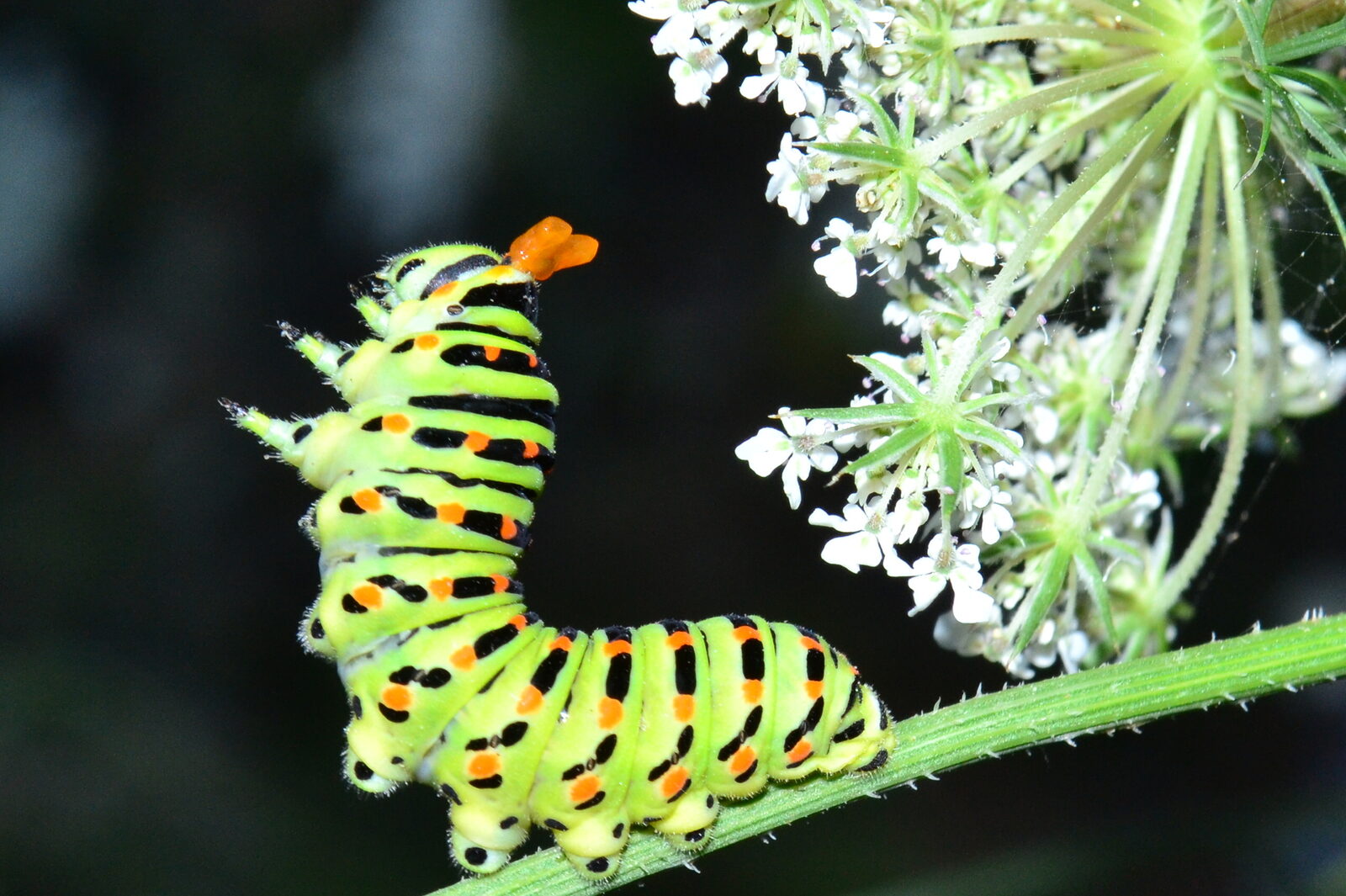
Old world swallowtail
Papilio machaon
- Status
- IUCN Red List
- Eats
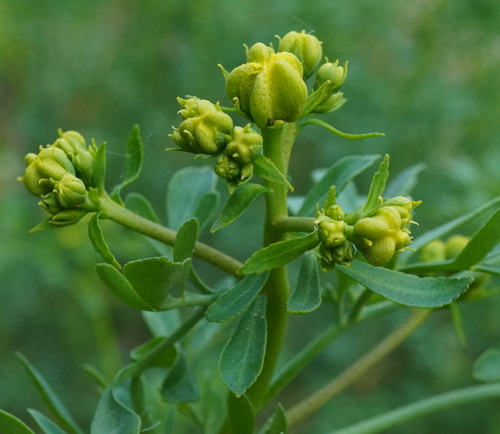
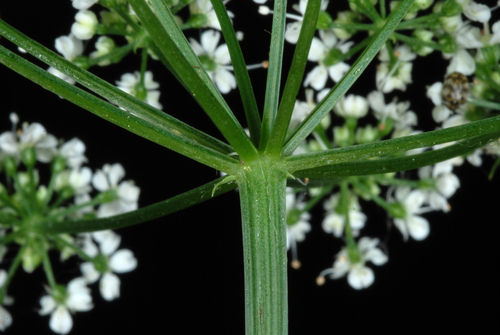
- wild parsnip, fennel, parsley and 177 more
- Eaten by
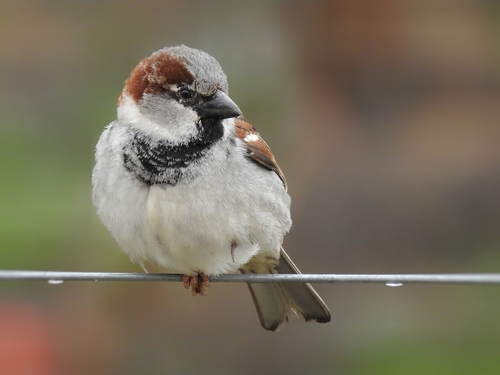
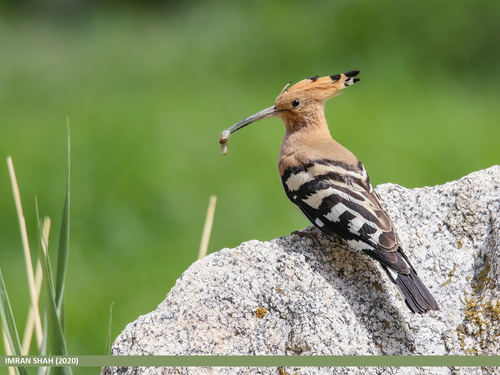
- house sparrow, Eurasian magpie, Eurasian hoopoe
- Where
- 70 countries · lake Baikal
On 4Planet Atlas it is among the wildlife people record most around Andorra la Vella, Bern and Ljubljana, and 5 more of the cities we cover.
People have shared 48,552 records of the old world swallowtail with GBIF, from 70 countries, most of them from France, Italy and Russia. Records collected by GloBI show it eating 180 different kinds of animals and plants, and being eaten by 96.
Habitats
What the old world swallowtail eats, and what eats it
Studies have recorded it eating 180 kinds of animals and plants, and 96 kinds of animals eating it. Tap any of them to follow the food chain.
- Plants 175
Eaten by
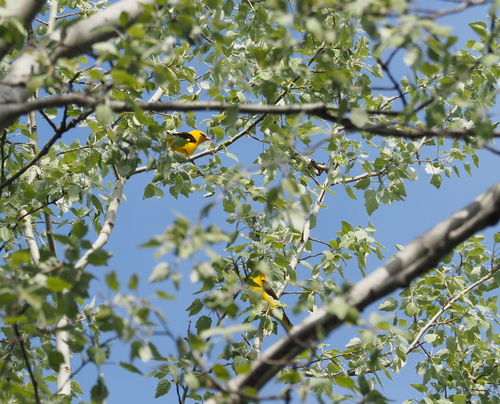
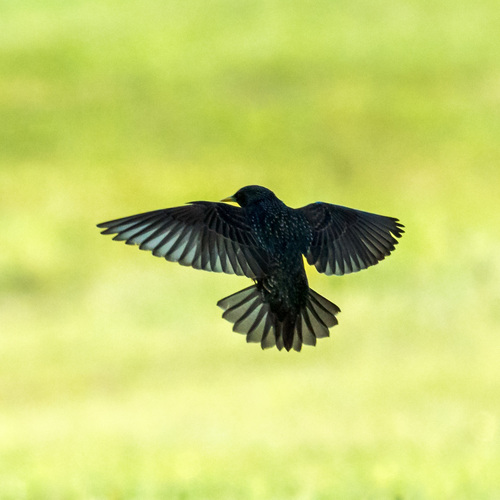
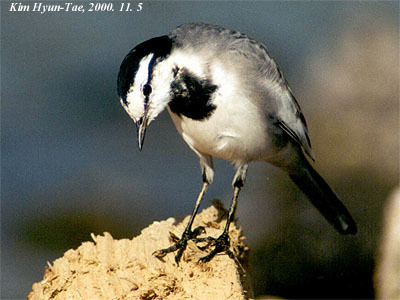
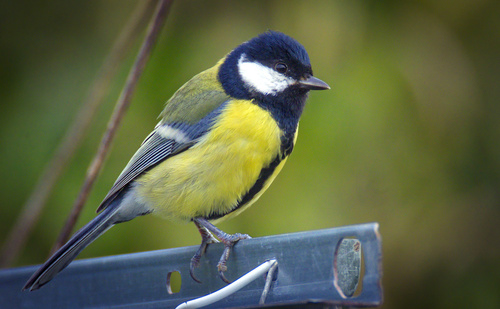 Old world swallowtail
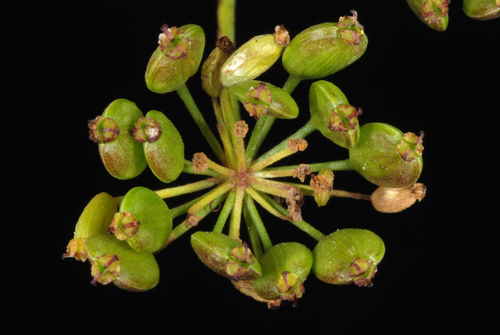
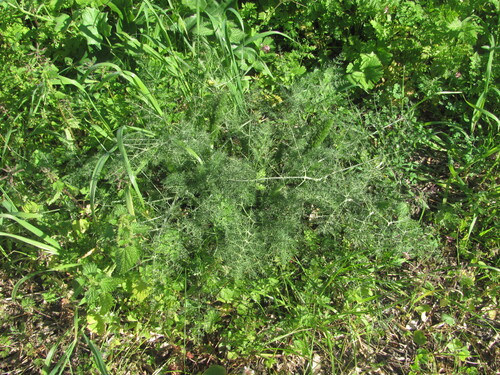

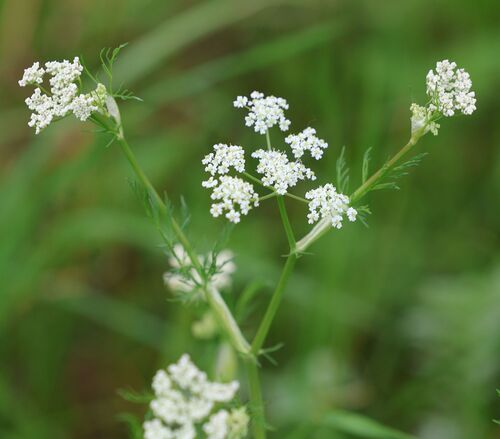
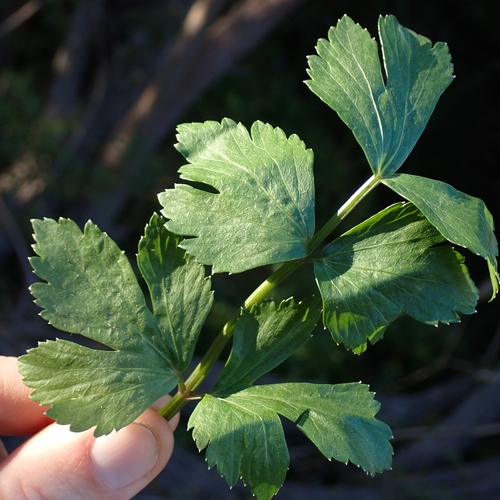

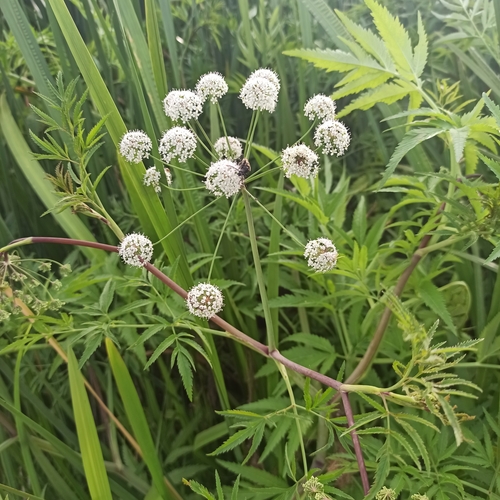
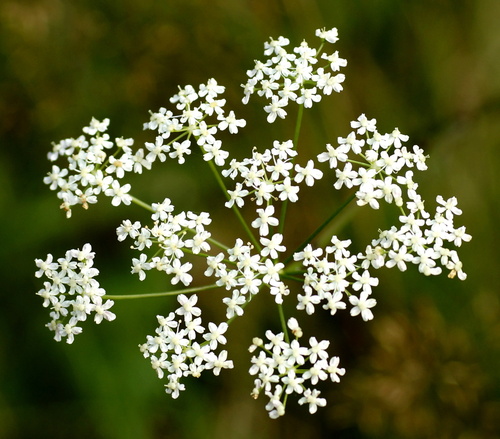
Records from studies worldwide, collected by GloBI. They include animals eaten as carrion, and they are not everything it eats in one place.
Where people see the old world swallowtail
People have shared 48,552 records from 70 countries.
Near a city: Andorra la Vella, Bern, Ljubljana, Podgorica, Sarajevo, Tirana, Vaduz, Valletta.
Records show where people have seen it and shared it, not its full range. Country names open their page in Atlas.
When it is seen
Records per month in the northern hemisphere. More people outdoors also means more records.
Watch and listen
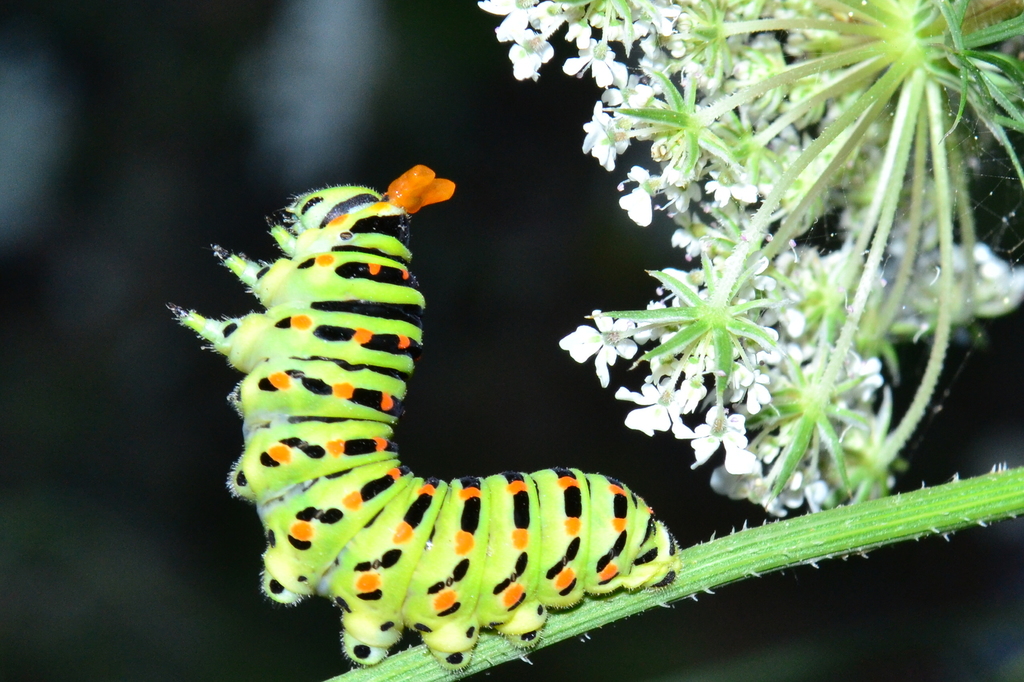
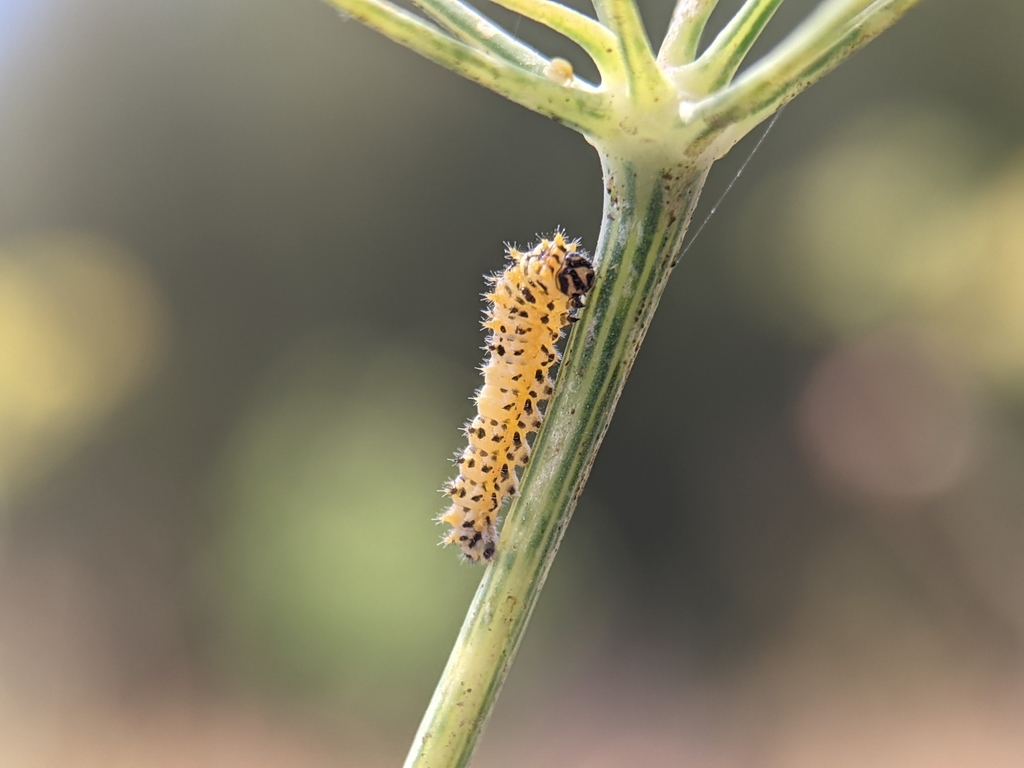
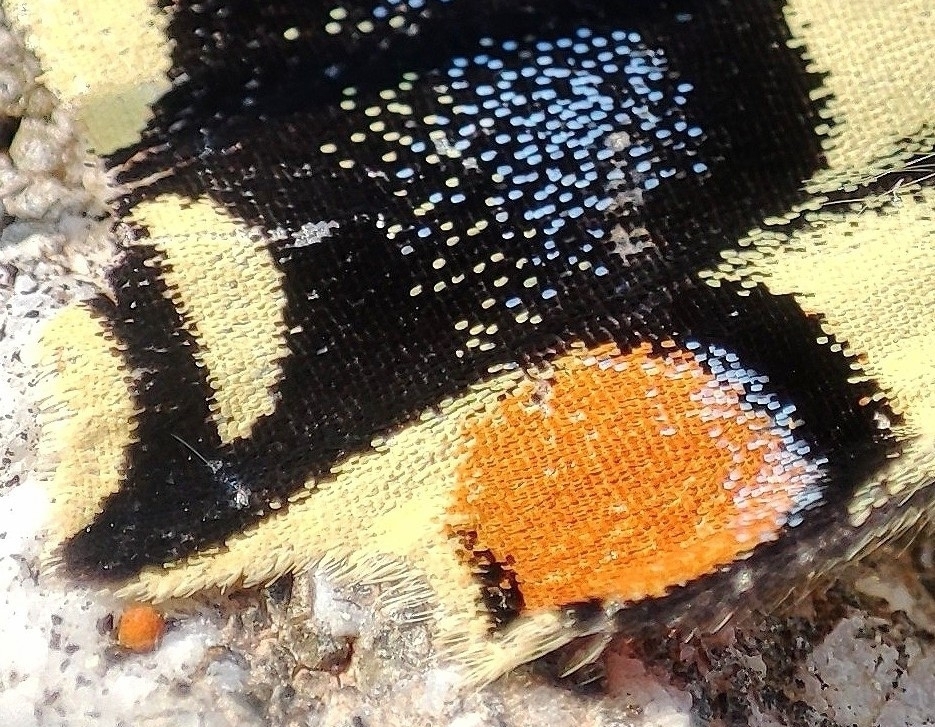
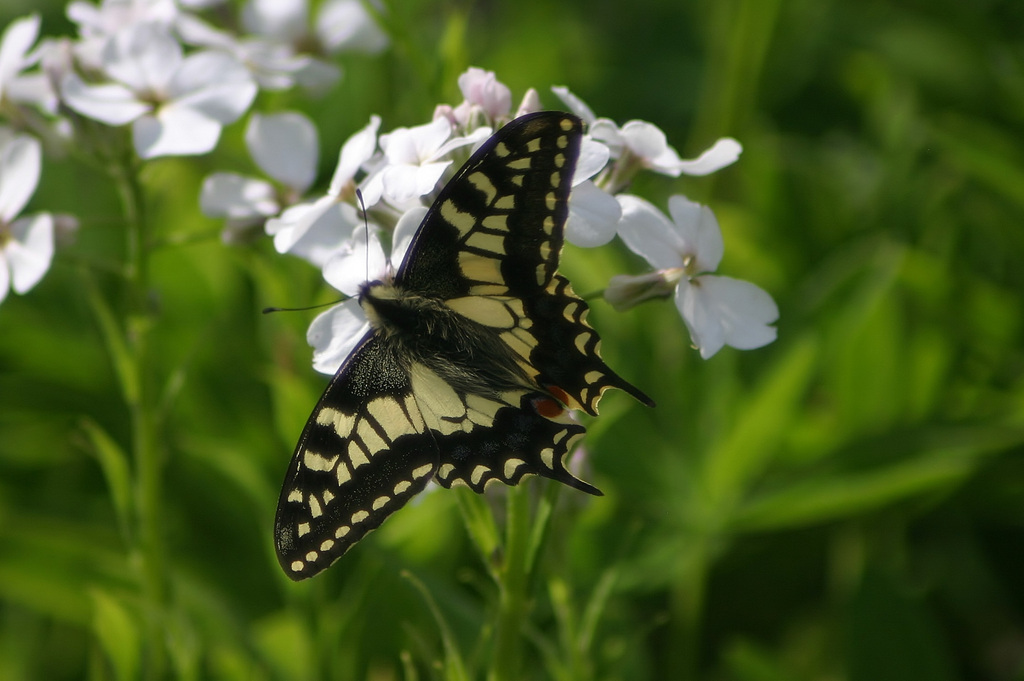
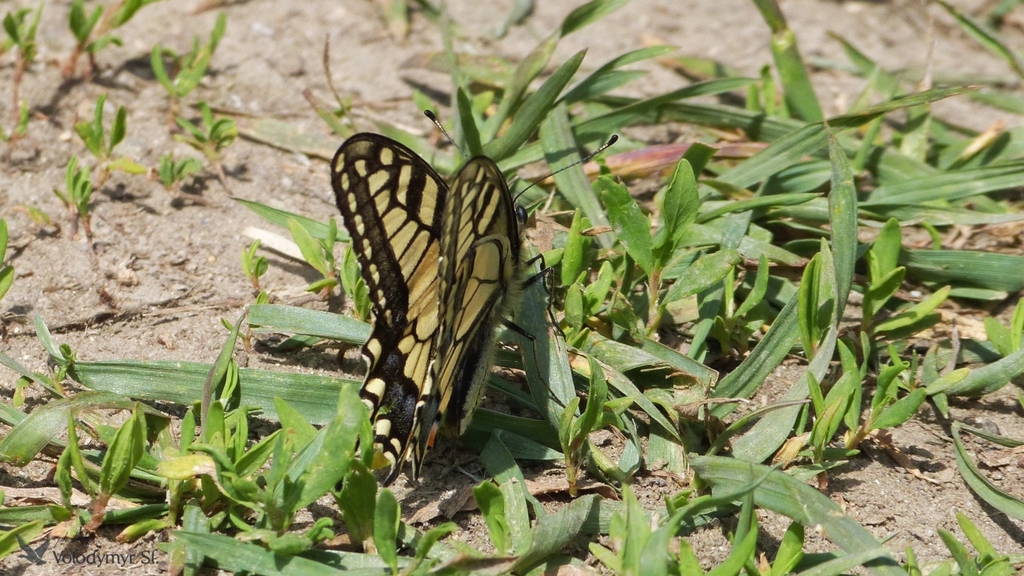
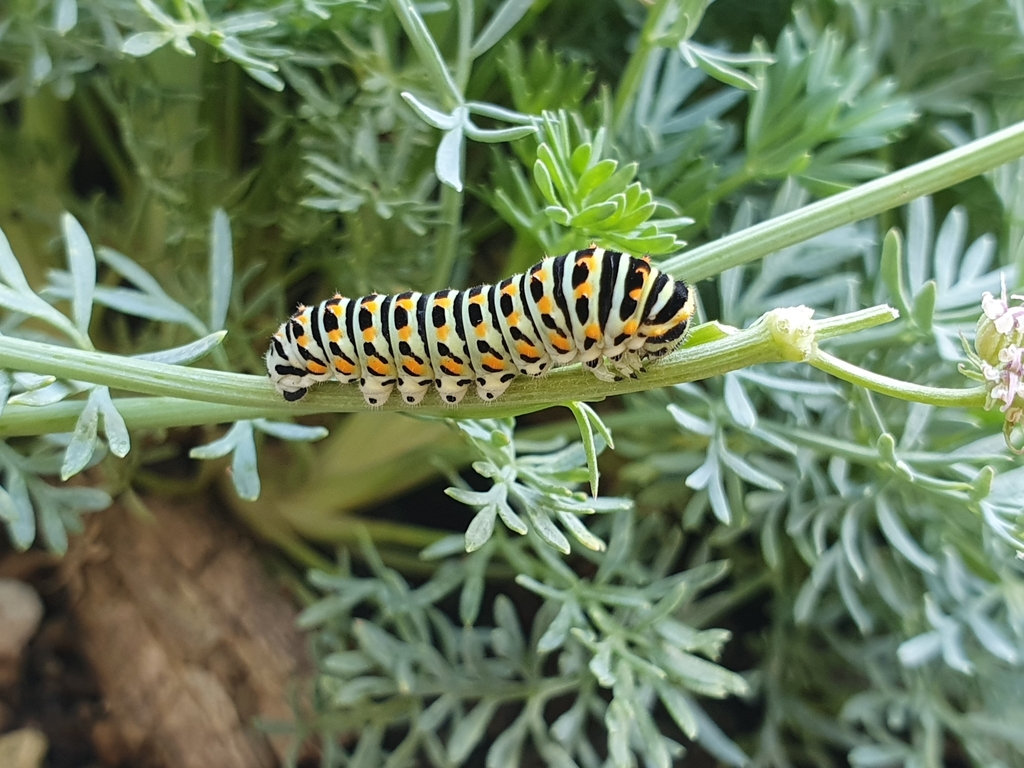
Its closest relatives
The other species of the genus Papilio.

Seen an old world swallowtail?
Share your photo on iNaturalist. Other naturalists help confirm it, and the record goes to GBIF, where scientists use it and where the maps on this page come from.
Put this species on your site
The card names every source and links back here.
<iframe src="https://4planetatlas.com/place/embed/species/old-world-swallowtail" title="Old world swallowtail (Papilio machaon), 4PLANET Species" width="100%" height="600" style="border:0;max-width:640px" loading="lazy"></iframe>
<p><a href="https://4species.com/old-world-swallowtail">Old world swallowtail on 4PLANET Species</a></p>Questions people ask
What does the old world swallowtail eat?
The old world swallowtail has been recorded eating 180 different kinds of animals and plants, most of them plants. The ones recorded most often are wild parsnip, fennel, parsley, caraway and wild celery; records include animals eaten as carrion. Source: GloBI.
What eats the old world swallowtail?
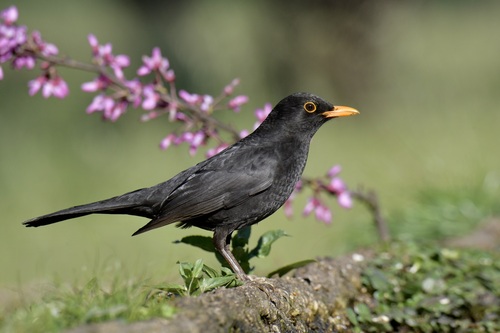
Recorded predators include house sparrow, eurasian magpie, eurasian hoopoe, common blackbird and eurasian golden oriole. Source: GloBI.
Where does the old world swallowtail live?
People have recorded it in 70 countries; the most records come from France, Italy, Russia, Spain and Germany. Records show where people have seen it, not its full range.
When is the old world swallowtail seen most?
In the northern hemisphere, the most records are made in July and the fewest in January. More people outdoors also means more records.
What are the old world swallowtail's closest relatives?
It shares the genus Papilio with peacock swallowtail.
Sources and photo credits
- GBIF · Papilio machaon, 48,552 human observations
- GloBI · recorded interactions of Papilio machaon
- Wikidata · Old world swallowtail (Q179530)
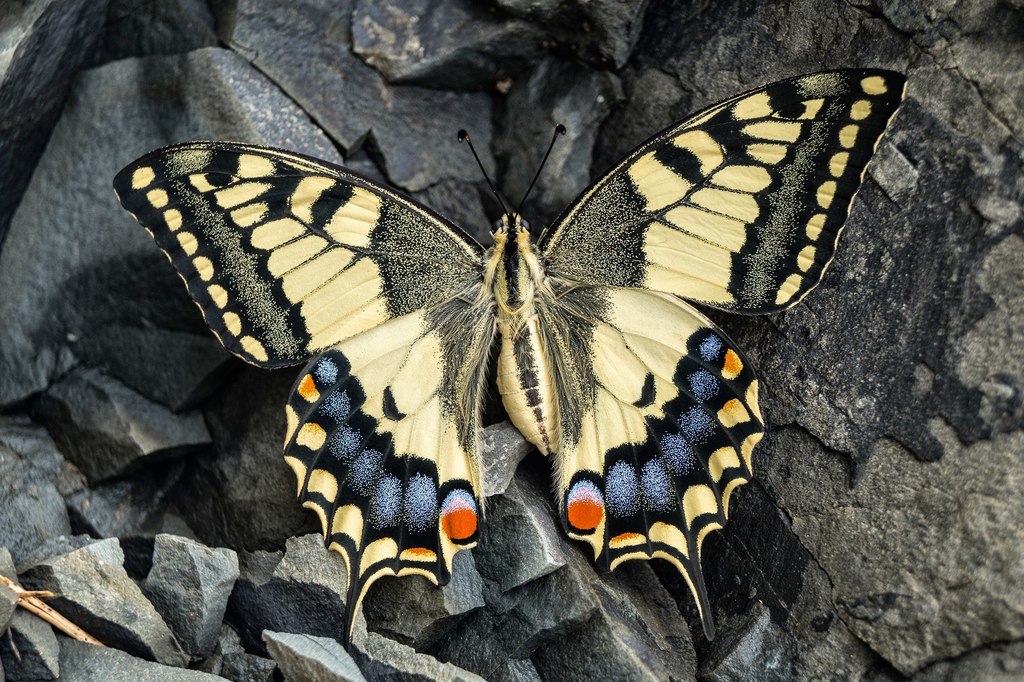
- Old world swallowtail (Papilio machaon): no rights reserved, uploaded by Marino Linić, CC0
- Old world swallowtail (Papilio machaon): lugachev_vitaly, CC BY 4.0
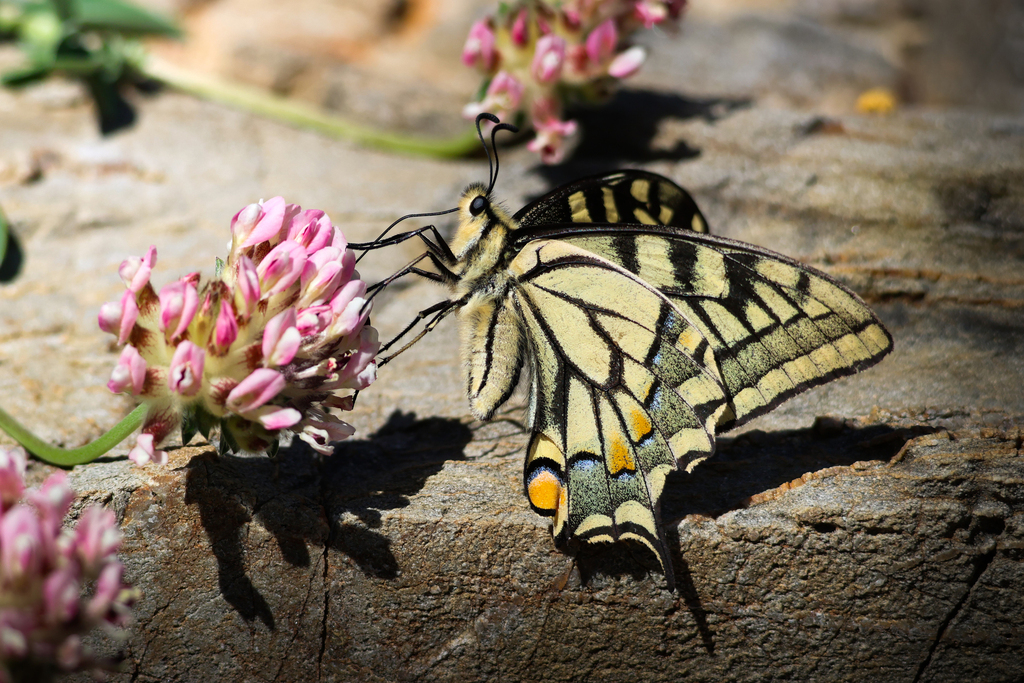
- Old world swallowtail (Papilio machaon), La Coruña, España: Diego González Dopico, CC BY 4.0
- Old world swallowtail (Papilio machaon), Zadarska, HR: Marino Linić, CC0
- Old world swallowtail (Papilio machaon), 19018 Vernazza, SP, Italy: bemma, CC BY 4.0
- Old world swallowtail (Papilio machaon), Τοπική Κοινότητα Γαλάνης, Grecia: Federico Biguzzi, CC0
- Old world swallowtail (Papilio machaon), Norfolk, UK: bobhunter2, CC0
- Old world swallowtail (Papilio machaon), BARDZKA (Cmentarz, Wrocław, Польща: Volodymyr Slobodian, CC BY 4.0
- Old world swallowtail (Papilio machaon), 53 Bonn-Poppelsdorf, Deutschland: Conny Löhne, CC BY 4.0
- Wild parsnip: Douglas Goldman, CC BY-SA 4.0
- Fennel: zebedeugalinha, CC BY 4.0
- Parsley: Alice Shanks, CC BY 4.0
- Caraway: Andrejus Gaidamavičius, CC BY 4.0
- Wild celery: no rights reserved, uploaded by John Cowles, CC0
- Common rue: Patrick Hacker, CC BY 4.0
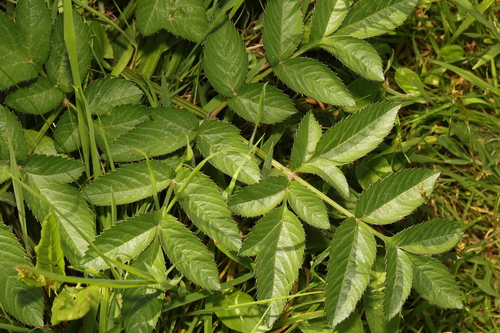
- Goutweed: Douglas Goldman, CC BY-SA 4.0
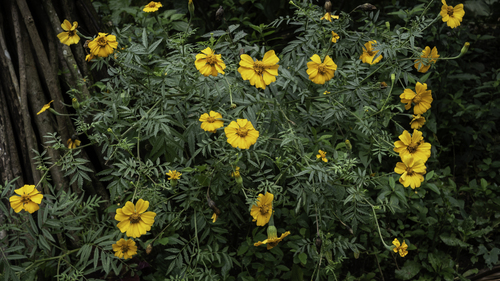
- African marigold: lisong, CC BY-SA 4.0
- Hogweed: Andreas Rockstein, CC BY-SA 4.0
- Wild angelica: Stephen James McWilliam, CC0
- Cowbane: Элеонора Анатольевна, CC BY 4.0
- Burnet-saxifrage: Udo Schmidt, CC BY-SA 4.0
- House sparrow: Esteban Poveda, CC BY 4.0
- Eurasian hoopoe: Birds of Gilgit-Baltistan, CC BY-SA 4.0
- Common blackbird: Luiz Lapa, CC BY 4.0
- Eurasian golden oriole: carnifex, CC BY 4.0
- Common starling: Shiva Shenoy, CC BY 4.0
- White wagtail: Kim, Hyun-tae, CC BY 4.0
- Great tit: hedera.baltica, CC BY-SA 4.0
- Peacock swallowtail: Cheongweei Gan, CC BY 4.0
Records show where people have seen and shared the old world swallowtail, not its full range, and some countries and months are recorded far more than others. The food web lists interactions that studies have recorded somewhere in the world (GloBI), not everything it eats in one place.
Checked 2026-11-24.