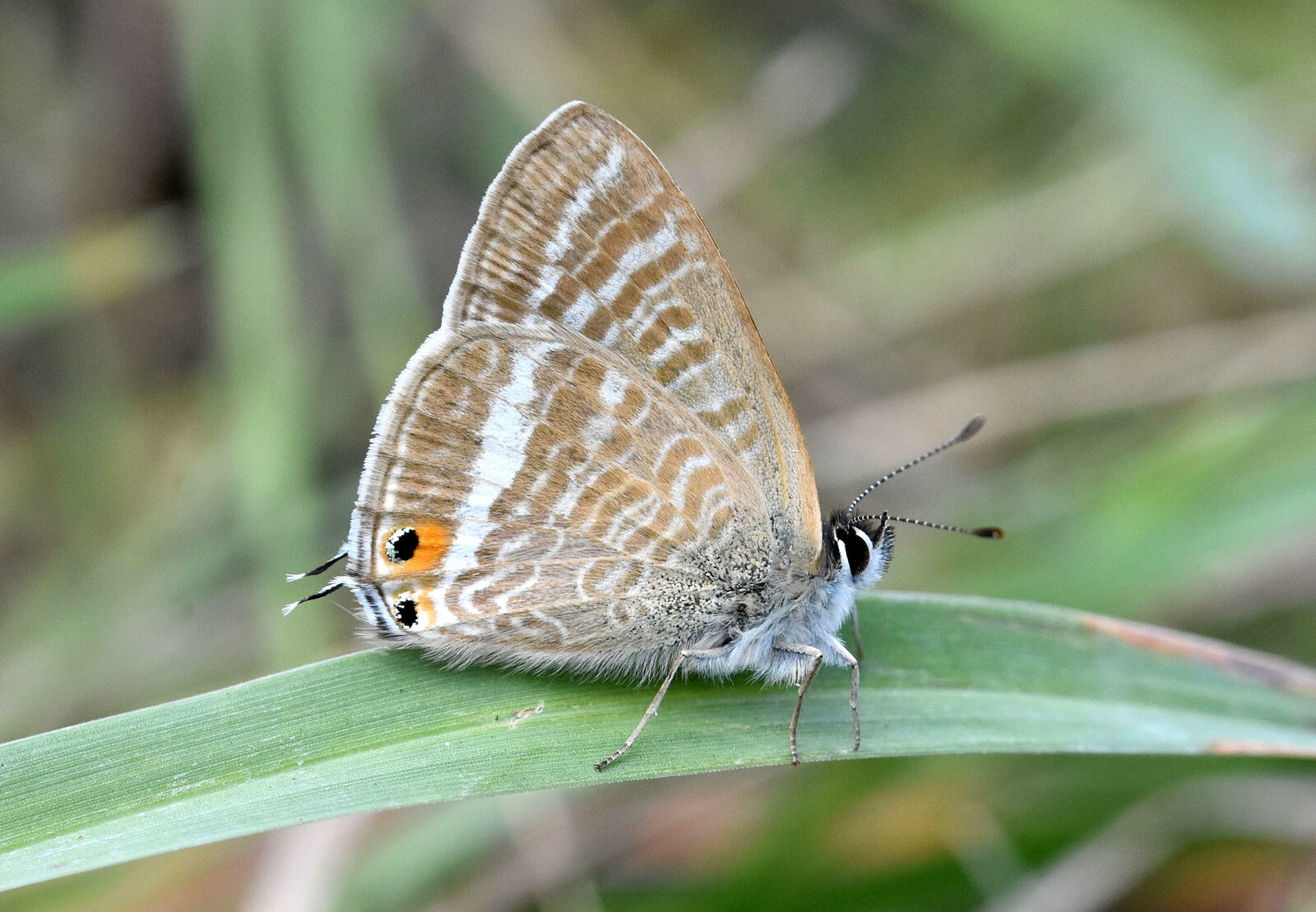
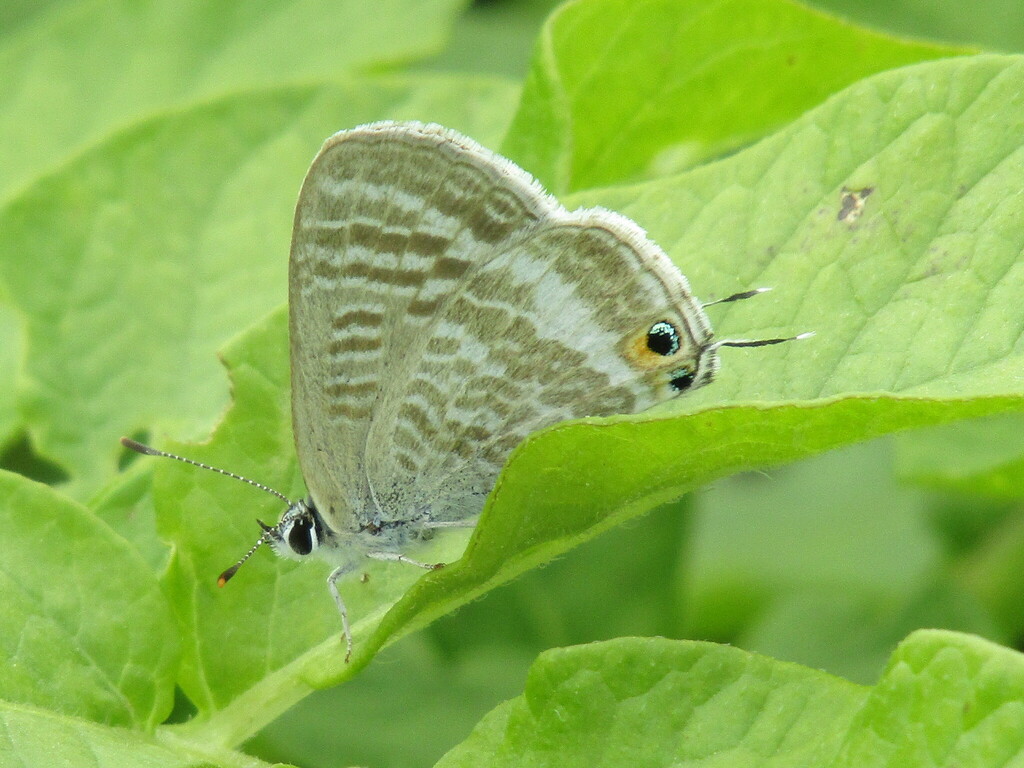
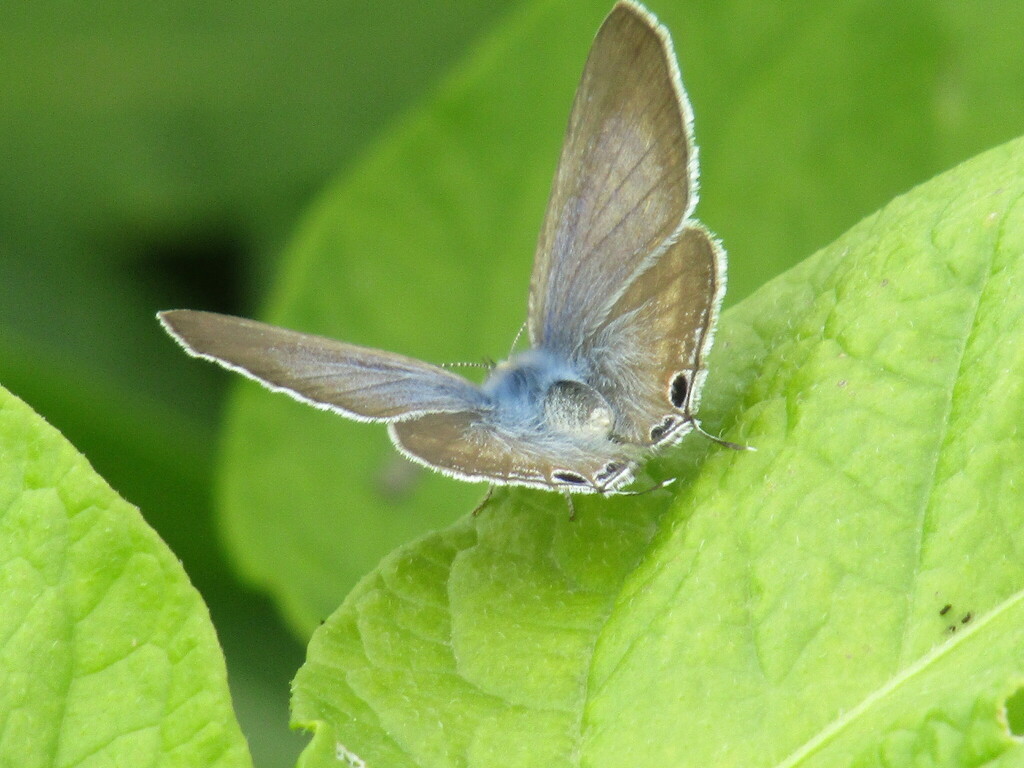
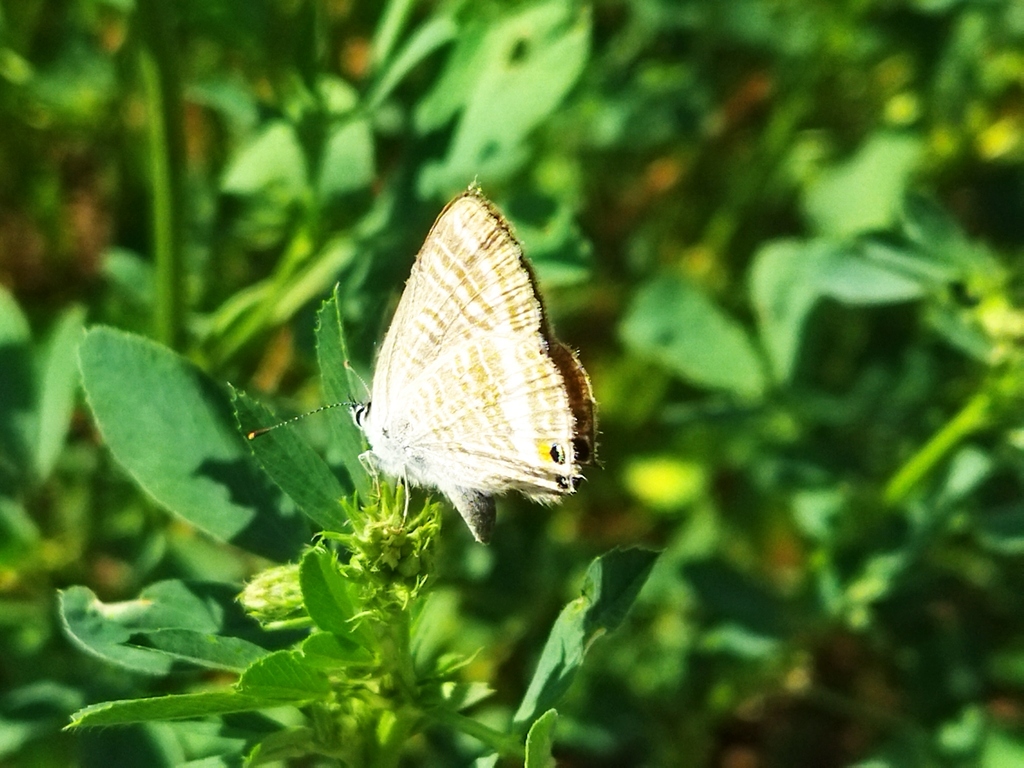
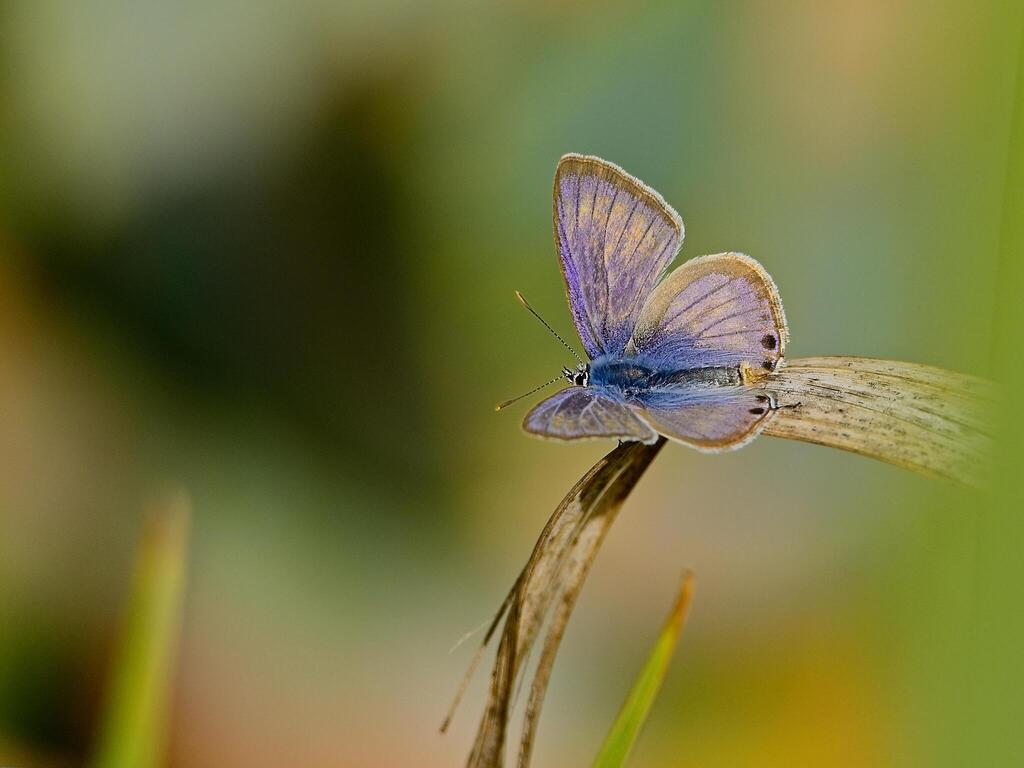
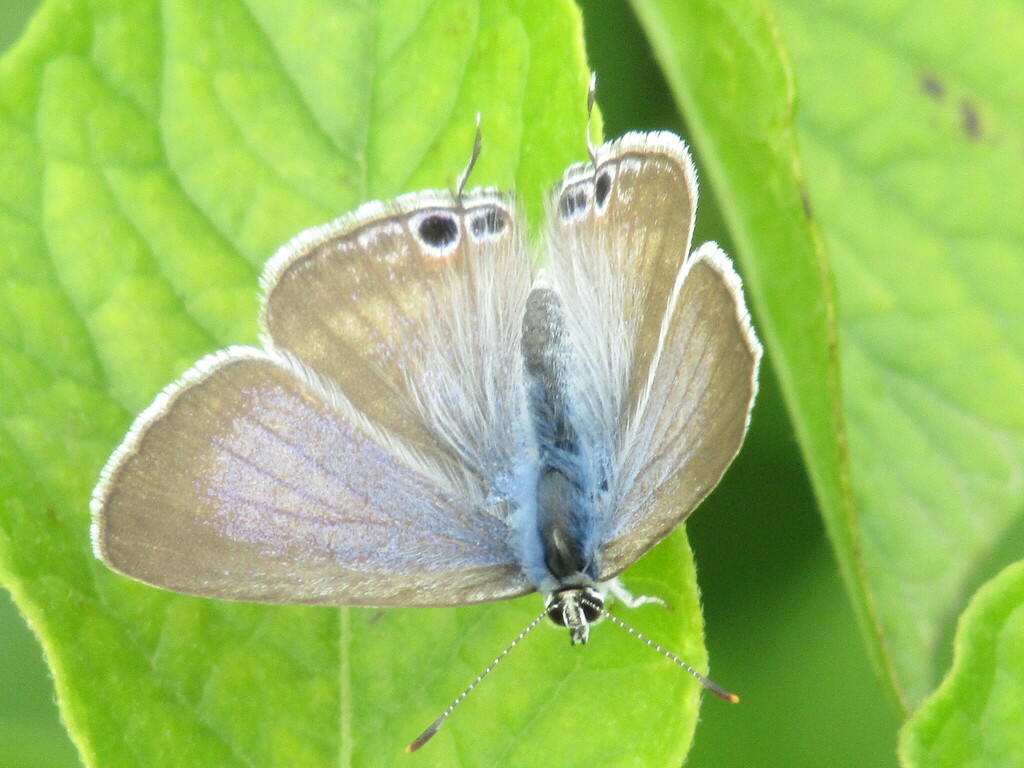
Pea blue
Lampides boeticus
- Status
- Least Concern IUCN Red List
- Eats
- garden pea, broad bean, black locust and 274 more
- Eaten by
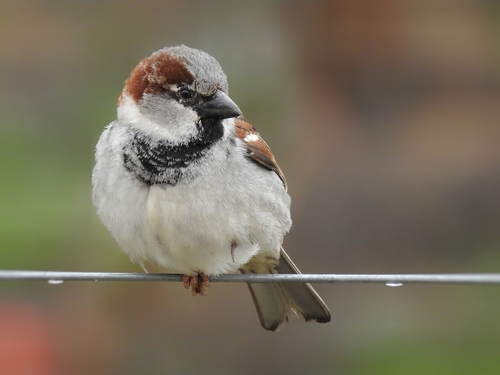
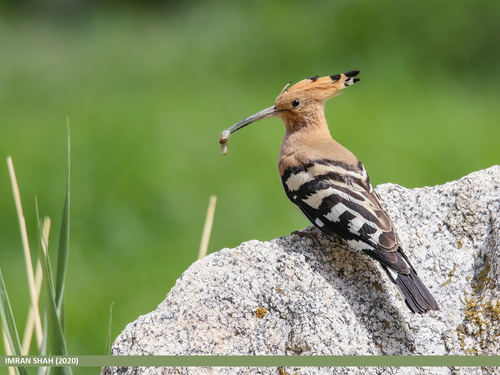
- house sparrow, Eurasian magpie, Eurasian hoopoe
- Where
- 111 countries
On 4Planet Atlas it is among the wildlife people record most around Antananarivo, Khartoum and Praia, and 1 more of the cities we cover.
People have shared 21,246 records of the pea blue with GBIF, from 111 countries, most of them from Spain, Australia and India. Records collected by GloBI show it eating 277 different kinds of animals and plants, and being eaten by 94.
What the pea blue eats, and what eats it
Studies have recorded it eating 277 kinds of animals and plants, and 94 kinds of animals eating it. Tap any of them to follow the food chain.
- Plants 270
- Insects 2
Eaten by
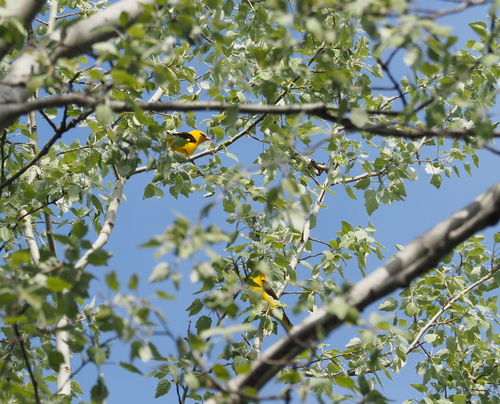
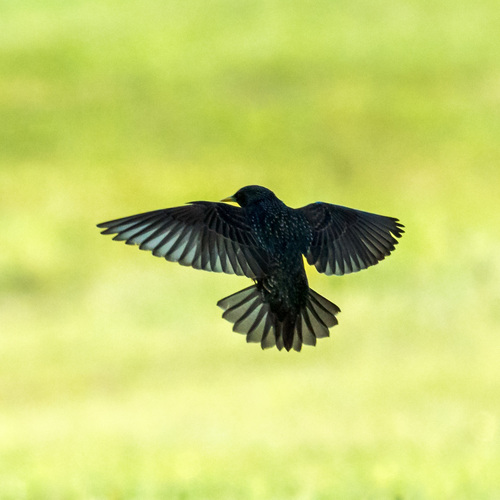
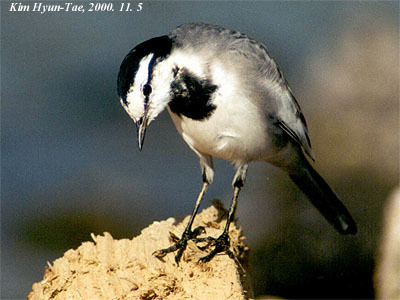
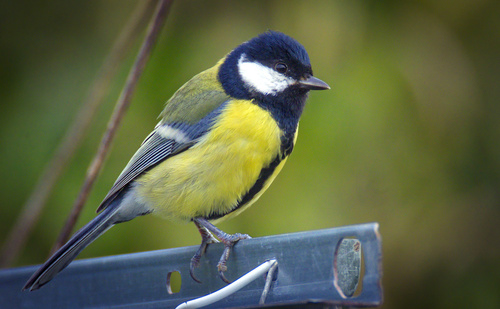 Pea blue
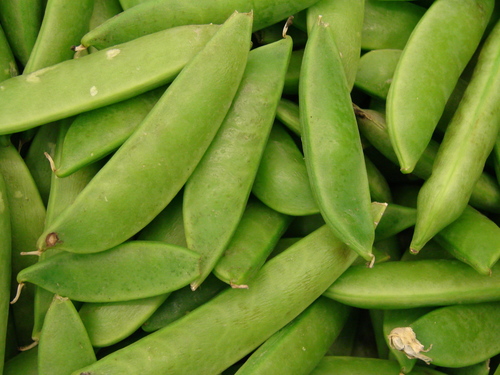
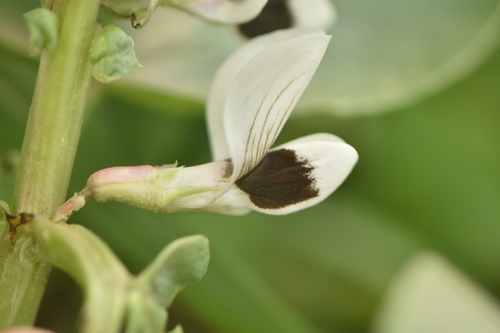

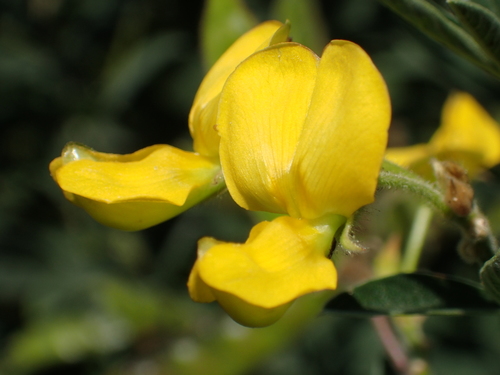
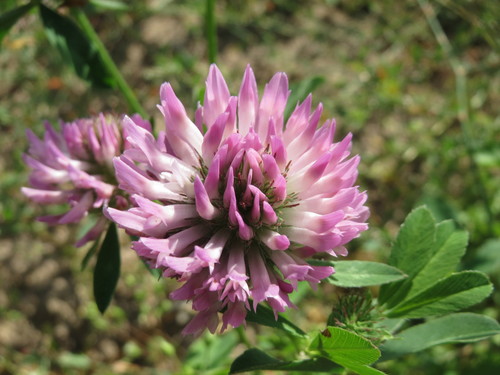
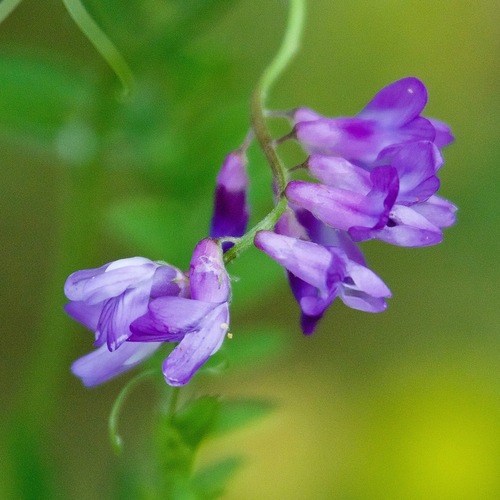
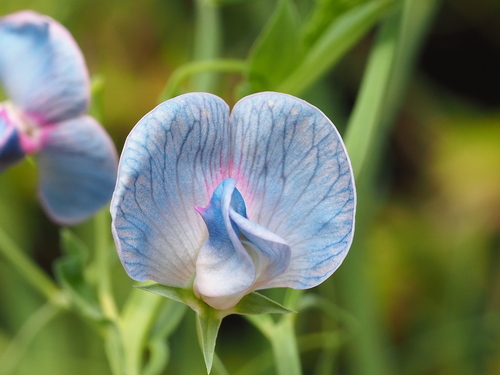
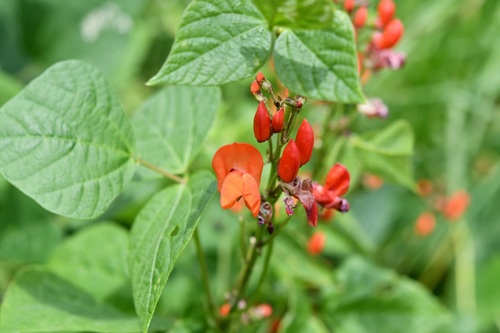
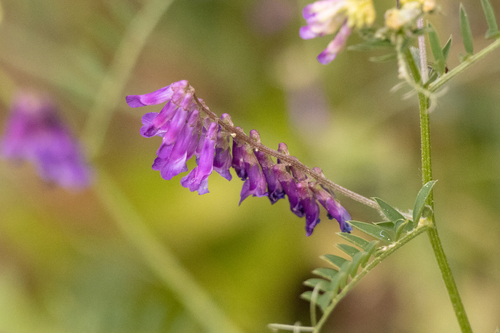
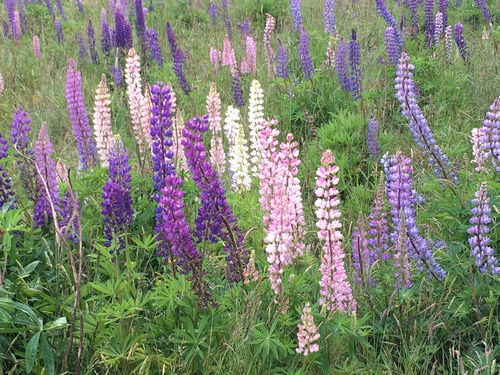
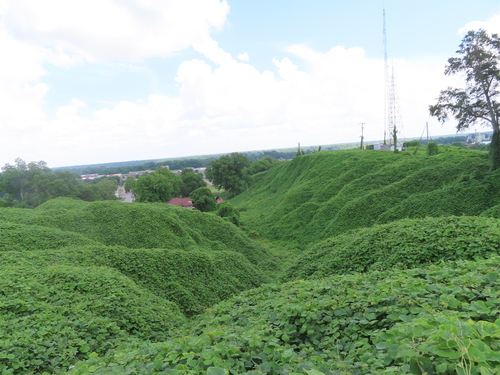
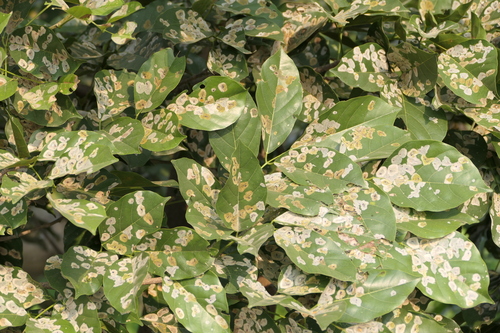
Records from studies worldwide, collected by GloBI. They include animals eaten as carrion, and they are not everything it eats in one place.
Where people see the pea blue
People have shared 21,246 records from 111 countries.
Near a city: Antananarivo, Khartoum, Praia, Tokyo.
Records show where people have seen it and shared it, not its full range. Country names open their page in Atlas.
When it is seen
Records per month in the northern hemisphere. More people outdoors also means more records.
Watch and listen
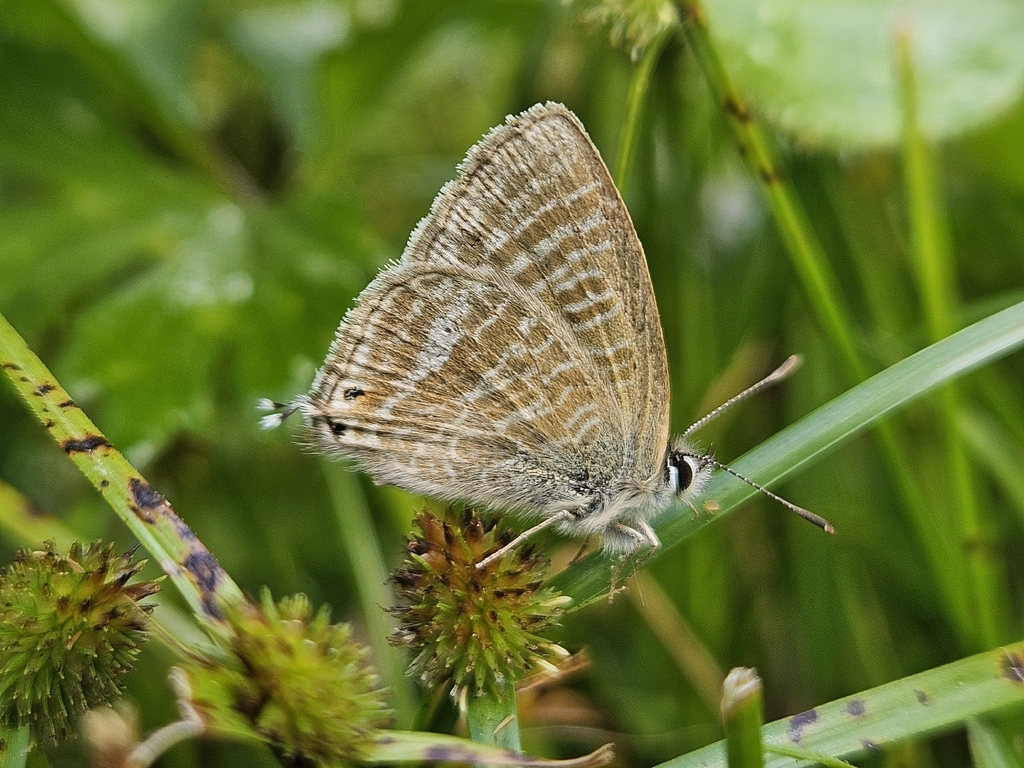
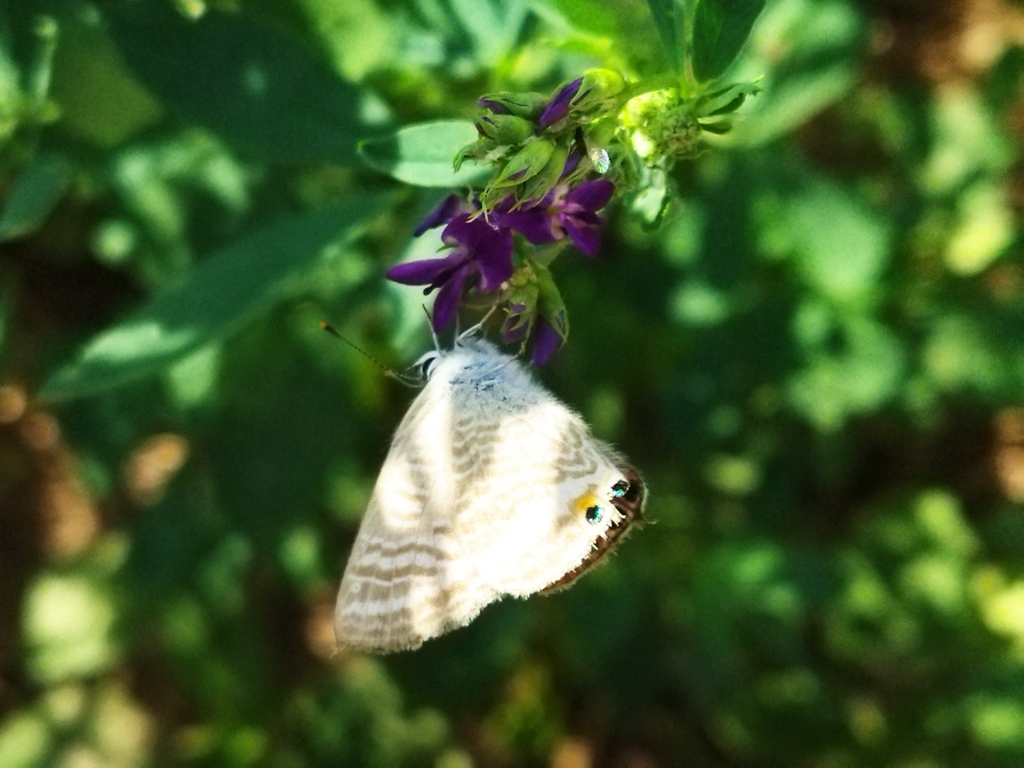
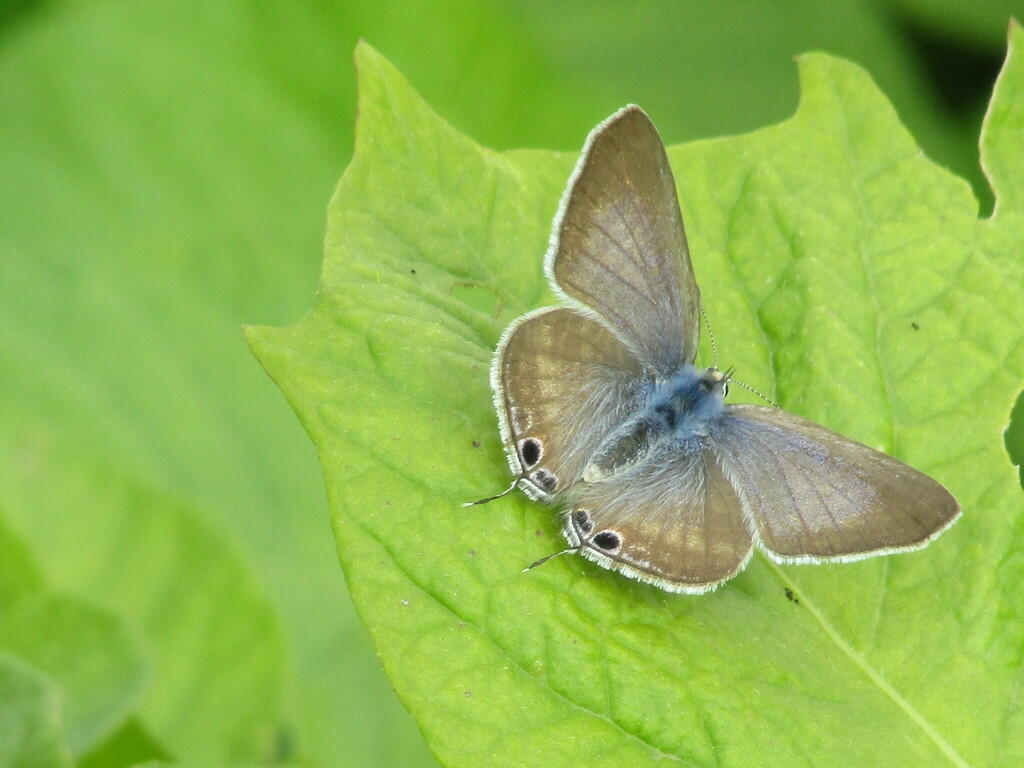
Its closest relatives
The other species of the genus Lampides.
Seen a pea blue?
Share your photo on iNaturalist. Other naturalists help confirm it, and the record goes to GBIF, where scientists use it and where the maps on this page come from.
Put this species on your site
The card names every source and links back here.
<iframe src="https://4planetatlas.com/place/embed/species/pea-blue" title="Pea blue (Lampides boeticus), 4PLANET Species" width="100%" height="600" style="border:0;max-width:640px" loading="lazy"></iframe>
<p><a href="https://4species.com/pea-blue">Pea blue on 4PLANET Species</a></p>Questions people ask
What does the pea blue eat?
The pea blue has been recorded eating 277 different kinds of animals and plants, most of them plants and insects. The ones recorded most often are garden pea, broad bean, black locust, congo-pea and red clover; records include animals eaten as carrion. Source: GloBI.
What eats the pea blue?
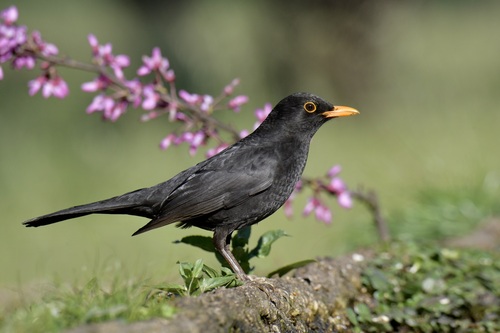
Recorded predators include house sparrow, eurasian magpie, eurasian hoopoe, common blackbird and eurasian golden oriole. Source: GloBI.
Where does the pea blue live?
People have recorded it in 111 countries; the most records come from Spain, Australia, India, South Africa and France. Records show where people have seen it, not its full range.
When is the pea blue seen most?
In the northern hemisphere, the most records are made in October and the fewest in January. More people outdoors also means more records.
What are the pea blue's closest relatives?
It shares the genus Lampides with jamides limes.
Sources and photo credits
- GBIF · Lampides boeticus, 21,246 human observations
- GloBI · recorded interactions of Lampides boeticus
- Wikidata · Pea blue (Q929463)
- Pea blue (Lampides boeticus): Mike Kerry, CC BY 4.0
- Pea blue (Lampides boeticus), 4292 Dobri dol, Bulgaria: SteveM4560, CC BY 4.0
- Pea blue (Lampides boeticus), 4292 Dobri dol, Bulgaria: SteveM4560, CC BY 4.0
- Pea blue (Lampides boeticus), 4292 Dobri dol, Bulgaria: SteveM4560, CC BY 4.0
- Pea blue (Lampides boeticus), The Gardens, Auckland, New Zealand: Arkie V, CC BY 4.0
- Pea blue (Lampides boeticus), 4292 Dobri dol, Bulgaria: SteveM4560, CC BY 4.0
- Pea blue (Lampides boeticus), Avondale, Auckland, New Zealand: Angus Campbell, CC BY 4.0
- Pea blue (Lampides boeticus), 4292 Dobri dol, Bulgaria: SteveM4560, CC BY 4.0
- Pea blue (Lampides boeticus), 4292 Dobri dol, Bulgaria: SteveM4560, CC BY 4.0
- Garden pea: Forest and Kim Starr, CC BY 4.0
- Broad bean: Lies Van Rompaey, CC BY-SA 4.0
- Black locust: Георгий Виноградов (Georgy Vinogradov), CC BY 4.0
- Congo-pea: no rights reserved, uploaded by 葉子, CC0
- Red clover: Andreas Rockstein, CC BY-SA 4.0
- Tufted vetch: Bill Levine, CC BY 4.0
- White pea: no rights reserved, uploaded by 葉子, CC0
- Runner bean: Neptalí Ramírez Marcial, CC BY 4.0
- Fodder vetch: no rights reserved, uploaded by Marino Linić, CC0
- Garden lupin: Henrik Kibak, CC BY 4.0
- Kudzu: Eric Schmidt, CC BY 4.0
- Indian beech tree: Dinesh Valke, CC BY-SA 4.0
- House sparrow: Esteban Poveda, CC BY 4.0
- Eurasian hoopoe: Birds of Gilgit-Baltistan, CC BY-SA 4.0
- Common blackbird: Luiz Lapa, CC BY 4.0
- Eurasian golden oriole: carnifex, CC BY 4.0
- Common starling: Shiva Shenoy, CC BY 4.0
- White wagtail: Kim, Hyun-tae, CC BY 4.0
- Great tit: hedera.baltica, CC BY-SA 4.0
Records show where people have seen and shared the pea blue, not its full range, and some countries and months are recorded far more than others. The food web lists interactions that studies have recorded somewhere in the world (GloBI), not everything it eats in one place.
Checked 2026-11-26.