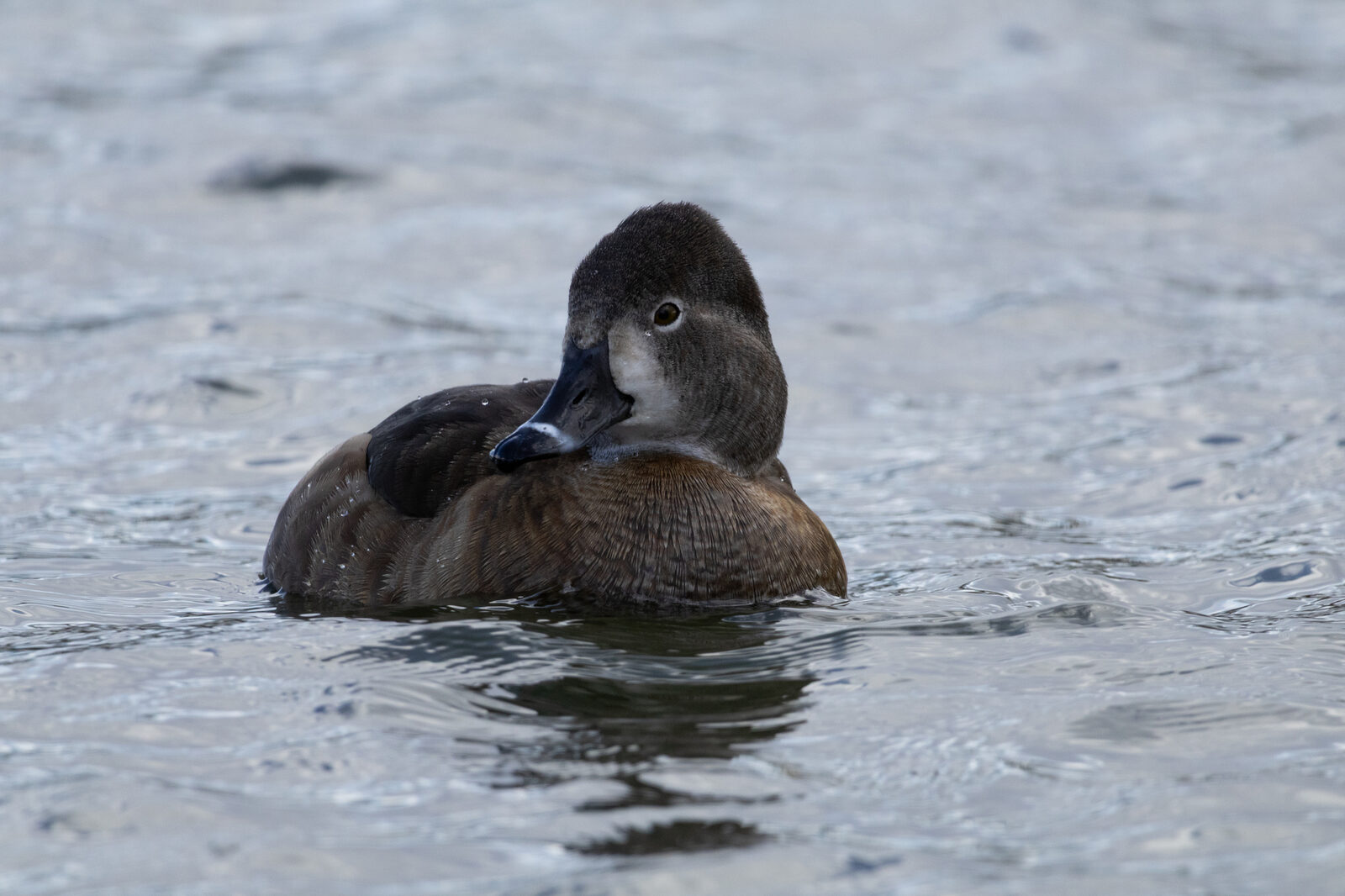
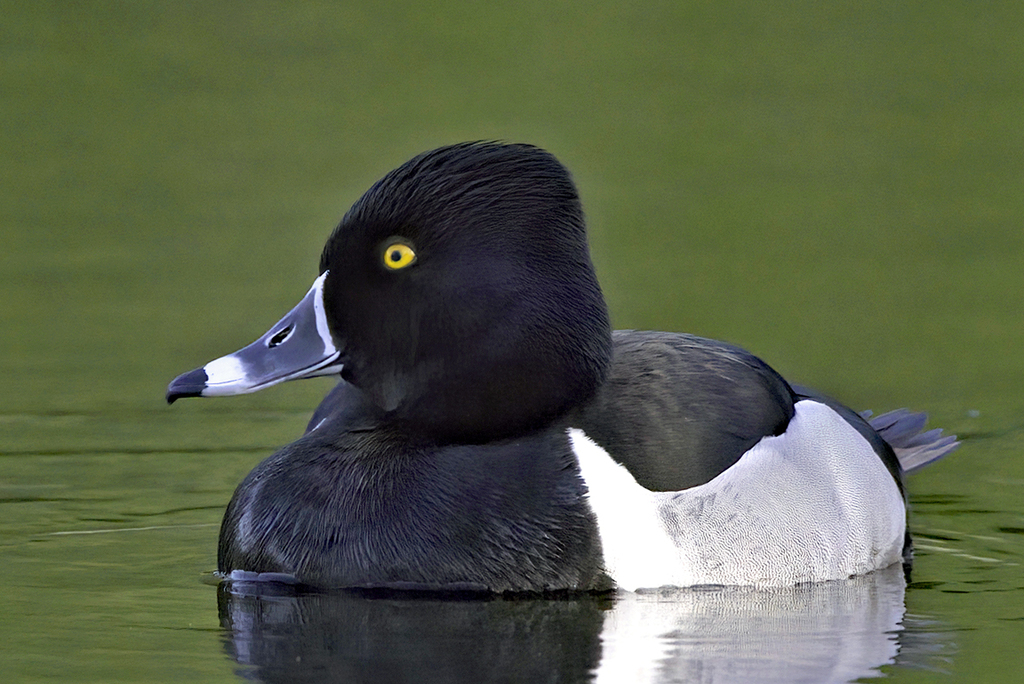
Ring-necked duck
Aythya collaris
- Status
- Least Concern IUCN Red List
- Eats
- duck-potato, autumn millet, tasteless water-pepper and 146 more
- Eaten by
- red fox, northern raven, raccoon
- Where
- 76 countries
On 4Planet Atlas it is among the wildlife people record most around Atlanta, Basseterre and Boston, and 15 more of the cities we cover.
People have shared 3,160,545 records of the ring-necked duck with GBIF, from 76 countries, most of them from United States, Canada and Mexico. Records collected by GloBI show it eating 149 different kinds of animals and plants, and being eaten by 7.
What the ring-necked duck eats, and what eats it
Studies have recorded it eating 149 kinds of animals and plants, and 7 kinds of animals eating it. Tap any of them to follow the food chain.
- Plants 132
- Snails and slugs 7
- Shellfish 3


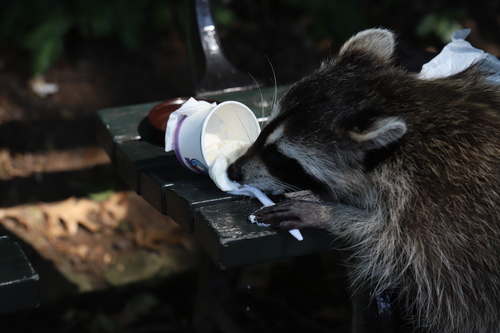
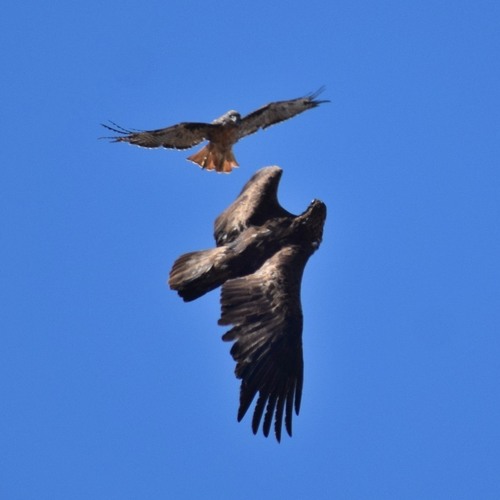

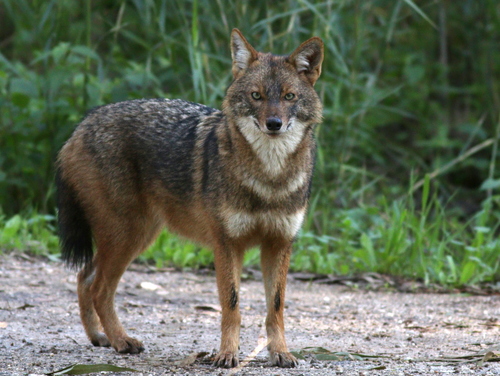 Ring-necked duck

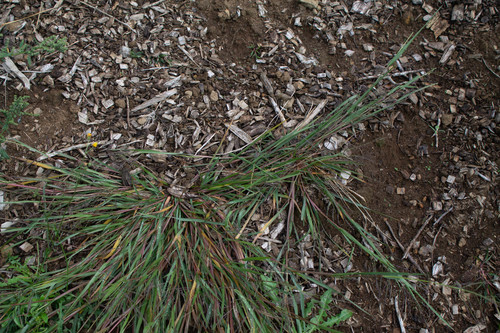

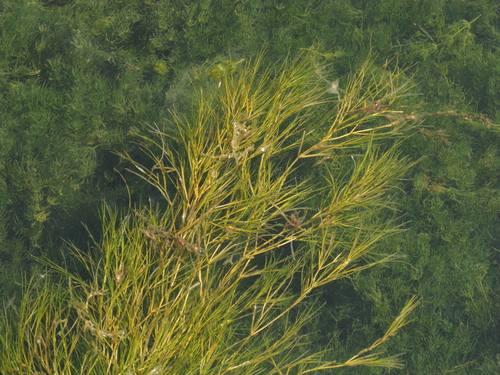
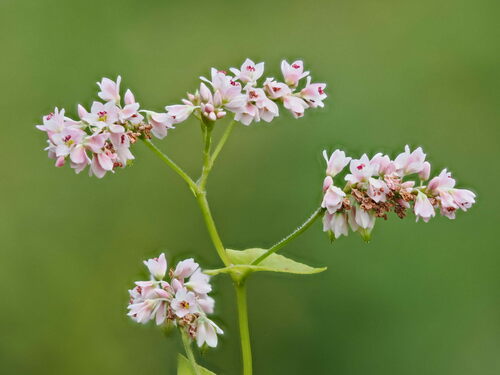

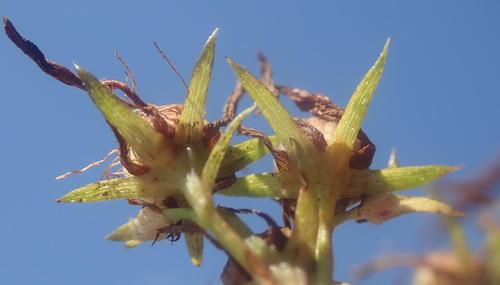

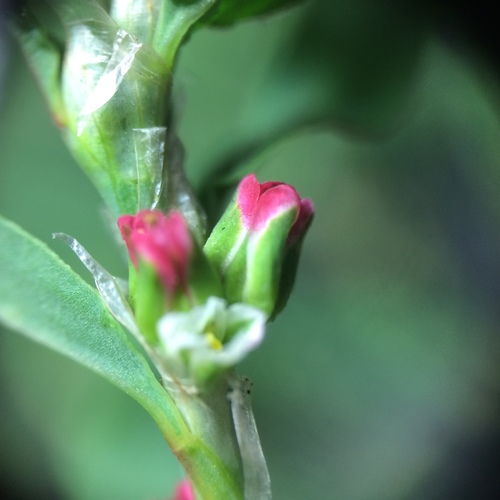

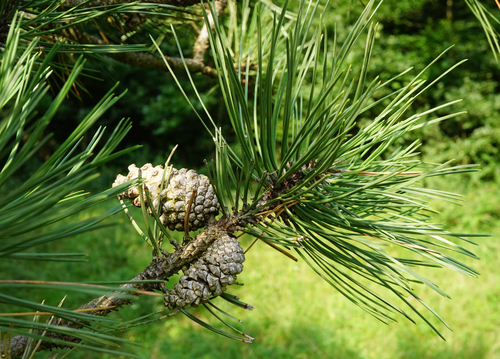
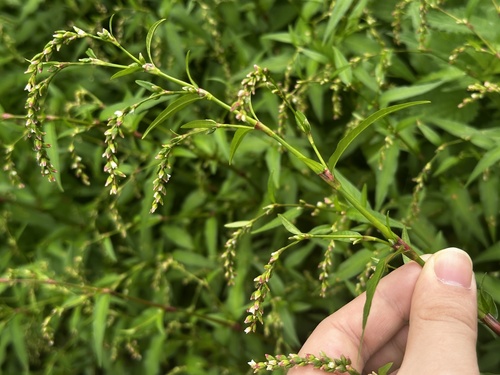
Records from studies worldwide, collected by GloBI. They include animals eaten as carrion, and they are not everything it eats in one place.
Where people see the ring-necked duck
People have shared 3,160,545 records from 76 countries.
Near a city: Atlanta, Basseterre, Boston, Bridgetown, Castries, Chicago, Havana, Kingston, Nassau, New York, Ottawa, Praia, Reykjavík, San Francisco, St. George's, Toronto, Vancouver, Washington, D.C..
Records show where people have seen it and shared it, not its full range. Country names open their page in Atlas.
When it is seen
Records per month in the northern hemisphere. More people outdoors also means more records.
Watch and listen
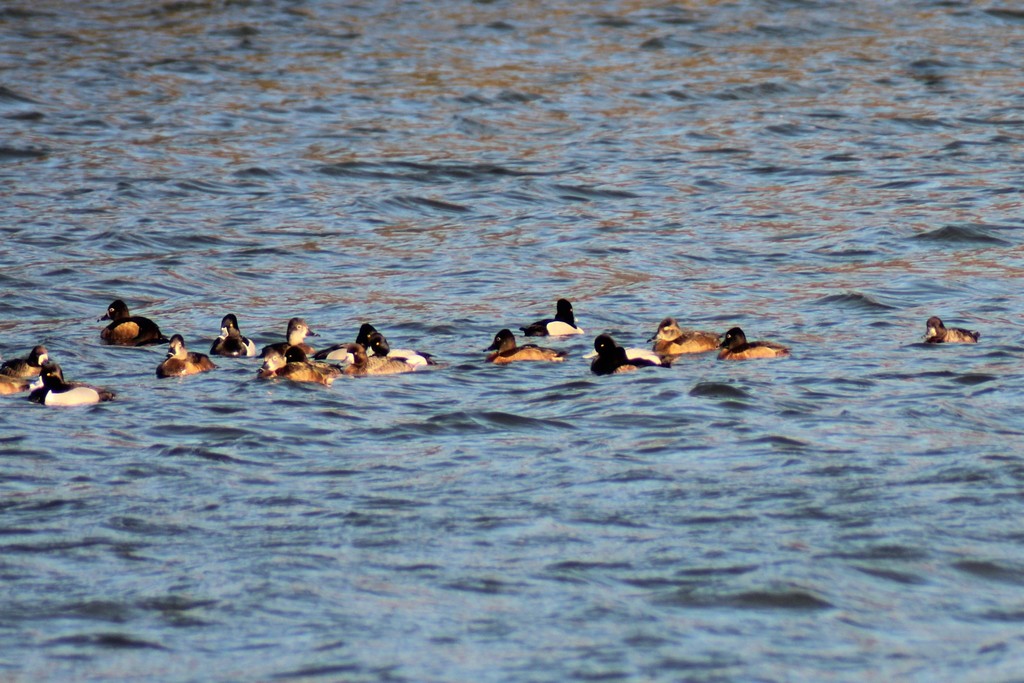
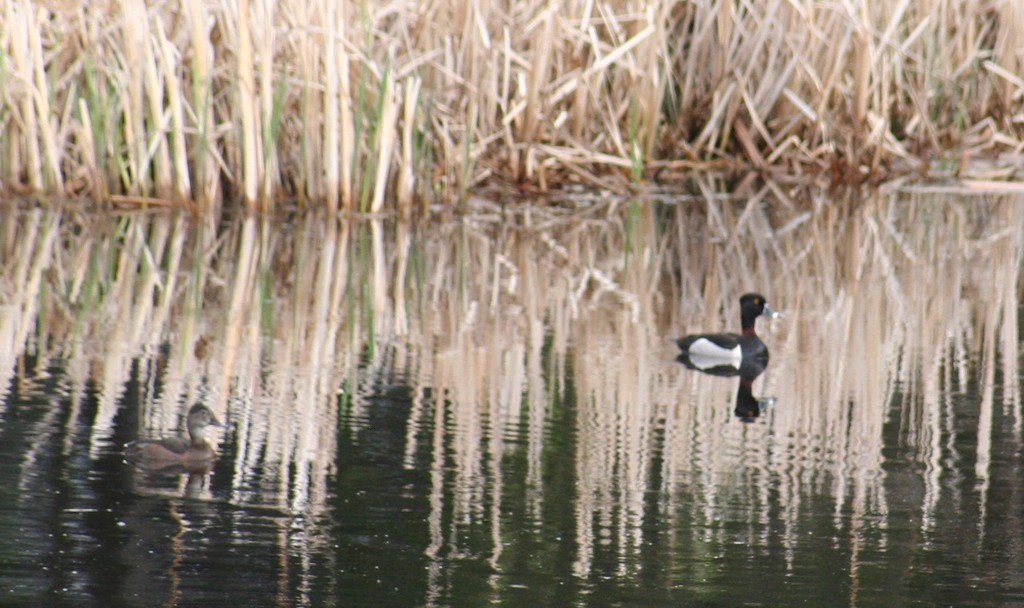
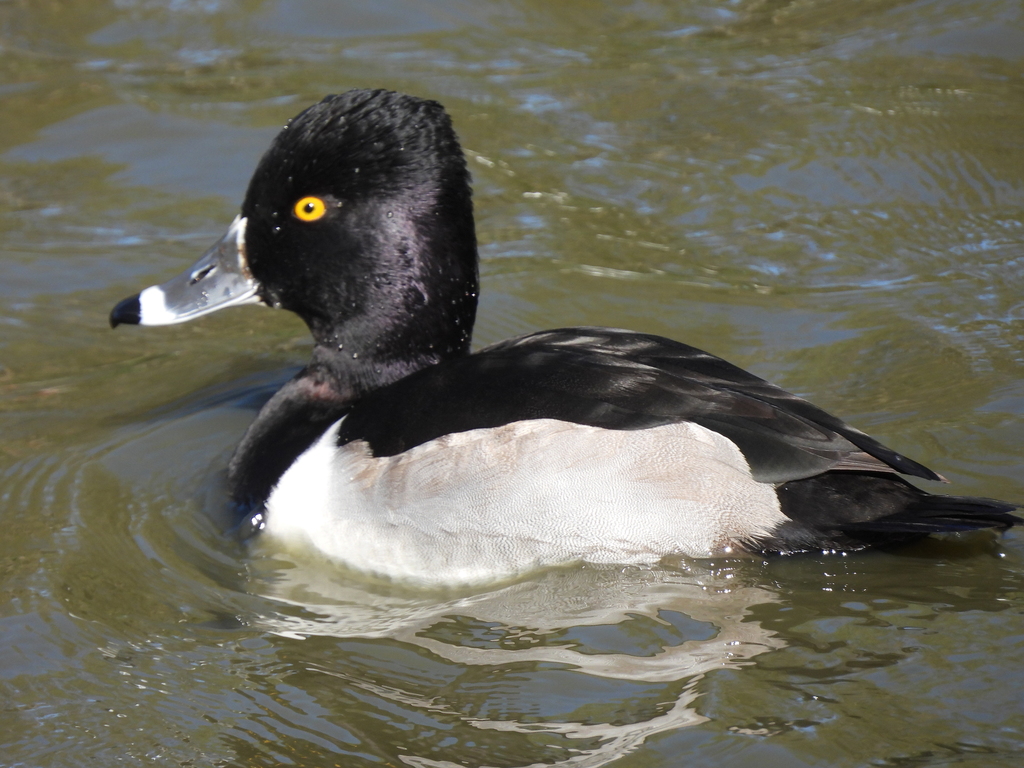
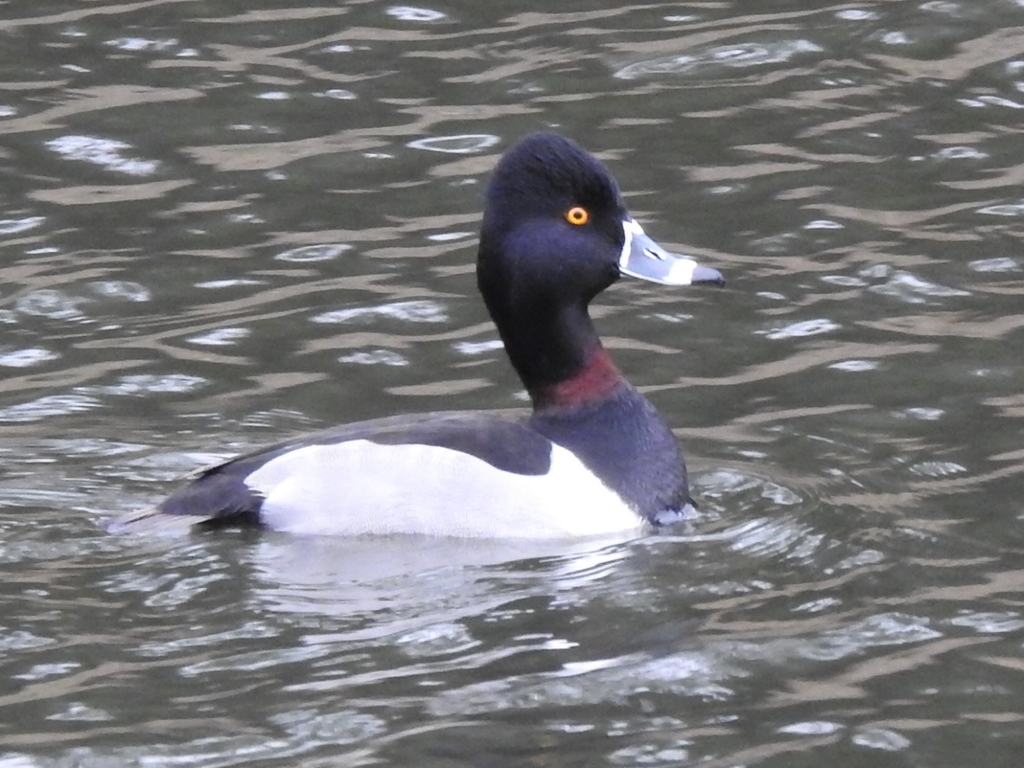
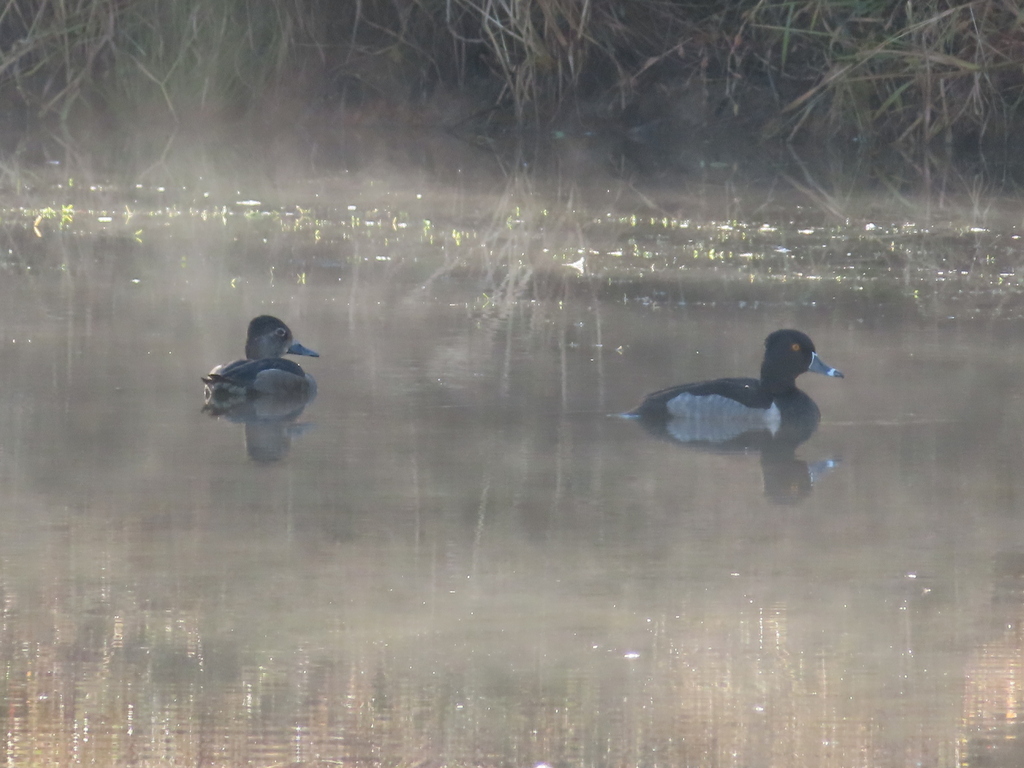
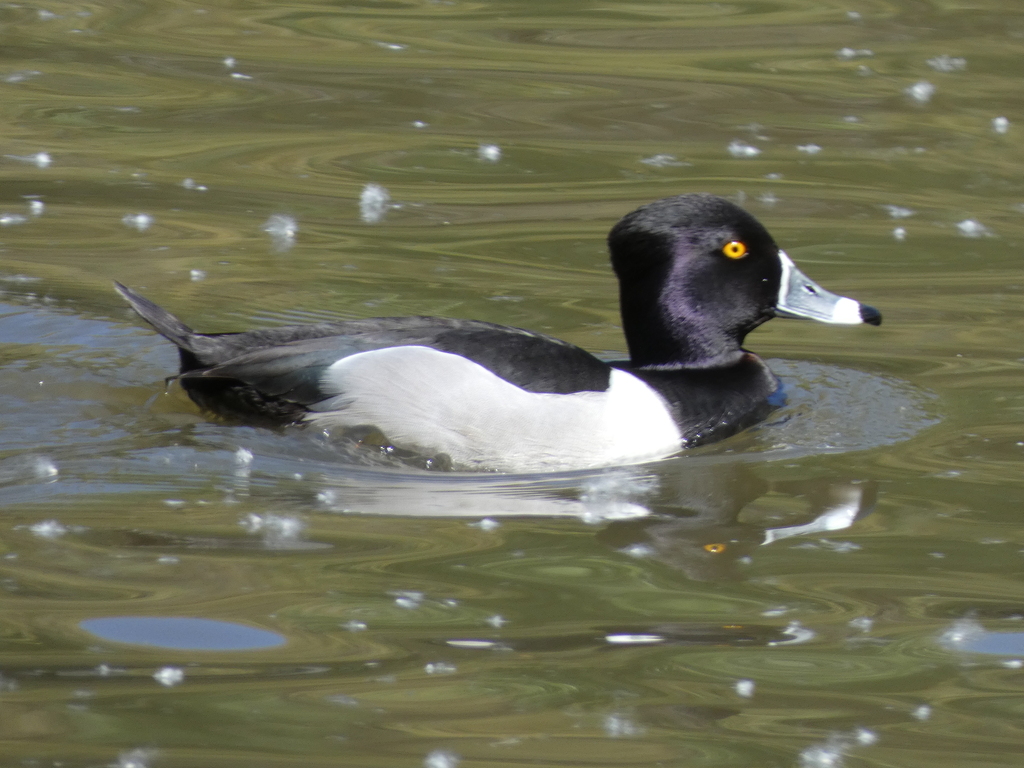
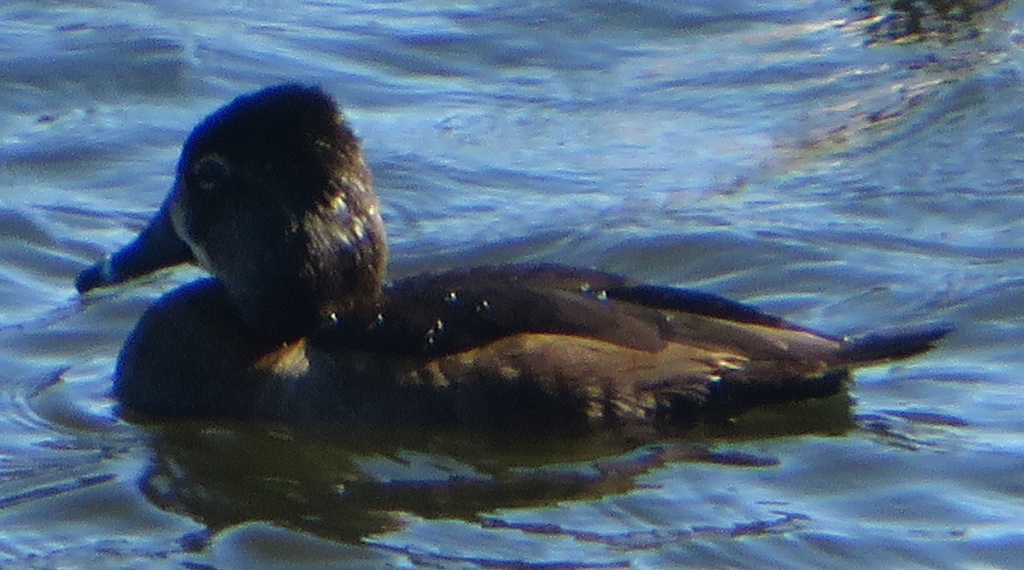
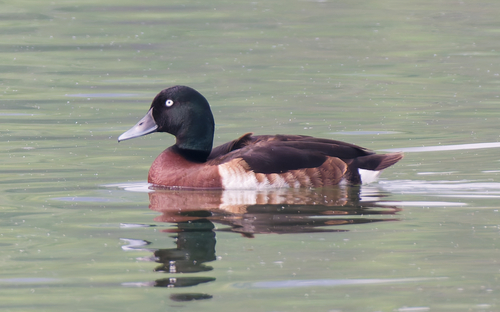
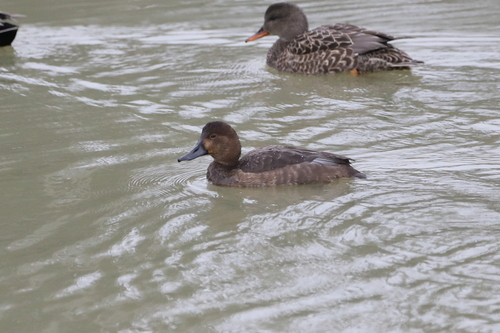
Its closest relatives
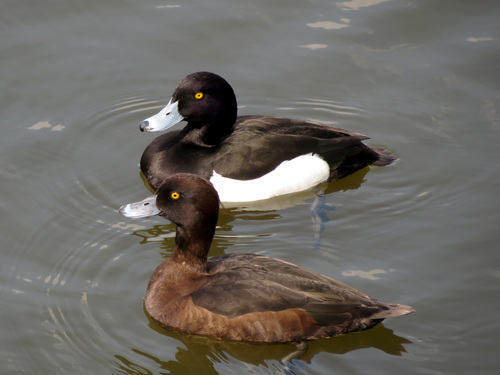
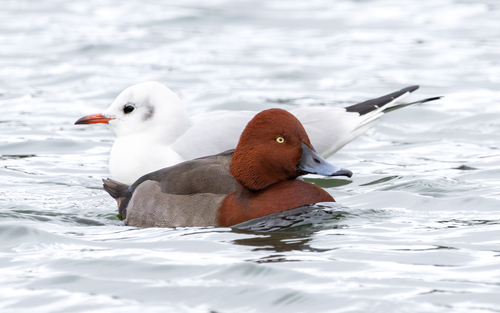
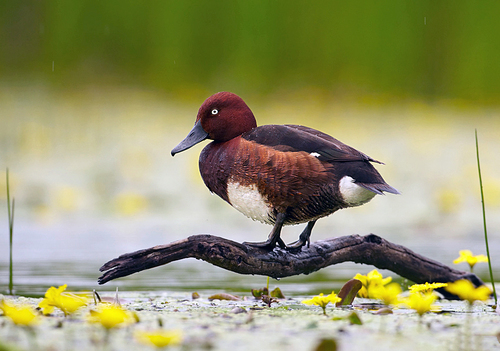
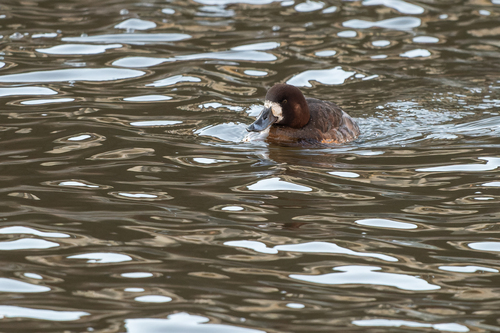
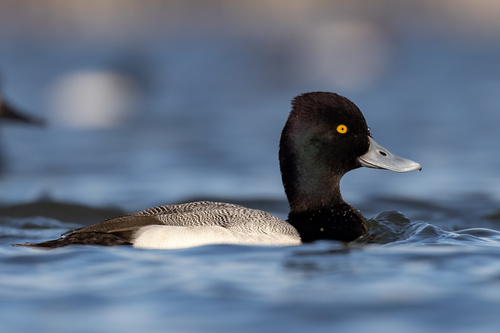
The other species of the genus Aythya.
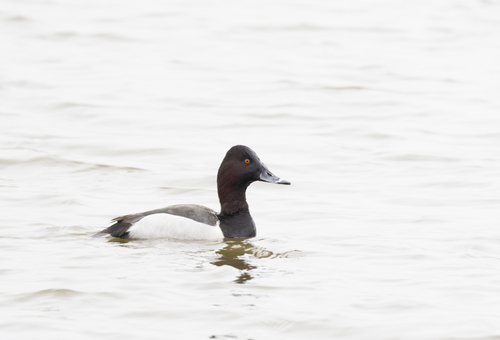
Seen a ring-necked duck?
Share your photo on iNaturalist. Other naturalists help confirm it, and the record goes to GBIF, where scientists use it and where the maps on this page come from.
Put this species on your site
The card names every source and links back here.
<iframe src="https://4planetatlas.com/place/embed/species/ring-necked-duck" title="Ring-necked duck (Aythya collaris), 4PLANET Species" width="100%" height="600" style="border:0;max-width:640px" loading="lazy"></iframe>
<p><a href="https://4species.com/ring-necked-duck">Ring-necked duck on 4PLANET Species</a></p>Questions people ask
What does the ring-necked duck eat?
The ring-necked duck has been recorded eating 149 different kinds of animals and plants, most of them plants, snails and slugs and shellfish. The ones recorded most often are duck-potato, autumn millet, tasteless water-pepper, sago pondweed and buckwheat; records include animals eaten as carrion. Source: GloBI.
What eats the ring-necked duck?
Recorded predators include red fox, northern raven, raccoon, golden eagle and peregrine falcon. Source: GloBI.
Where does the ring-necked duck live?
People have recorded it in 76 countries; the most records come from United States, Canada, Mexico, United Kingdom and Spain. Records show where people have seen it, not its full range.
When is the ring-necked duck seen most?
In the northern hemisphere, the most records are made in March and the fewest in August. More people outdoors also means more records.
What are the ring-necked duck's closest relatives?
It shares the genus Aythya with tufted duck, common pochard, ferruginous duck, greater scaup and lesser scaup.
Sources and photo credits
- GBIF · Aythya collaris, 3,160,545 human observations
- GloBI · recorded interactions of Aythya collaris
- Wikidata · Ring-necked duck (Q601055)
- Ring-necked duck (Aythya collaris): James Weaver, CC BY 4.0
- Ring-necked duck (Aythya collaris), West Side, Vancouver, BC, Canada: Marcel_Pepin, CC BY 4.0
- Ring-necked duck (Aythya collaris), Smyth County, VA, USA: Robert Harris, CC BY 4.0
- Ring-necked duck (Aythya collaris), Division No. 15, MB, Canada: Sean Frey, CC BY 4.0
- Ring-necked duck (Aythya collaris), Metairie, LA, USA: ncb1221, CC BY 4.0
- Ring-necked duck (Aythya collaris), West Arlington, Arlington, TX, USA: Sam Kieschnick, CC BY 4.0
- Ring-necked duck (Aythya collaris), Laurel, MD, USA: Ken Clark, CC BY 4.0
- Ring-necked duck (Aythya collaris), St. George, UT, USA: datadan, CC BY 4.0
- Ring-necked duck (Aythya collaris), Crescent Lake, St. Petersburg, FL, USA: Ben Machado, CC BY 4.0
- Duck-potato: Joshua Mayer, CC BY-SA 4.0
- Autumn millet: Zachary Ngow, CC0
- Tasteless water-pepper: Paul Cook, CC BY 4.0
- Sago pondweed: Igor Balashov, CC BY 4.0
- Buckwheat: Gilles San Martin, CC BY-SA 4.0
- Scots pine: anemoneprojectors (no internet at the moment), CC BY-SA 4.0
- Klamath weed: Thomas Gyselinck, CC BY 4.0
- Nutgrass: no rights reserved, uploaded by 葉子, CC0
- Prostrate knotweed: Dilrukshan Priyantha Wijesinghe, CC BY 4.0
- Italian stone pine: Paul Asman and Jill Lenoble, CC BY 4.0
- Austrian pine: Patrick Hacker, CC BY 4.0
- Water-pepper: scallions, CC BY 4.0
- Red fox: Алина Урусова, CC BY 4.0
- Northern raven: xulescu_g, CC BY-SA 4.0
- Raccoon: Steven Bodzin, CC BY 4.0
- Golden eagle: Anne Parsons, CC0
- Peregrine falcon: Shirley Zundell, CC BY 4.0
- Golden jackal: Jan Ebr & Ivana Ebrová, CC BY 4.0
- Tufted duck: Katja Schulz, CC BY 4.0
- Common pochard: Diego González Dopico, CC BY 4.0
- Ferruginous duck: Martin Mecnarowski, CC BY-SA 4.0
- Greater scaup: Tomas Broucek, CC BY 4.0
- Lesser scaup: Matt Felperin, CC BY 4.0
- Baer's pochard: Zinogre, CC BY-SA 4.0
- Redhead: Eric Habisch, CC BY 4.0
- Canvasback: Mikey Lutmerding, CC BY 4.0
Records show where people have seen and shared the ring-necked duck, not its full range, and some countries and months are recorded far more than others. The food web lists interactions that studies have recorded somewhere in the world (GloBI), not everything it eats in one place.
Checked 2026-11-25.