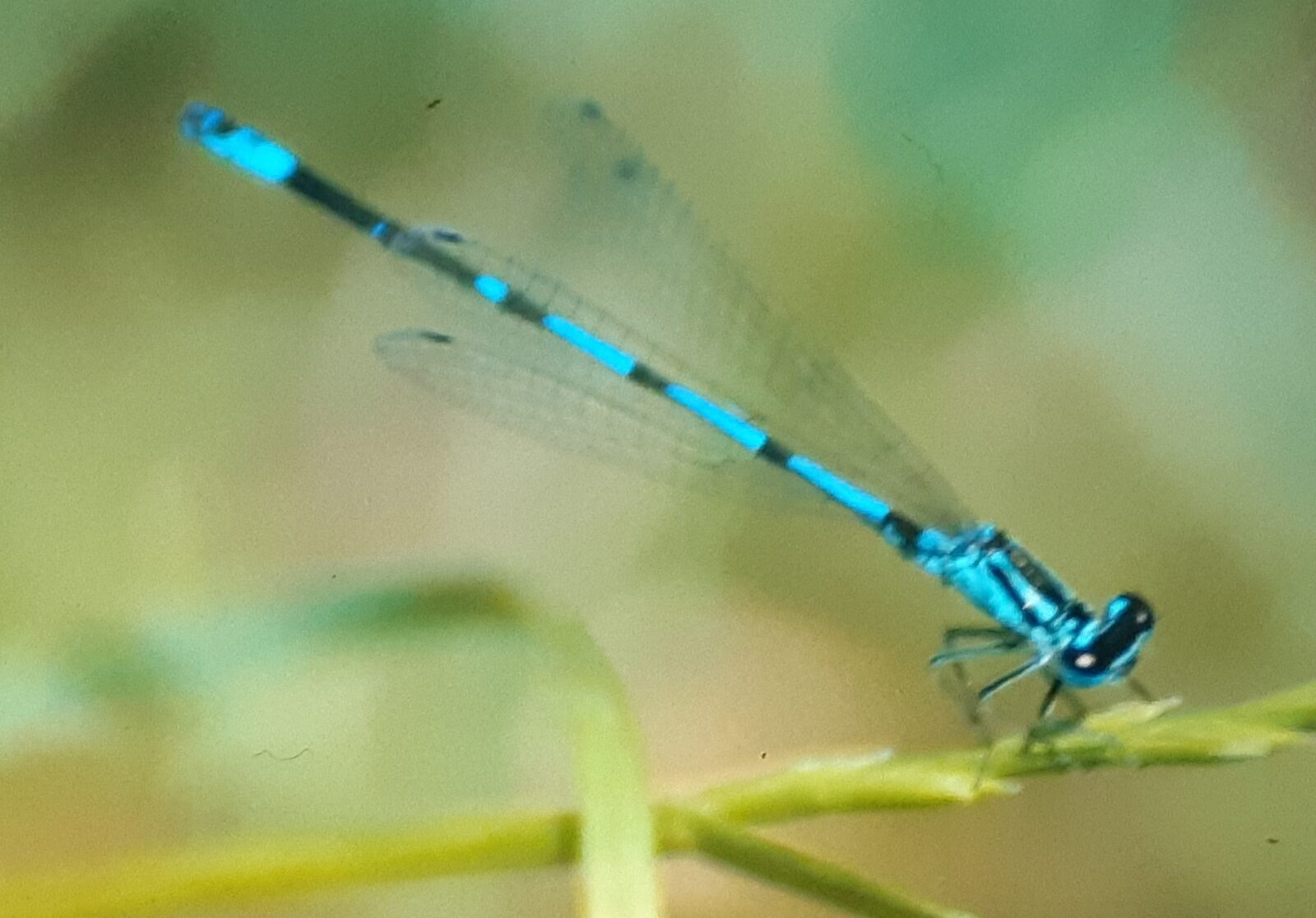
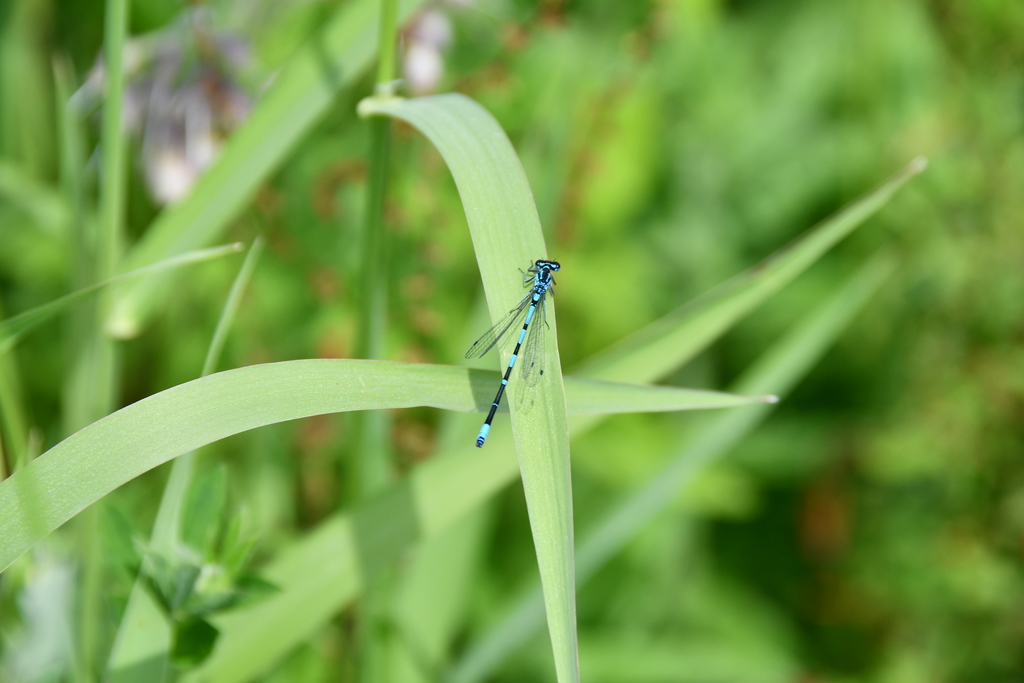
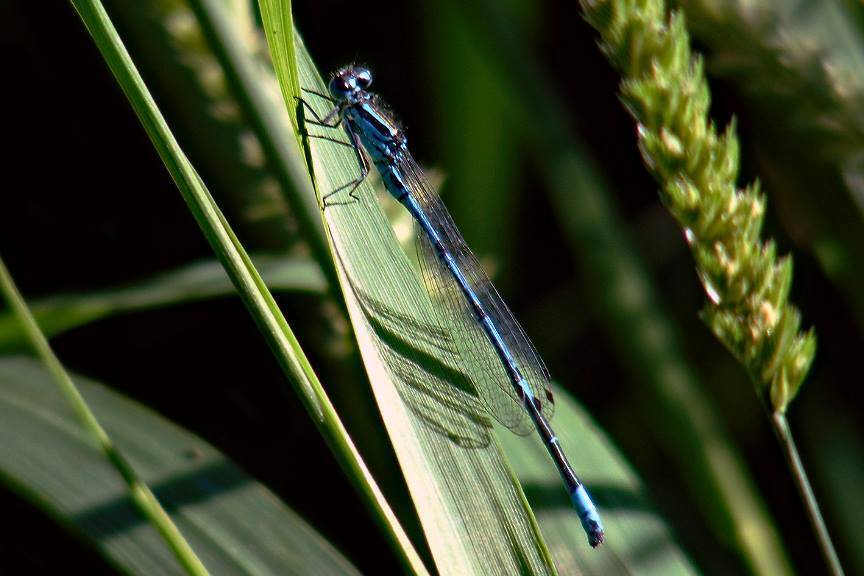
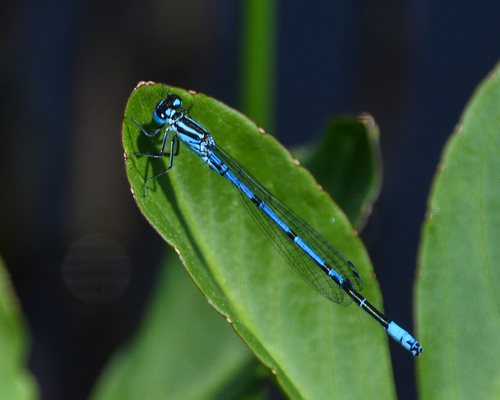
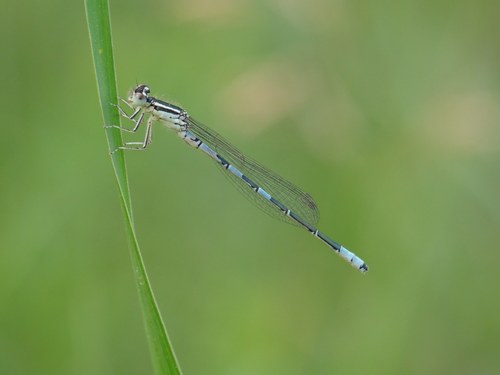
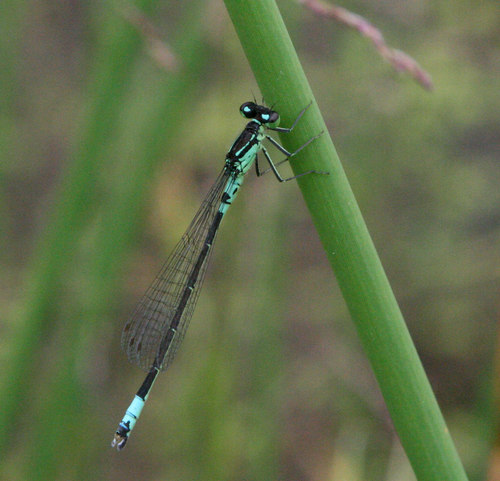
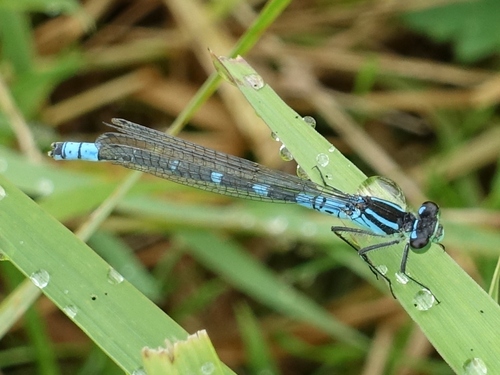
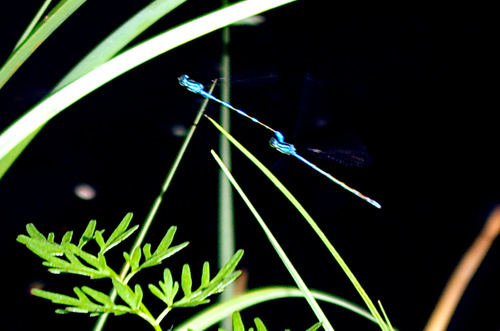
Variable bluet
Coenagrion pulchellum
- Status
- Least Concern IUCN Red List
- Where
- 36 countries
On 4Planet Atlas it is among the wildlife people record most around Kaunas.
People have shared 9,875 records of the variable bluet with GBIF, from 36 countries, most of them from Russia, Denmark and Germany. Records collected by GloBI show it eating 774 different kinds of animals and plants, and being eaten by 64.
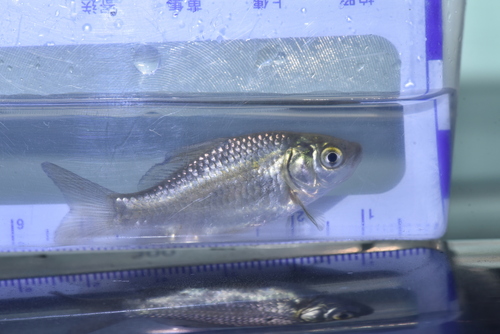
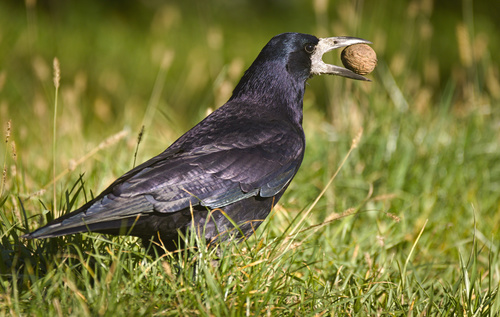
What the variable bluet eats, and what eats it
Studies have recorded it eating 774 kinds of animals and plants, and 64 kinds of animals eating it. Tap any of them to follow the food chain.
- Insects 520
- Spiders and mites 2
Eaten by
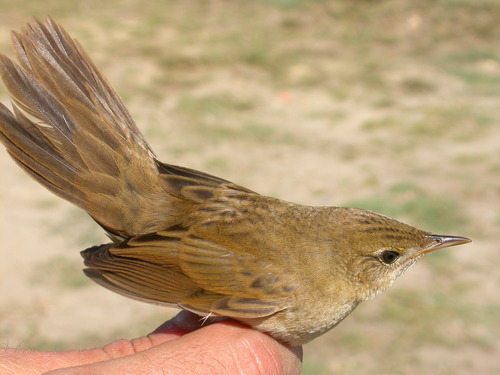

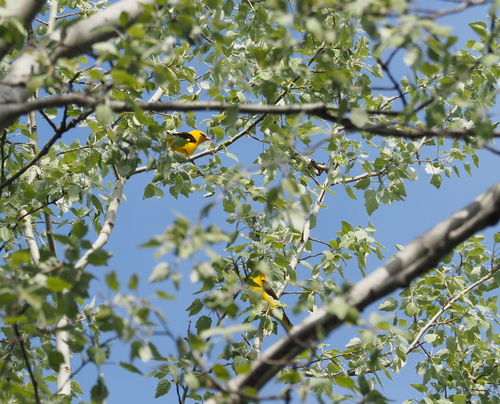
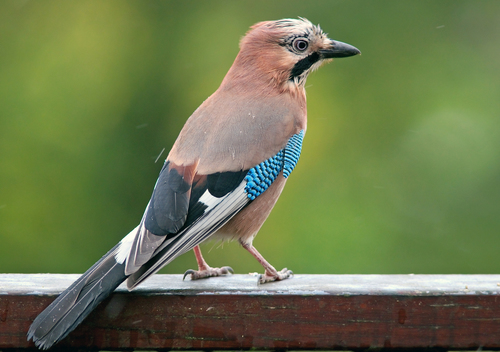
 Variable bluet
Records from studies worldwide, collected by GloBI. They include animals eaten as carrion, and they are not everything it eats in one place.
Where people see the variable bluet
People have shared 9,875 records from 36 countries.
Near a city: Kaunas.
Records show where people have seen it and shared it, not its full range. Country names open their page in Atlas.
When it is seen
Records per month in the northern hemisphere. More people outdoors also means more records.
Watch and listen
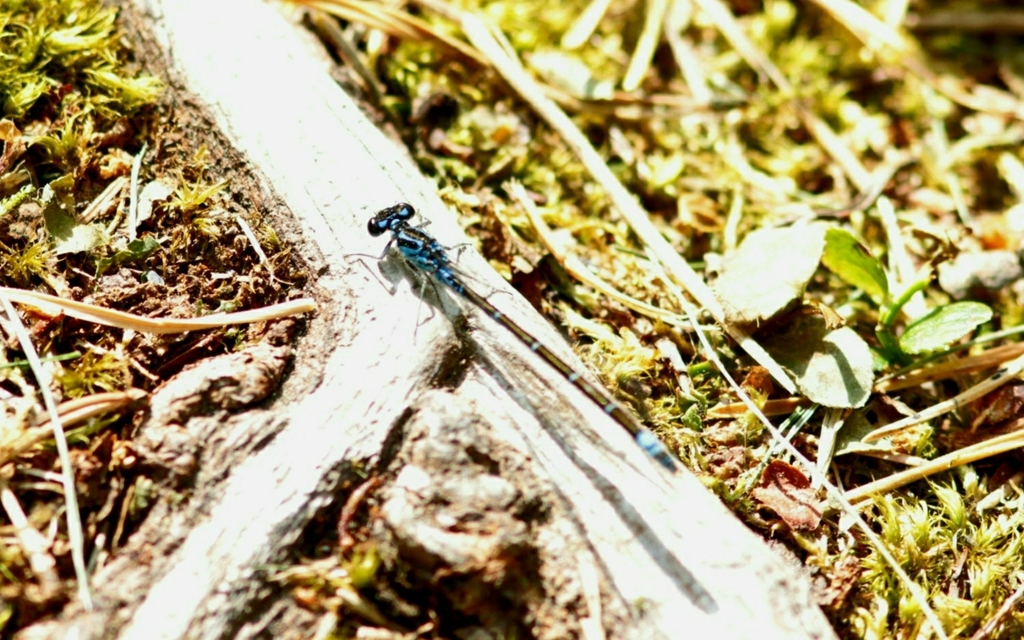
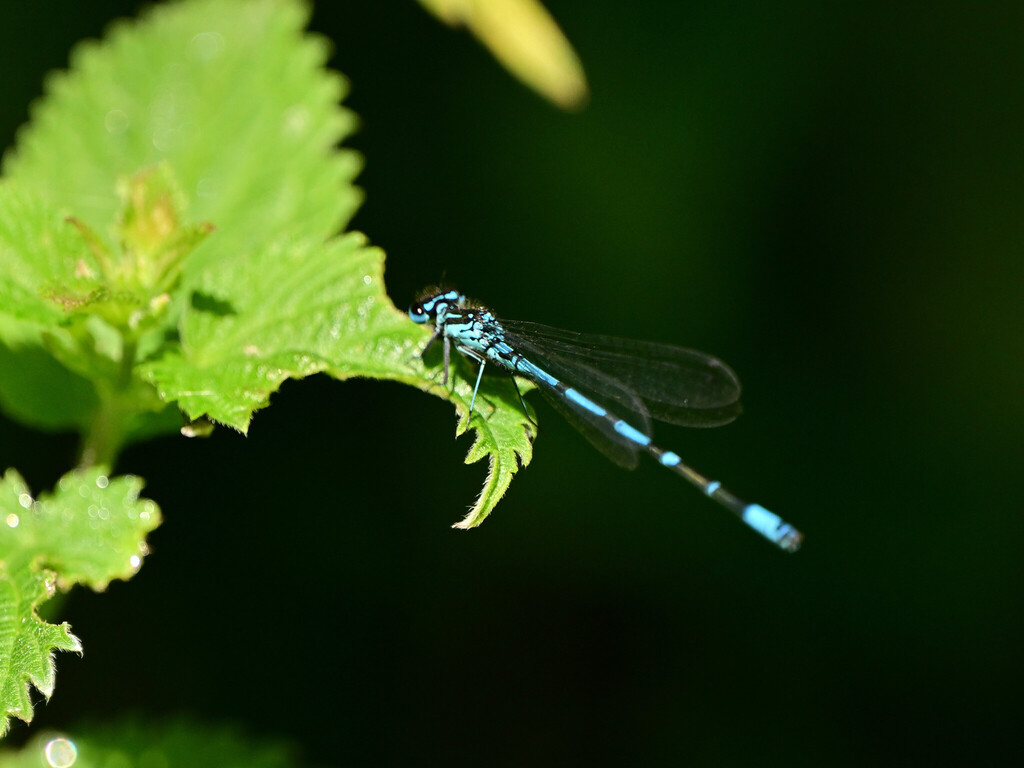
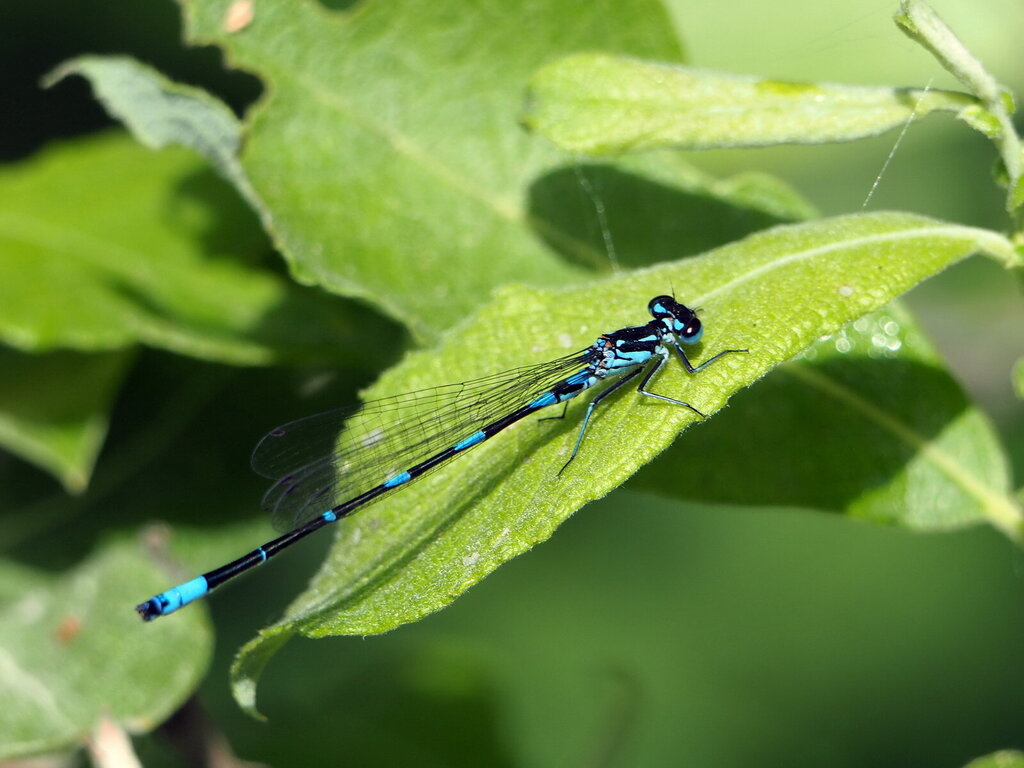
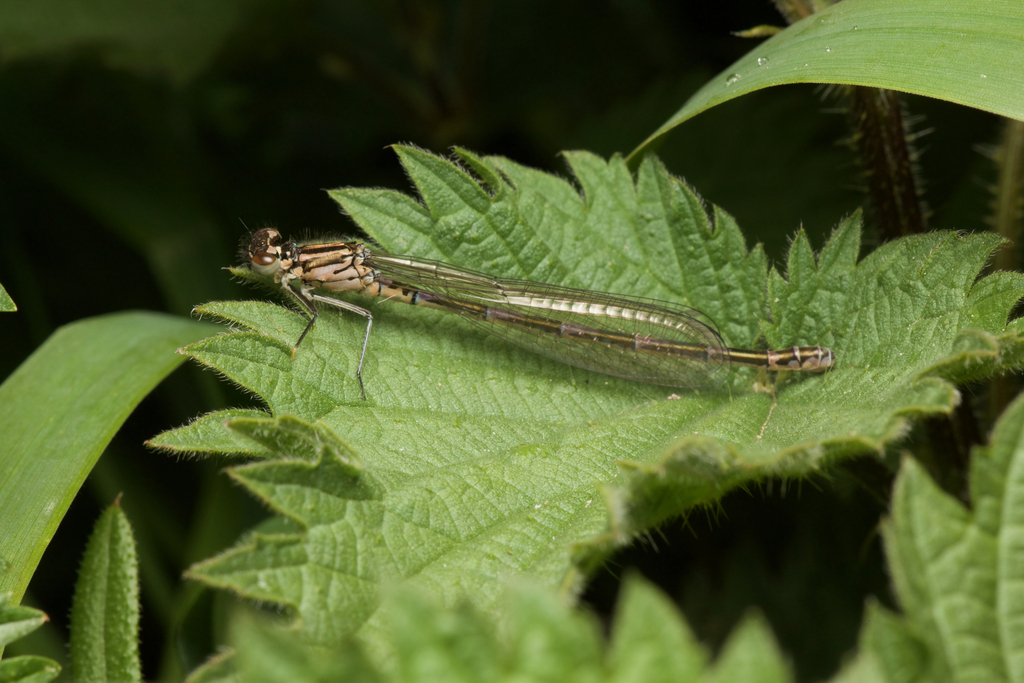
Its closest relatives
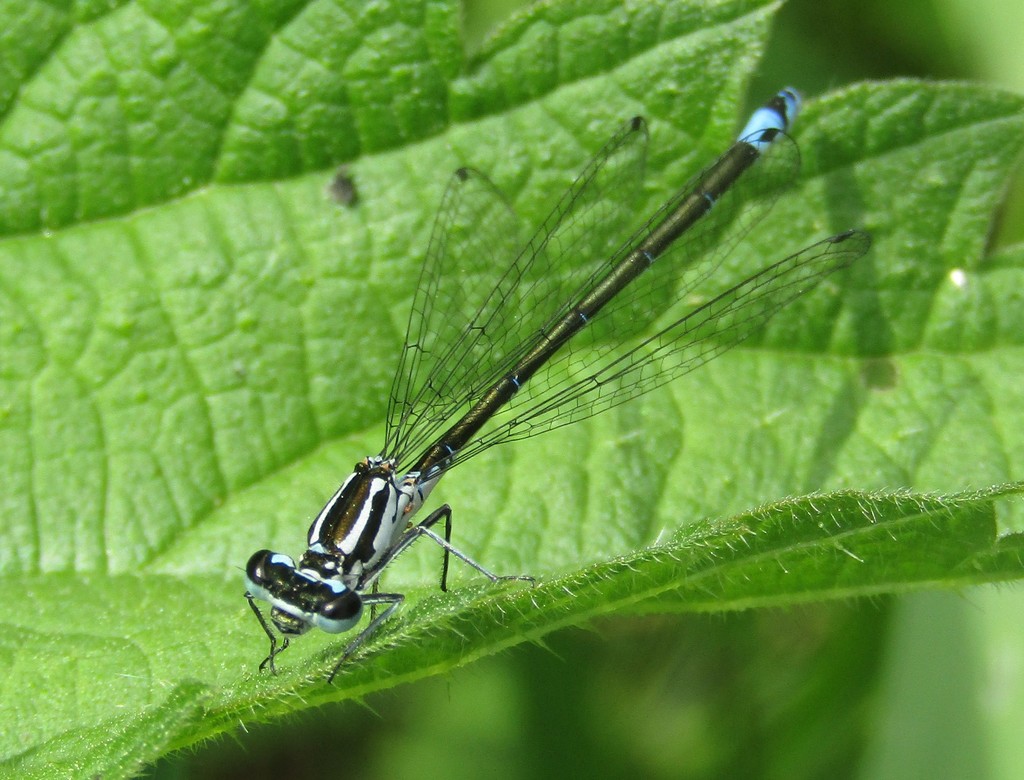
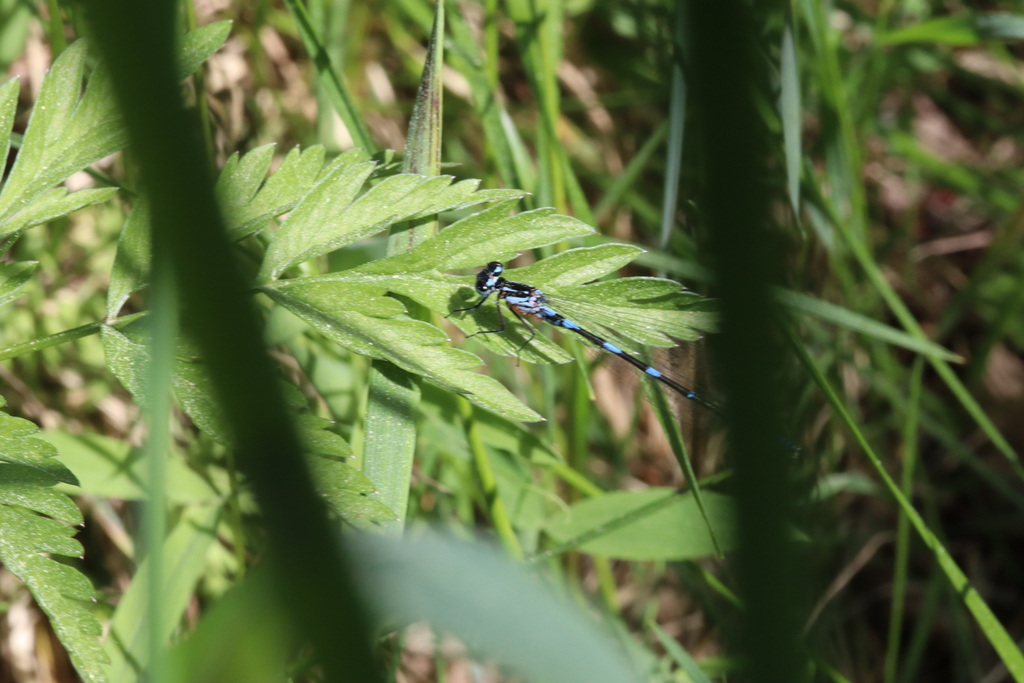
The other species of the genus Coenagrion.
Seen a variable bluet?
Share your photo on iNaturalist. Other naturalists help confirm it, and the record goes to GBIF, where scientists use it and where the maps on this page come from.
Put this species on your site
The card names every source and links back here.
<iframe src="https://4planetatlas.com/place/embed/species/variable-bluet" title="Variable bluet (Coenagrion pulchellum), 4PLANET Species" width="100%" height="600" style="border:0;max-width:640px" loading="lazy"></iframe>
<p><a href="https://4species.com/variable-bluet">Variable bluet on 4PLANET Species</a></p>Questions people ask
What does the variable bluet eat?
The variable bluet has been recorded eating 774 different kinds of animals and plants, most of them insects and spiders and mites. The ones recorded most often are ; records include animals eaten as carrion. Source: GloBI.
What eats the variable bluet?
Recorded predators include reed bunting, common grasshopper warbler, northern raven, eurasian magpie and eurasian golden oriole. Source: GloBI.
Where does the variable bluet live?
People have recorded it in 36 countries; the most records come from Russia, Denmark, Germany, United Kingdom and Finland. Records show where people have seen it, not its full range.
When is the variable bluet seen most?
In the northern hemisphere, the most records are made in June and the fewest in January. More people outdoors also means more records.
What are the variable bluet's closest relatives?
It shares the genus Coenagrion with azure damselfly, dainty damselfly, norfolk damselfly, irish damselfly and arctic bluet.
Sources and photo credits
- GBIF · Coenagrion pulchellum, 9,875 human observations
- GloBI · recorded interactions of Coenagrion pulchellum
- Wikidata · Variable bluet (Q1029095)
- Variable bluet (Coenagrion pulchellum): odole, CC BY 4.0
- Variable bluet (Coenagrion pulchellum), Воскресенский р-н, Московская обл., Россия: snaily_naily, CC BY 4.0
- Variable bluet (Coenagrion pulchellum), Kotka-Hamina sub-region, Finland: Marko Tähtinen, CC BY-SA 4.0
- Variable bluet (Coenagrion pulchellum), Appuljärvi, Vehmaa, Suomi: Tero Linjama, CC0
- Variable bluet (Coenagrion pulchellum), Shapwick Heath, Somerset, UK: Sophie Hale, CC BY 4.0
- Variable bluet (Coenagrion pulchellum), Дмитровский муниципальный округ, Московская обл., Россия: Andrei Orekhov, CC BY 4.0
- Variable bluet (Coenagrion pulchellum), RSPB Ham Wall, Somerset, UK: Amelie Keane, CC BY 4.0
- Variable bluet (Coenagrion pulchellum), 7760 Celles, Belgique: Victor Brans, CC BY-SA 4.0
- Variable bluet (Coenagrion pulchellum), England, GB: Onyx Stewart, CC BY-SA 4.0
- Common grasshopper warbler: franciscodocampo, CC BY 4.0
- Northern raven: xulescu_g, CC BY-SA 4.0
- Eurasian golden oriole: carnifex, CC BY 4.0
- Eurasian jay: Luc Viatour, CC BY-SA 4.0
- Goldfish: Yung-Lun Lin, CC BY 4.0
- Rook: hedera.baltica, CC BY-SA 4.0
- Azure damselfly: Frank Sengpiel, CC BY 4.0
- Dainty damselfly: Roman, CC BY 4.0
- Norfolk damselfly: Oleg Kosterin, CC BY 4.0
- Irish damselfly: Jamie O'Neill, CC BY 4.0
- Arctic bluet: Георгий Виноградов (Georgy Vinogradov), CC BY 4.0
Records show where people have seen and shared the variable bluet, not its full range, and some countries and months are recorded far more than others. The food web lists interactions that studies have recorded somewhere in the world (GloBI), not everything it eats in one place.
Checked 2026-11-28.