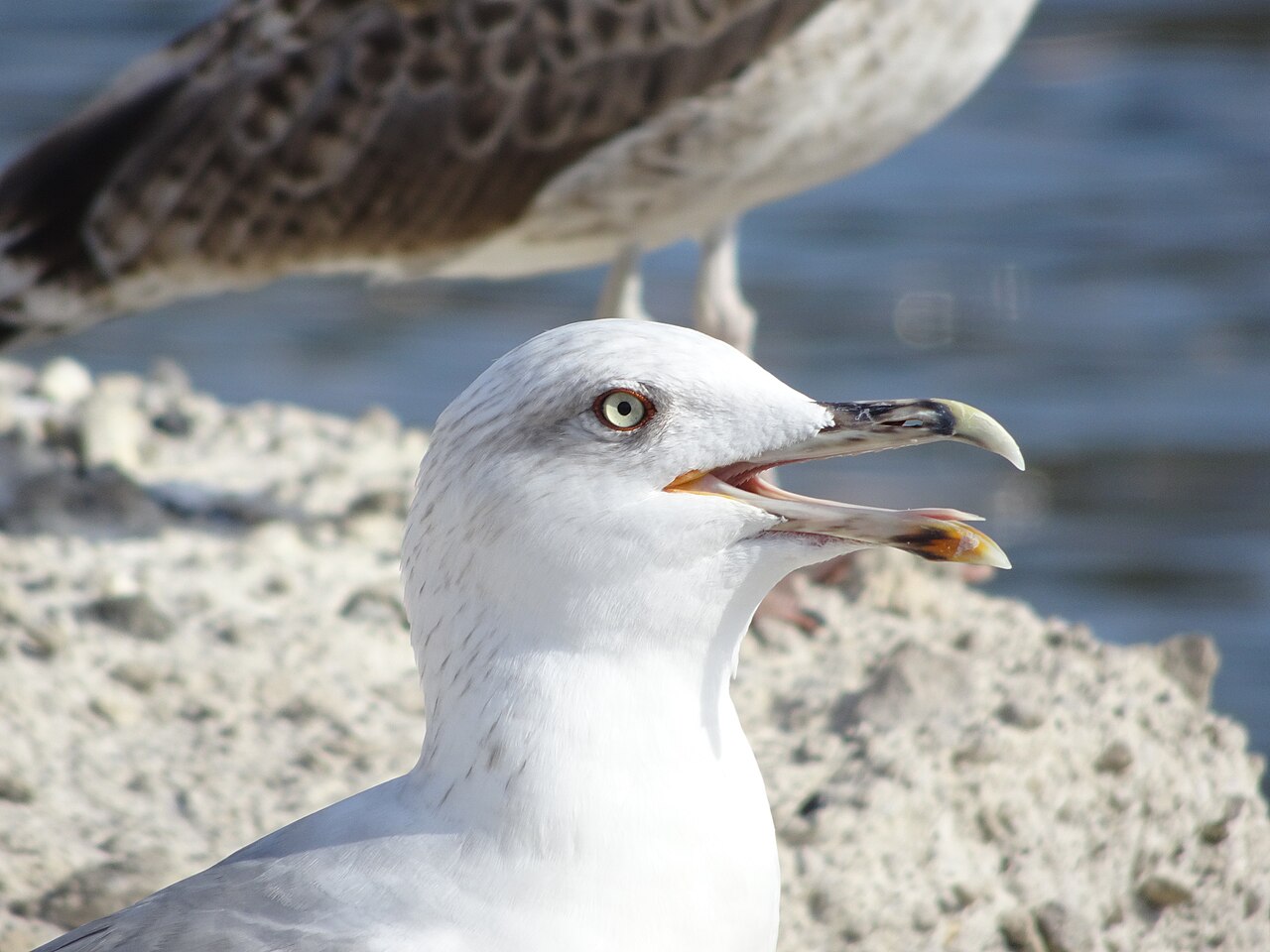
Yellow-legged gull
Larus michahellis
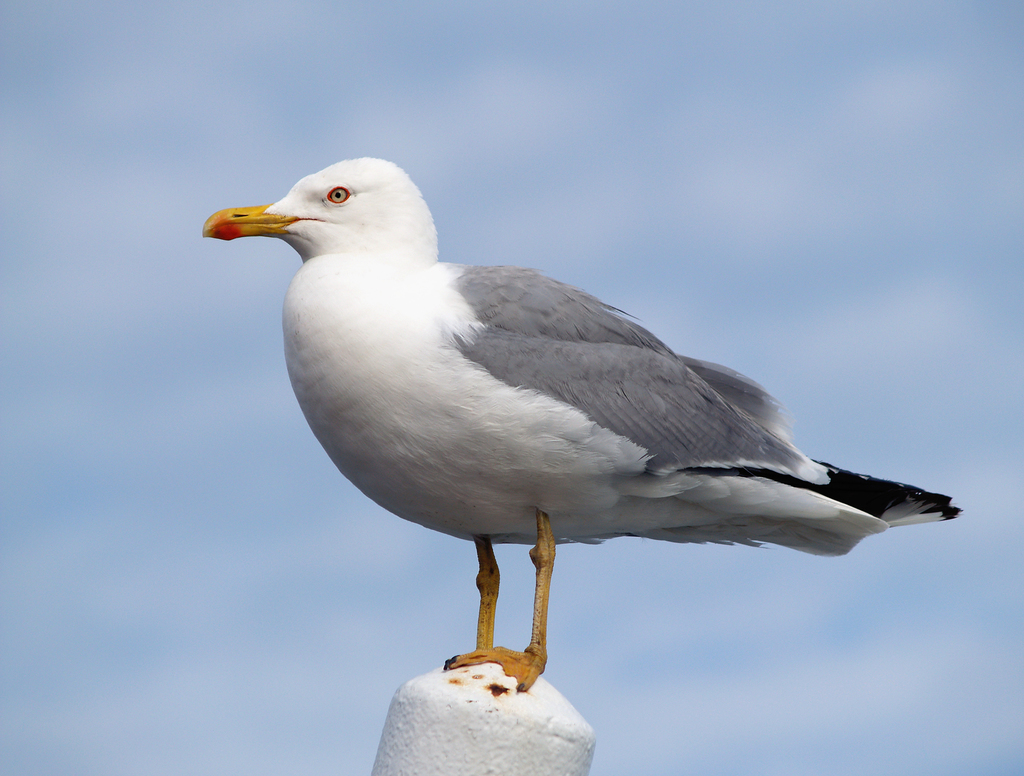
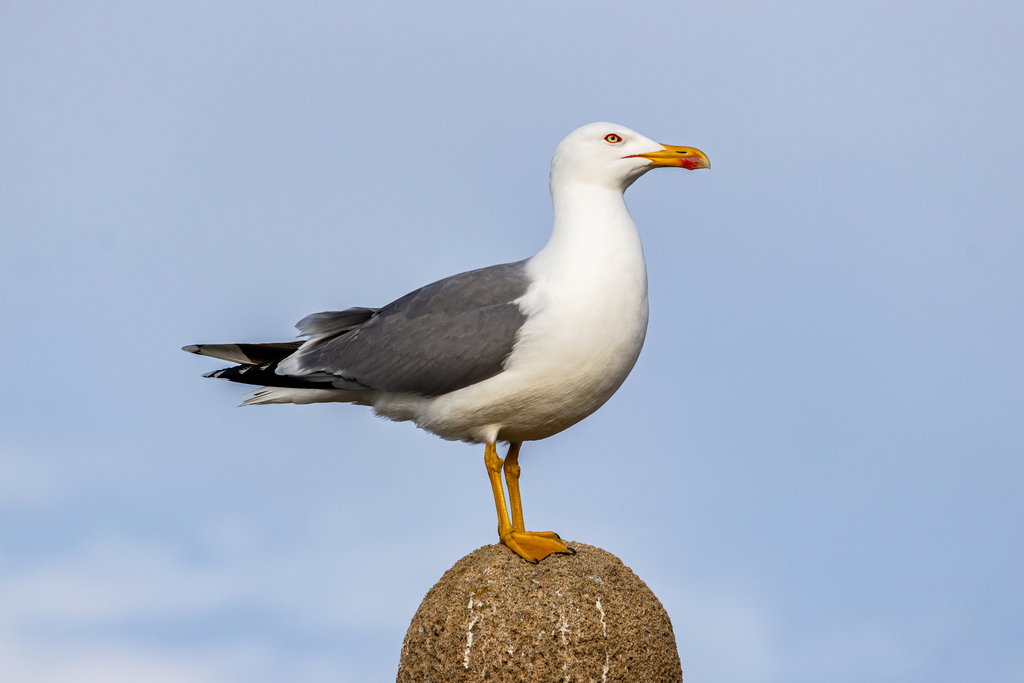
A large gull of southern Europe with yellow legs and a grey back.
- Status
- Least Concern IUCN Red List
- Eats
- rock dove, pike, European eel and 3,275 more
- Eaten by
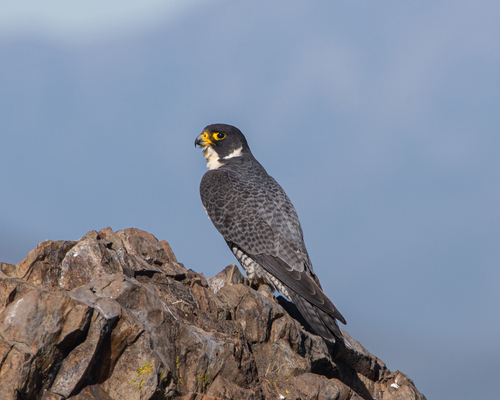
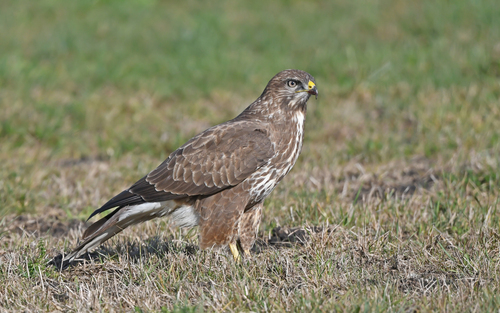
- red fox, northern raven, peregrine falcon
- Where
- 70 countries · wetlands
On 4Planet Atlas it is among the wildlife people record most around Algiers, Athens and Beirut, and 23 more of the cities we cover.
People have shared 1,177,196 records of the yellow-legged gull with GBIF, from 70 countries, most of them from Spain, Portugal and Italy. Records collected by GloBI show it eating 3,278 different kinds of animals and plants, and being eaten by 9.
Habitats
What the yellow-legged gull eats, and what eats it
Studies have recorded it eating 3,278 kinds of animals and plants, and 9 kinds of animals eating it. Tap any of them to follow the food chain.
- Insects 2,305
- Snails and slugs 211
- Fish 84
- Crustaceans 7
- Birds 6
- Plants 6
- Mammals 1
Eaten by


 Yellow-legged gull

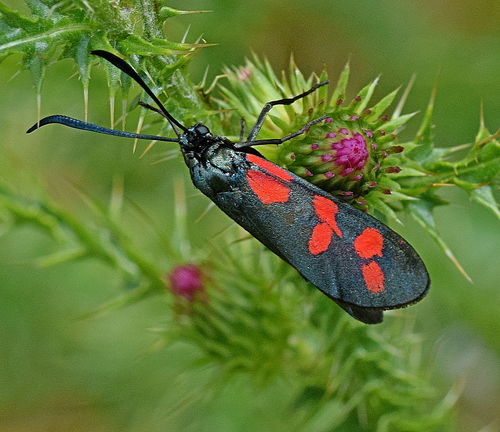
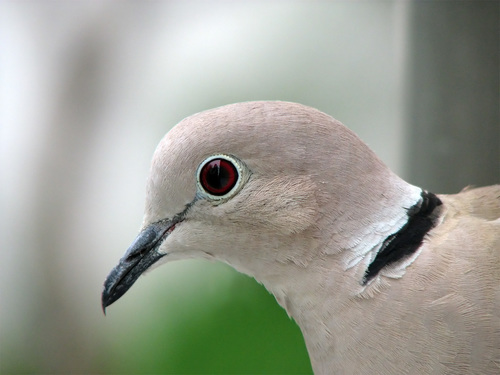
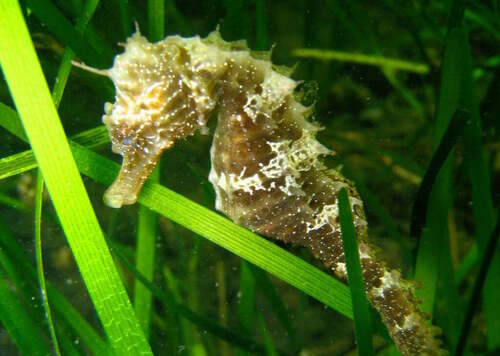
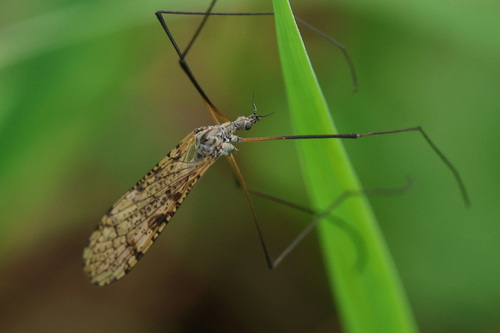
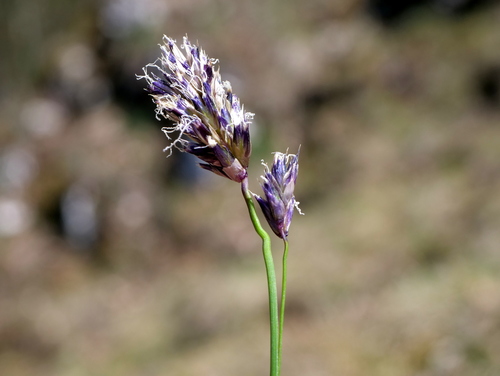
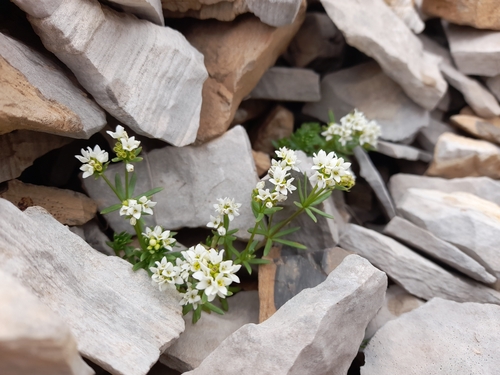

Records from studies worldwide, collected by GloBI. They include animals eaten as carrion, and they are not everything it eats in one place.
Where people see the yellow-legged gull
People have shared 1,177,196 records from 70 countries.
Near a city: Algiers, Athens, Beirut, Belgrade, Bern, Bratislava, Bucharest, Budapest, Lisbon, Ljubljana, Nicosia, Paris, Podgorica, Praia, Rabat, Ramallah, Rome, Sarajevo, Sofia, Tirana, Tripoli, Tunis, Vaduz, Valletta, Vienna, Zagreb.
Records show where people have seen it and shared it, not its full range. Country names open their page in Atlas.
When it is seen
Records per month in the northern hemisphere. More people outdoors also means more records.
Watch and listen

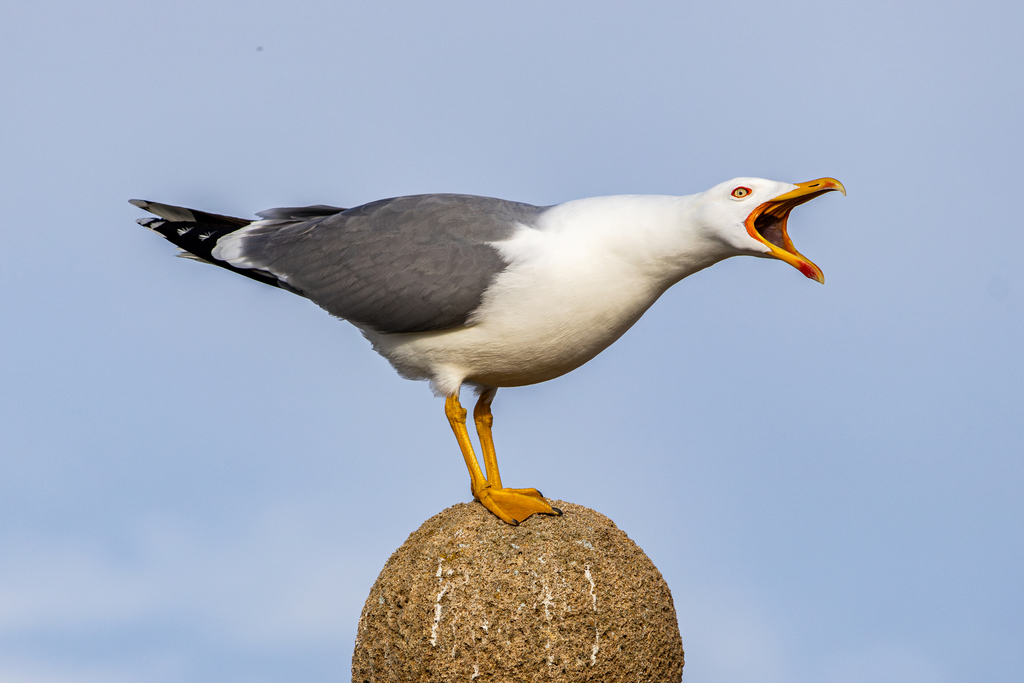
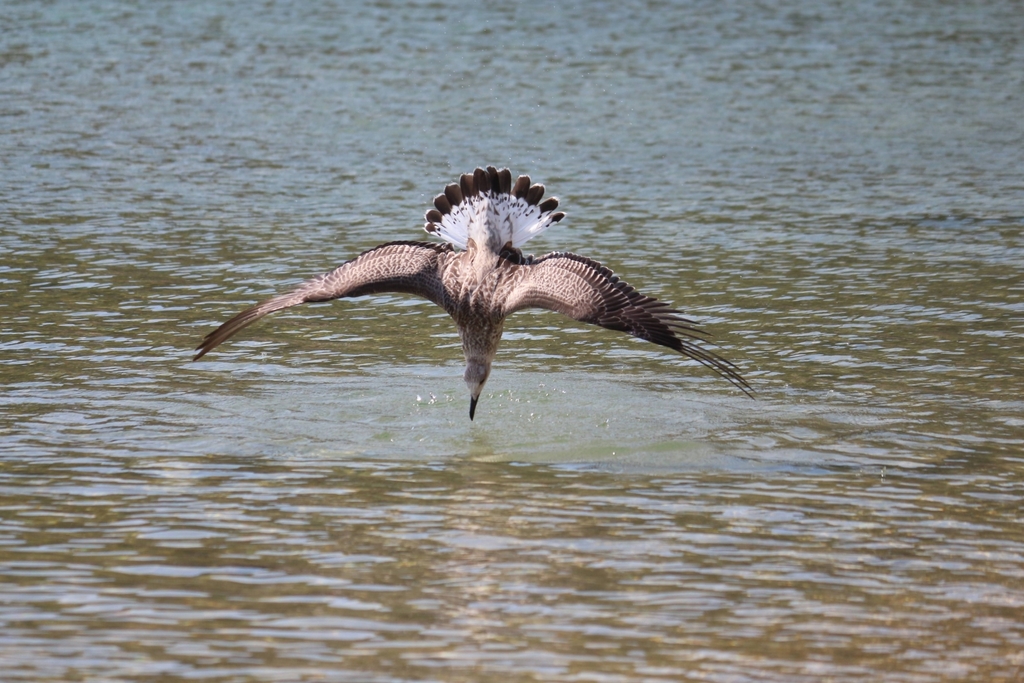
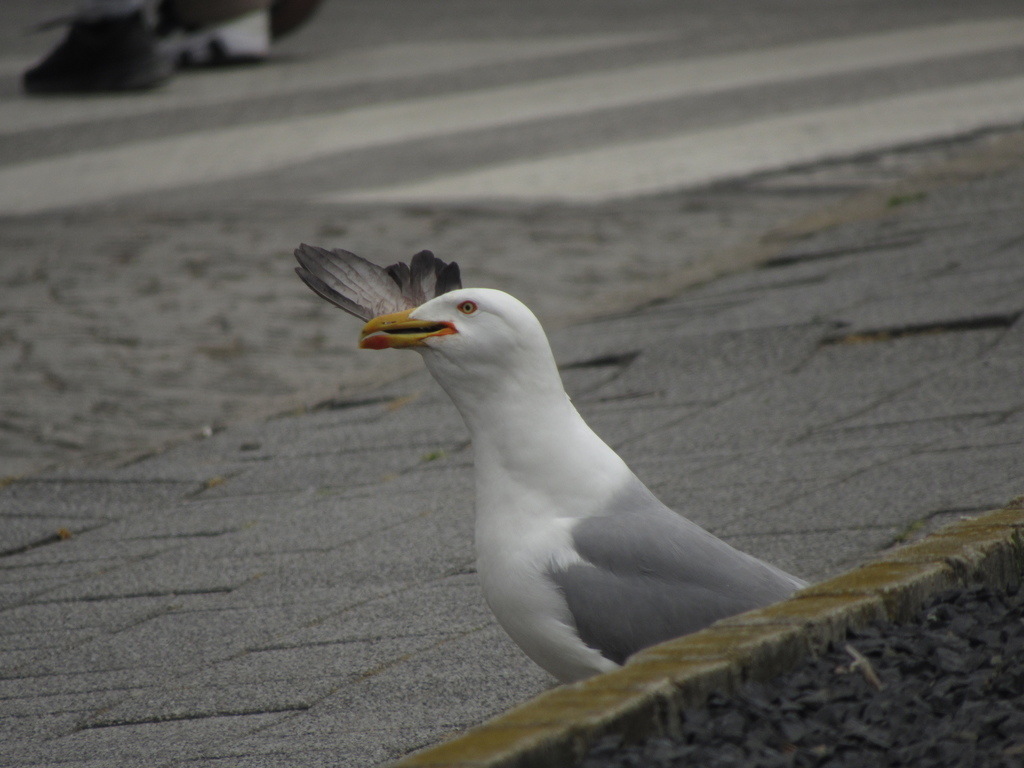
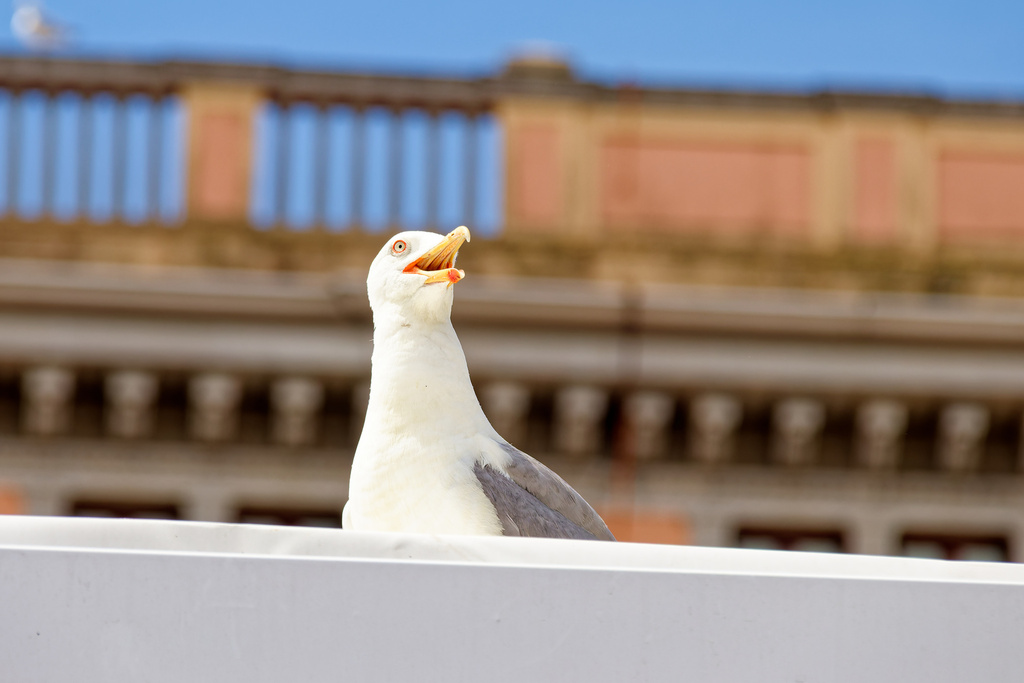
Its closest relatives
The other species of the genus Larus.
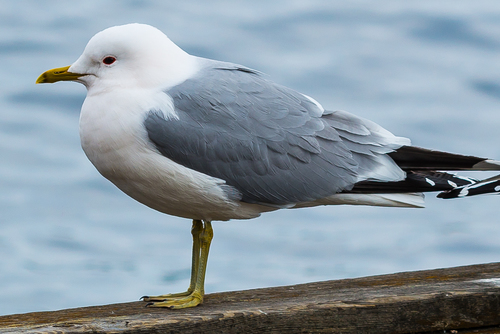

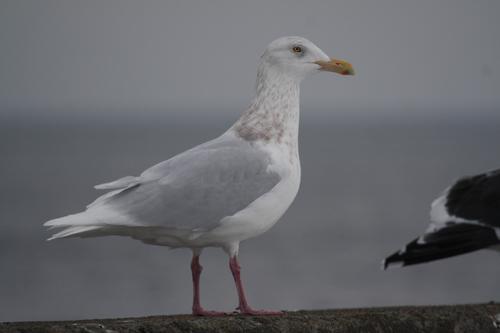
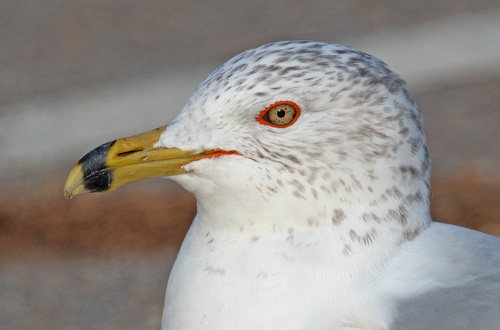
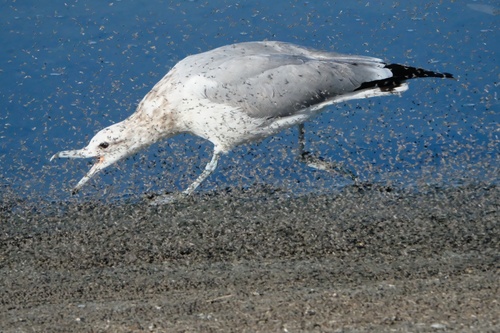
Seen a yellow-legged gull?
Share your photo on iNaturalist. Other naturalists help confirm it, and the record goes to GBIF, where scientists use it and where the maps on this page come from.
Put this species on your site
The card names every source and links back here.
<iframe src="https://4planetatlas.com/place/embed/species/yellow-legged-gull" title="Yellow-legged gull (Larus michahellis), 4PLANET Species" width="100%" height="600" style="border:0;max-width:640px" loading="lazy"></iframe>
<p><a href="https://4species.com/yellow-legged-gull">Yellow-legged gull on 4PLANET Species</a></p>Explore next
What puts the yellow-legged gull under pressure, what helps, and who works on it.
Questions people ask
What does the yellow-legged gull eat?
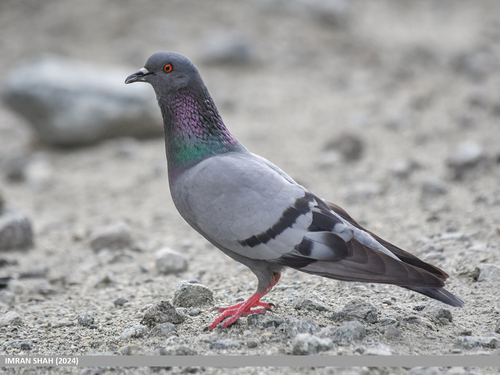
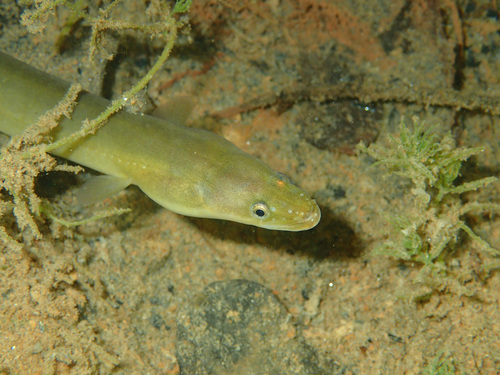
The yellow-legged gull has been recorded eating 3,278 different kinds of animals and plants, most of them insects, snails and slugs, fish and crustaceans. The ones recorded most often are rock dove, pike, european eel, six-spot burnet and eurasian collared dove; records include animals eaten as carrion. Source: GloBI.
What eats the yellow-legged gull?
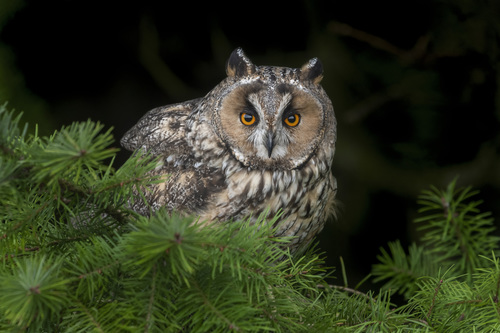
Recorded predators include red fox, northern raven, peregrine falcon, eurasian eagle-owl and common buzzard. Source: GloBI.
Where does the yellow-legged gull live?
People have recorded it in 70 countries; the most records come from Spain, Portugal, Italy, France and Turkey. Records show where people have seen it, not its full range.
When is the yellow-legged gull seen most?
In the northern hemisphere, the most records are made in April and the fewest in June. More people outdoors also means more records.
What are the yellow-legged gull's closest relatives?
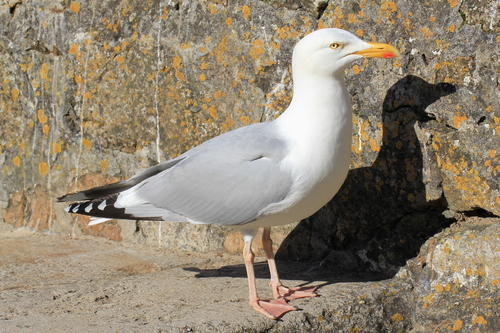
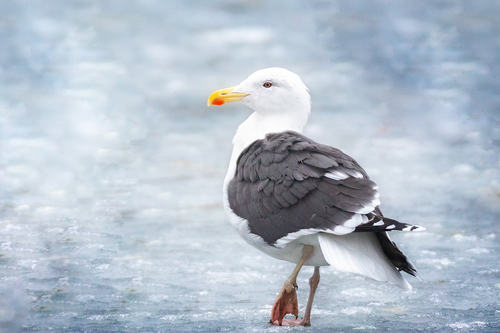
It shares the genus Larus with european herring gull, common gull, great black-backed gull, caspian gull and glaucous gull.
Sources and photo credits
- GBIF · Larus michahellis, 1,177,196 human observations
- GloBI · recorded interactions of Larus michahellis
- Wikidata · Yellow-legged gull (Q704982)
- Yellow-legged gull (Larus michahellis): Badadaba, CC BY-SA 4.0
- Yellow-legged gull (Larus michahellis): Jörg Hempel, CC BY-SA 4.0
- Yellow-legged gull (Larus michahellis): Diego González Dopico, CC BY 4.0
- Yellow-legged gull (Larus michahellis): Katya, CC BY 4.0
- Yellow-legged gull (Larus michahellis), Playa La Caleta, Cádiz, España: Diego González Dopico, CC BY 4.0
- Yellow-legged gull (Larus michahellis), Στάση Δεντράκια, Kavala 654 04, Greece: Radu Teodoreanu, CC BY 4.0
- Yellow-legged gull (Larus michahellis), TsentarPlovdiv Center, ul. "Gladston" 15, 4000 Plovdiv, Bulgaria: emilyd47, CC BY-SA 4.0
- Yellow-legged gull (Larus michahellis), Santa Croce, 30100 Venice, Metropolitan City of Venice, Italy: Donsky, CC BY 4.0
- Rock dove: Birds of Gilgit-Baltistan, CC BY-SA 4.0
- Pike: Dirk Godlinski, CC BY-SA 4.0
- European eel: Julien Renoult, CC BY 4.0
- Six-spot burnet: Kostas Zontanos, CC BY 4.0
- Eurasian collared dove: Iruka, CC BY-SA 4.0
- Long-snouted seahorse: Mare Per Sempre, CC BY-SA 4.0
- Limnophila punctata: Вячеслав Юсупов, CC BY 4.0
- Blue moor-grass: Wolfgang Jauch, CC BY 4.0
- Galium saxosum: Flavien Saboureau, CC BY 4.0
- Spring draba: Ken-ichi Ueda, CC BY 4.0
- Red fox: Алина Урусова, CC BY 4.0
- Northern raven: xulescu_g, CC BY-SA 4.0
- Peregrine falcon: Nicolás Villaseca Merino, CC BY-SA 4.0
- Common buzzard: Christoph Moning, CC BY 4.0
- Long-eared owl: caroline legg, CC BY 4.0
- European herring gull: Stu's Images, CC BY-SA 4.0
- Great black-backed gull: egorbirder, CC BY 4.0
- Common gull: Bengt Nyman, CC BY 4.0
- Caspian gull: Katya, CC BY 4.0
- Glaucous gull: Alastair Rae, CC BY-SA 4.0
- Iceland gull: Elizabeth Axley, CC BY 4.0
- Ring-billed gull: Judy Gallagher, CC BY-SA 4.0
- California gull: Madeleine Claire, CC BY 4.0

Records show where people have seen and shared the yellow-legged gull, not its full range, and some countries and months are recorded far more than others. The food web lists interactions that studies have recorded somewhere in the world (GloBI), not everything it eats in one place.
Checked 2026-11-22.