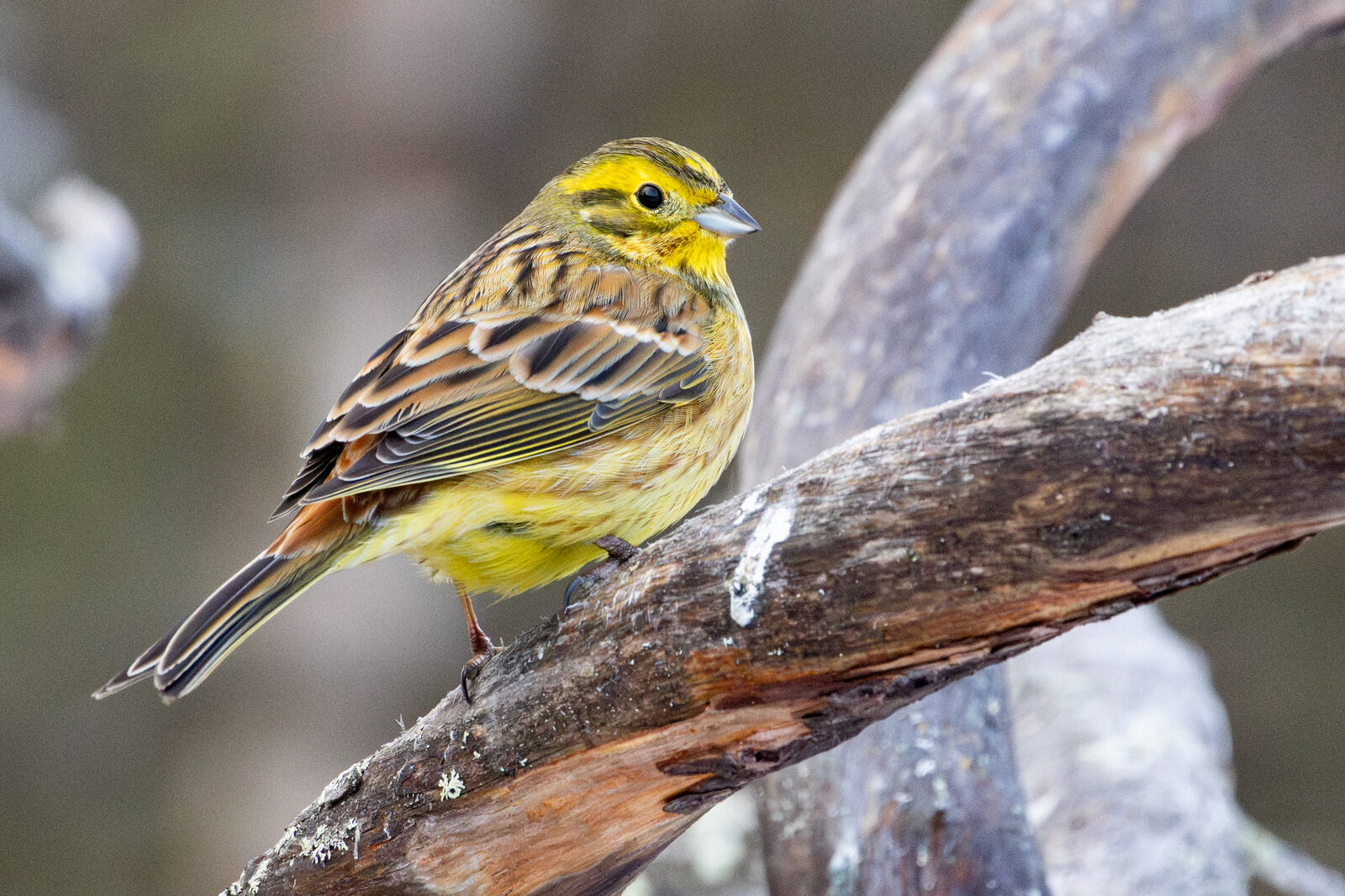
Yellowhammer
Emberiza citrinella
- Status
- Least Concern IUCN Red List
- Eats
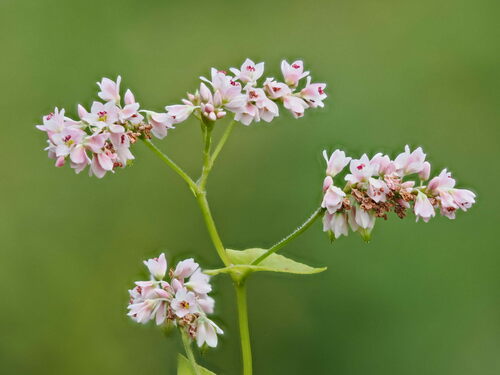
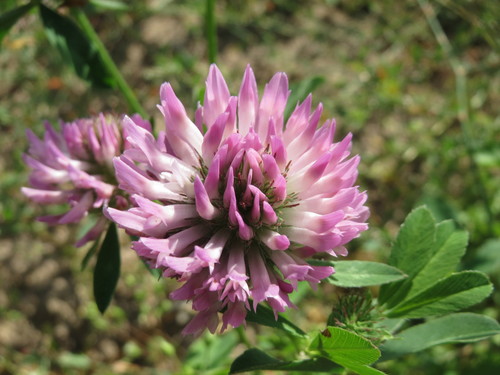
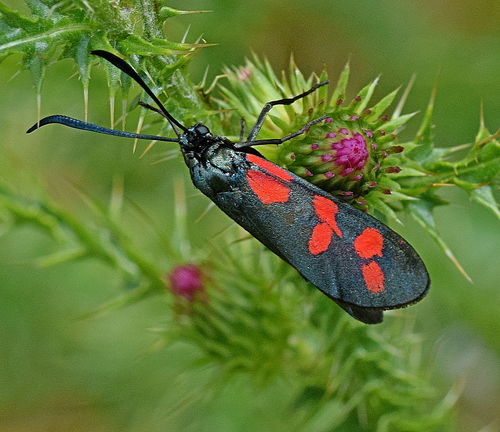
- buckwheat, red clover, six-spot burnet and 3,521 more
- Where
- 70 countries
On 4Planet Atlas it is among the wildlife people record most around Andorra la Vella, Ankara and Auckland, and 39 more of the cities we cover.
People have shared 707,075 records of the yellowhammer with GBIF, from 70 countries, most of them from United Kingdom, New Zealand and Germany. Records collected by GloBI show it eating 3,524 different kinds of animals and plants, and being eaten by 55.
What the yellowhammer eats, and what eats it
Studies have recorded it eating 3,524 kinds of animals and plants, and 55 kinds of animals eating it. Tap any of them to follow the food chain.
- Plants 1,881
- Insects 1,207
- Snails and slugs 3
Eaten by

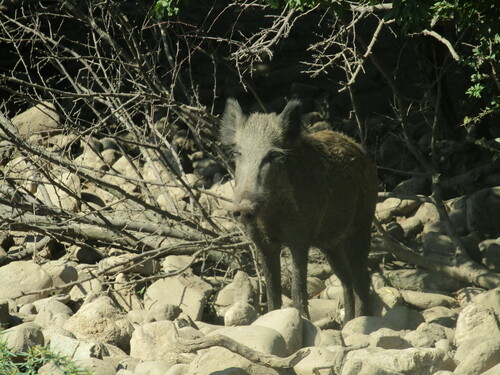


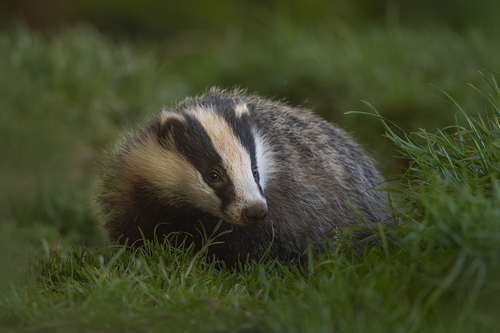
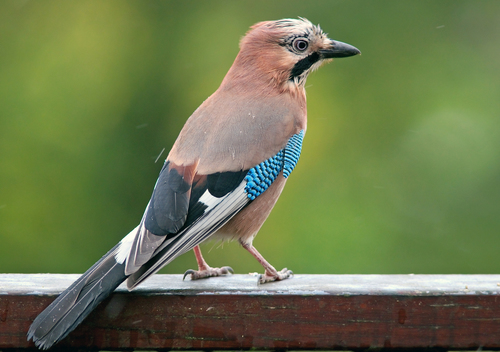
 Yellowhammer


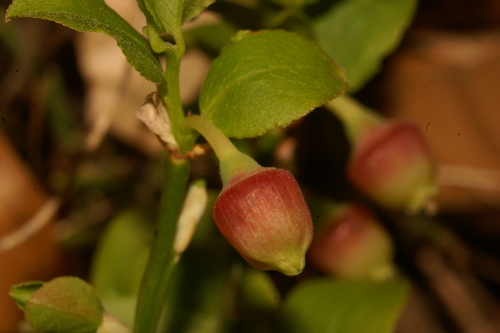
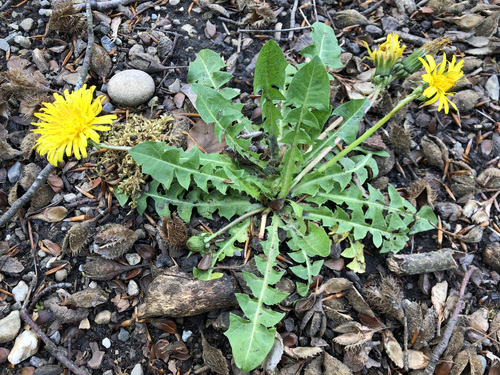
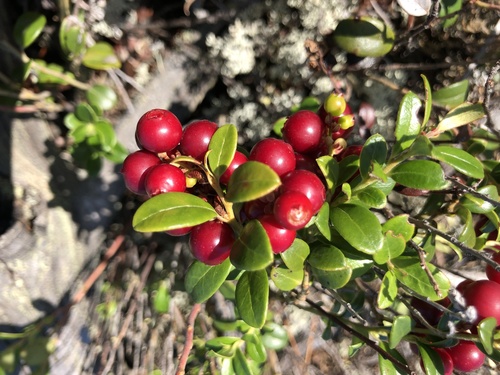
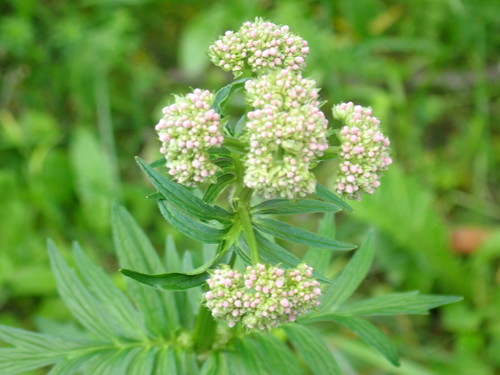
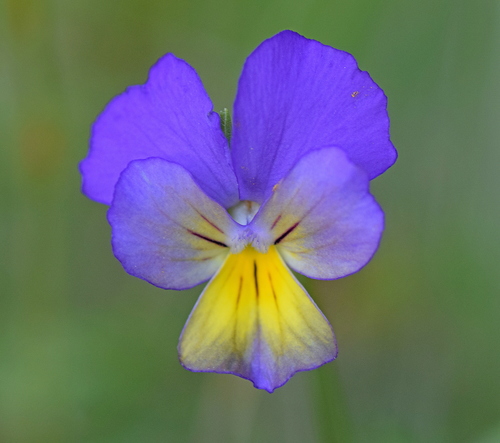

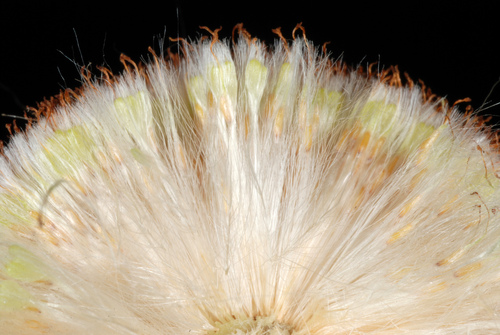
Records from studies worldwide, collected by GloBI. They include animals eaten as carrion, and they are not everything it eats in one place.
Where people see the yellowhammer
People have shared 707,075 records from 70 countries.
Near a city: Andorra la Vella, Ankara, Auckland, Belgrade, Bergen, Berlin, Bern, Bishkek, Bratislava, Brussels, Bucharest, Budapest, Chișinău, Copenhagen, Damascus, Dublin, Dushanbe, Helsinki, Kyiv, Ljubljana, Luxembourg City, Minsk, Moscow, Oslo, Paris, Prague, Pristina, Riga, Sarajevo, Skopje, Sofia, Stockholm, Tallinn, Tashkent, Tbilisi, Tehran, Vaduz, Vienna, Vilnius, Warsaw, Wellington, Zagreb.
Records show where people have seen it and shared it, not its full range. Country names open their page in Atlas.
When it is seen
Records per month in the northern hemisphere. More people outdoors also means more records.
Watch and listen
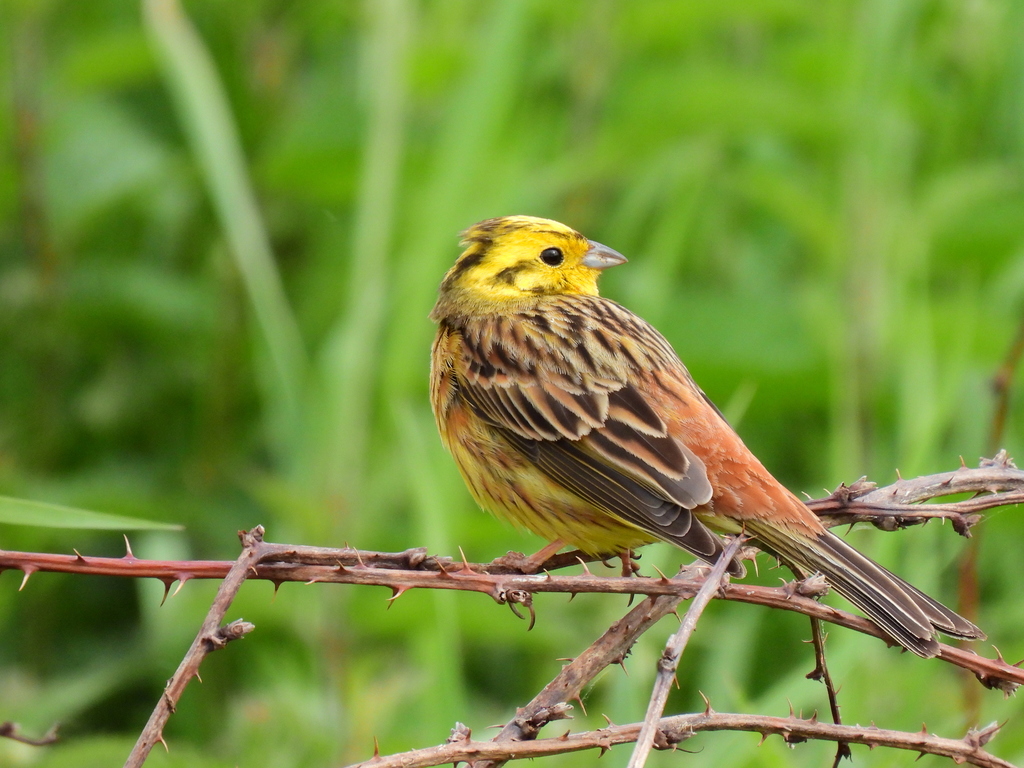
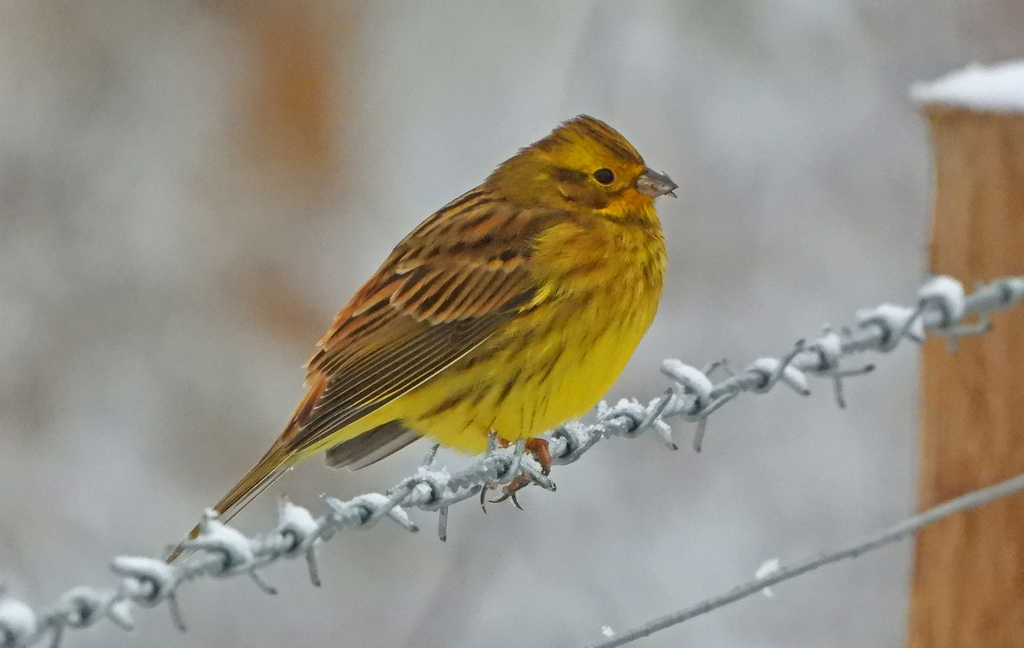
Its closest relatives
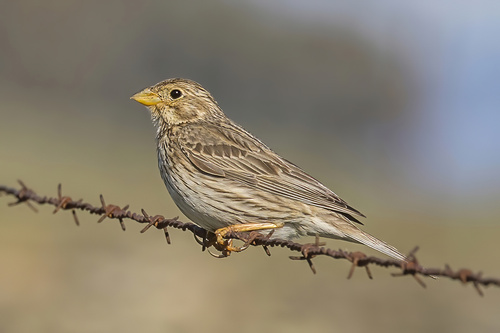
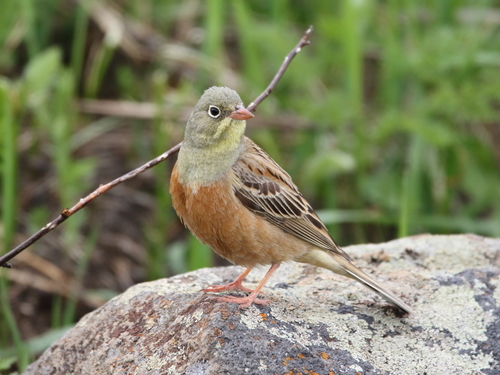
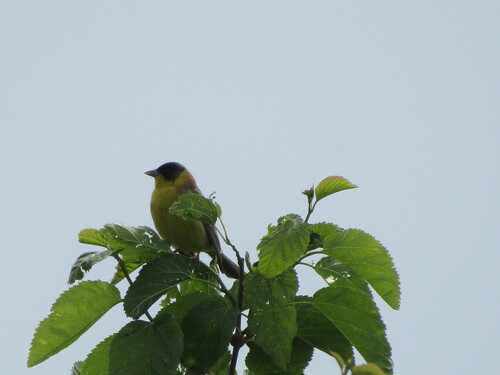
The other species of the genus Emberiza.
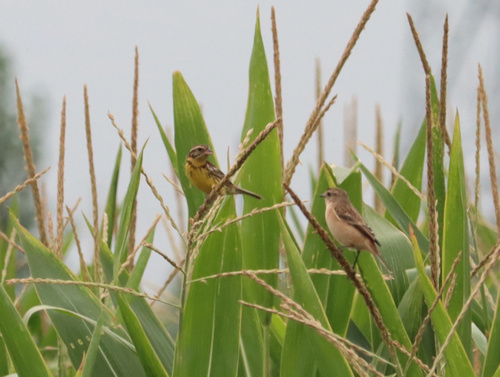
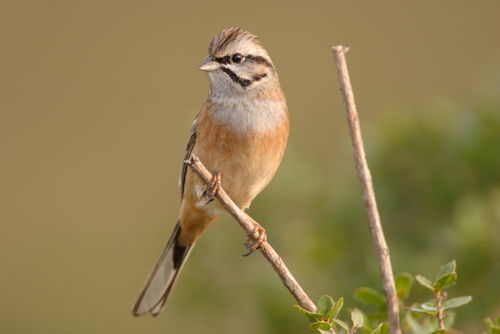
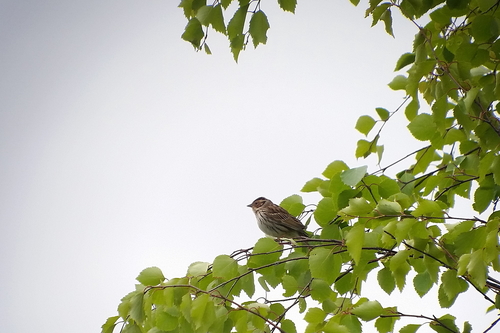
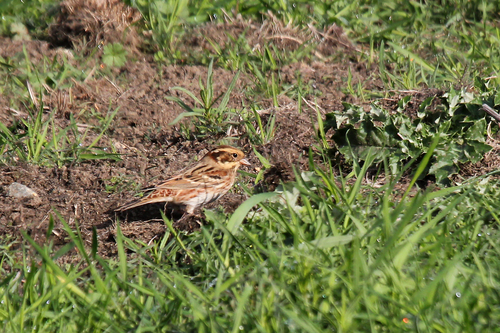
Seen a yellowhammer?
Share your photo on iNaturalist. Other naturalists help confirm it, and the record goes to GBIF, where scientists use it and where the maps on this page come from.
Put this species on your site
The card names every source and links back here.
<iframe src="https://4planetatlas.com/place/embed/species/yellowhammer" title="Yellowhammer (Emberiza citrinella), 4PLANET Species" width="100%" height="600" style="border:0;max-width:640px" loading="lazy"></iframe>
<p><a href="https://4species.com/yellowhammer">Yellowhammer on 4PLANET Species</a></p>Questions people ask
What does the yellowhammer eat?
The yellowhammer has been recorded eating 3,524 different kinds of animals and plants, most of them plants, insects and snails and slugs. The ones recorded most often are buckwheat, red clover, six-spot burnet, wood bluegrass and tasteless water-pepper; records include animals eaten as carrion. Source: GloBI.
What eats the yellowhammer?
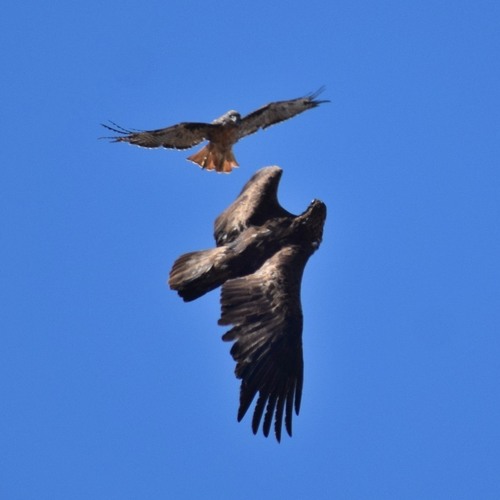
Recorded predators include grey wolf, wild boar, red fox, northern raven and eurasian magpie. Source: GloBI.
Where does the yellowhammer live?
People have recorded it in 70 countries; the most records come from United Kingdom, New Zealand, Germany, Czech Republic and Poland. Records show where people have seen it, not its full range.
When is the yellowhammer seen most?
In the northern hemisphere, the most records are made in May and the fewest in September. More people outdoors also means more records.
What are the yellowhammer's closest relatives?
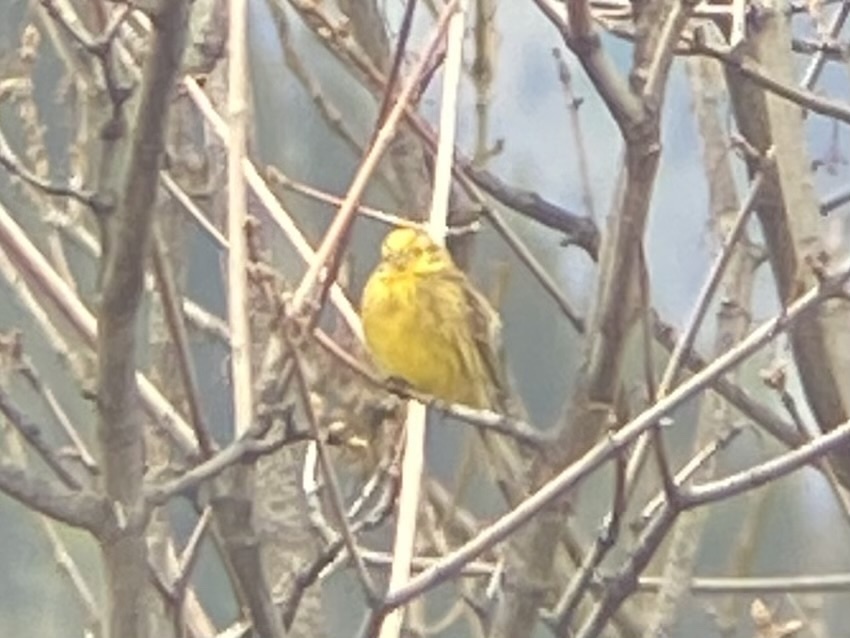
It shares the genus Emberiza with reed bunting, corn bunting, ortolan bunting, black-headed bunting and yellow-breasted bunting.
Sources and photo credits
- GBIF · Emberiza citrinella, 707,075 human observations
- GloBI · recorded interactions of Emberiza citrinella
- Wikidata · Yellowhammer (Q26205)
- Yellowhammer (Emberiza citrinella): Diego González Dopico, CC BY 4.0
- Yellowhammer (Emberiza citrinella): joba102, CC BY 4.0
- Yellowhammer (Emberiza citrinella): Paul Lewis, CC BY 4.0
- Yellowhammer (Emberiza citrinella), 4292 Dobri dol, Bulgaria: SteveM4560, CC BY 4.0
- Yellowhammer (Emberiza citrinella), 4292 Dobri dol, Bulgaria: SteveM4560, CC BY 4.0
- Yellowhammer (Emberiza citrinella), 4292 Dobri Dol, Bulgaria: SteveM4560, CC BY 4.0
- Yellowhammer (Emberiza citrinella), Karksi, Viljandi, Estonia: Nicolás Tamargo, CC0
- Yellowhammer (Emberiza citrinella), Route de Lachat, Les Belleville, Auvergne-Rhône-Alpes, FR: Joss Carr, CC BY 4.0
- Buckwheat: Gilles San Martin, CC BY-SA 4.0
- Red clover: Andreas Rockstein, CC BY-SA 4.0
- Six-spot burnet: Kostas Zontanos, CC BY 4.0
- Wood bluegrass: Douglas Goldman, CC BY-SA 4.0
- Tasteless water-pepper: Paul Cook, CC BY 4.0
- Bilberry: Benjamin Zwittnig, CC BY 4.0
- Common dandelion: Jason Grant, CC BY 4.0
- Cowberry: Valerii Glazunov, CC BY 4.0
- Common valerian: Lynn Harper, CC0
- Johnny-jump-up: Kostas Zontanos, CC BY 4.0
- Littleleaf linden: Alreadyexist, CC BY-SA 4.0
- Broadleaf cattail: Douglas Goldman, CC BY-SA 4.0
- Grey wolf: Andrew Simon, CC BY 4.0
- Wild boar: SteveM4560, CC BY 4.0
- Red fox: Алина Урусова, CC BY 4.0
- Northern raven: xulescu_g, CC BY-SA 4.0
- Eurasian badger: caroline legg, CC BY 4.0
- Eurasian jay: Luc Viatour, CC BY-SA 4.0
- Golden eagle: Anne Parsons, CC0
- Corn bunting: Charles J. Sharp, CC BY-SA 4.0
- Ortolan bunting: Ani Sarkisyan, CC BY 4.0
- Black-headed bunting: SteveM4560, CC BY 4.0
- Yellow-breasted bunting: 夏仲归, CC BY 4.0
- Rock bunting: Carles Pastor, CC BY-SA 4.0
- Little bunting: Mikael Nyman, CC BY 4.0
- Rustic bunting: James Heal, CC BY 4.0
Records show where people have seen and shared the yellowhammer, not its full range, and some countries and months are recorded far more than others. The food web lists interactions that studies have recorded somewhere in the world (GloBI), not everything it eats in one place.
Checked 2026-11-24.