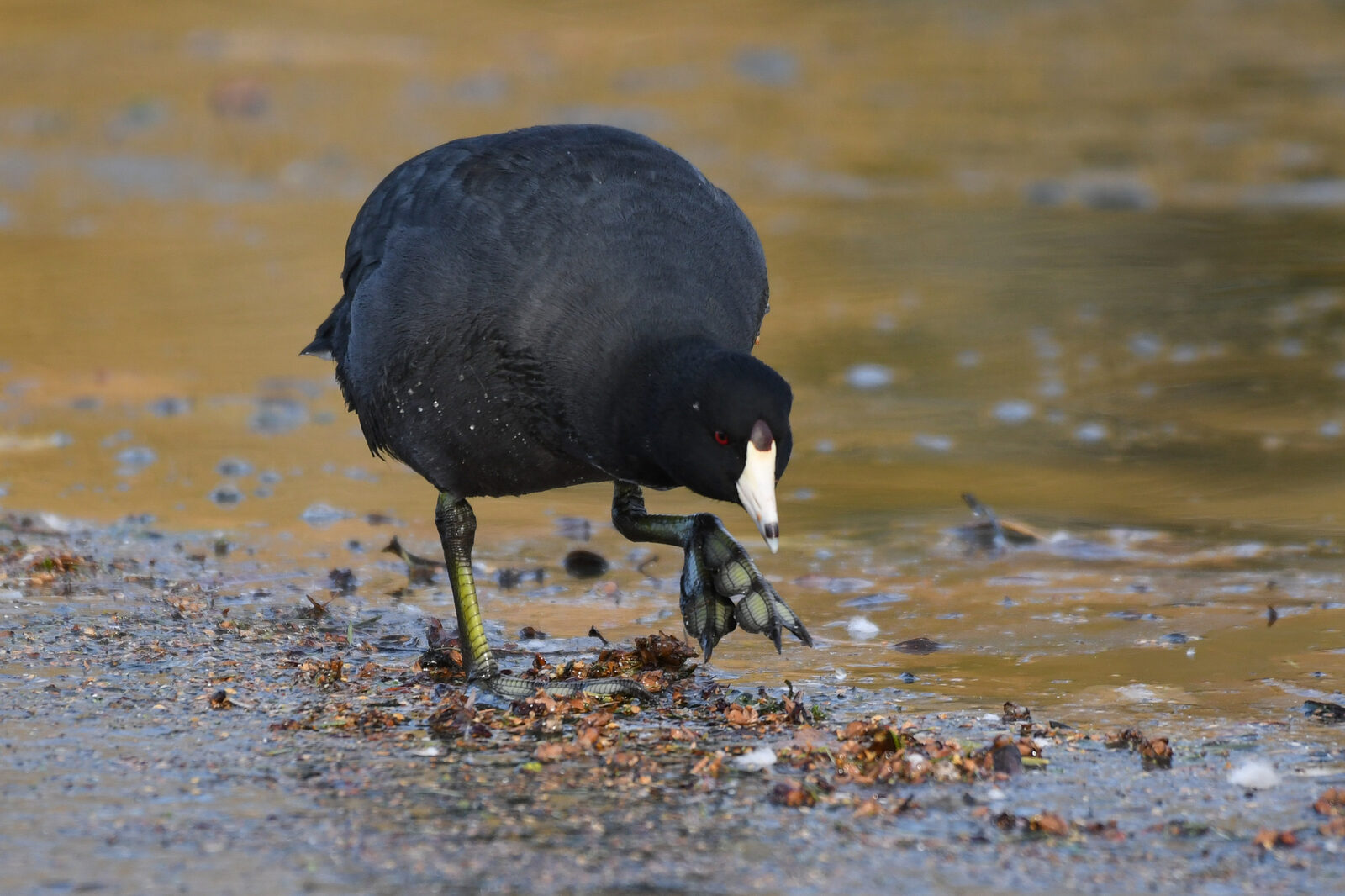
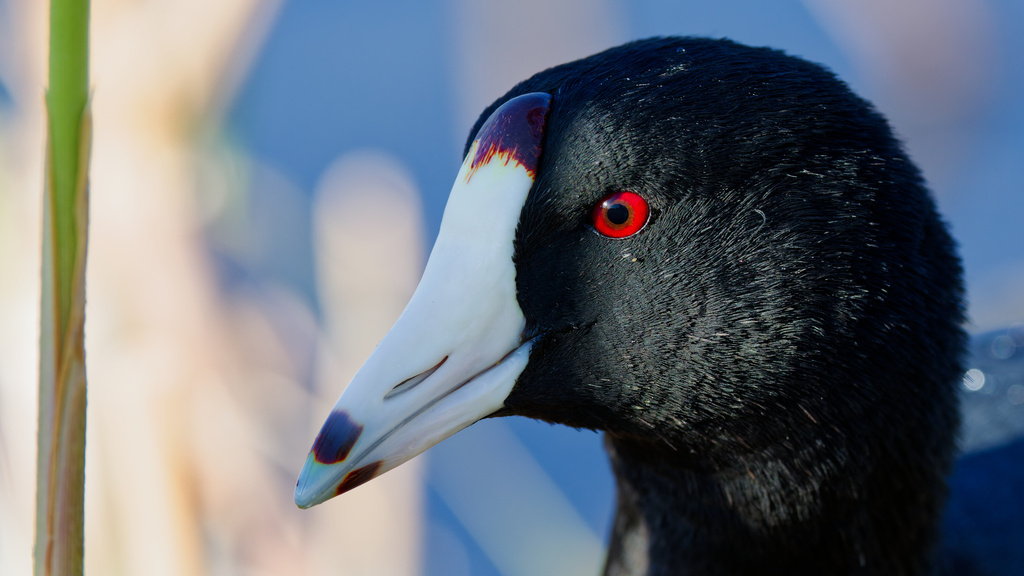
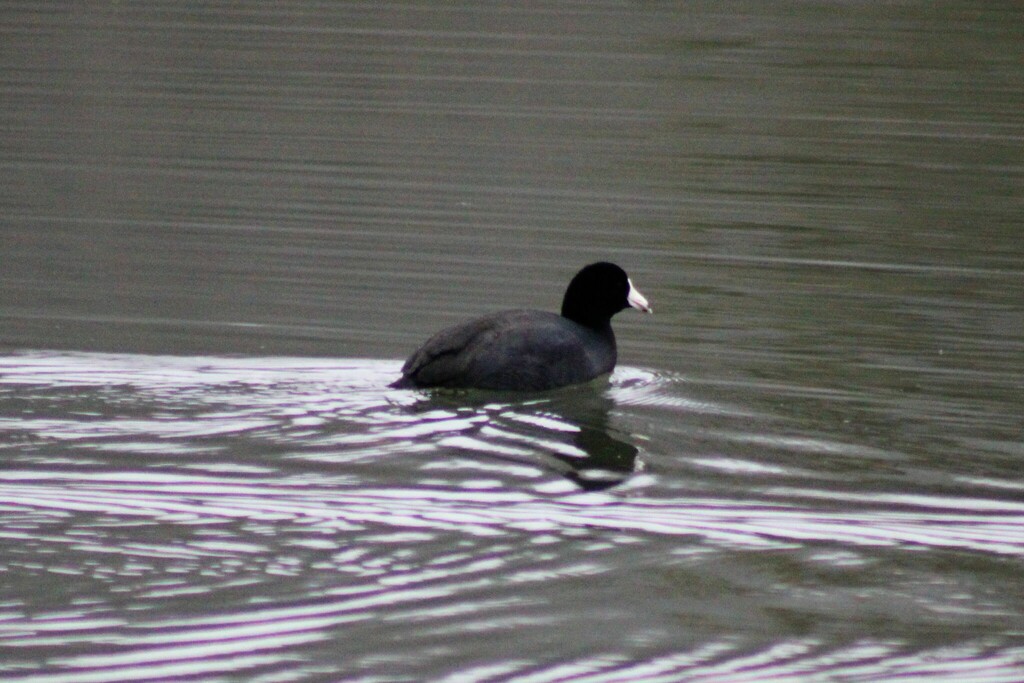
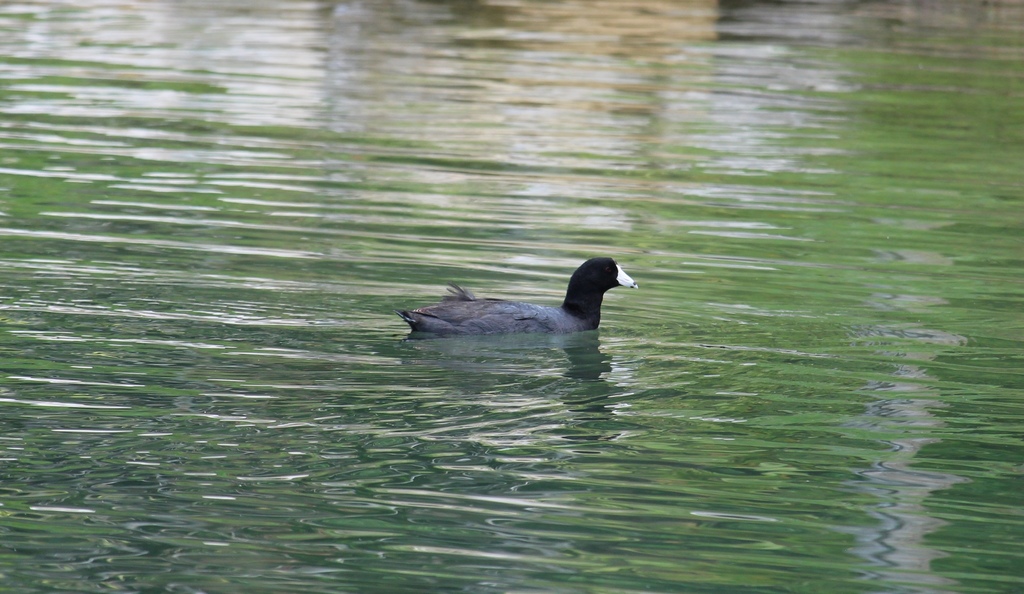
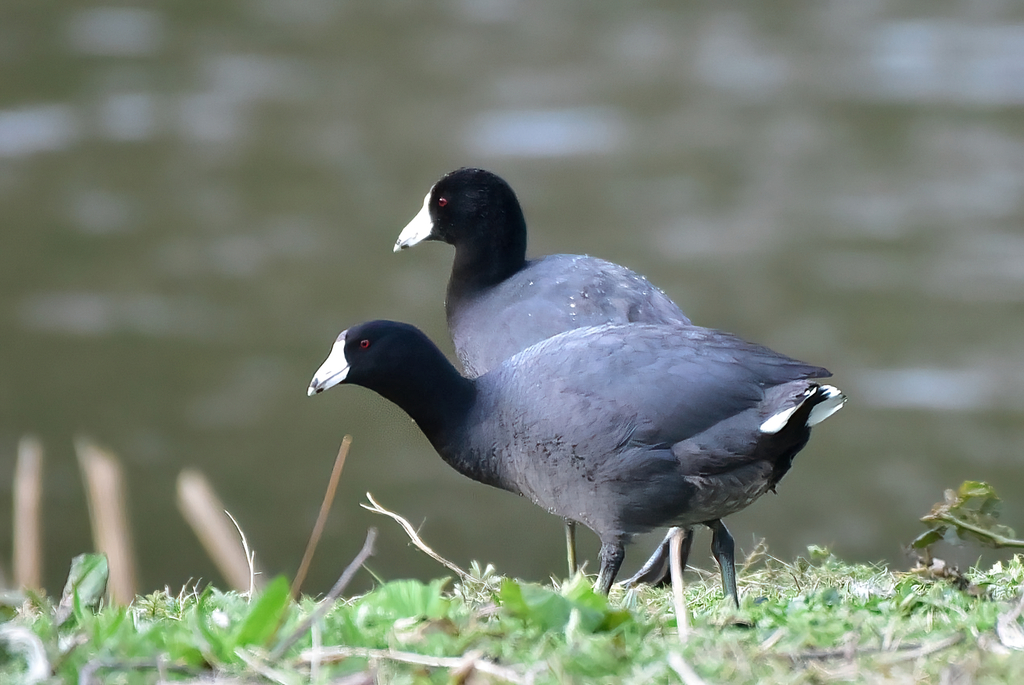
American coot
Fulica americana
- Status
- Least Concern IUCN Red List
- Eats
- broadleaf cattail, needle spike-rush, western toad and 69 more
- Where
- 50 countries
On 4Planet Atlas it is among the wildlife people record most around Atlanta, Basseterre and Bogotá, and 19 more of the cities we cover.
People have shared 5,409,873 records of the American coot with GBIF, from 50 countries, most of them from United States, Canada and Mexico. Records collected by GloBI show it eating 72 different kinds of animals and plants, and being eaten by 17.
What the American coot eats, and what eats it
Studies have recorded it eating 72 kinds of animals and plants, and 17 kinds of animals eating it. Tap any of them to follow the food chain.
- Plants 35
- Amphibians 6
- Shellfish 6
- Fish 4
- Insects 3
- Birds 3
- Fungi 2
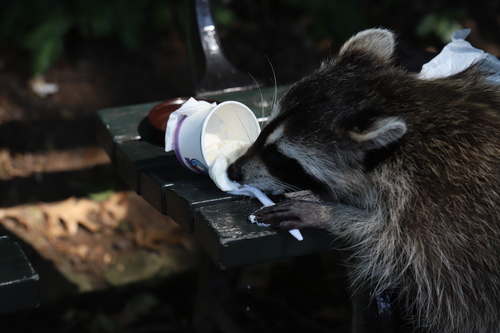

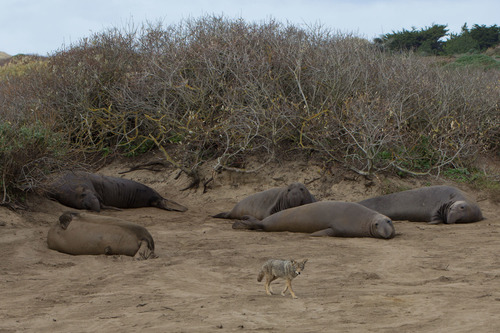

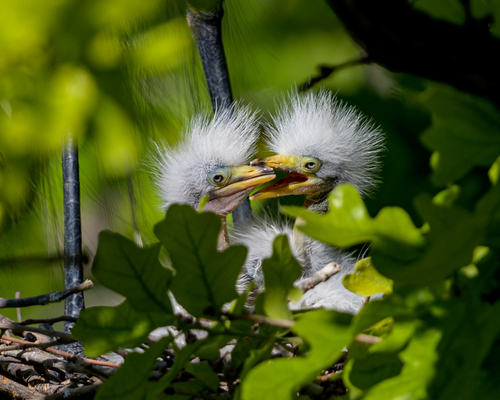
 American coot
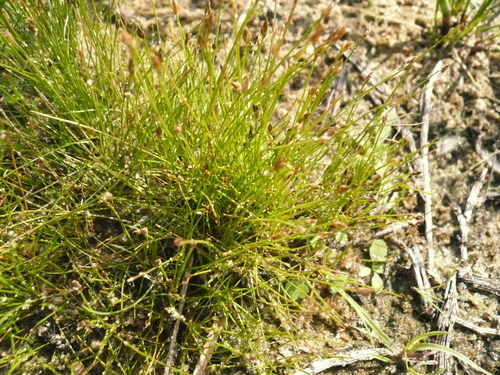
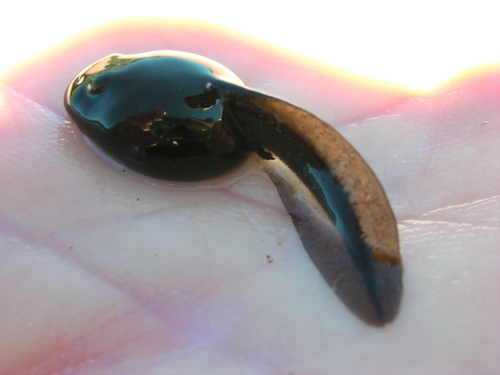
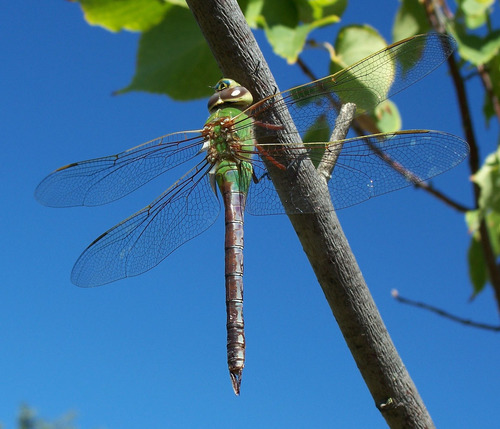
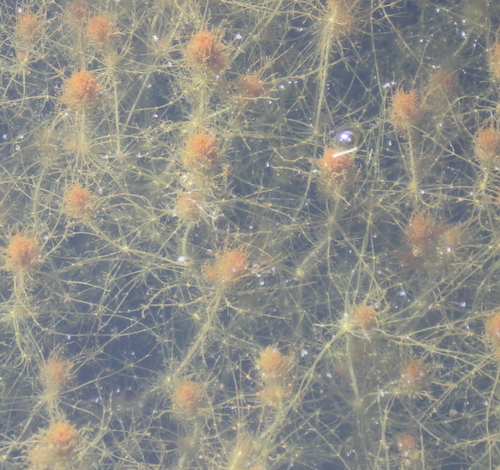
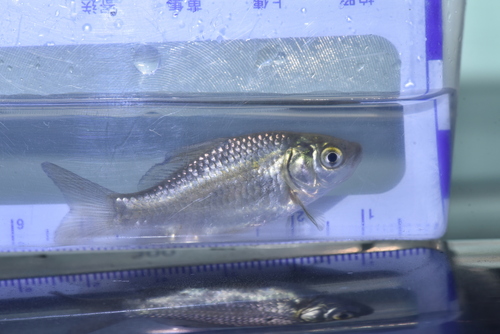
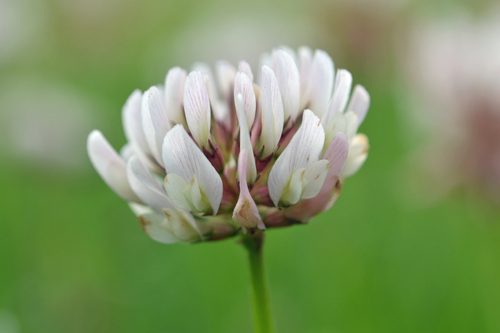


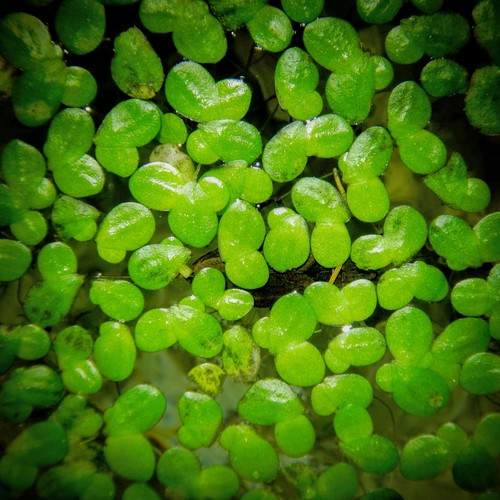
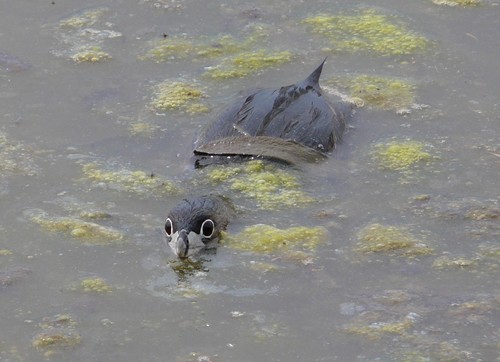
Records from studies worldwide, collected by GloBI. They include animals eaten as carrion, and they are not everything it eats in one place.
Where people see the American coot
People have shared 5,409,873 records from 50 countries.
Near a city: Atlanta, Basseterre, Bogotá, Boston, Bridgetown, Castries, Chicago, Denver, Havana, Houston, Kingston, Las Vegas, Mexico City, Nassau, New York, Port-au-Prince, San Francisco, Seattle, St. George's, Toronto, Vancouver, Washington, D.C..
Records show where people have seen it and shared it, not its full range. Country names open their page in Atlas.
When it is seen
Records per month in the northern hemisphere. More people outdoors also means more records.
Watch and listen
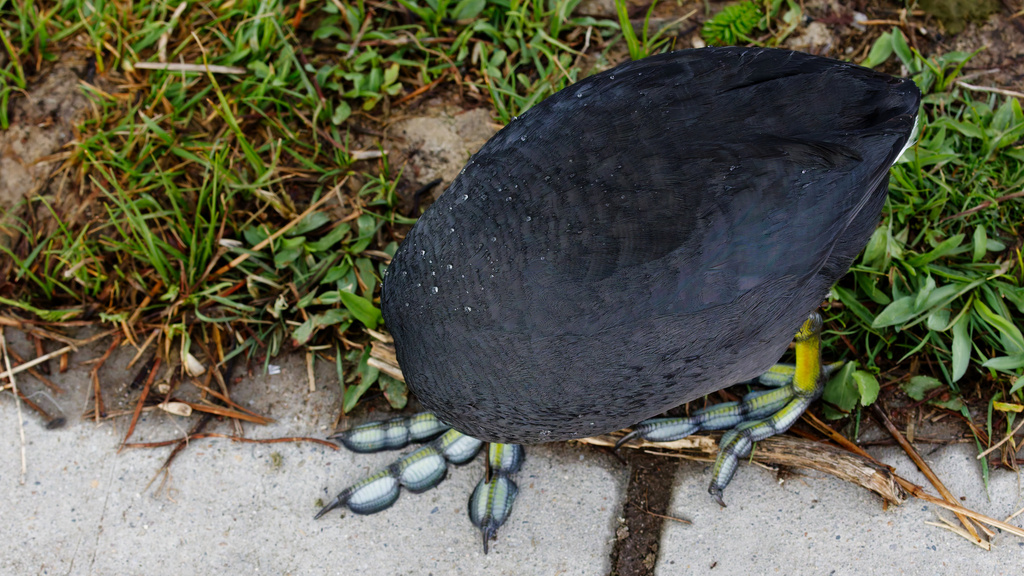
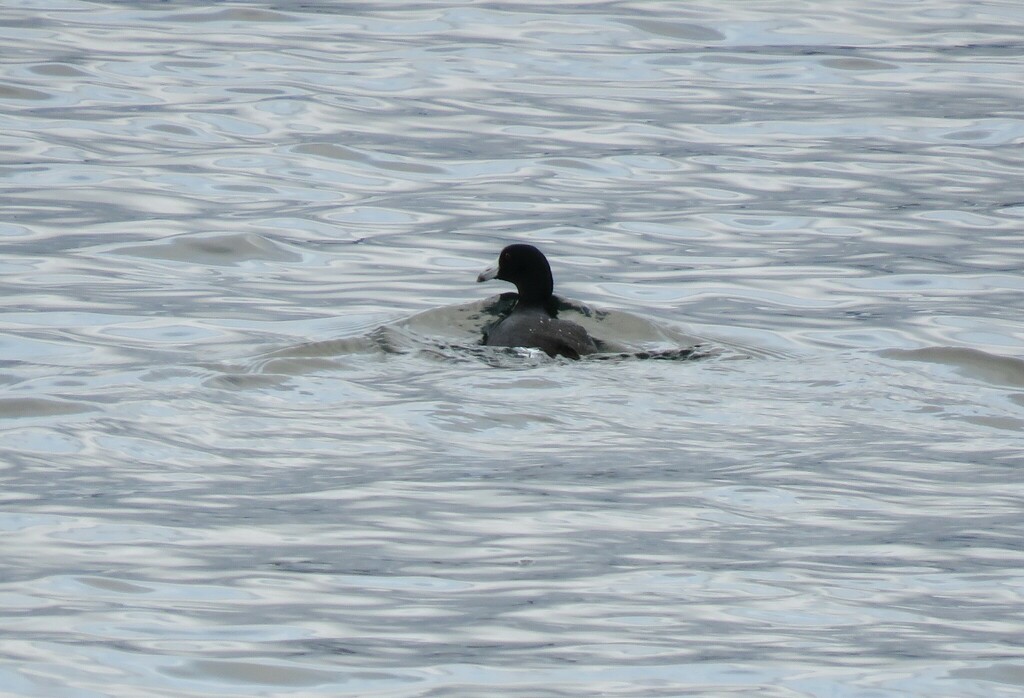
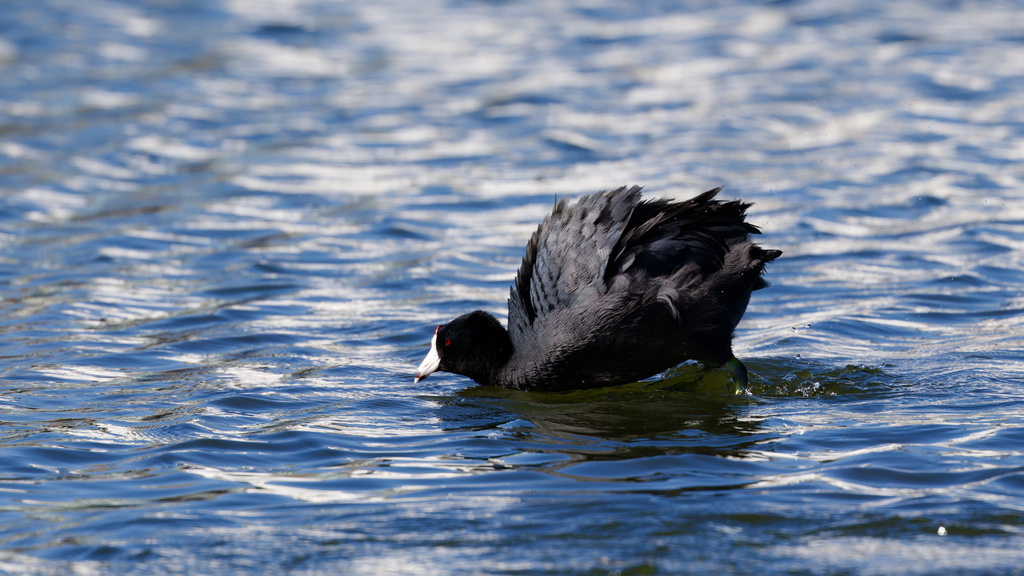
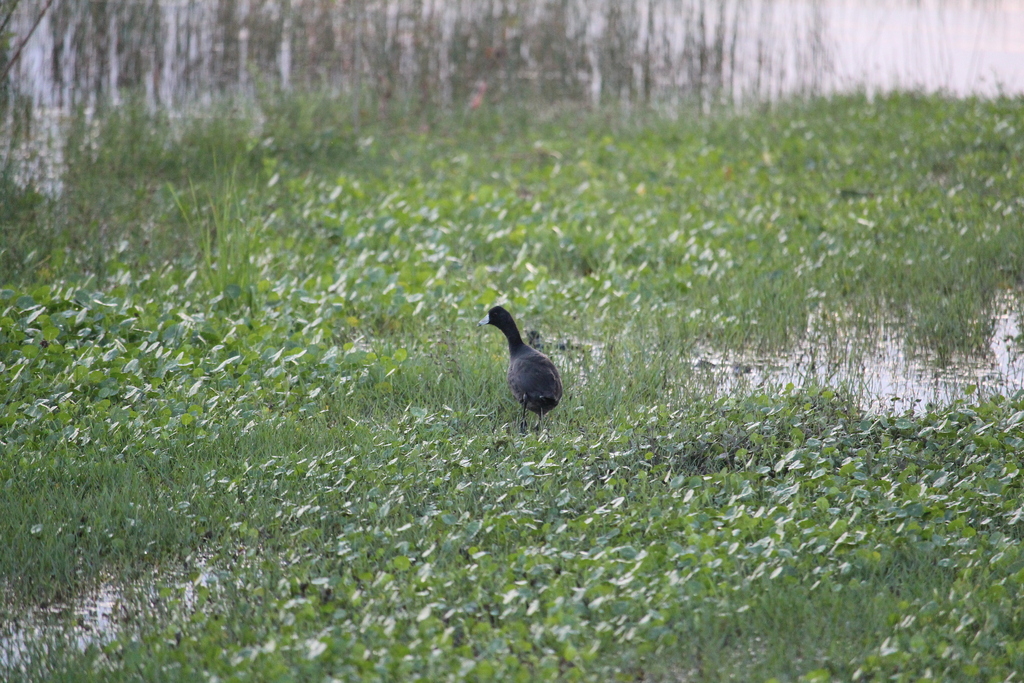
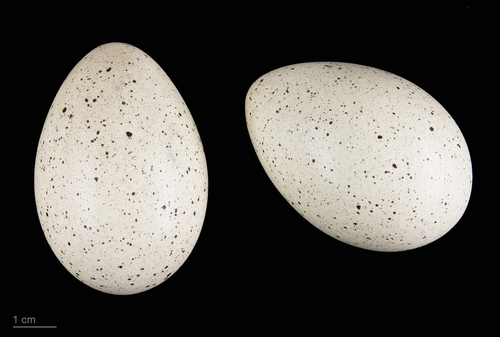
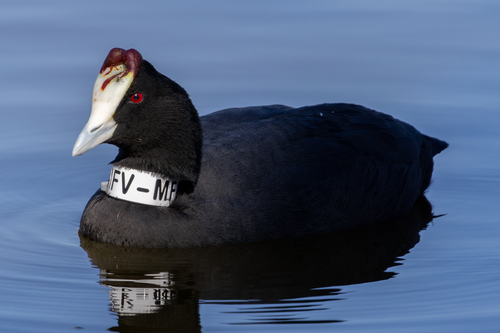
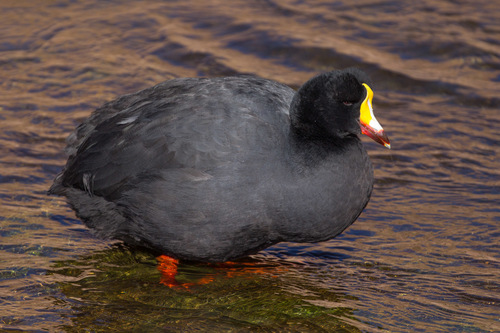
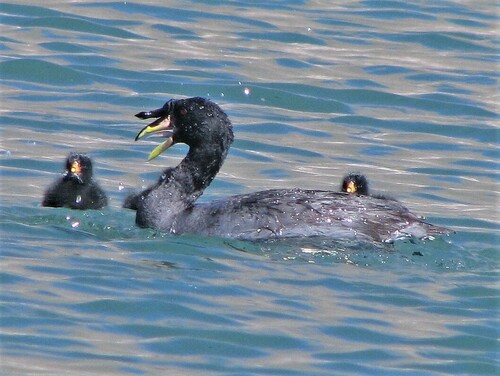
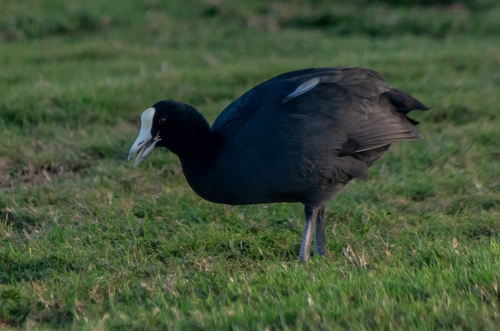
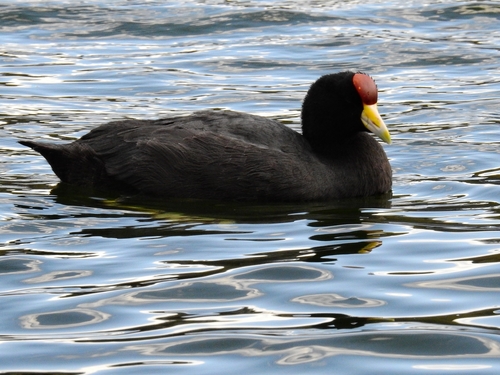
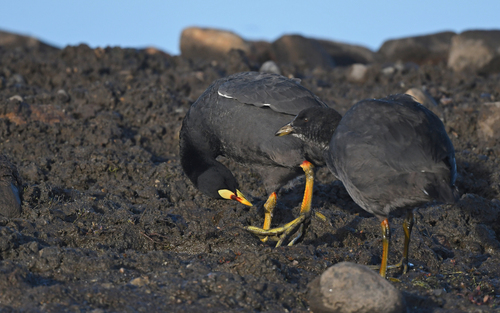
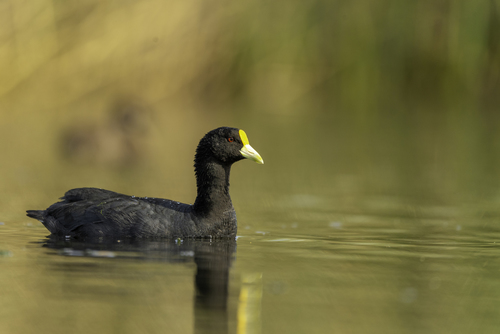
Its closest relatives
The other species of the genus Fulica.
Seen an American coot?
Share your photo on iNaturalist. Other naturalists help confirm it, and the record goes to GBIF, where scientists use it and where the maps on this page come from.
Put this species on your site
The card names every source and links back here.
<iframe src="https://4planetatlas.com/place/embed/species/american-coot" title="American coot (Fulica americana), 4PLANET Species" width="100%" height="600" style="border:0;max-width:640px" loading="lazy"></iframe>
<p><a href="https://4species.com/american-coot">American coot on 4PLANET Species</a></p>Questions people ask
What does the American coot eat?
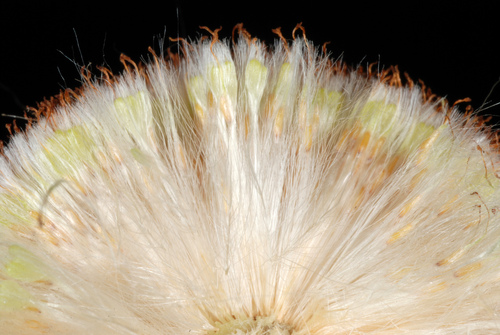
The American coot has been recorded eating 72 different kinds of animals and plants, most of them plants, amphibians, shellfish and fish. The ones recorded most often are broadleaf cattail, needle spike-rush, western toad, green darner and chara hornemannii; records include animals eaten as carrion. Source: GloBI.
What eats the American coot?
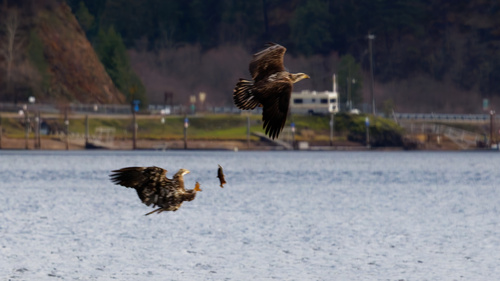
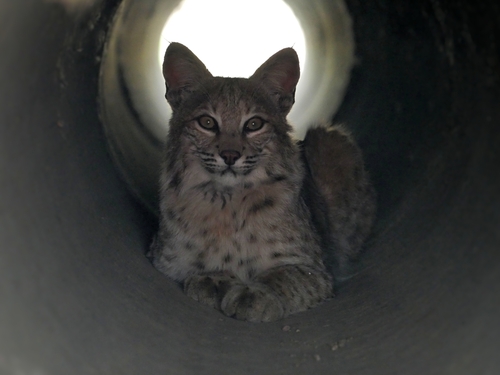
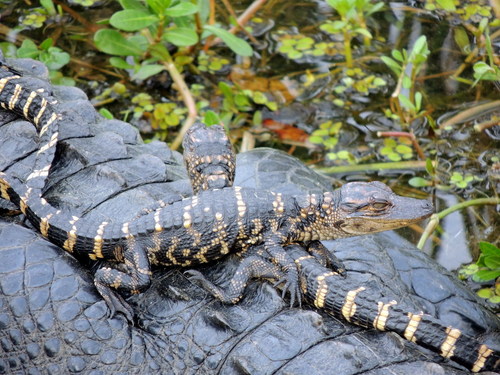
Recorded predators include raccoon, red fox, coyote, peregrine falcon and great egret. Source: GloBI.
Where does the American coot live?
People have recorded it in 50 countries; the most records come from United States, Canada, Mexico, Colombia and Bermuda. Records show where people have seen it, not its full range.
When is the American coot seen most?
In the northern hemisphere, the most records are made in April and the fewest in July. More people outdoors also means more records.
What are the American coot's closest relatives?
It shares the genus Fulica with common coot, red-knobbed coot, giant coot, horned coot and hawaiian coot.
Sources and photo credits
- GBIF · Fulica americana, 5,409,873 human observations
- GloBI · recorded interactions of Fulica americana
- Wikidata · American coot (Q470016)
- American coot (Fulica americana): Justin Flint, CC BY 4.0
- American coot (Fulica americana), Grandpa's pond, Sandy, UT 84070, USA: Daughter Dad, CC BY 4.0
- American coot (Fulica americana), Castleton, VT, USA: Chelsea Carroll, CC BY 4.0
- American coot (Fulica americana), 1 Daybreak Ponds, South Jordan, UT, USA: Daughter Dad, CC BY 4.0
- American coot (Fulica americana), El Remate, Guatemala: Ricard Busquets Reverte, CC BY 4.0
- American coot (Fulica americana), 1 Daybreak Ponds, South Jordan, UT, USA: Daughter Dad, CC BY 4.0
- American coot (Fulica americana), Smyth County, US-VA, US: Robert Harris, CC BY 4.0
- American coot (Fulica americana), Flores, Guatemala: Ricard Busquets Reverte, CC BY 4.0
- American coot (Fulica americana), West Side, Vancouver, BC, Canada: Marcel_Pepin, CC BY 4.0
- Broadleaf cattail: Douglas Goldman, CC BY-SA 4.0
- Needle spike-rush: Силаева Татьяна Борисовна, CC0
- Western toad: J Brew, CC BY-SA 4.0
- Green darner: Eugene Zelenko, CC BY-SA 4.0
- Chara hornemannii: Millie Basden, CC BY 4.0
- Goldfish: Yung-Lun Lin, CC BY 4.0
- White clover: Conall, CC BY 4.0
- Wild oat: no rights reserved, uploaded by Jesse Rorabaugh, CC0
- Common water hyacinth: Michael D Fox, CC BY 4.0
- Common duckweed: Attila Oláh, CC BY 4.0
- Pied-billed grebe: kent ozment, CC0
- Raccoon: Steven Bodzin, CC BY 4.0
- Red fox: Алина Урусова, CC BY 4.0
- Coyote: avocat, CC BY 4.0
- Peregrine falcon: Shirley Zundell, CC BY 4.0
- Great egret: Shiva Shenoy, CC BY 4.0
- Bald eagle: Daughter Dad, CC BY 4.0
- Bobcat: ayden, CC BY 4.0
- American alligator: no rights reserved, uploaded by Vijay Barve, CC0
- Common coot: Roger Culos, CC BY-SA 4.0
- Red-knobbed coot: Diego González Dopico, CC BY 4.0
- Giant coot: avocat, CC BY 4.0
- Horned coot: no rights reserved, uploaded by Hugo Hulsberg, CC0
- Hawaiian coot: Niki Robertson, CC BY 4.0
- Andean coot: Esteban Poveda, CC BY 4.0
- Red-gartered coot: Christoph Moning, CC BY 4.0
- White-winged coot: Luciano Massa, CC BY 4.0
Records show where people have seen and shared the American coot, not its full range, and some countries and months are recorded far more than others. The food web lists interactions that studies have recorded somewhere in the world (GloBI), not everything it eats in one place.
Checked 2026-11-26.