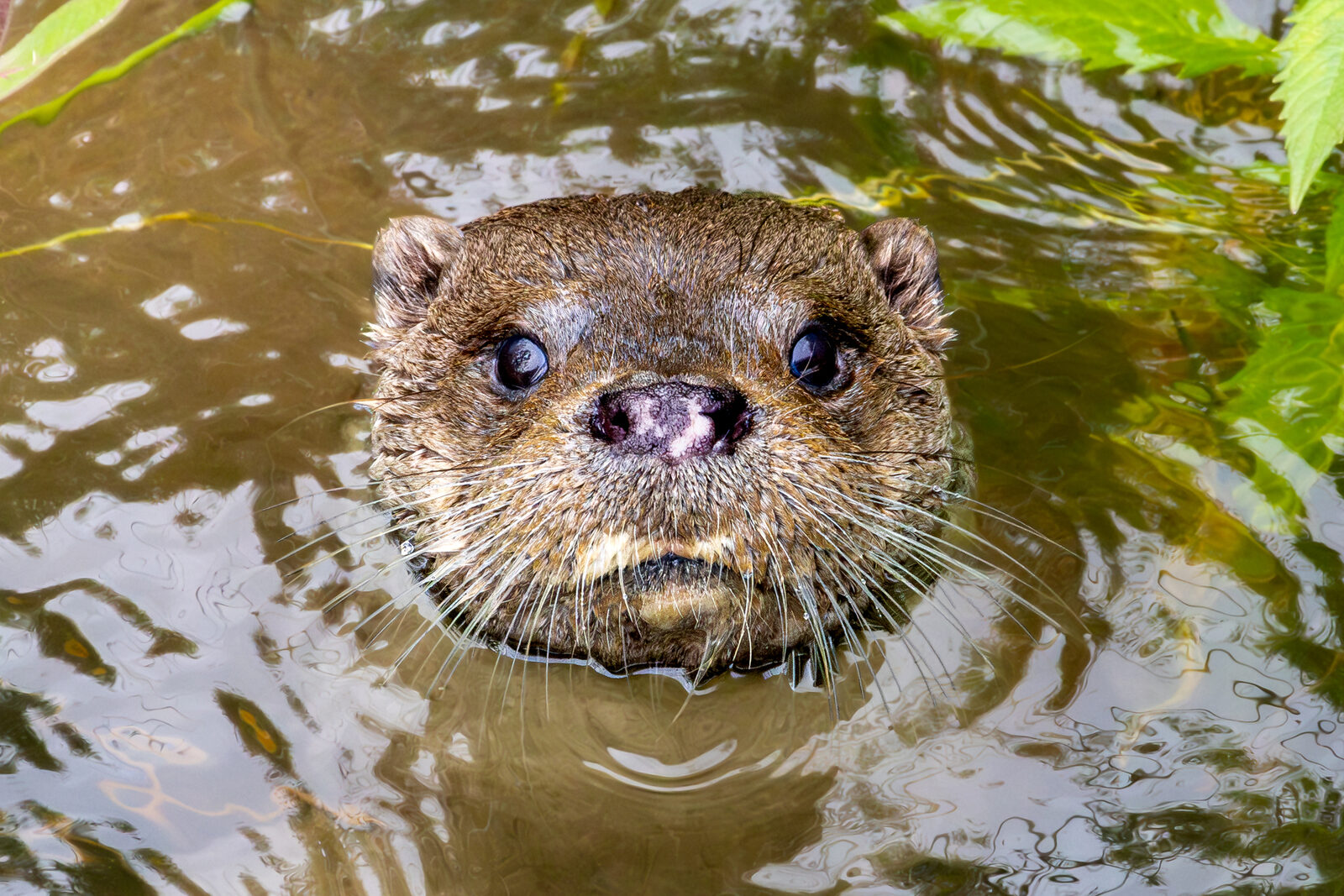
Eurasian otter
Lutra lutra
- Status
- Near Threatened IUCN Red List
- Eats
- mallard, great cormorant, common coot and 143 more
- Eaten by
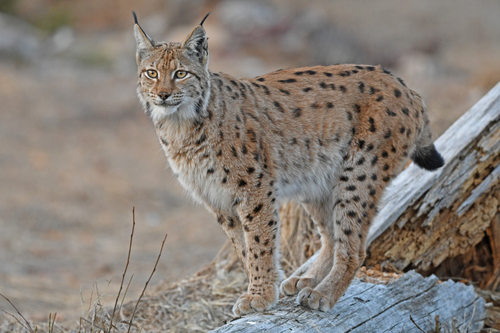
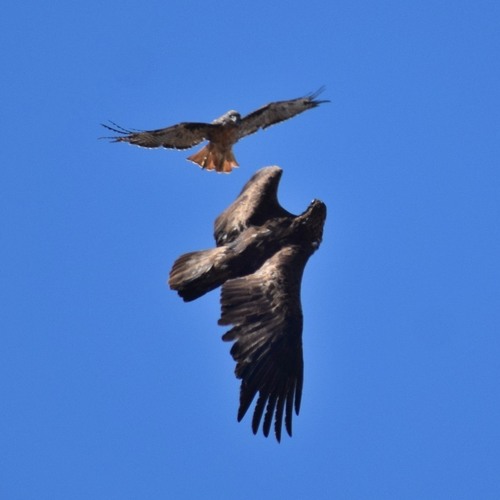
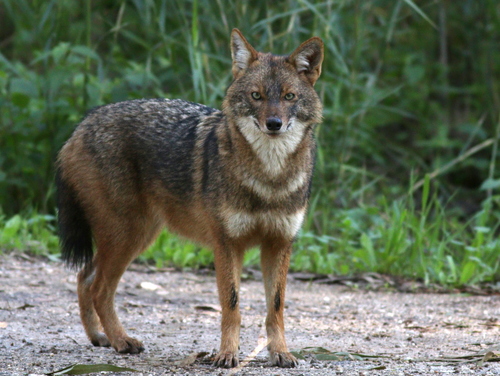
- grey wolf, red fox, Eurasian lynx
- Where
- 51 countries · danube Delta, river, coast
People have shared 5,808 records of the Eurasian otter with GBIF, from 51 countries, most of them from United Kingdom, Spain and Portugal. Records collected by GloBI show it eating 146 different kinds of animals and plants, and being eaten by 6.
In the northern hemisphere, people record it most in February and least in June. It belongs to the genus Lutra in the family Mustelidae.
Habitats
- Danube Delta
- River
- Coast
- Fresh water
- Wetland
- Intertidal zone
- River mouth
- Riparian forest
What the Eurasian otter eats, and what eats it
Studies have recorded it eating 146 kinds of animals and plants, and 6 kinds of animals eating it. Tap any of them to follow the food chain.
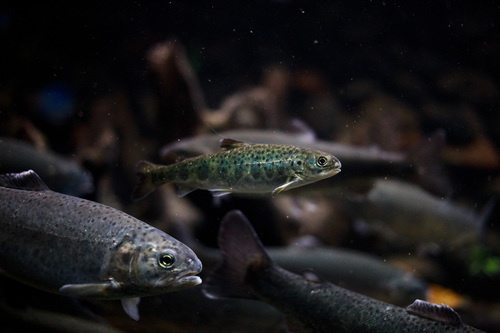
- Fish 61
- Amphibians 28
- Birds 15
- Reptiles 9
- Crustaceans 8
- Mammals 6
- Shellfish 2


 Eurasian otter
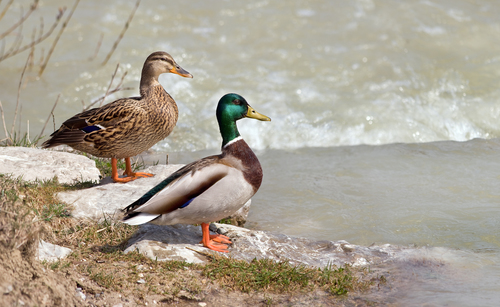
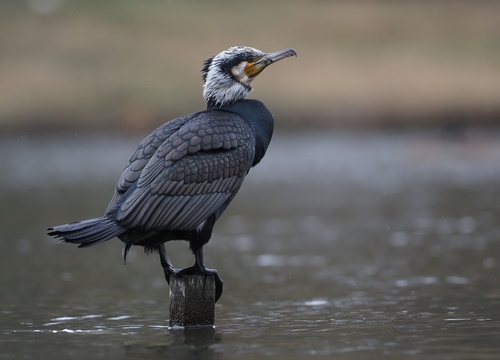
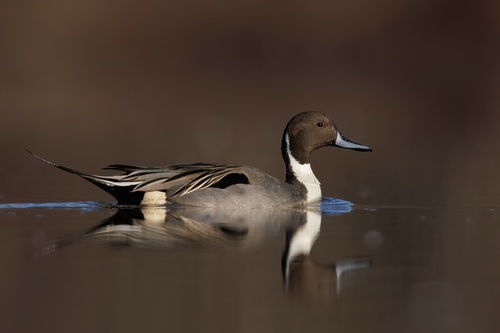
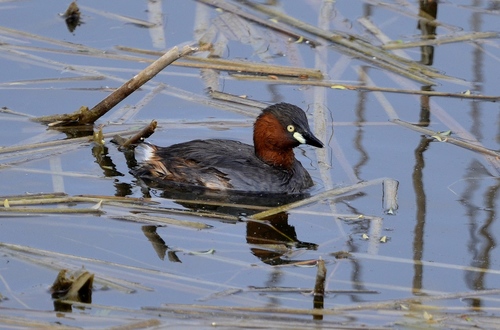
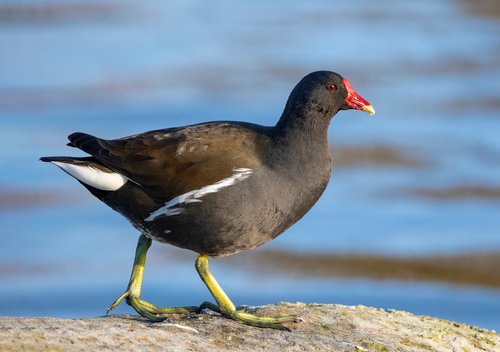
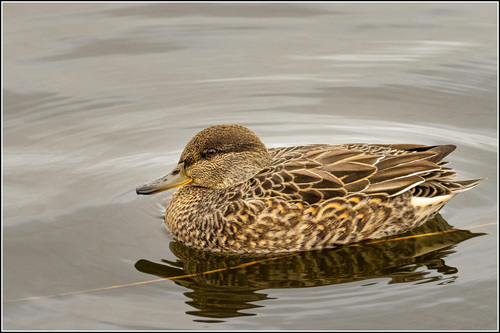

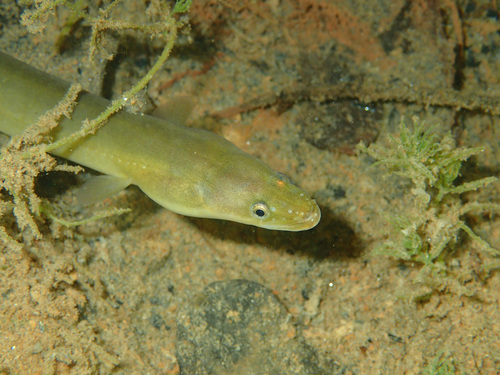
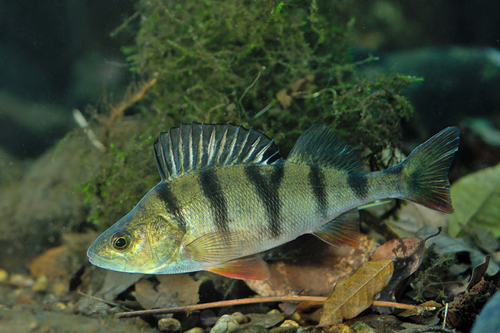
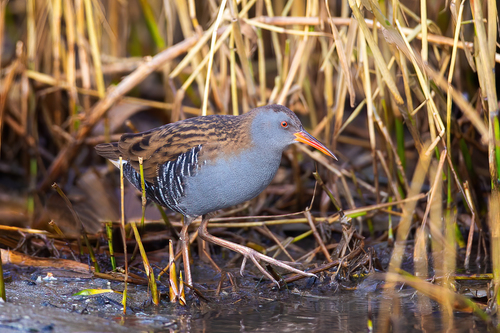
Records from studies worldwide, collected by GloBI. They include animals eaten as carrion, and they are not everything it eats in one place.
Where people see the Eurasian otter
People have shared 5,808 records from 51 countries.
Records show where people have seen it and shared it, not its full range. Country names open their page in Atlas.
When it is seen
Records per month in the northern hemisphere. More people outdoors also means more records.
Watch and listen
Its closest relatives
The other species of the genus Lutra.
Follow the Eurasian otter into its world
The story it is part of, with the threats and what helps.
Seen an Eurasian otter?
Share your photo on iNaturalist. Other naturalists help confirm it, and the record goes to GBIF, where scientists use it and where the maps on this page come from.
Put this species on your site
The card names every source and links back here.
<iframe src="https://4planetatlas.com/place/embed/species/eurasian-otter" title="Eurasian otter (Lutra lutra), 4PLANET Species" width="100%" height="600" style="border:0;max-width:640px" loading="lazy"></iframe>
<p><a href="https://4species.com/eurasian-otter">Eurasian otter on 4PLANET Species</a></p>Explore next
What puts the Eurasian otter under pressure, what helps, and who works on it.




Questions people ask
What does the Eurasian otter eat?
The Eurasian otter has been recorded eating 146 different kinds of animals and plants, most of them fish, amphibians, birds and reptiles. The ones recorded most often are mallard, great cormorant, common coot, northern pintail and little grebe; records include animals eaten as carrion. Source: GloBI.
What eats the Eurasian otter?
Recorded predators include grey wolf, red fox, eurasian lynx, golden eagle and golden jackal. Source: GloBI.
Where does the Eurasian otter live?
People have recorded it in 51 countries; the most records come from United Kingdom, Spain, Portugal, Russia and France. Records show where people have seen it, not its full range.
When is the Eurasian otter seen most?
In the northern hemisphere, the most records are made in February and the fewest in June. More people outdoors also means more records.
What are the Eurasian otter's closest relatives?
It shares the genus Lutra with hairy-nosed otter.
Sources and photo credits
- GBIF · Lutra lutra, 5,808 human observations
- GloBI · recorded interactions of Lutra lutra
- Wikidata · Eurasian otter (Q29995)
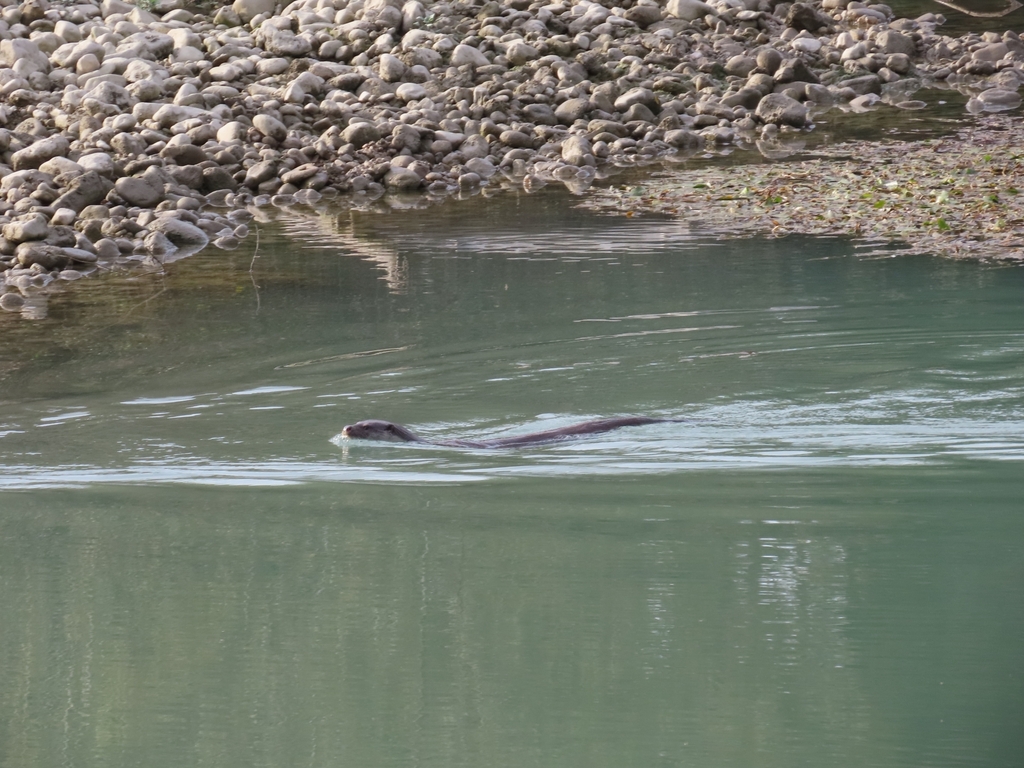
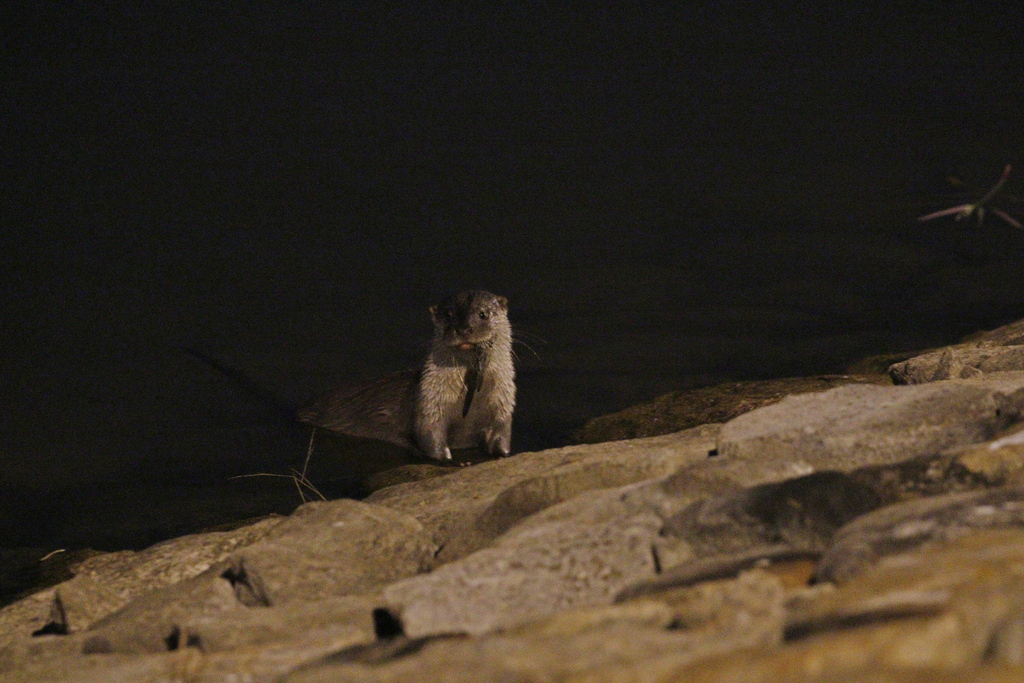
- Eurasian otter (Lutra lutra): Diego González Dopico, CC BY 4.0
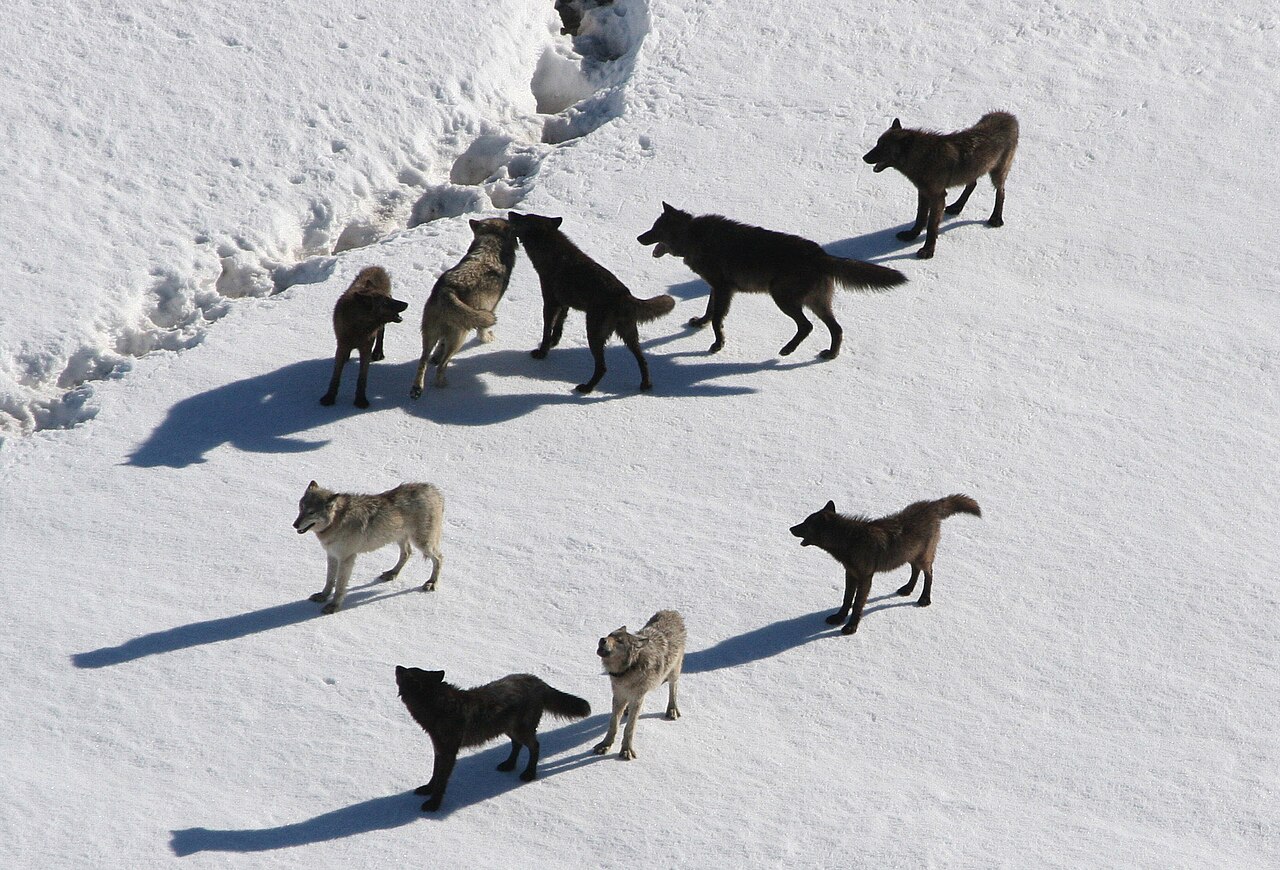
- Gray wolf (Canis lupus): Doug Smith, Public domain
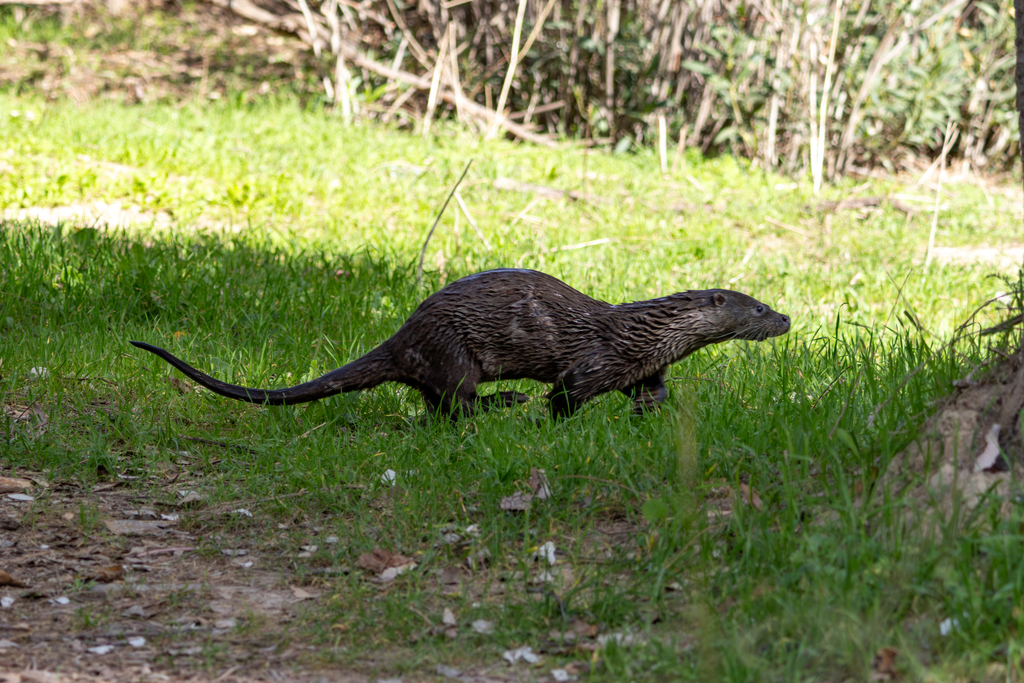
- Eurasian otter (Lutra lutra), Córdoba, España: Diego González Dopico, CC BY 4.0
- Eurasian otter (Lutra lutra), Chieti, Abruzzo, IT: Leonardo Rapisarda, CC BY 4.0
- Eurasian otter (Lutra lutra), Taiwan: Mickey Wu, CC BY 4.0
- Mallard: anonymous, CC BY-SA 4.0
- Great cormorant: Frank Vassen, CC BY 4.0
- Common coot: Roger Culos, CC BY-SA 4.0
- Northern pintail: Matt Felperin, CC BY 4.0
- Little grebe: Zinogre, CC BY-SA 4.0
- Common moorhen: Alexis Lours, CC BY 4.0
- Eurasian teal: Smudge 9000, CC BY-SA 4.0
- Pike: Dirk Godlinski, CC BY-SA 4.0
- European eel: Julien Renoult, CC BY 4.0
- European perch: Gilles San Martin, CC BY-SA 4.0
- Atlantic salmon: nicolás, CC BY-SA 4.0
- Water rail: egorbirder, CC BY 4.0
- Grey wolf: Andrew Simon, CC BY 4.0
- Red fox: Алина Урусова, CC BY 4.0
- Eurasian lynx: Julia Moning, CC BY 4.0
- Golden eagle: Anne Parsons, CC0
- Golden jackal: Jan Ebr & Ivana Ebrová, CC BY 4.0

Records show where people have seen and shared the Eurasian otter, not its full range, and some countries and months are recorded far more than others. The food web lists interactions that studies have recorded somewhere in the world (GloBI), not everything it eats in one place.
Checked 2026-11-24.