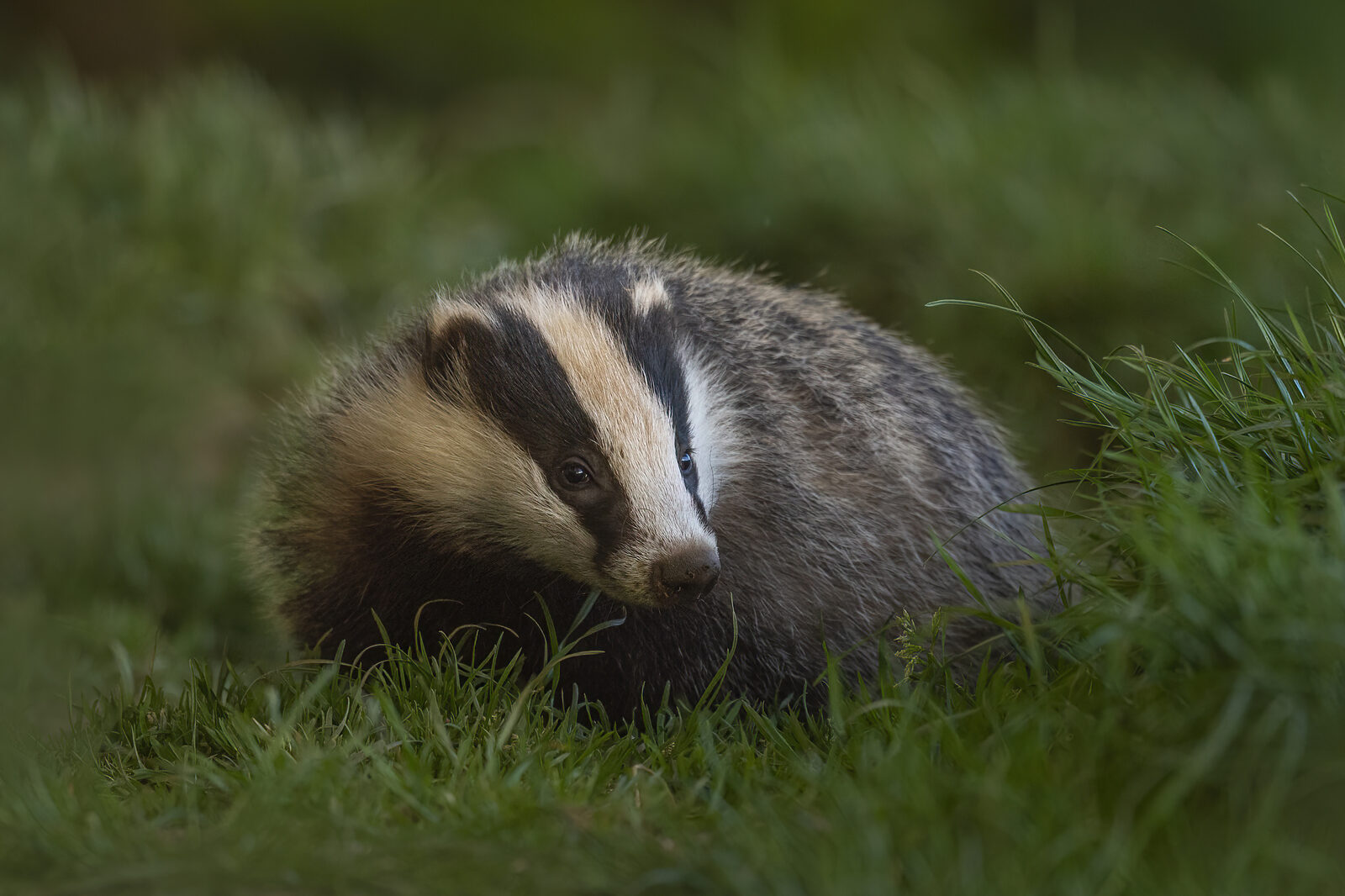
European Badger
Meles meles
- Status
- Least Concern IUCN Red List
- Eats
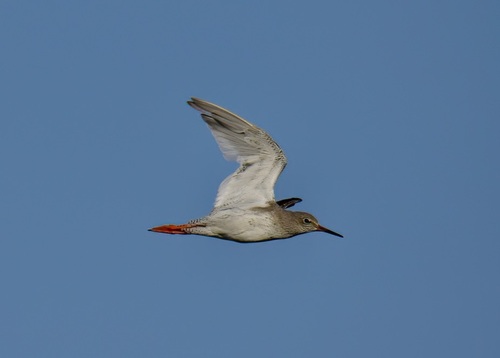
- common quail, white wagtail, northern pintail and 528 more
- Eaten by
- grey wolf, red fox, Eurasian lynx
- Where
- 38 countries · plitvice Lakes National Park
On 4Planet Atlas it is among the wildlife people record most around Bern, Luxembourg City and Vaduz.
People have shared 13,747 records of the European Badger with GBIF, from 38 countries, most of them from United Kingdom, Italy and France. Records collected by GloBI show it eating 531 different kinds of animals and plants, and being eaten by 8.
Habitats
What the European Badger eats, and what eats it
Studies have recorded it eating 531 kinds of animals and plants, and 8 kinds of animals eating it. Tap any of them to follow the food chain.
- Reptiles 136
- Birds 115
- Mammals 105
- Plants 63
- Insects 45
- Amphibians 36
Eaten by


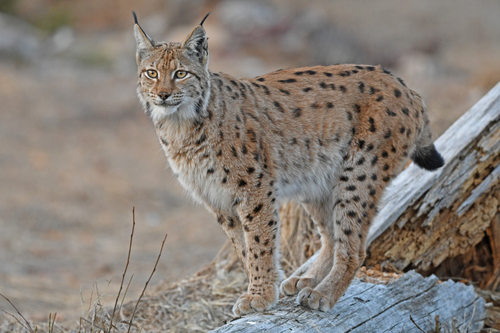
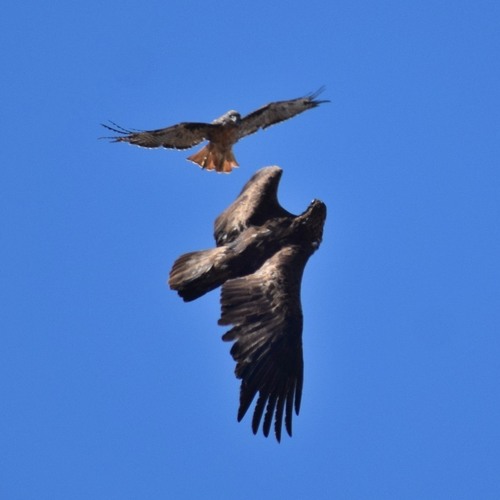
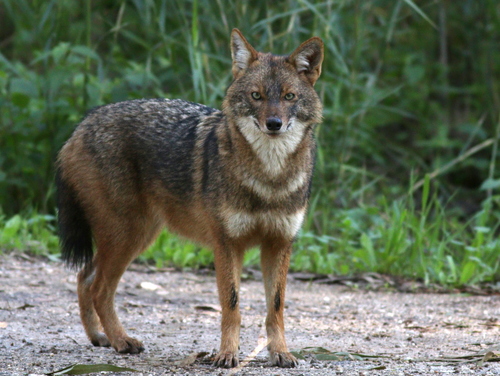
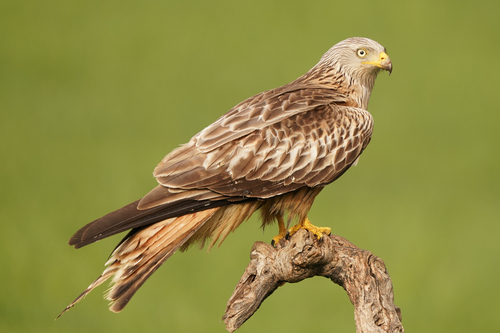
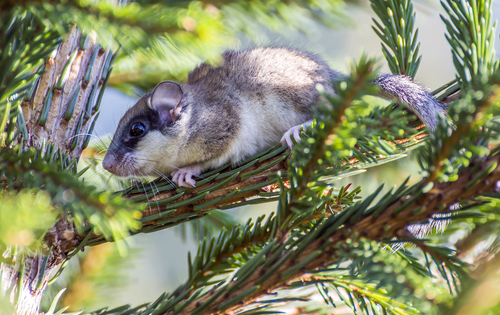 European Badger
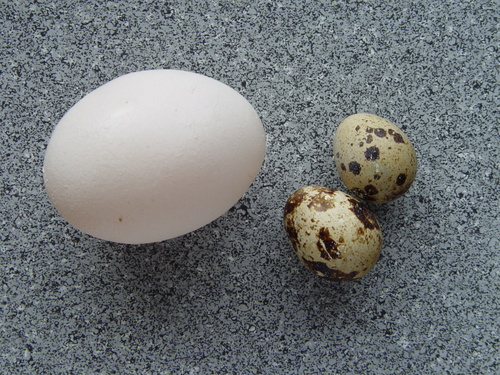
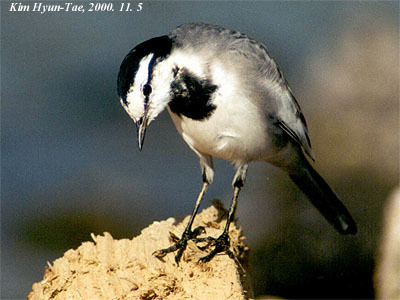
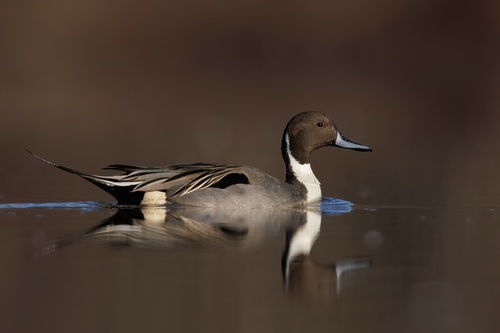
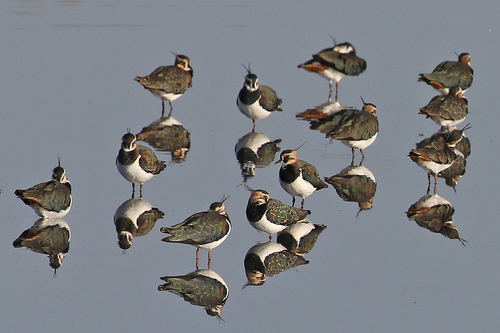
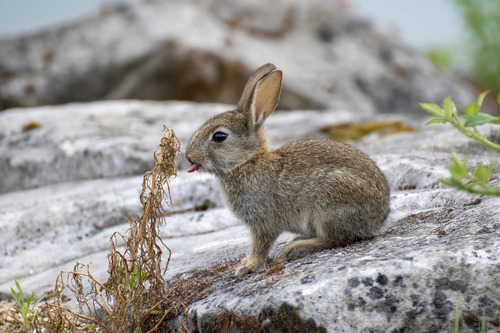
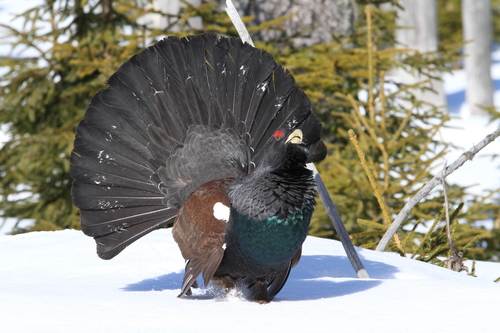
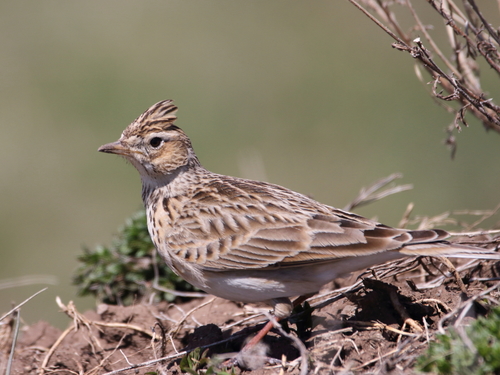

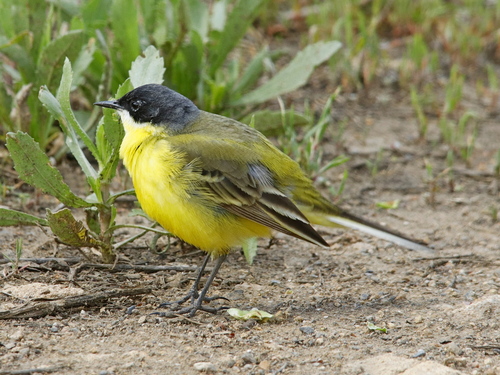
Records from studies worldwide, collected by GloBI. They include animals eaten as carrion, and they are not everything it eats in one place.
Where people see the European Badger
People have shared 13,747 records from 38 countries.
Near a city: Bern, Luxembourg City, Vaduz.
Records show where people have seen it and shared it, not its full range. Country names open their page in Atlas.
When it is seen
Records per month in the northern hemisphere. More people outdoors also means more records.
Watch and listen
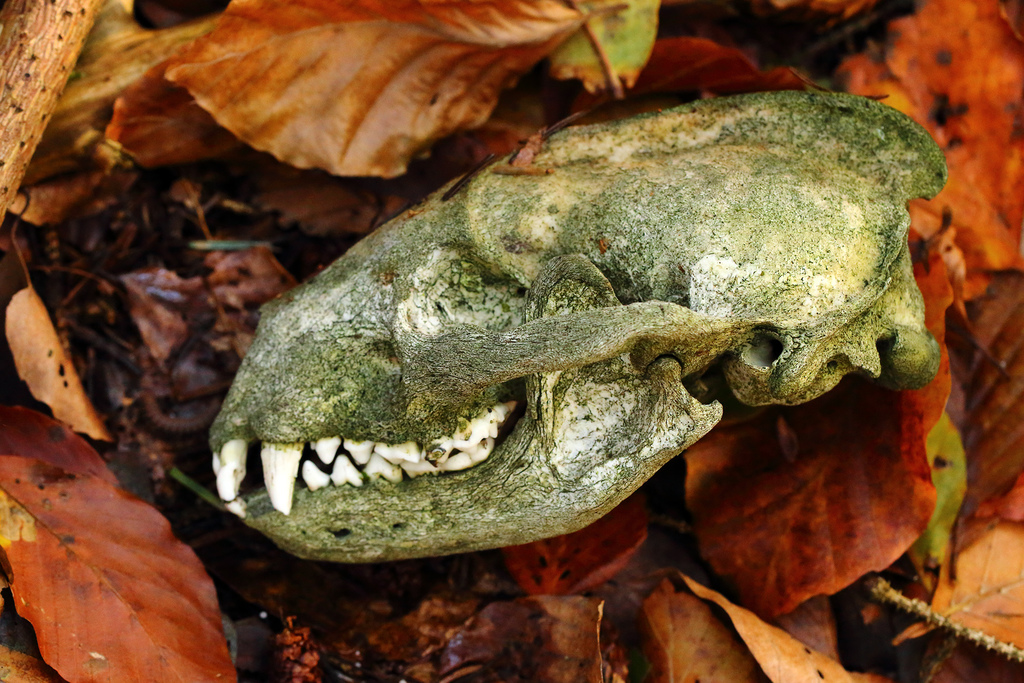

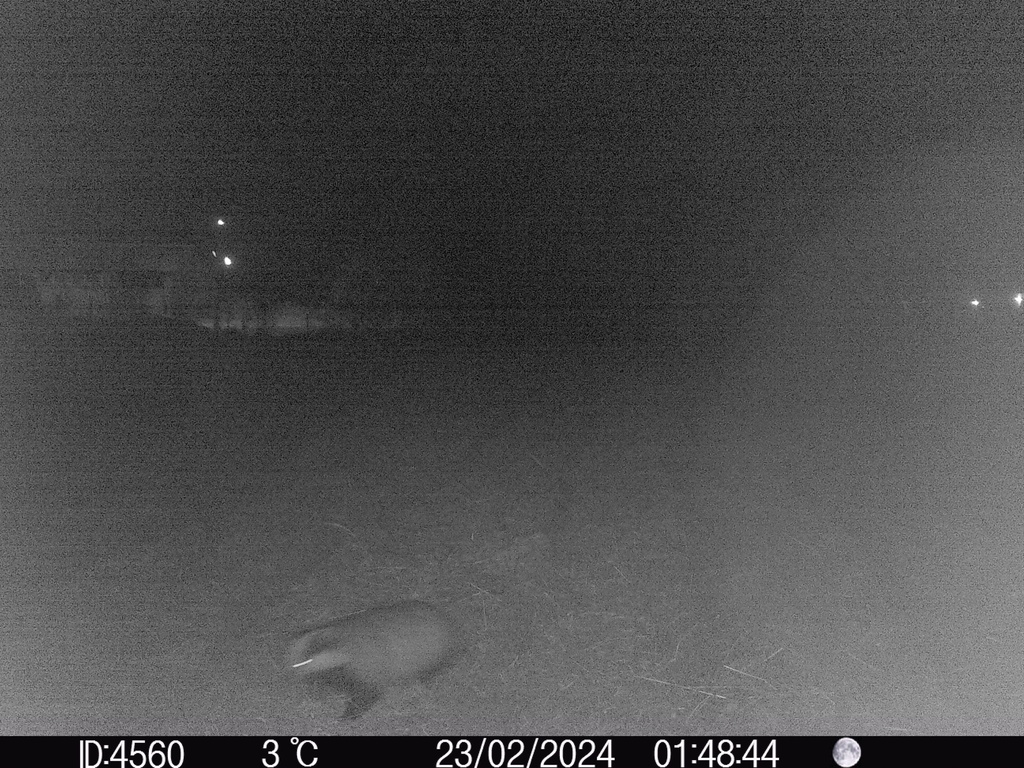
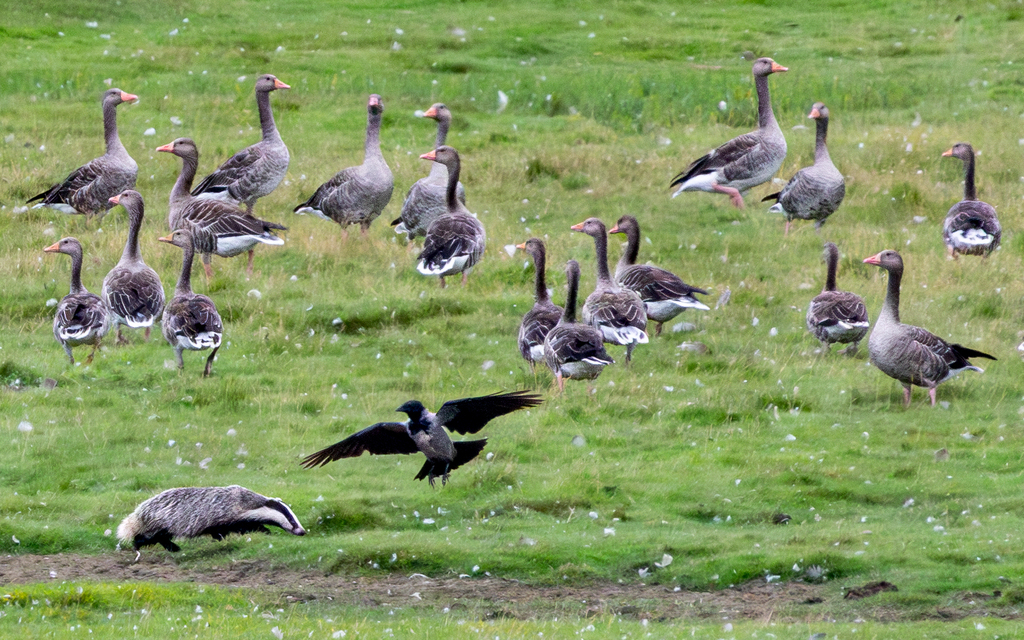
Its closest relatives
The other species of the genus Meles.
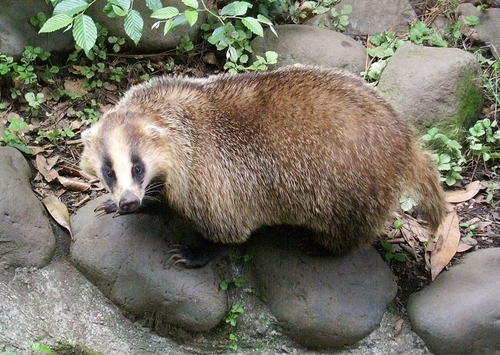
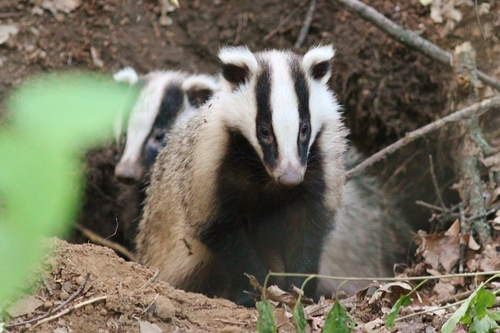
Seen an European Badger?
Share your photo on iNaturalist. Other naturalists help confirm it, and the record goes to GBIF, where scientists use it and where the maps on this page come from.
Put this species on your site
The card names every source and links back here.
<iframe src="https://4planetatlas.com/place/embed/species/european-badger" title="European Badger (Meles meles), 4PLANET Species" width="100%" height="600" style="border:0;max-width:640px" loading="lazy"></iframe>
<p><a href="https://4species.com/european-badger">European Badger on 4PLANET Species</a></p>Questions people ask
What does the European Badger eat?
The European Badger has been recorded eating 531 different kinds of animals and plants, most of them reptiles, birds, mammals and plants. The ones recorded most often are common quail, white wagtail, northern pintail, northern lapwing and european rabbit; records include animals eaten as carrion. Source: GloBI.
What eats the European Badger?
Recorded predators include grey wolf, red fox, eurasian lynx, golden eagle and eurasian eagle-owl. Source: GloBI.
Where does the European Badger live?
People have recorded it in 38 countries; the most records come from United Kingdom, Italy, France, Spain and Germany. Records show where people have seen it, not its full range.
When is the European Badger seen most?
In the northern hemisphere, the most records are made in April and the fewest in December. More people outdoors also means more records.
What are the European Badger's closest relatives?
It shares the genus Meles with japanese badger and asian badger.
Sources and photo credits
- GBIF · Meles meles, 13,747 human observations
- GloBI · recorded interactions of Meles meles
- Wikidata · European Badger (Q27066)
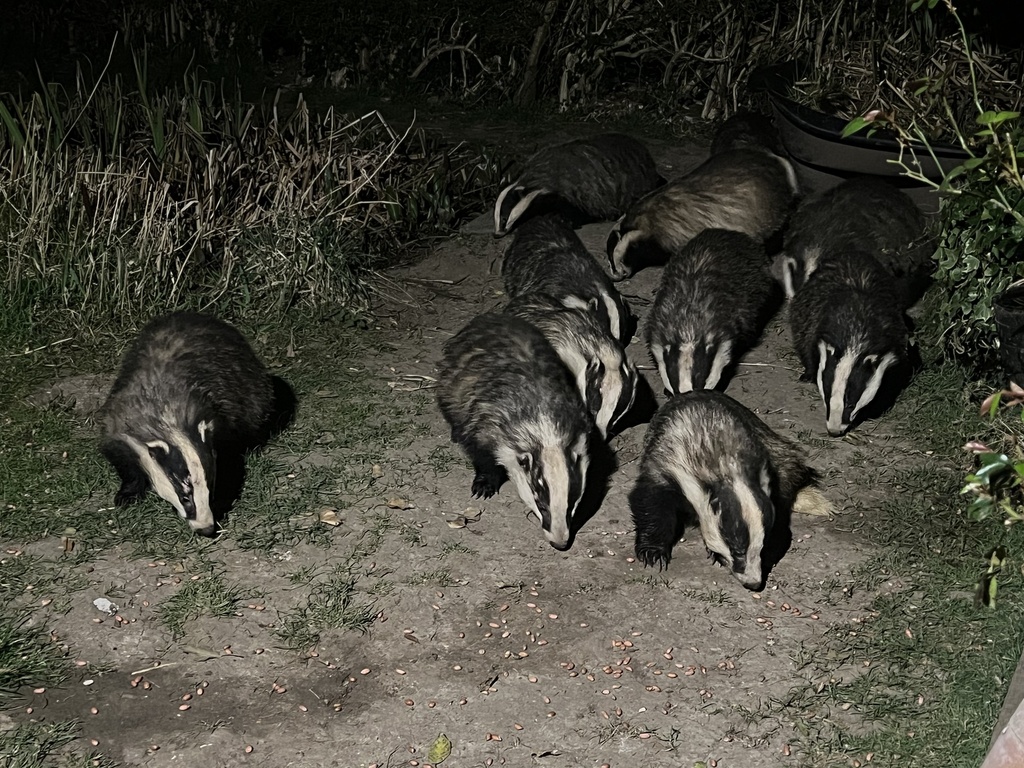
- European Badger (Meles meles): caroline legg, CC BY 4.0
- European Badger (Meles meles): Tina Ellegaard Poulsen, CC BY 4.0
- European Badger (Meles meles): caroline legg, CC BY 4.0
- European Badger (Meles meles), 4292 Dobri Dol, Bulgaria: SteveM4560, CC BY 4.0
- European Badger (Meles meles), Tierp Municipality, Suecia: Diego González Dopico, CC BY 4.0
- European Badger (Meles meles), England, GB: Ewan Shilland, CC BY 4.0
- European Badger (Meles meles), Via Giovanni Pascoli, Mergozzo, Piemonte, IT: Andrea Gobetti, CC BY 4.0
- European Badger (Meles meles), West Sussex, England, GB: Milly Rudling, CC0
- European Badger (Meles meles), Vizcaya, España: Markel L., CC BY 4.0
- Common quail: anonymous, CC BY-SA 4.0
- White wagtail: Kim, Hyun-tae, CC BY 4.0
- Northern pintail: Matt Felperin, CC BY 4.0
- Northern lapwing: Roy Lowry, CC BY 4.0
- European rabbit: Alexis Lours, CC BY 4.0
- Western capercaillie: Christoph Moning, CC BY 4.0
- Eurasian skylark: Ani Sarkisyan, CC BY 4.0
- Grey partridge: Christoph Moning, CC BY 4.0
- Western yellow wagtail: Andrew Simon, CC BY 4.0
- Eurasian woodcock: uusijani, CC0
- Corn crake: Julien Renoult, CC BY 4.0
- Common redshank: Luiz Lapa, CC BY 4.0
- Grey wolf: Andrew Simon, CC BY 4.0
- Red fox: Алина Урусова, CC BY 4.0
- Eurasian lynx: Julia Moning, CC BY 4.0
- Golden eagle: Anne Parsons, CC0
- Golden jackal: Jan Ebr & Ivana Ebrová, CC BY 4.0
- Red kite: Dr. Sven Gippner, CC BY 4.0
- Forest dormouse: Kazimieras Martinaitis, CC BY 4.0
- Japanese badger: Nzrst1jx, CC BY-SA 4.0
- Asian badger: Алина Урусова, CC BY 4.0
Records show where people have seen and shared the European Badger, not its full range, and some countries and months are recorded far more than others. The food web lists interactions that studies have recorded somewhere in the world (GloBI), not everything it eats in one place.
Checked 2026-11-24.