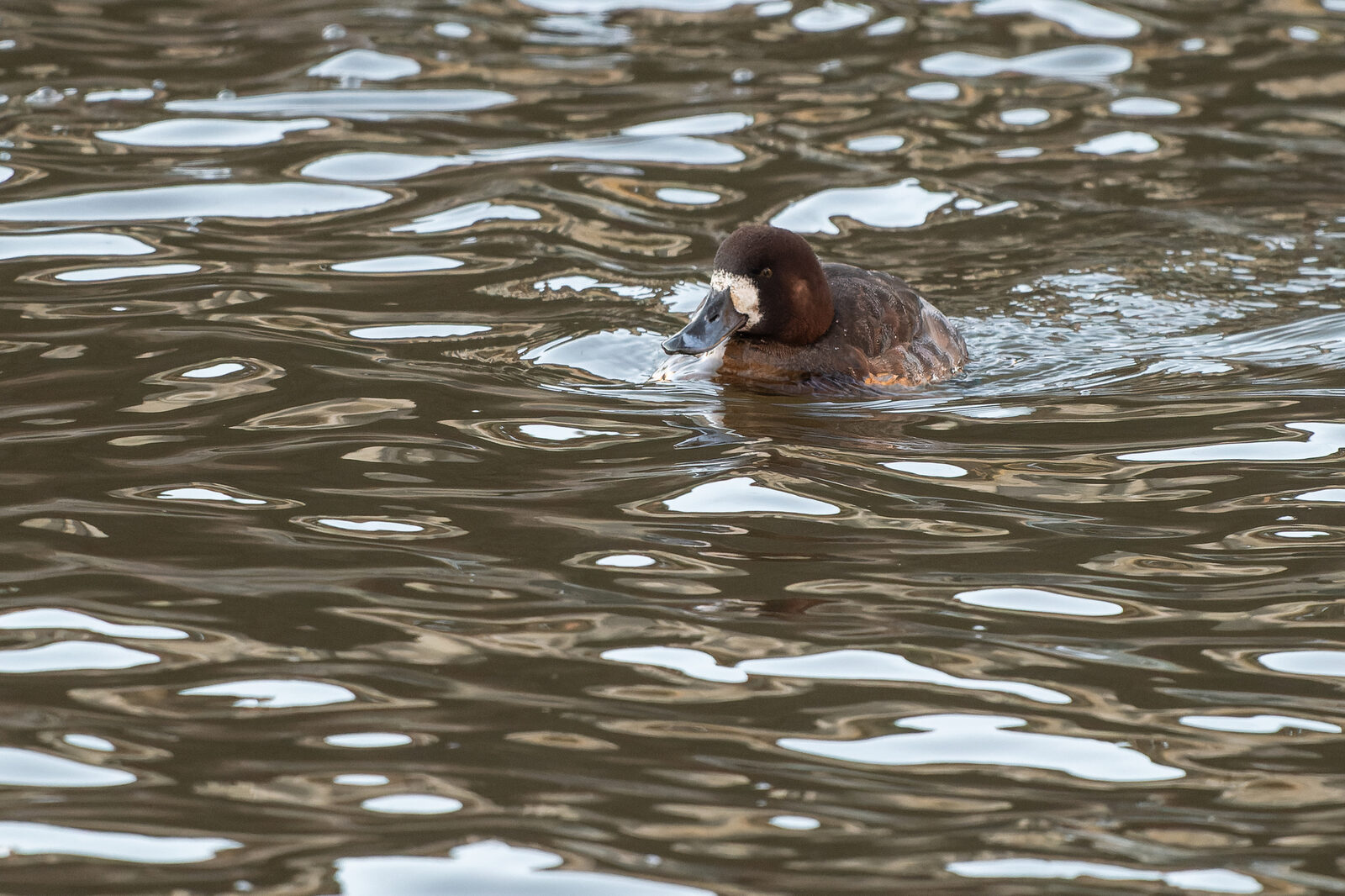
Greater Scaup
Aythya marila
- Status
- Least Concern IUCN Red List
- Eats
- zebra mussel, quagga mussel, common duckweed and 55 more
- Where
- 86 countries
On 4Planet Atlas it is among the wildlife people record most around Bergen, Minsk and New York, and 7 more of the cities we cover.
People have shared 1,110,682 records of the Greater Scaup with GBIF, from 86 countries, most of them from United States, Canada and United Kingdom. Records collected by GloBI show it eating 58 different kinds of animals and plants, and being eaten by 34.
What the greater Scaup eats, and what eats it
Studies have recorded it eating 58 kinds of animals and plants, and 34 kinds of animals eating it. Tap any of them to follow the food chain.
- Plants 36
- Snails and slugs 10
- Shellfish 7
- Crustaceans 3

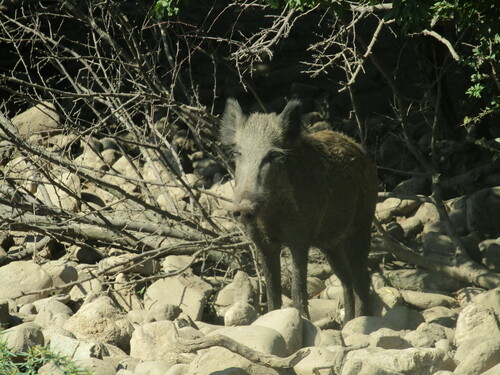

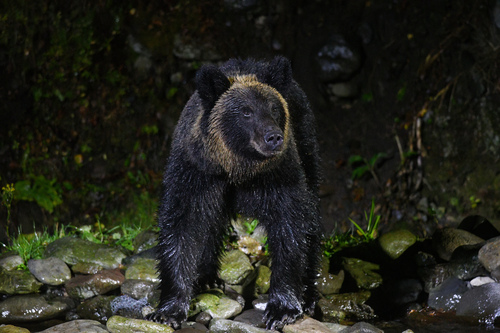

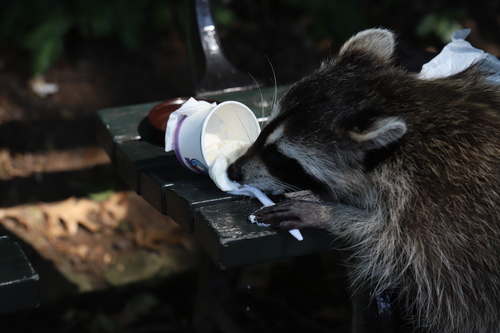
 Greater Scaup
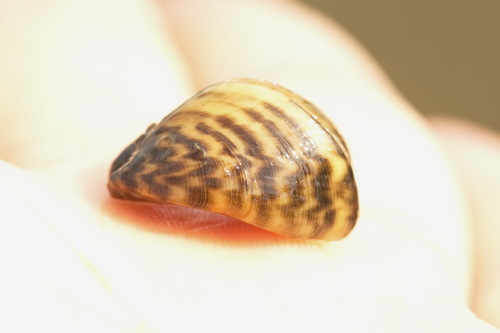

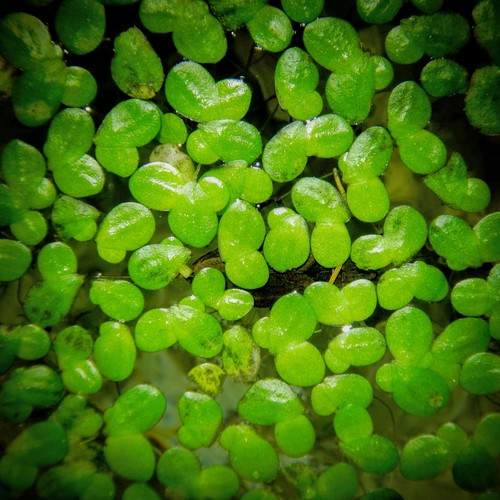
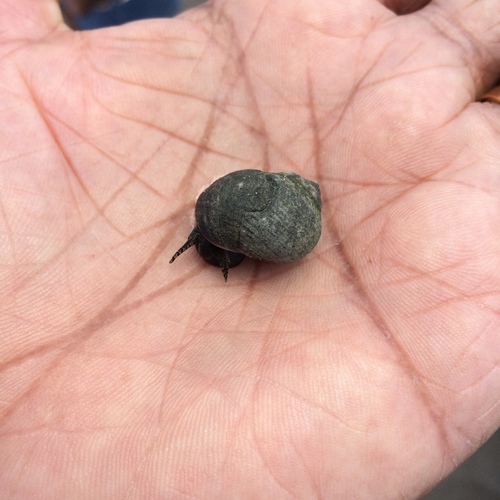

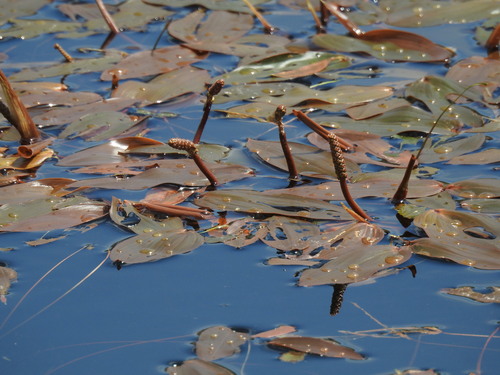
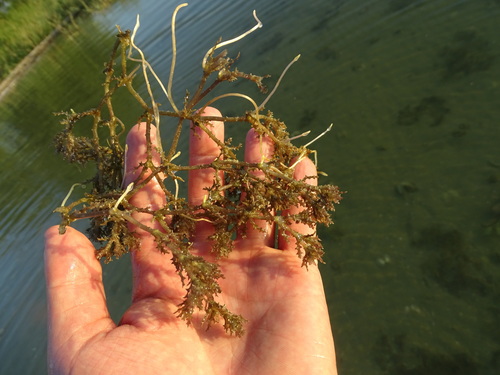

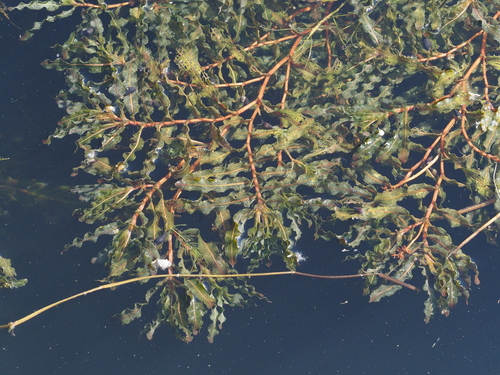
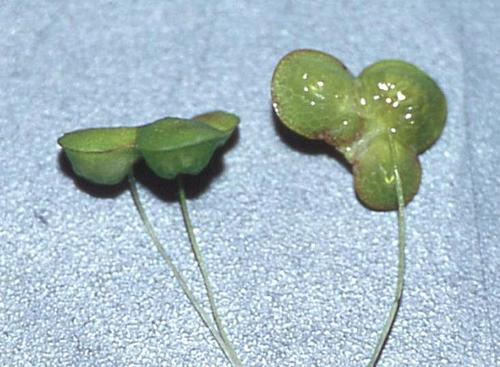
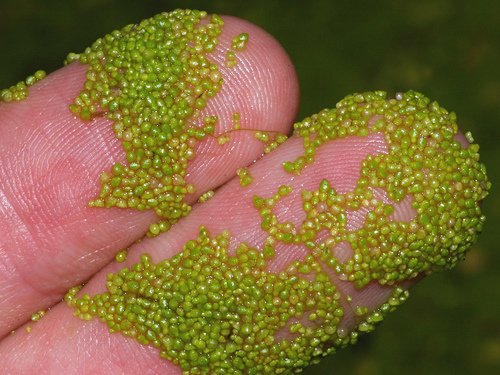
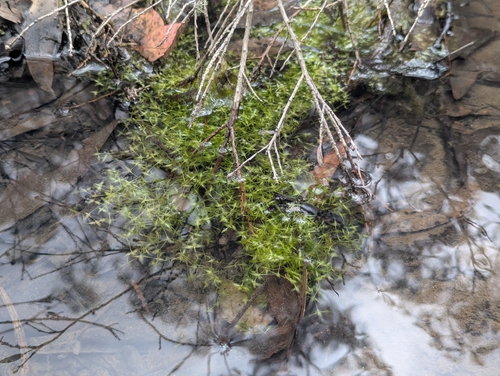
Records from studies worldwide, collected by GloBI. They include animals eaten as carrion, and they are not everything it eats in one place.
Where people see the greater Scaup
People have shared 1,110,682 records from 86 countries.
Near a city: Bergen, Minsk, New York, Ottawa, Pyongyang, Reykjavík, Seoul, Tokyo, Toronto, Vancouver.
Records show where people have seen it and shared it, not its full range. Country names open their page in Atlas.
When it is seen
Records per month in the northern hemisphere. More people outdoors also means more records.
Watch and listen
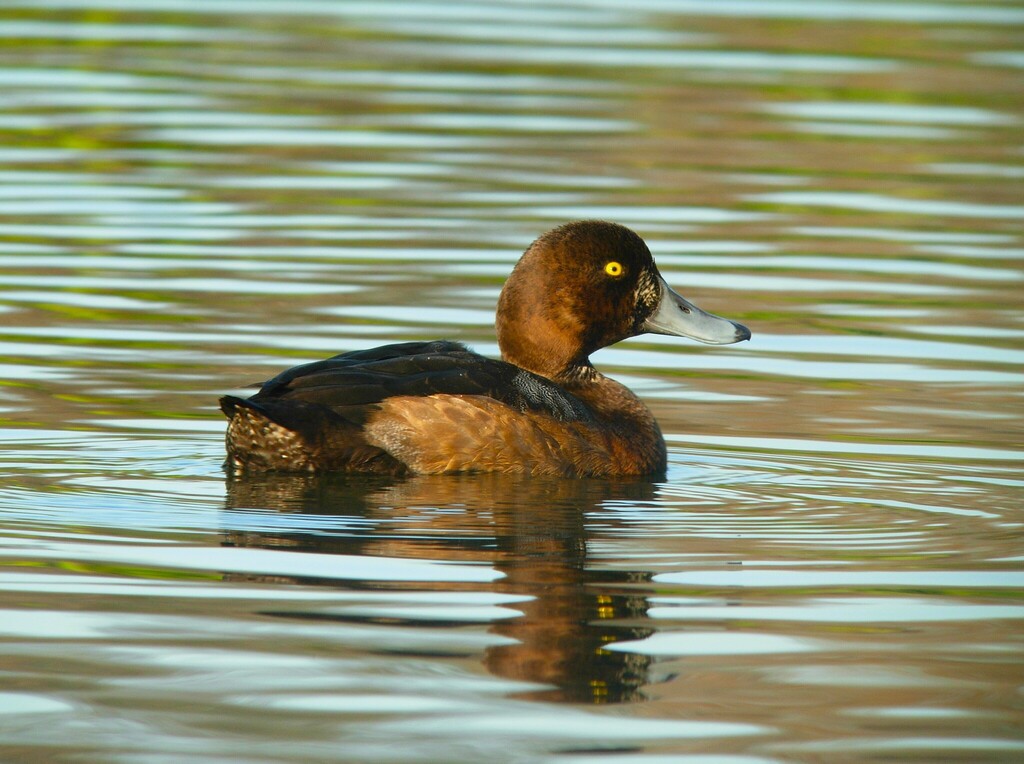
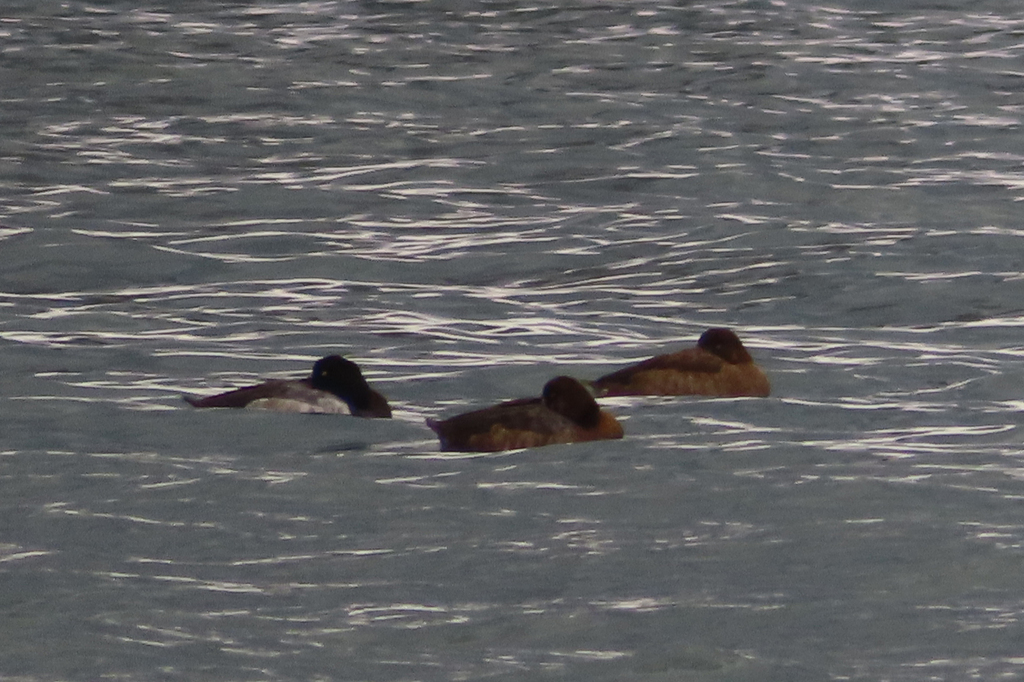
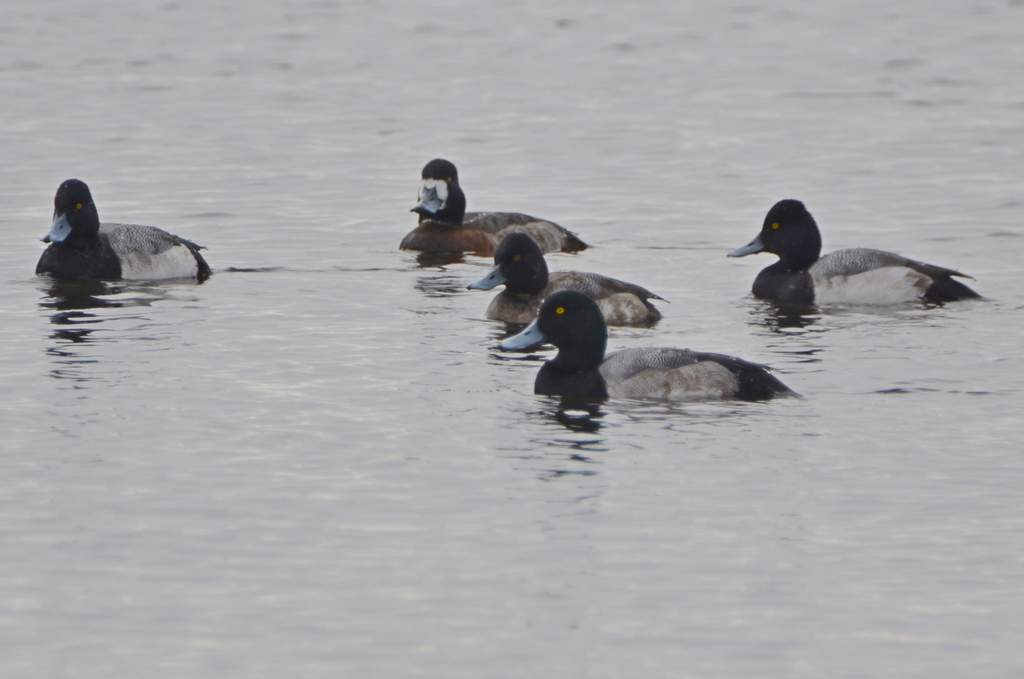
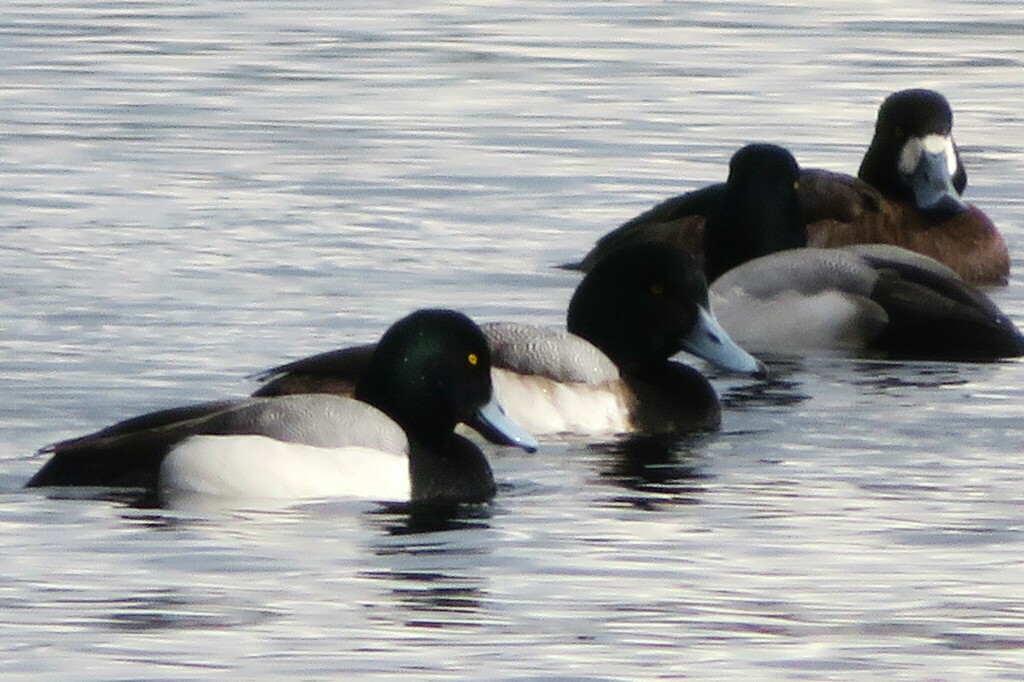
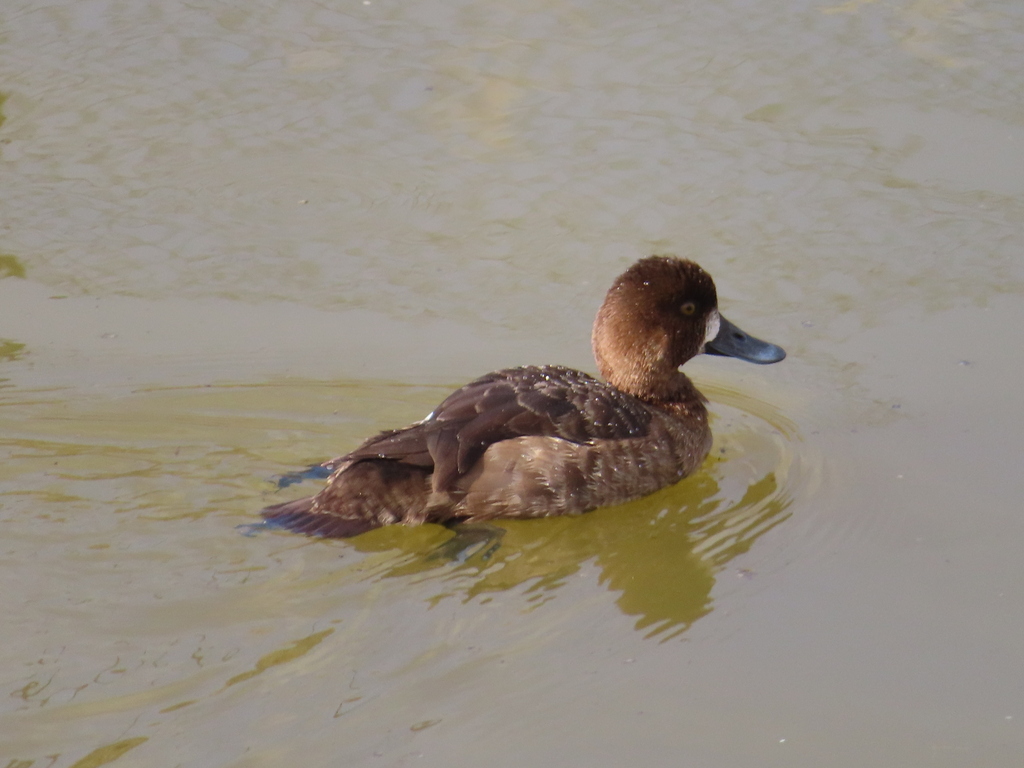
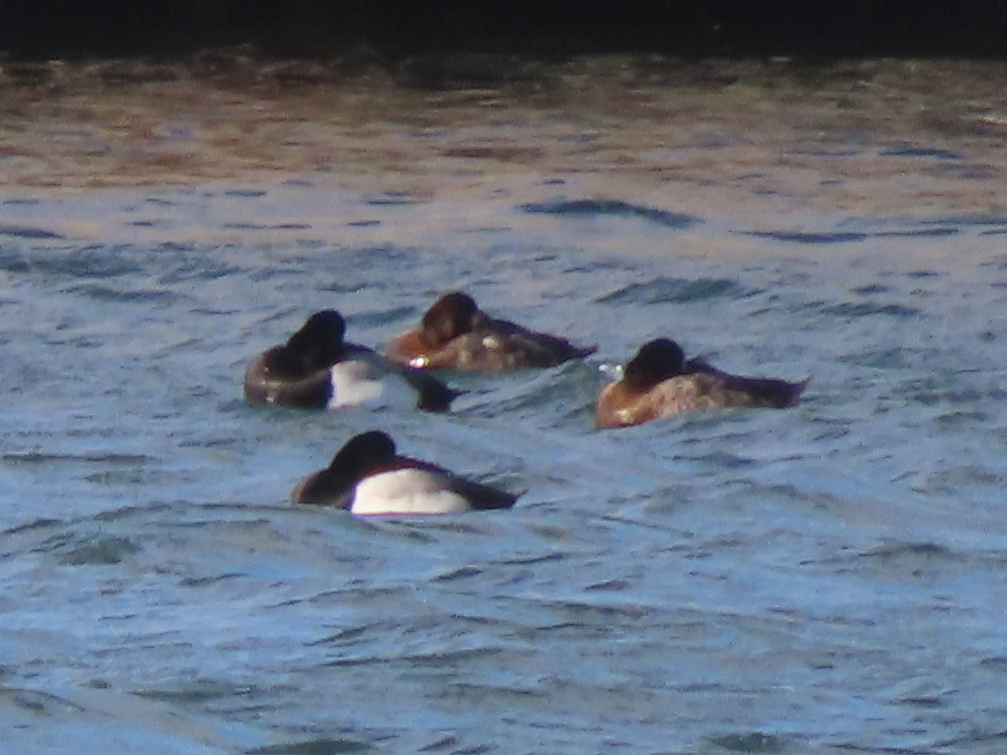
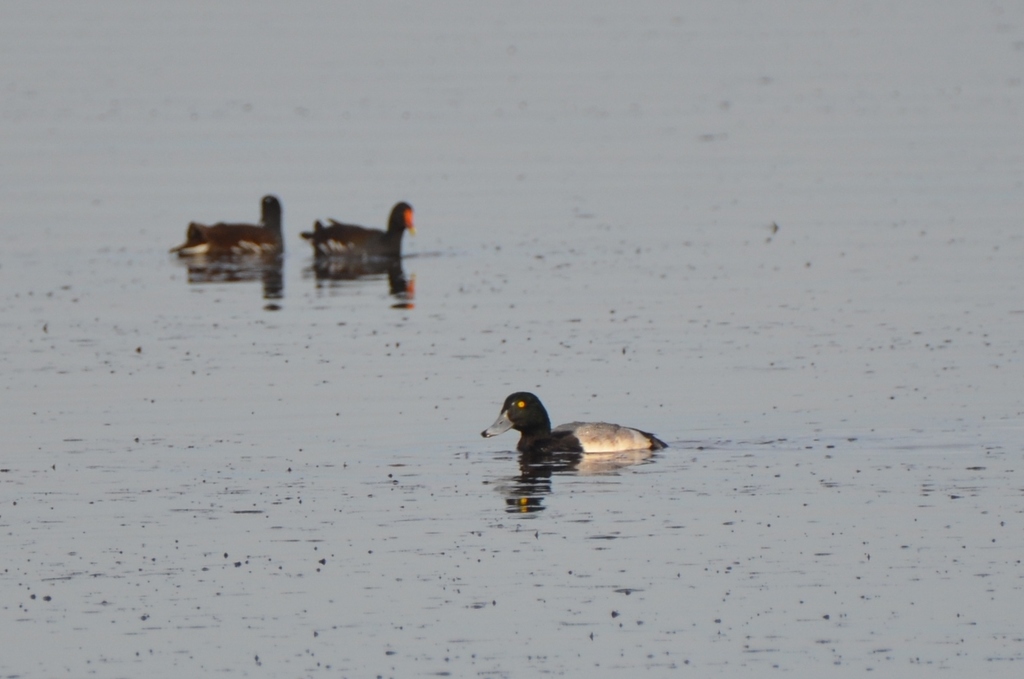
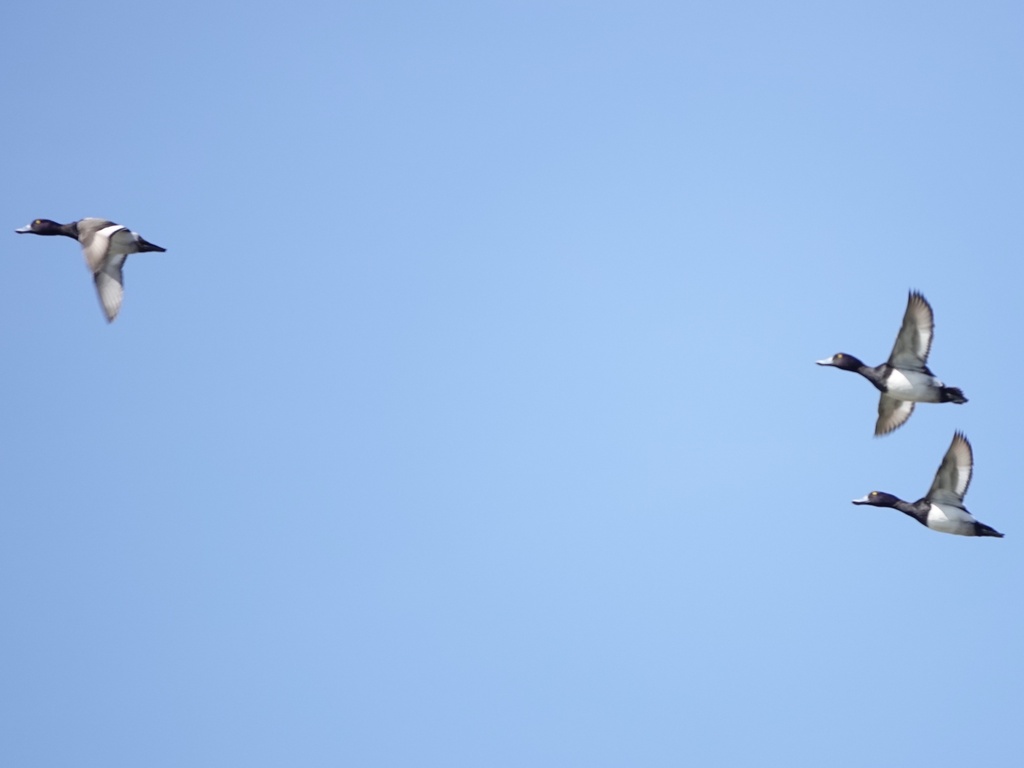
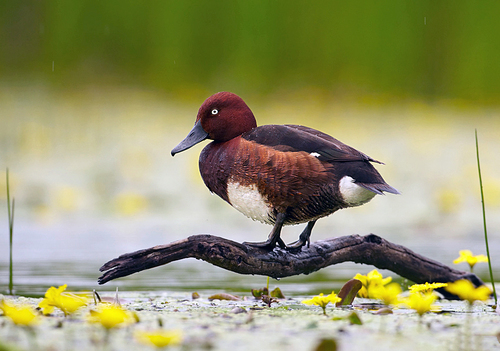
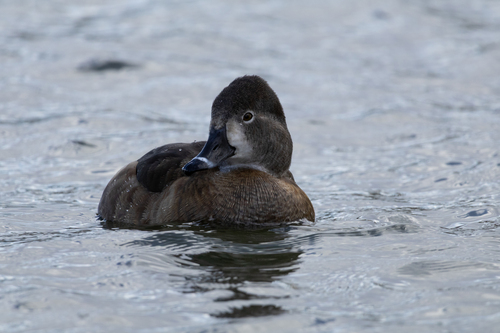
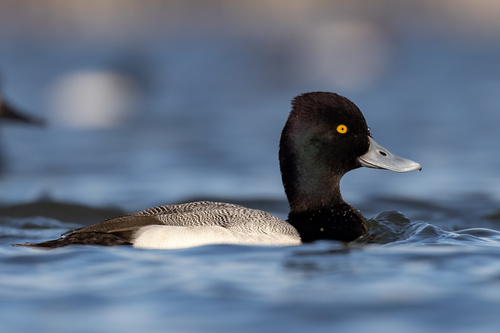
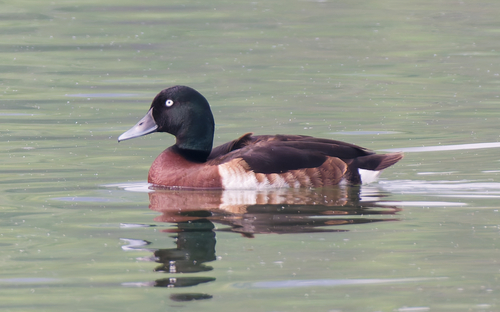
Its closest relatives
The other species of the genus Aythya.
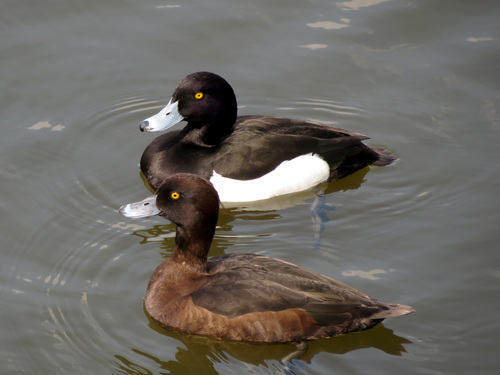
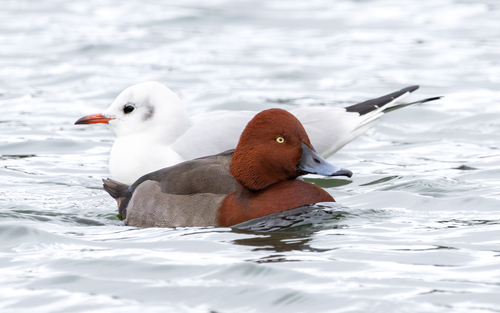
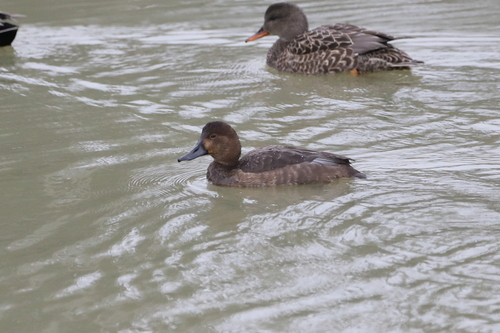
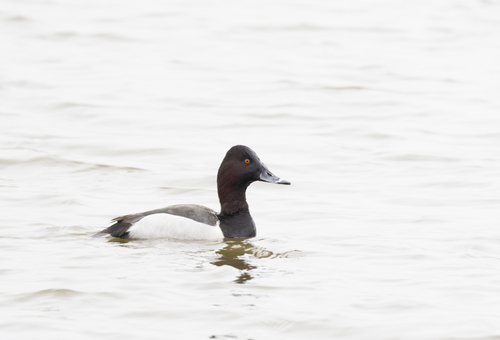
Seen a greater Scaup?
Share your photo on iNaturalist. Other naturalists help confirm it, and the record goes to GBIF, where scientists use it and where the maps on this page come from.
Put this species on your site
The card names every source and links back here.
<iframe src="https://4planetatlas.com/place/embed/species/greater-scaup" title="Greater Scaup (Aythya marila), 4PLANET Species" width="100%" height="600" style="border:0;max-width:640px" loading="lazy"></iframe>
<p><a href="https://4species.com/greater-scaup">Greater Scaup on 4PLANET Species</a></p>Questions people ask
What does the Greater Scaup eat?
The Greater Scaup has been recorded eating 58 different kinds of animals and plants, most of them plants, snails and slugs, shellfish and crustaceans. The ones recorded most often are zebra mussel, quagga mussel, common duckweed, common periwinkle and vascular plants; records include animals eaten as carrion. Source: GloBI.
What eats the Greater Scaup?
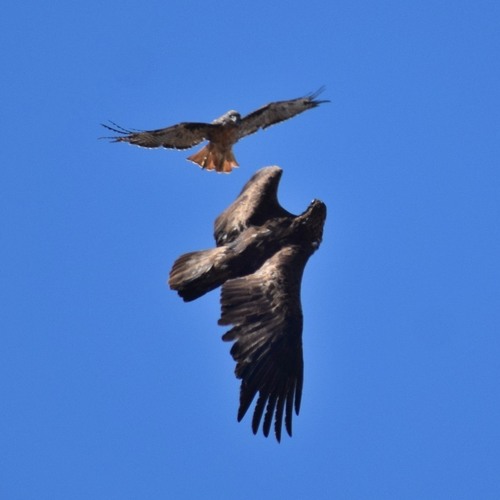
Recorded predators include grey wolf, wild boar, red fox, brown bear and northern raven. Source: GloBI.
Where does the Greater Scaup live?
People have recorded it in 86 countries; the most records come from United States, Canada, United Kingdom, Japan and Iceland. Records show where people have seen it, not its full range.
When is the Greater Scaup seen most?
In the northern hemisphere, the most records are made in January and the fewest in August. More people outdoors also means more records.
What are the Greater Scaup's closest relatives?
It shares the genus Aythya with tufted duck, common pochard, ferruginous duck, ring-necked duck and lesser scaup.
Sources and photo credits
- GBIF · Aythya marila, 1,110,682 human observations
- GloBI · recorded interactions of Aythya marila
- Wikidata · Greater Scaup (Q26635)
- Greater Scaup (Aythya marila): Tomas Broucek, CC BY 4.0
- Greater Scaup (Aythya marila), Kilbogget Park: Stephen M., CC BY-SA 4.0
- Greater Scaup (Aythya marila), Тогухама, Ситигахама, Повіт Міяґі, Мияги 985-0804, Япония: Timur Kalininsky, CC BY 4.0
- Greater Scaup (Aythya marila), Mandeville, LA, USA: Jody Shugart, CC BY 4.0
- Greater Scaup (Aythya marila), Magnuson Park, 7400 Sand Point Way NE, Seattle, WA 98115, USA: sprcrkwild, CC BY 4.0
- Greater Scaup (Aythya marila), Mountain View, CA, USA: Ken Clark, CC BY 4.0
- Greater Scaup (Aythya marila), Тогухама, Ситигахама, Повіт Міяґі, Мияги 985-0804, Япония: Timur Kalininsky, CC BY 4.0
- Greater Scaup (Aythya marila), St Tammany Parish, LA, USA: Jody Shugart, CC BY 4.0
- Greater Scaup (Aythya marila), Hayes, VA, US: V. Ross Johnson, CC BY-SA 4.0
- Zebra mussel: Вячеслав Юсупов, CC BY 4.0
- Quagga mussel: NOAA Great Lakes Environmental Research Laboratory, CC BY-SA 4.0
- Common duckweed: Attila Oláh, CC BY 4.0
- Common periwinkle: Dilrukshan Priyantha Wijesinghe, CC BY 4.0
- Vascular plants: Radio Tonreg, CC BY 4.0
- Floating pondweed: Yves Bas, CC BY 4.0
- Holly-leaved naiad: Grzegorz Grzejszczak, CC BY-SA 4.0
- Perfoliate pondweed: Екатерина Войнова, CC BY 4.0
- Curly pondweed: gwynmwilliams, CC BY 4.0
- Fat duckweed: anonymous, CC BY-SA 4.0
- Rootless duckweed: Christian Fischer, CC BY-SA 4.0
- Star duckweed: jonathon love, CC BY 4.0
- Grey wolf: Andrew Simon, CC BY 4.0
- Wild boar: SteveM4560, CC BY 4.0
- Red fox: Алина Урусова, CC BY 4.0
- Brown bear: Nathan Ruser, CC BY 4.0
- Northern raven: xulescu_g, CC BY-SA 4.0
- Raccoon: Steven Bodzin, CC BY 4.0
- Golden eagle: Anne Parsons, CC0
- Peregrine falcon: Shirley Zundell, CC BY 4.0
- Tufted duck: Katja Schulz, CC BY 4.0
- Common pochard: Diego González Dopico, CC BY 4.0
- Ferruginous duck: Martin Mecnarowski, CC BY-SA 4.0
- Ring-necked duck: James Weaver, CC BY 4.0
- Lesser scaup: Matt Felperin, CC BY 4.0
- Baer's pochard: Zinogre, CC BY-SA 4.0
- Redhead: Eric Habisch, CC BY 4.0
- Canvasback: Mikey Lutmerding, CC BY 4.0
Records show where people have seen and shared the Greater Scaup, not its full range, and some countries and months are recorded far more than others. The food web lists interactions that studies have recorded somewhere in the world (GloBI), not everything it eats in one place.
Checked 2026-11-24.