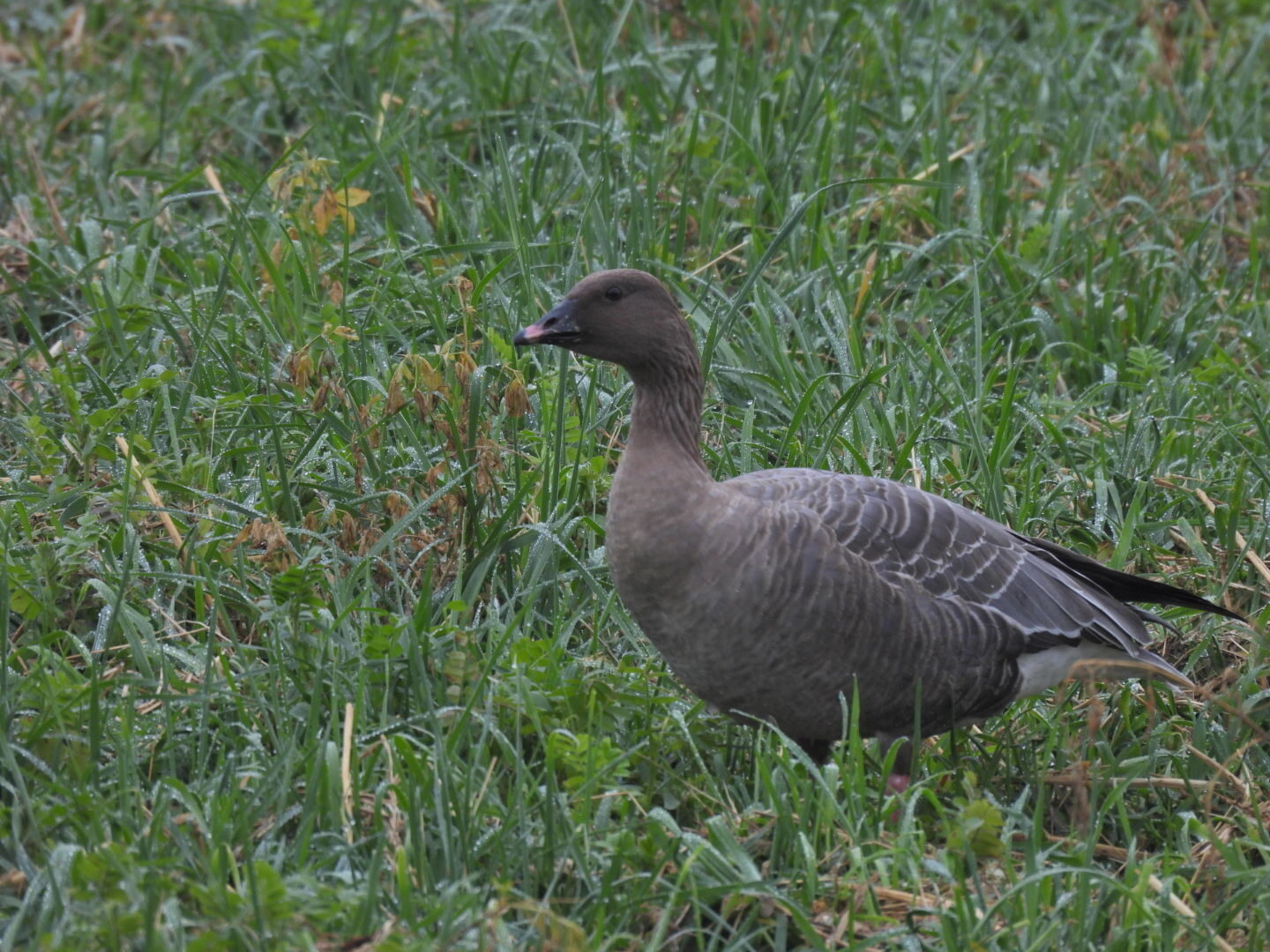
Pink-footed goose
Anser brachyrhynchus
- Status
- Least Concern IUCN Red List
- Eats
- mud sedge, Alpine bistort, European woodland sedge and 101 more
- Eaten by
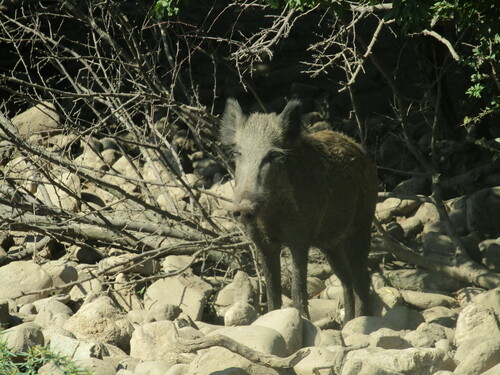
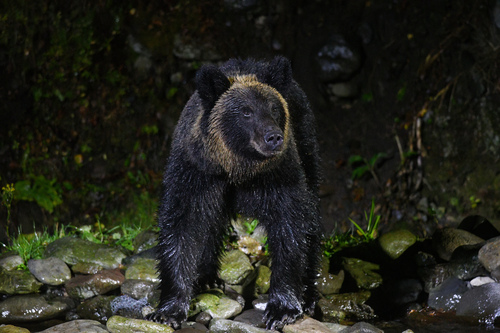
- wild boar, red fox, brown bear
- Where
- 36 countries
On 4Planet Atlas it is among the wildlife people record most around Bergen, Oslo and Reykjavík.
People have shared 134,185 records of the pink-footed goose with GBIF, from 36 countries, most of them from United Kingdom, United States and Iceland. Records collected by GloBI show it eating 104 different kinds of animals and plants, and being eaten by 21.
What the pink-footed goose eats, and what eats it
Studies have recorded it eating 104 kinds of animals and plants, and 21 kinds of animals eating it. Tap any of them to follow the food chain.
- Plants 97


 Pink-footed goose

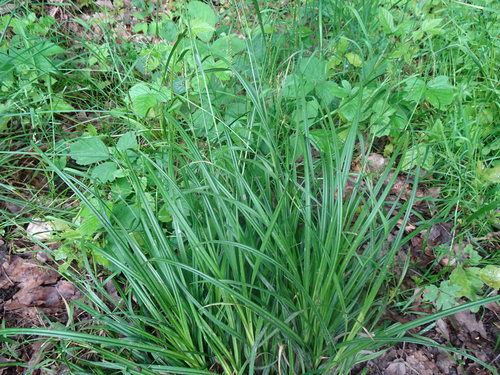
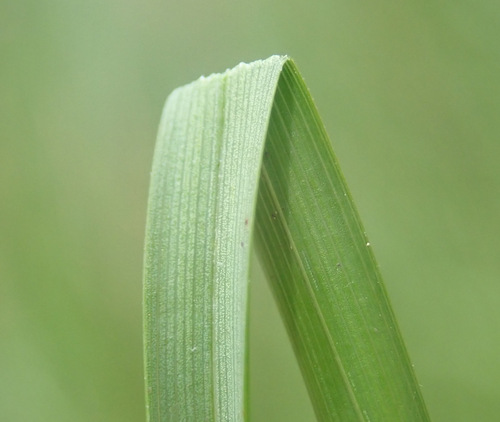
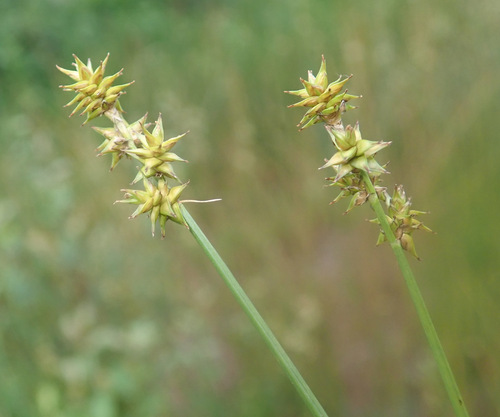
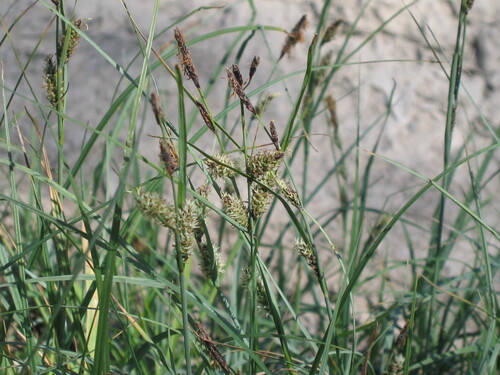
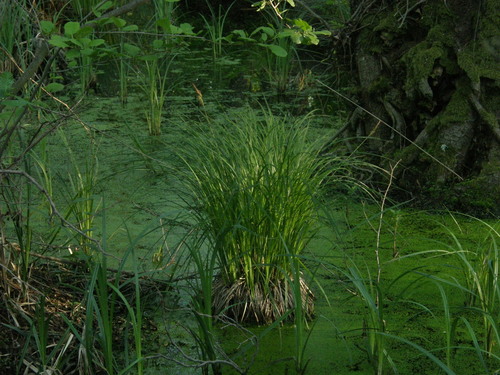
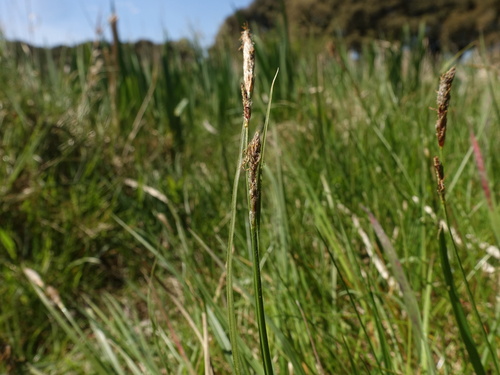
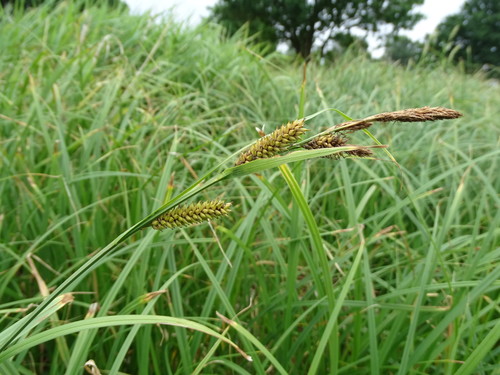
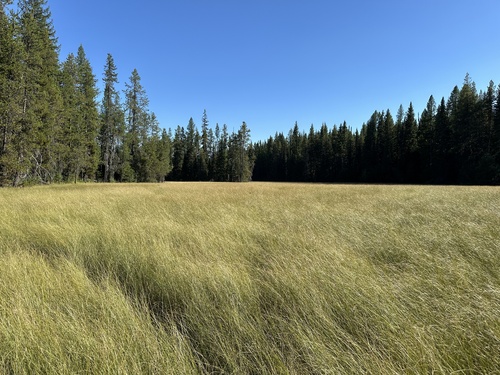
Records from studies worldwide, collected by GloBI. They include animals eaten as carrion, and they are not everything it eats in one place.
Where people see the pink-footed goose
People have shared 134,185 records from 36 countries.
Near a city: Bergen, Oslo, Reykjavík.
Records show where people have seen it and shared it, not its full range. Country names open their page in Atlas.
When it is seen
Records per month in the northern hemisphere. More people outdoors also means more records.
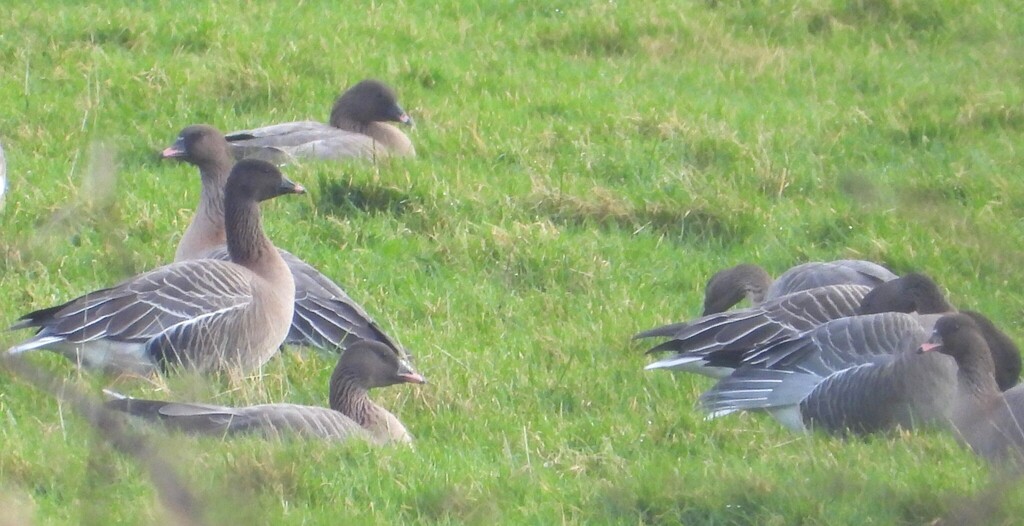
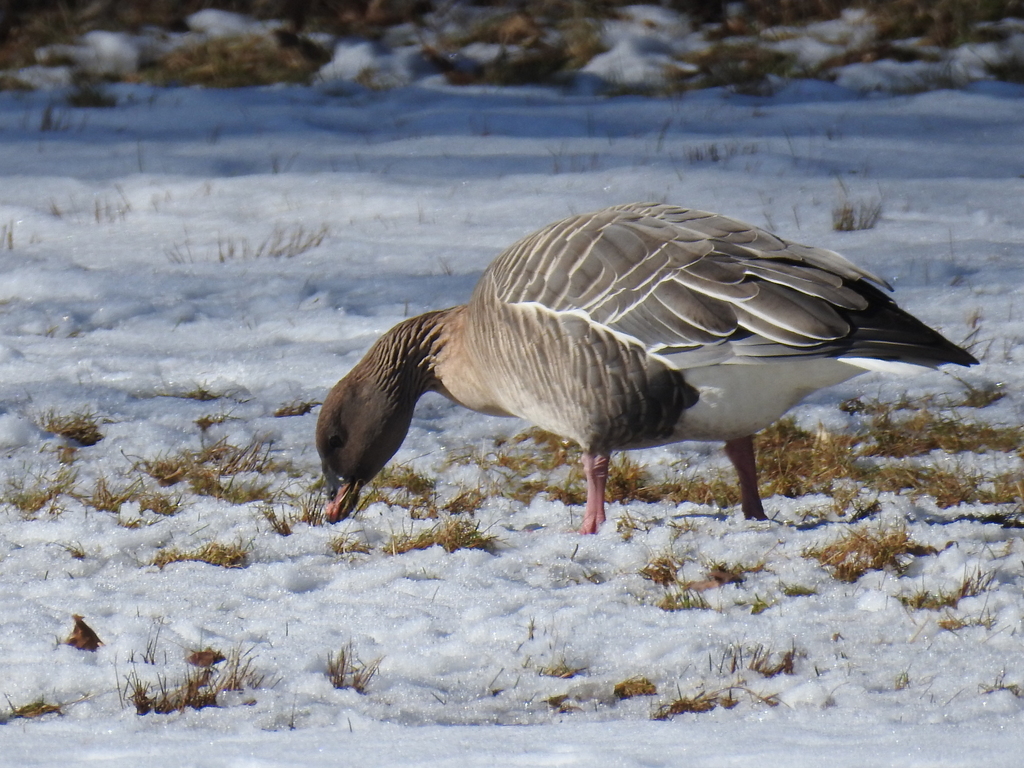
Watch and listen
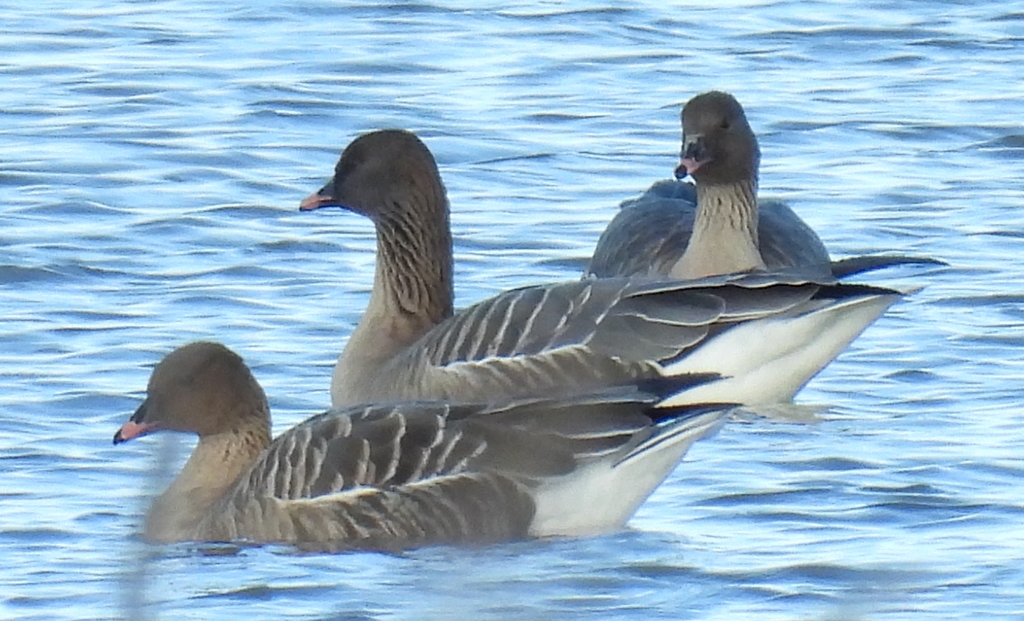
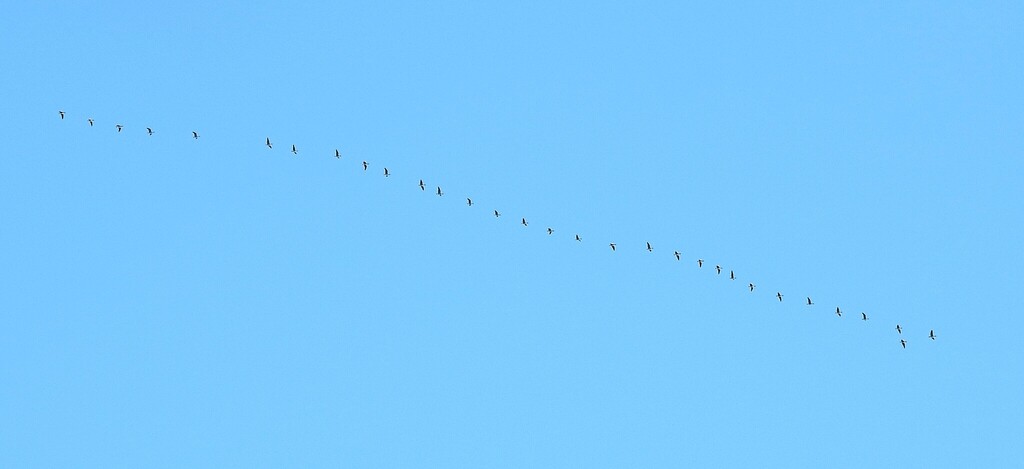
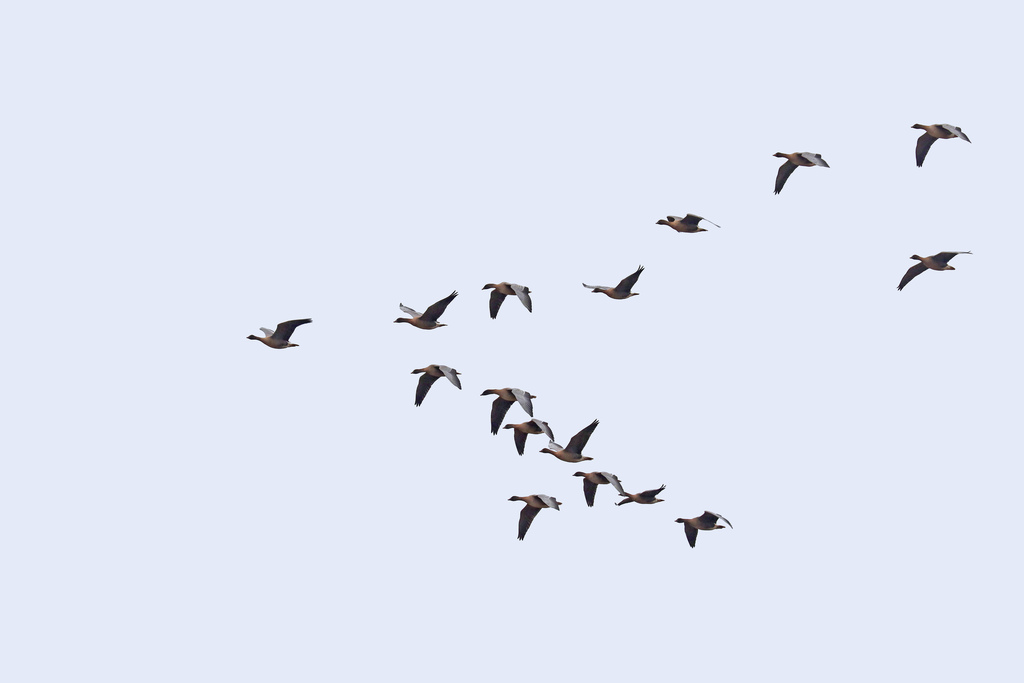
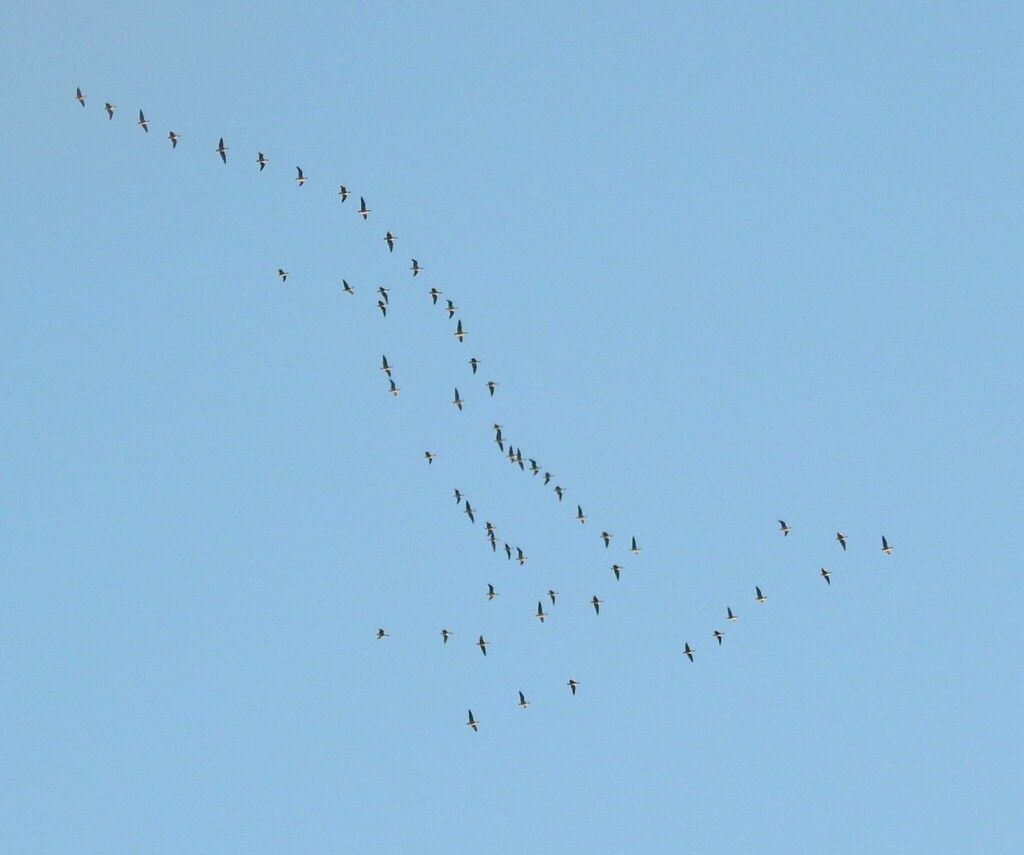
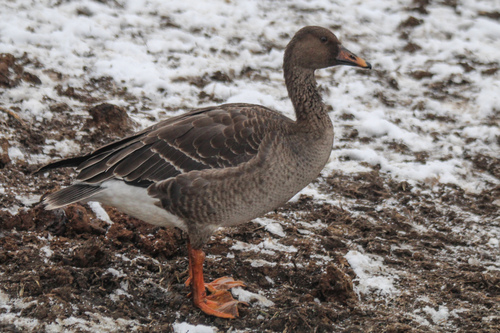
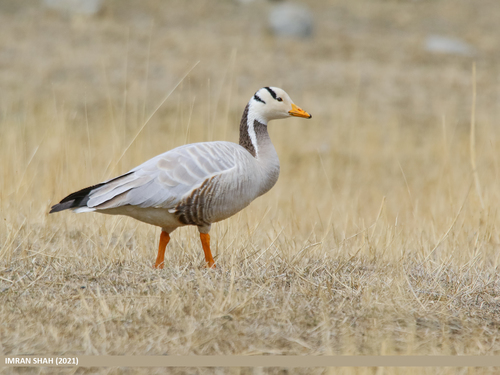
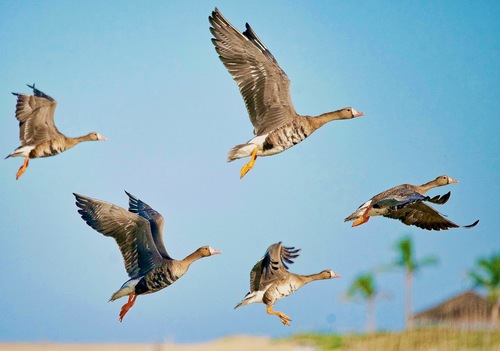
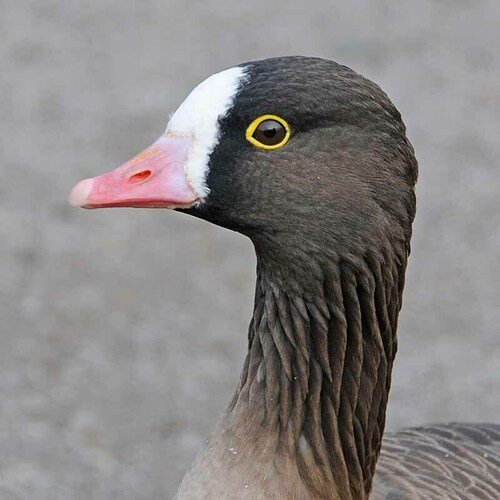
Its closest relatives
The other species of the genus Anser.


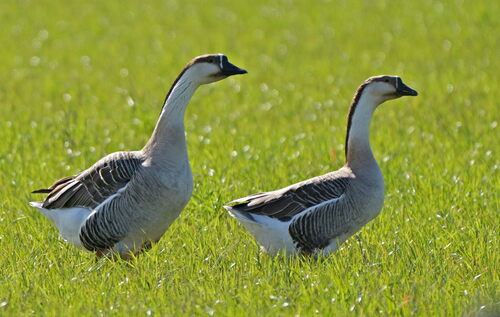
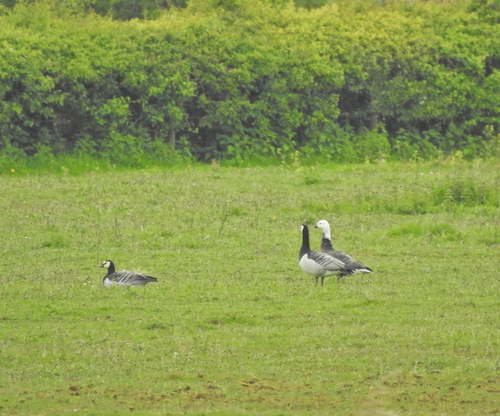
Seen a pink-footed goose?
Share your photo on iNaturalist. Other naturalists help confirm it, and the record goes to GBIF, where scientists use it and where the maps on this page come from.
Put this species on your site
The card names every source and links back here.
<iframe src="https://4planetatlas.com/place/embed/species/pink-footed-goose" title="Pink-footed goose (Anser brachyrhynchus), 4PLANET Species" width="100%" height="600" style="border:0;max-width:640px" loading="lazy"></iframe>
<p><a href="https://4species.com/pink-footed-goose">Pink-footed goose on 4PLANET Species</a></p>Questions people ask
What does the pink-footed goose eat?
The pink-footed goose has been recorded eating 104 different kinds of animals and plants, most of them plants. The ones recorded most often are mud sedge, alpine bistort, european woodland sedge, common sedge and star sedge; records include animals eaten as carrion. Source: GloBI.
What eats the pink-footed goose?
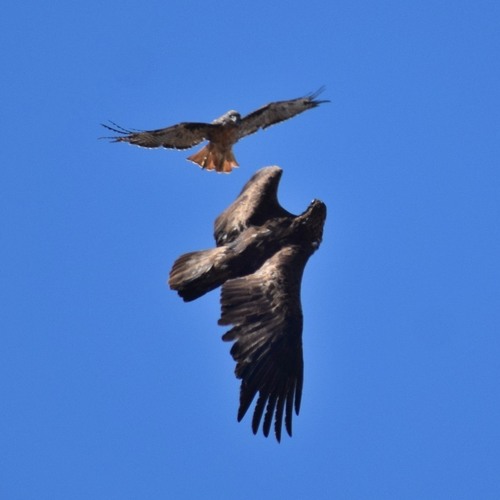
Recorded predators include wild boar, red fox, brown bear, northern raven and golden eagle. Source: GloBI.
Where does the pink-footed goose live?
People have recorded it in 36 countries; the most records come from United Kingdom, United States, Iceland, Norway and Canada. Records show where people have seen it, not its full range.
When is the pink-footed goose seen most?
In the northern hemisphere, the most records are made in October and the fewest in August. More people outdoors also means more records.
What are the pink-footed goose's closest relatives?
It shares the genus Anser with greylag goose, taiga bean goose, bar-headed goose, greater white-fronted goose and snow goose.
Sources and photo credits
- GBIF · Anser brachyrhynchus, 134,185 human observations
- GloBI · recorded interactions of Anser brachyrhynchus
- Wikidata · Pink-footed goose (Q209419)
- Pink-footed goose (Anser brachyrhynchus): Jonas Kraft, CC BY 4.0
- Pink-footed goose (Anser brachyrhynchus), Newport, UK: Phil James, CC BY 4.0
- Pink-footed goose (Anser brachyrhynchus), England, GB: Stephen M., CC BY-SA 4.0
- Pink-footed goose (Anser brachyrhynchus), Flintshire, UK: Roy Lowry, CC BY 4.0
- Pink-footed goose (Anser brachyrhynchus), England, GB: Stephen M., CC BY-SA 4.0
- Pink-footed goose (Anser brachyrhynchus), Blanket Nook: Stephen M., CC BY-SA 4.0
- Pink-footed goose (Anser brachyrhynchus), Northvale, NJ 07647, USA: Ryan, CC0
- Pink-footed goose (Anser brachyrhynchus), Upper Freehold, New Jersey, United States: Bill Keim, CC BY 4.0
- Pink-footed goose (Anser brachyrhynchus), Labanoro regioninis parkas, Peršokšnos kraštovaizdžio draustinis, Peršokšna, Januliškis, Švenčionių r. sav., Lietuva: Andrejus Gaidamavičius, CC BY 4.0
- Mud sedge: Reuven Martin, CC0
- Alpine bistort: Alastair Rae, CC BY-SA 4.0
- European woodland sedge: Robert H. Wardell, CC0
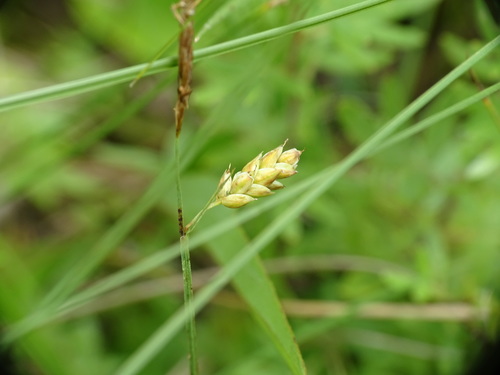
- Common sedge: Thomas Gyselinck, CC BY 4.0
- Star sedge: Thomas Gyselinck, CC BY 4.0
- Glaucous sedge: zebedeugalinha, CC BY 4.0
- Tufted sedge: Oleksandr Shynder, CC BY 4.0
- Hairy sedge: Jamie O'Neill, CC BY 4.0
- Greater pond-sedge: Grzegorz Grzejszczak, CC BY-SA 4.0
- Slender sedge: Matt Berger, CC BY 4.0
- Wild boar: SteveM4560, CC BY 4.0
- Red fox: Алина Урусова, CC BY 4.0
- Brown bear: Nathan Ruser, CC BY 4.0
- Northern raven: xulescu_g, CC BY-SA 4.0
- Golden eagle: Anne Parsons, CC0
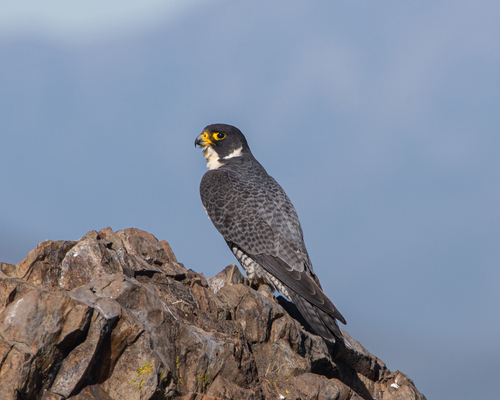
- Peregrine falcon: Nicolás Villaseca Merino, CC BY-SA 4.0
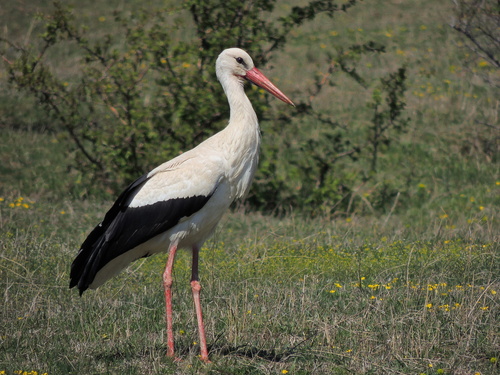
- White stork: xulescu_g, CC BY-SA 4.0
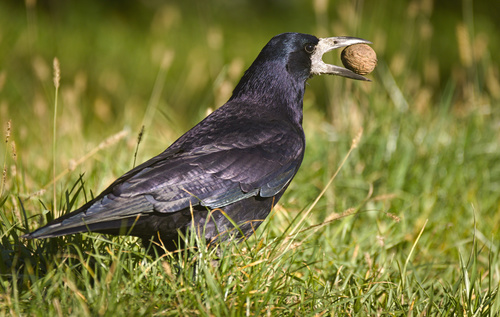
- Rook: hedera.baltica, CC BY-SA 4.0
- Greylag goose: Imran Shah, CC BY-SA 4.0
- Taiga bean goose: Andrew Bazdyrev, CC BY 4.0
- Bar-headed goose: Imran Shah, CC BY-SA 4.0
- Greater white-fronted goose: Bill Levine, CC BY 4.0
- Snow goose: Andy Wilson, CC0
- Lesser white-fronted goose: Ross Elliott, CC BY 4.0
- Swan goose: William Harland, CC BY 4.0
- Emperor goose: Nicolás Tamargo, CC0
Records show where people have seen and shared the pink-footed goose, not its full range, and some countries and months are recorded far more than others. The food web lists interactions that studies have recorded somewhere in the world (GloBI), not everything it eats in one place.
Checked 2026-11-23.