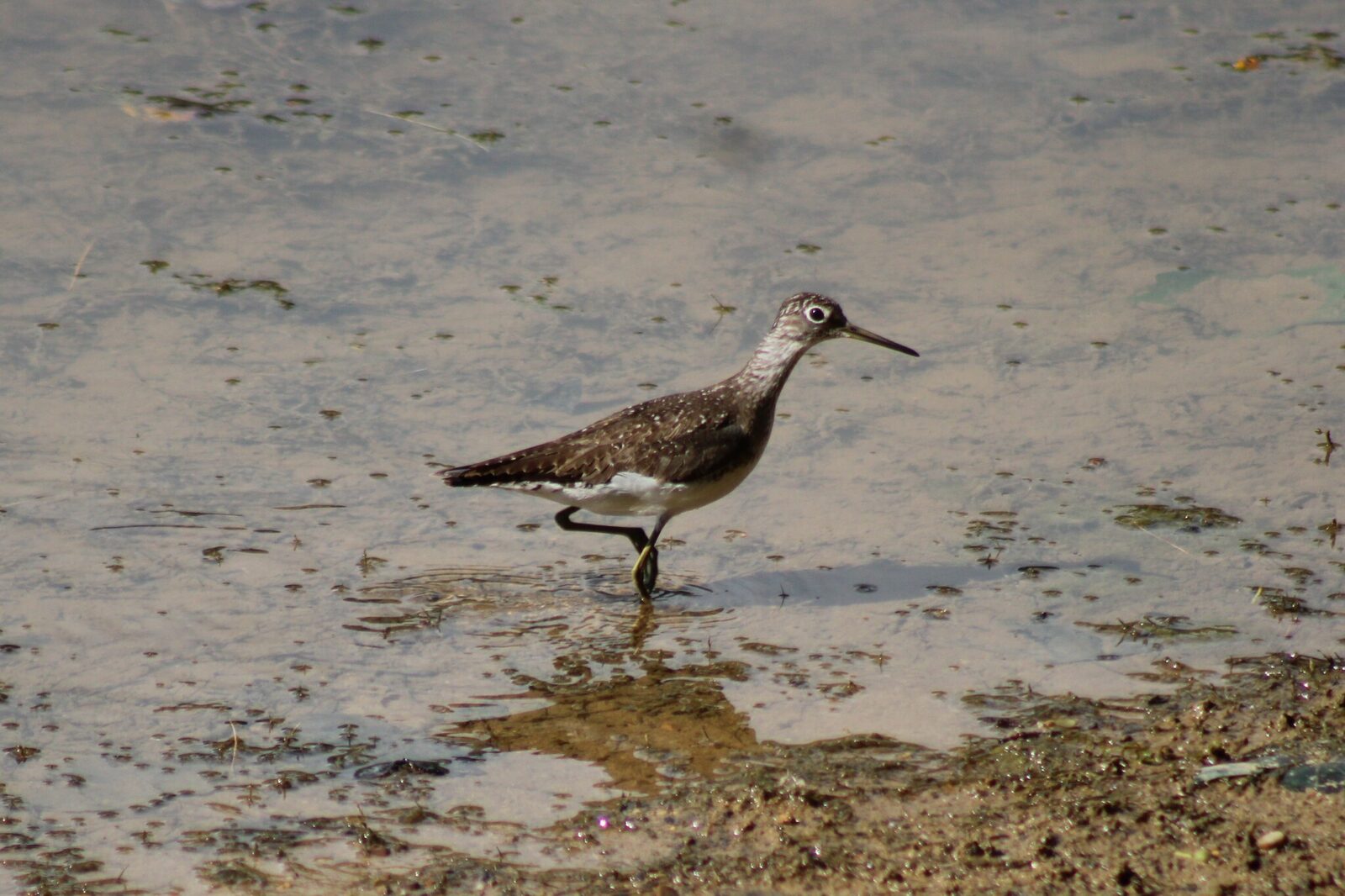
Solitary sandpiper
Tringa solitaria
- Status
- Least Concern IUCN Red List
- Where
- 64 countries
On 4Planet Atlas it is among the wildlife people record most around Asunción, Atlanta and Basseterre, and 19 more of the cities we cover.
People have shared 1,044,537 records of the solitary sandpiper with GBIF, from 64 countries, most of them from United States, Canada and Colombia.
In the northern hemisphere, people record it most in May and least in December. It belongs to the genus Tringa in the family Scolopacidae.
Where people see the solitary sandpiper
People have shared 1,044,537 records from 64 countries.
Near a city: Asunción, Atlanta, Basseterre, Bogotá, Bridgetown, Calgary, Castries, Chicago, Columbus, Edmonton, Georgetown, Havana, Kingston, Kingstown, Montreal, Nassau, Ottawa, Paramaribo, Port of Spain, Santo Domingo, St. George's, Washington, D.C..
Records show where people have seen it and shared it, not its full range. Country names open their page in Atlas.
When it is seen
Records per month in the northern hemisphere. More people outdoors also means more records.
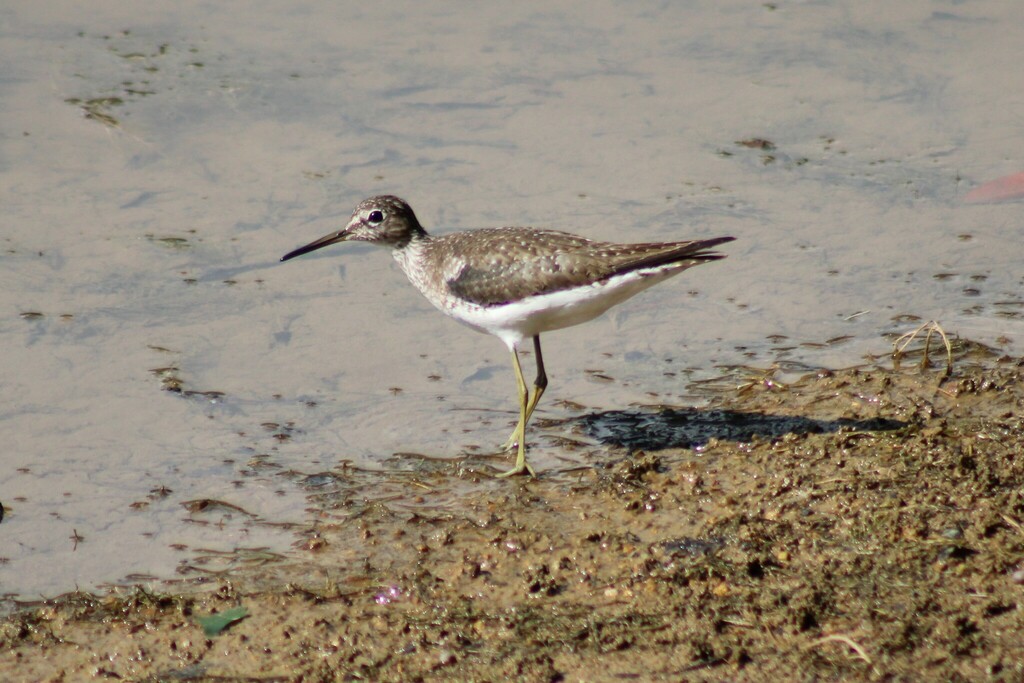
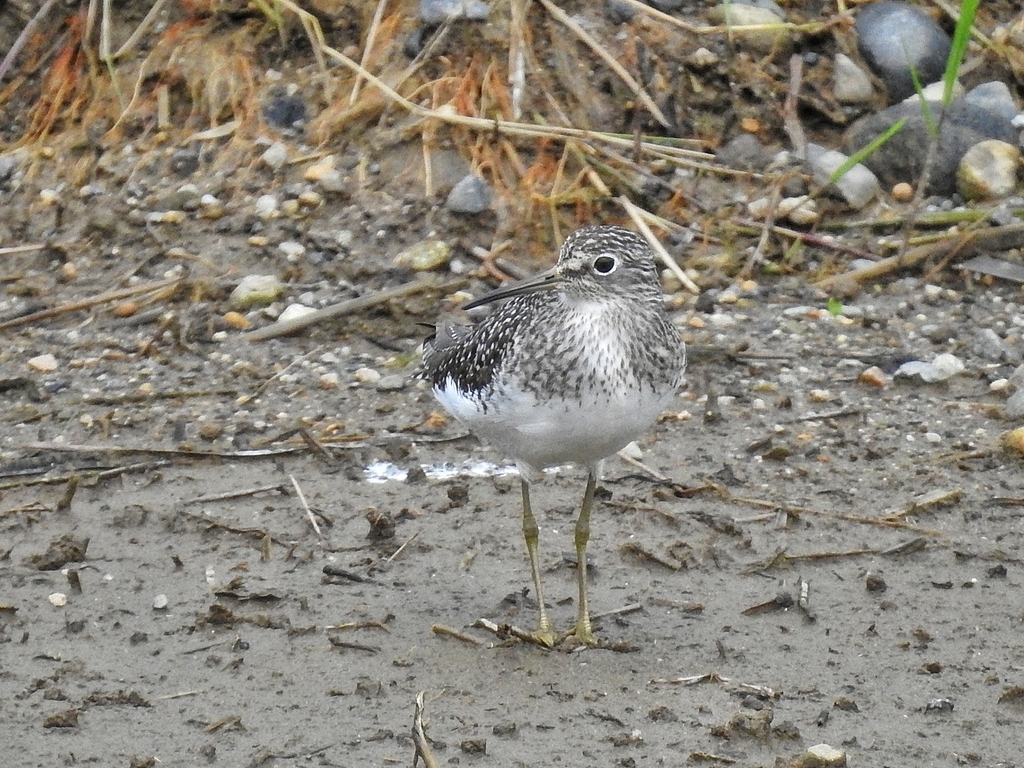
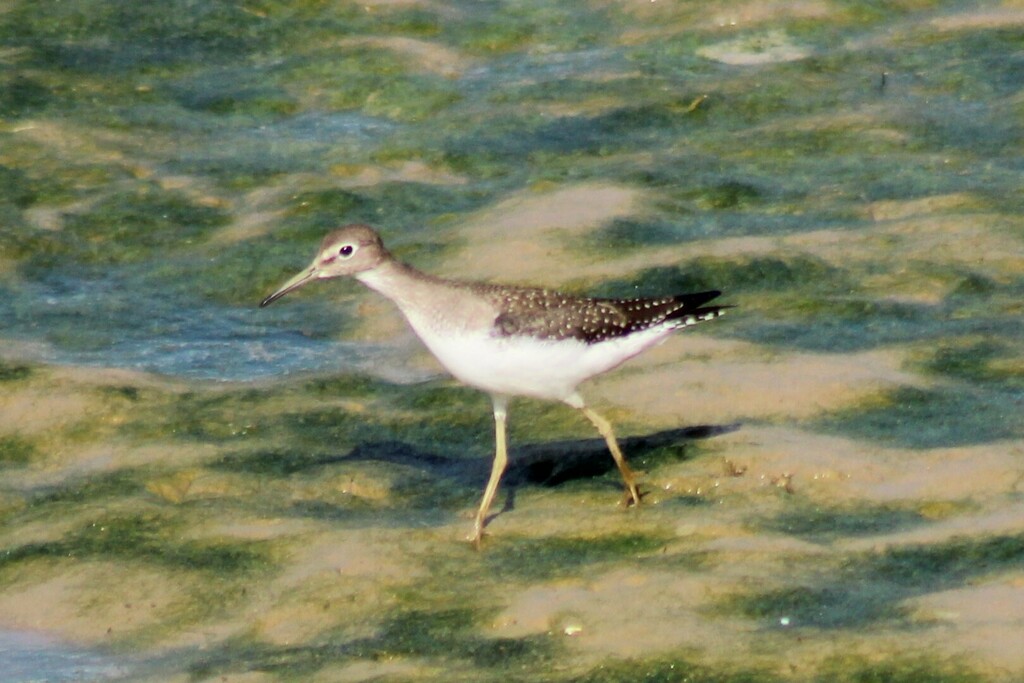
Watch and listen
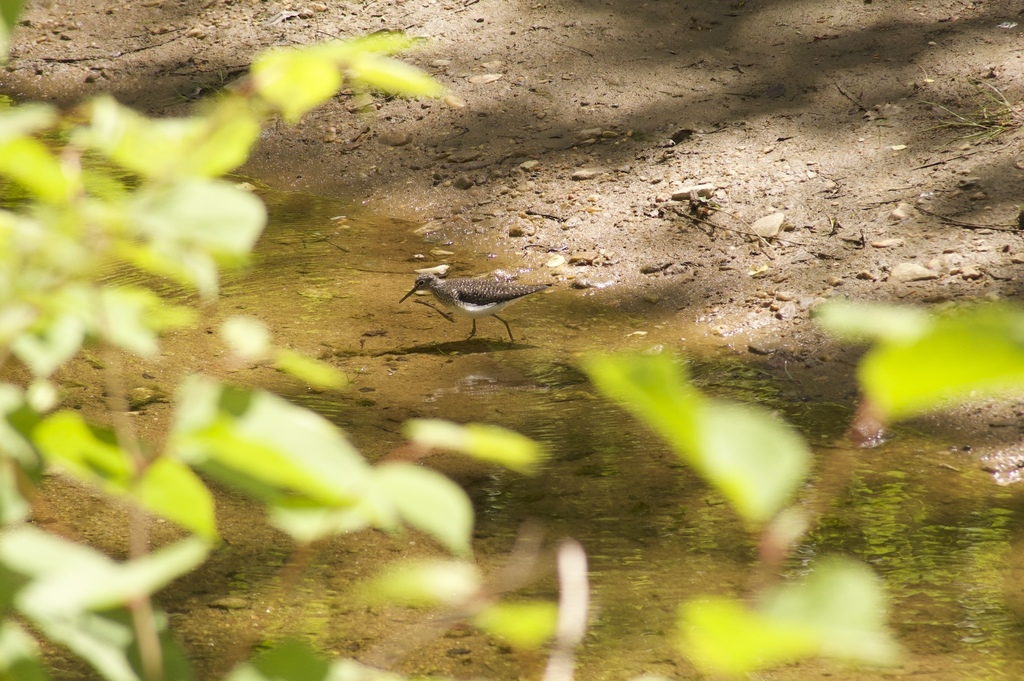
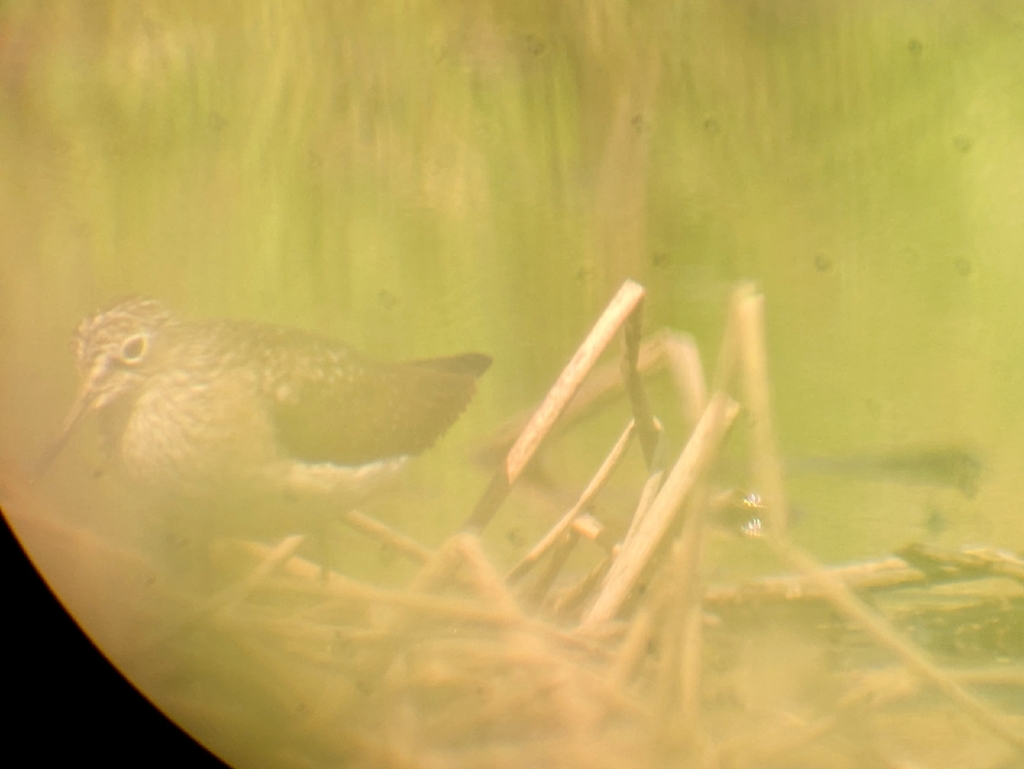
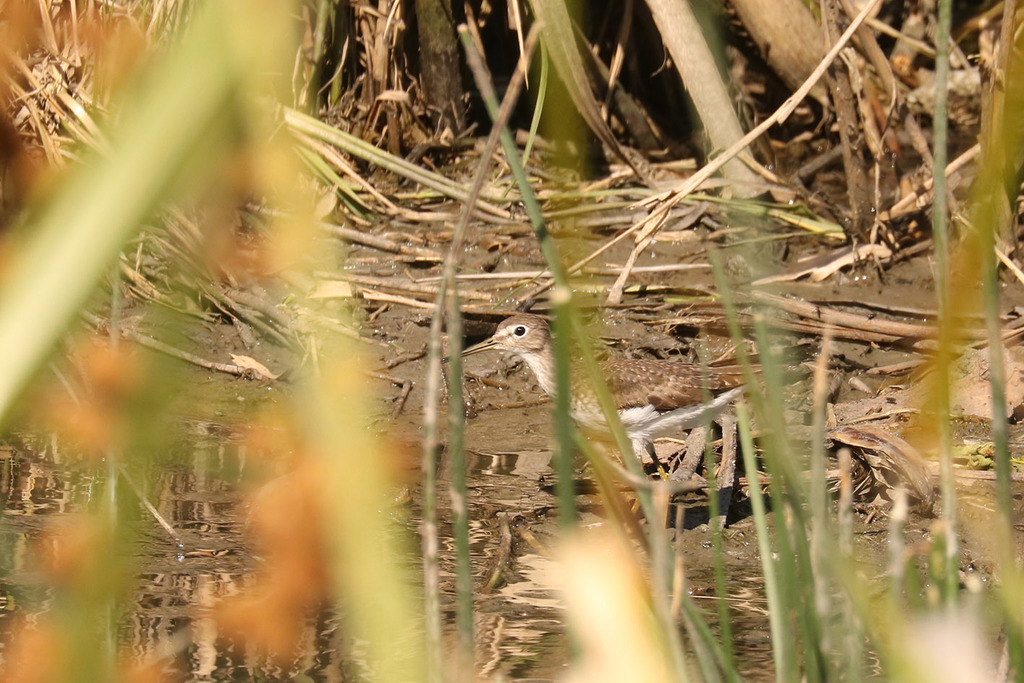
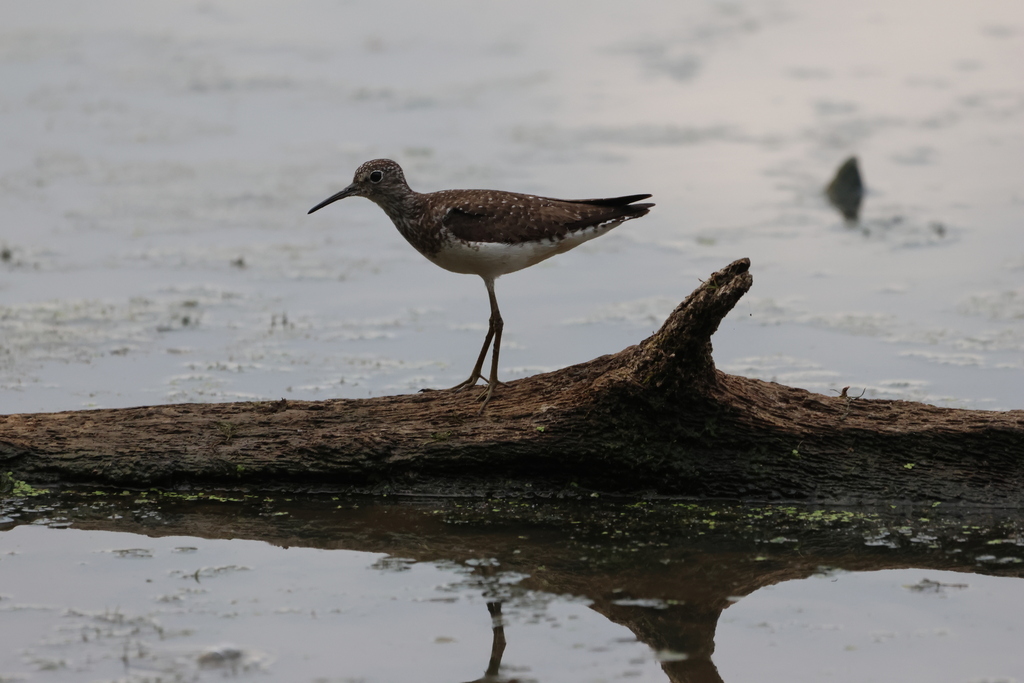
Its closest relatives
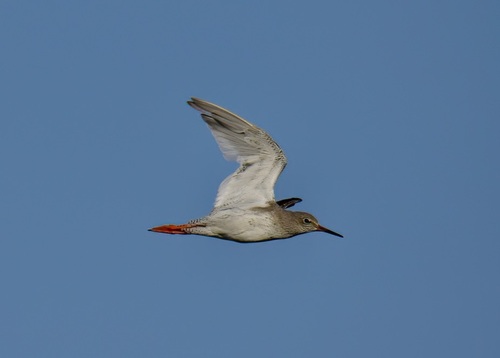
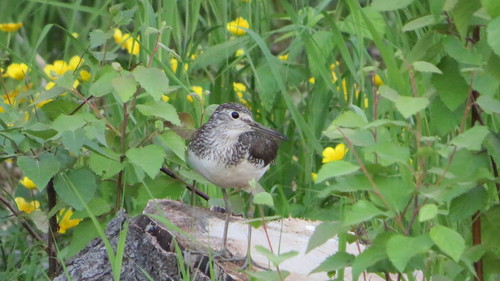
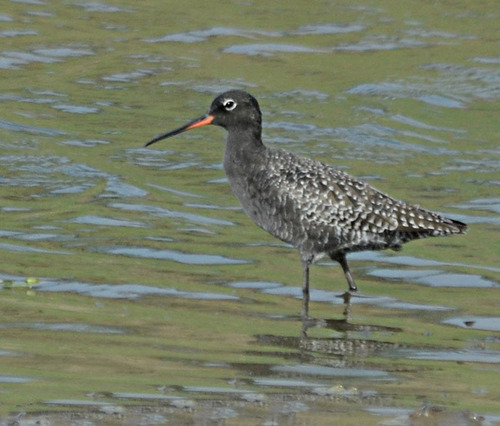
The other species of the genus Tringa.


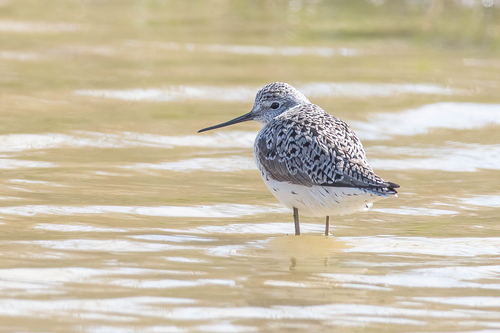
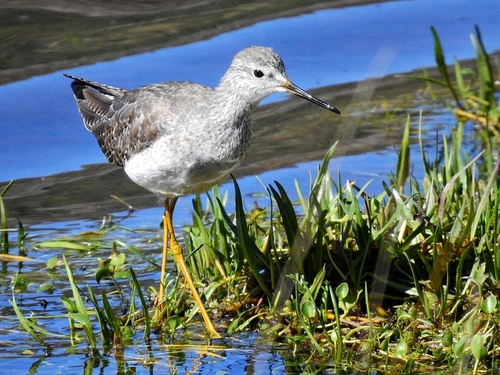
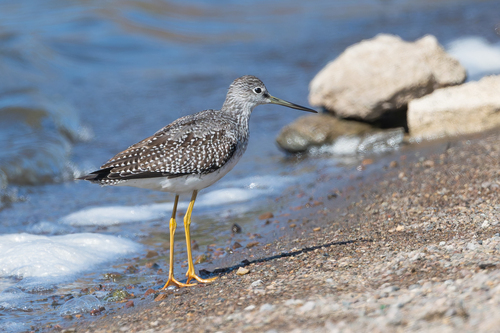
Seen a solitary sandpiper?
Share your photo on iNaturalist. Other naturalists help confirm it, and the record goes to GBIF, where scientists use it and where the maps on this page come from.
Put this species on your site
The card names every source and links back here.
<iframe src="https://4planetatlas.com/place/embed/species/solitary-sandpiper" title="Solitary sandpiper (Tringa solitaria), 4PLANET Species" width="100%" height="600" style="border:0;max-width:640px" loading="lazy"></iframe>
<p><a href="https://4species.com/solitary-sandpiper">Solitary sandpiper on 4PLANET Species</a></p>Questions people ask
Where does the solitary sandpiper live?
People have recorded it in 64 countries; the most records come from United States, Canada, Colombia, Brazil and Mexico. Records show where people have seen it, not its full range.
When is the solitary sandpiper seen most?
In the northern hemisphere, the most records are made in May and the fewest in December. More people outdoors also means more records.
What are the solitary sandpiper's closest relatives?
It shares the genus Tringa with common redshank, common greenshank, green sandpiper, wood sandpiper and spotted redshank.
Sources and photo credits
- GBIF · Tringa solitaria, 1,044,537 human observations
- GloBI · recorded interactions of Tringa solitaria
- Wikidata · Solitary sandpiper (Q836304)
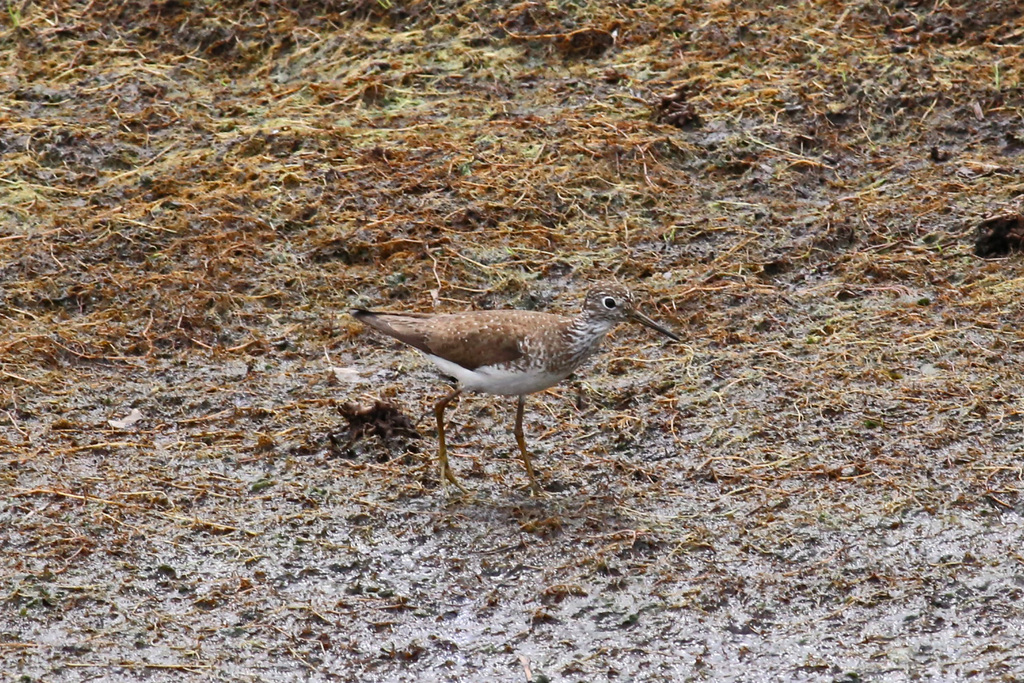
- Solitary sandpiper (Tringa solitaria): Robert Harris, CC BY 4.0
- Solitary sandpiper (Tringa solitaria), Smyth County, VA, USA: Robert Harris, CC BY 4.0
- Solitary sandpiper (Tringa solitaria), Mera, Ecuador: Esteban Poveda, CC BY 4.0
- Solitary sandpiper (Tringa solitaria), Smyth County, VA, USA: Robert Harris, CC BY 4.0
- Solitary sandpiper (Tringa solitaria), Parkville, MD, US: orionid, CC0
- Solitary sandpiper (Tringa solitaria), Boucherville, QC J4B 0J7, Canada: Loïc Mathieu, CC BY 4.0
- Solitary sandpiper (Tringa solitaria), Ensenada, Provincia de Buenos Aires, Argentina: Holger Braun, CC BY 4.0
- Solitary sandpiper (Tringa solitaria), Sandy Ridge Reservation, 6195 Otten Rd, North Ridgeville, OH 44039, USA: Lisa Wiencek Gerbec, CC BY 4.0
- Solitary sandpiper (Tringa solitaria), Pemberton Township, NJ, USA: Bill Keim, CC BY 4.0
- Common redshank: Luiz Lapa, CC BY 4.0
- Common greenshank: JJ Harrison, CC BY-SA 4.0
- Green sandpiper: Светлана Царахова, CC0
- Wood sandpiper: Kim, Hyun-tae, CC BY 4.0
- Spotted redshank: Savi.odl, CC BY-SA 4.0
- Marsh sandpiper: egorbirder, CC BY 4.0
- Lesser yellowlegs: Esteban Poveda, CC BY 4.0
- Greater yellowlegs: no rights reserved, uploaded by Adam Jackson, CC0
Records show where people have seen and shared the solitary sandpiper, not its full range, and some countries and months are recorded far more than others. The food web lists interactions that studies have recorded somewhere in the world (GloBI), not everything it eats in one place.
Checked 2026-11-27.