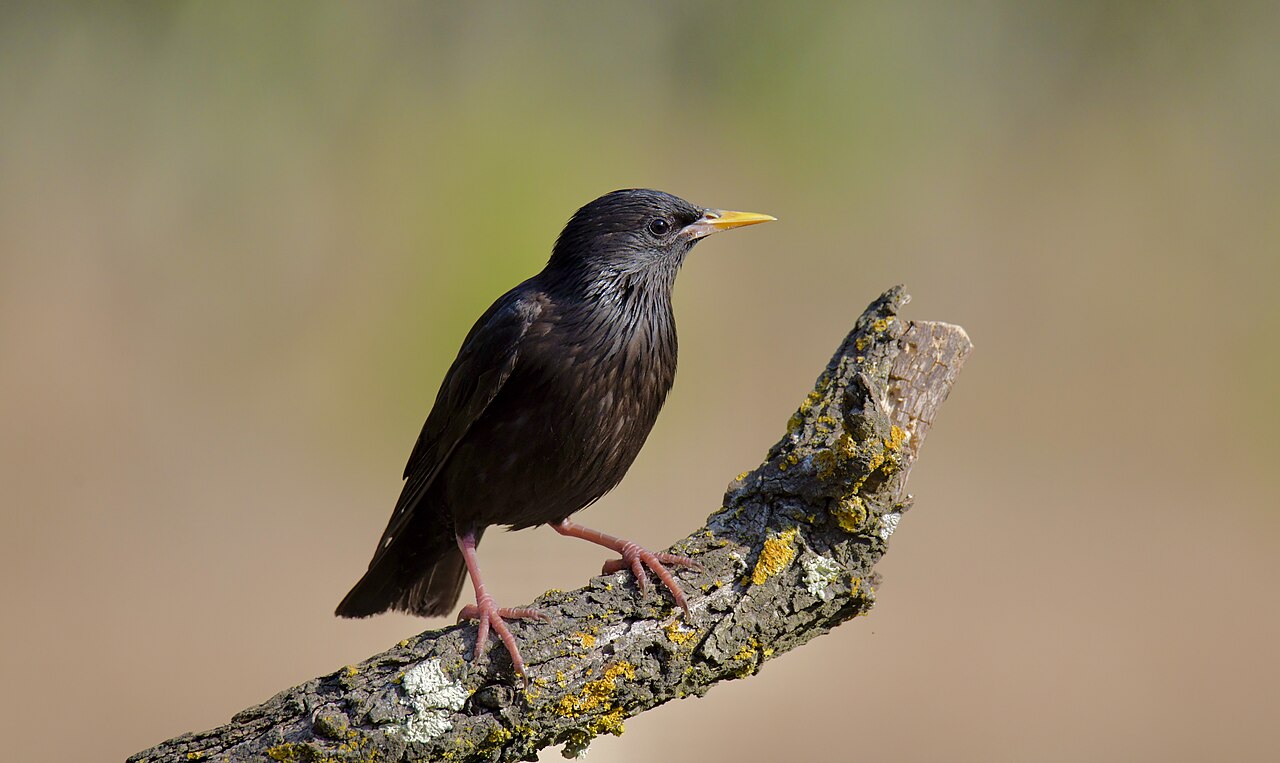
Spotless starling
Sturnus unicolor
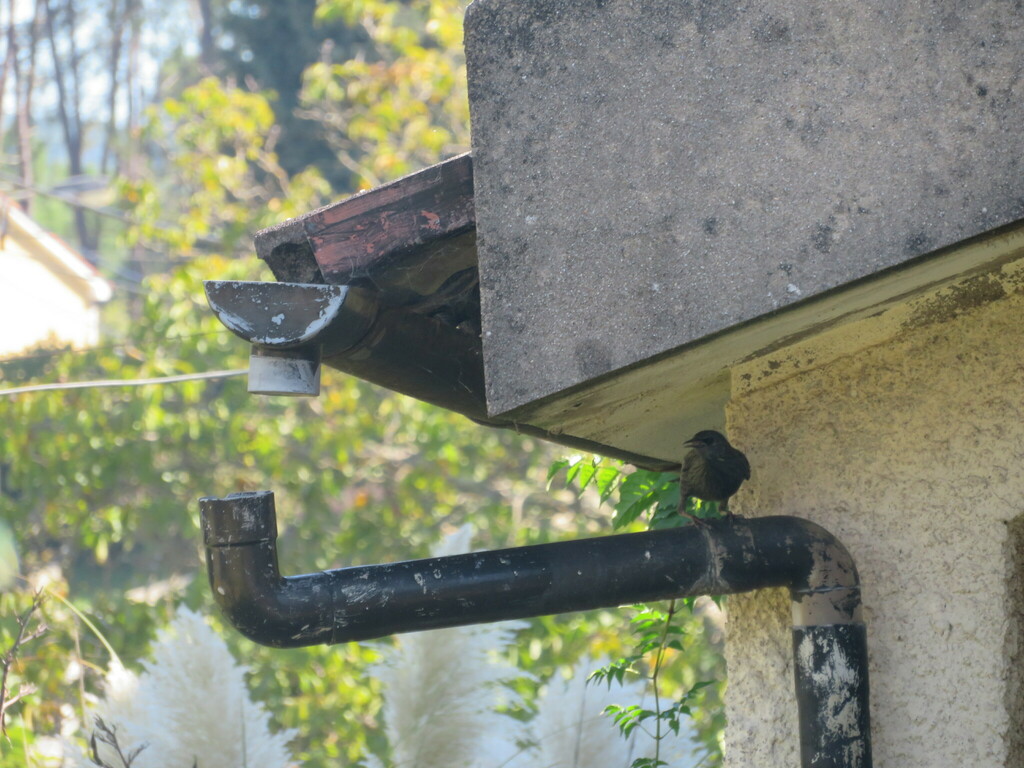
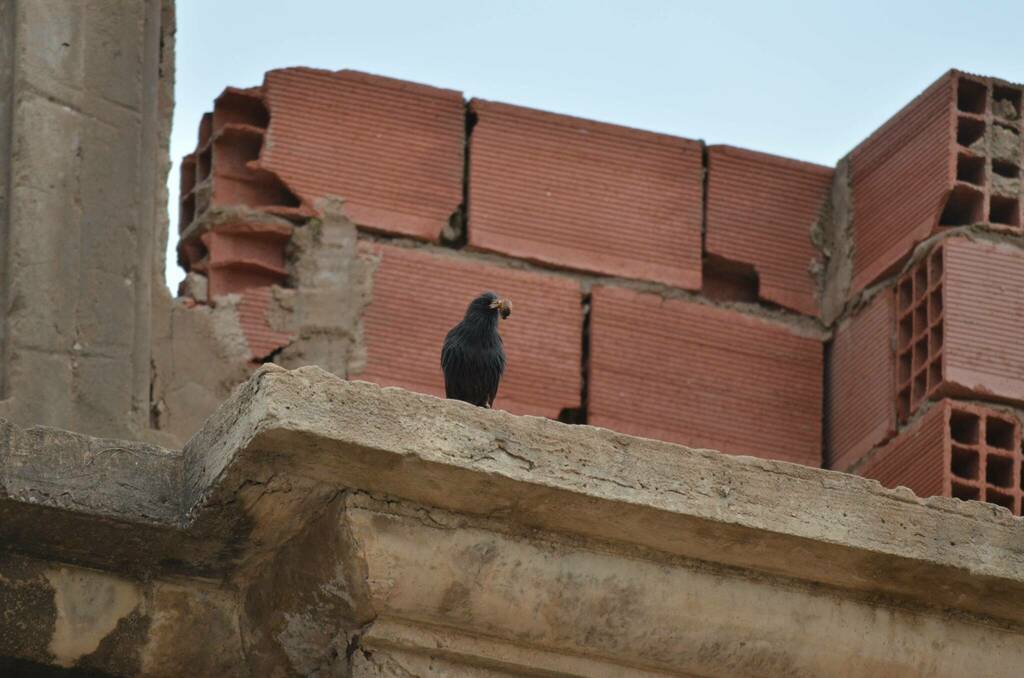
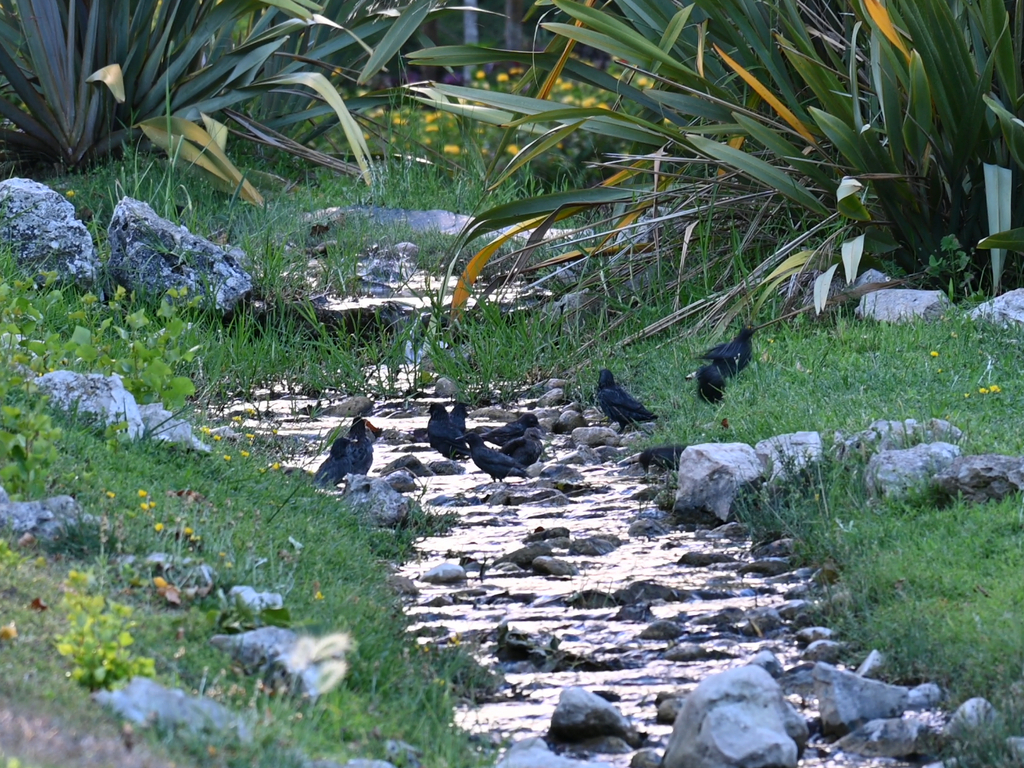
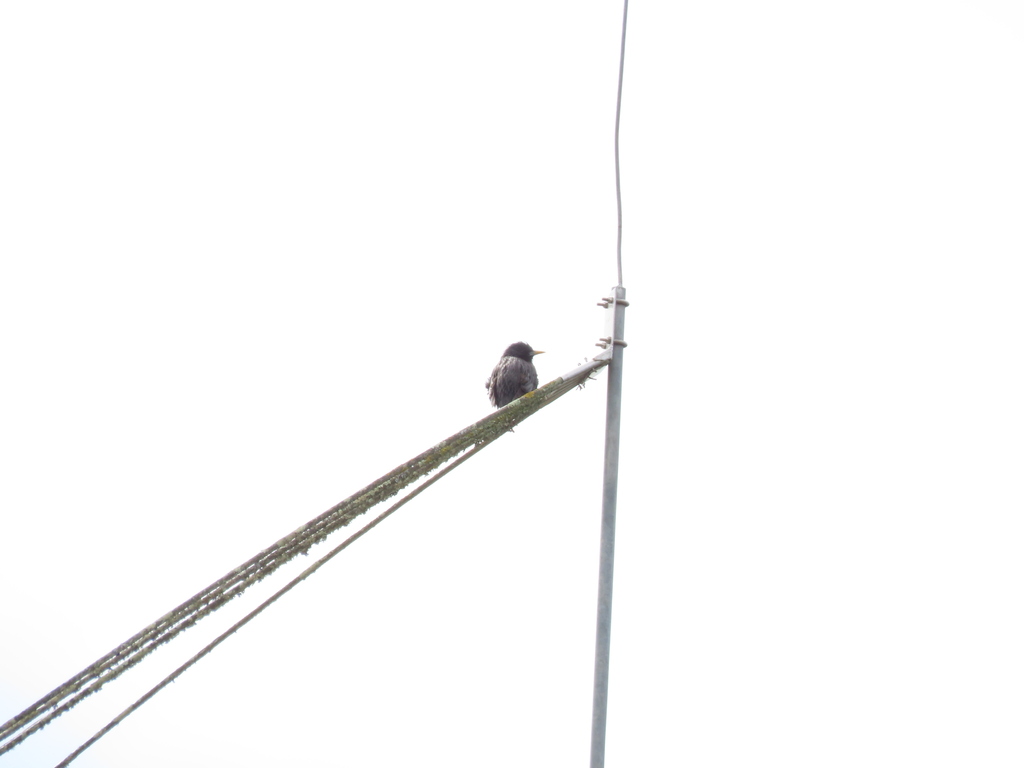
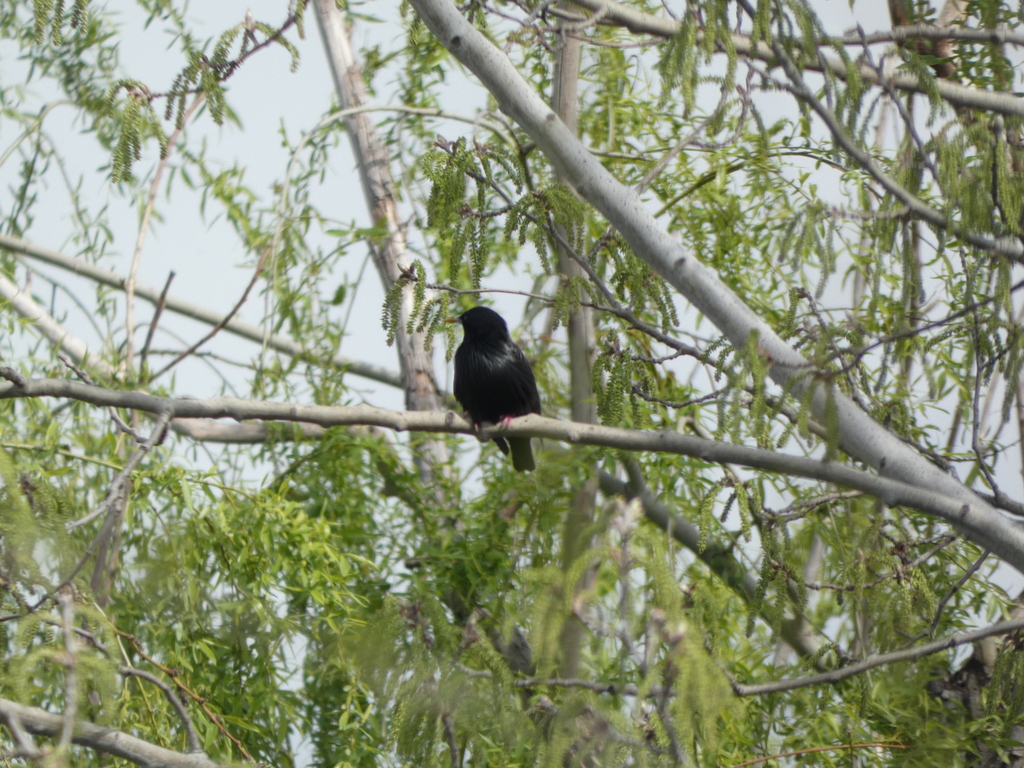
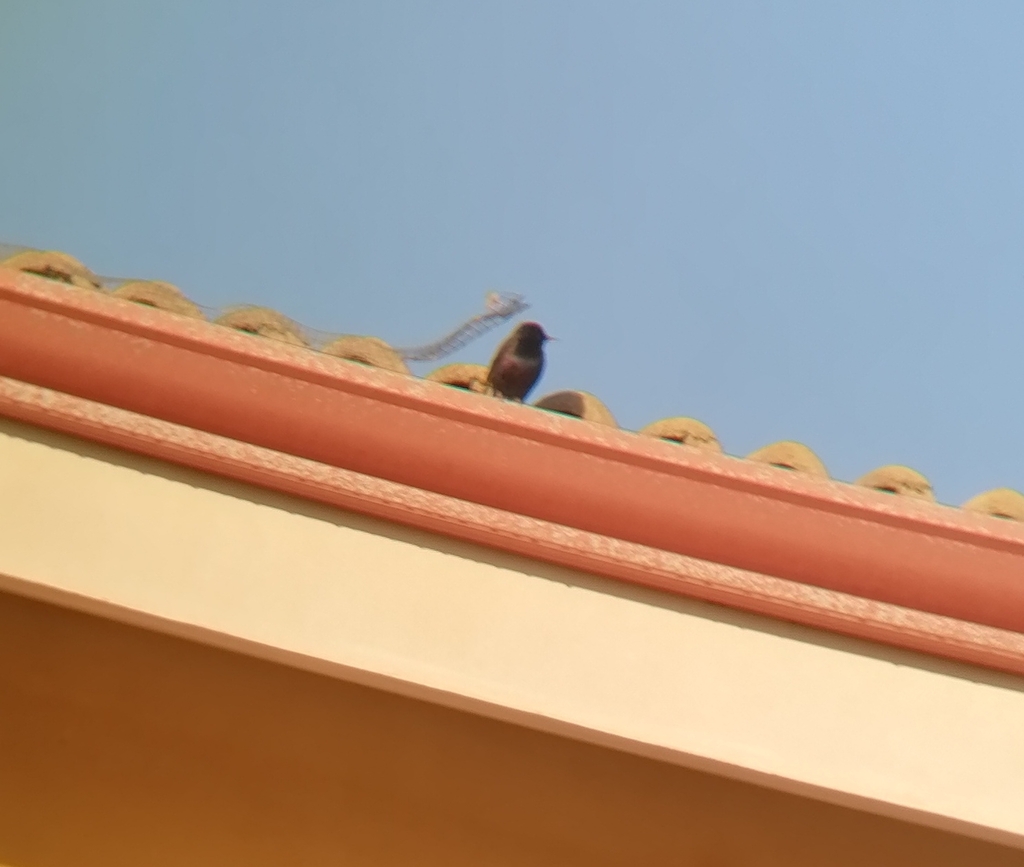
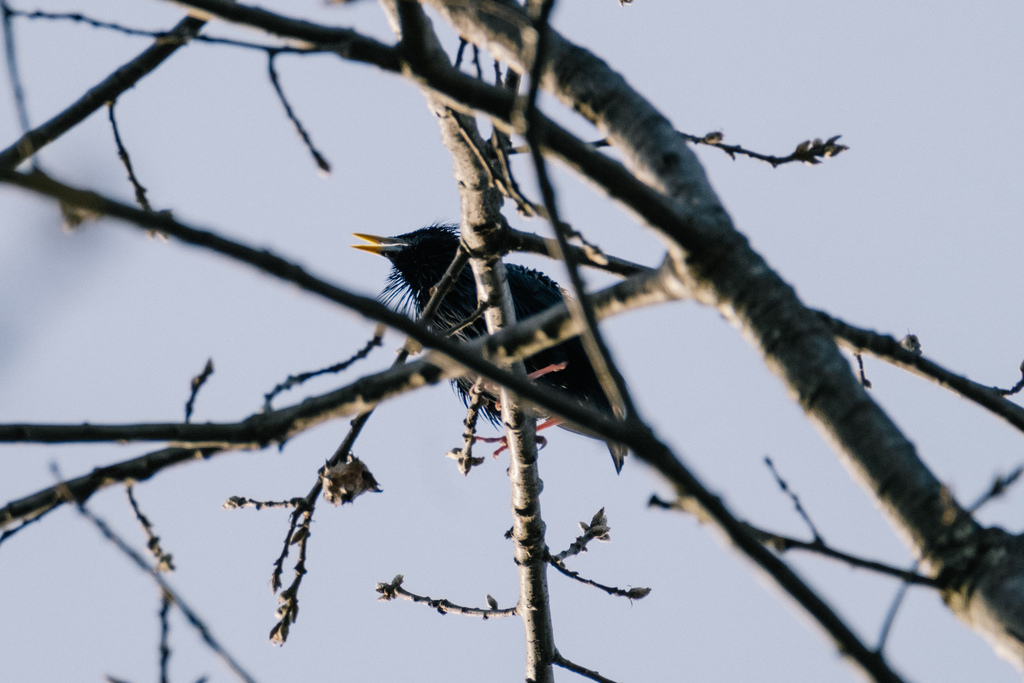
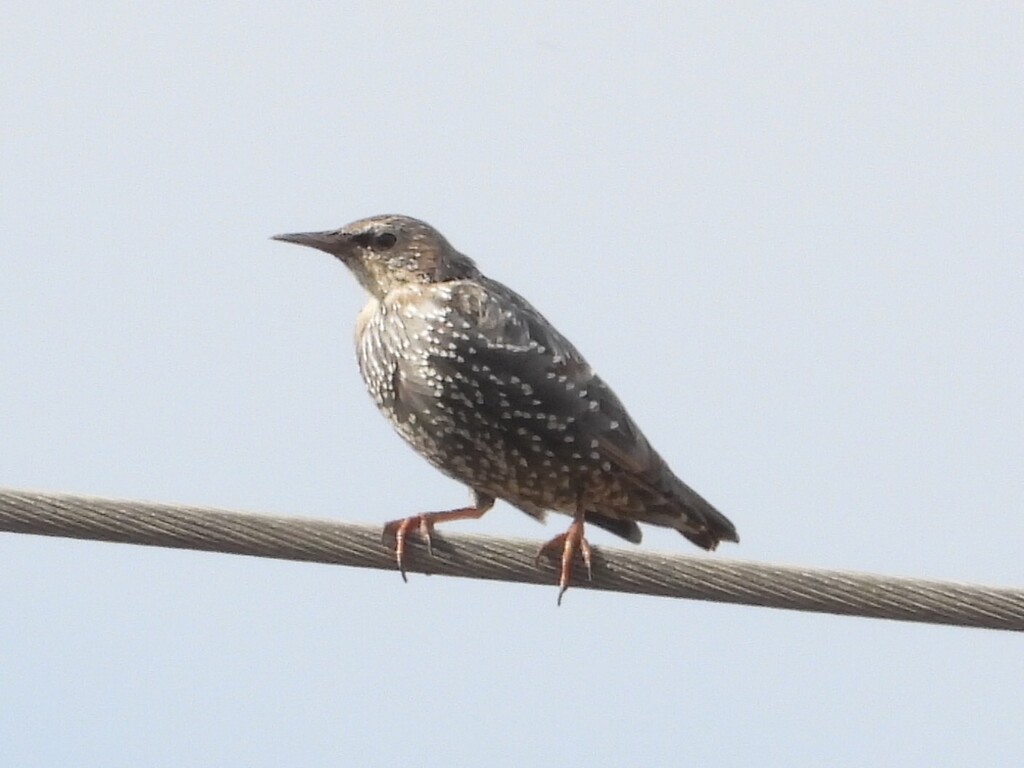
A starling with all-dark, glossy feathers, common in Spain and Portugal.
- Status
- Least Concern IUCN Red List
- Eats
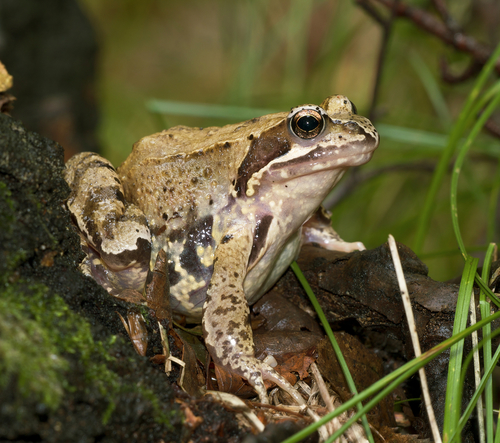
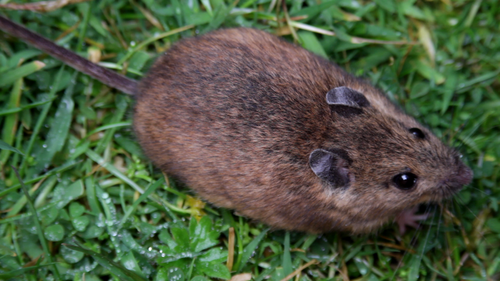
- common toad, common frog, wood mouse and 244 more
- Eaten by
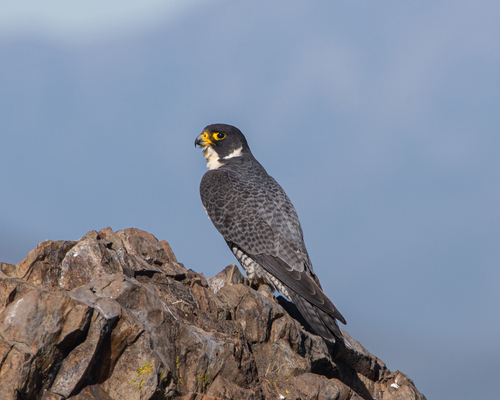
- grey wolf, red fox, northern raven
- Where
- 10 countries
On 4Planet Atlas it is among the wildlife people record most around Lisbon, Madrid and Rabat, and 1 more of the cities we cover.
People have shared 948,862 records of the spotless starling with GBIF, from 10 countries, most of them from Spain, Portugal and Morocco. Records collected by GloBI show it eating 247 different kinds of animals and plants, and being eaten by 48.
What the spotless starling eats, and what eats it
Studies have recorded it eating 247 kinds of animals and plants, and 48 kinds of animals eating it. Tap any of them to follow the food chain.
- Reptiles 112
- Mammals 59
- Amphibians 36
- Plants 28
- Crustaceans 1
Eaten by



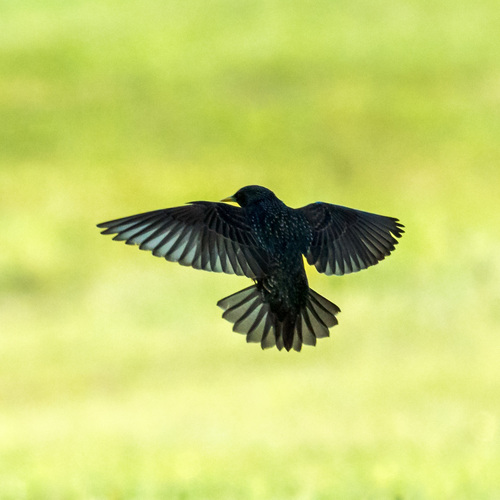
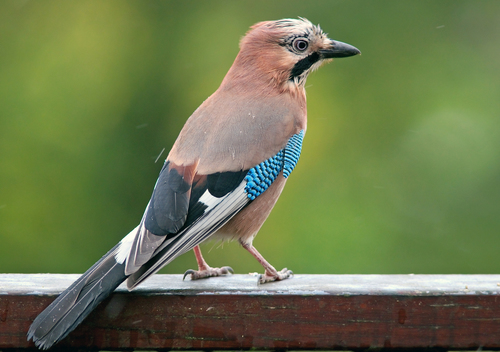
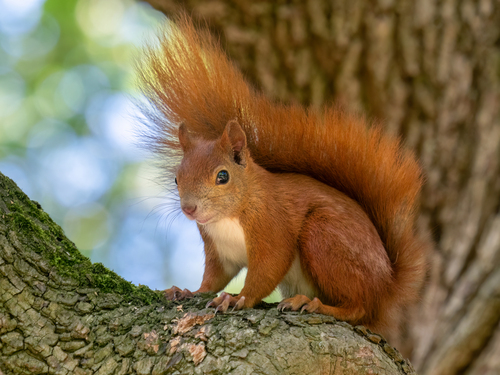
 Spotless starling

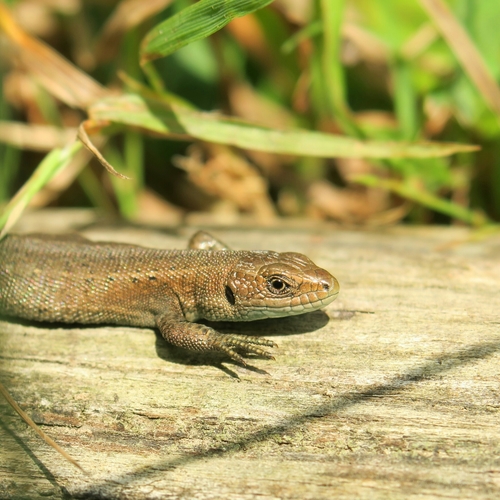
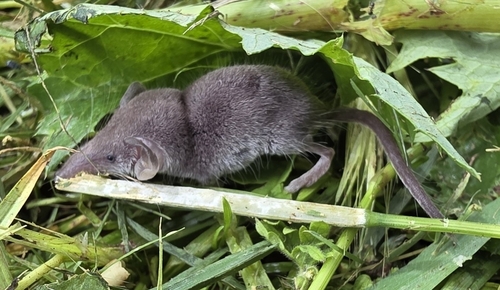


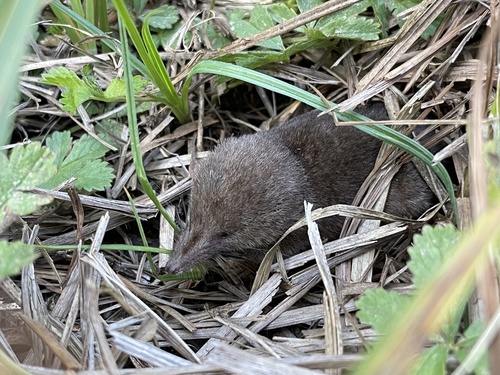
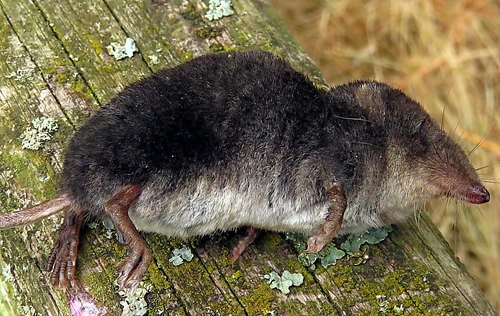
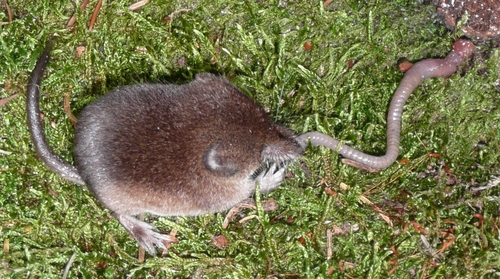
Records from studies worldwide, collected by GloBI. They include animals eaten as carrion, and they are not everything it eats in one place.
Where people see the spotless starling
People have shared 948,862 records from 10 countries.
Near a city: Lisbon, Madrid, Rabat, Tunis.
Records show where people have seen it and shared it, not its full range. Country names open their page in Atlas.
When it is seen
Records per month in the northern hemisphere. More people outdoors also means more records.
Watch and listen
Its closest relatives
The other species of the genus Sturnus.
Seen a spotless starling?
Share your photo on iNaturalist. Other naturalists help confirm it, and the record goes to GBIF, where scientists use it and where the maps on this page come from.
Put this species on your site
The card names every source and links back here.
<iframe src="https://4planetatlas.com/place/embed/species/spotless-starling" title="Spotless starling (Sturnus unicolor), 4PLANET Species" width="100%" height="600" style="border:0;max-width:640px" loading="lazy"></iframe>
<p><a href="https://4species.com/spotless-starling">Spotless starling on 4PLANET Species</a></p>Questions people ask
What does the spotless starling eat?
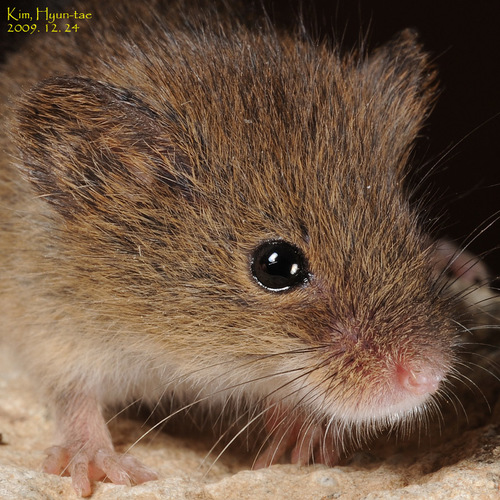
The spotless starling has been recorded eating 247 different kinds of animals and plants, most of them reptiles, mammals, amphibians and plants. The ones recorded most often are common toad, common frog, wood mouse, eurasian harvest mouse and marsh frog; records include animals eaten as carrion. Source: GloBI.
What eats the spotless starling?
Recorded predators include grey wolf, red fox, northern raven, eurasian magpie and common starling. Source: GloBI.
Where does the spotless starling live?
People have recorded it in 10 countries; the most records come from Spain, Portugal, Morocco, Italy and France. Records show where people have seen it, not its full range.
When is the spotless starling seen most?
In the northern hemisphere, the most records are made in April and the fewest in July. More people outdoors also means more records.
What are the spotless starling's closest relatives?
It shares the genus Sturnus with common starling.
Sources and photo credits
- GBIF · Sturnus unicolor, 948,862 human observations
- GloBI · recorded interactions of Sturnus unicolor
- Wikidata · Spotless starling (Q836833)
- Spotless starling (Sturnus unicolor): Luiz Lapa from Oeiras, Portugal, CC BY 2.0
- Spotless starling (Sturnus unicolor), Portugal: Bruno Peixoto, CC BY 4.0
- Spotless starling (Sturnus unicolor), El Kala, Algérie: Mourad Harzallah, CC BY 4.0
- Spotless starling (Sturnus unicolor), 2780 Oeiras, Portugal: Luis Ferreira, CC0
- Spotless starling (Sturnus unicolor), Portalegre, Portugal: Tiago Carrapiço, CC BY 4.0
- Spotless starling (Sturnus unicolor), Madrid, España: Juan Rodríguez, CC BY 4.0
- Spotless starling (Sturnus unicolor), 96100 Syracuse, Free municipal consortium of Syracuse, Italy: Daniel Linzbauer, CC BY 4.0
- Spotless starling (Sturnus unicolor), 5000 Mouçós, Portugal: Bruno Peixoto, CC BY 4.0
- Spotless starling (Sturnus unicolor), Casco Histórico de Vicálvaro, Vicálvaro, Madrid, España: Sara Navarro, CC BY 4.0
- Common frog: Jörg Hempel, CC BY-SA 4.0
- Wood mouse: Jackhynes, CC BY-SA 4.0
- Eurasian harvest mouse: Kim, Hyun-tae, CC BY 4.0
- Marsh frog: Petra & Wilfried, CC BY 4.0
- Viviparous lizard: nearwildhelen, CC BY 4.0
- Etruscan shrew: Vincenzo Lattanzi, CC BY 4.0
- Sand lizard: Lennart Hudel, CC BY 4.0
- Yellow-necked mouse: Teemu Lehtinen, CC BY 4.0
- Eurasian pygmy shrew: Gustavo Ciacco, CC0
- Eurasian water shrew: Ian Ballam, CC BY 4.0
- Common shrew: Soricida, CC BY-SA 4.0
- Grey wolf: Andrew Simon, CC BY 4.0
- Red fox: Алина Урусова, CC BY 4.0
- Northern raven: xulescu_g, CC BY-SA 4.0
- Common starling: Shiva Shenoy, CC BY 4.0
- Eurasian jay: Luc Viatour, CC BY-SA 4.0
- Eurasian red squirrel: Rhododendrites, CC BY-SA 4.0
- Peregrine falcon: Nicolás Villaseca Merino, CC BY-SA 4.0

Records show where people have seen and shared the spotless starling, not its full range, and some countries and months are recorded far more than others. The food web lists interactions that studies have recorded somewhere in the world (GloBI), not everything it eats in one place.
Checked 2026-11-22.