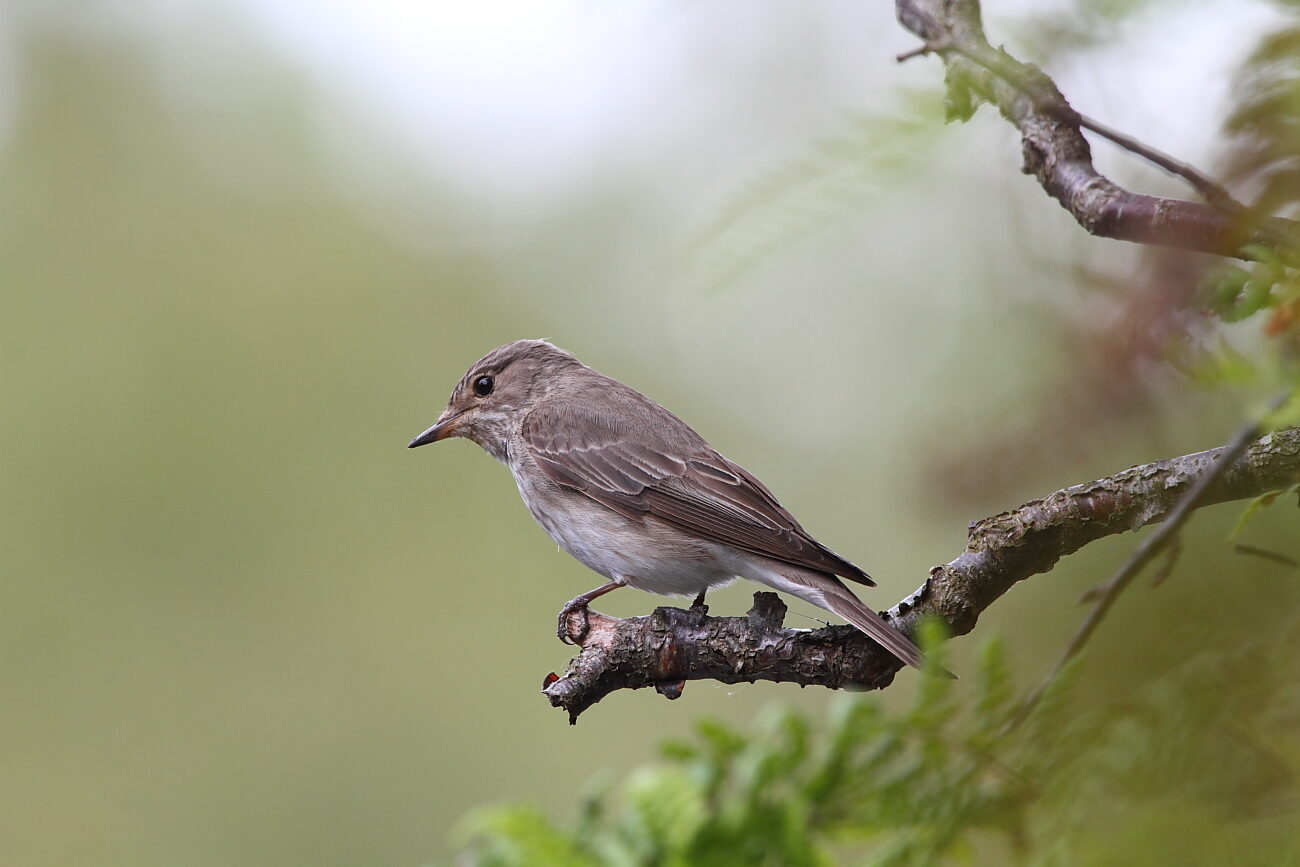
Spotted Flycatcher
Muscicapa striata
- Status
- Least Concern IUCN Red List
- Eats
- six-spot burnet, edible fig, olive and 1,662 more
- Eaten by
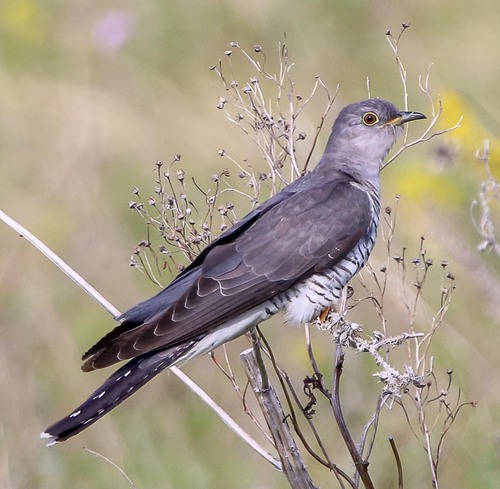
- grey wolf, red fox, northern raven
- Where
- 135 countries
On 4Planet Atlas it is among the wildlife people record most around Abu Dhabi, Abuja and Accra, and 77 more of the cities we cover.
People have shared 440,218 records of the spotted Flycatcher with GBIF, from 135 countries, most of them from Spain, United Kingdom and Germany. Records collected by GloBI show it eating 1,665 different kinds of animals and plants, and being eaten by 46.
What the spotted Flycatcher eats, and what eats it
Studies have recorded it eating 1,665 kinds of animals and plants, and 46 kinds of animals eating it. Tap any of them to follow the food chain.
- Insects 1,253
- Plants 62
- Snails and slugs 3
- Reptiles 1
Eaten by



 Spotted Flycatcher
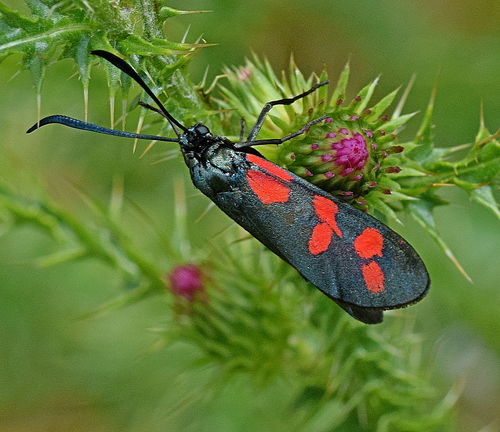
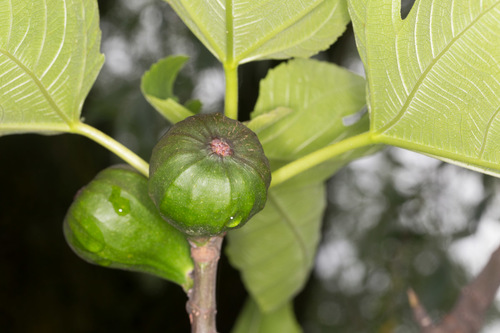
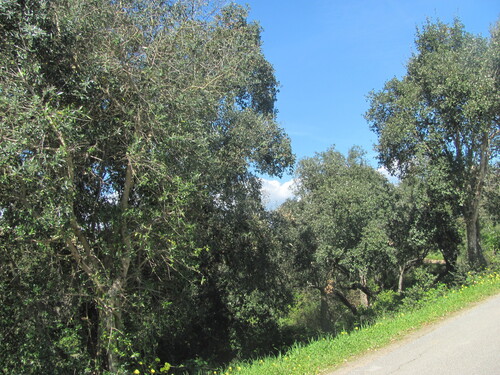
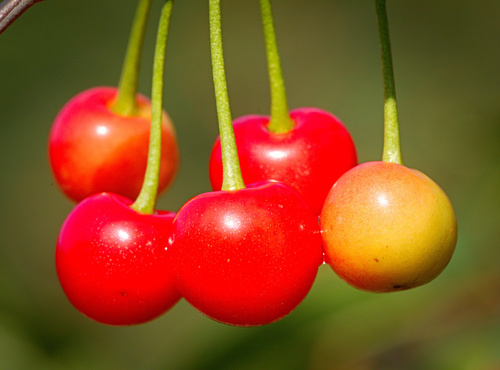
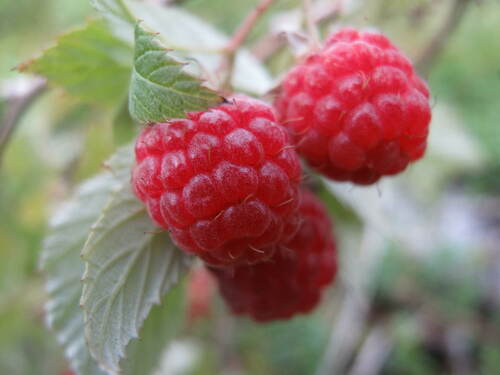
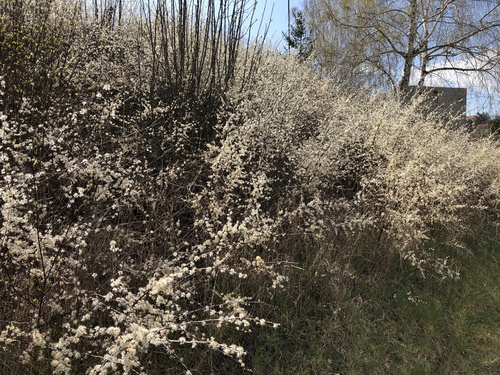
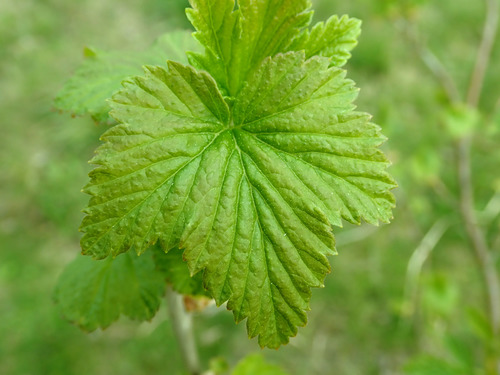
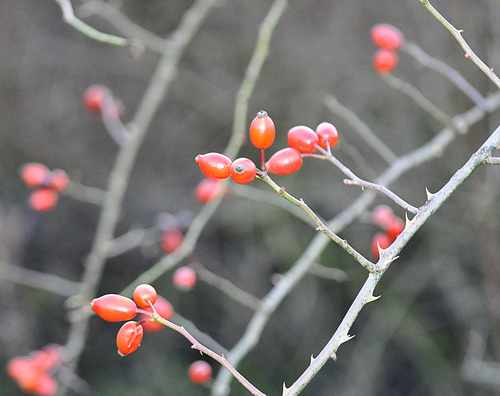

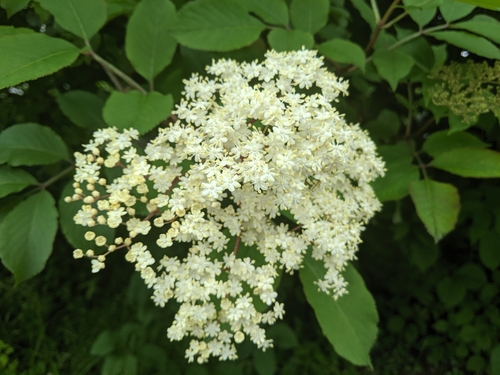
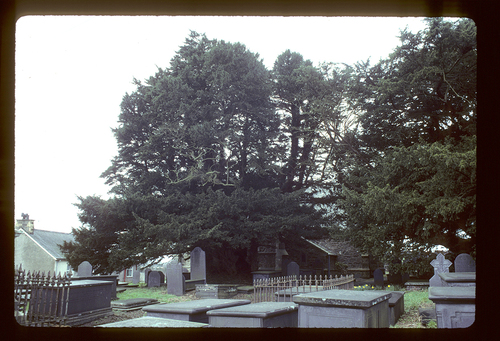
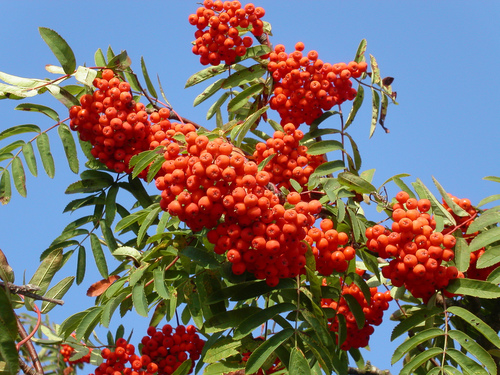
Records from studies worldwide, collected by GloBI. They include animals eaten as carrion, and they are not everything it eats in one place.
Where people see the spotted Flycatcher
People have shared 440,218 records from 135 countries.
Near a city: Abu Dhabi, Abuja, Accra, Algiers, Amman, Andorra la Vella, Ankara, Ashgabat, Astana, Athens, Baghdad, Baku, Bangui, Beirut, Belgrade, Bergen, Berlin, Bern, Bishkek, Bloemfontein, Bratislava, Brazzaville, Bucharest, Budapest, Cairo, Chișinău, Damascus, Dodoma, Doha, Dushanbe, East Jerusalem, Gaborone, Helsinki, Jerusalem, Juba, Kabul, Khartoum, Kigali, Kinshasa, Kuwait City, Kyiv, Lagos, Lisbon, Ljubljana, Lusaka, Madrid, Manama, Minsk, Moscow, Muscat, N'Djamena, Nicosia, Oslo, Podgorica, Prague, Pretoria, Pristina, Rabat, Ramallah, Riga, Riyadh, Rome, Sarajevo, Skopje, Sofia, Stockholm, Tallinn, Tashkent, Tbilisi, Tehran, Tirana, Tunis, Vaduz, Valletta, Vienna, Vilnius, Warsaw, Windhoek, Yerevan, Zagreb.
Records show where people have seen it and shared it, not its full range. Country names open their page in Atlas.
When it is seen
Records per month in the northern hemisphere. More people outdoors also means more records.
Watch and listen
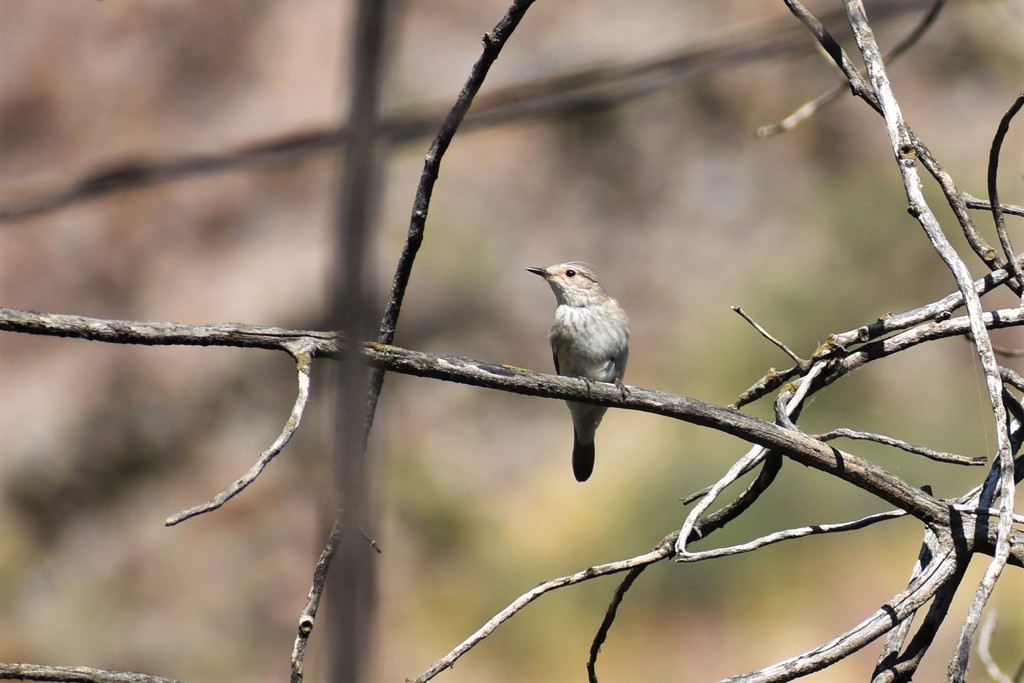
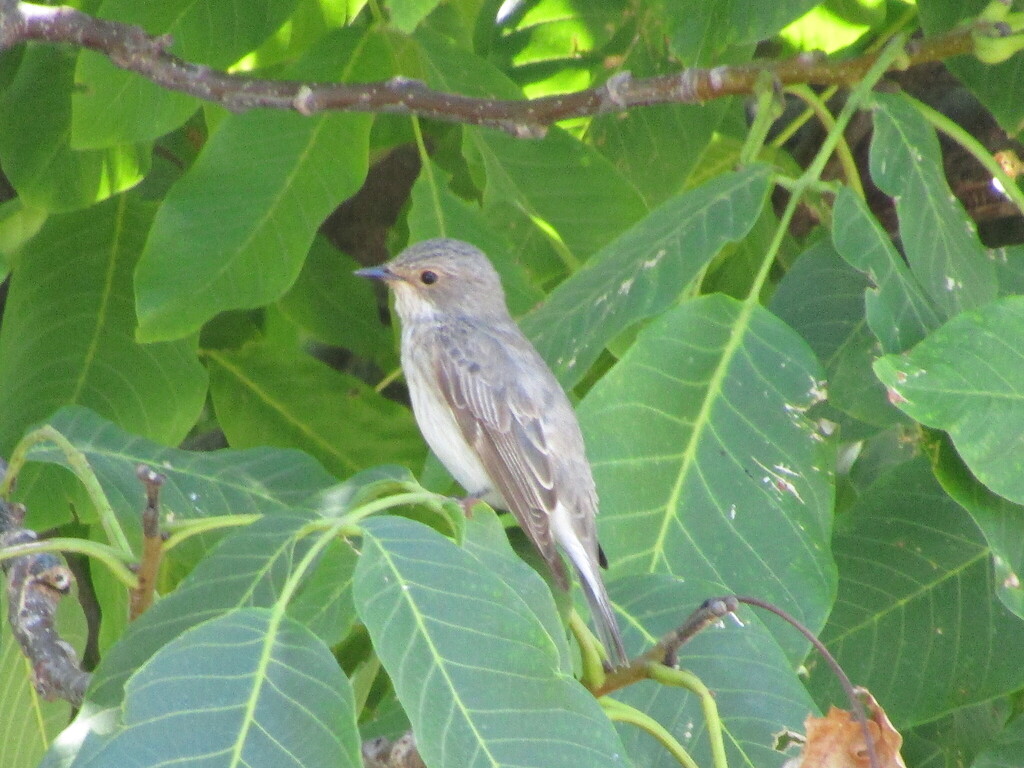
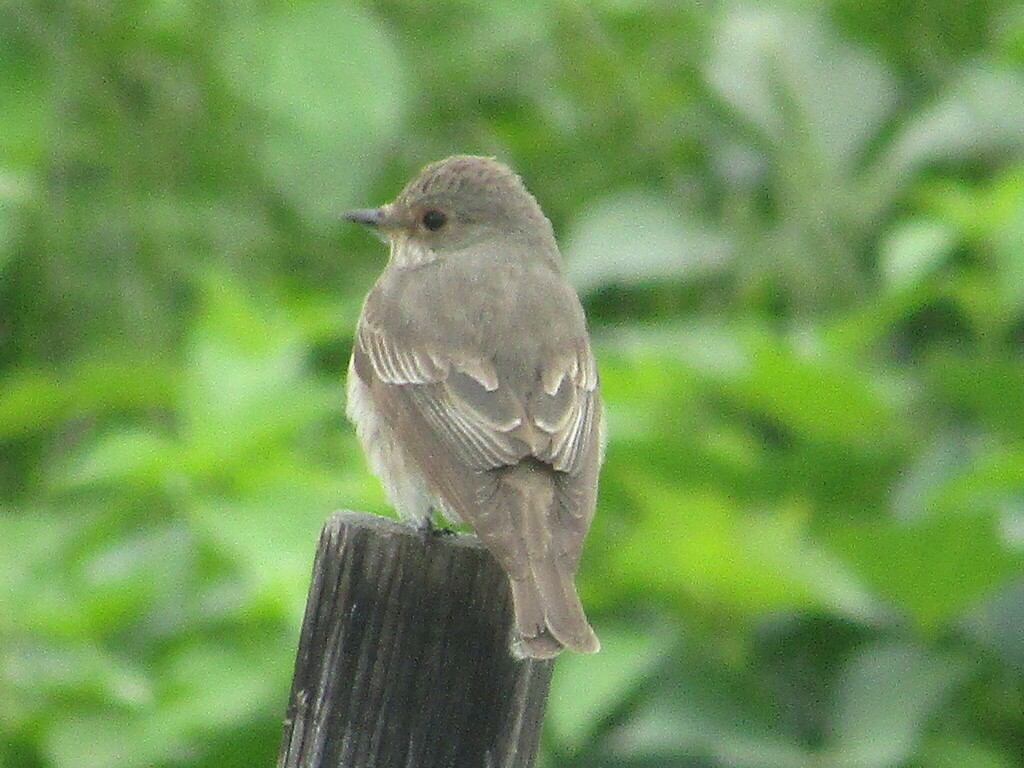
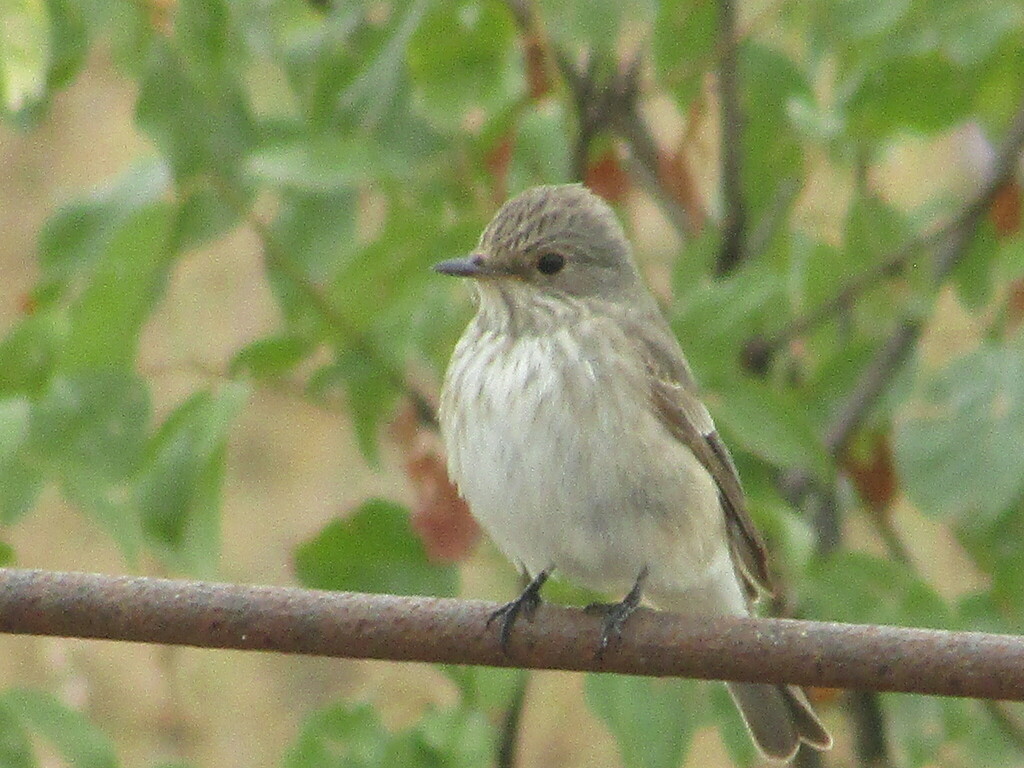
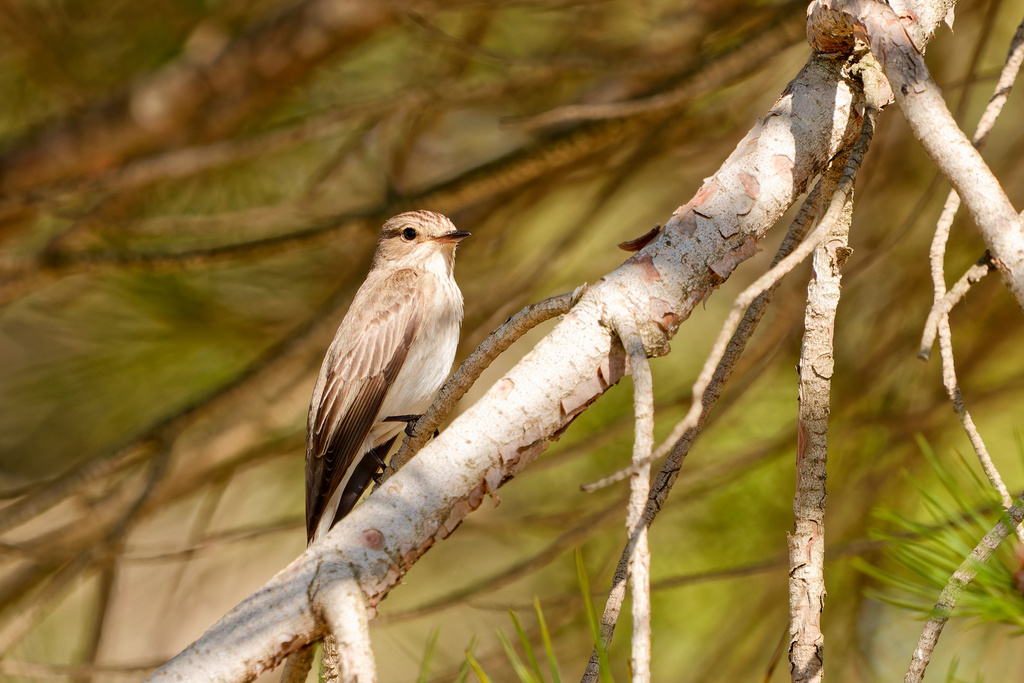
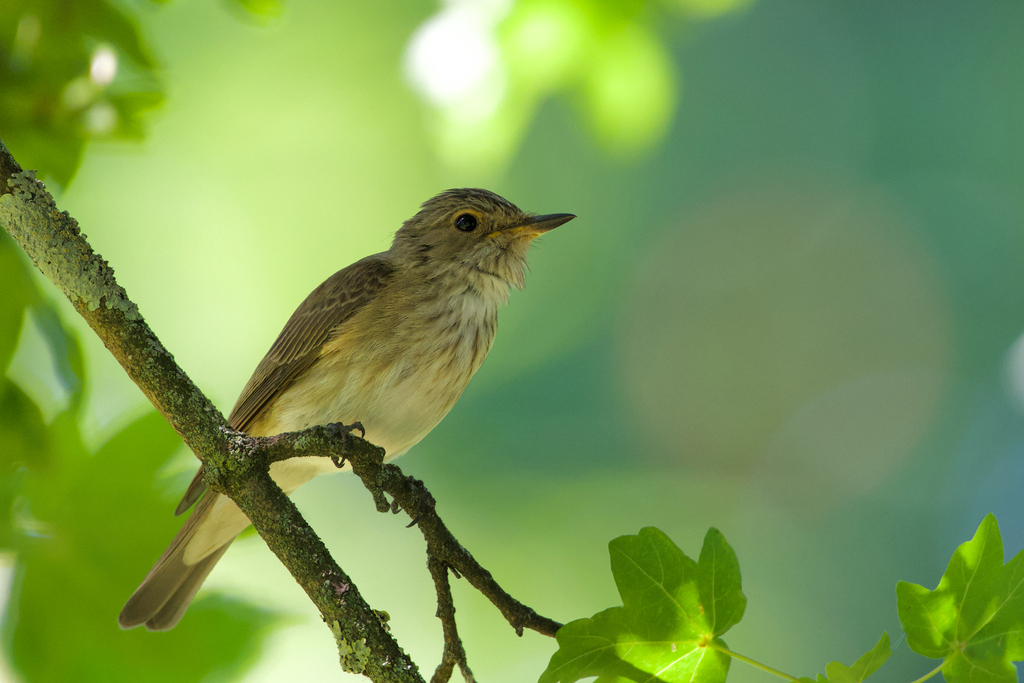
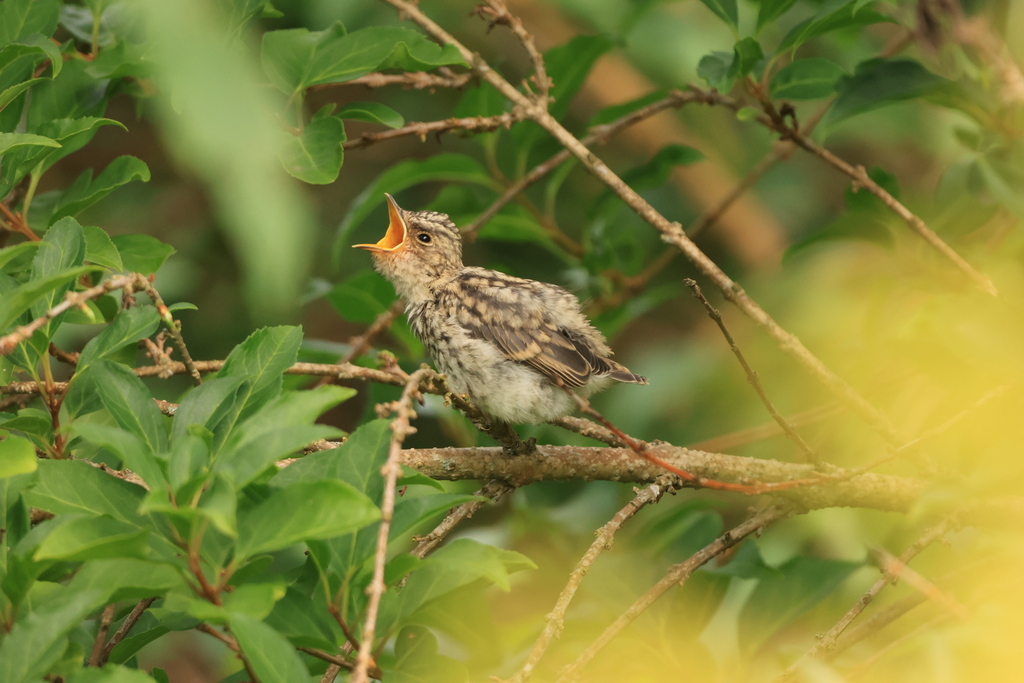
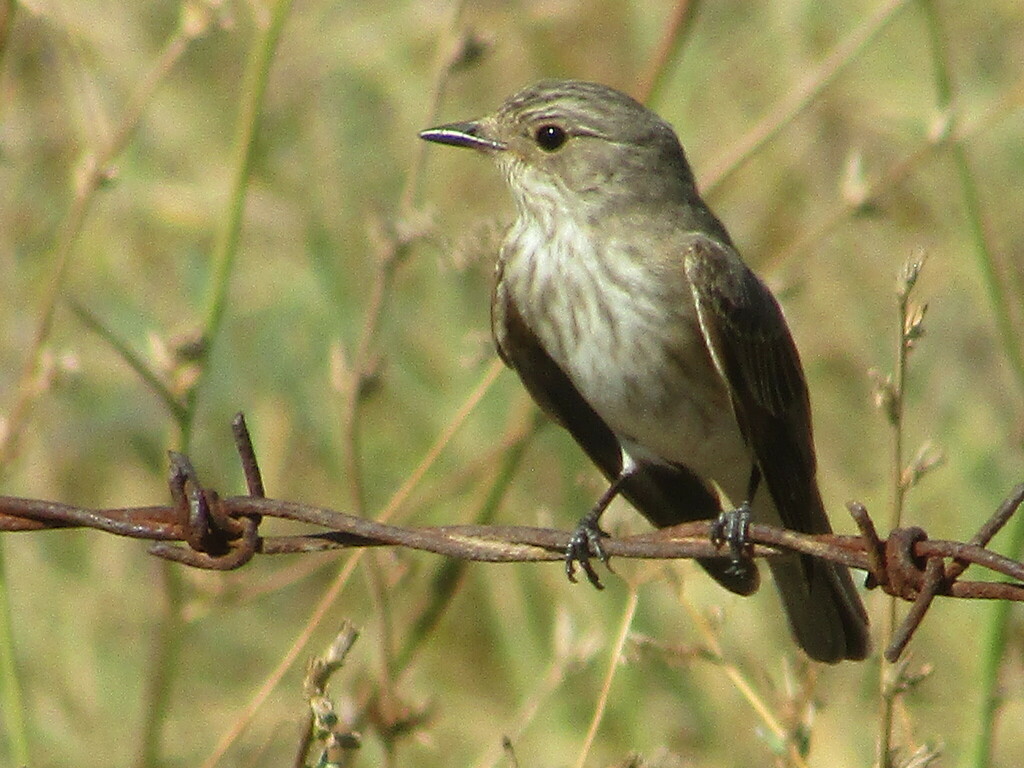
Its closest relatives
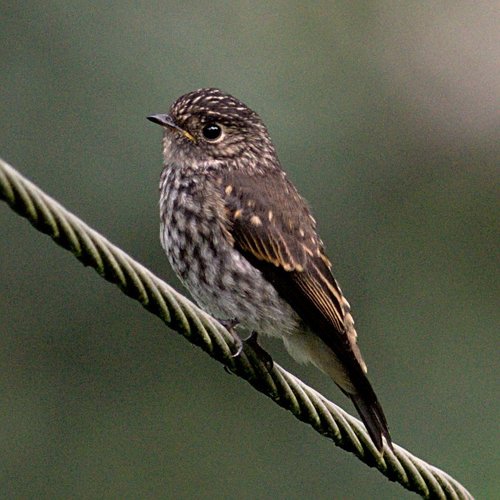
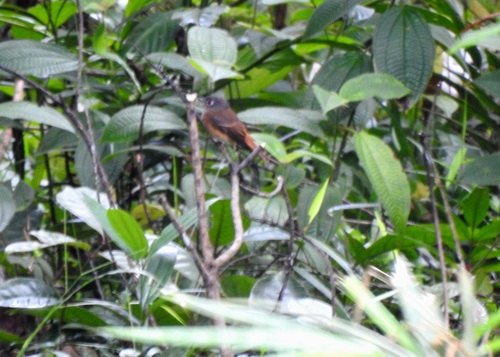
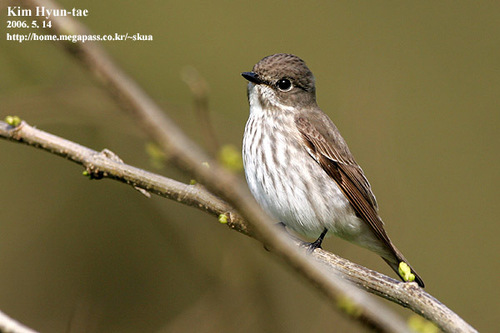
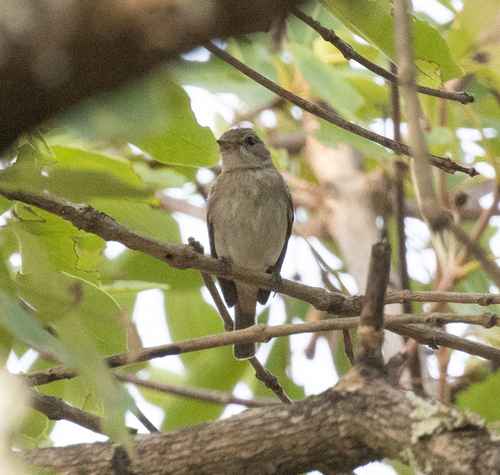
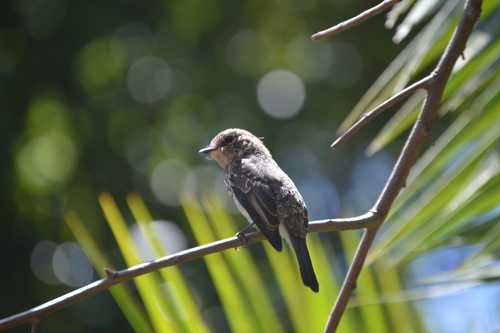
The other species of the genus Muscicapa.

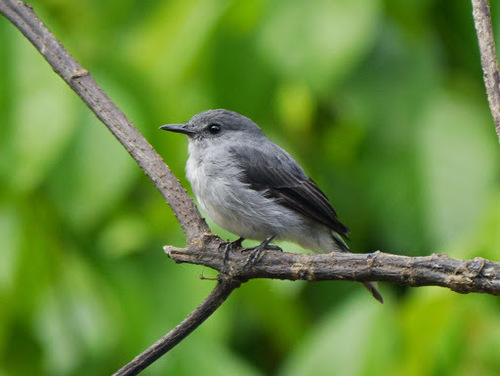
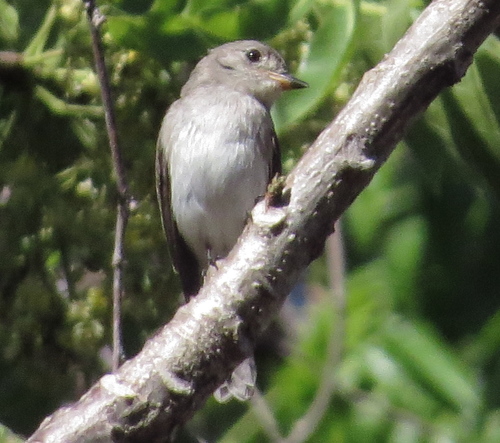
Seen a spotted Flycatcher?
Share your photo on iNaturalist. Other naturalists help confirm it, and the record goes to GBIF, where scientists use it and where the maps on this page come from.
Questions people ask
What does the spotted Flycatcher eat?
The spotted Flycatcher has been recorded eating 1,665 different kinds of animals and plants, most of them insects, plants, snails and slugs and reptiles. The ones recorded most often are six-spot burnet, edible fig, olive, sweet cherry and raspberry; records include animals eaten as carrion. Source: GloBI.
What eats the spotted Flycatcher?
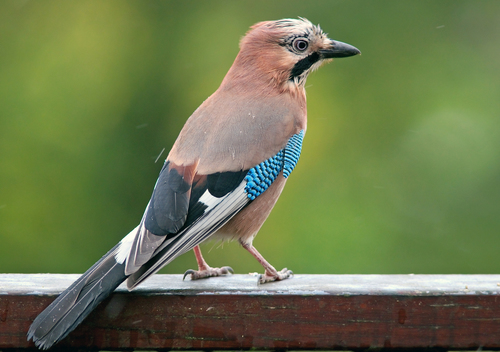
Recorded predators include grey wolf, red fox, northern raven, common cuckoo and eurasian jay. Source: GloBI.
Where does the spotted Flycatcher live?
People have recorded it in 135 countries; the most records come from Spain, United Kingdom, Germany, Portugal and Israel. Records show where people have seen it, not its full range.
When is the spotted Flycatcher seen most?
In the northern hemisphere, the most records are made in September and the fewest in February. More people outdoors also means more records.
What are the spotted Flycatcher's closest relatives?
It shares the genus Muscicapa with dark-sided flycatcher, ferruginous flycatcher, grey-streaked flycatcher, brown-breasted flycatcher and gambaga flycatcher.
Sources and photo credits
- GBIF · Muscicapa striata, 440,218 human observations
- GloBI · recorded interactions of Muscicapa striata
- Wikidata · Spotted Flycatcher (Q26607)
- Spotted Flycatcher (Muscicapa striata): Marton Berntsen, CC BY-SA 4.0
- Spotted Flycatcher (Muscicapa striata): Kudaibergen Amirekul, CC BY-SA 4.0
- Spotted Flycatcher (Muscicapa striata), 4292 Dobri dol, Bulgaria: SteveM4560, CC BY 4.0
- Spotted Flycatcher (Muscicapa striata), 4292 Dobri Dol, Bulgaria: SteveM4560, CC BY 4.0
- Spotted Flycatcher (Muscicapa striata), 4292 Dobri Dol, Bulgaria: SteveM4560, CC BY 4.0
- Spotted Flycatcher (Muscicapa striata), Plazhi San Pietro, Albania: Donsky, CC BY 4.0
- Spotted Flycatcher (Muscicapa striata), 4127 Birsfelden, Switzerland: Codrin Bucur, CC BY 4.0
- Spotted Flycatcher (Muscicapa striata), 4791 Borre, Dänemark: Ole N., CC BY 4.0
- Spotted Flycatcher (Muscicapa striata), 4292 Dobri Dol, Bulgaria: SteveM4560, CC BY 4.0
- Six-spot burnet: Kostas Zontanos, CC BY 4.0
- Edible fig: Drepanostoma, CC BY 4.0
- Olive: zebedeugalinha, CC BY 4.0
- Sweet cherry: hedera.baltica, CC BY-SA 4.0
- Raspberry: Ole Husby, CC BY-SA 4.0
- Blackthorn: Pavel Kacl, CC BY 4.0
- Black currant: Salicyna, CC BY-SA 4.0
- Dog rose: no rights reserved, uploaded by gianluigi, CC0
- Red currant: Grzegorz Grzejszczak, CC BY-SA 4.0
- Elder: Attila Oláh, CC BY 4.0
- English yew: Douglas Goldman, CC BY-SA 4.0
- Rowan: Hans Kylberg, CC BY 4.0
- Grey wolf: Andrew Simon, CC BY 4.0
- Red fox: Алина Урусова, CC BY 4.0
- Northern raven: xulescu_g, CC BY-SA 4.0
- Common cuckoo: no rights reserved, uploaded by Юрий Носков, CC0
- Eurasian jay: Luc Viatour, CC BY-SA 4.0
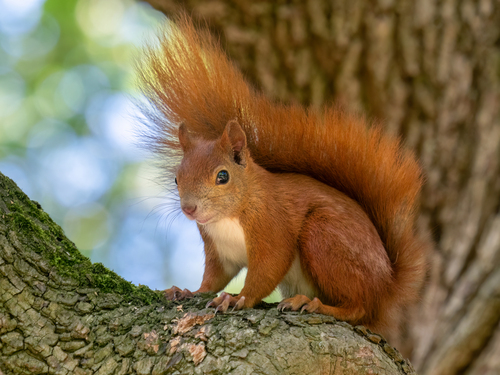
- Eurasian red squirrel: Rhododendrites, CC BY-SA 4.0
- Peregrine falcon: Shirley Zundell, CC BY 4.0
- Dark-sided flycatcher: Ramnarayan K, CC BY 4.0
- Ferruginous flycatcher: lunarjade, CC BY 4.0
- Grey-streaked flycatcher: Kim, Hyun-tae, CC BY 4.0
- Brown-breasted flycatcher: Chung Kiu, Ryan Cheng, CC BY-SA 4.0
- Gambaga flycatcher: avocat, CC BY 4.0
- African dusky flycatcher: no rights reserved, CC0
- Cassin's flycatcher: 116916927065934112165, CC BY 4.0
- Sumba brown flycatcher: Christoph Moning, algunos derechos reservados (CC BY), subido por Christoph Moning, CC BY 4.0
Records show where people have seen and shared the spotted Flycatcher, not its full range, and some countries and months are recorded far more than others. The food web lists interactions that studies have recorded somewhere in the world (GloBI), not everything it eats in one place.
Checked 2026-11-24.