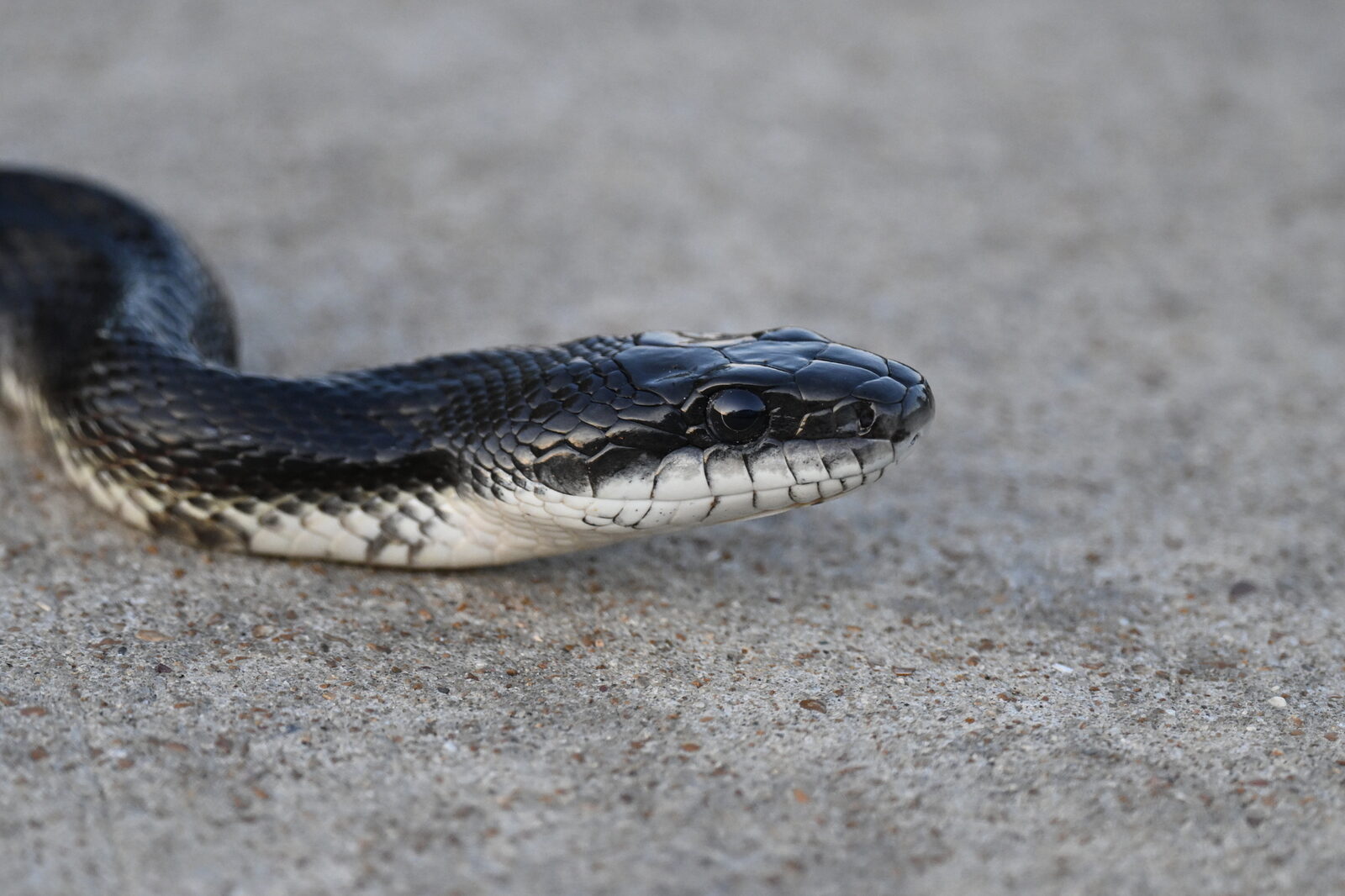
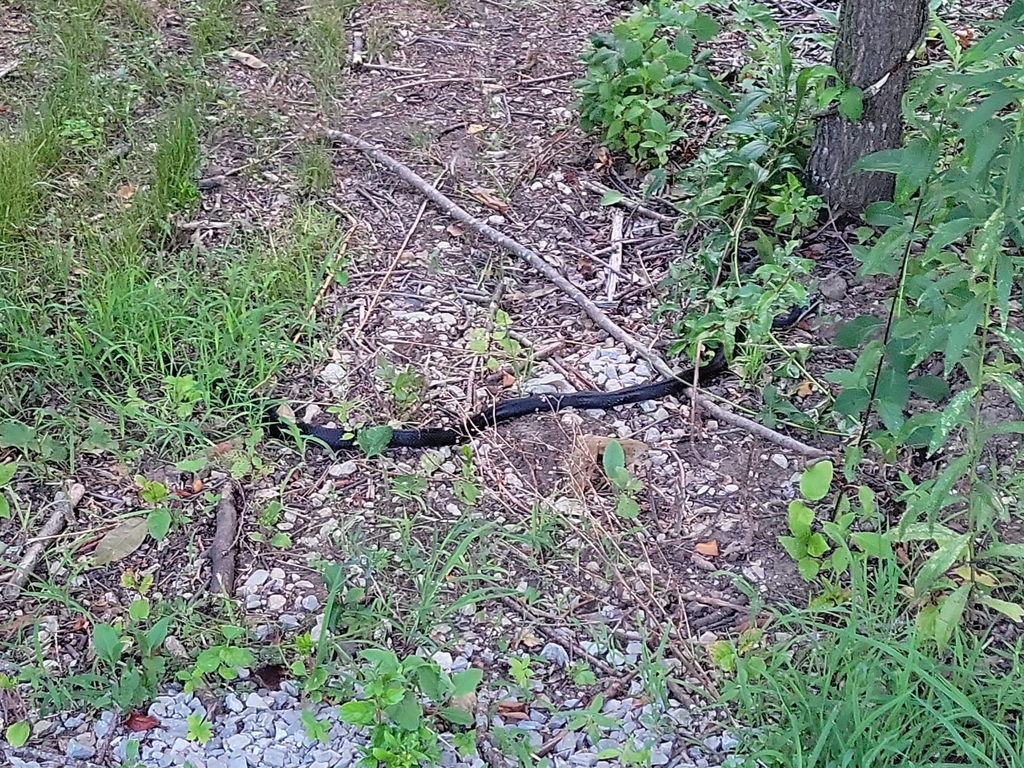
Western Ratsnake
Pantherophis obsoletus
- Status
- Least Concern IUCN Red List
- Eats
- eastern cottontail, blue jay, American robin and 56 more
- Where
- 1 countries
People have shared 19,586 records of the Western Ratsnake with GBIF, from 1 countries, most of them from United States. Records collected by GloBI show it eating 59 different kinds of animals and plants, and being eaten by 13.
In the northern hemisphere, people record it most in May and least in January. It belongs to the genus Pantherophis in the family Colubridae.
What the western Ratsnake eats, and what eats it
Studies have recorded it eating 59 kinds of animals and plants, and 13 kinds of animals eating it. Tap any of them to follow the food chain.
- Birds 31
- Mammals 17
- Reptiles 6
- Amphibians 4
Eaten by
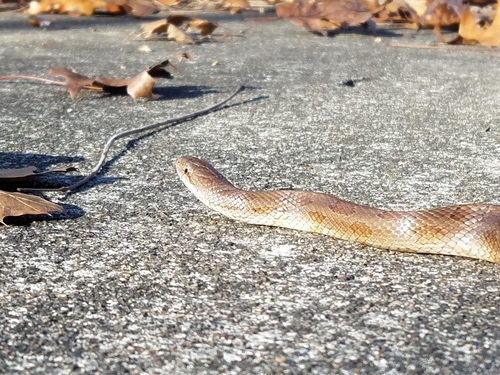 Western Ratsnake
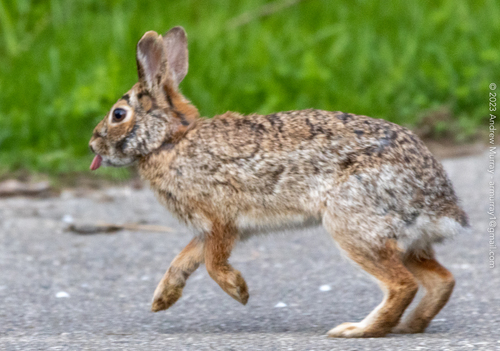
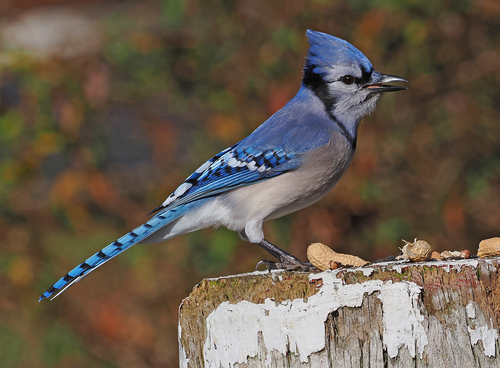
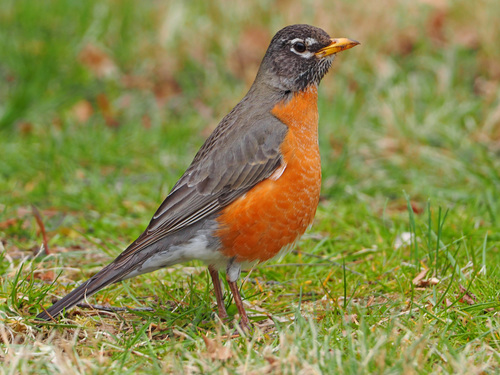
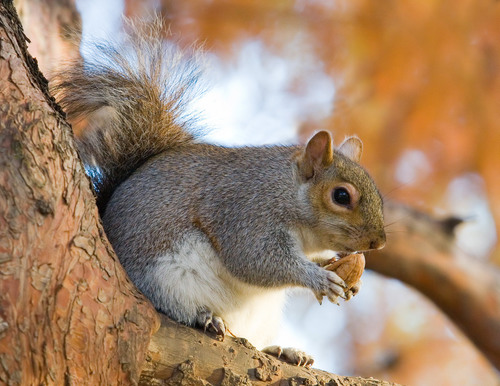
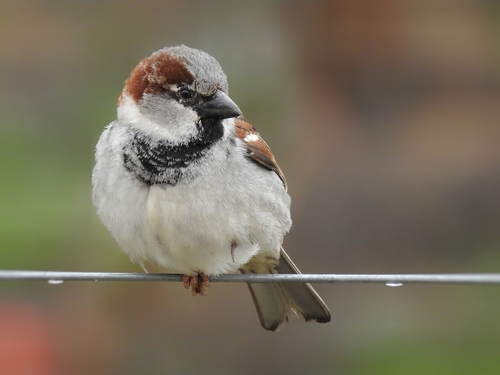
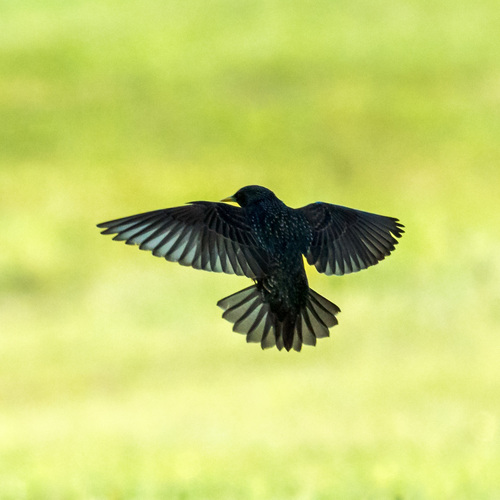
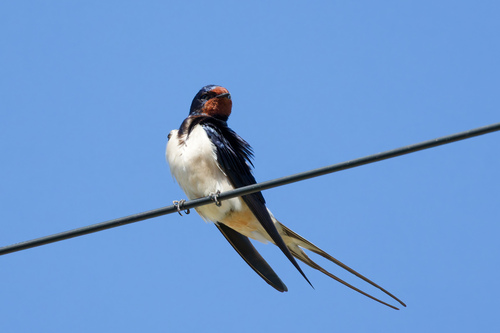
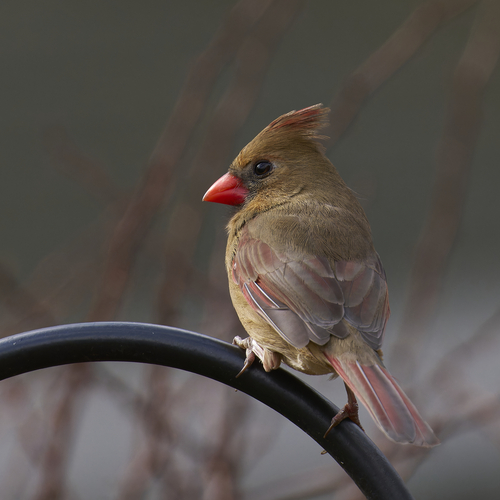
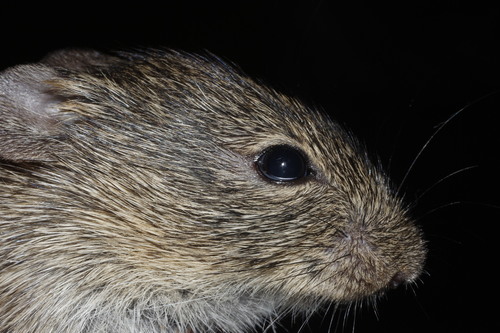
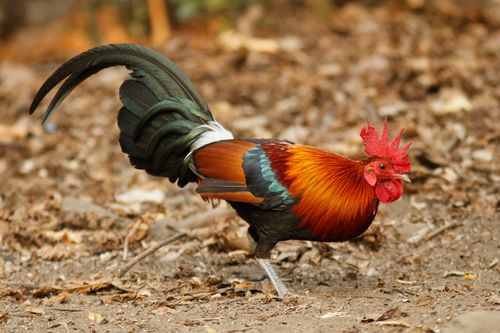
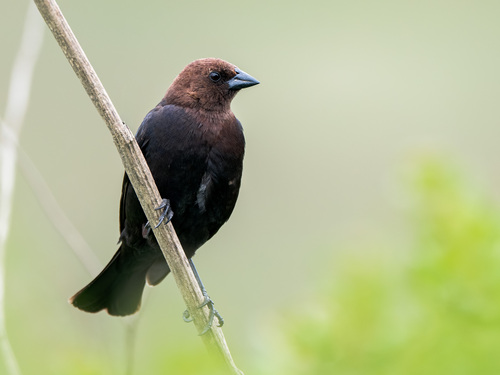
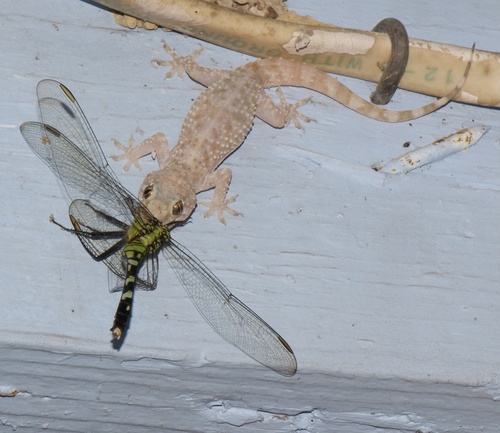
Records from studies worldwide, collected by GloBI. They include animals eaten as carrion, and they are not everything it eats in one place.
Where people see the western Ratsnake
People have shared 19,586 records from 1 countries.
Records show where people have seen it and shared it, not its full range. Country names open their page in Atlas.
When it is seen
Records per month in the northern hemisphere. More people outdoors also means more records.
Watch and listen
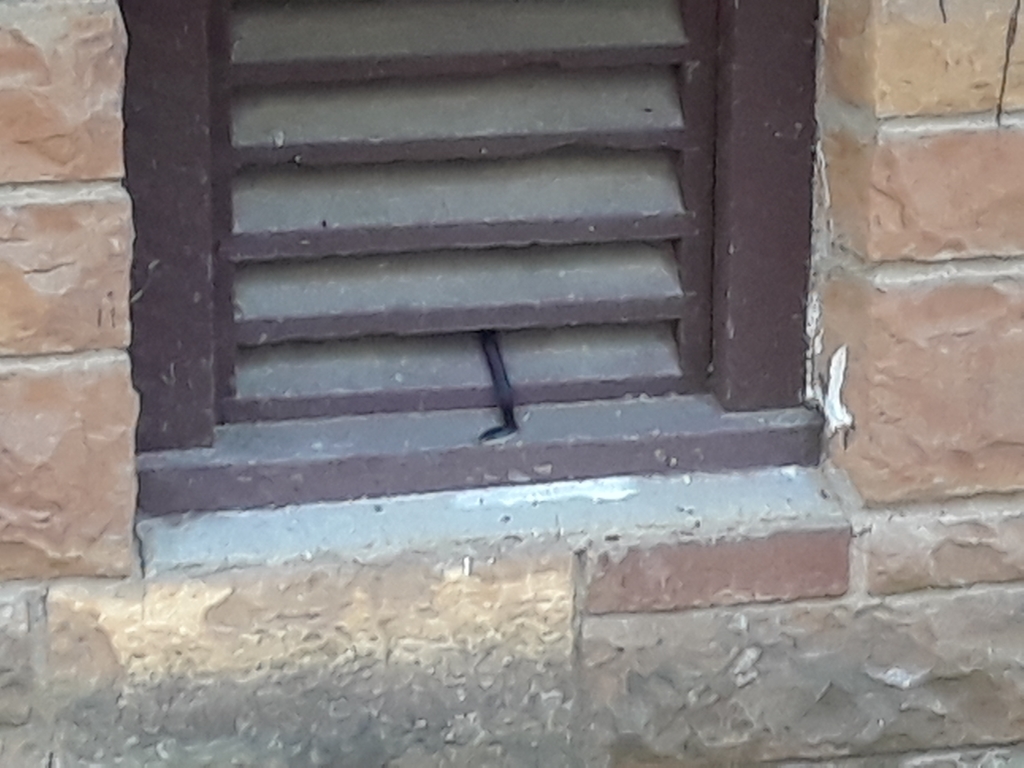
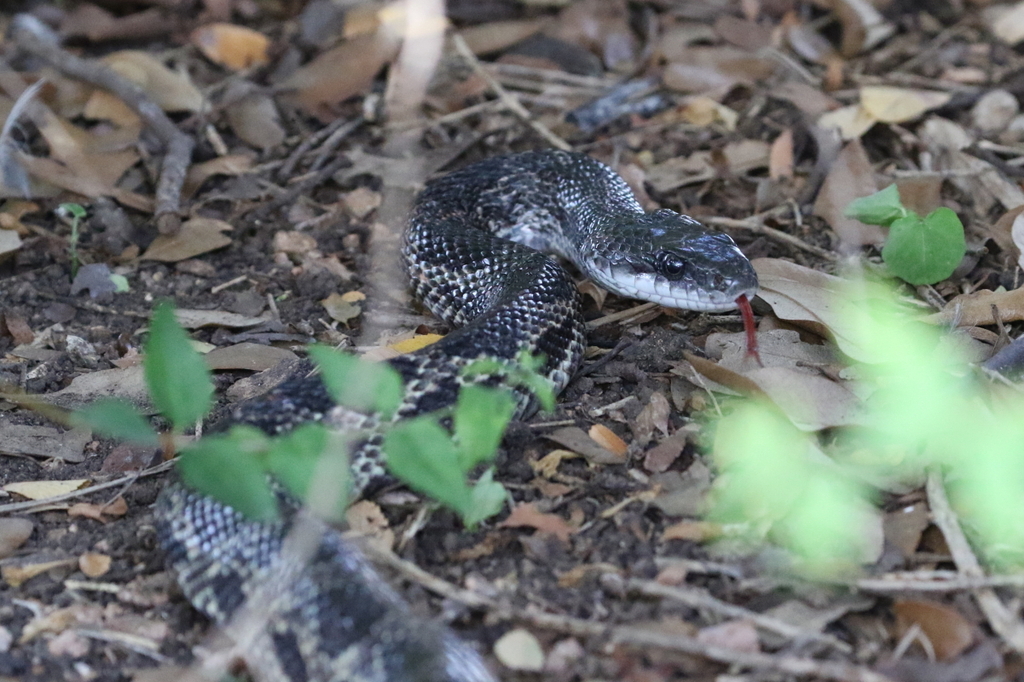
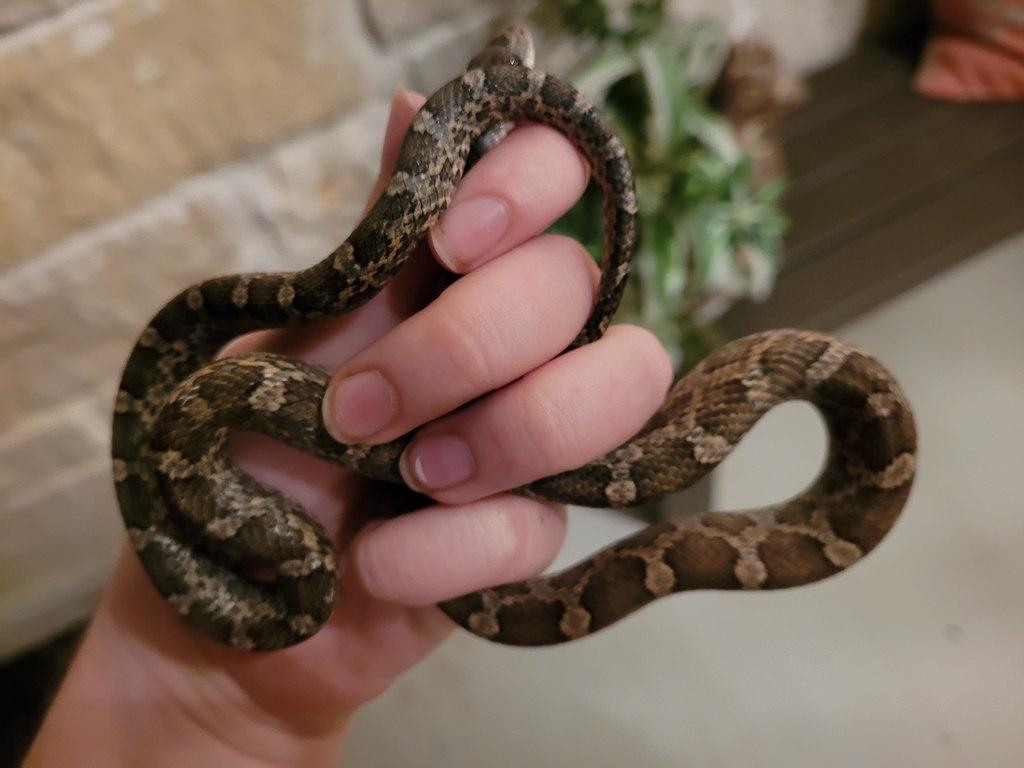
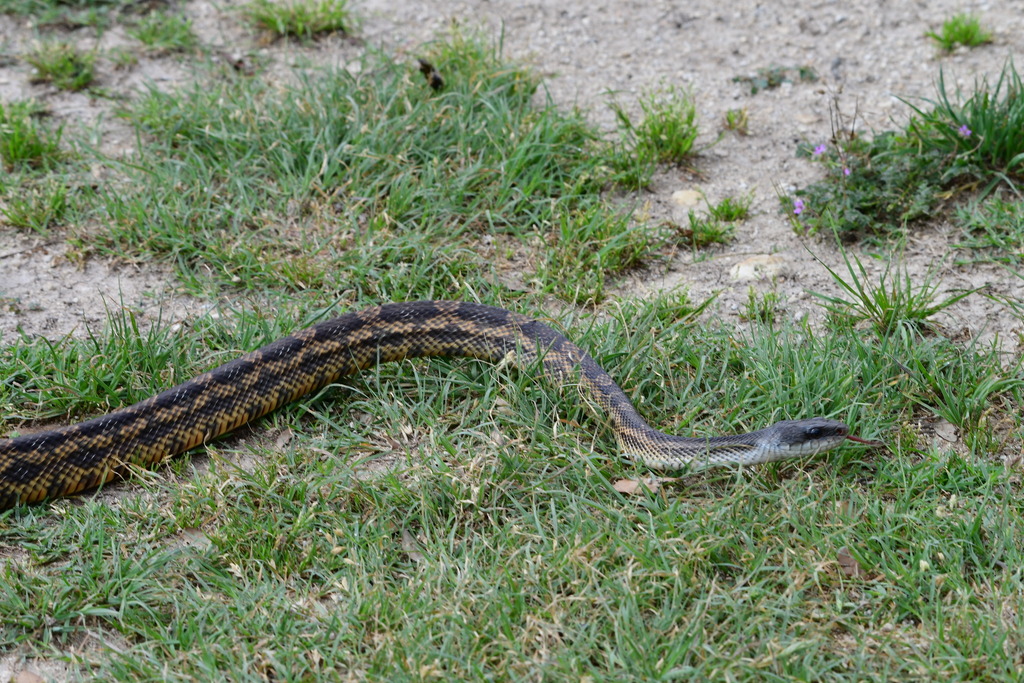
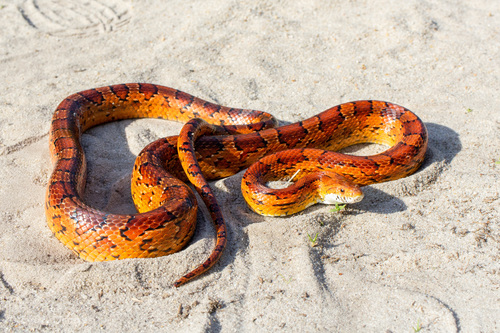
Its closest relatives
The other species of the genus Pantherophis.
Seen a western Ratsnake?
Share your photo on iNaturalist. Other naturalists help confirm it, and the record goes to GBIF, where scientists use it and where the maps on this page come from.
Put this species on your site
The card names every source and links back here.
<iframe src="https://4planetatlas.com/place/embed/species/western-ratsnake" title="Western Ratsnake (Pantherophis obsoletus), 4PLANET Species" width="100%" height="600" style="border:0;max-width:640px" loading="lazy"></iframe>
<p><a href="https://4species.com/western-ratsnake">Western Ratsnake on 4PLANET Species</a></p>Questions people ask
What does the Western Ratsnake eat?
The Western Ratsnake has been recorded eating 59 different kinds of animals and plants, most of them birds, mammals, reptiles and amphibians. The ones recorded most often are eastern cottontail, blue jay, american robin, eastern gray squirrel and house sparrow; records include animals eaten as carrion. Source: GloBI.
What eats the Western Ratsnake?
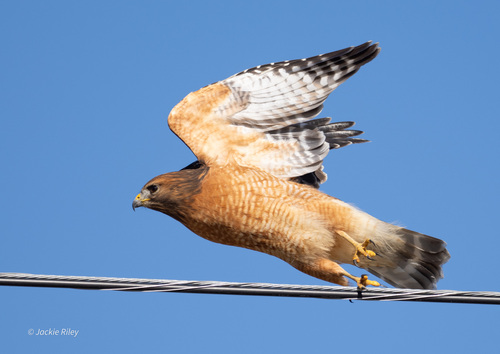
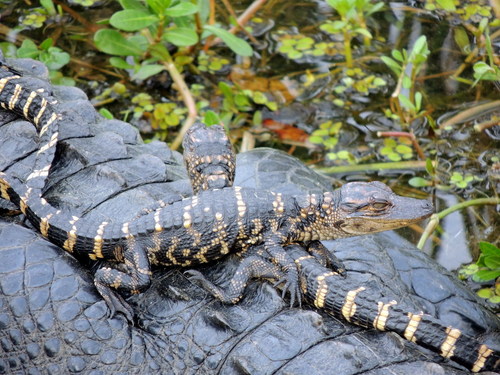
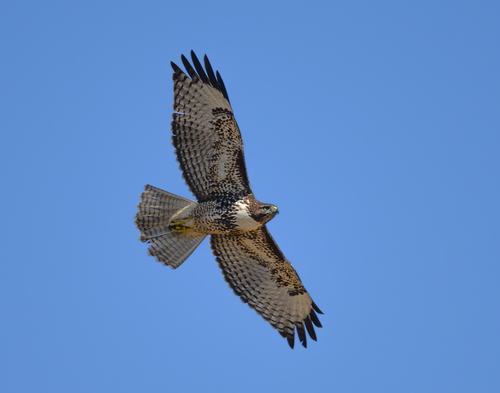
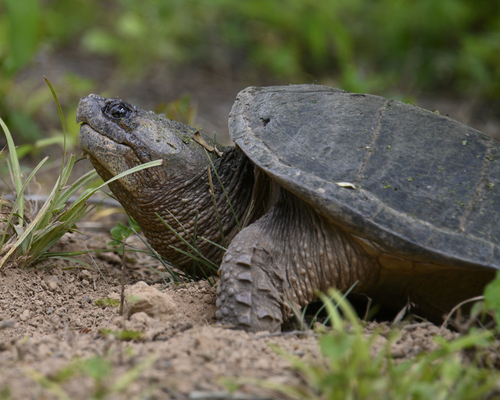
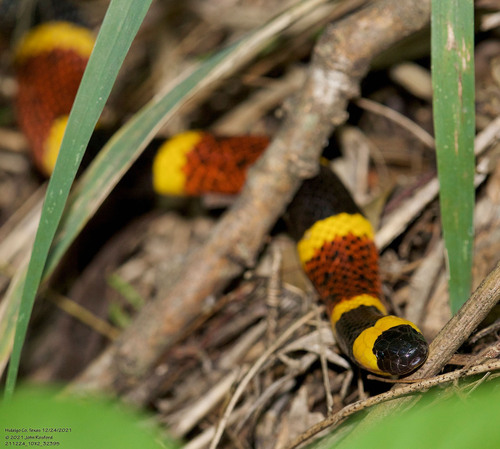
Recorded predators include red-shouldered hawk, american alligator, red-tailed hawk, common snapping turtle and texas coral snake. Source: GloBI.
Where does the Western Ratsnake live?
People have recorded it in 1 countries; the most records come from United States. Records show where people have seen it, not its full range.
When is the Western Ratsnake seen most?
In the northern hemisphere, the most records are made in May and the fewest in January. More people outdoors also means more records.
What are the Western Ratsnake's closest relatives?
It shares the genus Pantherophis with corn snake.
Sources and photo credits
- GBIF · Pantherophis obsoletus, 19,586 human observations
- GloBI · recorded interactions of Pantherophis obsoletus
- Wikidata · Western Ratsnake (Q998324)
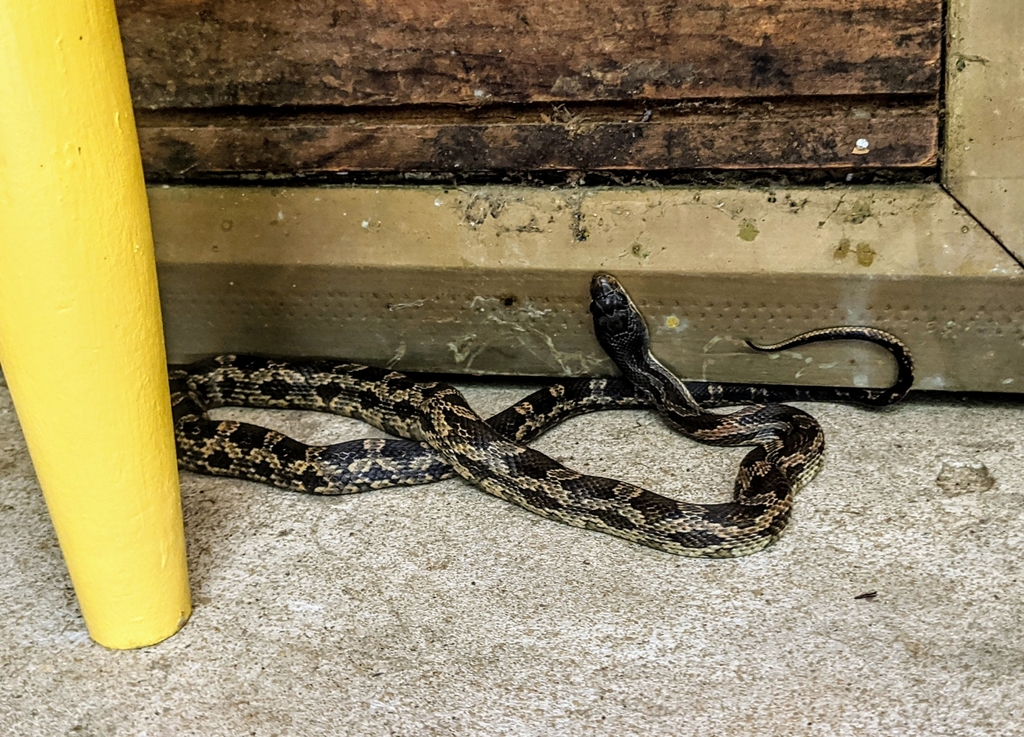
- Western Ratsnake (Pantherophis obsoletus): Chrissy McClarren and Andy Reago, CC0
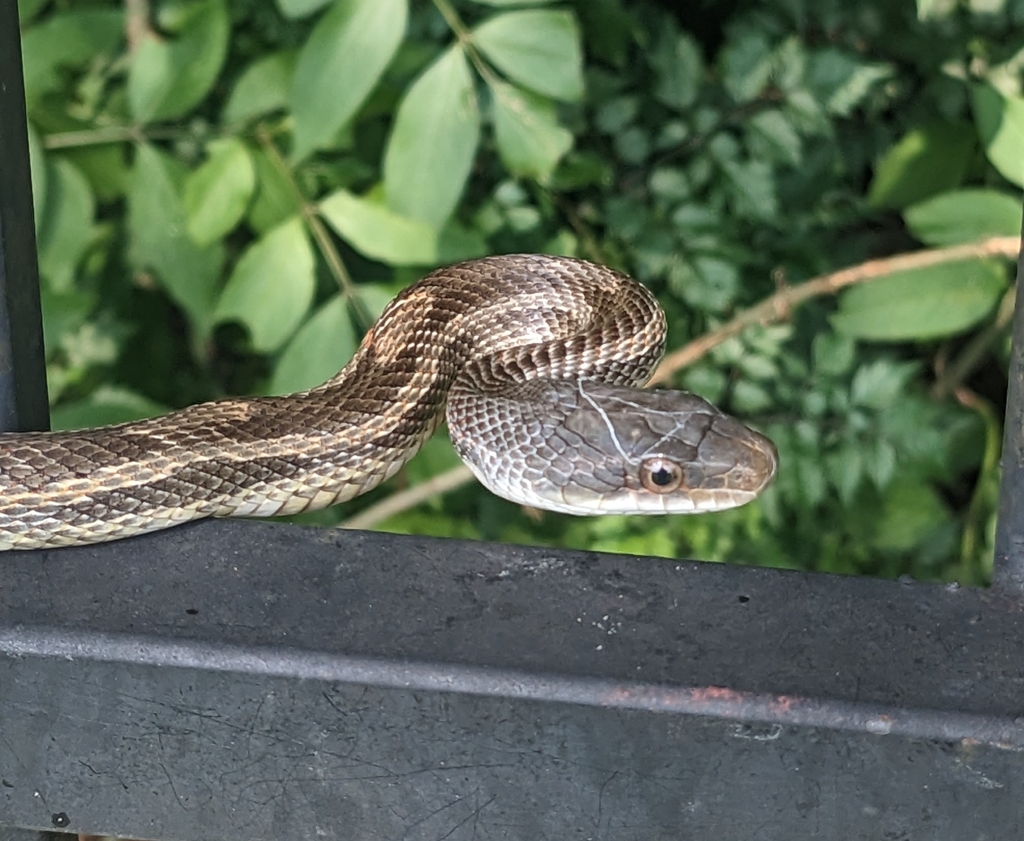
- Western Ratsnake (Pantherophis obsoletus), Texas, US: P.G.Th❤️mas, CC BY 4.0
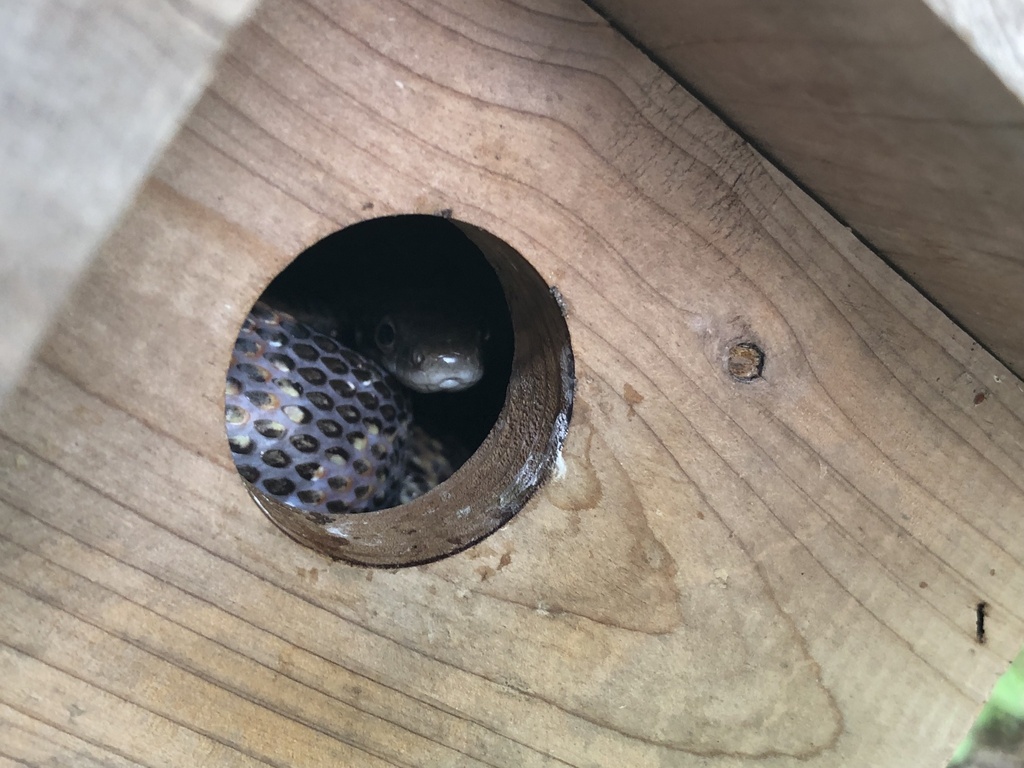
- Western Ratsnake (Pantherophis obsoletus), Texas, US: Ainsley, CC BY 4.0
- Western Ratsnake (Pantherophis obsoletus), Old Fort Gates Rd, Gatesville, TX, US: EJ Burns, CC BY 4.0
- Western Ratsnake (Pantherophis obsoletus), Washington Township, MO, USA: florawhite, CC BY 4.0
- Western Ratsnake (Pantherophis obsoletus), Williamson County, TX, USA: Brooke Smith, CC BY 4.0
- Western Ratsnake (Pantherophis obsoletus), Bastrop County, US-TX, US: Morgan Hay, CC BY 4.0
- Western Ratsnake (Pantherophis obsoletus), Kendall County, TX, USA: Cody Stricker, CC BY 4.0
- Western Ratsnake (Pantherophis obsoletus), Missouri, US: Anne Coleman, CC BY 4.0
- Eastern cottontail: Andrew Murray, CC BY 4.0
- Blue jay: Judy Gallagher, CC BY 4.0
- American robin: Judy Gallagher, CC BY 4.0
- Eastern gray squirrel: Diliff, CC BY-SA 4.0
- House sparrow: Esteban Poveda, CC BY 4.0
- Common starling: Shiva Shenoy, CC BY 4.0
- Barn swallow: Donald Davesne, CC BY 4.0
- Northern cardinal: Paul Danese, CC BY-SA 4.0
- Hispid cotton rat: Juan Cruzado Cortés, CC BY-SA 4.0
- Red junglefowl: Julien Renoult, CC BY 4.0
- Brown-headed cowbird: cello caruso-turiello, CC BY 4.0
- Mediterranean house gecko: Shannon Stoner, CC BY 4.0
- Red-shouldered hawk: Jackie Riley, CC BY 4.0
- American alligator: no rights reserved, uploaded by Vijay Barve, CC0
- Red-tailed hawk: no rights reserved, uploaded by Claude Lyneis, CC0
- Common snapping turtle: lwolfartist, CC BY 4.0
- Texas coral snake: John Rosford, CC BY 4.0
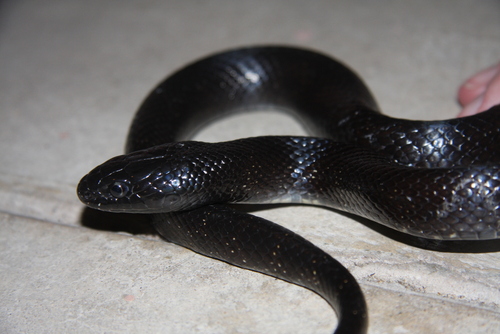
- Desert kingsnake: Ann McKenzie, CC0
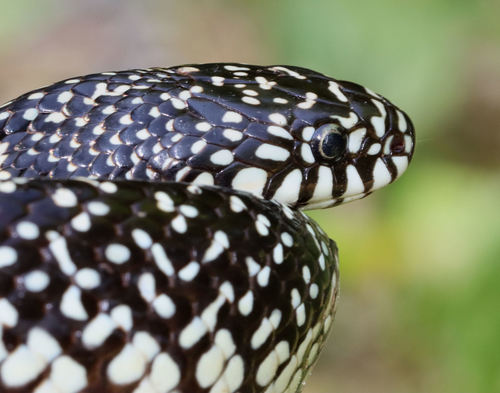
- Speckled kingsnake: Gordon C. Snelling, CC BY 4.0
- Prairie kingsnake: Paul O'Donnell, CC BY 4.0
- Corn snake: evangrimes, CC BY 4.0
Records show where people have seen and shared the Western Ratsnake, not its full range, and some countries and months are recorded far more than others. The food web lists interactions that studies have recorded somewhere in the world (GloBI), not everything it eats in one place.
Checked 2026-11-28.