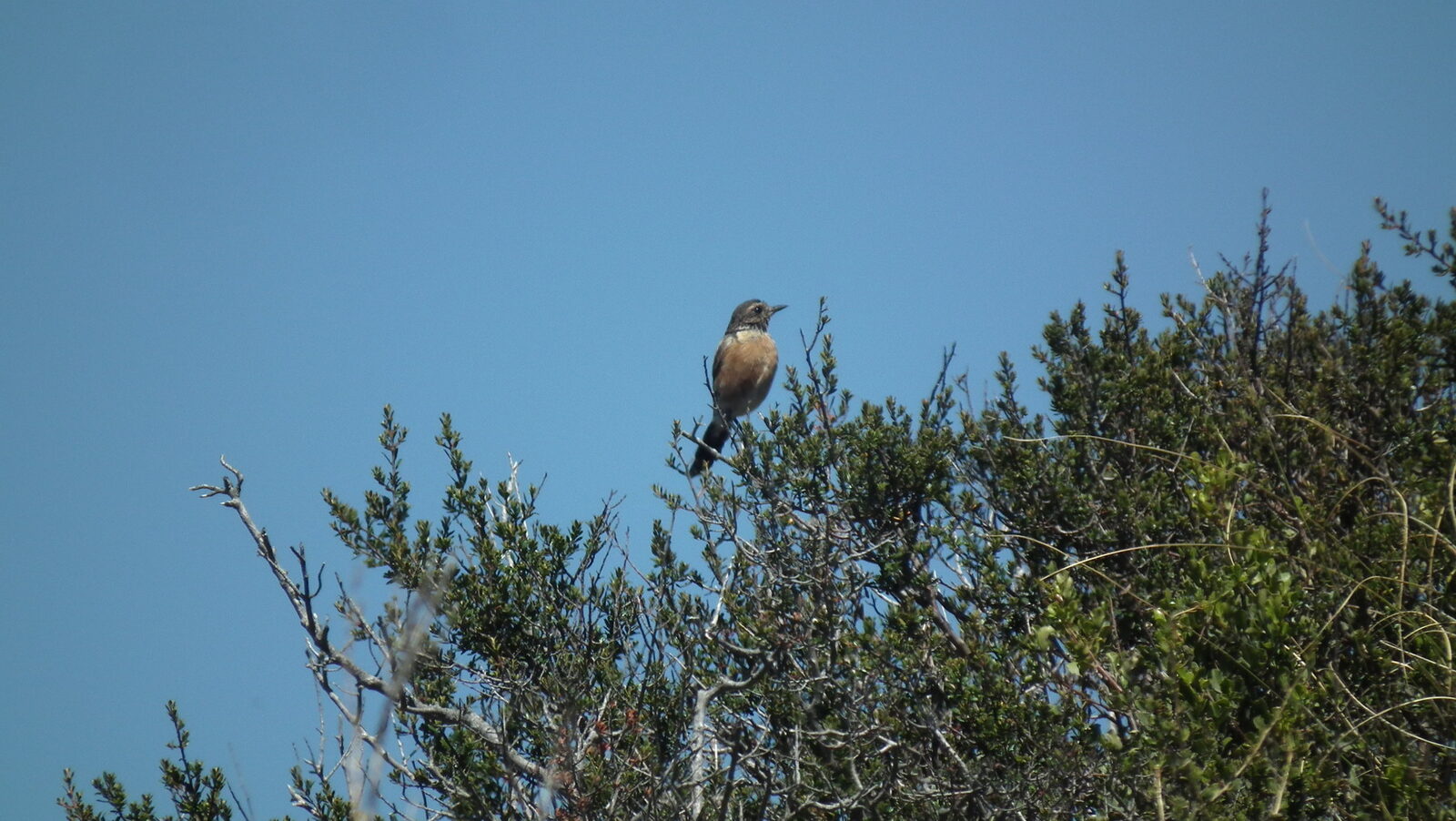
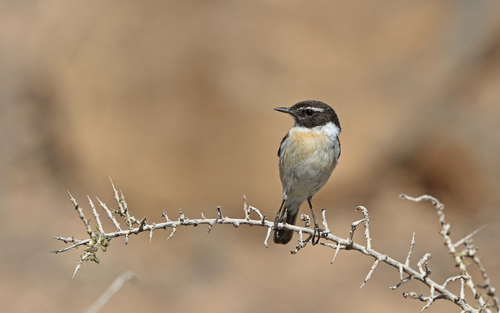
African stonechat
Saxicola torquatus
- Status
- Least Concern IUCN Red List
- Eats
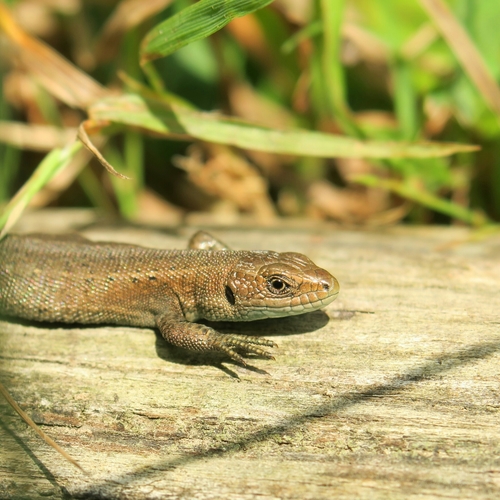
- viviparous lizard, sand lizard, dwarf elder and 1,720 more
- Eaten by
- grey wolf, red fox, northern raven
- Where
- 34 countries
On 4Planet Atlas it is among the wildlife people record most around Antananarivo, Bloemfontein and Gitega, and 11 more of the cities we cover.
People have shared 62,975 records of the African stonechat with GBIF, from 34 countries, most of them from South Africa, Madagascar and Tanzania. Records collected by GloBI show it eating 1,723 different kinds of animals and plants, and being eaten by 45.
What the African stonechat eats, and what eats it
Studies have recorded it eating 1,723 kinds of animals and plants, and 45 kinds of animals eating it. Tap any of them to follow the food chain.
- Insects 1,203
- Reptiles 104
- Plants 63
- Snails and slugs 4
Eaten by



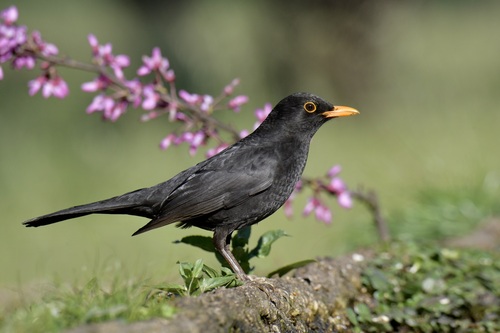
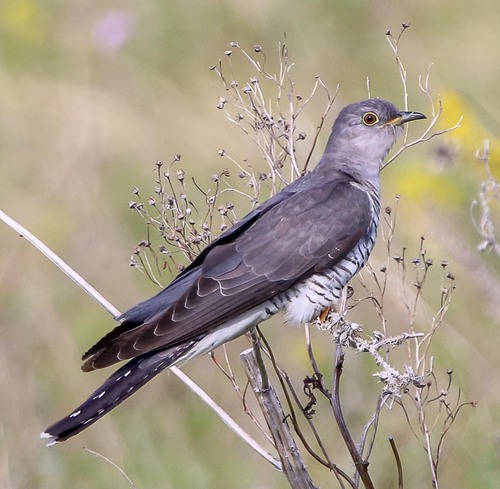
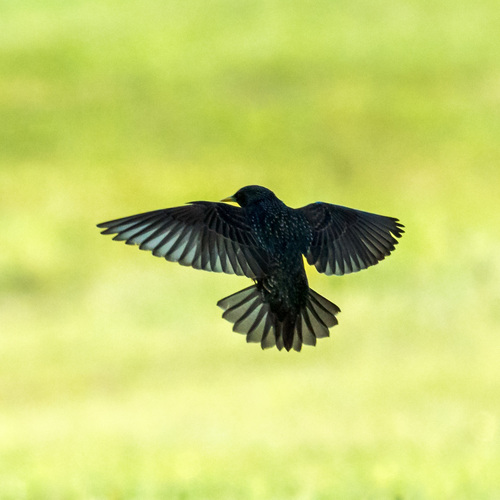
 African stonechat

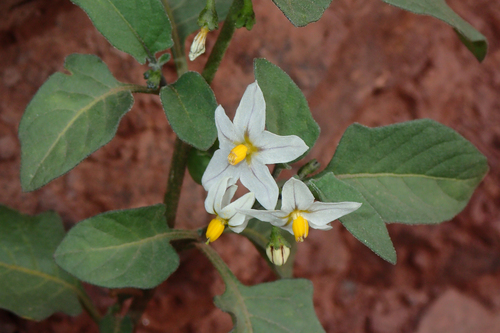
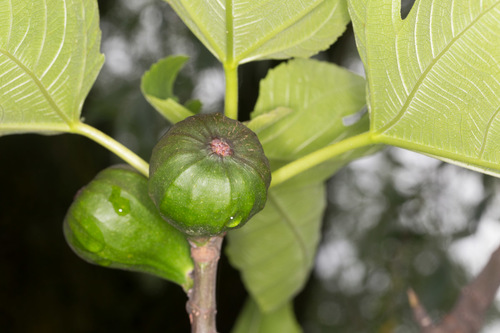
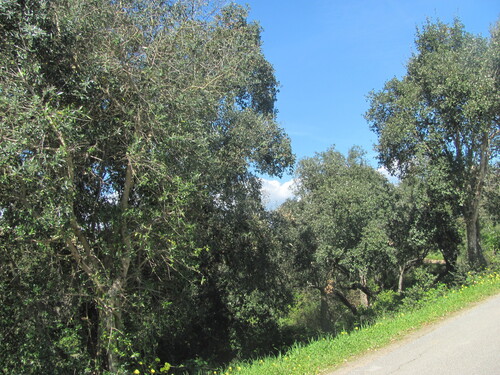
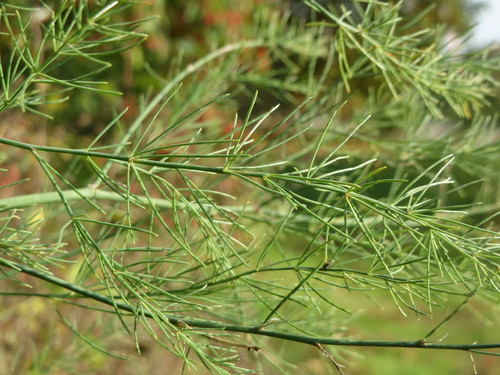
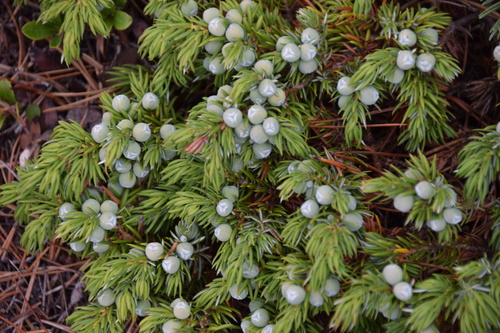
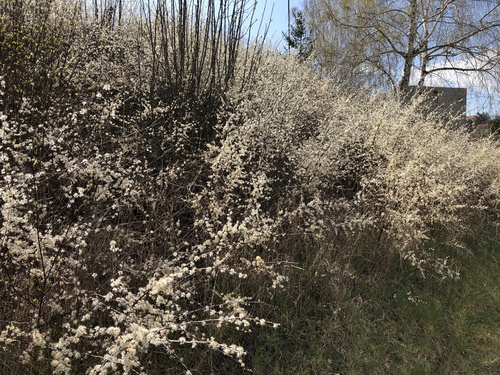
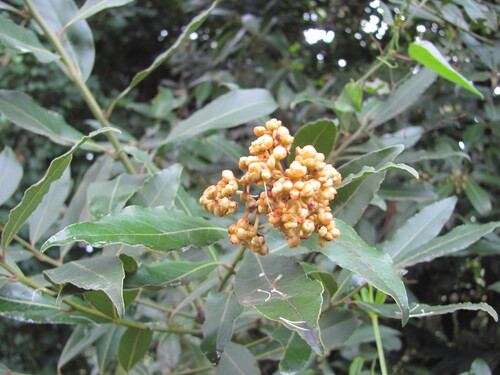
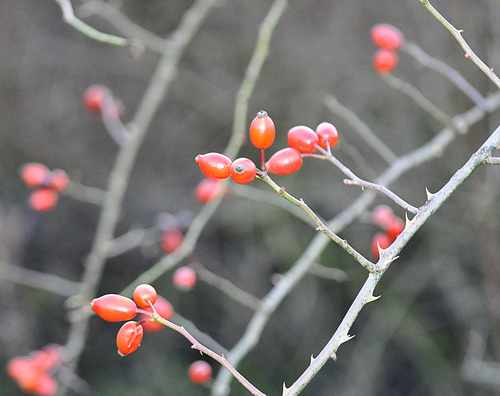
Records from studies worldwide, collected by GloBI. They include animals eaten as carrion, and they are not everything it eats in one place.
Where people see the African stonechat
People have shared 62,975 records from 34 countries.
Near a city: Antananarivo, Bloemfontein, Gitega, Harare, Kigali, Libreville, Lilongwe, Lobamba, Maputo, Maseru, Mbabane, Moroni, Pretoria, Rome.
Records show where people have seen it and shared it, not its full range. Country names open their page in Atlas.
When it is seen
Records per month in the southern hemisphere. More people outdoors also means more records.
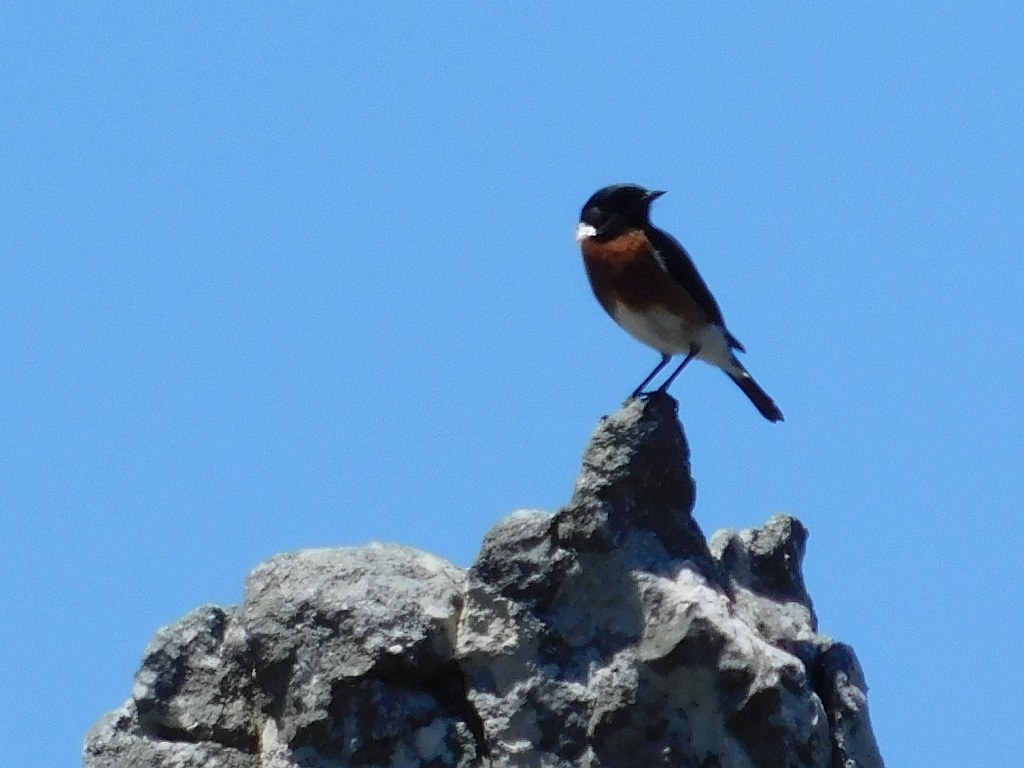
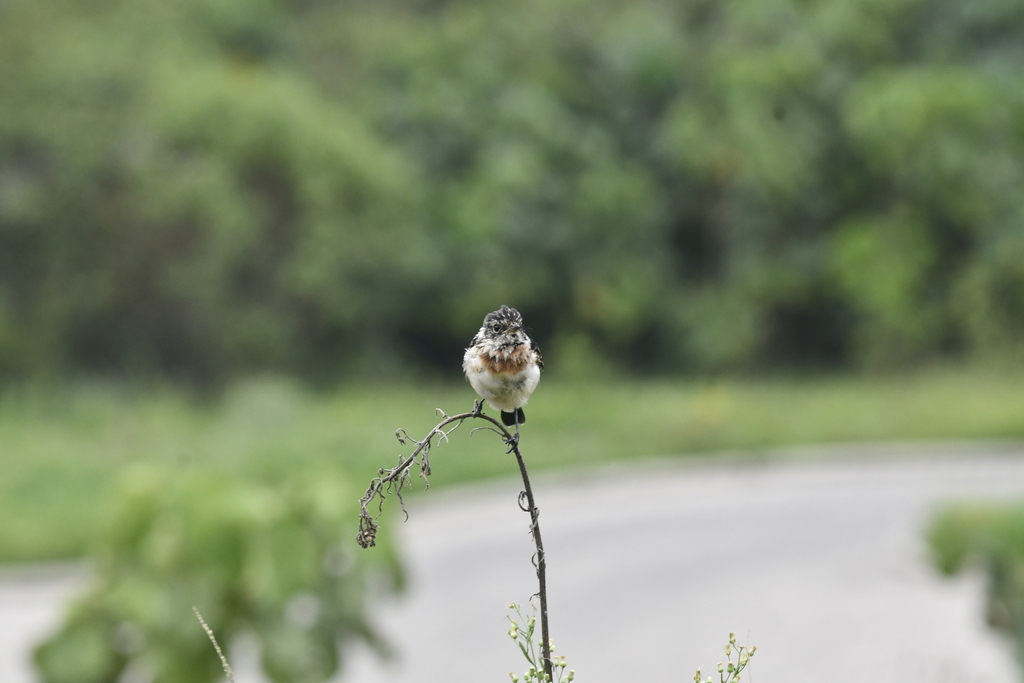
Watch and listen
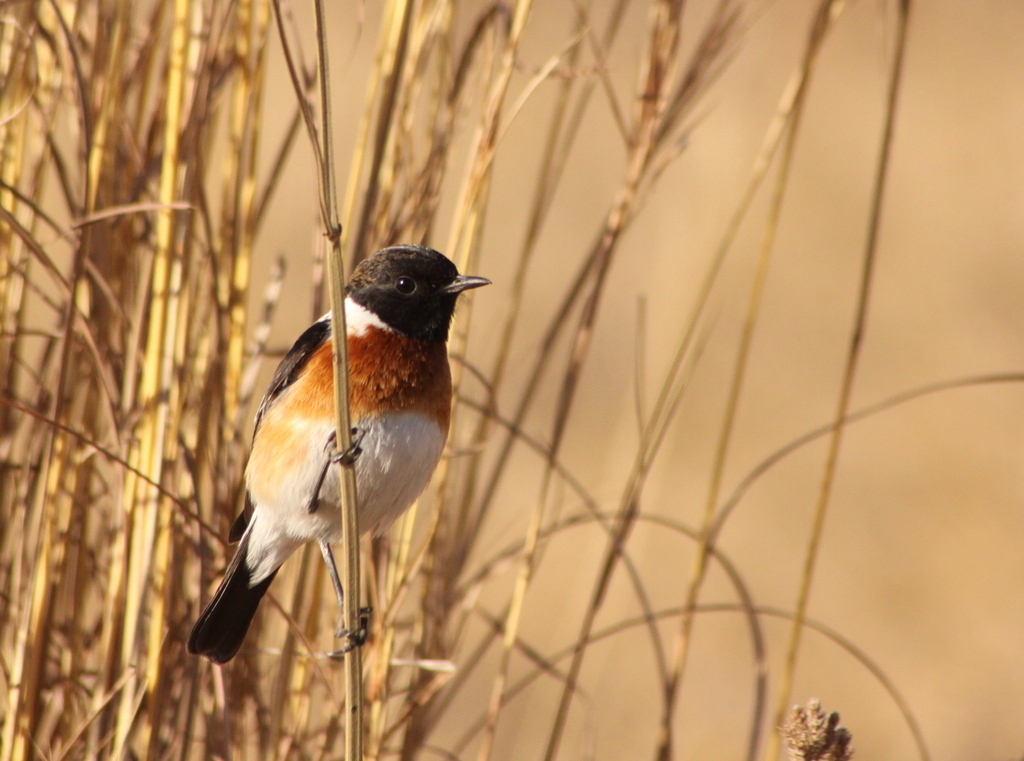
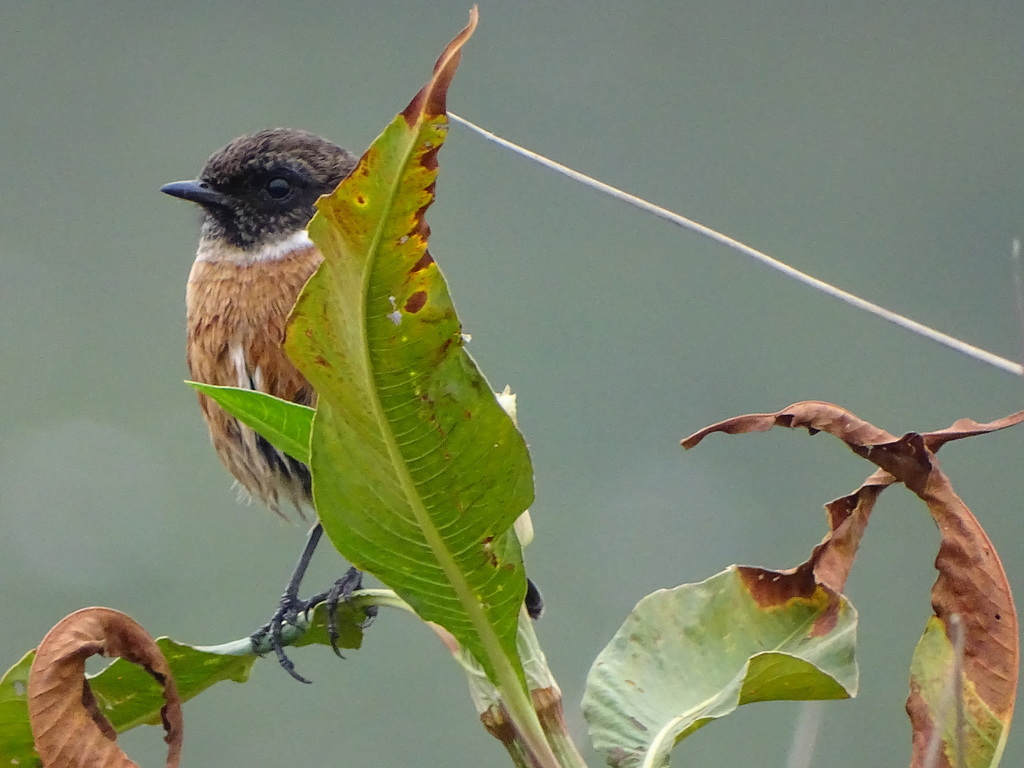
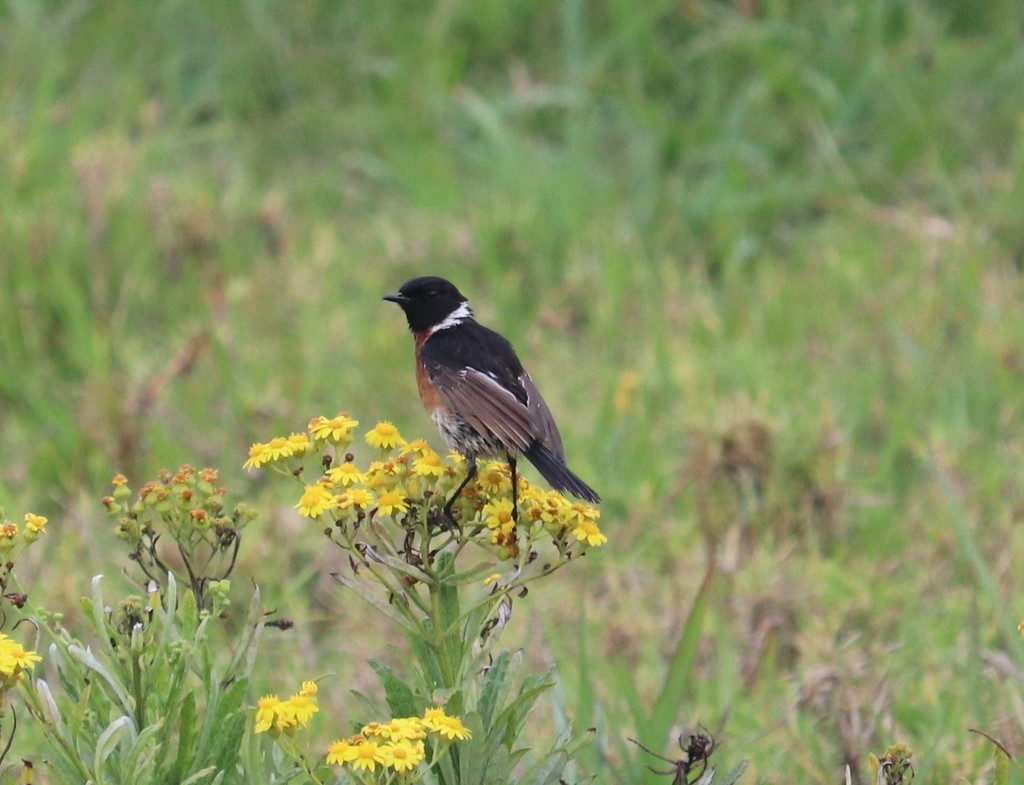
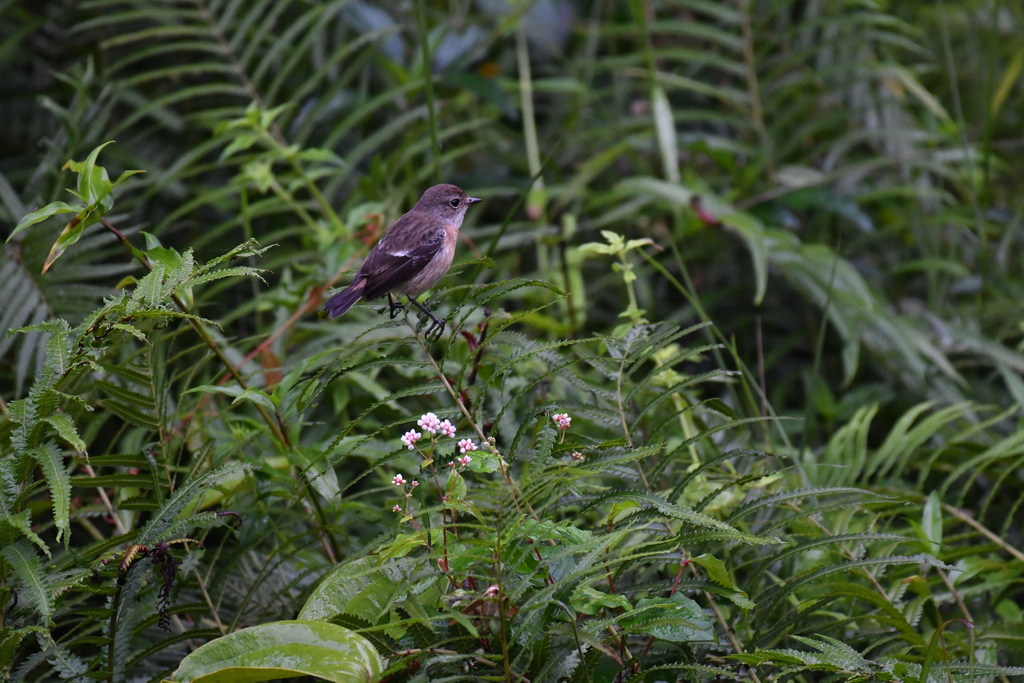
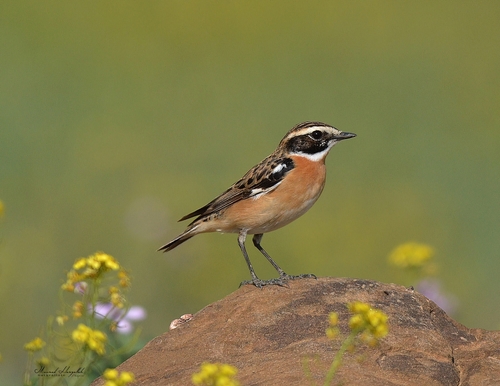
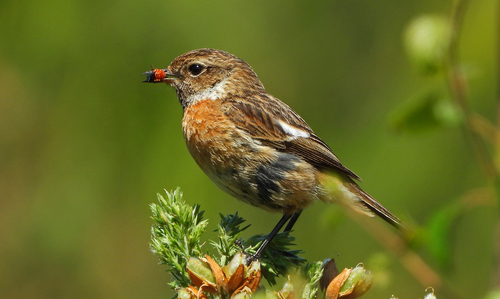
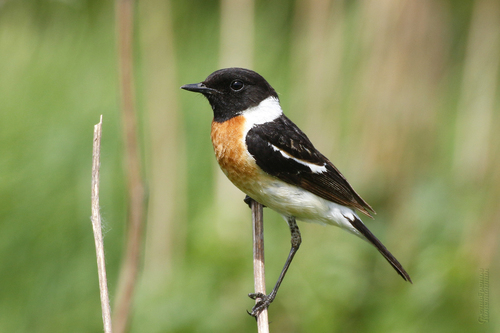
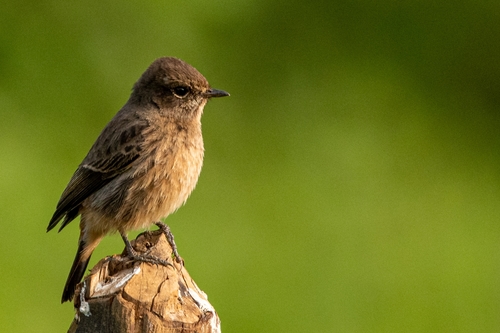
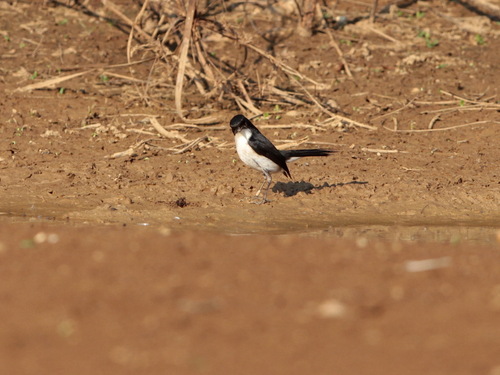
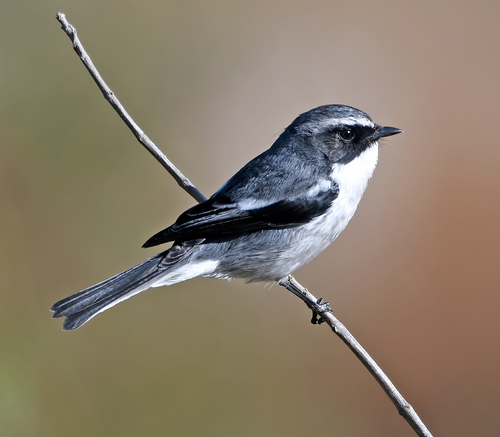
Its closest relatives
The other species of the genus Saxicola.

Seen an African stonechat?
Share your photo on iNaturalist. Other naturalists help confirm it, and the record goes to GBIF, where scientists use it and where the maps on this page come from.
Put this species on your site
The card names every source and links back here.
<iframe src="https://4planetatlas.com/place/embed/species/african-stonechat" title="African stonechat (Saxicola torquatus), 4PLANET Species" width="100%" height="600" style="border:0;max-width:640px" loading="lazy"></iframe>
<p><a href="https://4species.com/african-stonechat">African stonechat on 4PLANET Species</a></p>Questions people ask
What does the African stonechat eat?
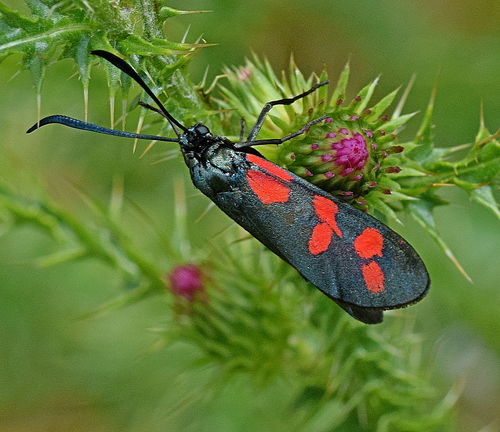
The African stonechat has been recorded eating 1,723 different kinds of animals and plants, most of them insects, reptiles, plants and snails and slugs. The ones recorded most often are viviparous lizard, sand lizard, dwarf elder, six-spot burnet and red nightshade; records include animals eaten as carrion. Source: GloBI.
What eats the African stonechat?
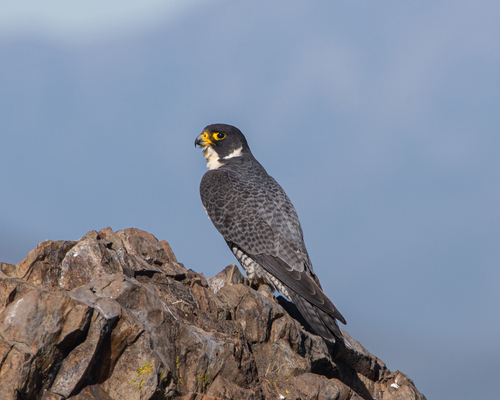
Recorded predators include grey wolf, red fox, northern raven, eurasian magpie and common blackbird. Source: GloBI.
Where does the African stonechat live?
People have recorded it in 34 countries; the most records come from South Africa, Madagascar, Tanzania, Kenya and Rwanda. Records show where people have seen it, not its full range.
When is the African stonechat seen most?
In the southern hemisphere, the most records are made in October and the fewest in March. More people outdoors also means more records.
What are the African stonechat's closest relatives?
It shares the genus Saxicola with whinchat, european stonechat, siberian stonechat, pied bush chat and white-throated bush chat.
Sources and photo credits
- GBIF · Saxicola torquatus, 62,975 human observations
- GloBI · recorded interactions of Saxicola torquatus
- Wikidata · African stonechat (Q1315689)
- African stonechat (Saxicola torquatus): Shaun Swanepoel, CC BY 4.0
- African stonechat (Saxicola torquatus): Derek Keats, CC BY 4.0
- African stonechat (Saxicola torquatus), Western District, South Africa: Shaun Swanepoel, CC BY 4.0
- African stonechat (Saxicola torquatus), Wavecrest Resort, Transkei, South Africa: Dave Brown, CC0
- African stonechat (Saxicola torquatus), Moramanga, Madagascar: Justin Philbois, CC0
- African stonechat (Saxicola torquatus), Overberg District Municipality, South Africa: Klaus Wehrlin, CC0
- African stonechat (Saxicola torquatus), HH97+MG, Kinigi, Rwanda: Ahirbudhnyan M, CC BY 4.0
- Viviparous lizard: nearwildhelen, CC BY 4.0
- Sand lizard: Lennart Hudel, CC BY 4.0
- Dwarf elder: Igor Balashov, CC BY 4.0
- Six-spot burnet: Kostas Zontanos, CC BY 4.0
- Red nightshade: Julien Renoult, CC BY 4.0
- Edible fig: Drepanostoma, CC BY 4.0
- Olive: zebedeugalinha, CC BY 4.0
- Garden asparagus: Andreas Rockstein, CC BY-SA 4.0
- Common juniper: Syd Cannings, CC BY 4.0
- Blackthorn: Pavel Kacl, CC BY 4.0
- Bay: zebedeugalinha, CC BY 4.0
- Dog rose: no rights reserved, uploaded by gianluigi, CC0
- Grey wolf: Andrew Simon, CC BY 4.0
- Red fox: Алина Урусова, CC BY 4.0
- Northern raven: xulescu_g, CC BY-SA 4.0
- Common blackbird: Luiz Lapa, CC BY 4.0
- Common cuckoo: no rights reserved, uploaded by Юрий Носков, CC0
- Common starling: Shiva Shenoy, CC BY 4.0
- Peregrine falcon: Nicolás Villaseca Merino, CC BY-SA 4.0
- Whinchat: Mourad Harzallah, CC BY 4.0
- European stonechat: Paul Lewis, CC BY 4.0
- Siberian stonechat: Константин Селивёрстов, CC BY 4.0
- Pied bush chat: Harshad Sharma, CC BY 4.0
- White-throated bush chat: Subramanya CK, CC BY-SA 4.0
- Jerdon's bush chat: Ian Dugdale, CC BY 4.0
- Grey bush chat: Pål A. Olsvik, CC BY 4.0
- Canary islands stonechat: Christoph Moning, CC BY 4.0
Records show where people have seen and shared the African stonechat, not its full range, and some countries and months are recorded far more than others. The food web lists interactions that studies have recorded somewhere in the world (GloBI), not everything it eats in one place.
Checked 2026-11-23.