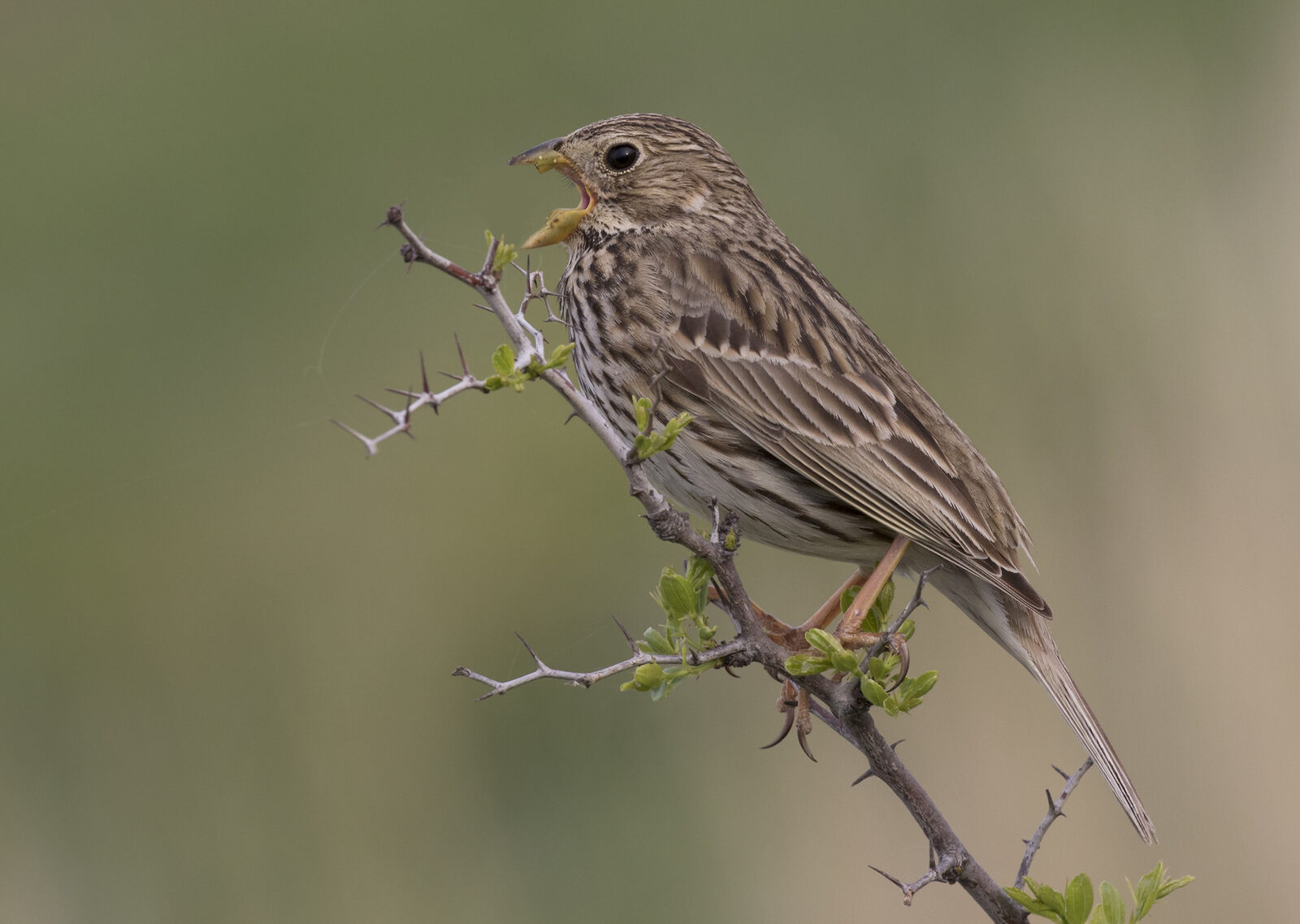
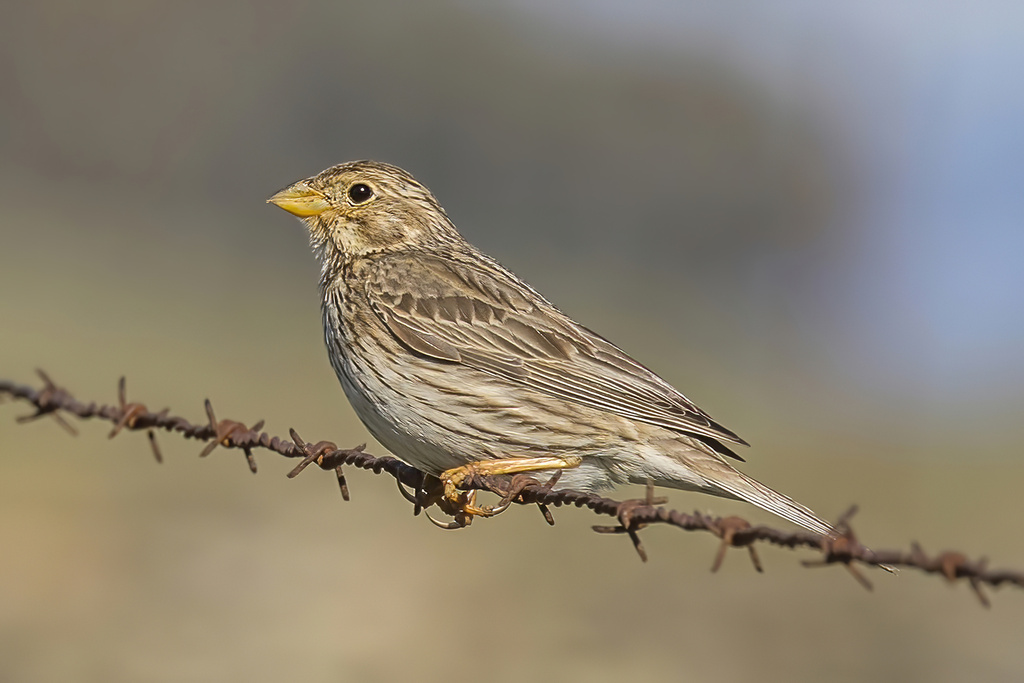
Corn bunting
Emberiza calandra
- Status
- Least Concern IUCN Red List
- Eats
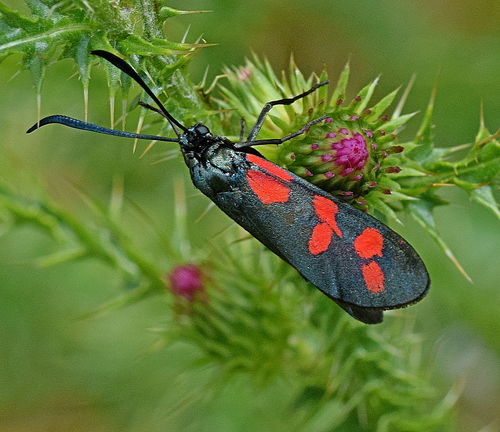
- six-spot burnet, wood bluegrass, tasteless water-pepper and 2,562 more
- Where
- 77 countries
On 4Planet Atlas it is among the wildlife people record most around Amman, Andorra la Vella and Ankara, and 37 more of the cities we cover.
People have shared 617,556 records of the corn bunting with GBIF, from 77 countries, most of them from Spain, Portugal and United Kingdom. Records collected by GloBI show it eating 2,565 different kinds of animals and plants, and being eaten by 52.
What the corn bunting eats, and what eats it
Studies have recorded it eating 2,565 kinds of animals and plants, and 52 kinds of animals eating it. Tap any of them to follow the food chain.
- Plants 1,842
- Insects 512
- Spiders and mites 1
Eaten by

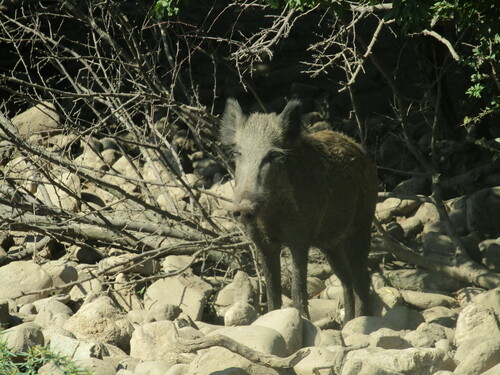


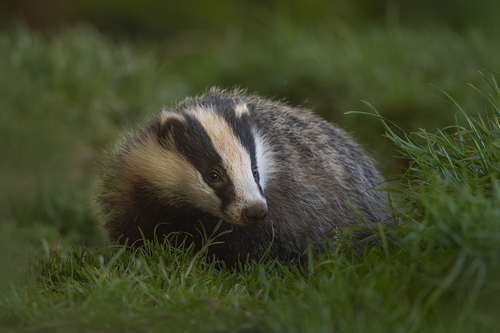
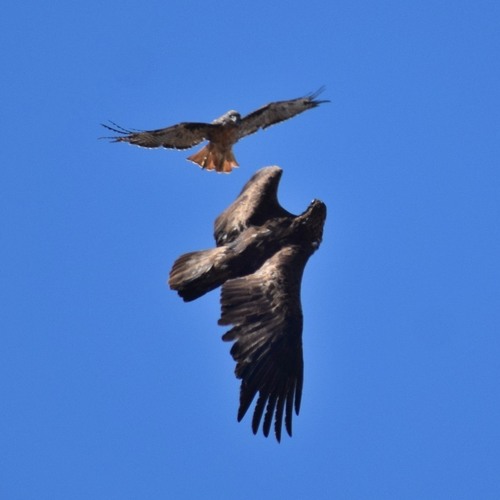
 Corn bunting





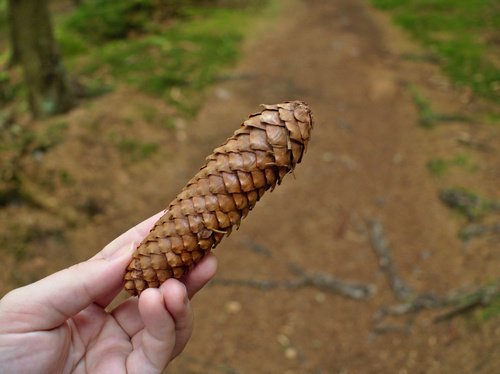
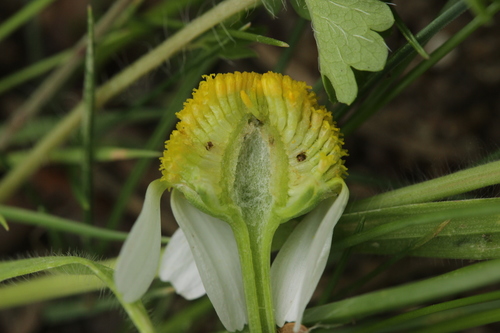
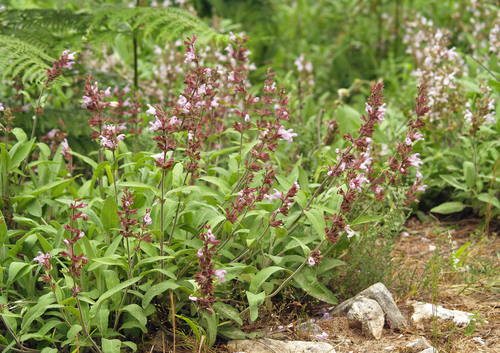
Records from studies worldwide, collected by GloBI. They include animals eaten as carrion, and they are not everything it eats in one place.
Where people see the corn bunting
People have shared 617,556 records from 77 countries.
Near a city: Amman, Andorra la Vella, Ankara, Ashgabat, Athens, Baku, Beirut, Belgrade, Berlin, Bishkek, Bratislava, Bucharest, Budapest, Chișinău, Damascus, Doha, Dushanbe, East Jerusalem, Jerusalem, Kabul, Lisbon, Ljubljana, Madrid, Nicosia, Podgorica, Prague, Pristina, Rabat, Ramallah, Rome, Sarajevo, Skopje, Sofia, Tashkent, Tbilisi, Tehran, Tirana, Tunis, Yerevan, Zagreb.
Records show where people have seen it and shared it, not its full range. Country names open their page in Atlas.
When it is seen
Records per month in the northern hemisphere. More people outdoors also means more records.
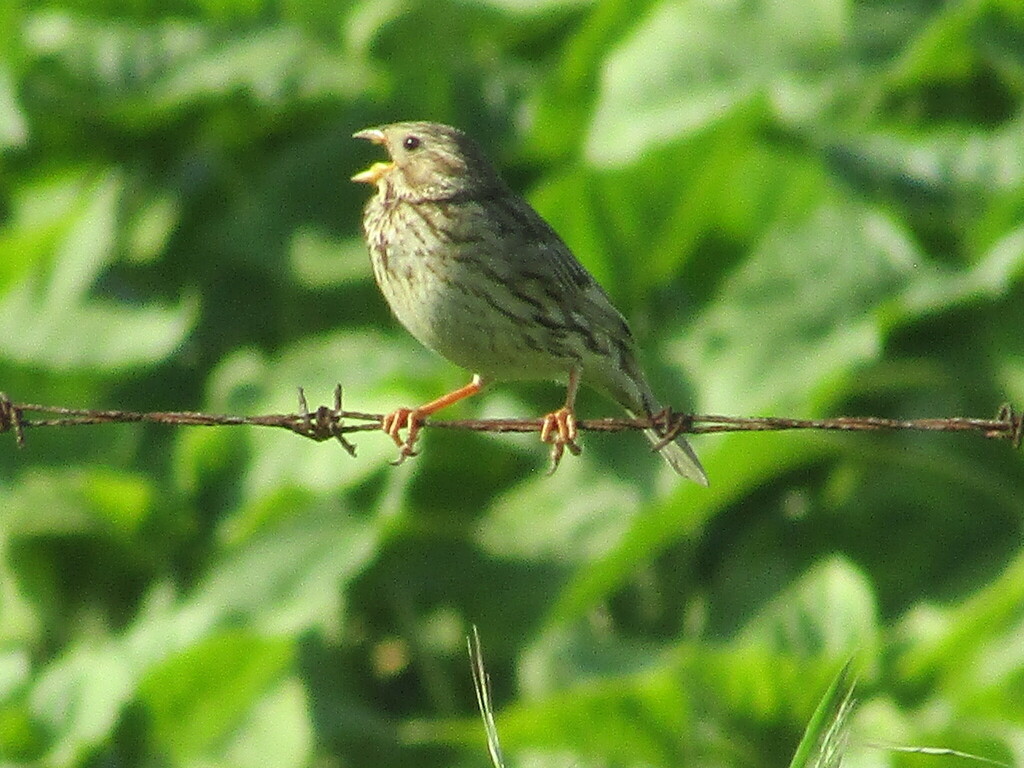
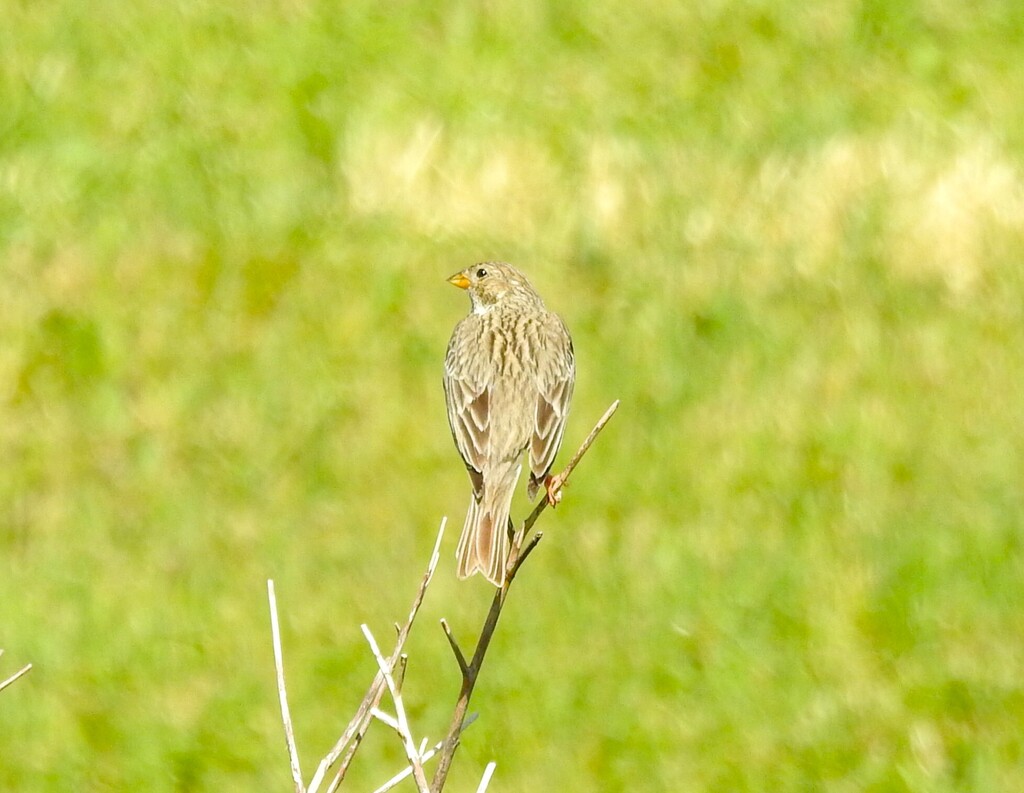
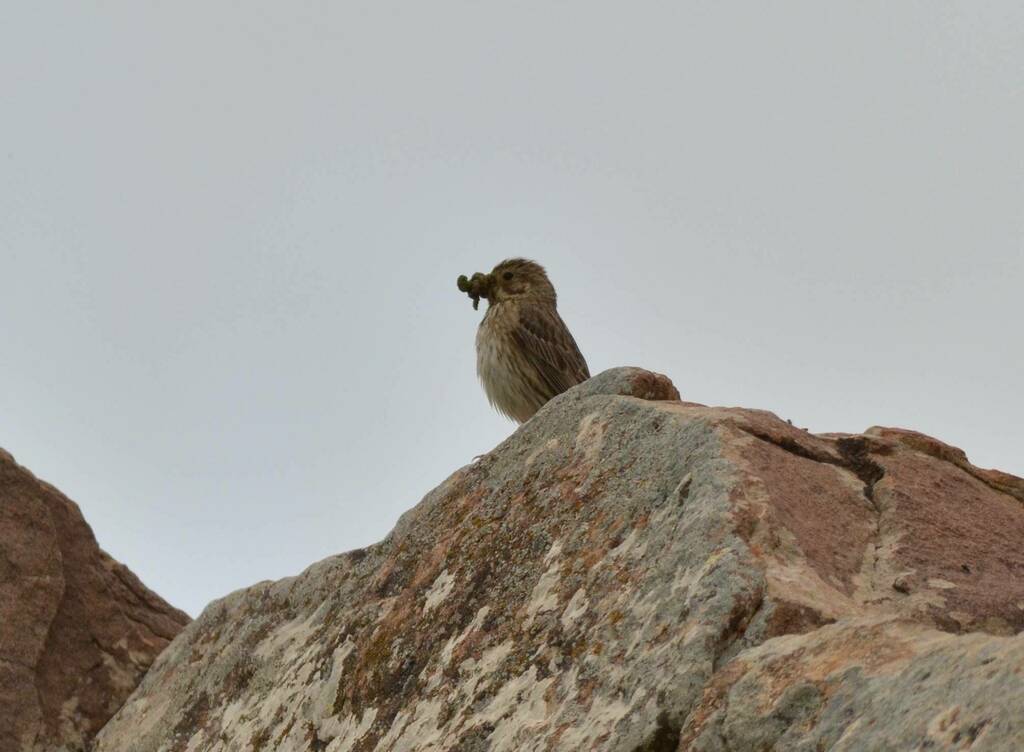
Watch and listen
Its closest relatives
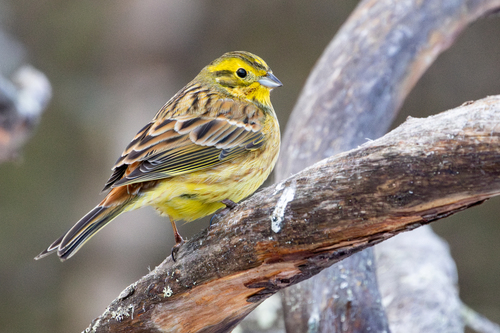
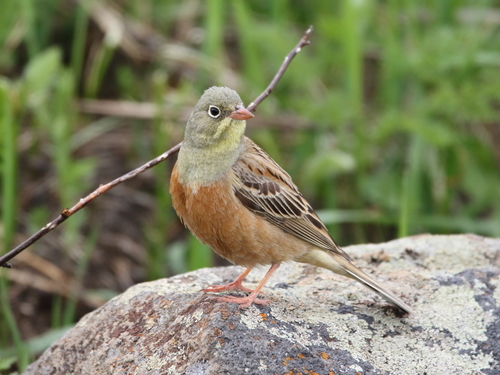
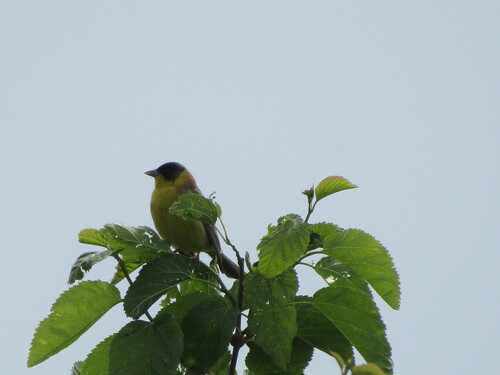
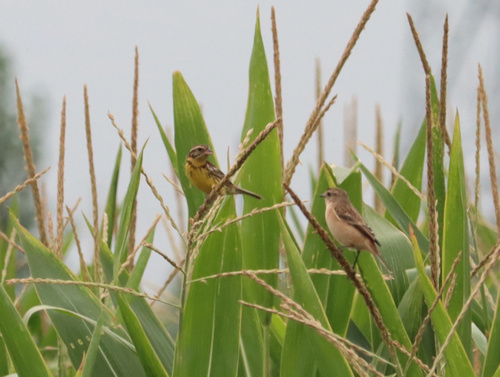
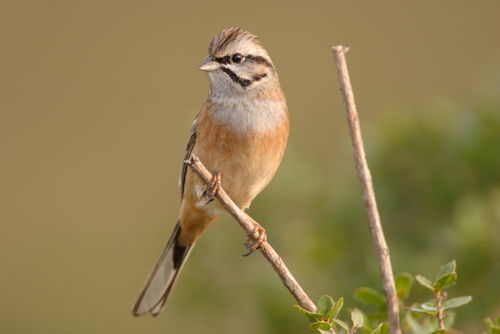
The other species of the genus Emberiza.
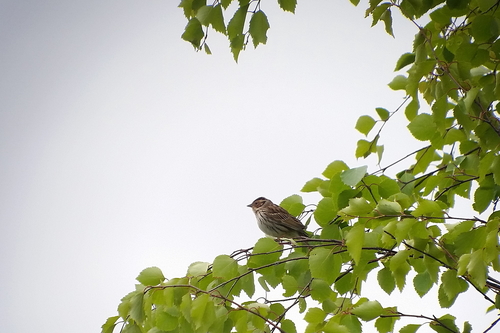
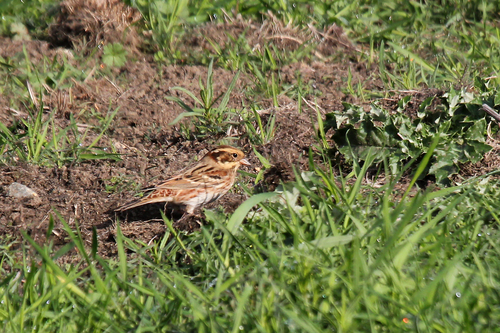
Seen a corn bunting?
Share your photo on iNaturalist. Other naturalists help confirm it, and the record goes to GBIF, where scientists use it and where the maps on this page come from.
Put this species on your site
The card names every source and links back here.
<iframe src="https://4planetatlas.com/place/embed/species/corn-bunting" title="Corn bunting (Emberiza calandra), 4PLANET Species" width="100%" height="600" style="border:0;max-width:640px" loading="lazy"></iframe>
<p><a href="https://4species.com/corn-bunting">Corn bunting on 4PLANET Species</a></p>Questions people ask
What does the corn bunting eat?
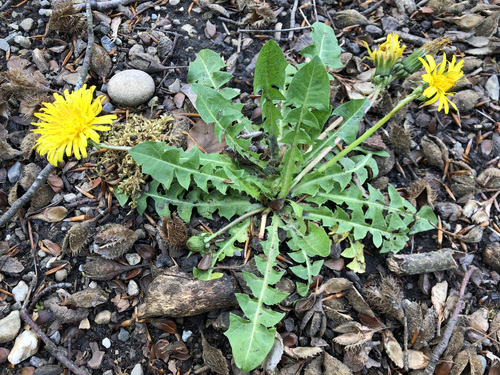
The corn bunting has been recorded eating 2,565 different kinds of animals and plants, most of them plants, insects and spiders and mites. The ones recorded most often are six-spot burnet, wood bluegrass, tasteless water-pepper, common dandelion and common purslane; records include animals eaten as carrion. Source: GloBI.
What eats the corn bunting?
Recorded predators include grey wolf, wild boar, red fox, northern raven and eurasian magpie. Source: GloBI.
Where does the corn bunting live?
People have recorded it in 77 countries; the most records come from Spain, Portugal, United Kingdom, Turkey and Poland. Records show where people have seen it, not its full range.
When is the corn bunting seen most?
In the northern hemisphere, the most records are made in May and the fewest in August. More people outdoors also means more records.
What are the corn bunting's closest relatives?
It shares the genus Emberiza with yellowhammer, reed bunting, ortolan bunting, black-headed bunting and yellow-breasted bunting.
Sources and photo credits
- GBIF · Emberiza calandra, 617,556 human observations
- GloBI · recorded interactions of Emberiza calandra
- Wikidata · Corn bunting (Q27220)
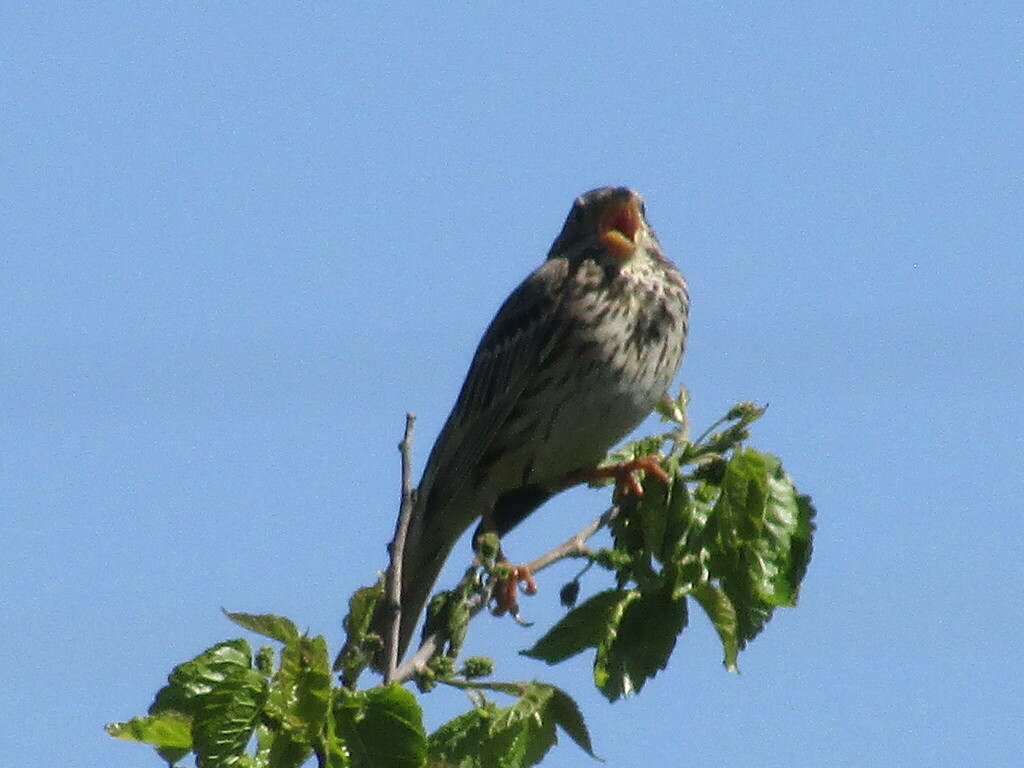
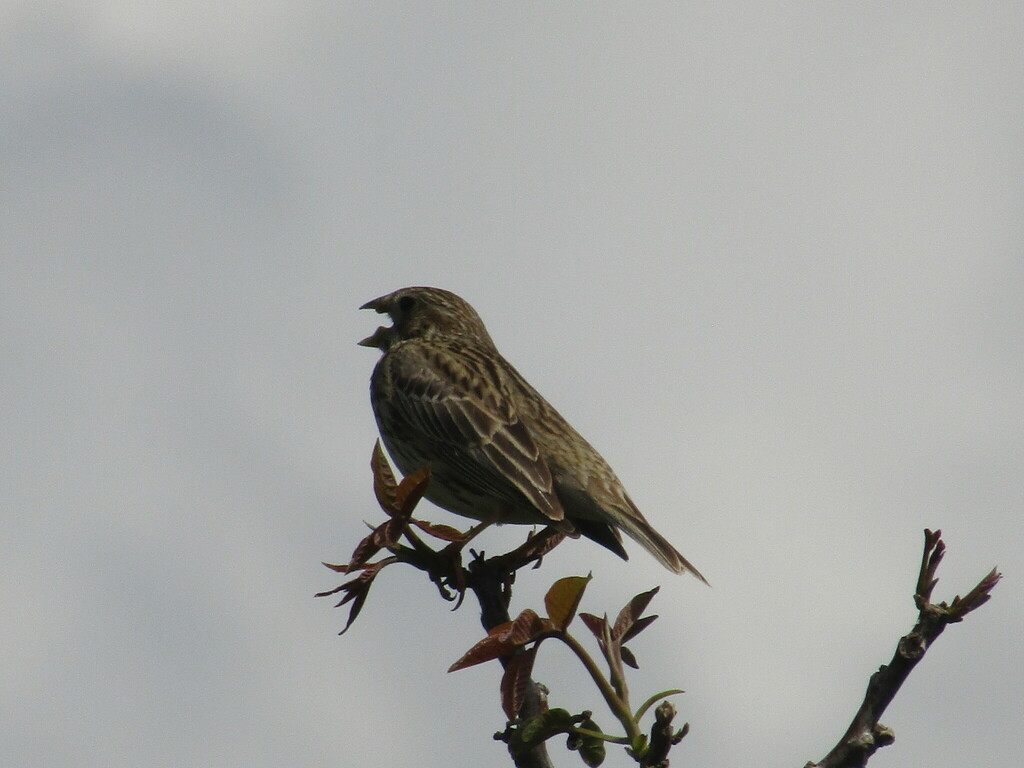
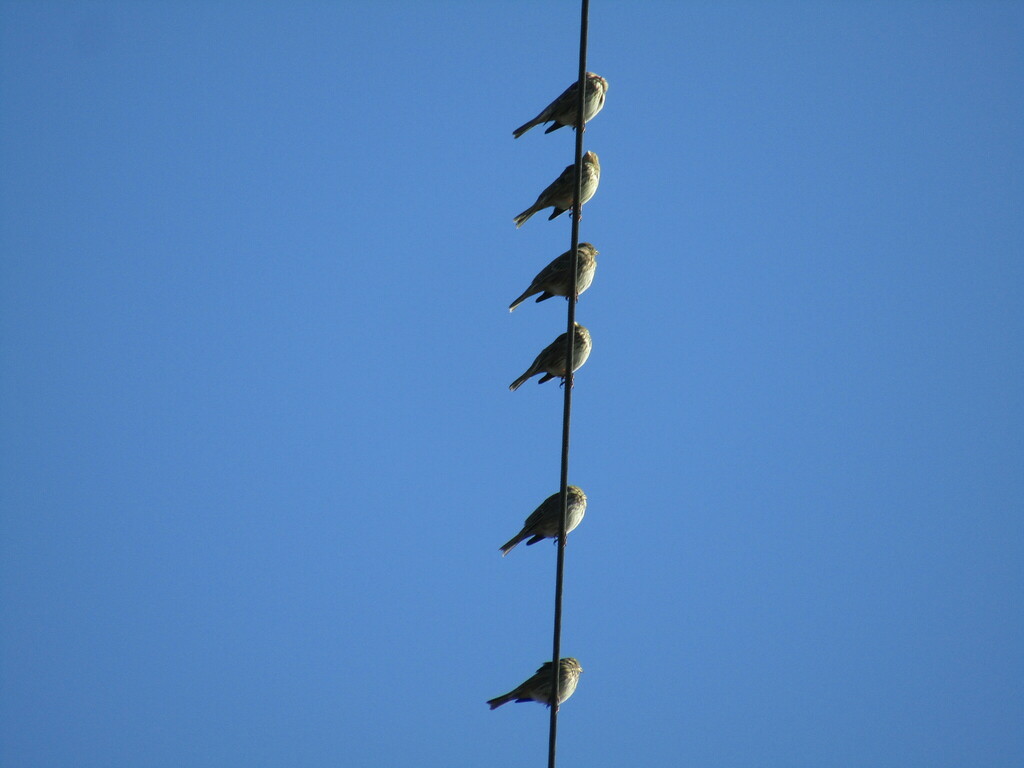
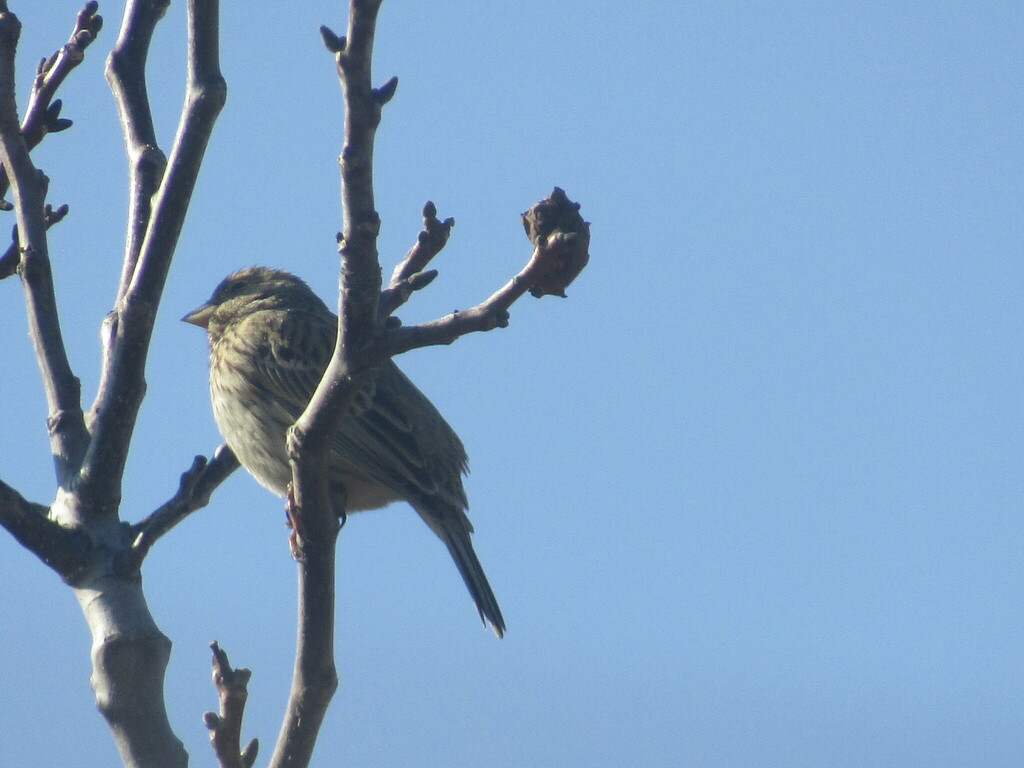
- Corn bunting (Emberiza calandra): Zeynel Cebeci, CC BY-SA 4.0
- Corn bunting (Emberiza calandra): Charles J. Sharp, CC BY-SA 4.0
- Corn bunting (Emberiza calandra), 4292 Dobri Dol, Bulgaria: SteveM4560, CC BY 4.0
- Corn bunting (Emberiza calandra), 4292 Dobri Dol, Bulgaria: SteveM4560, CC BY 4.0
- Corn bunting (Emberiza calandra), Parvomay, Bulgaria: SteveM4560, CC BY 4.0
- Corn bunting (Emberiza calandra), 4292 Dobri dol, Bulgaria: SteveM4560, CC BY 4.0
- Corn bunting (Emberiza calandra), 4292 Dobri Dol, Bulgaria: SteveM4560, CC BY 4.0
- Corn bunting (Emberiza calandra), Garlitzer Wiesen: Stephen M., CC BY-SA 4.0
- Corn bunting (Emberiza calandra), El Achir, Algérie: Mourad Harzallah, CC BY 4.0
- Six-spot burnet: Kostas Zontanos, CC BY 4.0
- Wood bluegrass: Douglas Goldman, CC BY-SA 4.0
- Tasteless water-pepper: Paul Cook, CC BY 4.0
- Common dandelion: Jason Grant, CC BY 4.0
- Common purslane: Forest and Kim Starr, CC BY 4.0
- Blackthorn: Pavel Kacl, CC BY 4.0
- Stinging nettle: Drepanostoma, CC BY 4.0
- Black currant: Salicyna, CC BY-SA 4.0
- Scots pine: anemoneprojectors (no internet at the moment), CC BY-SA 4.0
- Norway spruce: Edward Ricemeyer, CC BY-SA 4.0
- German chamomile: Björn Sothmann, CC BY-SA 4.0
- Kitchen sage: Jörg Hempel, CC BY-SA 4.0
- Grey wolf: Andrew Simon, CC BY 4.0
- Wild boar: SteveM4560, CC BY 4.0
- Red fox: Алина Урусова, CC BY 4.0
- Northern raven: xulescu_g, CC BY-SA 4.0
- Eurasian badger: caroline legg, CC BY 4.0
- Golden eagle: Anne Parsons, CC0
- Peregrine falcon: Shirley Zundell, CC BY 4.0
- Yellowhammer: Diego González Dopico, CC BY 4.0
- Ortolan bunting: Ani Sarkisyan, CC BY 4.0
- Black-headed bunting: SteveM4560, CC BY 4.0
- Yellow-breasted bunting: 夏仲归, CC BY 4.0
- Rock bunting: Carles Pastor, CC BY-SA 4.0
- Little bunting: Mikael Nyman, CC BY 4.0
- Rustic bunting: James Heal, CC BY 4.0
Records show where people have seen and shared the corn bunting, not its full range, and some countries and months are recorded far more than others. The food web lists interactions that studies have recorded somewhere in the world (GloBI), not everything it eats in one place.
Checked 2026-11-24.