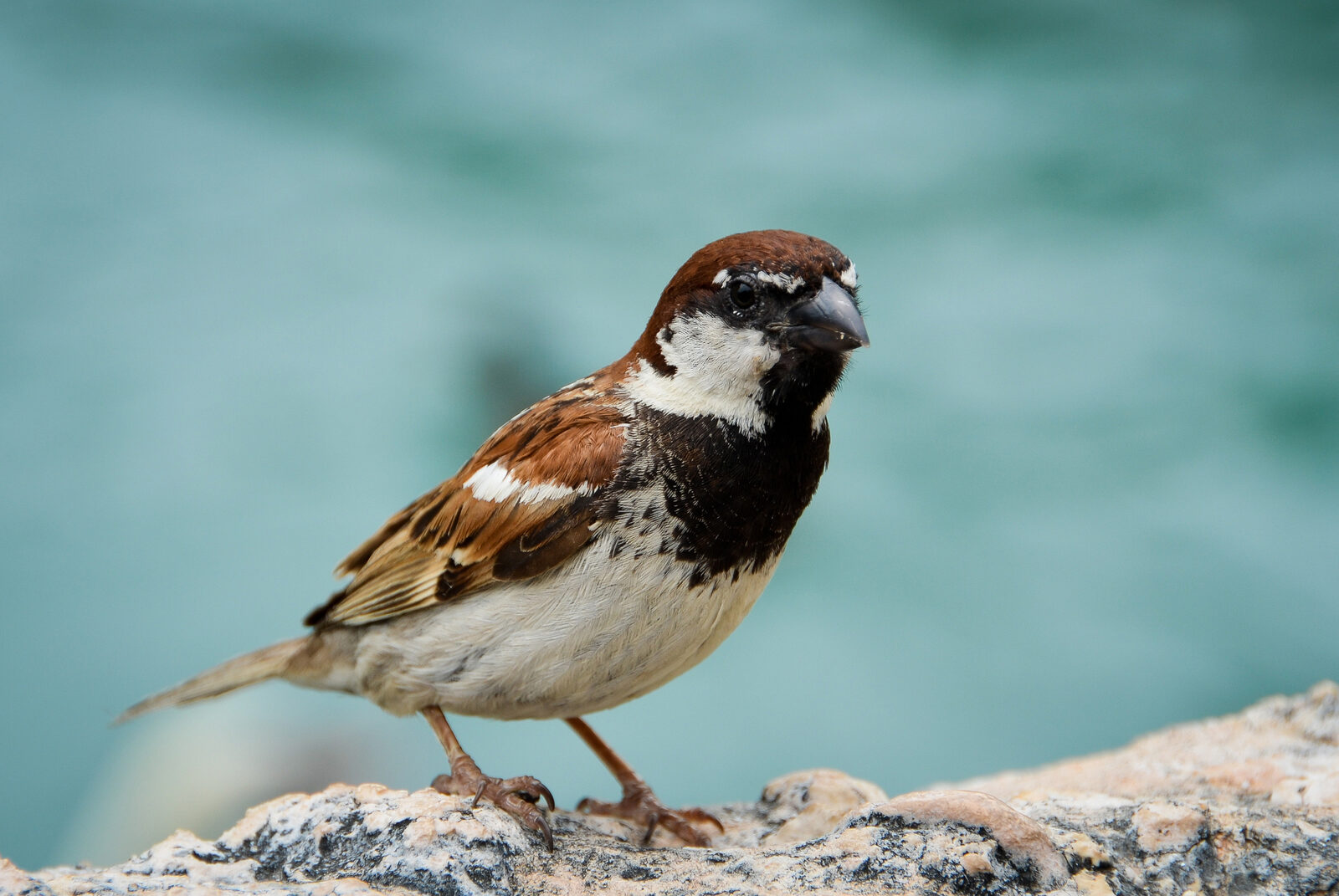
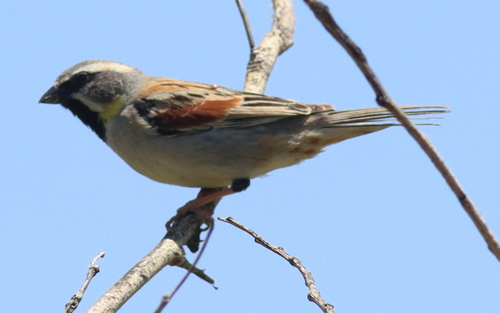
Italian sparrow
Passer italiae
- Status
- Vulnerable IUCN Red List
- Eats
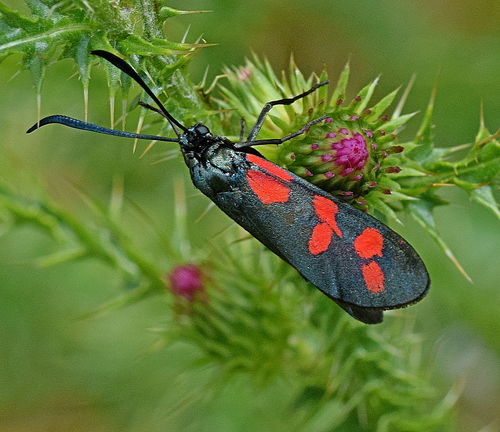
- six-spot burnet, wood bluegrass, tasteless water-pepper and 3,340 more
- Eaten by
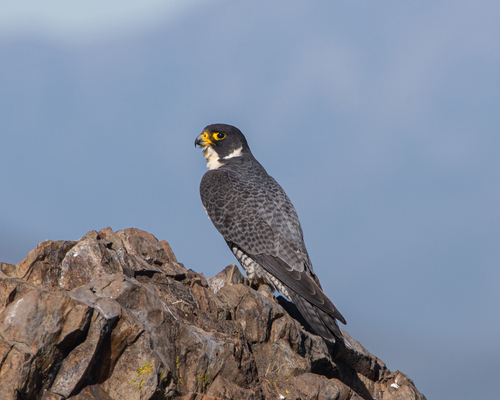
- grey wolf, red fox, northern raven
- Where
- 16 countries
On 4Planet Atlas it is among the wildlife people record most around Rome and Valletta.
People have shared 86,954 records of the italian sparrow with GBIF, from 16 countries, most of them from Italy, Switzerland and Greece. Records collected by GloBI show it eating 3,343 different kinds of animals and plants, and being eaten by 52.
What the italian sparrow eats, and what eats it
Studies have recorded it eating 3,343 kinds of animals and plants, and 52 kinds of animals eating it. Tap any of them to follow the food chain.
- Plants 1,843
- Insects 1,072
- Snails and slugs 3
Eaten by



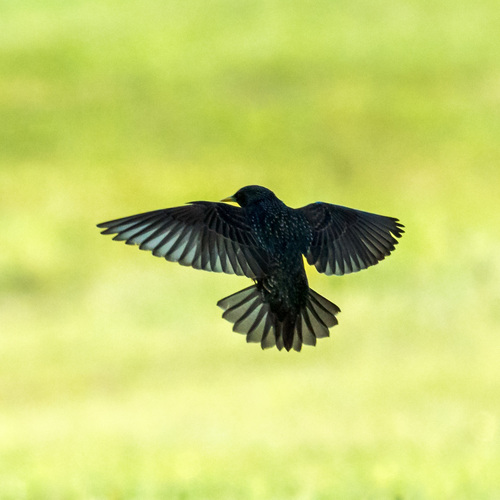
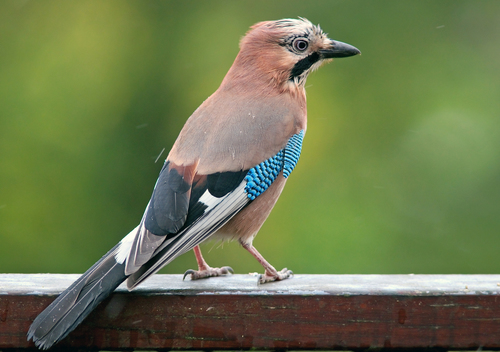
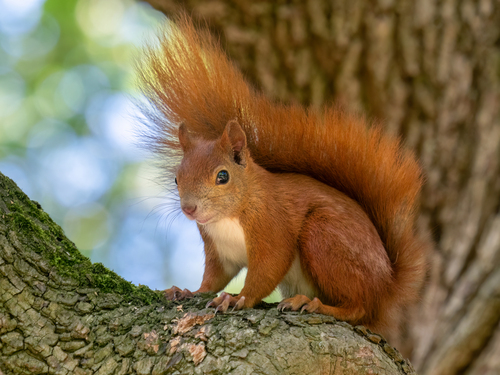
 Italian sparrow


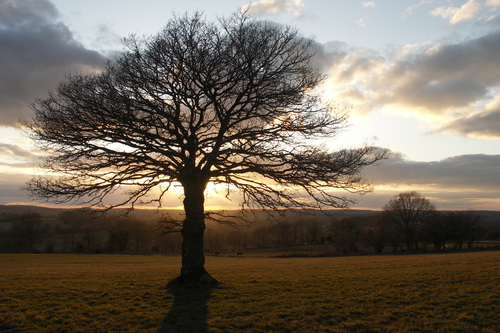
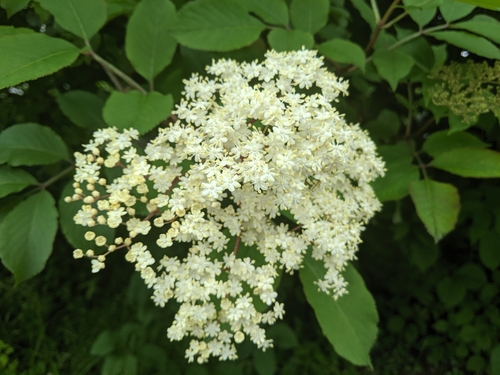
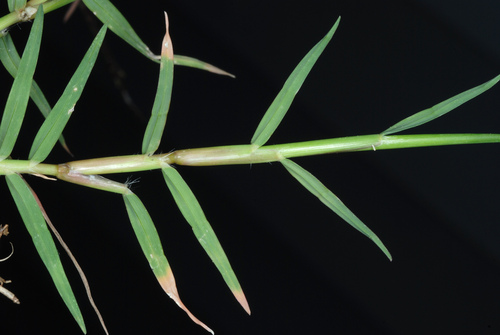
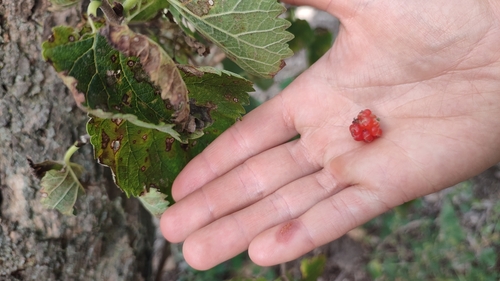
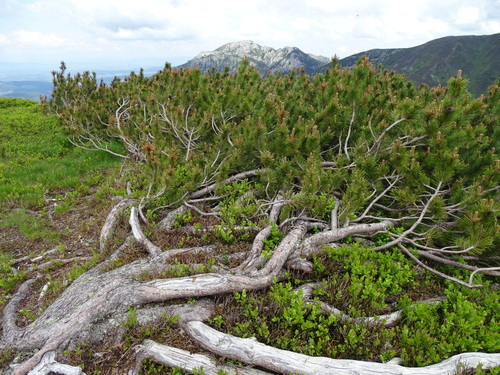

Records from studies worldwide, collected by GloBI. They include animals eaten as carrion, and they are not everything it eats in one place.
Where people see the italian sparrow
People have shared 86,954 records from 16 countries.
Records show where people have seen it and shared it, not its full range. Country names open their page in Atlas.
When it is seen
Records per month in the northern hemisphere. More people outdoors also means more records.
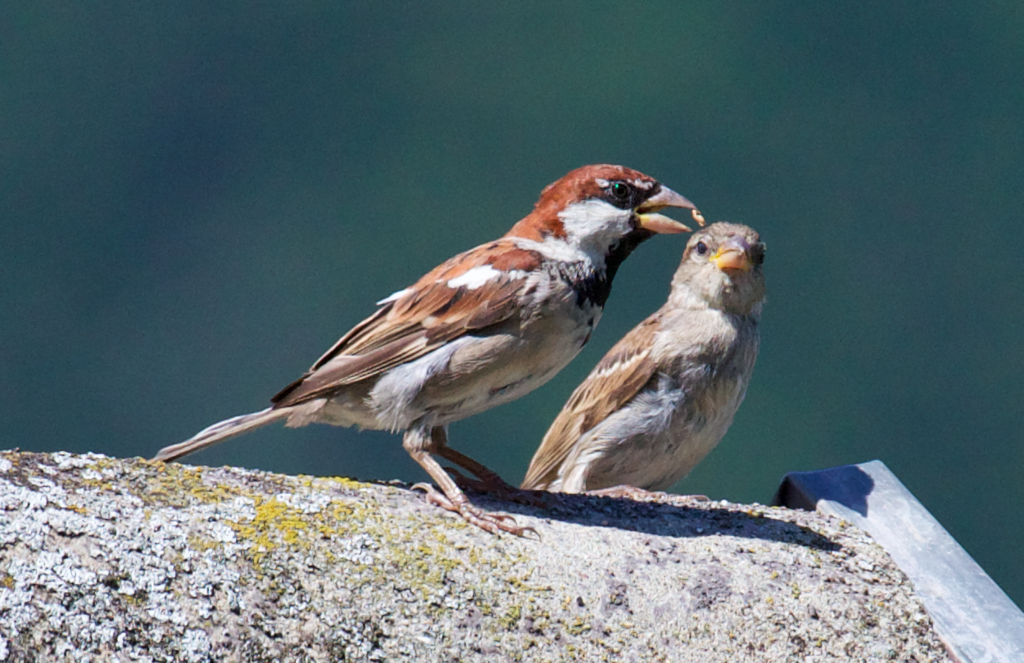
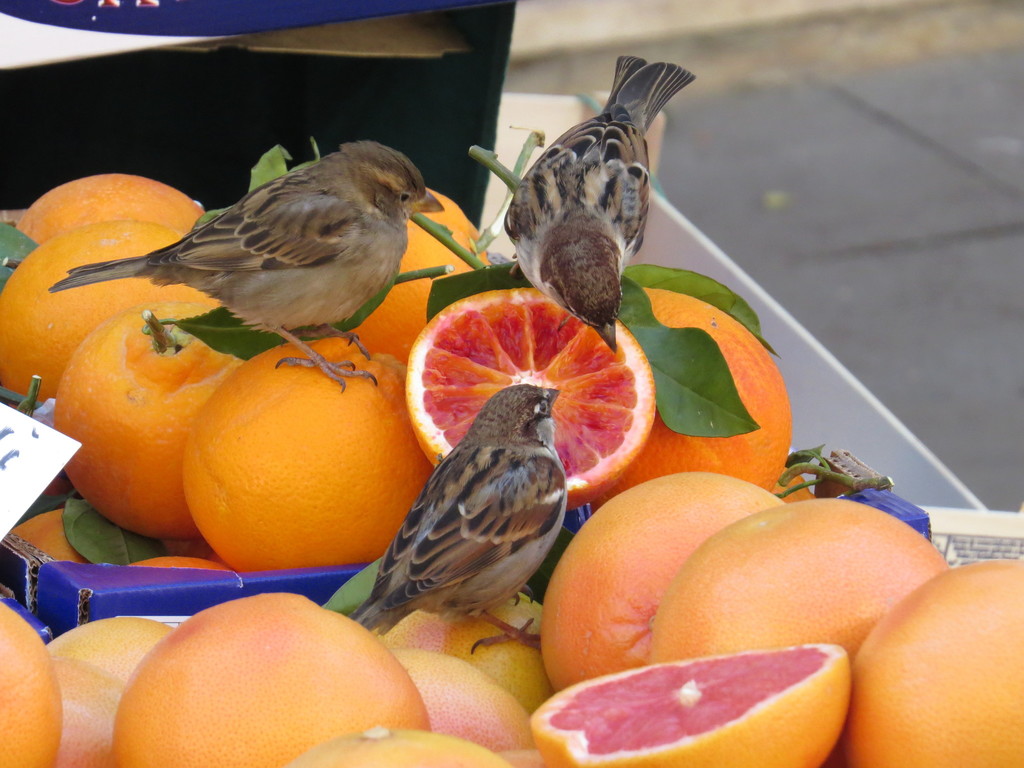
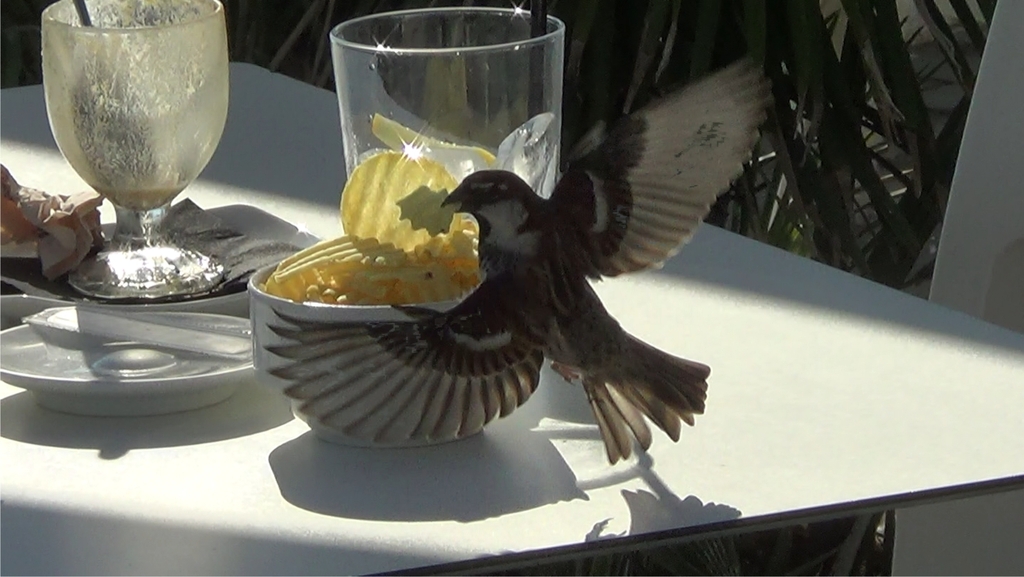
Watch and listen
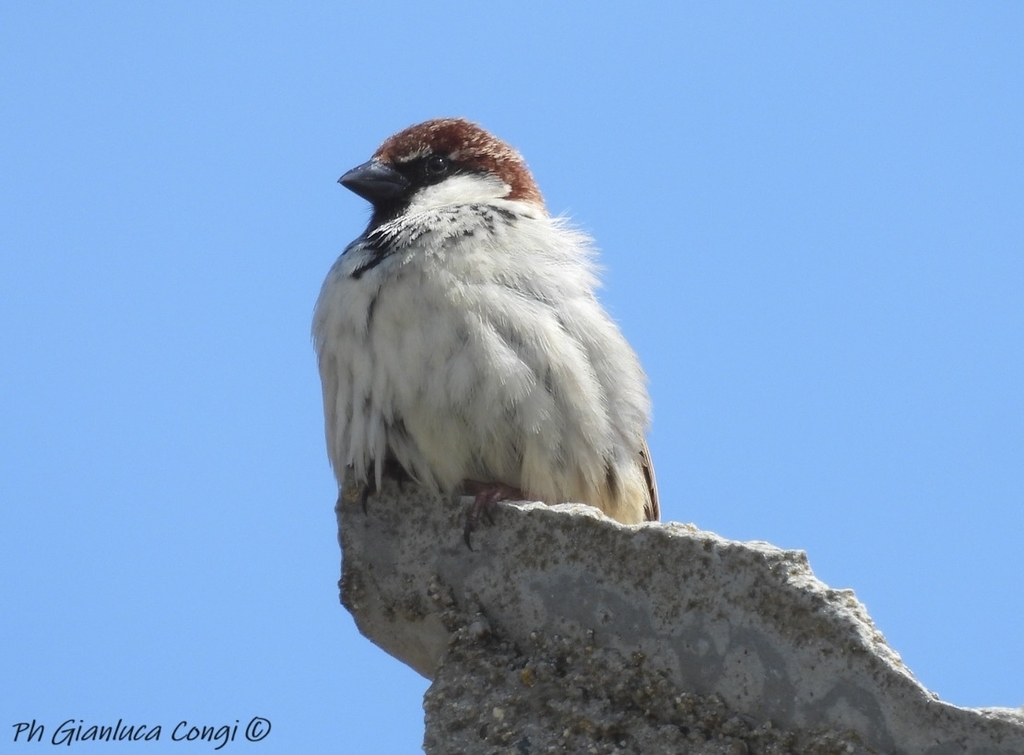
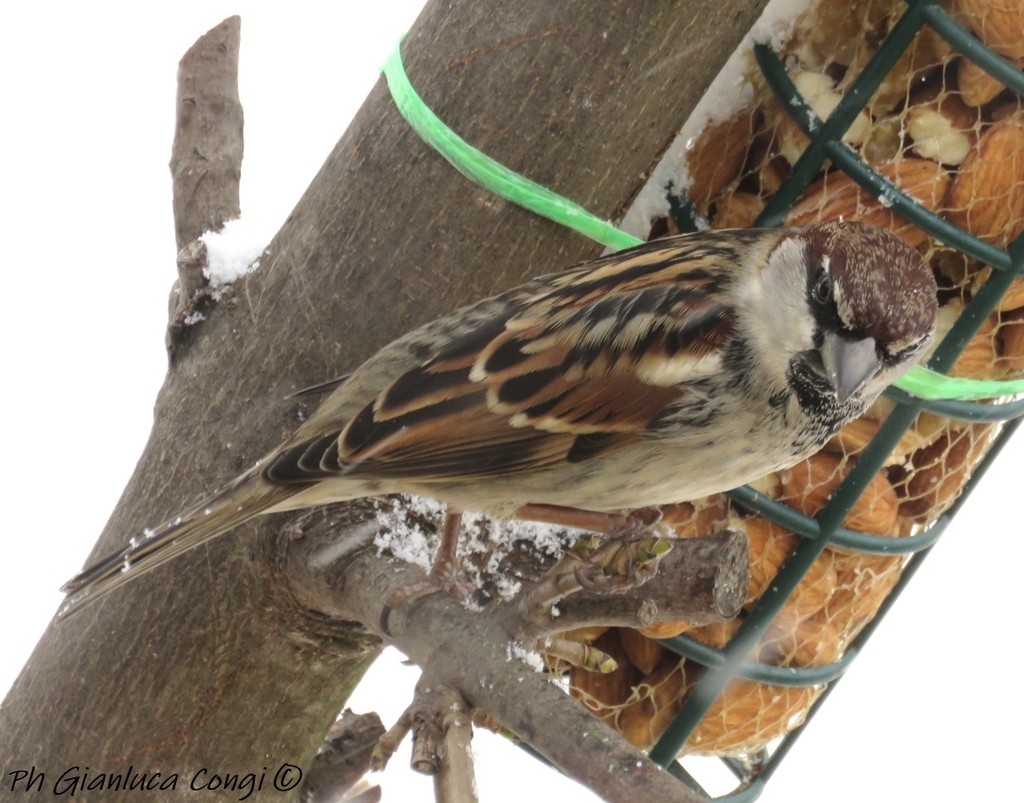
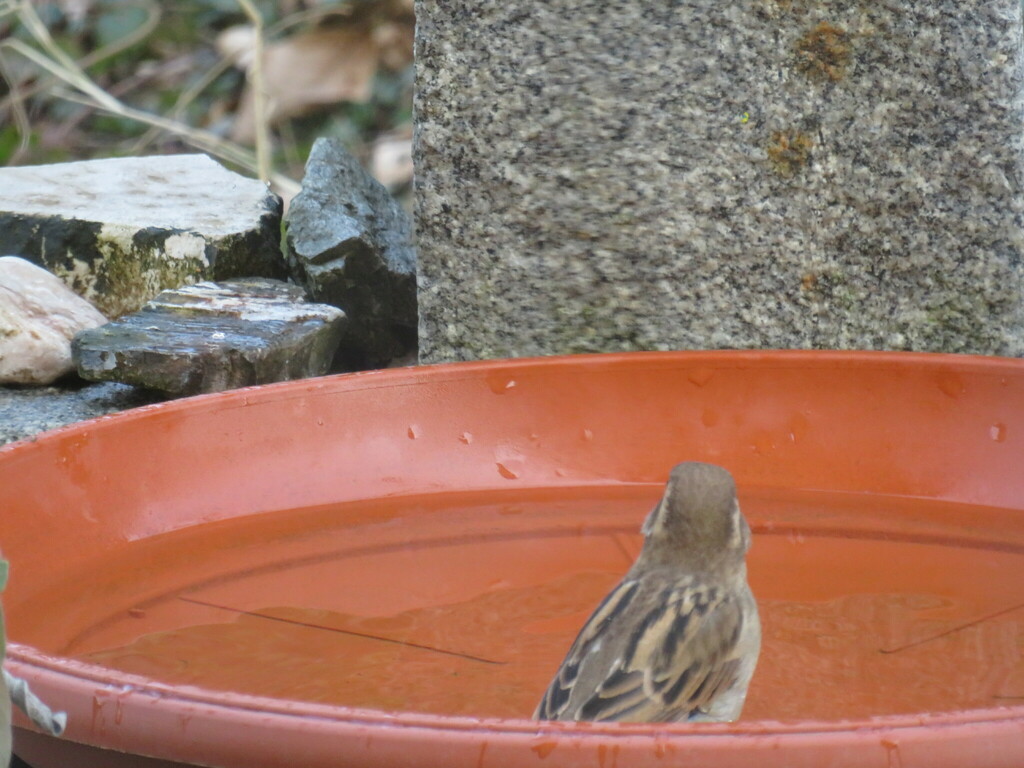
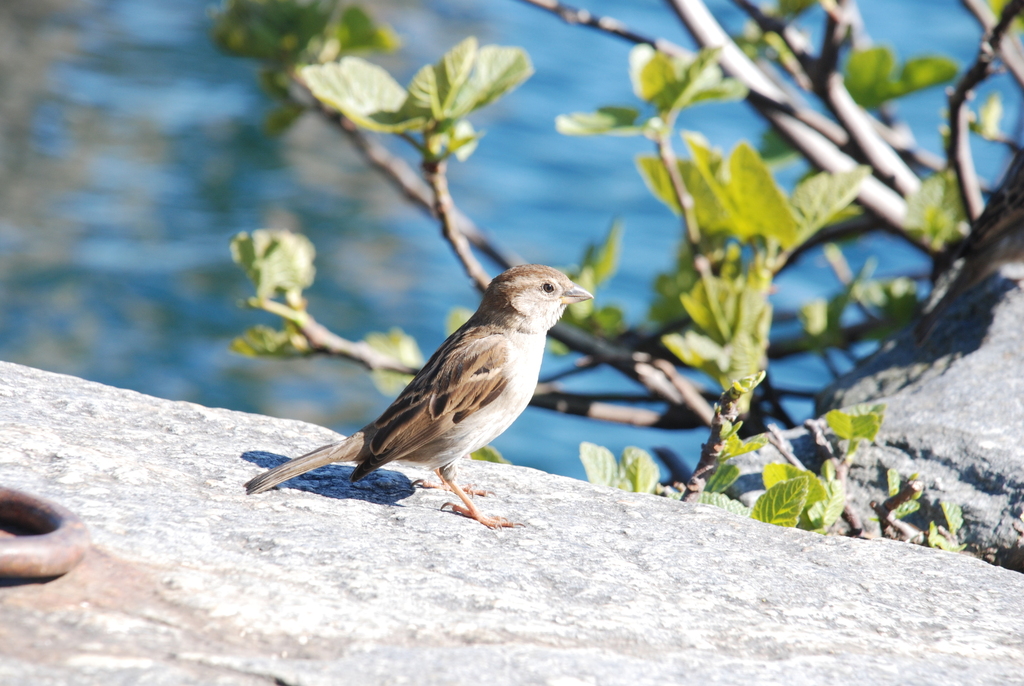
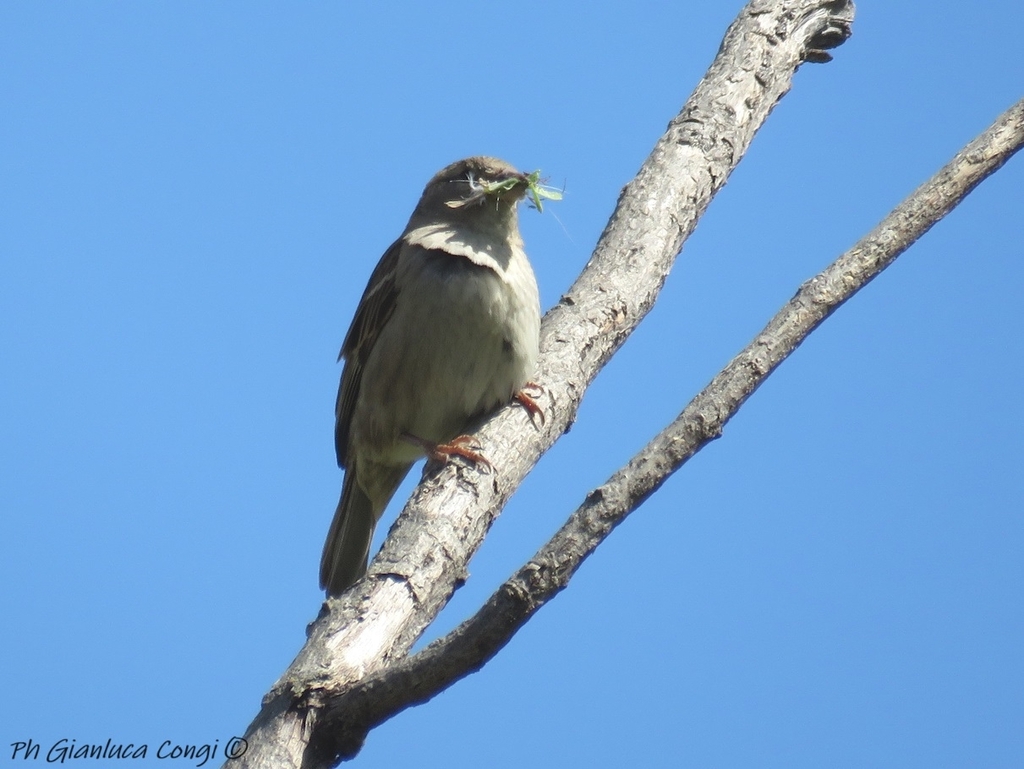
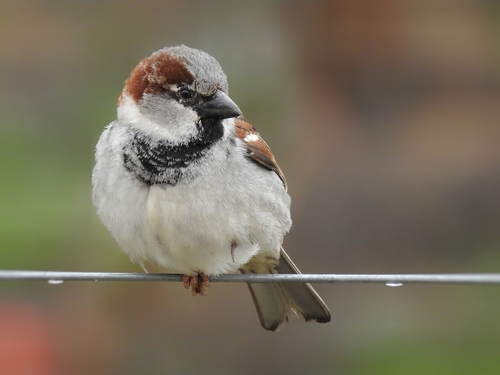
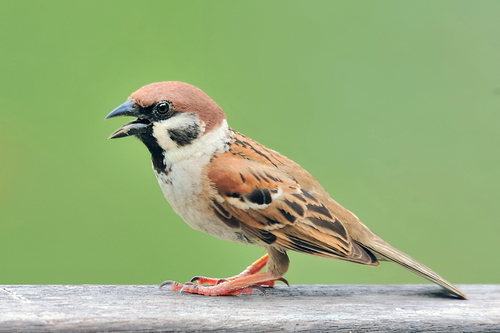
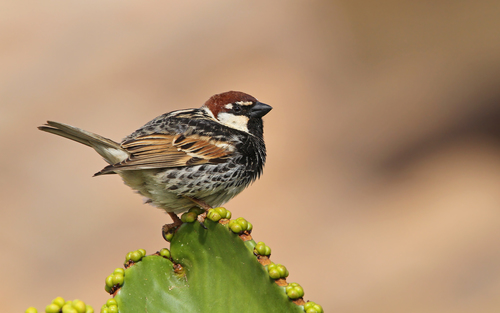
Its closest relatives
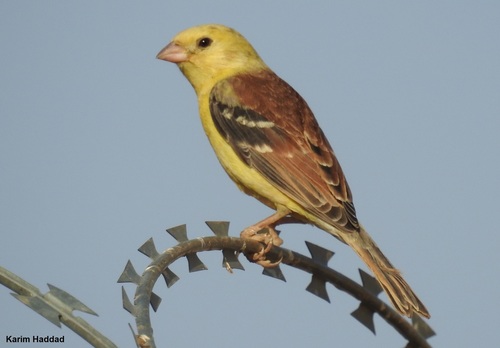
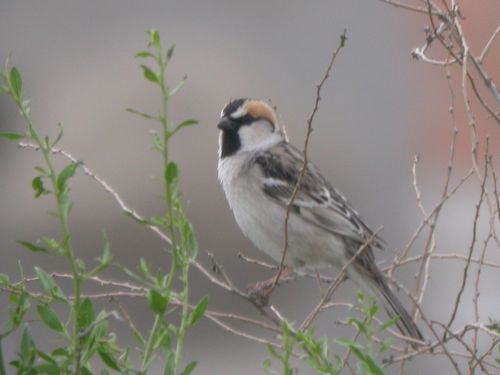
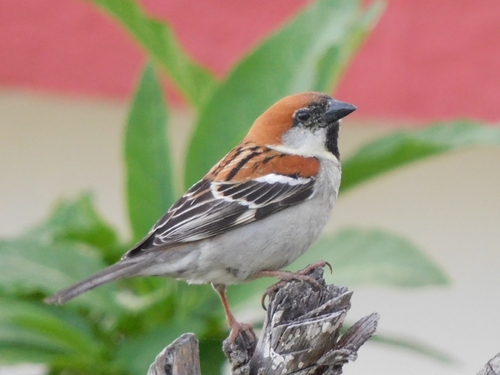
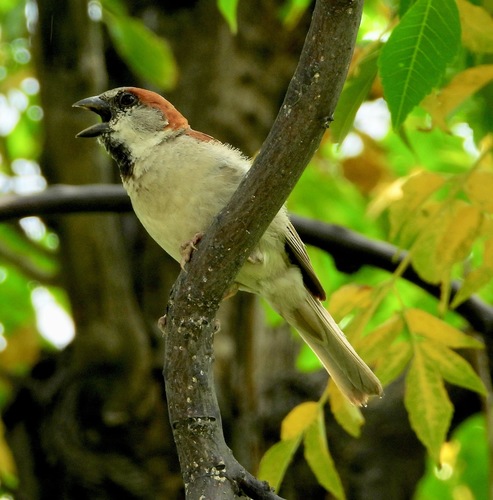
The other species of the genus Passer.
Seen an italian sparrow?
Share your photo on iNaturalist. Other naturalists help confirm it, and the record goes to GBIF, where scientists use it and where the maps on this page come from.
Put this species on your site
The card names every source and links back here.
<iframe src="https://4planetatlas.com/place/embed/species/italian-sparrow" title="Italian sparrow (Passer italiae), 4PLANET Species" width="100%" height="600" style="border:0;max-width:640px" loading="lazy"></iframe>
<p><a href="https://4species.com/italian-sparrow">Italian sparrow on 4PLANET Species</a></p>Questions people ask
What does the italian sparrow eat?
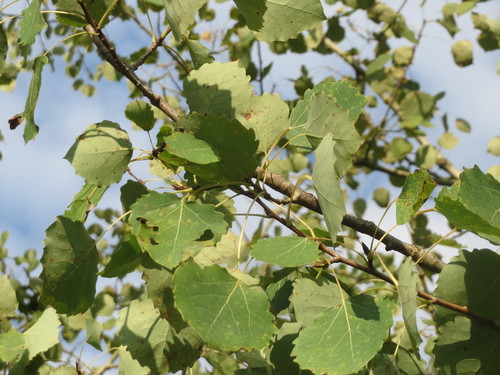
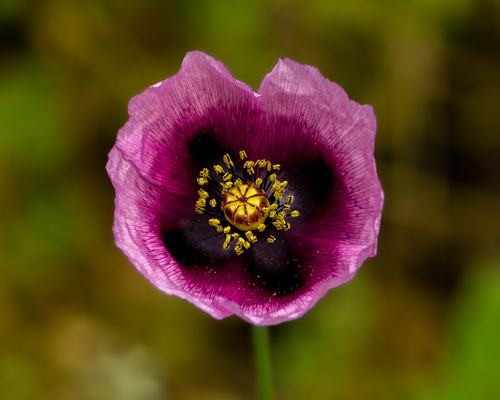
The italian sparrow has been recorded eating 3,343 different kinds of animals and plants, most of them plants, insects and snails and slugs. The ones recorded most often are six-spot burnet, wood bluegrass, tasteless water-pepper, european aspen and opium poppy; records include animals eaten as carrion. Source: GloBI.
What eats the italian sparrow?
Recorded predators include grey wolf, red fox, northern raven, eurasian magpie and common starling. Source: GloBI.
Where does the italian sparrow live?
People have recorded it in 16 countries; the most records come from Italy, Switzerland, Greece, France and Vatican City. Records show where people have seen it, not its full range.
When is the italian sparrow seen most?
In the northern hemisphere, the most records are made in May and the fewest in February. More people outdoors also means more records.
What are the italian sparrow's closest relatives?
It shares the genus Passer with house sparrow, eurasian tree sparrow, spanish sparrow, sudan golden sparrow and saxaul sparrow.
Sources and photo credits
- GBIF · Passer italiae, 86,954 human observations
- GloBI · recorded interactions of Passer italiae
- Wikidata · Italian sparrow (Q937933)
- Italian sparrow (Passer italiae): Omar Bariffi, CC BY 4.0
- Italian sparrow (Passer italiae): Edoardo Nardelli, CC BY 4.0
- Italian sparrow (Passer italiae), Venecia, Italia: Leonel Roget, CC BY 4.0
- Italian sparrow (Passer italiae), Via Lungomare Dei Ciclopi, 119, 95021 Aci Castello CT, Italia: Pietro Maiorana Montes, CC0
- Italian sparrow (Passer italiae), 87058 Spezzano della Sila CS, Italia: Gianluca Congi🪶🦆🌲, CC BY-SA 4.0
- Italian sparrow (Passer italiae), San Giovanni in Fiore: Gianluca Congi🪶🦆🌲, CC BY-SA 4.0
- Italian sparrow (Passer italiae), 24020 Torre Boldone BG, Italia: Margherita Ferraiuolo, CC0
- Italian sparrow (Passer italiae), Isola San Giulio, 28016 Orta San Giulio NO, Italia: Matteo Negro, CC BY-SA 4.0
- Italian sparrow (Passer italiae), 87036 Roges CS, Italia: Gianluca Congi🪶🦆🌲, CC BY-SA 4.0
- Six-spot burnet: Kostas Zontanos, CC BY 4.0
- Wood bluegrass: Douglas Goldman, CC BY-SA 4.0
- Tasteless water-pepper: Paul Cook, CC BY 4.0
- European aspen: Andreas Rockstein, CC BY-SA 4.0
- Opium poppy: Nicolás Villaseca Merino, CC BY-SA 4.0
- Pedunculate oak: Sylvain Montagner, CC BY 4.0
- Elder: Attila Oláh, CC BY 4.0
- Bermuda grass: Douglas Goldman, CC BY-SA 4.0
- Black mulberry: Josh, CC BY 4.0
- Mugo pine: Grzegorz Grzejszczak, CC BY-SA 4.0
- Hogweed: Andreas Rockstein, CC BY-SA 4.0
- Grey wolf: Andrew Simon, CC BY 4.0
- Red fox: Алина Урусова, CC BY 4.0
- Northern raven: xulescu_g, CC BY-SA 4.0
- Common starling: Shiva Shenoy, CC BY 4.0
- Eurasian jay: Luc Viatour, CC BY-SA 4.0
- Eurasian red squirrel: Rhododendrites, CC BY-SA 4.0
- Peregrine falcon: Nicolás Villaseca Merino, CC BY-SA 4.0
- House sparrow: Esteban Poveda, CC BY 4.0
- Eurasian tree sparrow: Yiwenyiwen, CC BY-SA 4.0
- Spanish sparrow: Christoph Moning, CC BY 4.0
- Sudan golden sparrow: Karim Haddad, CC BY 4.0
- Saxaul sparrow: Alastair Rae, CC BY-SA 4.0
- Russet sparrow: Jagdish Singh Negi, CC BY 4.0
- Sind sparrow: desertnaturalist, CC BY 4.0
- Dead sea sparrow: Jan Ebr & Ivana Ebrová, CC BY 4.0
Records show where people have seen and shared the italian sparrow, not its full range, and some countries and months are recorded far more than others. The food web lists interactions that studies have recorded somewhere in the world (GloBI), not everything it eats in one place.
Checked 2026-11-23.