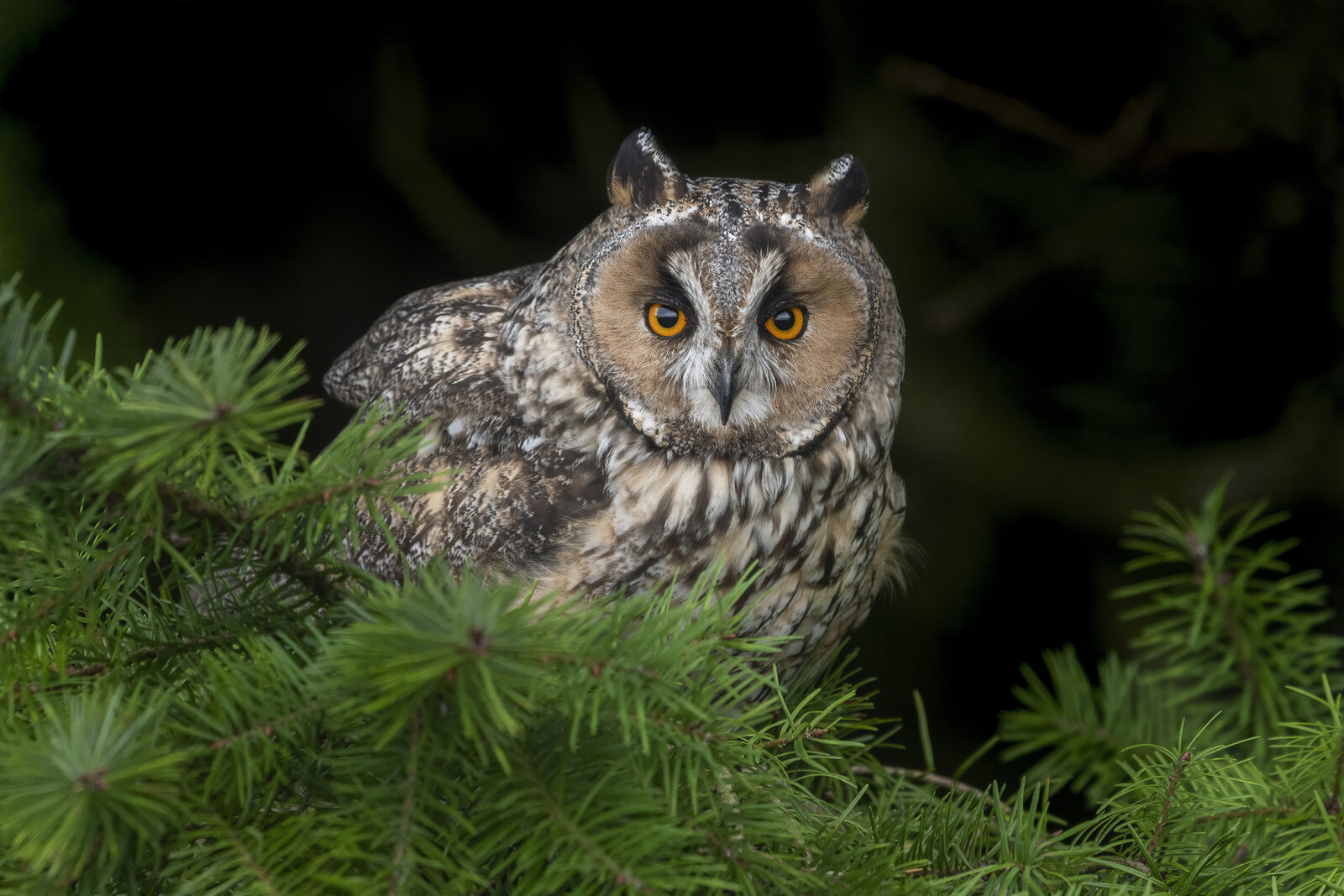
Long-eared Owl
Asio otus
- Status
- Least Concern IUCN Red List
- Eats
- house sparrow, common starling, Eurasian chaffinch and 571 more
- Eaten by
- Eurasian eagle-owl, northern raven, Eurasian magpie
- Where
- 80 countries
On 4Planet Atlas it is among the wildlife people record most around Ankara, Astana and Belgrade, and 11 more of the cities we cover.
People have shared 85,186 records of the Long-eared Owl with GBIF, from 80 countries, most of them from Canada, Spain and Russia. Records collected by GloBI show it eating 574 different kinds of animals and plants, and being eaten by 14.
What the long-eared Owl eats, and what eats it
Studies have recorded it eating 574 kinds of animals and plants, and 14 kinds of animals eating it. Tap any of them to follow the food chain.
- Birds 292
- Mammals 171
- Reptiles 101
- Amphibians 4
- Insects 2
- Spiders and mites 1
Eaten by

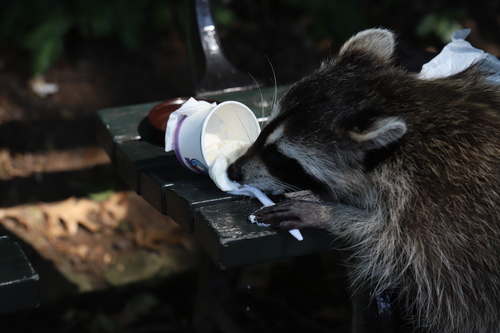
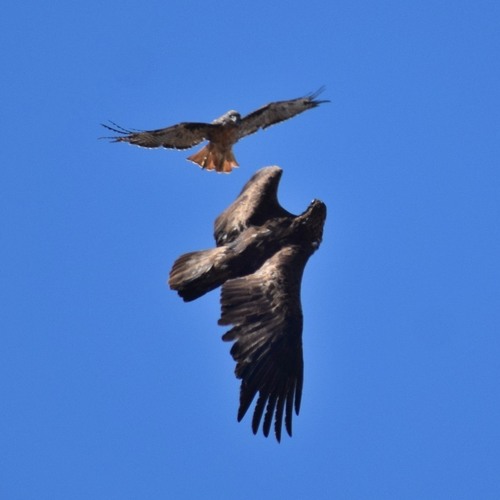

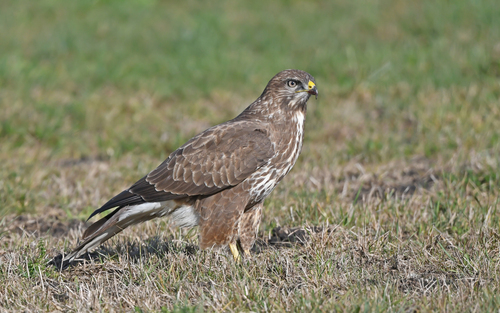
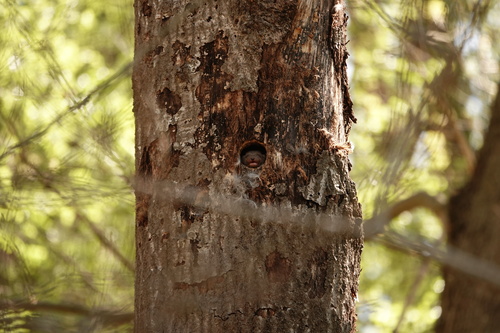 Long-eared Owl
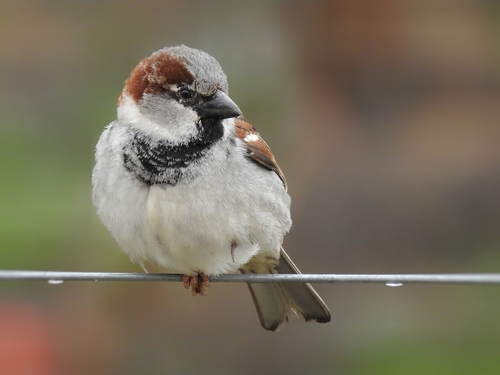
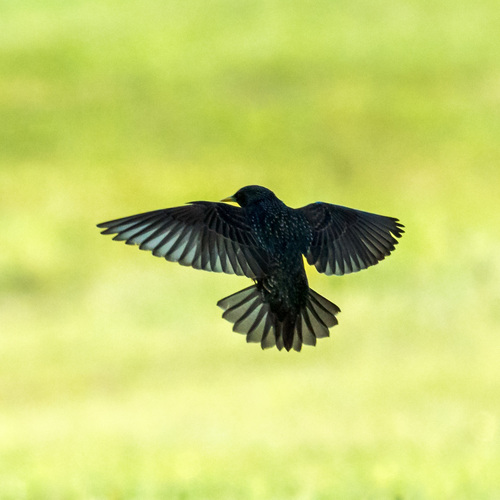
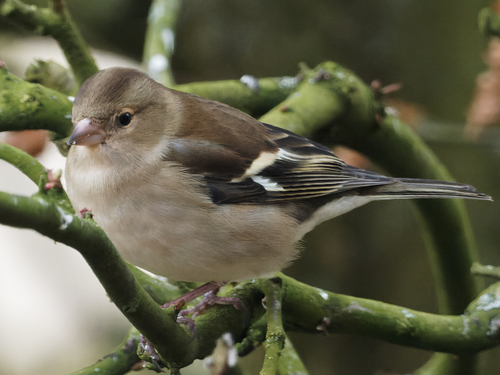
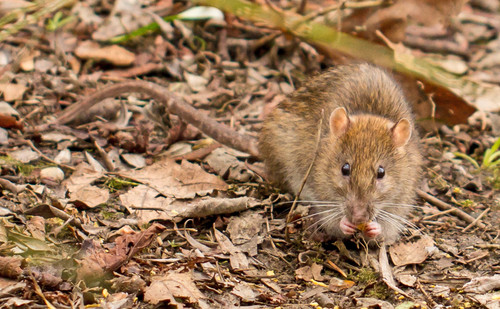

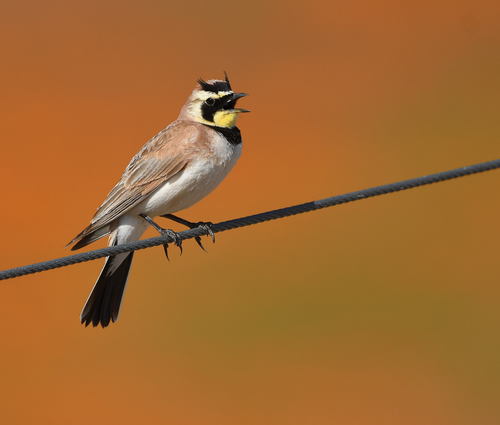
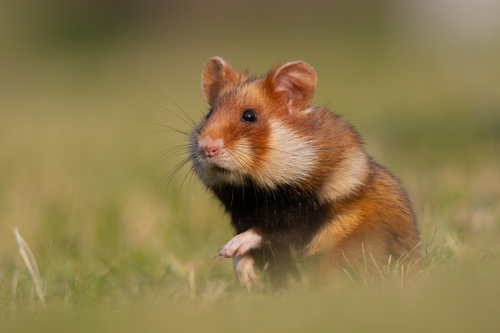
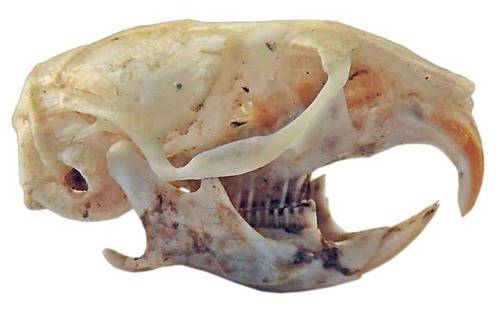
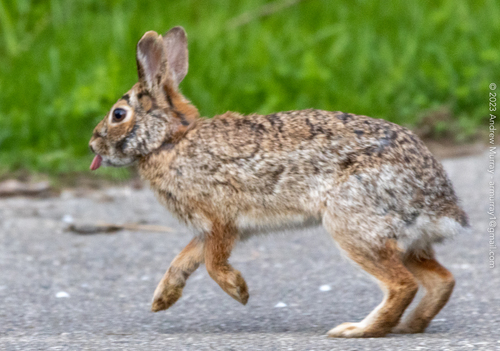
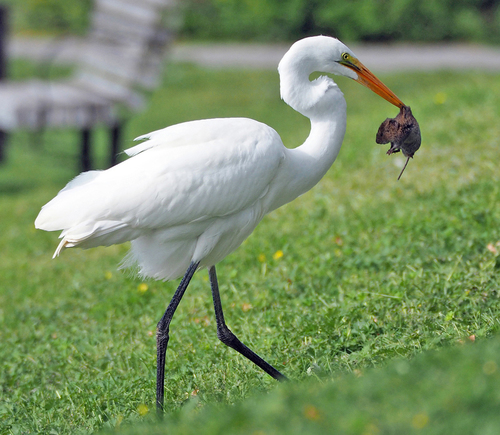
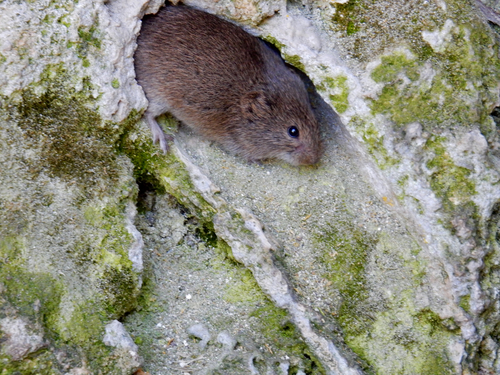
Records from studies worldwide, collected by GloBI. They include animals eaten as carrion, and they are not everything it eats in one place.
Where people see the long-eared Owl
People have shared 85,186 records from 80 countries.
Near a city: Ankara, Astana, Belgrade, Bishkek, Bratislava, Bucharest, Chișinău, Damascus, Minsk, Moscow, Prague, Tashkent, Tehran, Zagreb.
Records show where people have seen it and shared it, not its full range. Country names open their page in Atlas.
When it is seen
Records per month in the northern hemisphere. More people outdoors also means more records.
Watch and listen

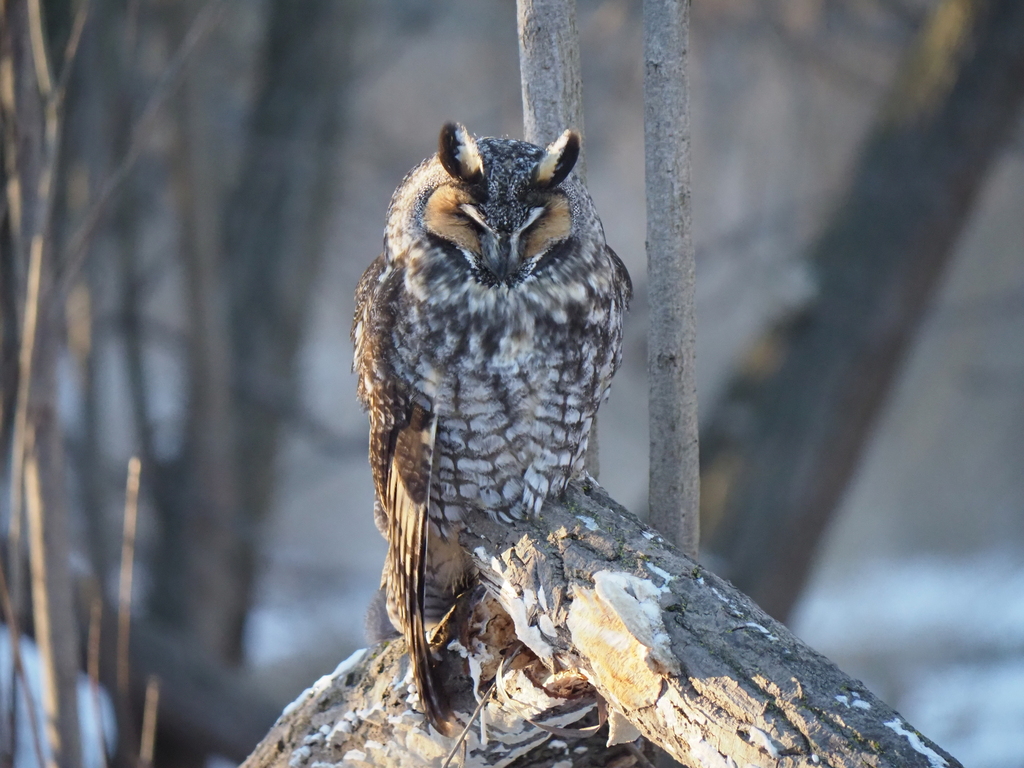
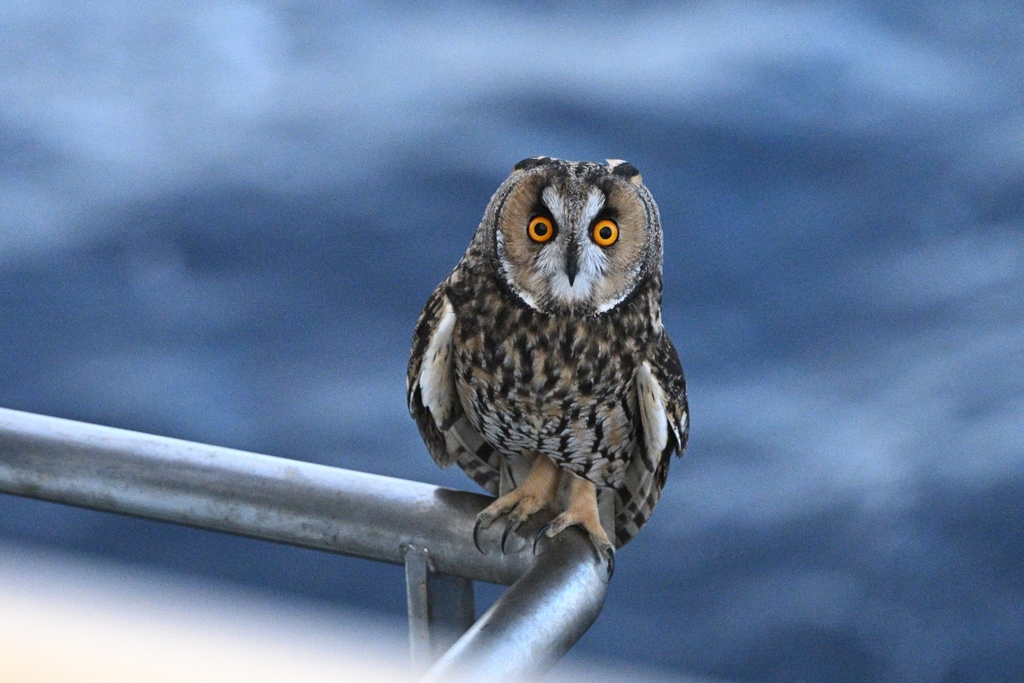
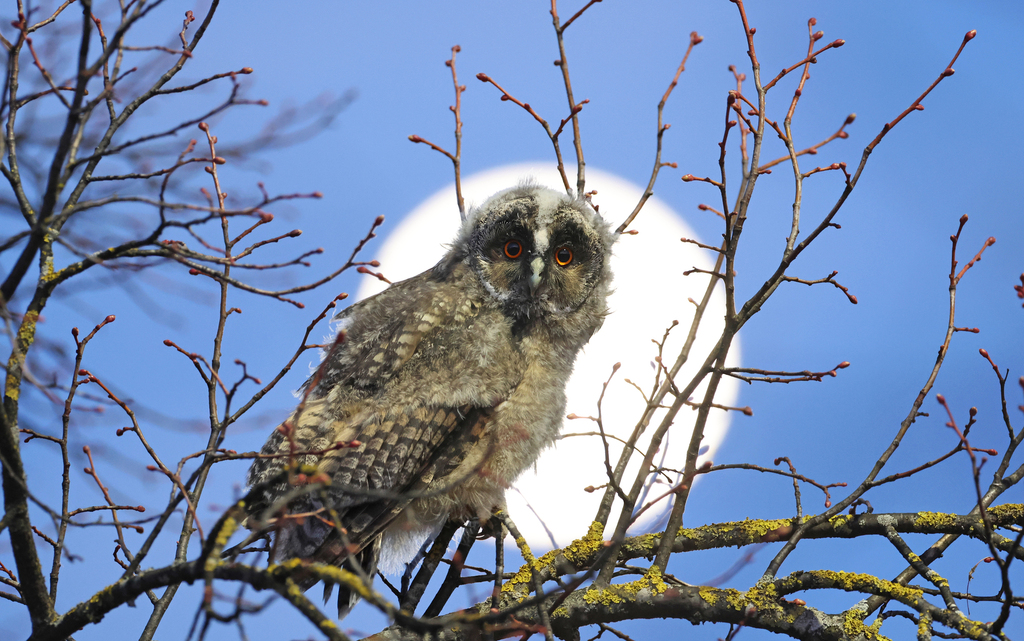
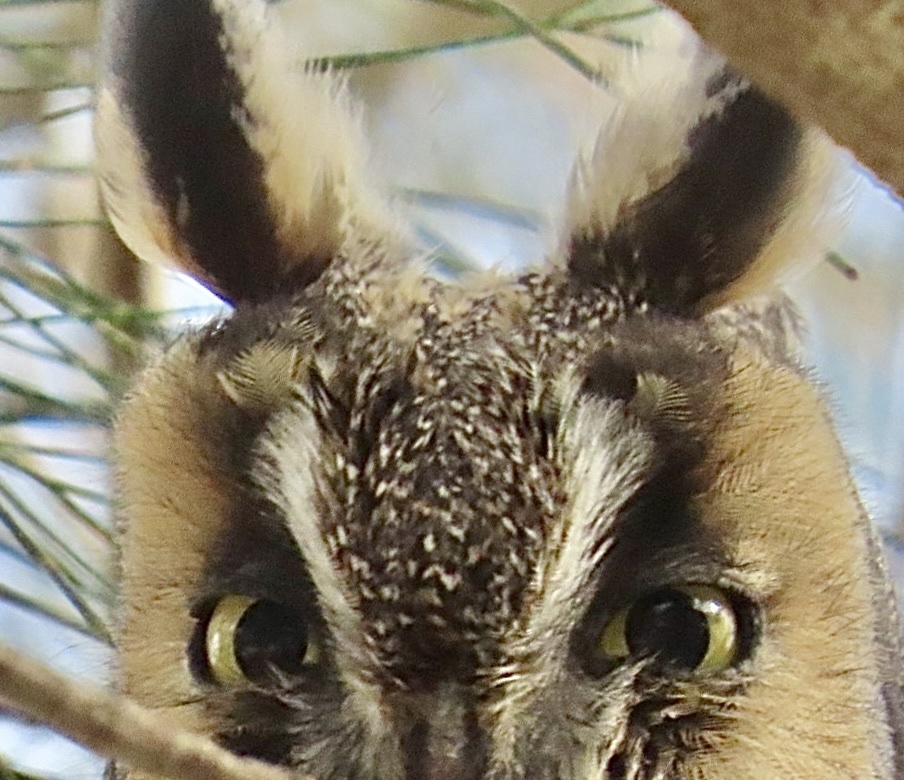
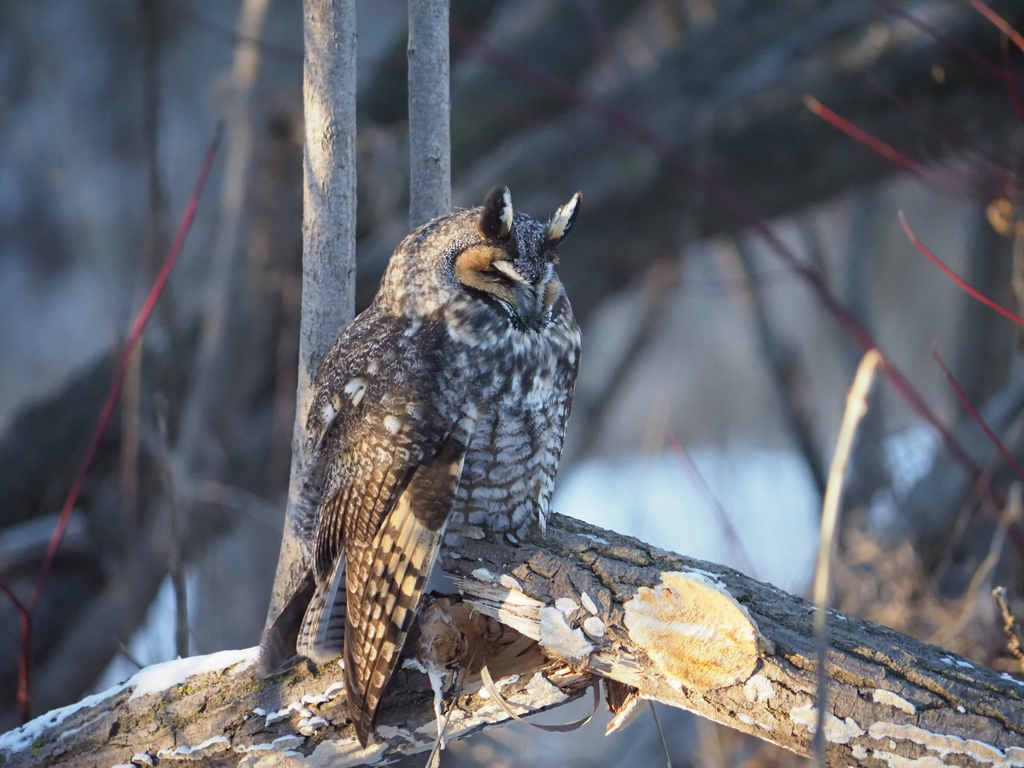
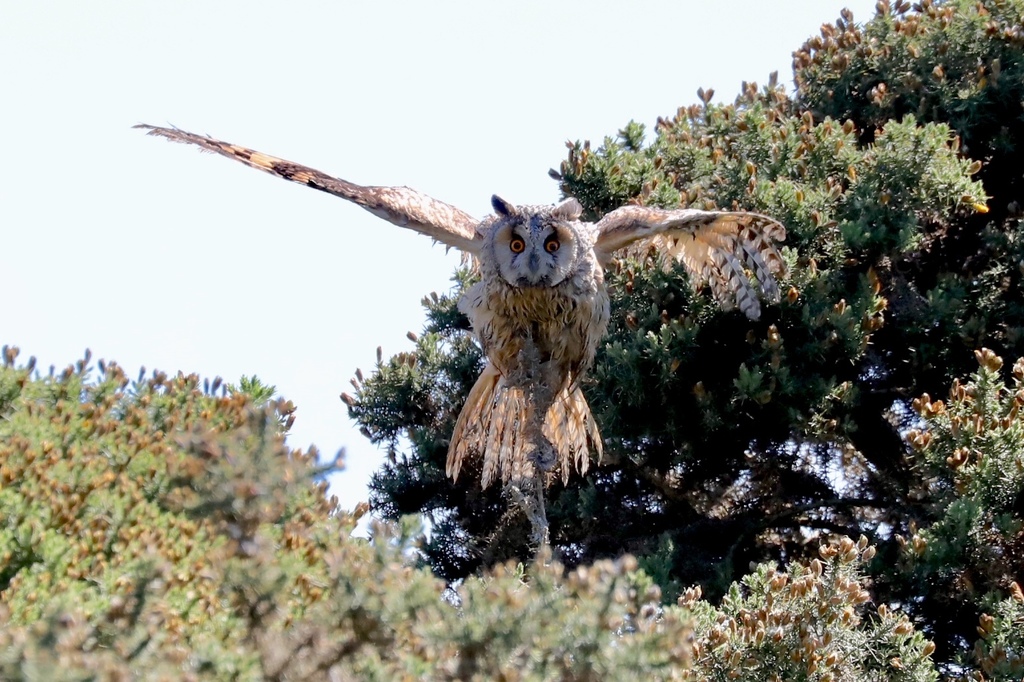
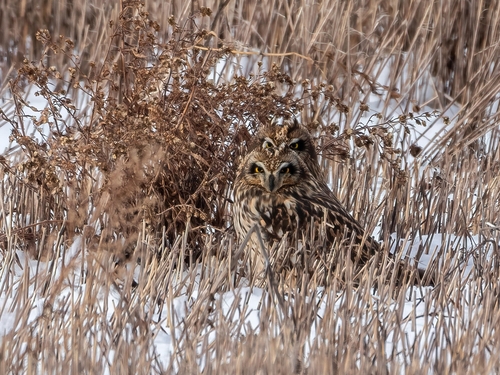
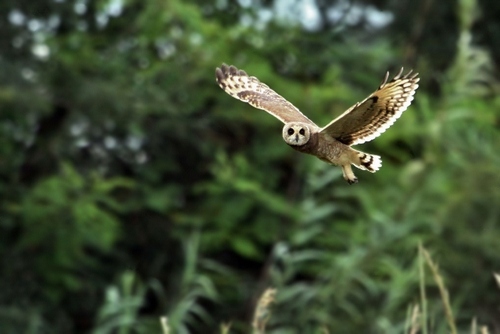
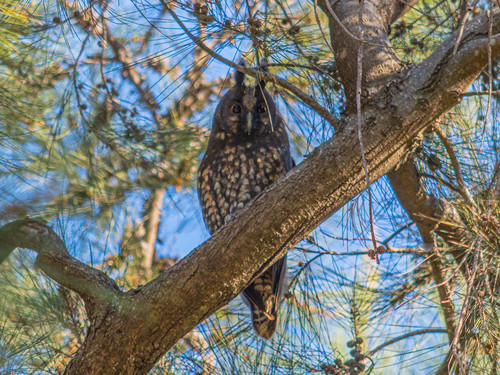
Its closest relatives
The other species of the genus Asio.
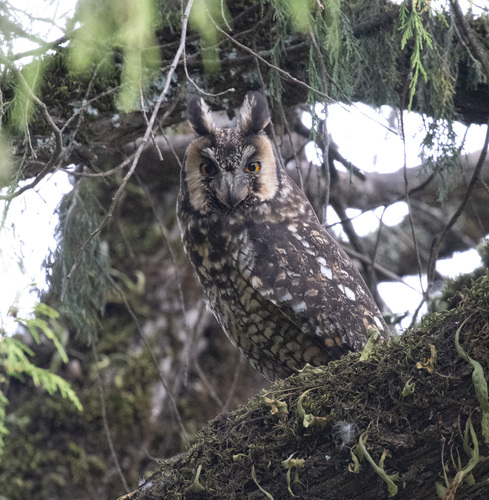
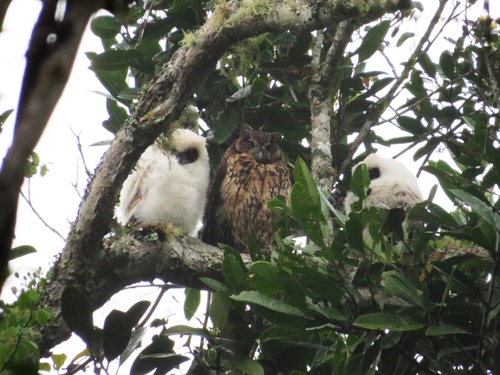
Seen a long-eared Owl?
Share your photo on iNaturalist. Other naturalists help confirm it, and the record goes to GBIF, where scientists use it and where the maps on this page come from.
Put this species on your site
The card names every source and links back here.
<iframe src="https://4planetatlas.com/place/embed/species/long-eared-owl" title="Long-eared Owl (Asio otus), 4PLANET Species" width="100%" height="600" style="border:0;max-width:640px" loading="lazy"></iframe>
<p><a href="https://4species.com/long-eared-owl">Long-eared Owl on 4PLANET Species</a></p>Questions people ask
What does the Long-eared Owl eat?
The Long-eared Owl has been recorded eating 574 different kinds of animals and plants, most of them birds, mammals, reptiles and amphibians. The ones recorded most often are house sparrow, common starling, eurasian chaffinch, brown rat and dunlin; records include animals eaten as carrion. Source: GloBI.
What eats the Long-eared Owl?
Recorded predators include eurasian eagle-owl, northern raven, eurasian magpie, raccoon and golden eagle. Source: GloBI.
Where does the Long-eared Owl live?
People have recorded it in 80 countries; the most records come from Canada, Spain, Russia, Germany and Czech Republic. Records show where people have seen it, not its full range.
When is the Long-eared Owl seen most?
In the northern hemisphere, the most records are made in May and the fewest in September. More people outdoors also means more records.
What are the Long-eared Owl's closest relatives?
It shares the genus Asio with short-eared owl, marsh owl, stygian owl, abyssinian owl and madagascar owl.
Sources and photo credits
- GBIF · Asio otus, 85,186 human observations
- GloBI · recorded interactions of Asio otus
- Wikidata · Long-eared Owl (Q25384)
- Long-eared Owl (Asio otus): caroline legg, CC BY 4.0
- Long-eared Owl (Asio otus): Dean Hester, CC BY 4.0
- Long-eared Owl (Asio otus): yongestation, CC BY 4.0
- Long-eared Owl (Asio otus): Charlotte Kirchner, CC BY 4.0
- Long-eared Owl (Asio otus), München-Flughafen, Deutschland: Christoph Moning, CC BY 4.0
- Long-eared Owl (Asio otus), California, US: Irene, CC0
- Long-eared Owl (Asio otus), Ontario, CA: yongestation, CC BY 4.0
- Long-eared Owl (Asio otus), Essex, England, GB: GrahamC57, CC BY 4.0
- House sparrow: Esteban Poveda, CC BY 4.0
- Common starling: Shiva Shenoy, CC BY 4.0
- Eurasian chaffinch: William Stephens, CC BY 4.0
- Brown rat: Martin Cooper, CC BY 4.0
- Dunlin: Phil James, CC BY 4.0
- Horned lark: Pat Farris, CC BY 4.0
- European hamster: Johannes S., CC BY 4.0
- Common vole: José-Manuel Benito, CC BY-SA 4.0
- Eastern cottontail: Andrew Murray, CC BY 4.0
- Meadow vole: Gordon Johnston, CC BY-SA 4.0
- Long-tailed vole: CK2AZ, CC BY 4.0
- Northern raven: xulescu_g, CC BY-SA 4.0
- Raccoon: Steven Bodzin, CC BY 4.0
- Golden eagle: Anne Parsons, CC0
- Peregrine falcon: Shirley Zundell, CC BY 4.0
- Common buzzard: Christoph Moning, CC BY 4.0
- European pine marten: Bartosz Sarnowski, CC BY 4.0
- Short-eared owl: Derek Spencer, CC BY 4.0
- Marsh owl: i_c_riddell, CC BY 4.0
- Stygian owl: Jose Luis Navarro, CC BY 4.0
- Abyssinian owl: avocat, CC BY 4.0
- Madagascar owl: Paul Prior, CC BY 4.0
Records show where people have seen and shared the Long-eared Owl, not its full range, and some countries and months are recorded far more than others. The food web lists interactions that studies have recorded somewhere in the world (GloBI), not everything it eats in one place.
Checked 2026-11-24.