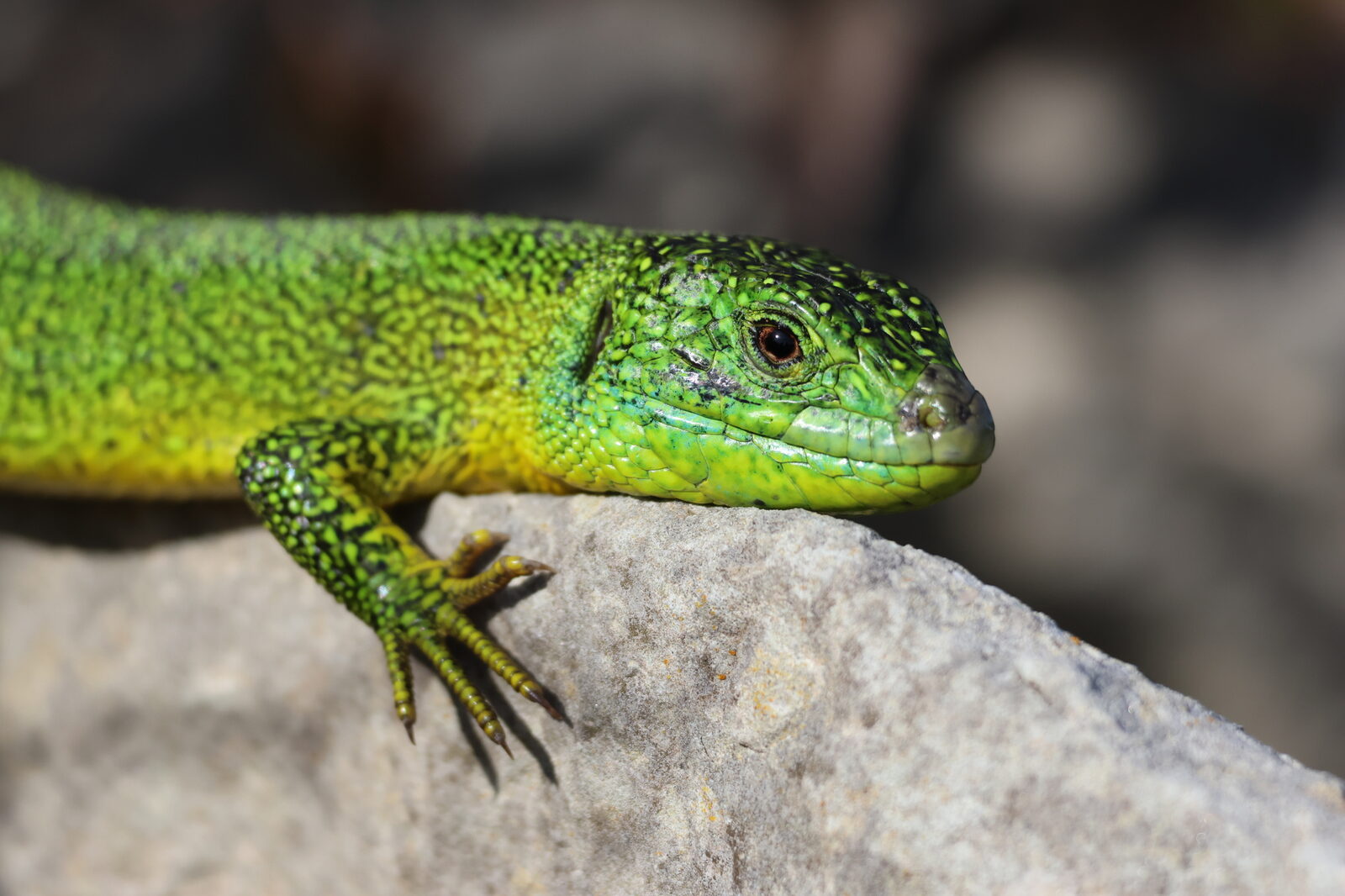
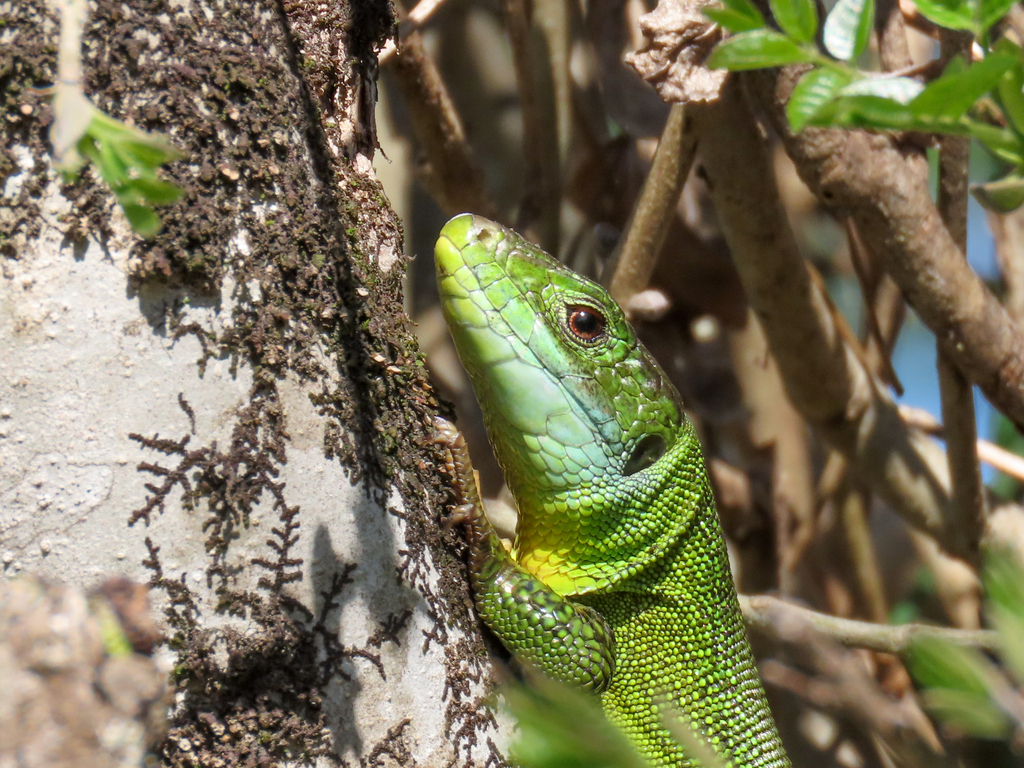
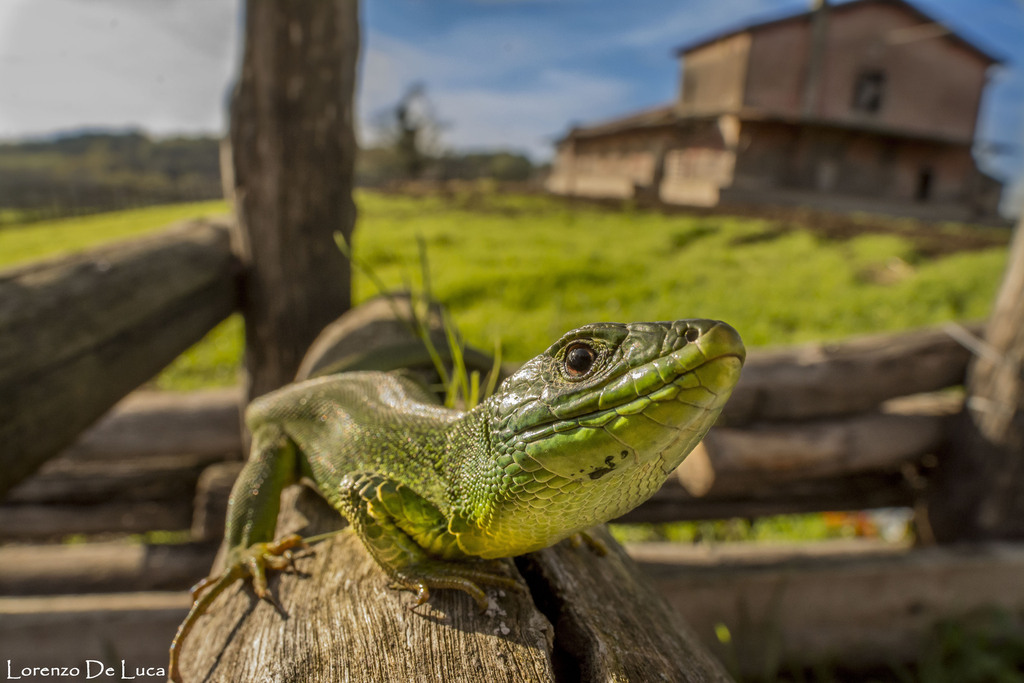
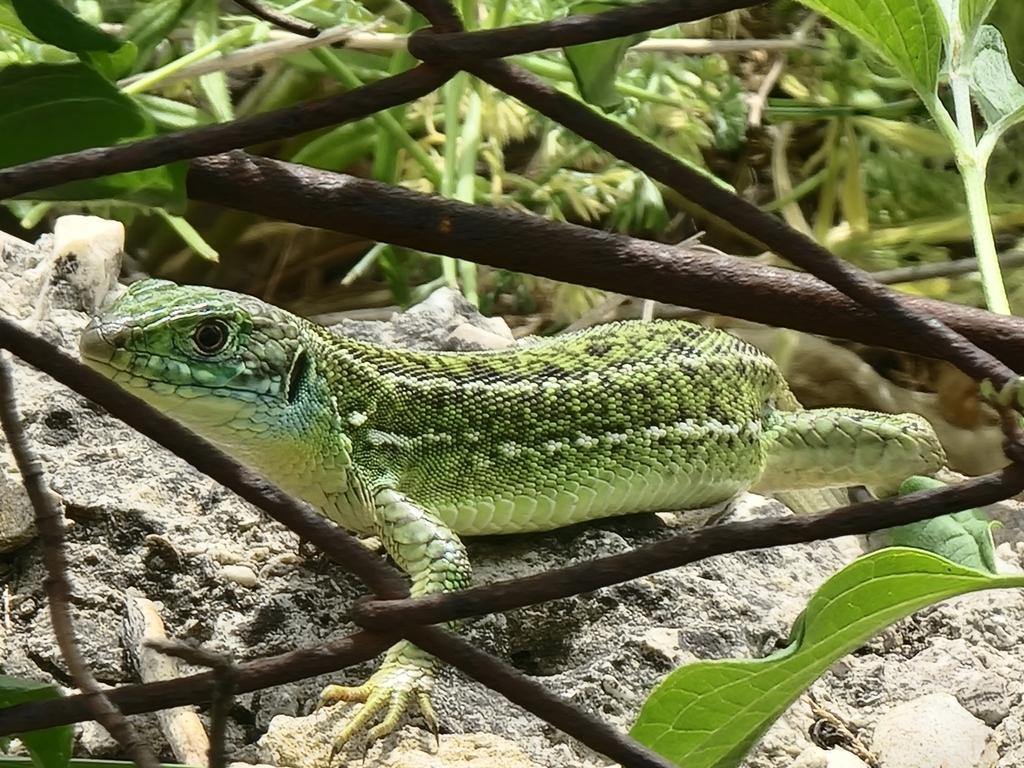
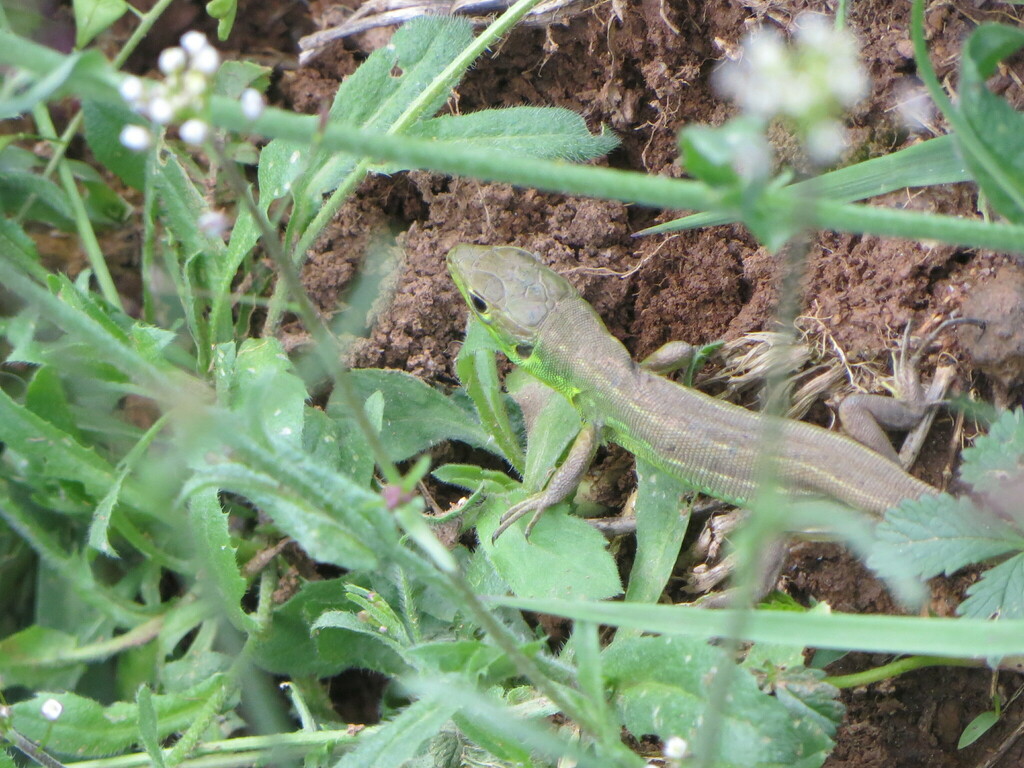
Western green lizard
Lacerta bilineata
- Status
- Least Concern IUCN Red List
- Eats
- house sparrow, northern raven, Eurasian magpie and 568 more
- Eaten by
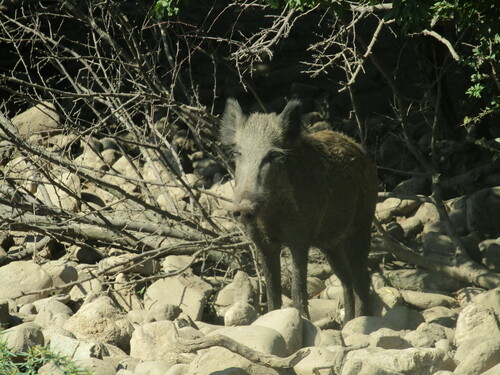
- wild boar, red fox, northern raven
- Where
- 10 countries · wetlands
People have shared 14,722 records of the western green lizard with GBIF, from 10 countries, most of them from France, Italy and Germany. Records collected by GloBI show it eating 571 different kinds of animals and plants, and being eaten by 82.
In the northern hemisphere, people record it most in May and least in January. It belongs to the genus Lacerta in the family Lacertidae.
Habitats
What the western green lizard eats, and what eats it
Studies have recorded it eating 571 kinds of animals and plants, and 82 kinds of animals eating it. Tap any of them to follow the food chain.
- Birds 215
- Reptiles 161
- Mammals 147
Eaten by


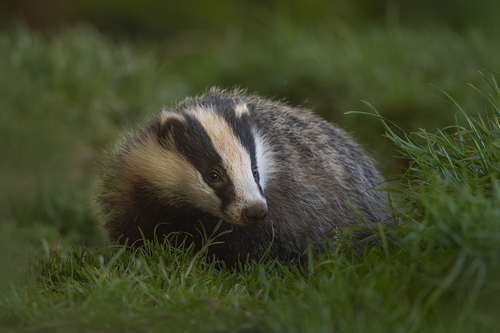
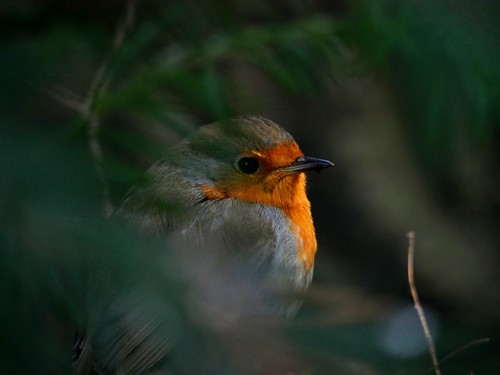 Western green lizard
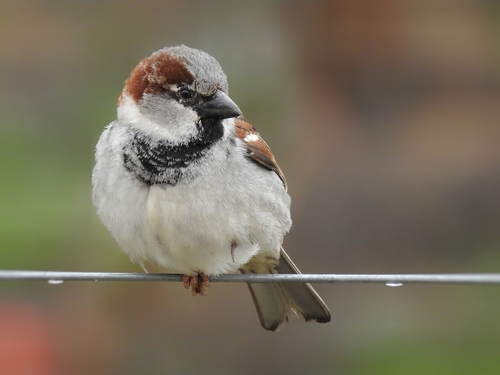
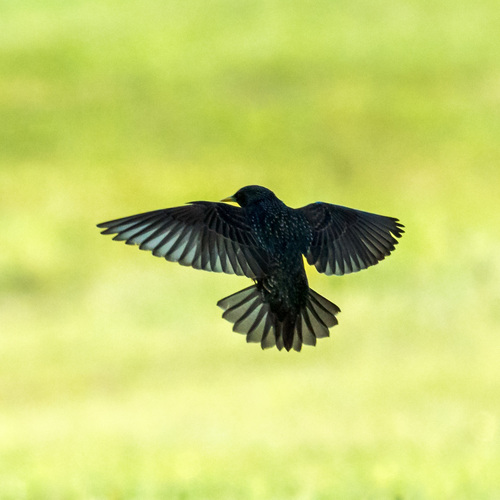
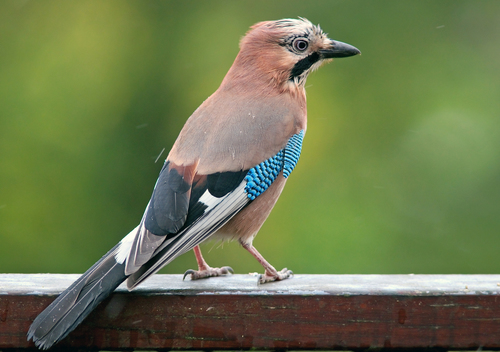
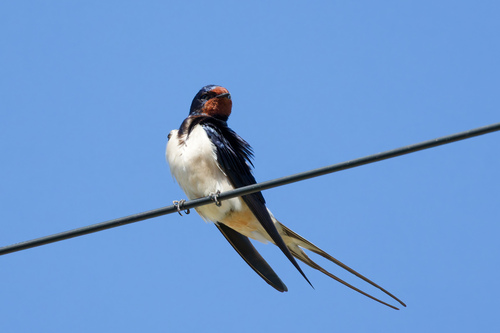
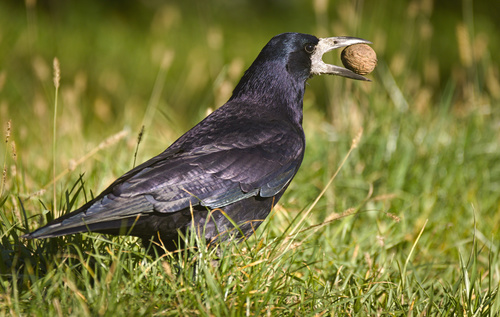
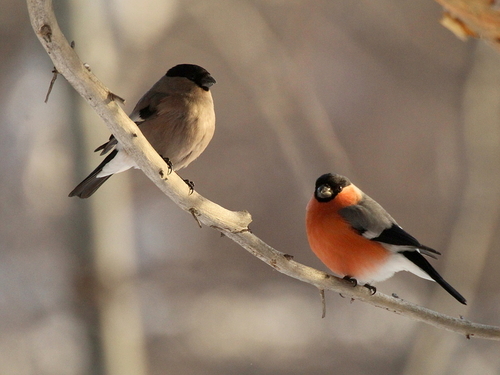
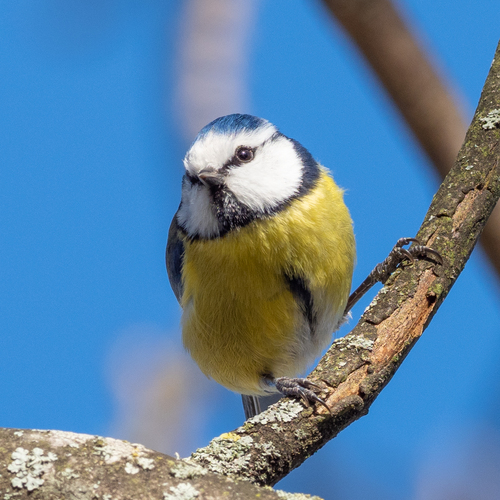
Records from studies worldwide, collected by GloBI. They include animals eaten as carrion, and they are not everything it eats in one place.
Where people see the western green lizard
People have shared 14,722 records from 10 countries.
Records show where people have seen it and shared it, not its full range. Country names open their page in Atlas.
When it is seen
Records per month in the northern hemisphere. More people outdoors also means more records.
Watch and listen
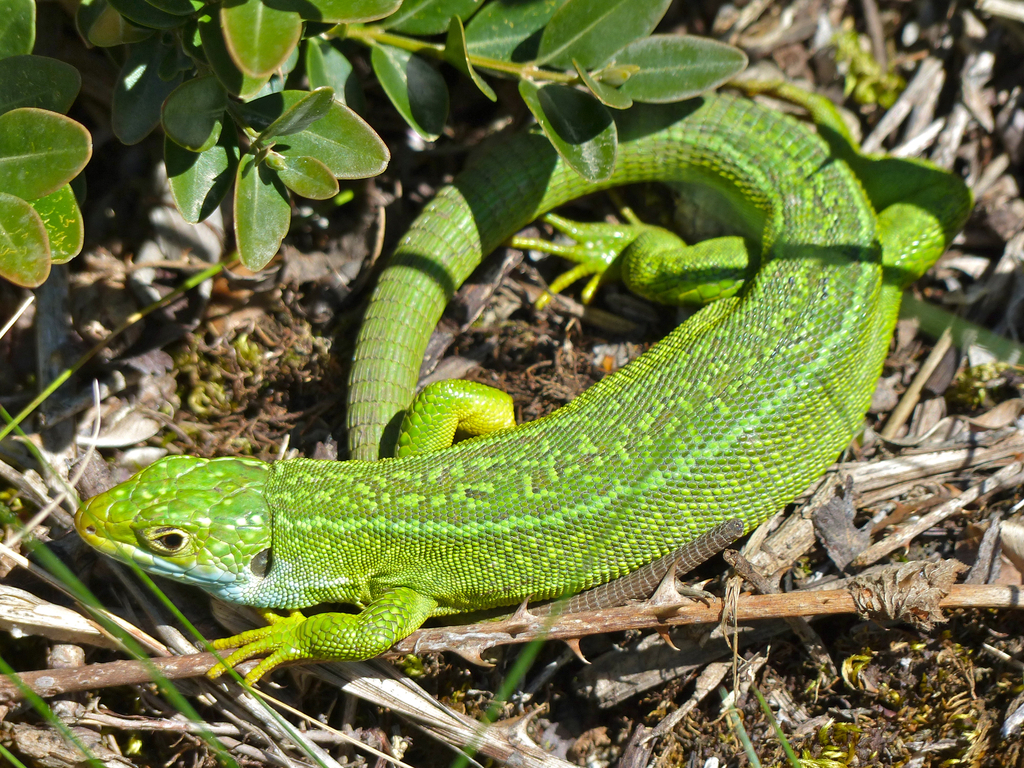
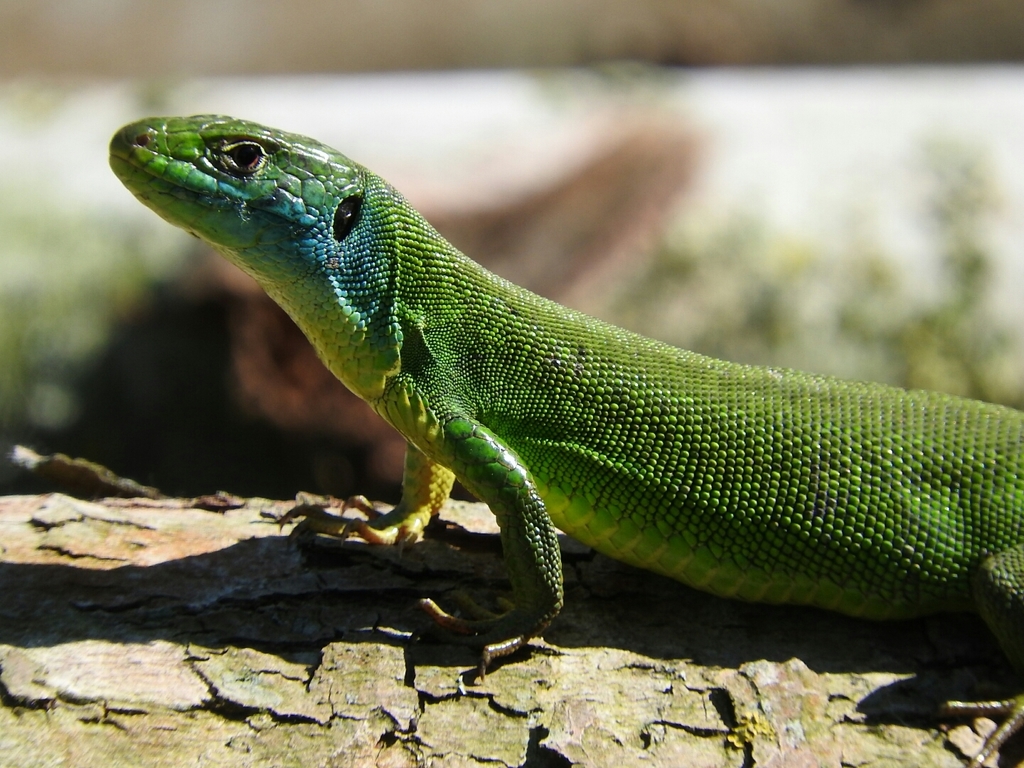
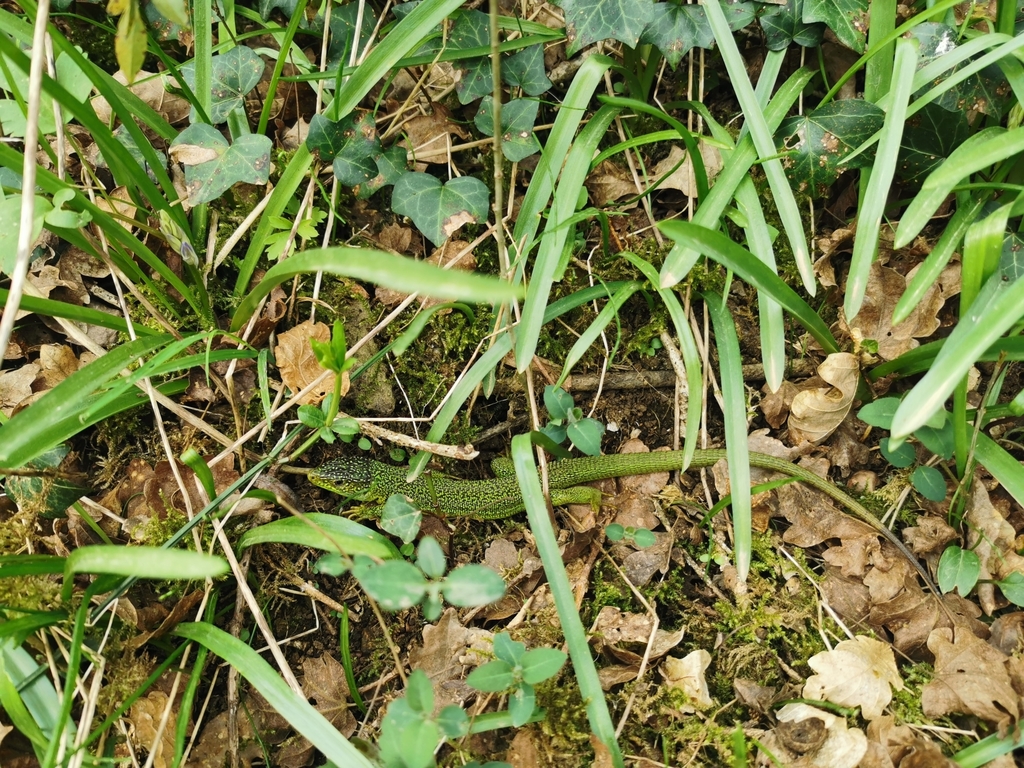
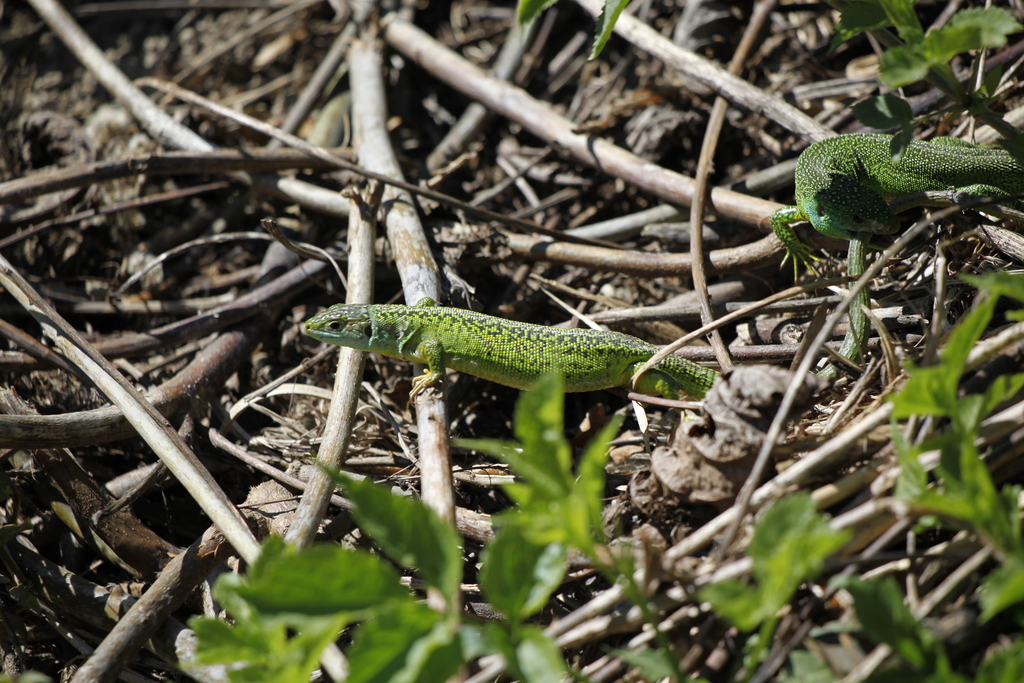
Its closest relatives
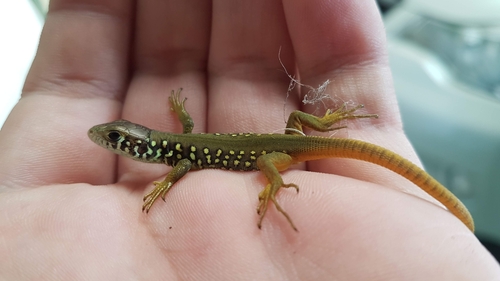
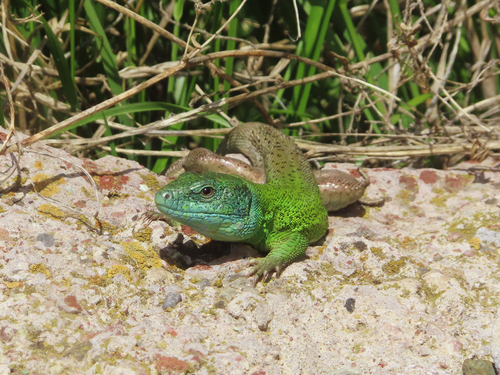
The other species of the genus Lacerta.


Seen a western green lizard?
Share your photo on iNaturalist. Other naturalists help confirm it, and the record goes to GBIF, where scientists use it and where the maps on this page come from.
Put this species on your site
The card names every source and links back here.
<iframe src="https://4planetatlas.com/place/embed/species/western-green-lizard" title="Western green lizard (Lacerta bilineata), 4PLANET Species" width="100%" height="600" style="border:0;max-width:640px" loading="lazy"></iframe>
<p><a href="https://4species.com/western-green-lizard">Western green lizard on 4PLANET Species</a></p>Explore next
What puts the western green lizard under pressure, what helps, and who works on it.




Questions people ask
What does the western green lizard eat?
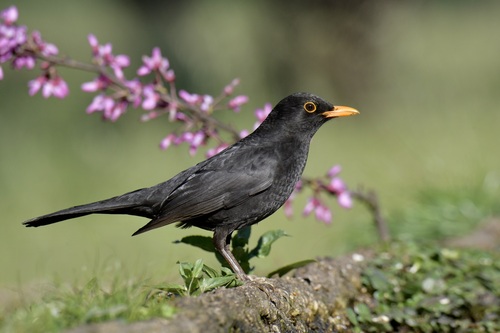
The western green lizard has been recorded eating 571 different kinds of animals and plants, most of them birds, reptiles and mammals. The ones recorded most often are house sparrow, northern raven, eurasian magpie, common blackbird and european robin; records include animals eaten as carrion. Source: GloBI.
What eats the western green lizard?
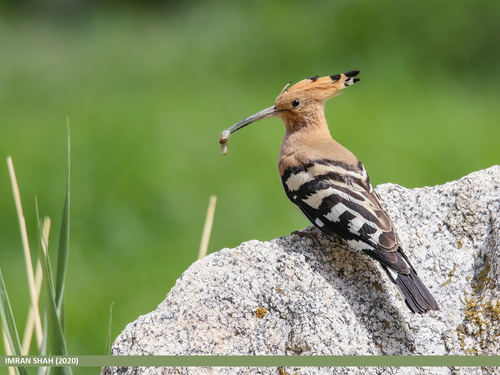
Recorded predators include wild boar, red fox, northern raven, eurasian magpie and eurasian hoopoe. Source: GloBI.
Where does the western green lizard live?
People have recorded it in 10 countries; the most records come from France, Italy, Germany, Spain and Switzerland. Records show where people have seen it, not its full range.
When is the western green lizard seen most?
In the northern hemisphere, the most records are made in May and the fewest in January. More people outdoors also means more records.
What are the western green lizard's closest relatives?
It shares the genus Lacerta with sand lizard, iberian emerald lizard, balkan green lizard and caspian green lizard.
Sources and photo credits
- GBIF · Lacerta bilineata, 14,722 human observations
- GloBI · recorded interactions of Lacerta bilineata
- Wikidata · Western green lizard (Q739025)
- Western green lizard (Lacerta bilineata): Diego González Dopico, CC BY 4.0
- Western green lizard (Lacerta bilineata): Bernard DUPONT, CC BY-SA 4.0
- Western green lizard (Lacerta bilineata): no rights reserved, uploaded by Francesco Cecere, CC0
- Western green lizard (Lacerta bilineata), Metropolitan City of Rome Capital, Italy: Emanuele Santarelli, CC BY-SA 4.0
- Western green lizard (Lacerta bilineata), Città metropolitana di Roma Capitale, Italia: Lorenzo De Luca, CC BY 4.0
- Western green lizard (Lacerta bilineata), 66042 Bomba CH, Italia: Simone Luccini, CC BY 4.0
- Western green lizard (Lacerta bilineata), Rueglio: Marianna Boi, CC BY 4.0
- Western green lizard (Lacerta bilineata), 44521 Oudon, France: Justine Faure, CC BY 4.0
- Western green lizard (Lacerta bilineata), 79268 Bötzingen, Deutschland: Patrick Meurin, CC BY 4.0
- House sparrow: Esteban Poveda, CC BY 4.0
- Northern raven: xulescu_g, CC BY-SA 4.0
- Common blackbird: Luiz Lapa, CC BY 4.0
- European robin: Alexis Tinker-Tsavalas, CC BY 4.0
- Eurasian golden oriole: carnifex, CC BY 4.0
- Common starling: Shiva Shenoy, CC BY 4.0
- Eurasian jay: Luc Viatour, CC BY-SA 4.0
- Barn swallow: Donald Davesne, CC BY 4.0
- Rook: hedera.baltica, CC BY-SA 4.0
- Eurasian bullfinch: Andrew Bazdyrev, CC BY 4.0
- Eurasian blue tit: Bengt Nyman, CC BY 4.0
- Wild boar: SteveM4560, CC BY 4.0
- Red fox: Алина Урусова, CC BY 4.0
- Eurasian hoopoe: Birds of Gilgit-Baltistan, CC BY-SA 4.0
- Eurasian badger: caroline legg, CC BY 4.0
- Sand lizard: Lennart Hudel, CC BY 4.0
- Iberian emerald lizard: Diego González Dopico, CC BY 4.0
- Balkan green lizard: Petr Kouba, CC BY 4.0
- Caspian green lizard: Kseniia Marianna Prondzynska, CC BY 4.0
Records show where people have seen and shared the western green lizard, not its full range, and some countries and months are recorded far more than others. The food web lists interactions that studies have recorded somewhere in the world (GloBI), not everything it eats in one place.
Checked 2026-11-23.