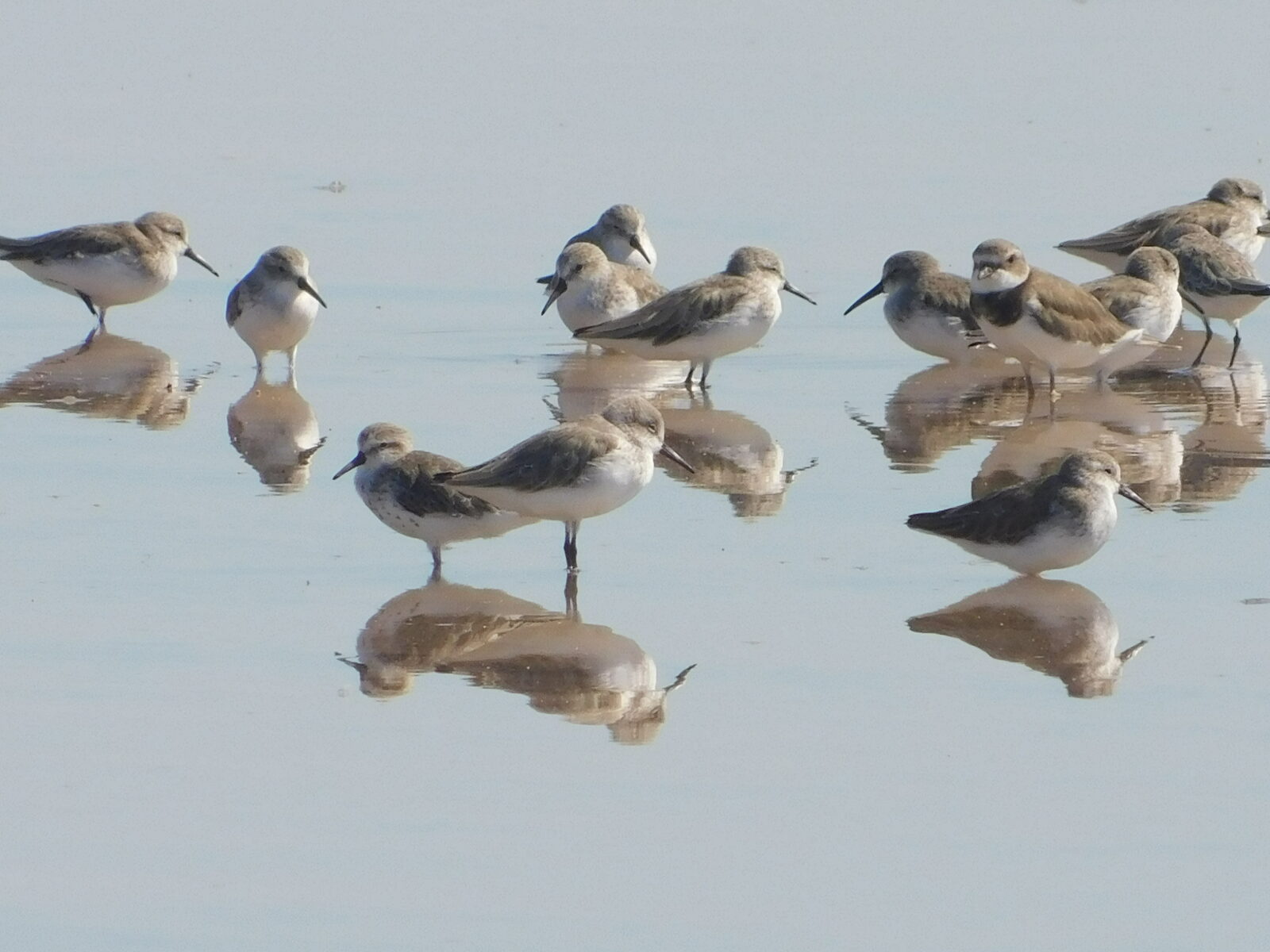
Western sandpiper
Calidris mauri
- Status
- Least Concern IUCN Red List
- Eaten by
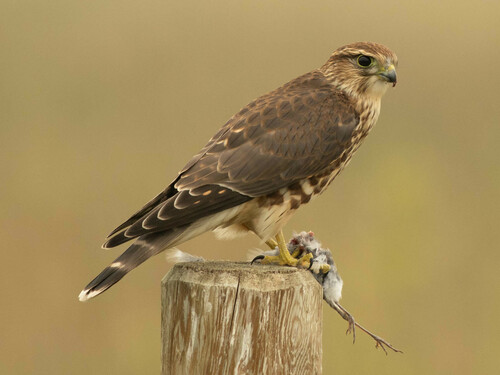
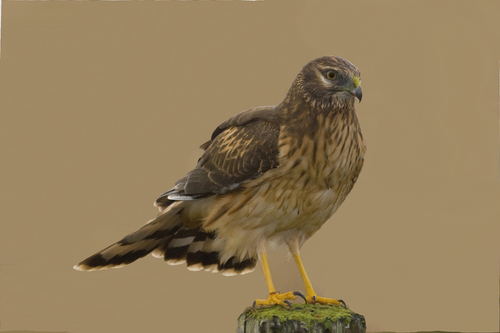
- peregrine falcon, merlin, hen harrier
- Where
- 61 countries
On 4Planet Atlas it is among the wildlife people record most around Bridgetown, Havana and Lima, and 5 more of the cities we cover.
People have shared 767,102 records of the western sandpiper with GBIF, from 61 countries, most of them from United States, Canada and Mexico. Records collected by GloBI show it eating 33 different kinds of animals and plants, and being eaten by 7.
What the western sandpiper eats, and what eats it
Studies have recorded it eating 33 kinds of animals and plants, and 7 kinds of animals eating it. Tap any of them to follow the food chain.
- Shellfish 6
- Snails and slugs 6
- Worms 5
- Crustaceans 1

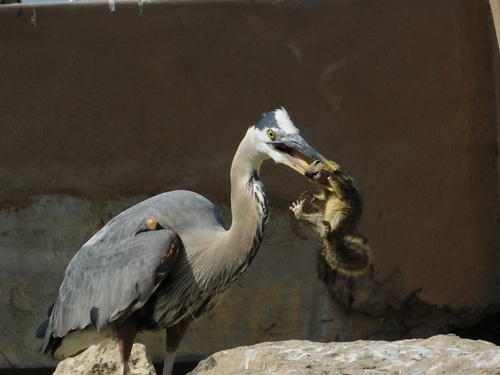
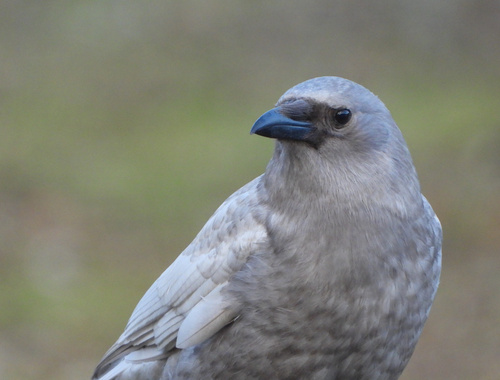 Western sandpiper
Records from studies worldwide, collected by GloBI. They include animals eaten as carrion, and they are not everything it eats in one place.
Where people see the western sandpiper
People have shared 767,102 records from 61 countries.
Near a city: Bridgetown, Havana, Lima, Phoenix, San Francisco, Seattle, St. George's, Vancouver.
Records show where people have seen it and shared it, not its full range. Country names open their page in Atlas.
When it is seen
Records per month in the northern hemisphere. More people outdoors also means more records.
Watch and listen
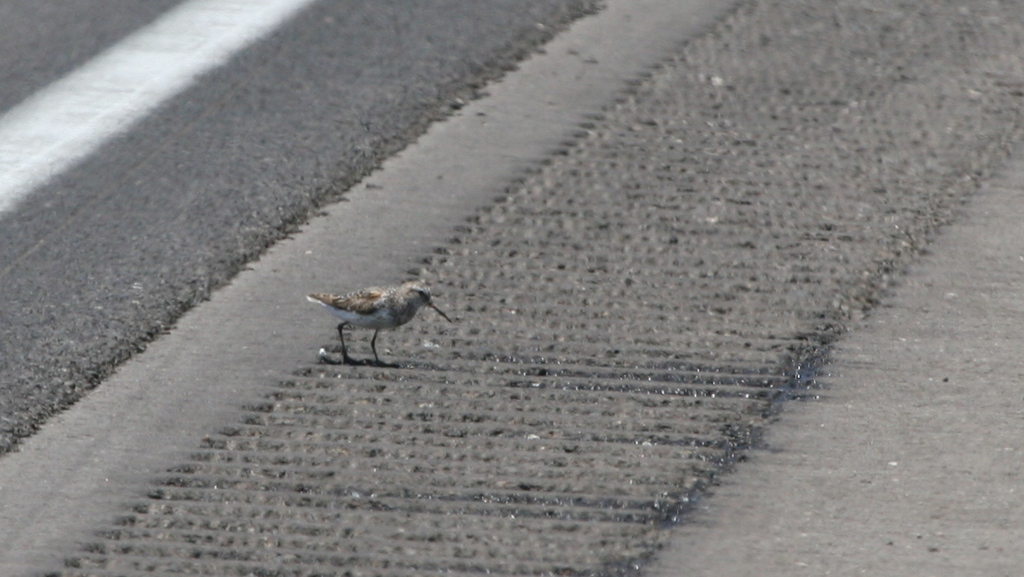
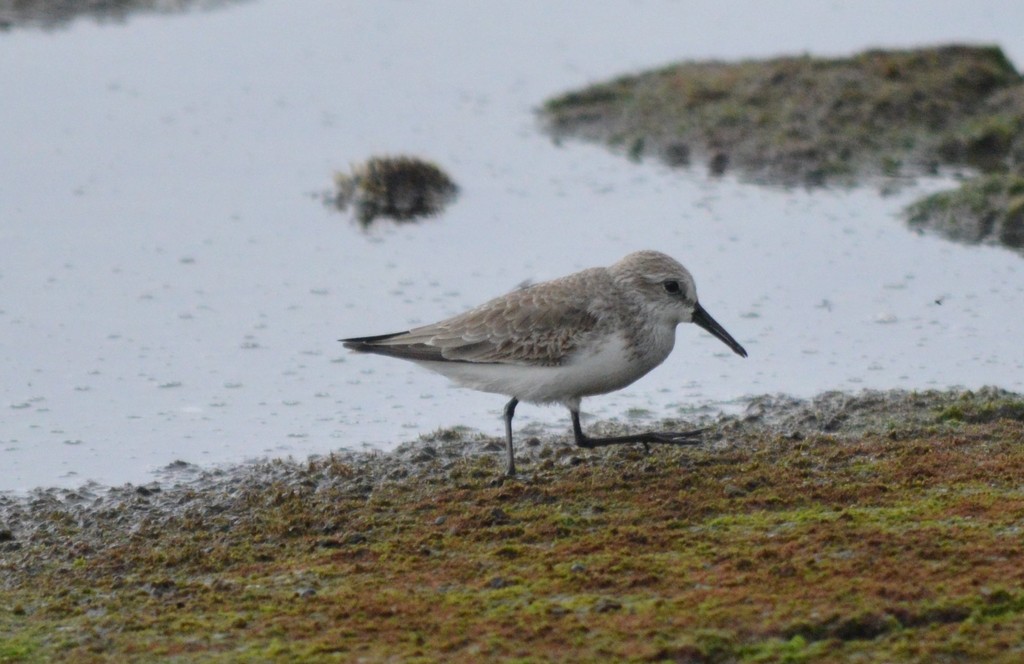
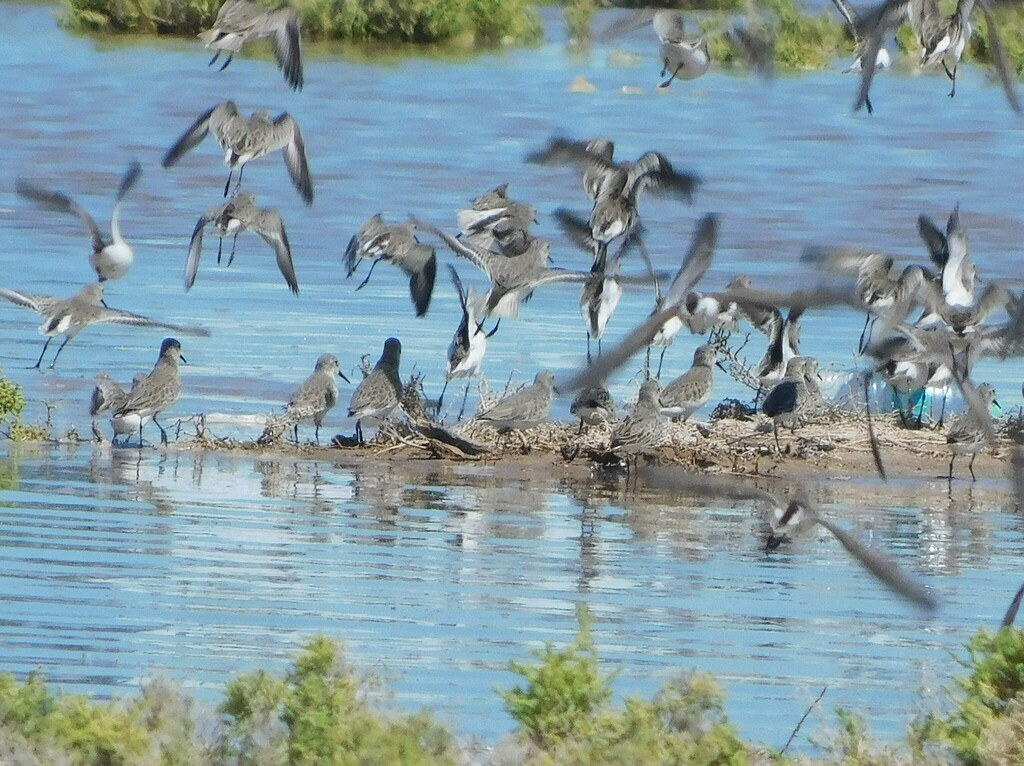
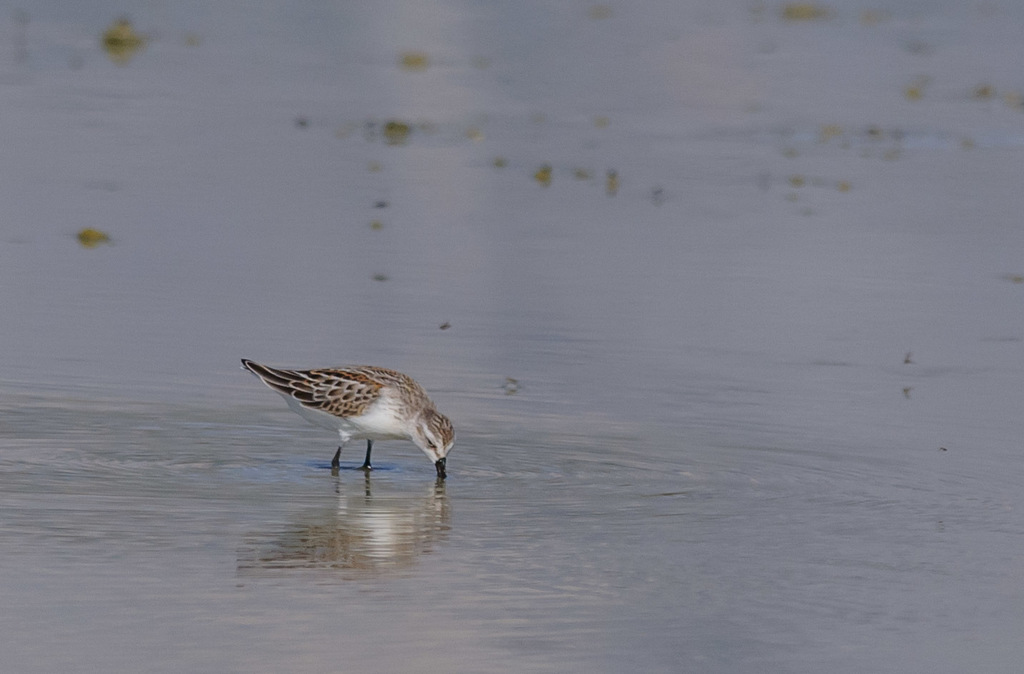
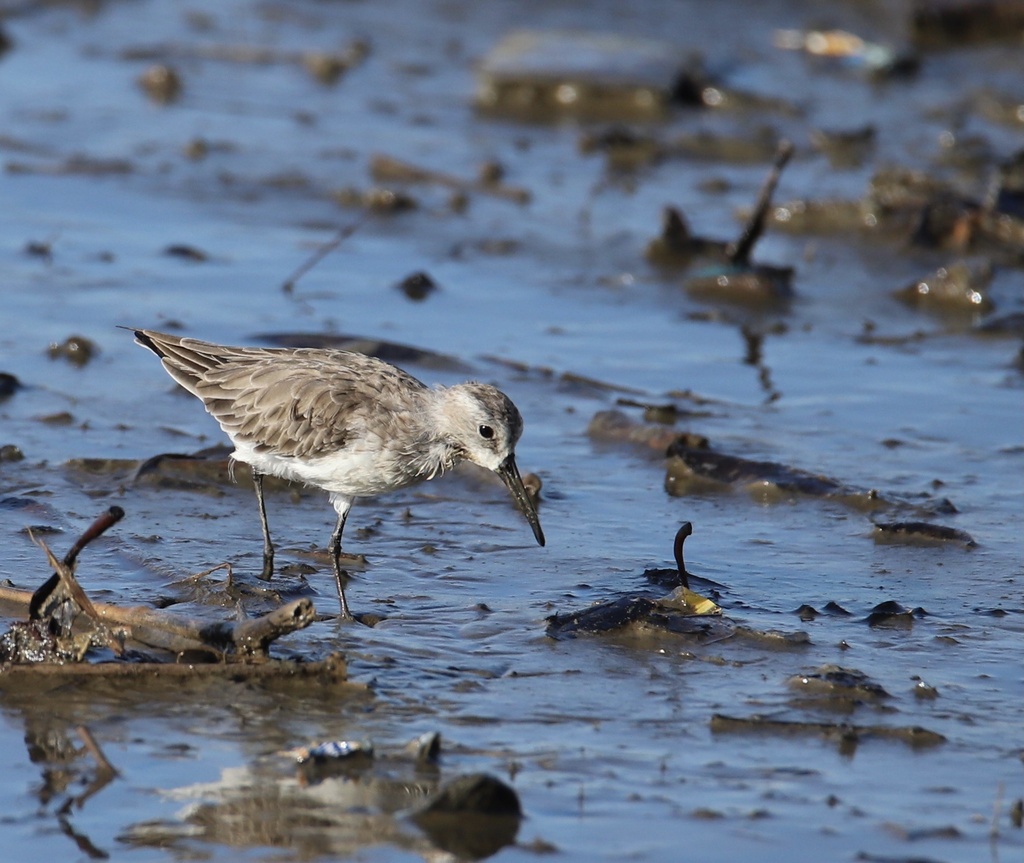
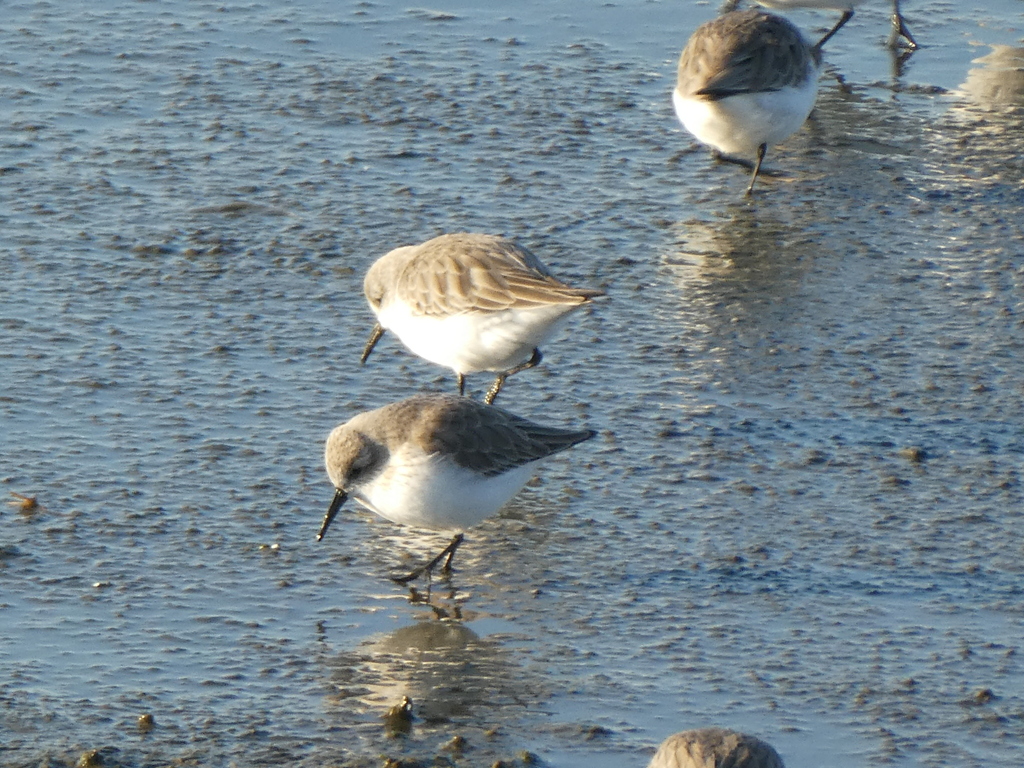
Its closest relatives
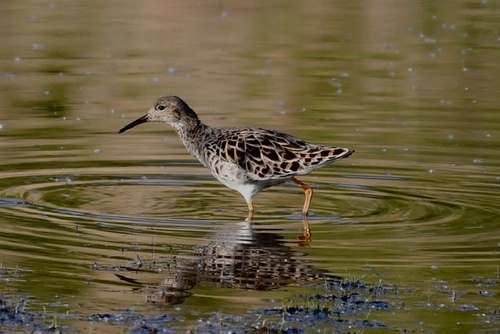
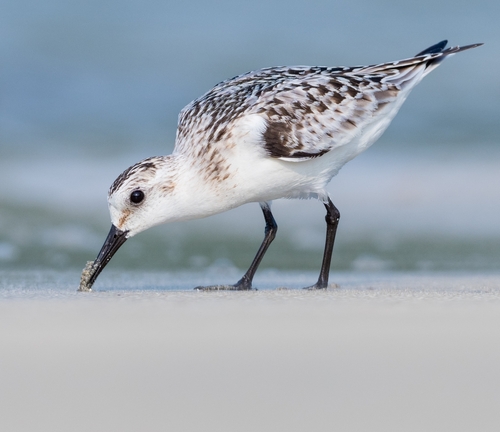
The other species of the genus Calidris.
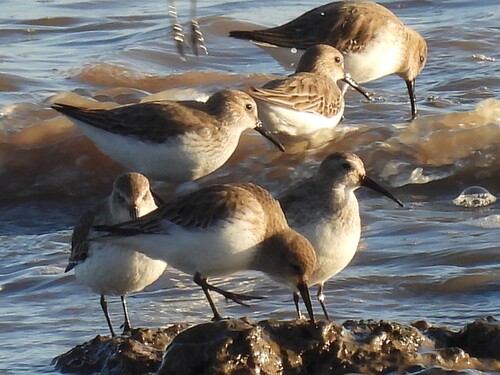

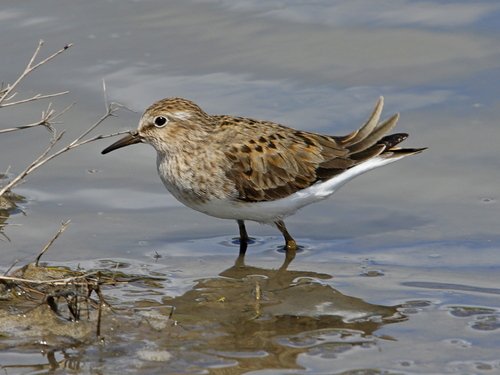
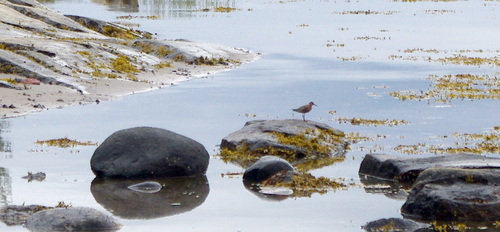
Seen a western sandpiper?
Share your photo on iNaturalist. Other naturalists help confirm it, and the record goes to GBIF, where scientists use it and where the maps on this page come from.
Put this species on your site
The card names every source and links back here.
<iframe src="https://4planetatlas.com/place/embed/species/western-sandpiper" title="Western sandpiper (Calidris mauri), 4PLANET Species" width="100%" height="600" style="border:0;max-width:640px" loading="lazy"></iframe>
<p><a href="https://4species.com/western-sandpiper">Western sandpiper on 4PLANET Species</a></p>Questions people ask
What does the western sandpiper eat?
The western sandpiper has been recorded eating 33 different kinds of animals and plants, most of them shellfish, snails and slugs, worms and crustaceans. The ones recorded most often are ; records include animals eaten as carrion. Source: GloBI.
What eats the western sandpiper?
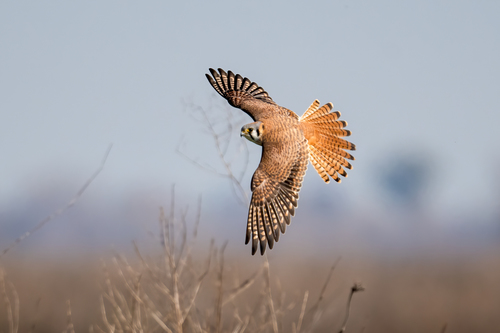
Recorded predators include peregrine falcon, merlin, hen harrier, american kestrel and great blue heron. Source: GloBI.
Where does the western sandpiper live?
People have recorded it in 61 countries; the most records come from United States, Canada, Mexico, Costa Rica and Panama. Records show where people have seen it, not its full range.
When is the western sandpiper seen most?
In the northern hemisphere, the most records are made in August and the fewest in June. More people outdoors also means more records.
What are the western sandpiper's closest relatives?
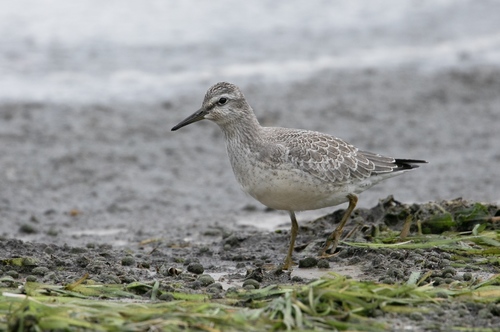
It shares the genus Calidris with ruff, sanderling, dunlin, red knot and little stint.
Sources and photo credits
- GBIF · Calidris mauri, 767,102 human observations
- GloBI · recorded interactions of Calidris mauri
- Wikidata · Western sandpiper (Q488341)
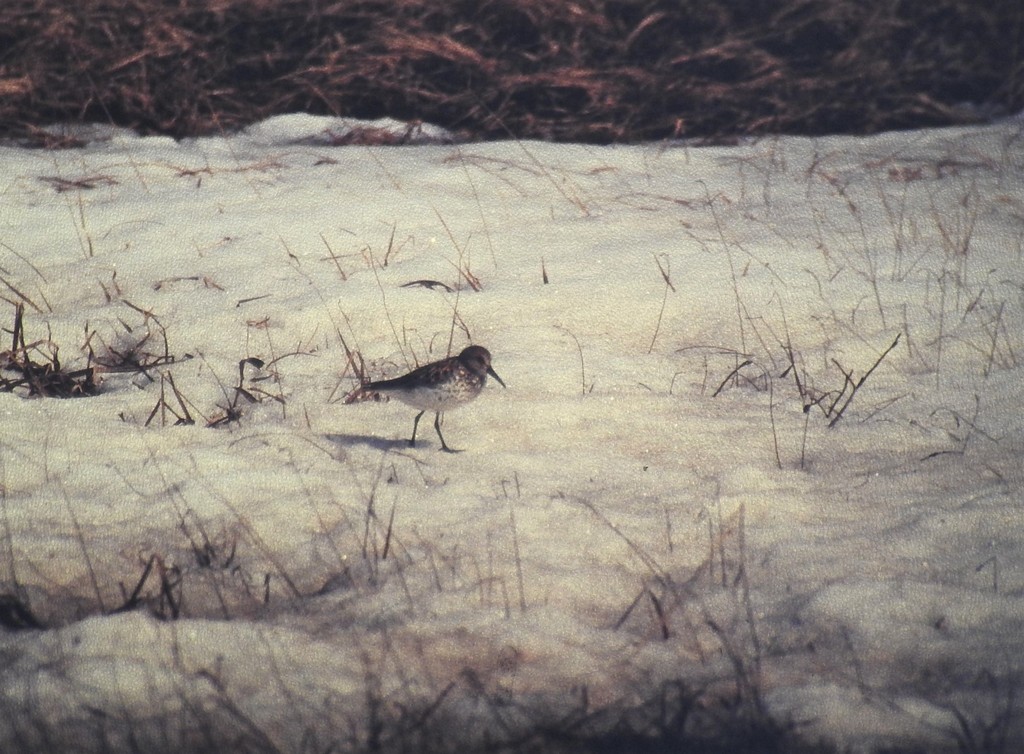
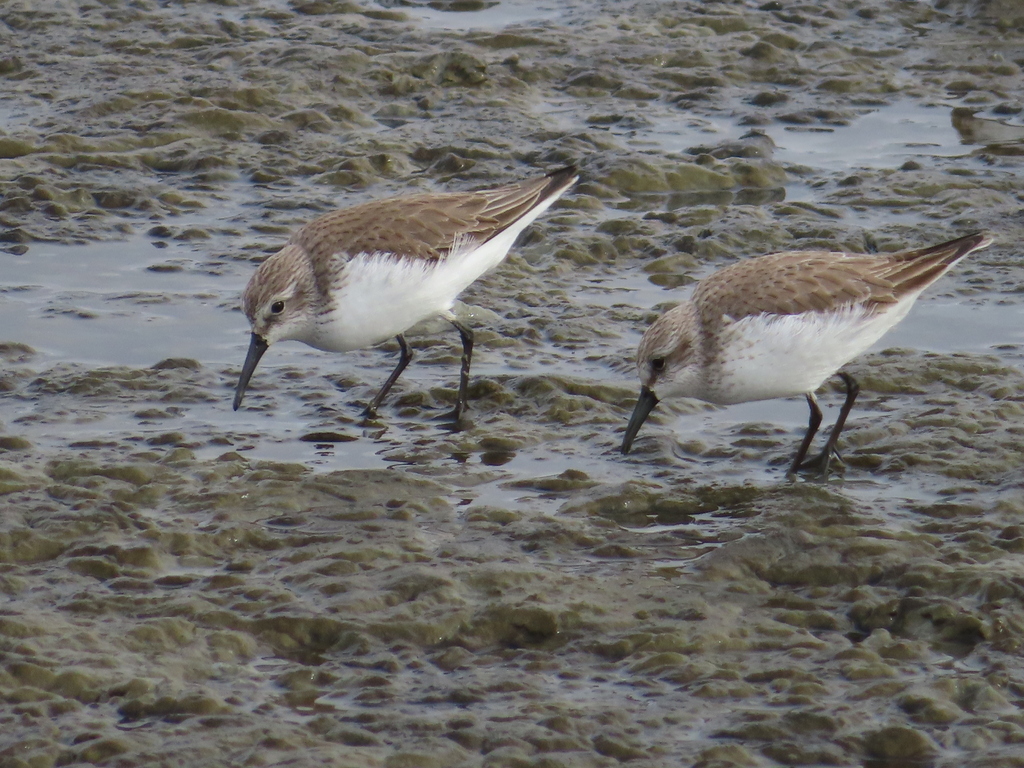
- Western sandpiper (Calidris mauri): Jose Luis Leon de la Luz, CC BY 4.0
- Western sandpiper (Calidris mauri), US-380, San Antonio, NM 87832, USA: Cole Wolf, CC BY 4.0
- Western sandpiper (Calidris mauri), Kaloko-Honokohau NHP, Kalaoa, HI 96740, USA: David Anderson, CC BY 4.0
- Western sandpiper (Calidris mauri), La Paz, MX-BS, MX: Jose Luis Leon de la Luz, CC BY 4.0
- Western sandpiper (Calidris mauri), Utah County, UT, USA: Rolf Lawrenz, CC BY 4.0
- Western sandpiper (Calidris mauri), Bahía de Panamá, Panama City, Provincia de Panamá, PA: Aitor, CC BY 4.0
- Western sandpiper (Calidris mauri), Alameda, CA, USA: datadan, CC BY 4.0
- Western sandpiper (Calidris mauri), Région de recensement de Nome, Alaska, États-Unis: Louis Imbeau, CC BY 4.0
- Western sandpiper (Calidris mauri), Mountain View, CA, USA: Ken Clark, CC BY 4.0
- Peregrine falcon: Shirley Zundell, CC BY 4.0
- Merlin: no rights reserved, uploaded by Kathlin Simpkins, CC0
- Hen harrier: Gregory "Slobirdr" Smith, CC BY-SA 4.0
- American kestrel: Jonathan Eisen, CC BY 4.0
- Great blue heron: mostbittern, CC BY 4.0
- American crow: Justin Flint, CC BY 4.0
- Ruff: rober025, CC BY 4.0
- Sanderling: Marco Chan, CC BY 4.0
- Dunlin: Phil James, CC BY 4.0
- Red knot: Paolo Zucca, CC BY 4.0
- Little stint: Imran Shah, CC BY-SA 4.0
- Temminck's stint: Andrew Simon, CC BY 4.0
- Curlew sandpiper: Георгий Виноградов (Georgy Vinogradov), CC BY 4.0
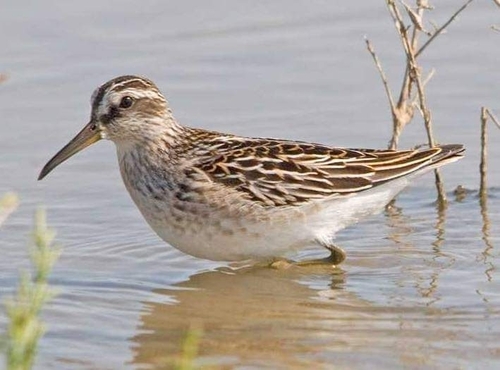
- Broad-billed sandpiper: Alidz31, CC BY 4.0
Records show where people have seen and shared the western sandpiper, not its full range, and some countries and months are recorded far more than others. The food web lists interactions that studies have recorded somewhere in the world (GloBI), not everything it eats in one place.
Checked 2026-11-27.