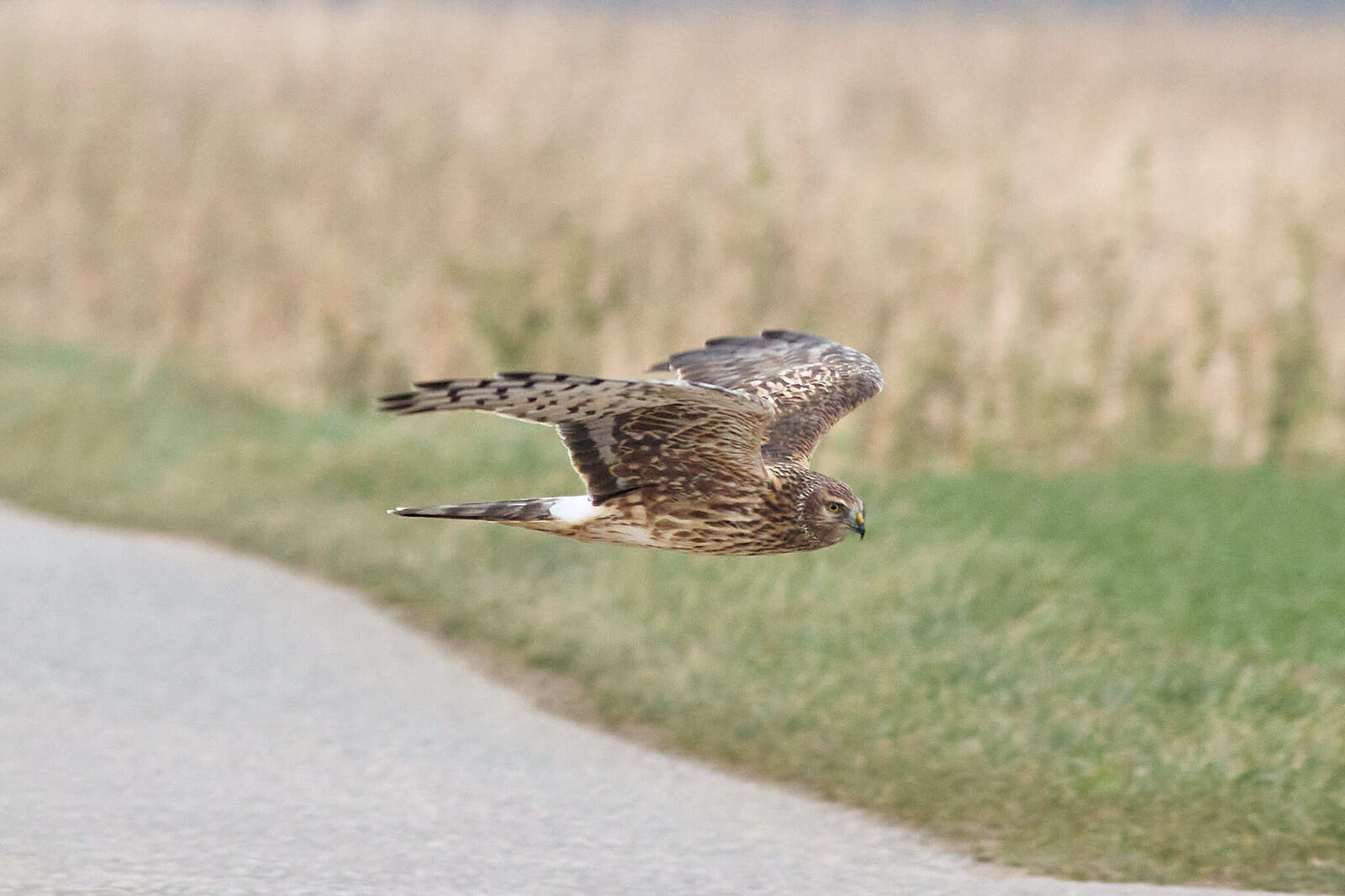
Hen harrier
Circus cyaneus
- Status
- Least Concern IUCN Red List
- Eats
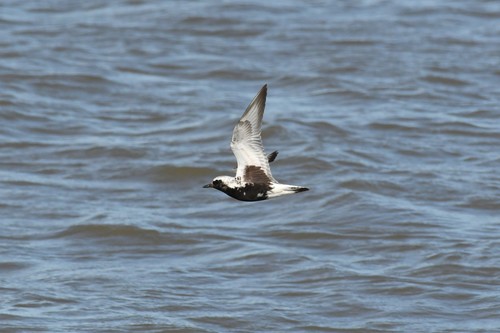
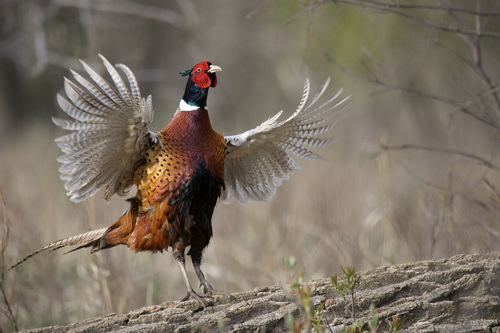
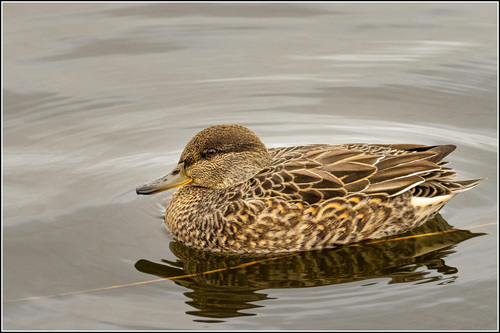
- grey plover, common pheasant, Eurasian teal and 382 more
- Eaten by
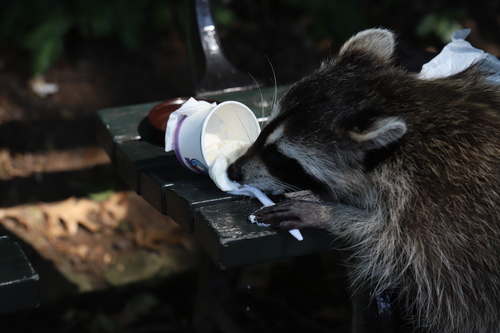
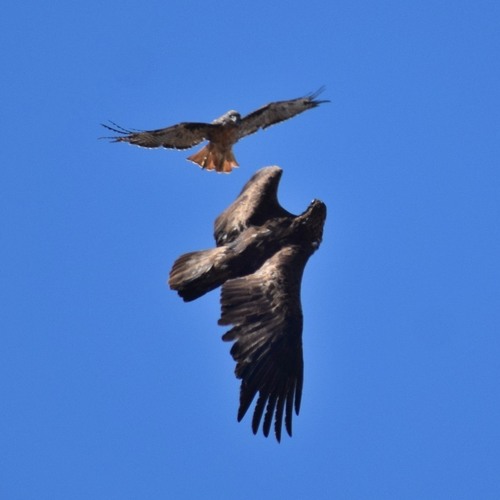
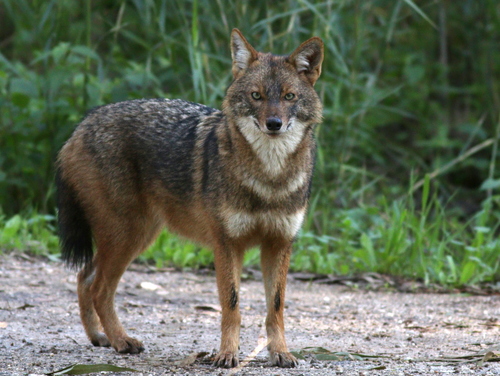
- grey wolf, red fox, northern raven
- Where
- 117 countries
On 4Planet Atlas it is among the wildlife people record most around Athens, Baku and Beijing, and 25 more of the cities we cover.
People have shared 3,567,390 records of the hen harrier with GBIF, from 117 countries, most of them from United States, Canada and Spain. Records collected by GloBI show it eating 385 different kinds of animals and plants, and being eaten by 11.
What the hen harrier eats, and what eats it
Studies have recorded it eating 385 kinds of animals and plants, and 11 kinds of animals eating it. Tap any of them to follow the food chain.
- Birds 228
- Mammals 116
- Amphibians 19
- Reptiles 4
- Insects 1
- Fish 1
Eaten by



 Hen harrier
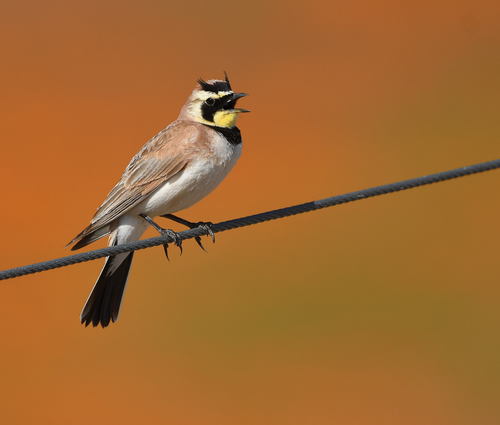
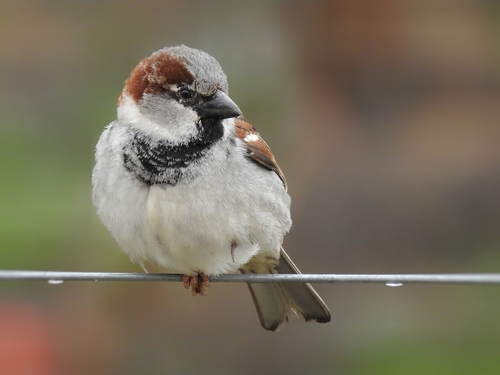
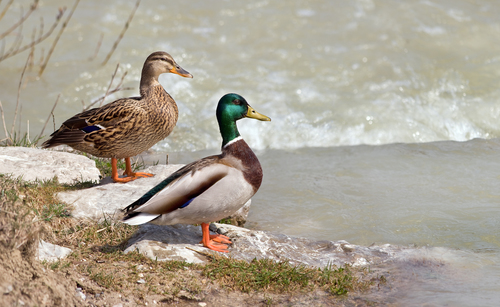
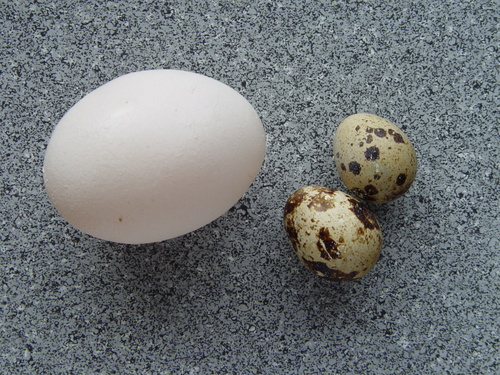
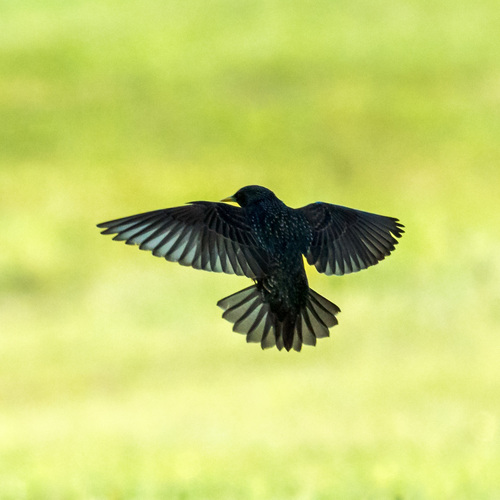
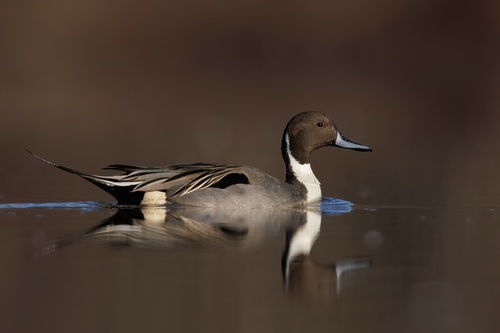
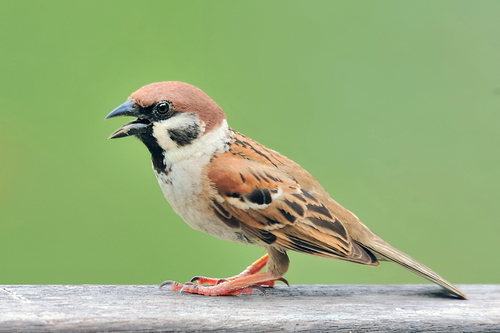
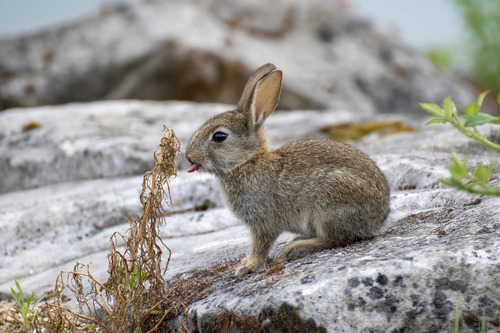
Records from studies worldwide, collected by GloBI. They include animals eaten as carrion, and they are not everything it eats in one place.
Where people see the hen harrier
People have shared 3,567,390 records from 117 countries.
Near a city: Athens, Baku, Beijing, Bishkek, Bratislava, Bucharest, Budapest, Chișinău, Copenhagen, Dushanbe, Kabul, Lisbon, Ljubljana, Minsk, New York, Ottawa, Pristina, Rome, Seoul, Skopje, Sofia, Stockholm, Tashkent, Tbilisi, Toronto, Vancouver, Washington, D.C., Zagreb.
Records show where people have seen it and shared it, not its full range. Country names open their page in Atlas.
When it is seen
Records per month in the northern hemisphere. More people outdoors also means more records.
Watch and listen
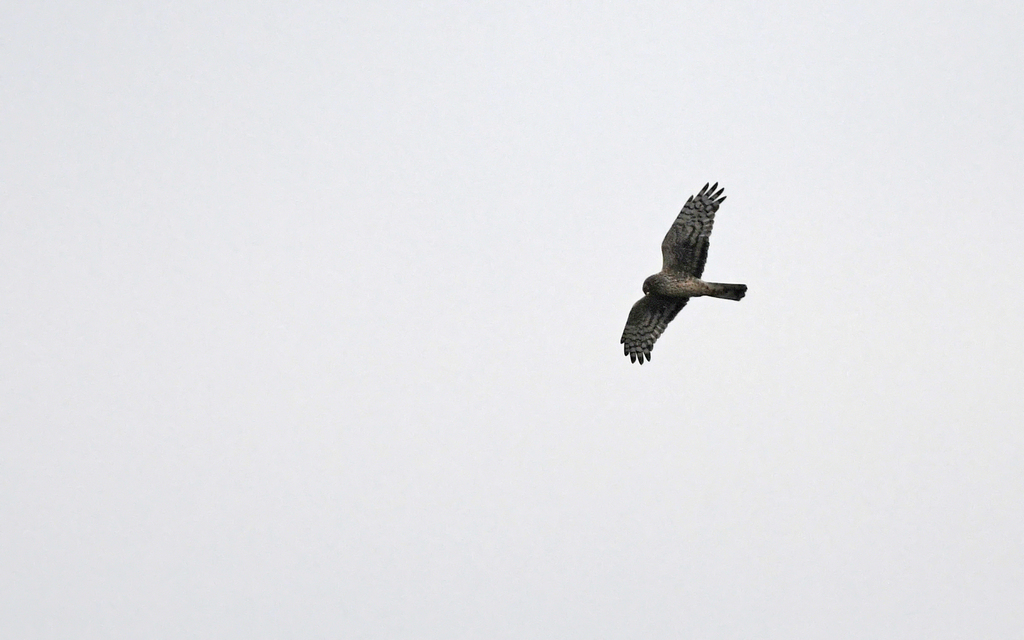
Its closest relatives
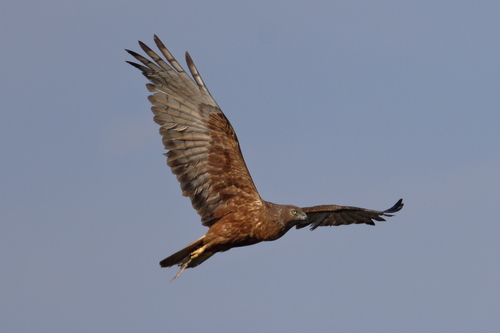
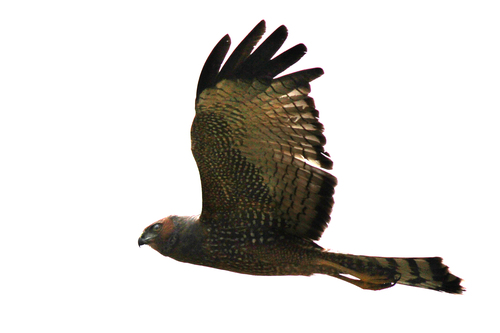
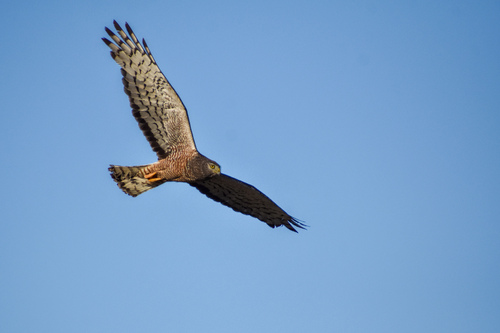
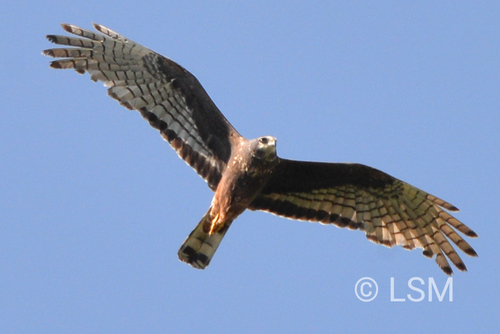
The other species of the genus Circus.
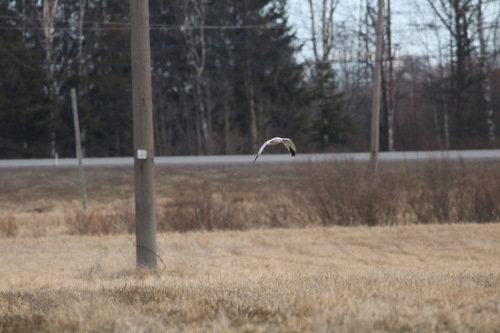
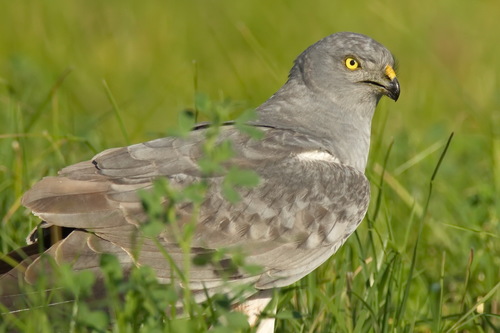
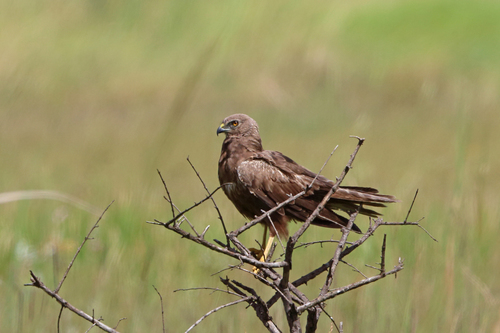
Seen a hen harrier?
Share your photo on iNaturalist. Other naturalists help confirm it, and the record goes to GBIF, where scientists use it and where the maps on this page come from.
Put this species on your site
The card names every source and links back here.
<iframe src="https://4planetatlas.com/place/embed/species/hen-harrier" title="Hen harrier (Circus cyaneus), 4PLANET Species" width="100%" height="600" style="border:0;max-width:640px" loading="lazy"></iframe>
<p><a href="https://4species.com/hen-harrier">Hen harrier on 4PLANET Species</a></p>Questions people ask
What does the hen harrier eat?
The hen harrier has been recorded eating 385 different kinds of animals and plants, most of them birds, mammals, amphibians and reptiles. The ones recorded most often are grey plover, common pheasant, eurasian teal, horned lark and house sparrow; records include animals eaten as carrion. Source: GloBI.
What eats the hen harrier?
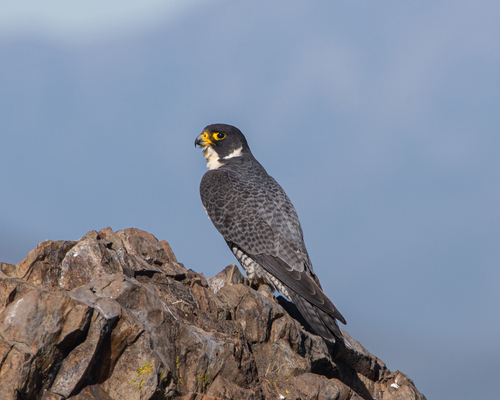
Recorded predators include grey wolf, red fox, northern raven, raccoon and golden eagle. Source: GloBI.
Where does the hen harrier live?
People have recorded it in 117 countries; the most records come from United States, Canada, Spain, Mexico and United Kingdom. Records show where people have seen it, not its full range.
When is the hen harrier seen most?
In the northern hemisphere, the most records are made in January and the fewest in July. More people outdoors also means more records.
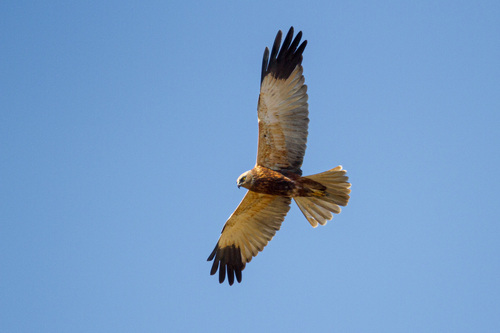
What are the hen harrier's closest relatives?
It shares the genus Circus with western marsh harrier, pallid harrier, montagu's harrier, swamp harrier and spotted harrier.
Sources and photo credits
- GBIF · Circus cyaneus, 3,567,390 human observations
- GloBI · recorded interactions of Circus cyaneus
- Wikidata · Hen harrier (Q25572)
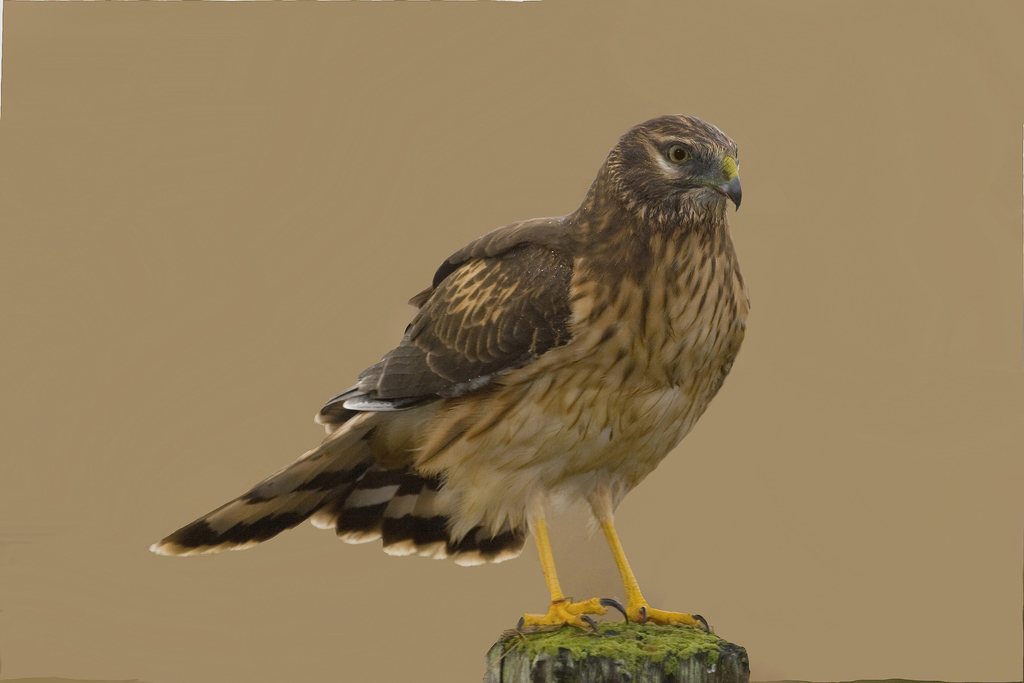
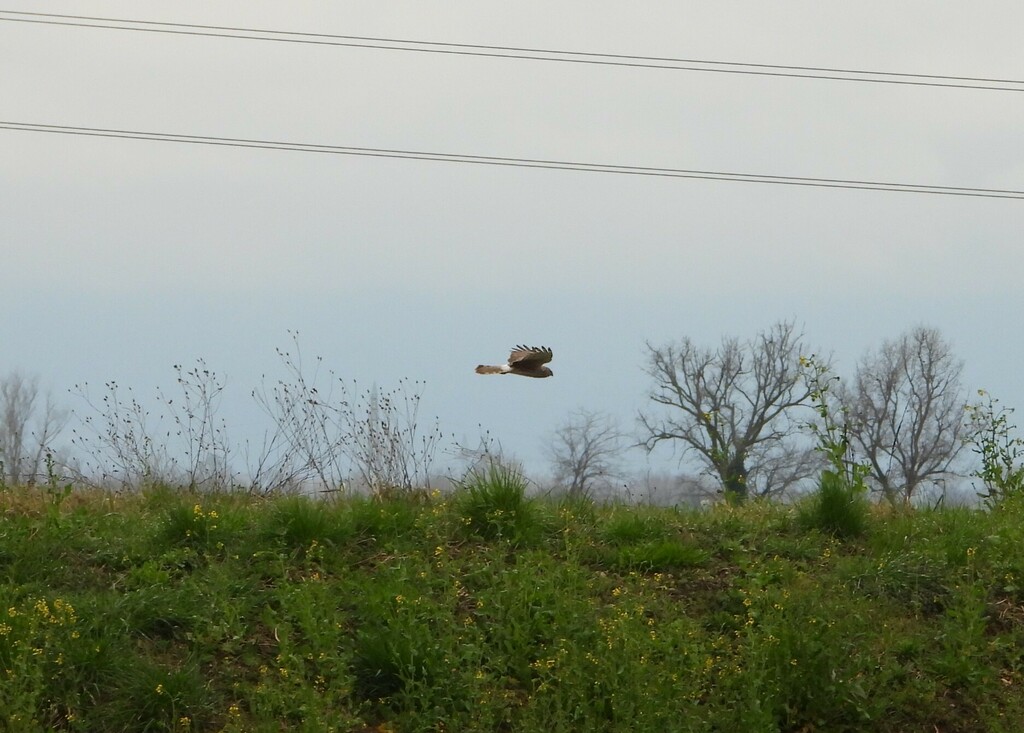
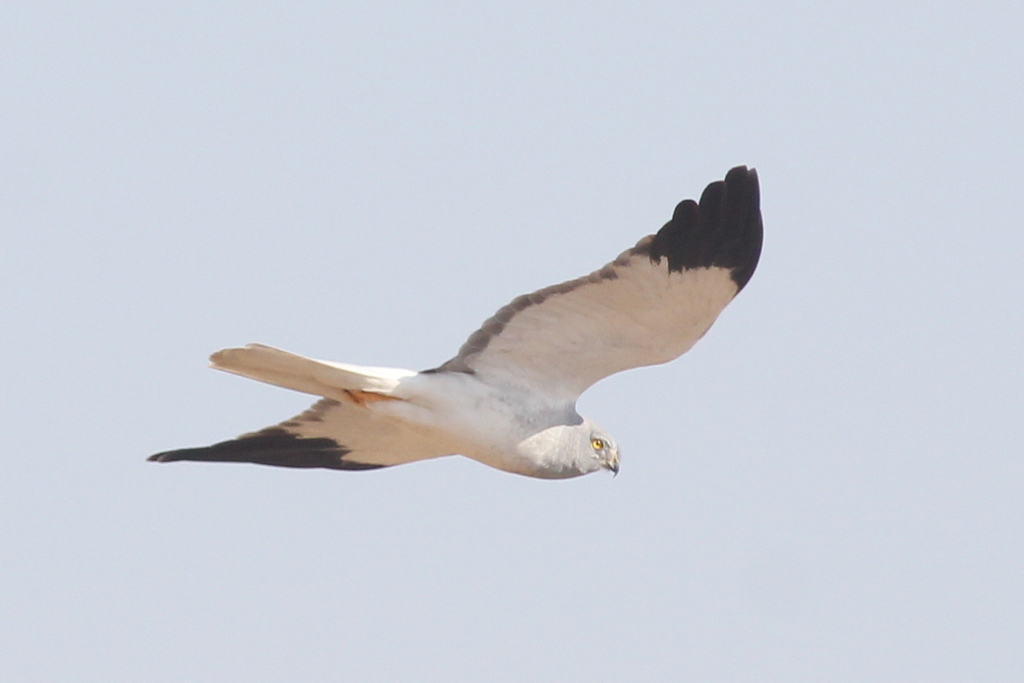
- Hen harrier (Circus cyaneus): Nathan Mesnildrey, CC BY 4.0
- Hen harrier (Circus cyaneus): Gregory "Slobirdr" Smith, CC BY-SA 4.0
- Hen harrier (Circus cyaneus), Provincia di Vercelli, Italia: Simone Bocca, CC BY-SA 4.0
- Hen harrier (Circus cyaneus), Be'er Sheva, Israel: Jan Ebr & Ivana Ebrová, CC BY 4.0
- Hen harrier (Circus cyaneus), Parvomay, Bulgaria: SteveM4560, CC BY 4.0
- Hen harrier (Circus cyaneus), De Cocksdorp, Netherlands: Christoph Moning, CC BY 4.0
- Grey plover: Tristan Jobin, CC BY 4.0
- Common pheasant: John Krampl, CC BY 4.0
- Eurasian teal: Smudge 9000, CC BY-SA 4.0
- Horned lark: Pat Farris, CC BY 4.0
- House sparrow: Esteban Poveda, CC BY 4.0
- Mallard: anonymous, CC BY-SA 4.0
- Common quail: anonymous, CC BY-SA 4.0
- Common starling: Shiva Shenoy, CC BY 4.0
- Northern pintail: Matt Felperin, CC BY 4.0
- Eurasian tree sparrow: Yiwenyiwen, CC BY-SA 4.0
- European rabbit: Alexis Lours, CC BY 4.0
- Grey wolf: Andrew Simon, CC BY 4.0
- Red fox: Алина Урусова, CC BY 4.0
- Northern raven: xulescu_g, CC BY-SA 4.0
- Raccoon: Steven Bodzin, CC BY 4.0
- Golden eagle: Anne Parsons, CC0
- Peregrine falcon: Nicolás Villaseca Merino, CC BY-SA 4.0
- Golden jackal: Jan Ebr & Ivana Ebrová, CC BY 4.0
- Western marsh harrier: Artem Kuznetsov, CC BY 4.0
- Pallid harrier: Vsevolod Rudyi, CC BY 4.0
- Montagu's harrier: Вячеслав Юсупов, CC BY 4.0
- Swamp harrier: Ed Dunens, CC BY 4.0
- Spotted harrier: Barb, CC0
- Cinereous harrier: Ezequiel Racker, CC BY 4.0
- Short-winged harrier: Luciano Massa, CC BY 4.0
- African marsh harrier: Nigel Voaden, CC BY 4.0
Records show where people have seen and shared the hen harrier, not its full range, and some countries and months are recorded far more than others. The food web lists interactions that studies have recorded somewhere in the world (GloBI), not everything it eats in one place.
Checked 2026-11-23.