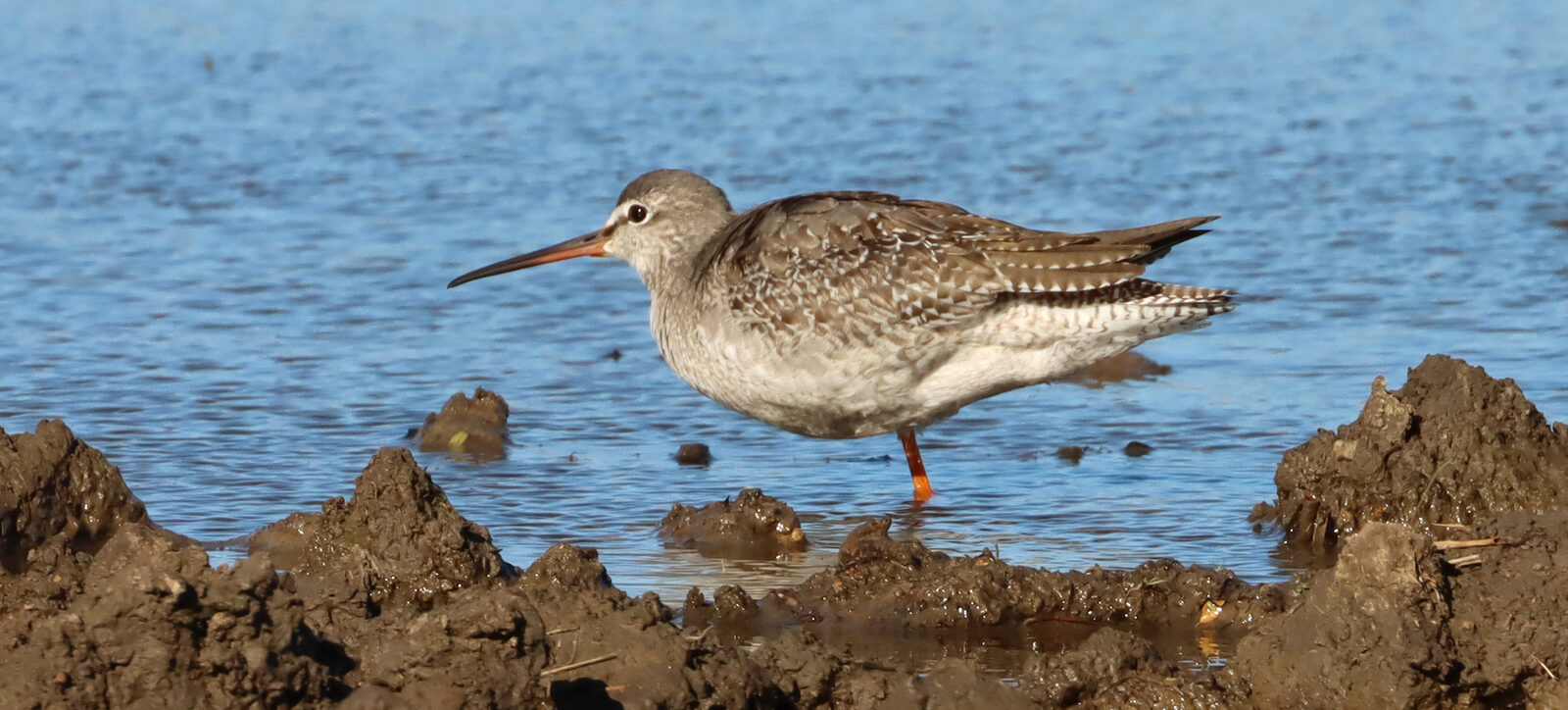
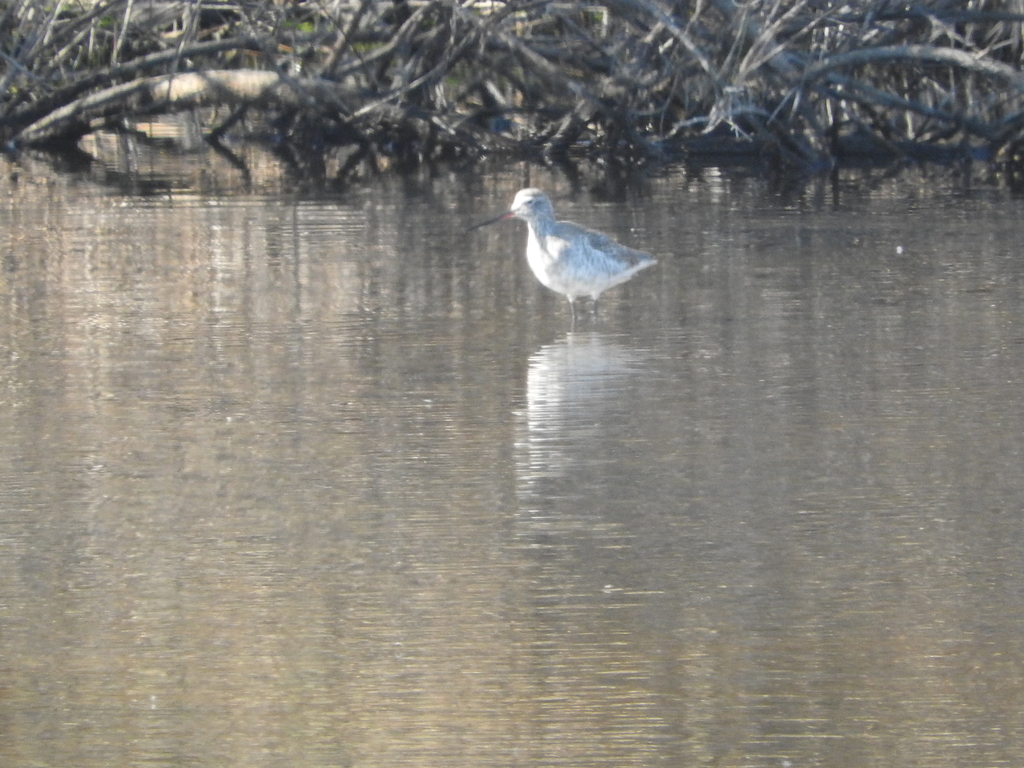
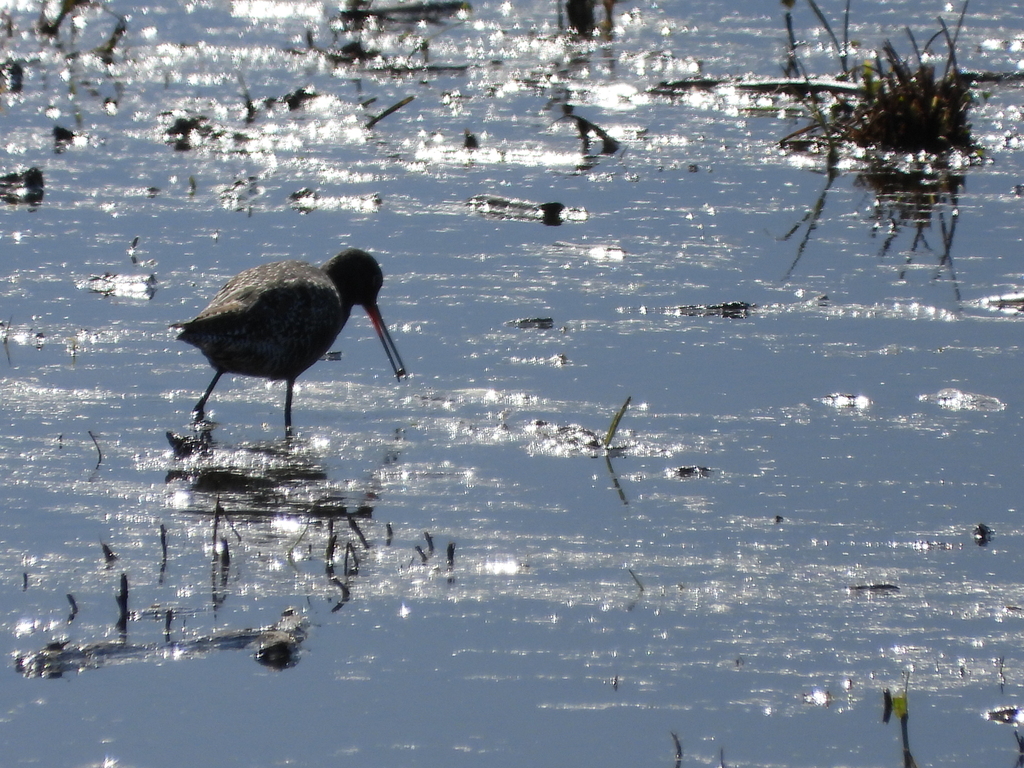
Spotted redshank
Tringa erythropus
- Status
- Least Concern IUCN Red List
- Eats
- sand goby, common goby and 24 more
- Eaten by
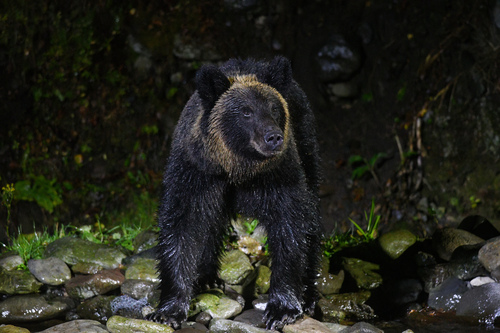
- grey wolf, red fox, brown bear
- Where
- 126 countries
On 4Planet Atlas it is among the wildlife people record most around Algiers, Baghdad and Bratislava, and 14 more of the cities we cover.
People have shared 203,638 records of the spotted redshank with GBIF, from 126 countries, most of them from United Kingdom, Spain and India. Records collected by GloBI show it eating 26 different kinds of animals and plants, and being eaten by 32.
What the spotted redshank eats, and what eats it
Studies have recorded it eating 26 kinds of animals and plants, and 32 kinds of animals eating it. Tap any of them to follow the food chain.
- Worms 13
- Crustaceans 4
- Fish 3
- Shellfish 3
- Earthworms 2
Eaten by




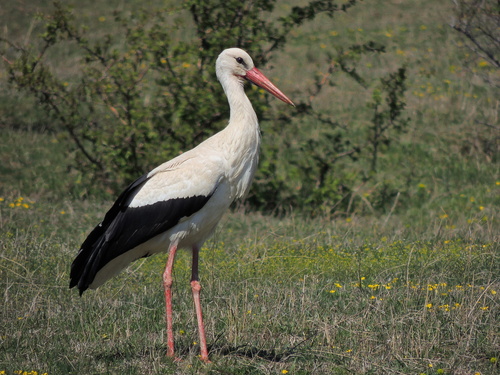 Spotted redshank
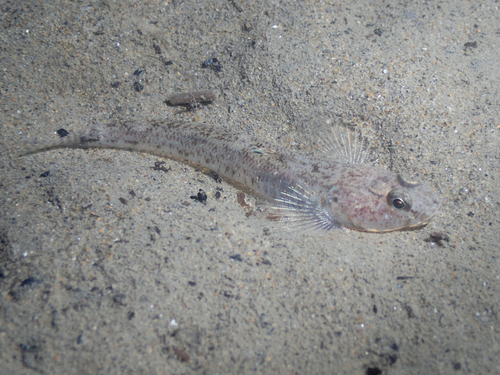

Records from studies worldwide, collected by GloBI. They include animals eaten as carrion, and they are not everything it eats in one place.
Where people see the spotted redshank
People have shared 203,638 records from 126 countries.
Near a city: Algiers, Baghdad, Bratislava, Copenhagen, Dushanbe, Helsinki, Lisbon, Manama, Minsk, Muscat, Nicosia, Praia, Rabat, Rome, Shanghai, Stockholm, Tunis.
Records show where people have seen it and shared it, not its full range. Country names open their page in Atlas.
When it is seen
Records per month in the northern hemisphere. More people outdoors also means more records.
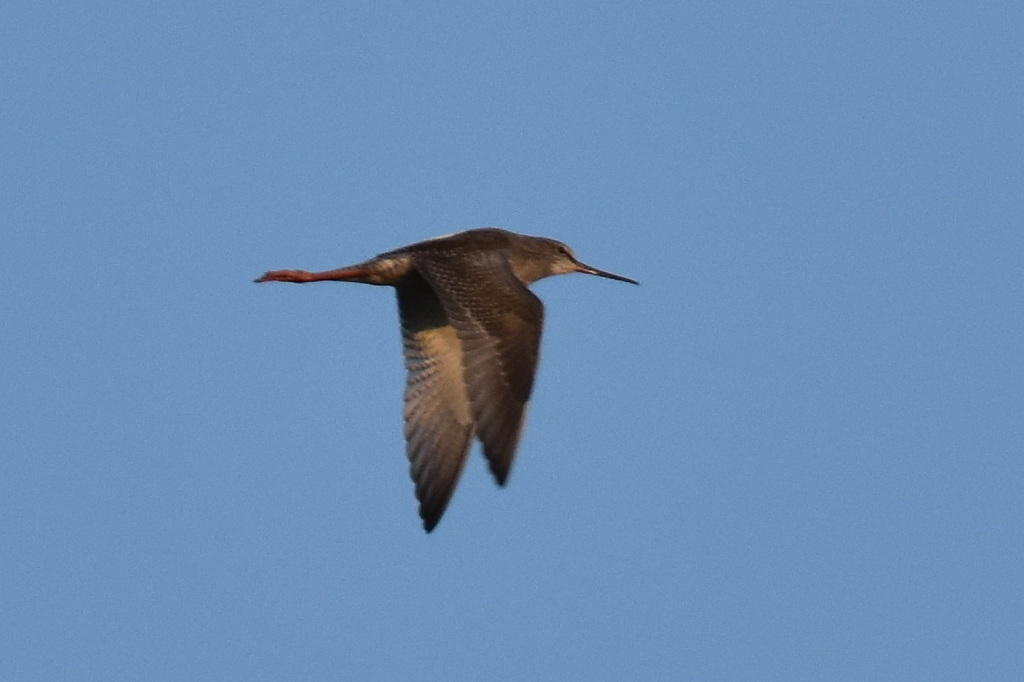
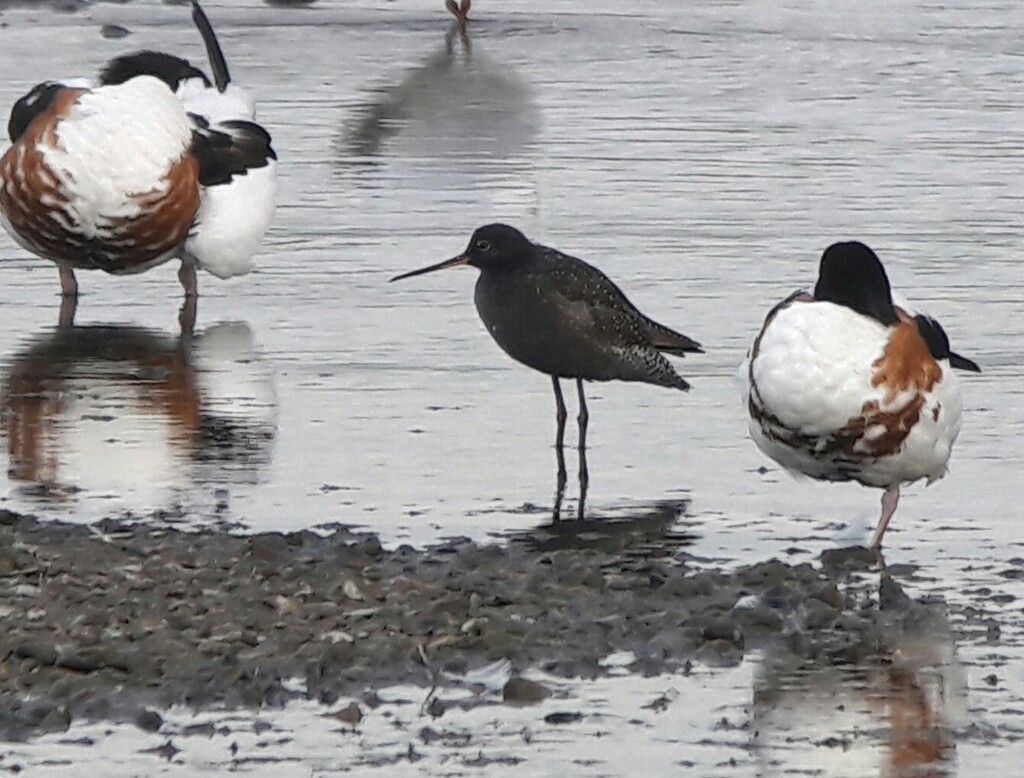
Watch and listen
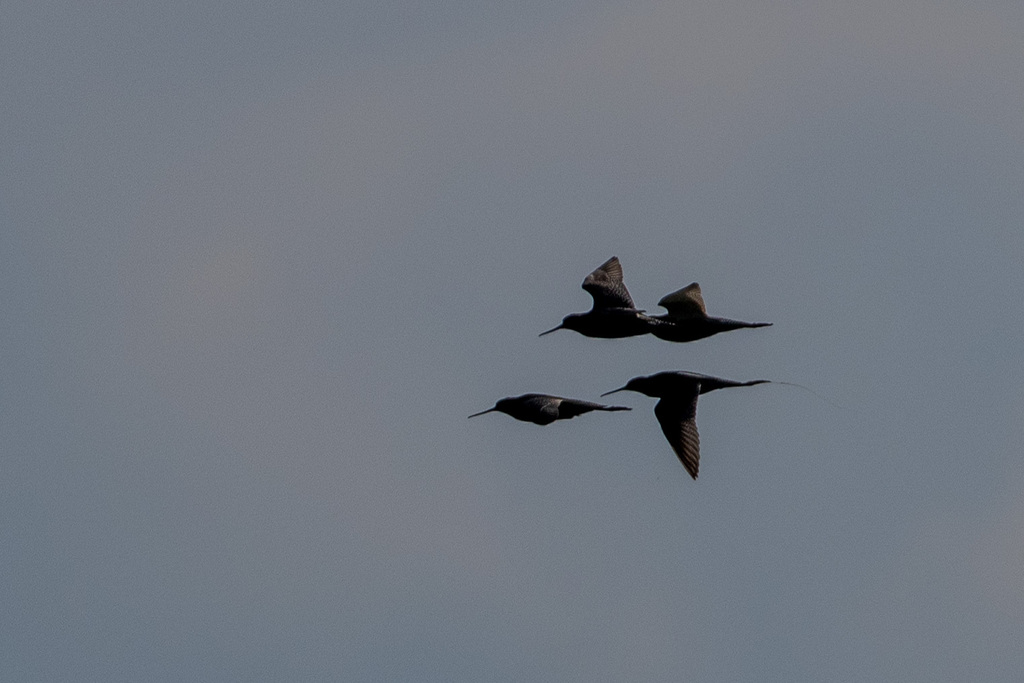
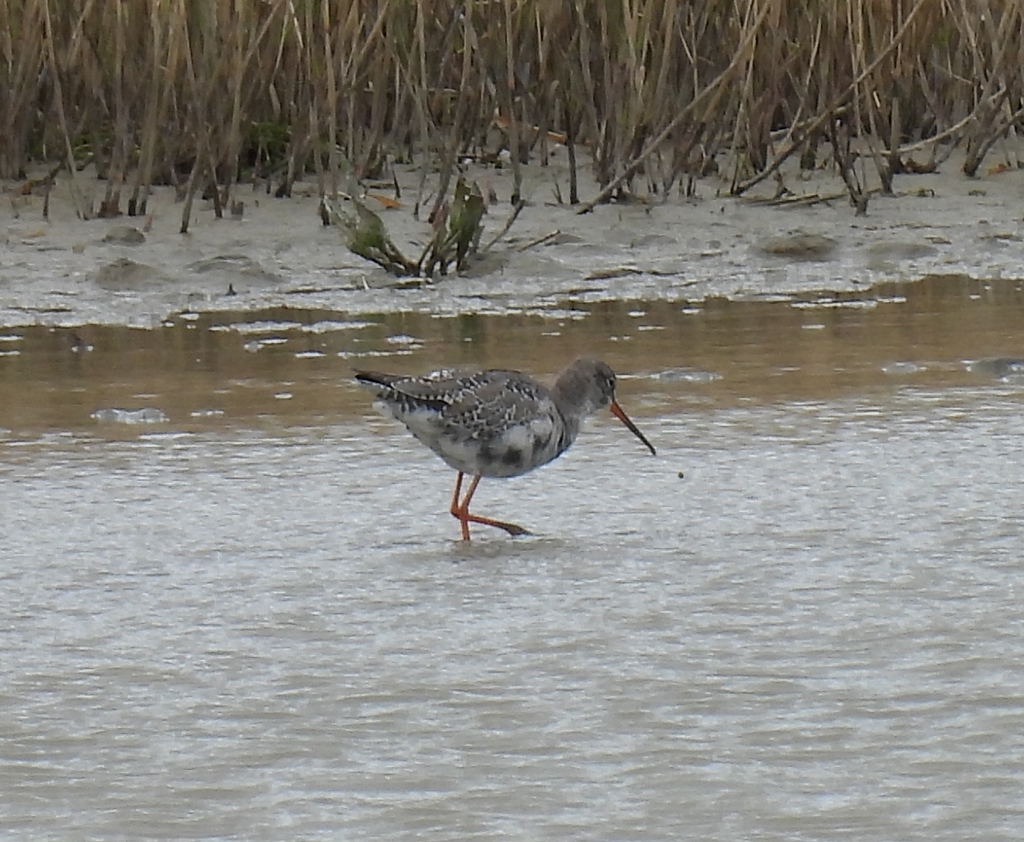
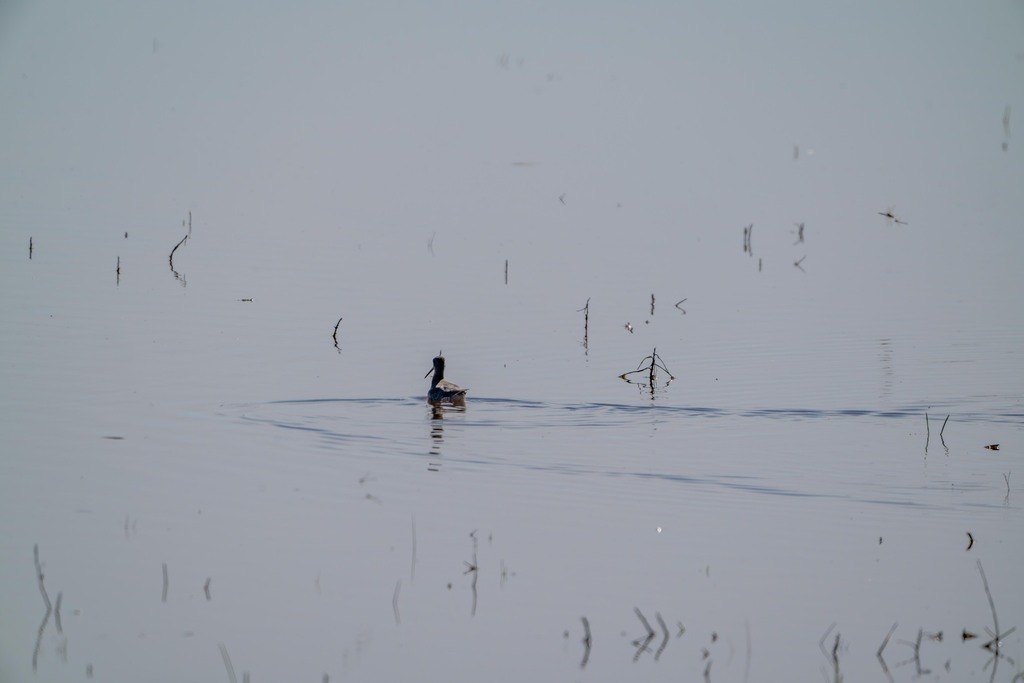
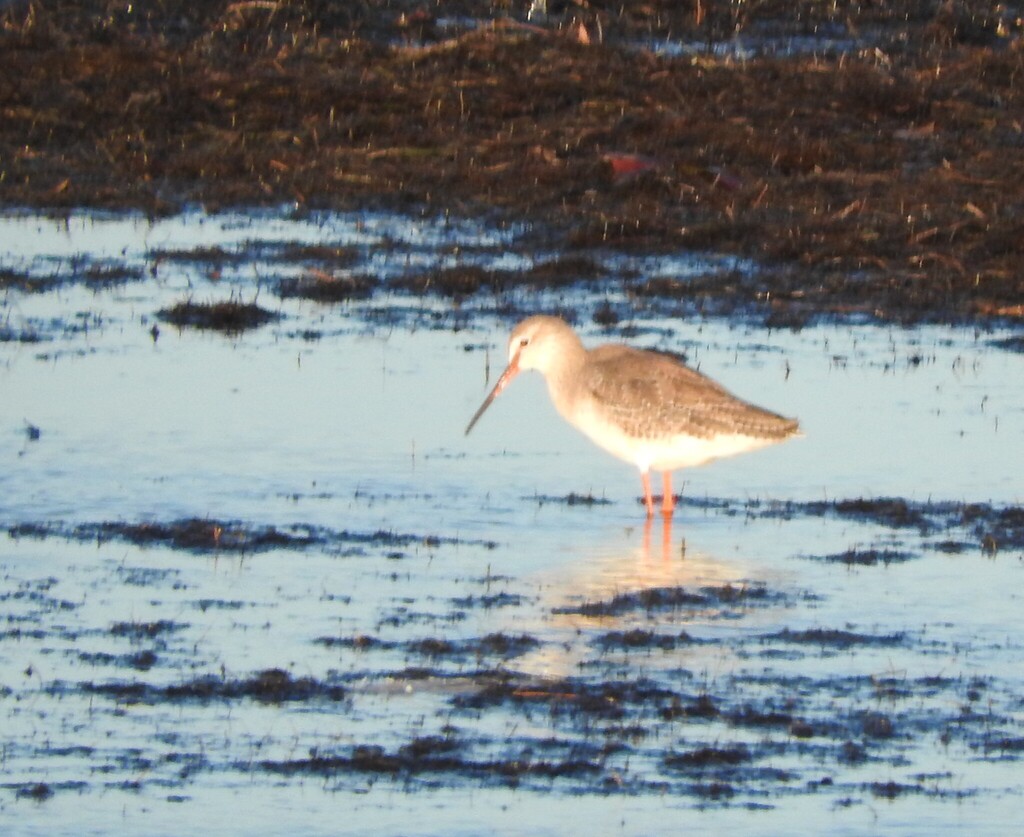
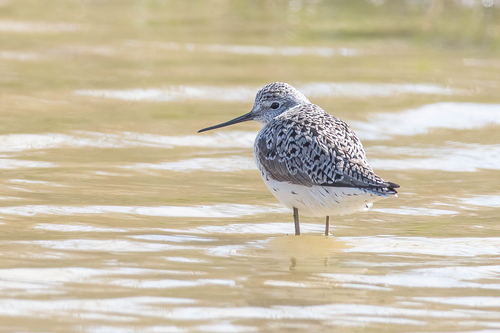
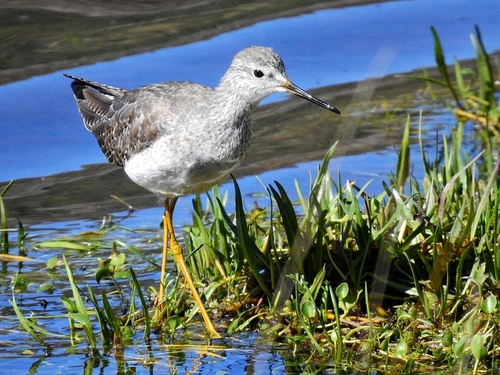
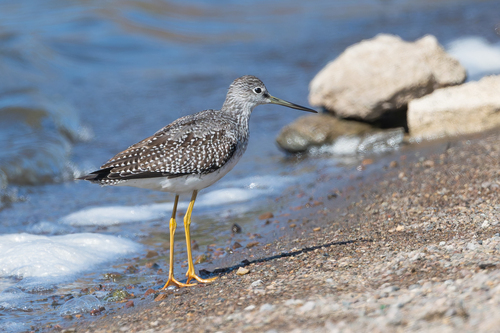
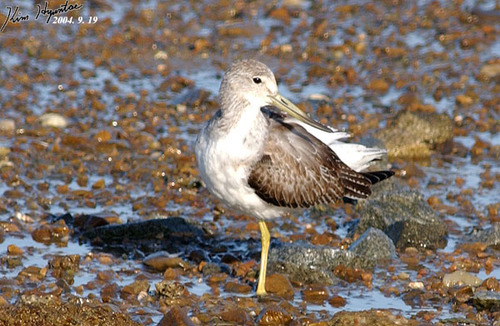
Its closest relatives
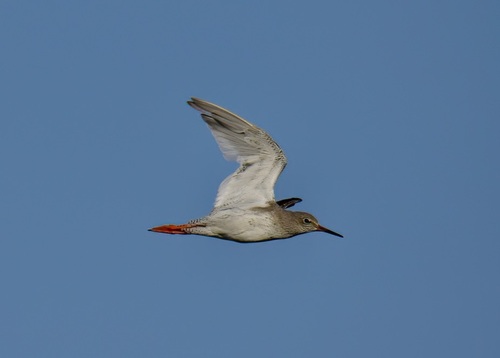
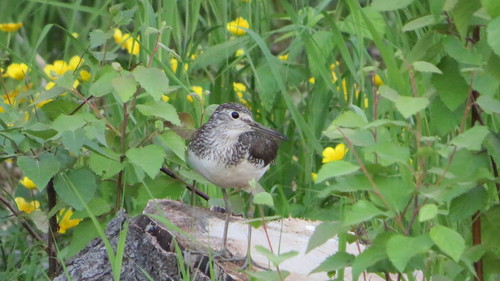
The other species of the genus Tringa.


Seen a spotted redshank?
Share your photo on iNaturalist. Other naturalists help confirm it, and the record goes to GBIF, where scientists use it and where the maps on this page come from.
Put this species on your site
The card names every source and links back here.
<iframe src="https://4planetatlas.com/place/embed/species/spotted-redshank" title="Spotted redshank (Tringa erythropus), 4PLANET Species" width="100%" height="600" style="border:0;max-width:640px" loading="lazy"></iframe>
<p><a href="https://4species.com/spotted-redshank">Spotted redshank on 4PLANET Species</a></p>Questions people ask
What does the spotted redshank eat?
The spotted redshank has been recorded eating 26 different kinds of animals and plants, most of them worms, crustaceans, fish and shellfish. The ones recorded most often are sand goby and common goby; records include animals eaten as carrion. Source: GloBI.
What eats the spotted redshank?
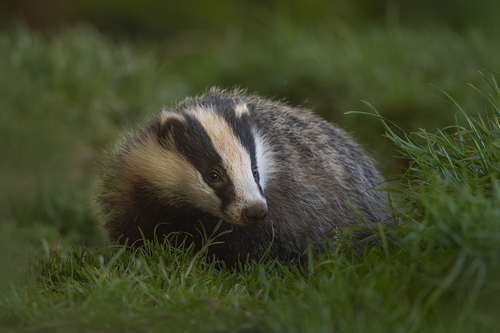
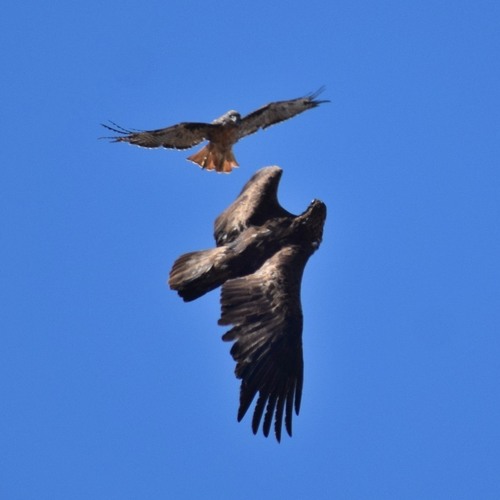
Recorded predators include grey wolf, red fox, brown bear, northern raven and eurasian badger. Source: GloBI.
Where does the spotted redshank live?
People have recorded it in 126 countries; the most records come from United Kingdom, Spain, India, China and Sweden. Records show where people have seen it, not its full range.
When is the spotted redshank seen most?
In the northern hemisphere, the most records are made in September and the fewest in June. More people outdoors also means more records.
What are the spotted redshank's closest relatives?
It shares the genus Tringa with common redshank, common greenshank, green sandpiper, wood sandpiper and marsh sandpiper.
Sources and photo credits
- GBIF · Tringa erythropus, 203,638 human observations
- GloBI · recorded interactions of Tringa erythropus
- Wikidata · Spotted redshank (Q28103)
- Spotted redshank (Tringa erythropus): Dave, CC BY 4.0
- Spotted redshank (Tringa erythropus), Provincia di Ravenna, Italia: Francesco Cecere, CC0
- Spotted redshank (Tringa erythropus), Tartu, Estonia: Hanna U., CC BY 4.0
- Spotted redshank (Tringa erythropus), Rashaant, Bulgan, Mongolia: steve b, CC0
- Spotted redshank (Tringa erythropus), Newport, UK: Phil James, CC BY 4.0
- Spotted redshank (Tringa erythropus), 7142 Illmitz, Österreich: Saskia Kollegger, CC BY 4.0
- Spotted redshank (Tringa erythropus), Provincia di Gorizia, Italia: Francesco Cecere, CC0
- Spotted redshank (Tringa erythropus), 86641 Rain, Deutschland: Thorsten Hackbarth, CC BY 4.0
- Spotted redshank (Tringa erythropus), Titchwell RSPB: Stephen M., CC BY-SA 4.0
- Sand goby: Julien Renoult, CC BY 4.0
- Common goby: Julien Renoult, CC BY 4.0
- Grey wolf: Andrew Simon, CC BY 4.0
- Red fox: Алина Урусова, CC BY 4.0
- Brown bear: Nathan Ruser, CC BY 4.0
- Northern raven: xulescu_g, CC BY-SA 4.0
- Eurasian badger: caroline legg, CC BY 4.0
- Golden eagle: Anne Parsons, CC0
- Peregrine falcon: Shirley Zundell, CC BY 4.0
- White stork: xulescu_g, CC BY-SA 4.0
- Common redshank: Luiz Lapa, CC BY 4.0
- Common greenshank: JJ Harrison, CC BY-SA 4.0
- Green sandpiper: Светлана Царахова, CC0
- Wood sandpiper: Kim, Hyun-tae, CC BY 4.0
- Marsh sandpiper: egorbirder, CC BY 4.0
- Lesser yellowlegs: Esteban Poveda, CC BY 4.0
- Greater yellowlegs: no rights reserved, uploaded by Adam Jackson, CC0
- Nordmann’s greenshank: Kim, Hyun-tae, CC BY 4.0
Records show where people have seen and shared the spotted redshank, not its full range, and some countries and months are recorded far more than others. The food web lists interactions that studies have recorded somewhere in the world (GloBI), not everything it eats in one place.
Checked 2026-11-24.