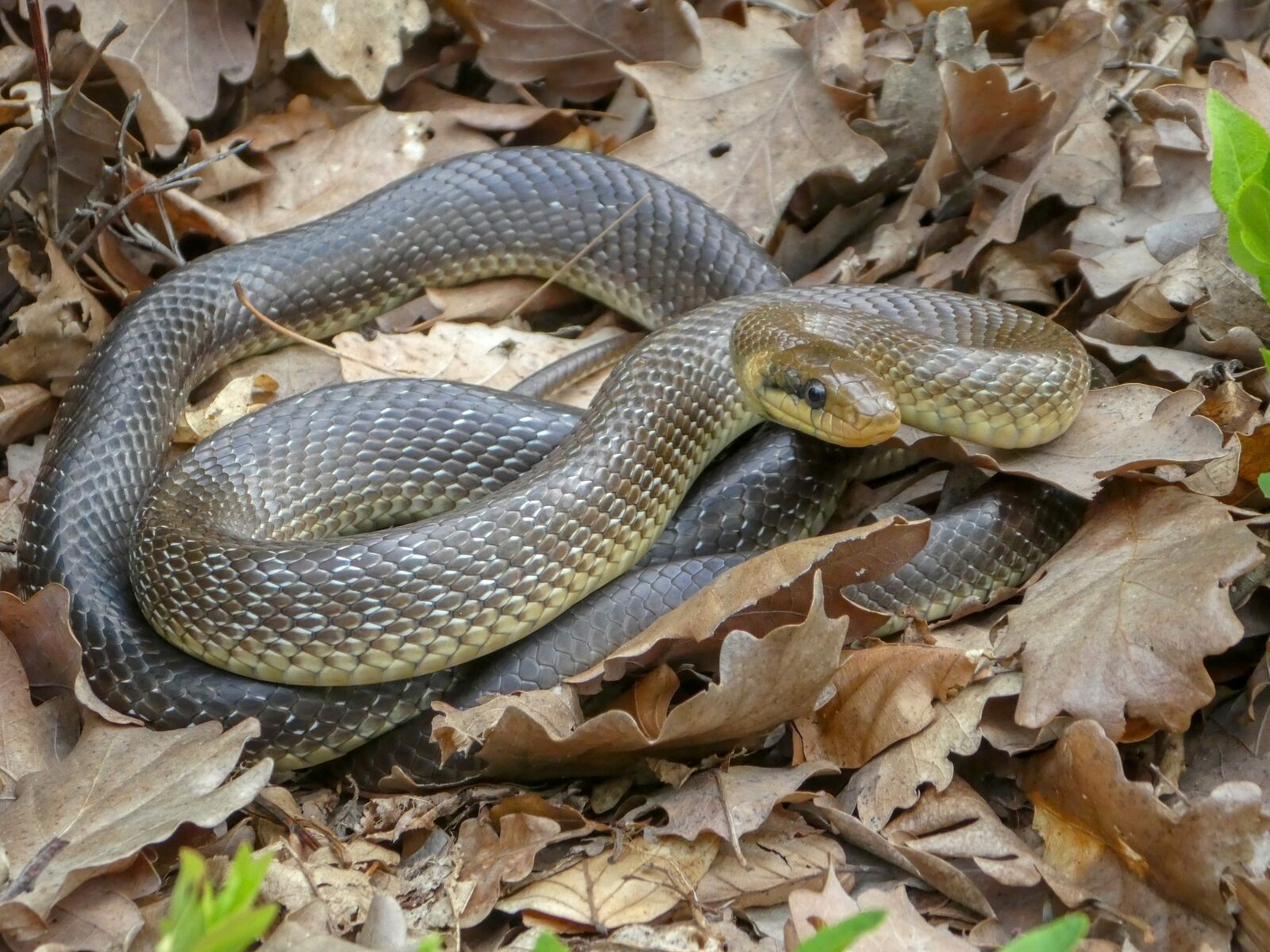
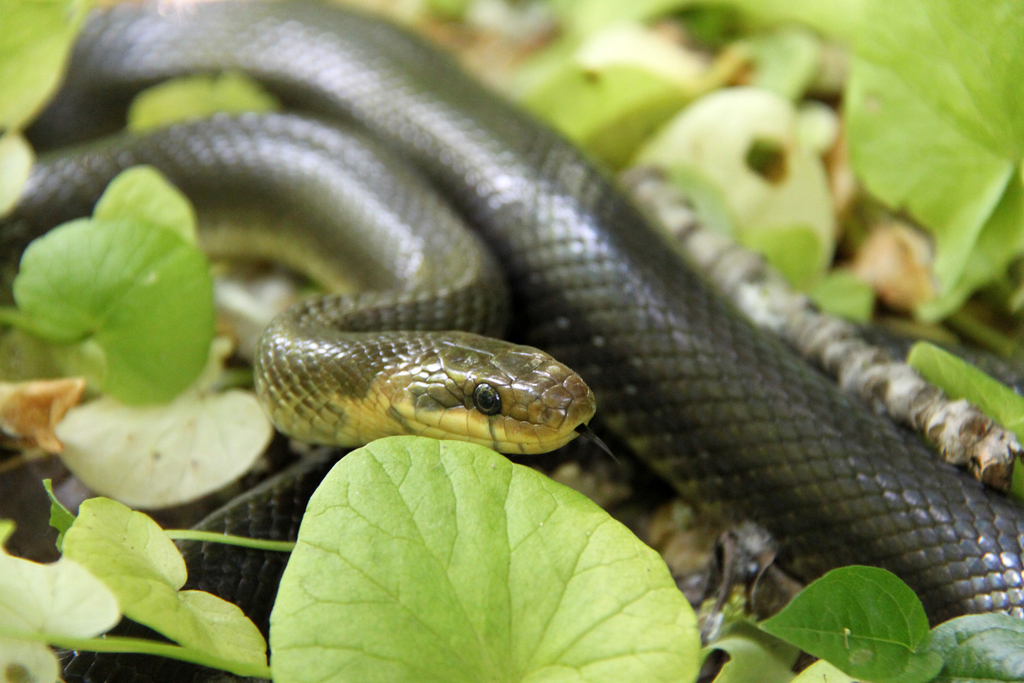
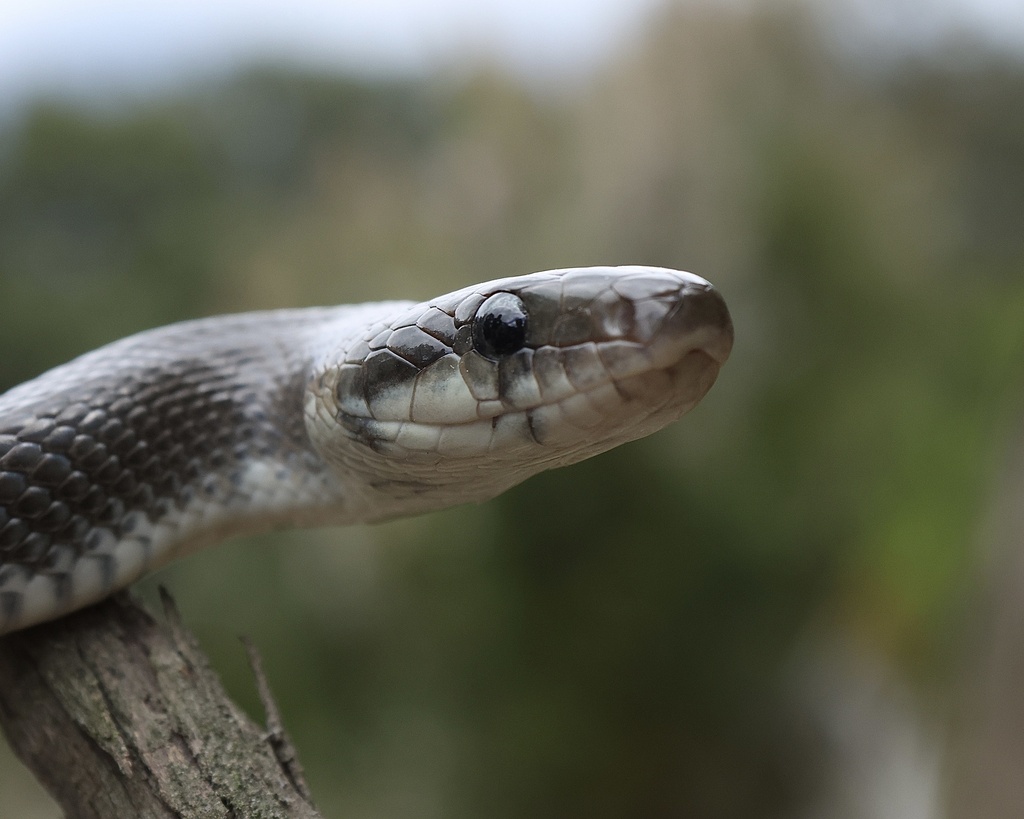
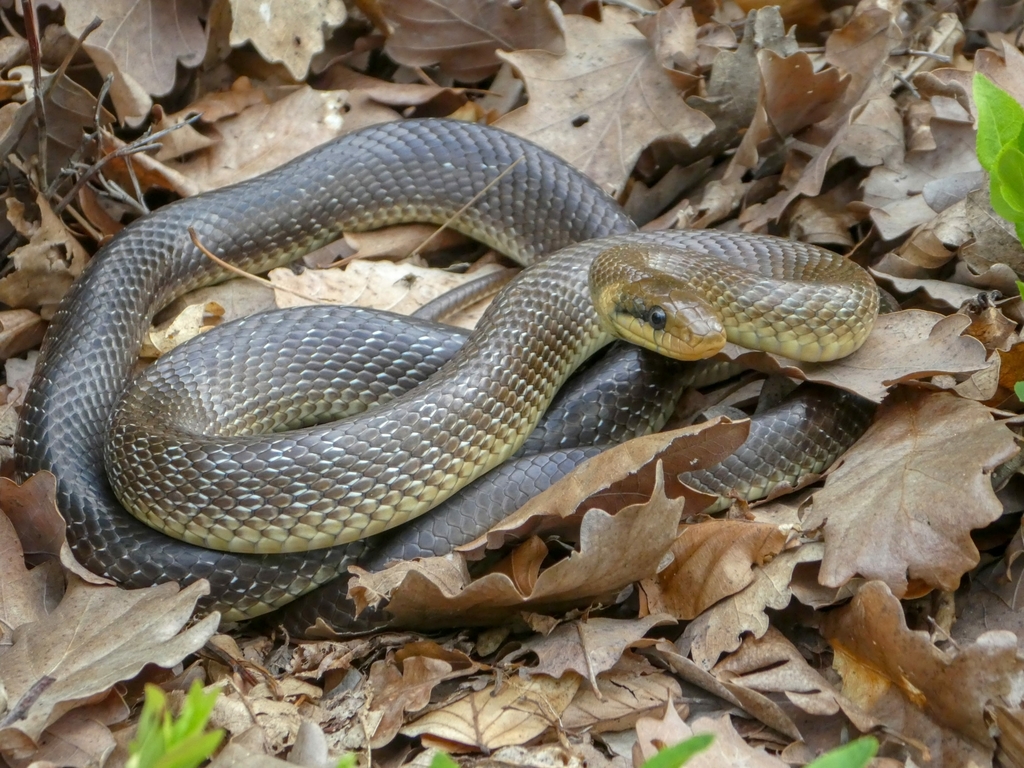
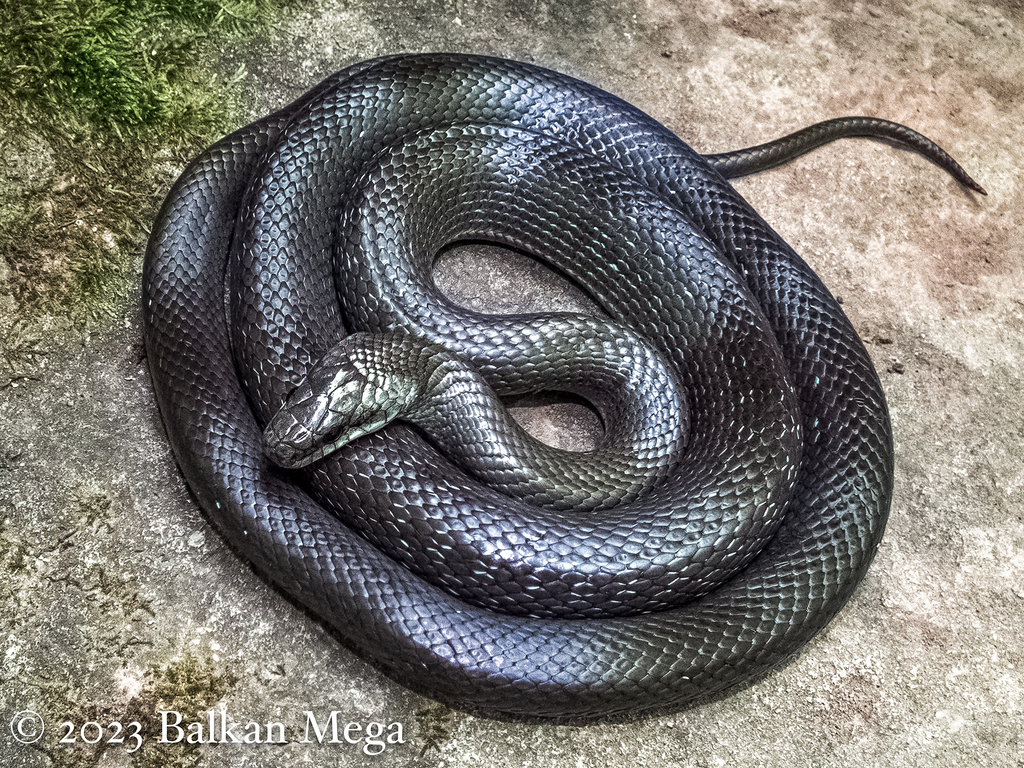
Aesculapian snake
Zamenis longissimus
- Status
- Least Concern IUCN Red List
- Eats
- house sparrow, northern raven, Eurasian magpie and 501 more
- Where
- 26 countries
On 4Planet Atlas it is among the wildlife people record most around Vienna.
People have shared 7,968 records of the aesculapian snake with GBIF, from 26 countries, most of them from Austria, Italy and France. Records collected by GloBI show it eating 504 different kinds of animals and plants, and being eaten by 28.
What the aesculapian snake eats, and what eats it
Studies have recorded it eating 504 kinds of animals and plants, and 28 kinds of animals eating it. Tap any of them to follow the food chain.
- Birds 215
- Mammals 152
- Reptiles 127
- Amphibians 1
Eaten by

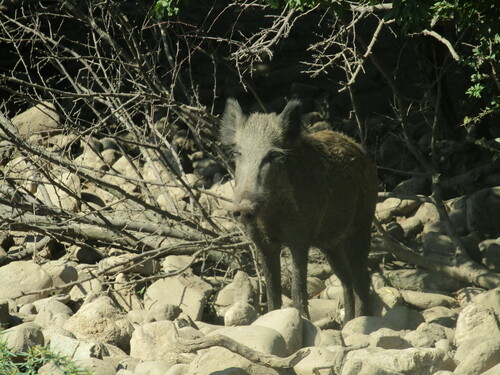


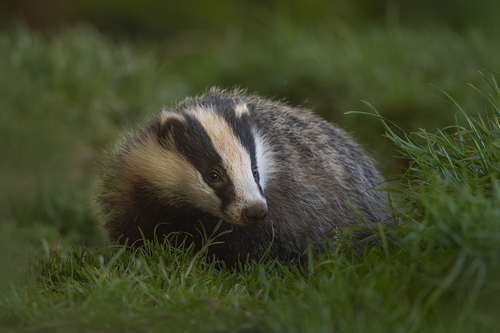
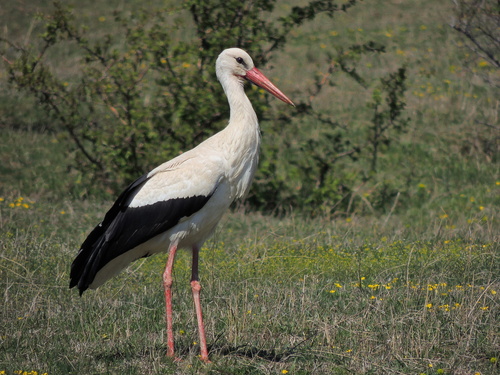
 Aesculapian snake
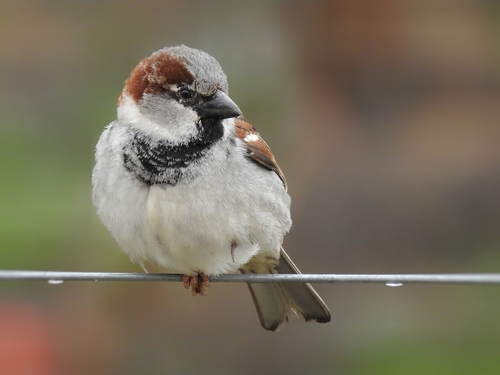
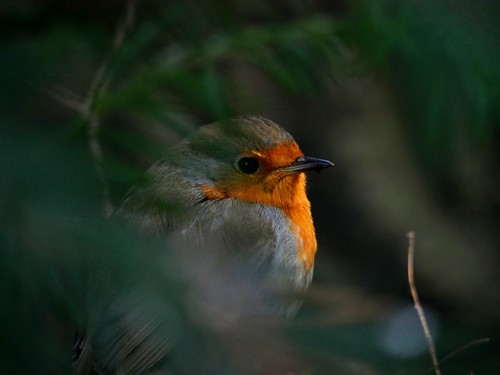
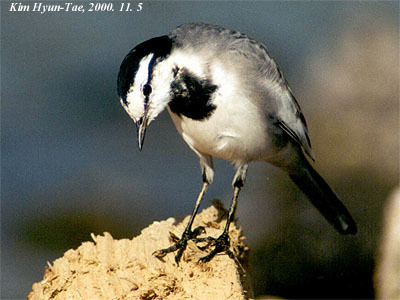
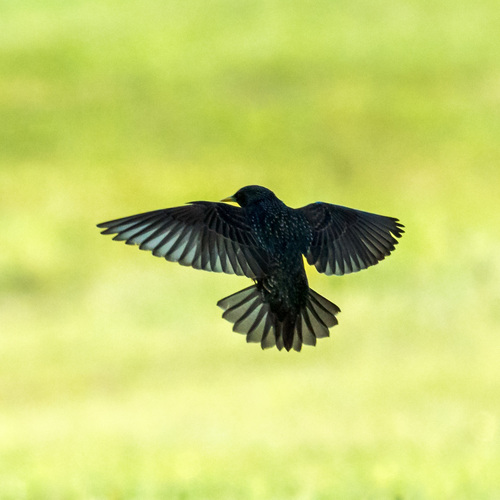
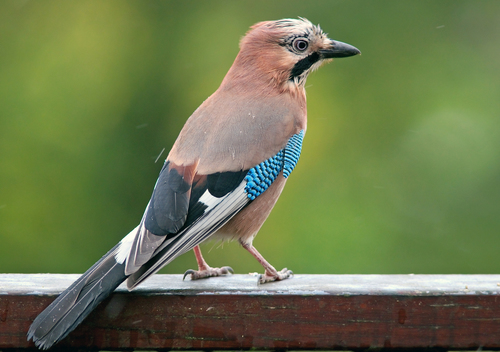

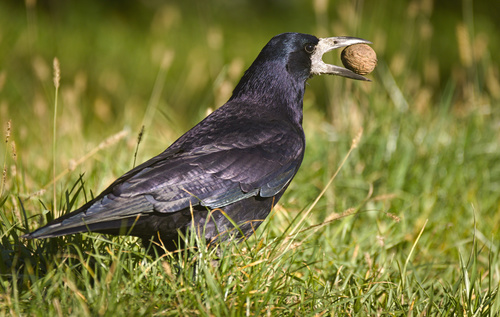
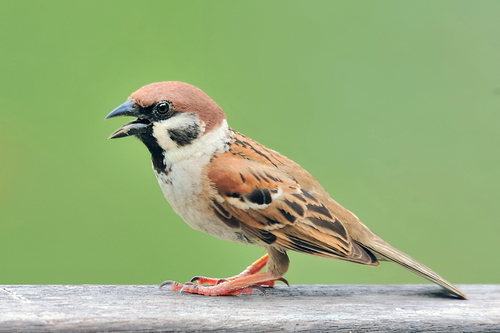
Records from studies worldwide, collected by GloBI. They include animals eaten as carrion, and they are not everything it eats in one place.
Where people see the aesculapian snake
People have shared 7,968 records from 26 countries.
Near a city: Vienna.
Records show where people have seen it and shared it, not its full range. Country names open their page in Atlas.
When it is seen
Records per month in the northern hemisphere. More people outdoors also means more records.
Watch and listen
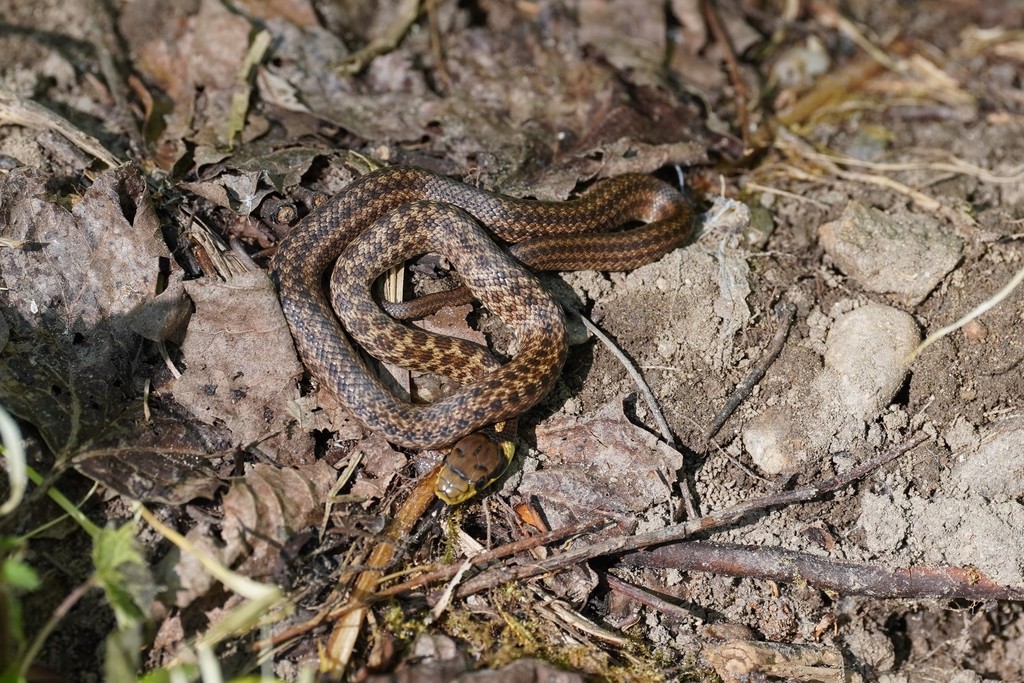
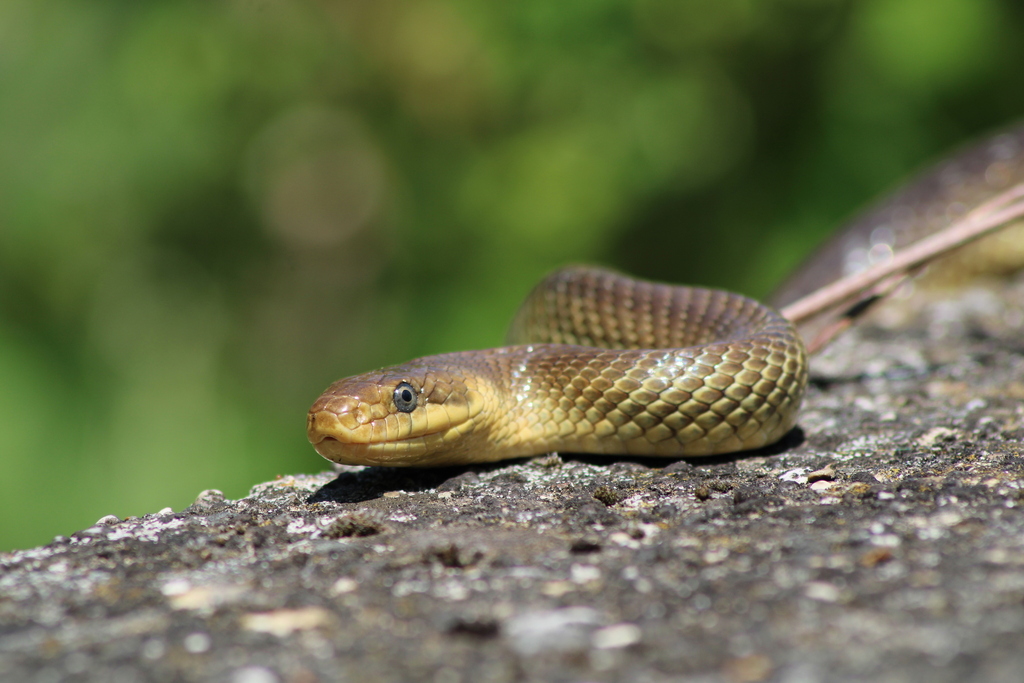
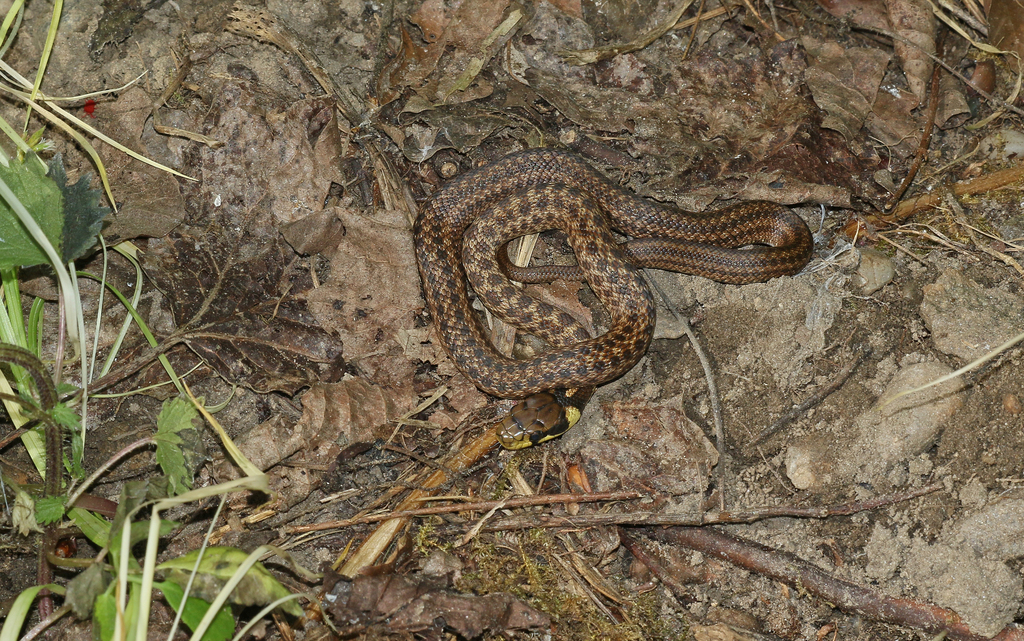
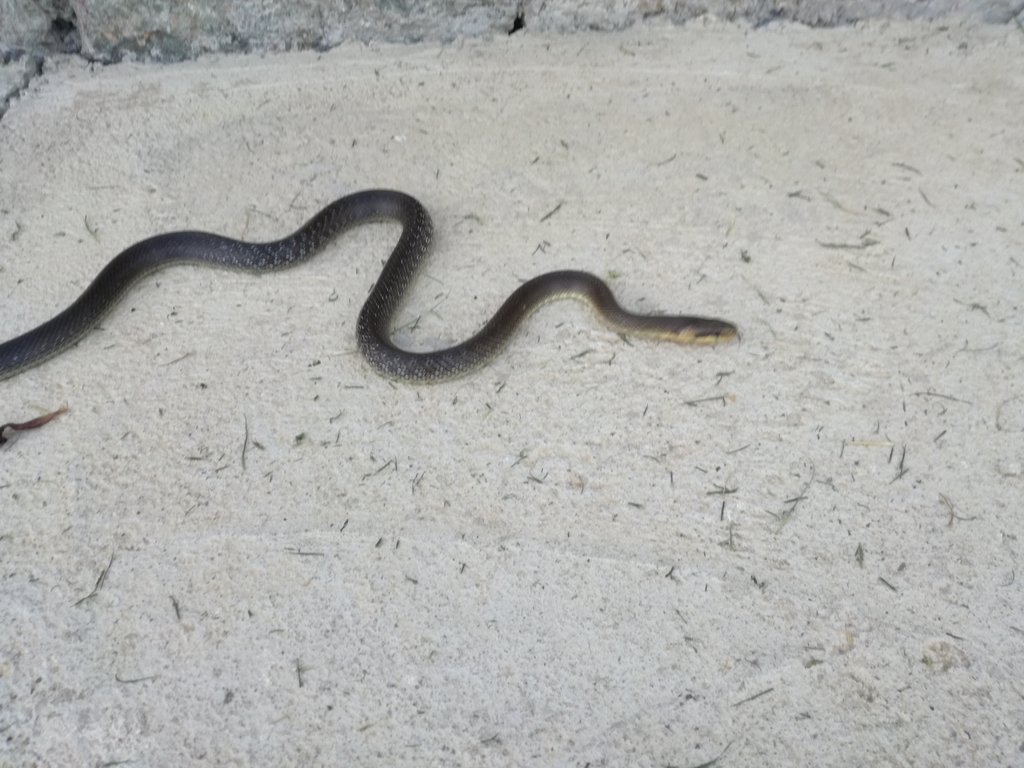
Its closest relatives
The other species of the genus Zamenis.
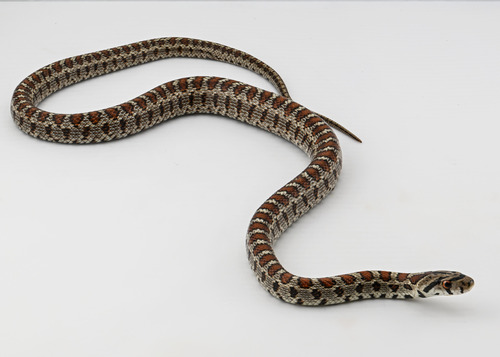

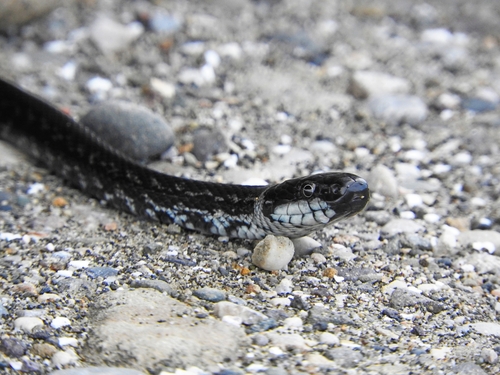
Seen an aesculapian snake?
Share your photo on iNaturalist. Other naturalists help confirm it, and the record goes to GBIF, where scientists use it and where the maps on this page come from.
Put this species on your site
The card names every source and links back here.
<iframe src="https://4planetatlas.com/place/embed/species/aesculapian-snake" title="Aesculapian snake (Zamenis longissimus), 4PLANET Species" width="100%" height="600" style="border:0;max-width:640px" loading="lazy"></iframe>
<p><a href="https://4species.com/aesculapian-snake">Aesculapian snake on 4PLANET Species</a></p>Questions people ask
What does the aesculapian snake eat?
The aesculapian snake has been recorded eating 504 different kinds of animals and plants, most of them birds, mammals, reptiles and amphibians. The ones recorded most often are house sparrow, northern raven, eurasian magpie, european robin and white wagtail; records include animals eaten as carrion. Source: GloBI.
What eats the aesculapian snake?
Recorded predators include grey wolf, wild boar, red fox, northern raven and eurasian magpie. Source: GloBI.
Where does the aesculapian snake live?
People have recorded it in 26 countries; the most records come from Austria, Italy, France, Hungary and Croatia. Records show where people have seen it, not its full range.
When is the aesculapian snake seen most?
In the northern hemisphere, the most records are made in May and the fewest in January. More people outdoors also means more records.
What are the aesculapian snake's closest relatives?
It shares the genus Zamenis with european ratsnake, italian aesculapian snake and persian ratsnake.
Sources and photo credits
- GBIF · Zamenis longissimus, 7,968 human observations
- GloBI · recorded interactions of Zamenis longissimus
- Wikidata · Aesculapian snake (Q256791)
- Aesculapian snake (Zamenis longissimus): Philipp Pavelka, CC BY 4.0
- Aesculapian snake (Zamenis longissimus): Легкий Сергій Валерійович, CC BY-SA 4.0
- Aesculapian snake (Zamenis longissimus): Léo Souillard, CC BY 4.0
- Aesculapian snake (Zamenis longissimus), Gemeinde Dürnstein, 3601 Dürnstein, Österreich: Philipp Pavelka, CC BY 4.0
- Aesculapian snake (Zamenis longissimus), Turkey: Balkan Mega, CC BY 4.0
- Aesculapian snake (Zamenis longissimus), Germany: Julia Moning, CC BY 4.0
- Aesculapian snake (Zamenis longissimus), Lobau, Wien, Österreich: Philip Schaffer, CC BY 4.0
- Aesculapian snake (Zamenis longissimus), Germany: Christoph Moning, CC BY 4.0
- Aesculapian snake (Zamenis longissimus), Unnamed Road, 33514, Humljani, Croatia: ivan_humljani, CC0
- House sparrow: Esteban Poveda, CC BY 4.0
- Northern raven: xulescu_g, CC BY-SA 4.0
- European robin: Alexis Tinker-Tsavalas, CC BY 4.0
- White wagtail: Kim, Hyun-tae, CC BY 4.0
- Common starling: Shiva Shenoy, CC BY 4.0
- Eurasian jay: Luc Viatour, CC BY-SA 4.0
- Eurasian red squirrel: Rhododendrites, CC BY-SA 4.0
- Rook: hedera.baltica, CC BY-SA 4.0
- Eurasian tree sparrow: Yiwenyiwen, CC BY-SA 4.0
- Common nightingale: katunchik, CC BY 4.0
- Grey wolf: Andrew Simon, CC BY 4.0
- Wild boar: SteveM4560, CC BY 4.0
- Red fox: Алина Урусова, CC BY 4.0
- Eurasian badger: caroline legg, CC BY 4.0
- White stork: xulescu_g, CC BY-SA 4.0
- Common kestrel: Thorsten Hackbarth, CC BY 4.0
- European ratsnake: Stephanie Tran, CC BY 4.0
- Italian aesculapian snake: Francesco Santoro, CC BY 4.0
- Persian ratsnake: Emad Tahaei, CC BY 4.0
Records show where people have seen and shared the aesculapian snake, not its full range, and some countries and months are recorded far more than others. The food web lists interactions that studies have recorded somewhere in the world (GloBI), not everything it eats in one place.
Checked 2026-11-25.