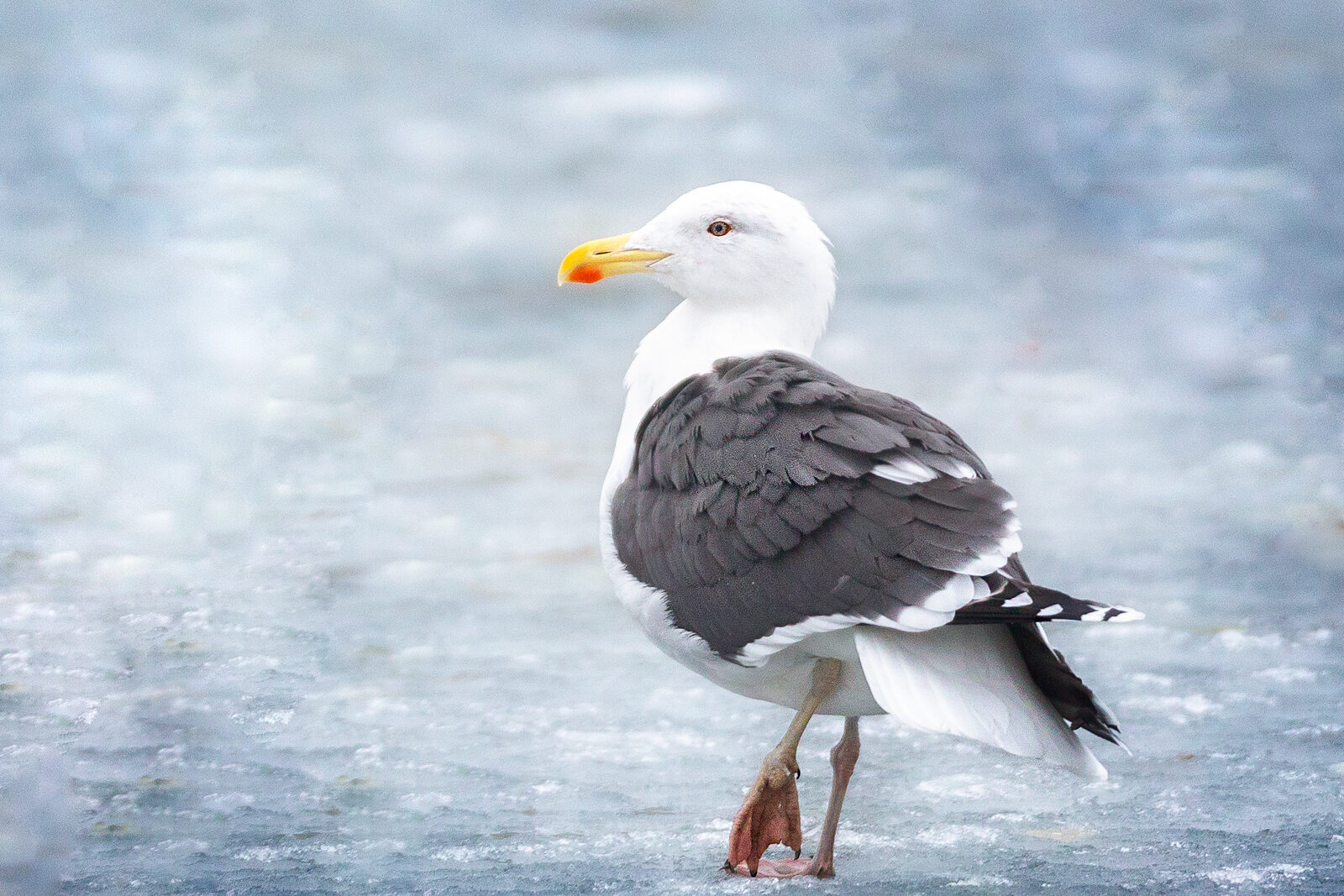
Great black-backed gull
Larus marinus
- Status
- Least Concern IUCN Red List
- Eats
- common starling, great cormorant, European rabbit and 218 more
- Eaten by
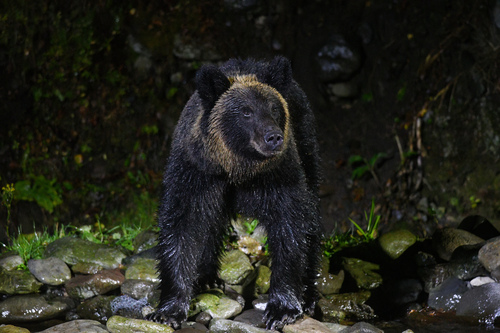
- grey wolf, red fox, brown bear
- Where
- 68 countries
On 4Planet Atlas it is among the wildlife people record most around Bergen, Copenhagen and Dublin, and 12 more of the cities we cover.
People have shared 3,115,421 records of the great black-backed gull with GBIF, from 68 countries, most of them from United States, Canada and United Kingdom. Records collected by GloBI show it eating 221 different kinds of animals and plants, and being eaten by 14.
What the great black-backed gull eats, and what eats it
Studies have recorded it eating 221 kinds of animals and plants, and 14 kinds of animals eating it. Tap any of them to follow the food chain.
- Mammals 89
- Birds 67
- Fish 33
- Crustaceans 11
- Sharks and rays 5
- Shellfish 4
- Amphibians 2
Eaten by




 Great black-backed gull
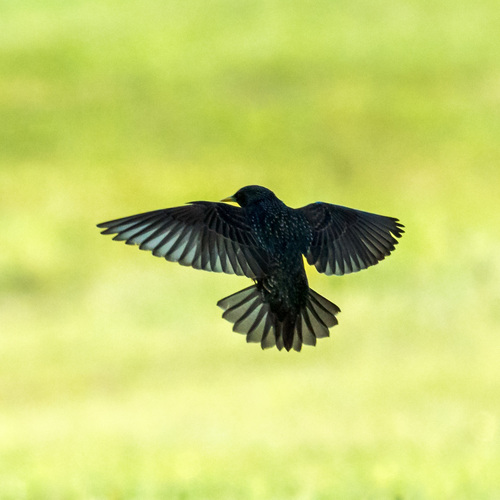
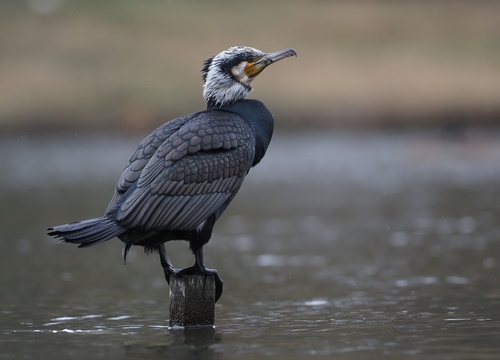
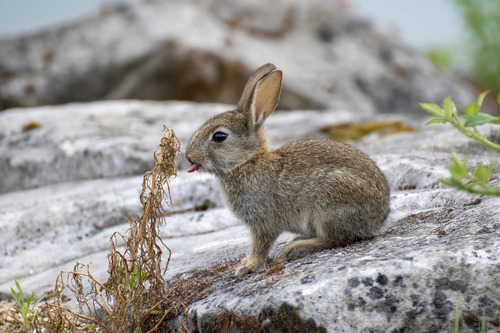
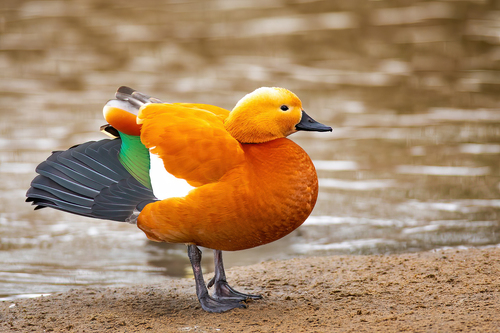
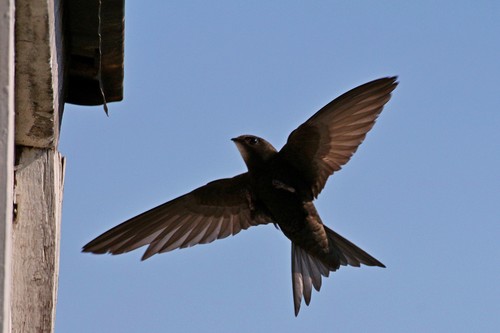
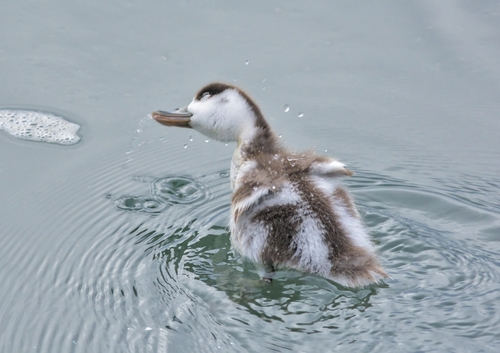
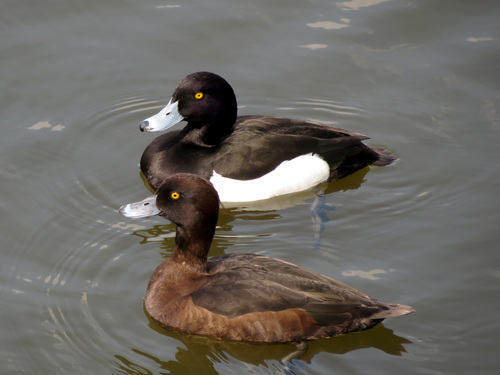
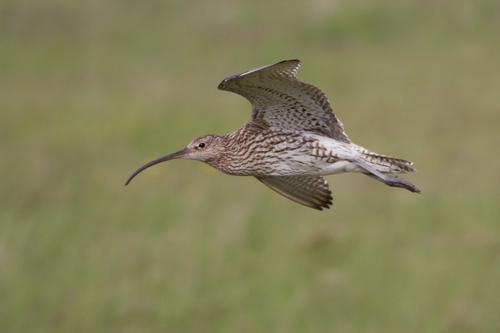
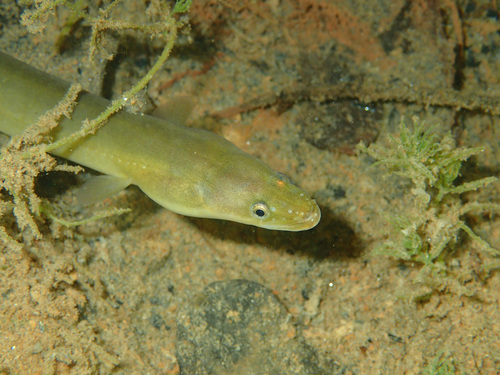
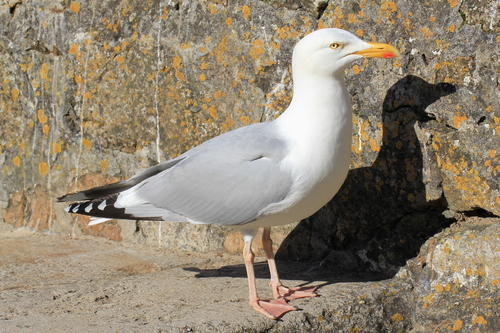
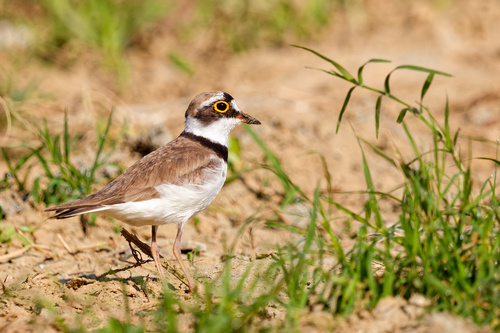
Records from studies worldwide, collected by GloBI. They include animals eaten as carrion, and they are not everything it eats in one place.
Where people see the great black-backed gull
People have shared 3,115,421 records from 68 countries.
Near a city: Bergen, Copenhagen, Dublin, Helsinki, London, Nassau, New York, Oslo, Ottawa, Reykjavík, Riga, Stockholm, Tallinn, Toronto, Washington, D.C..
Records show where people have seen it and shared it, not its full range. Country names open their page in Atlas.
When it is seen
Records per month in the northern hemisphere. More people outdoors also means more records.
Watch and listen
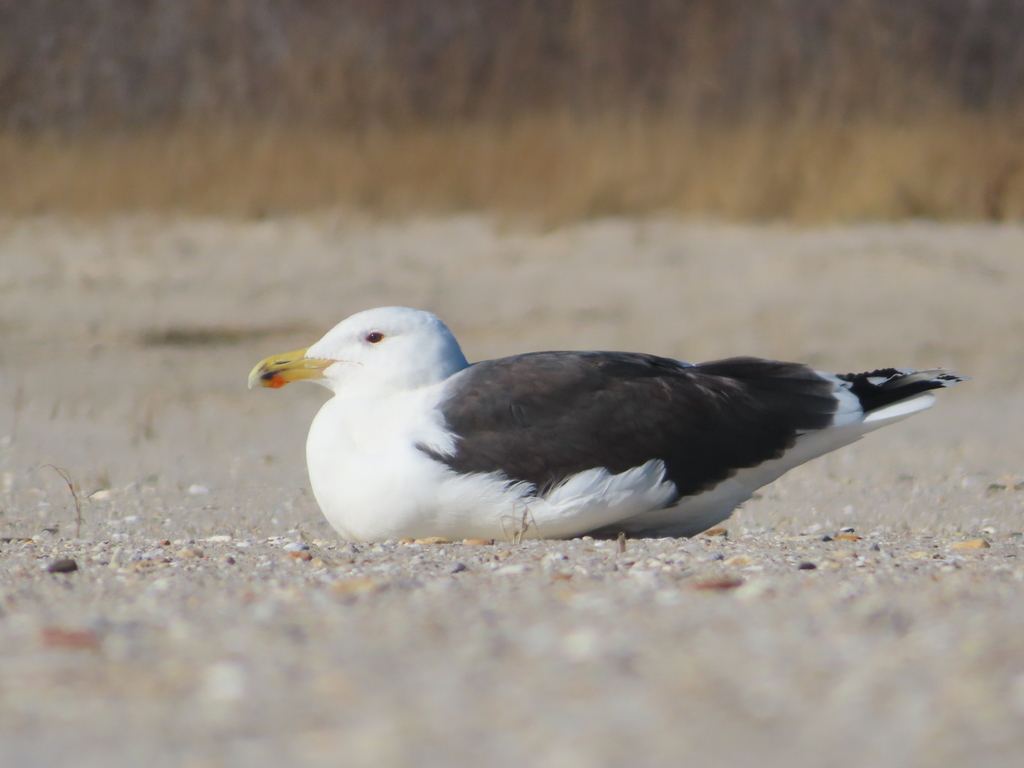
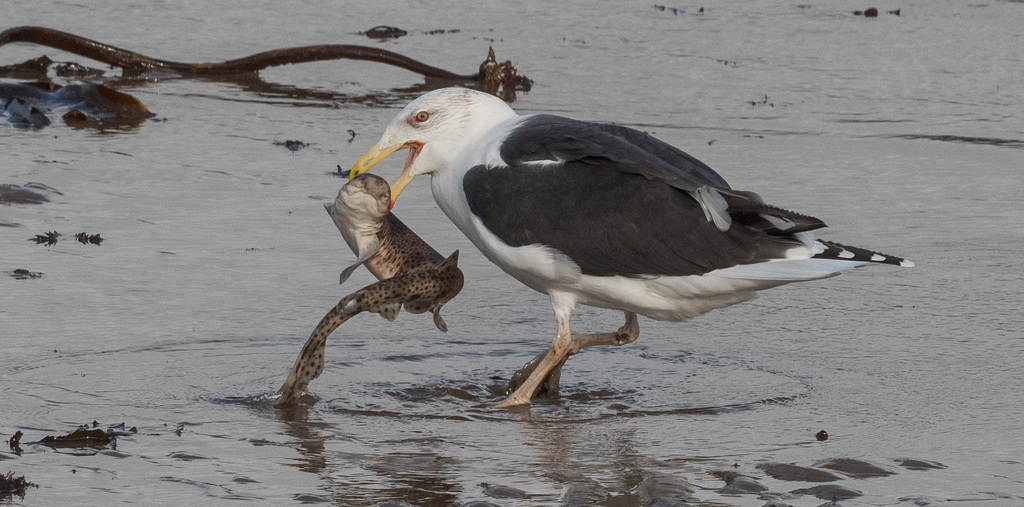
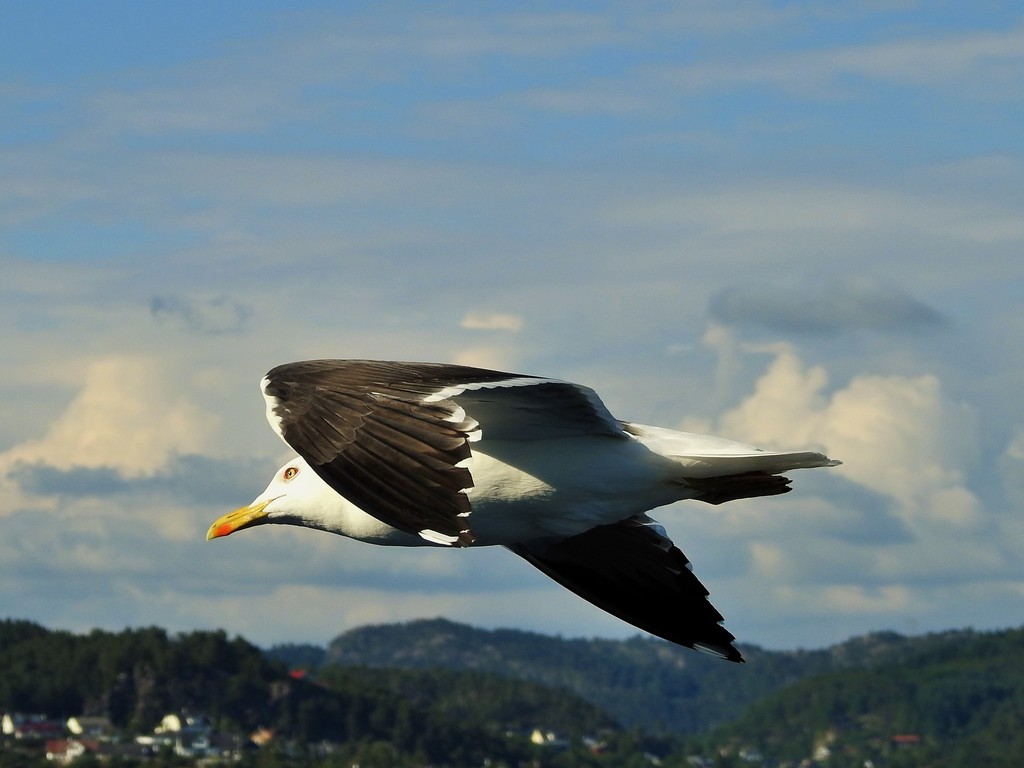
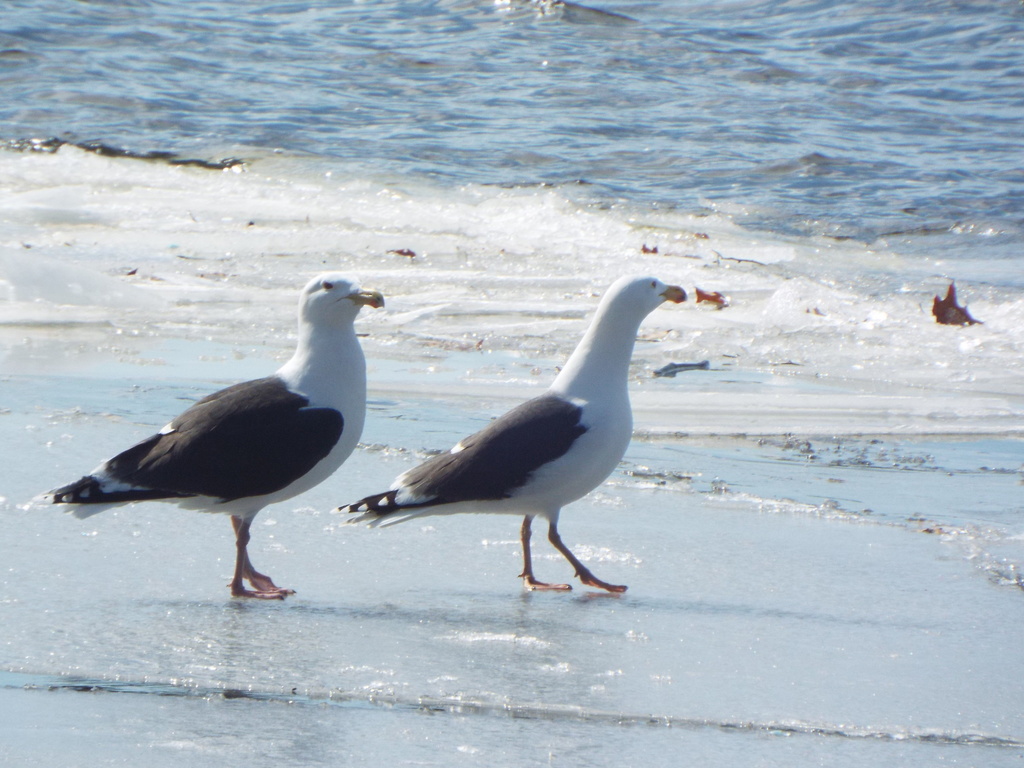
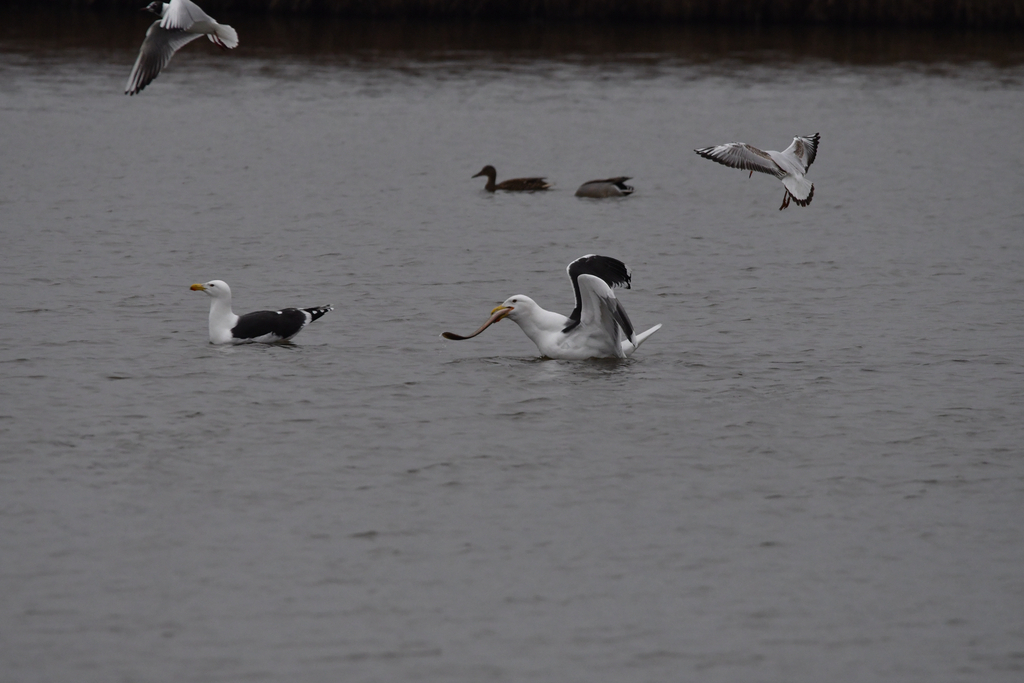
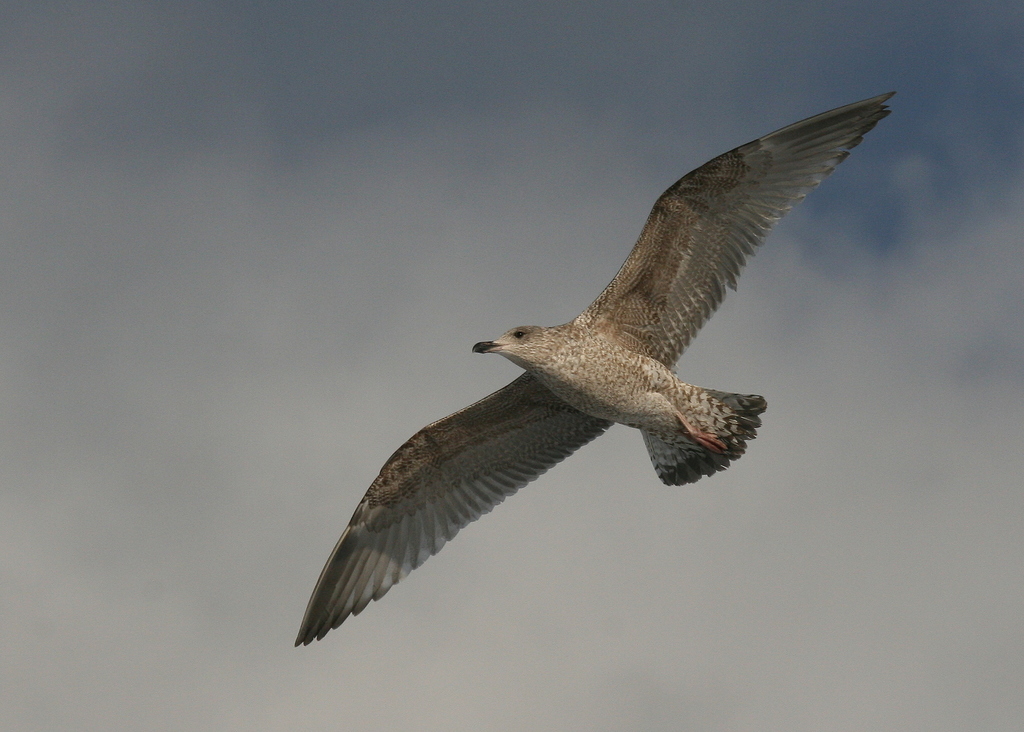
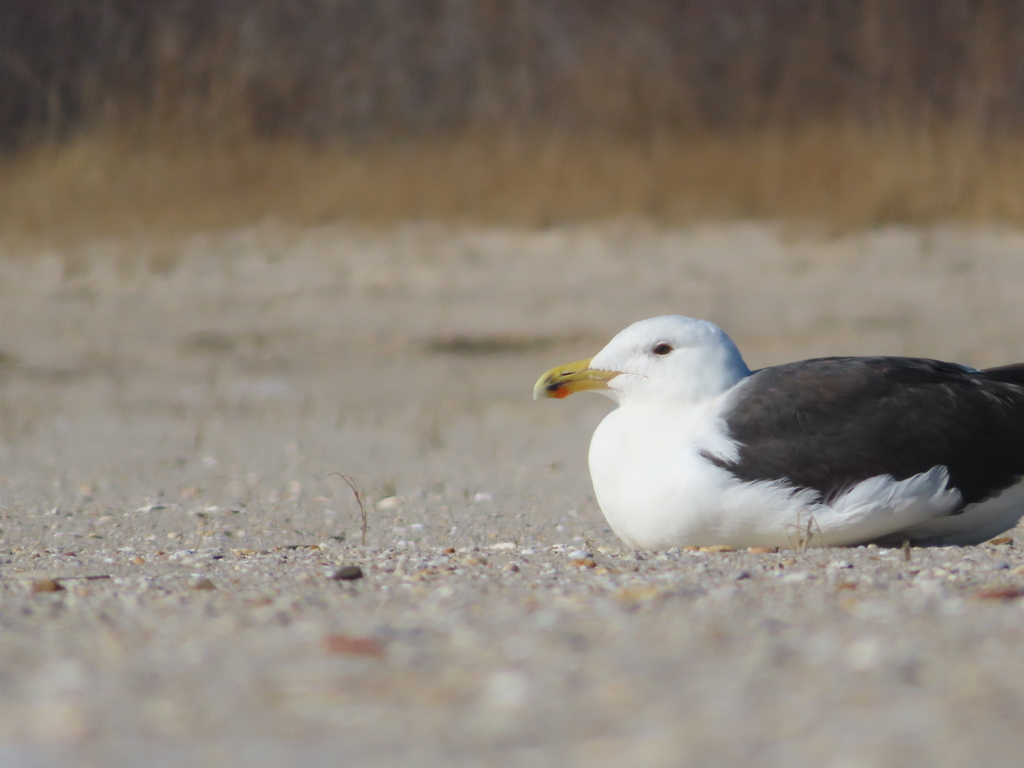
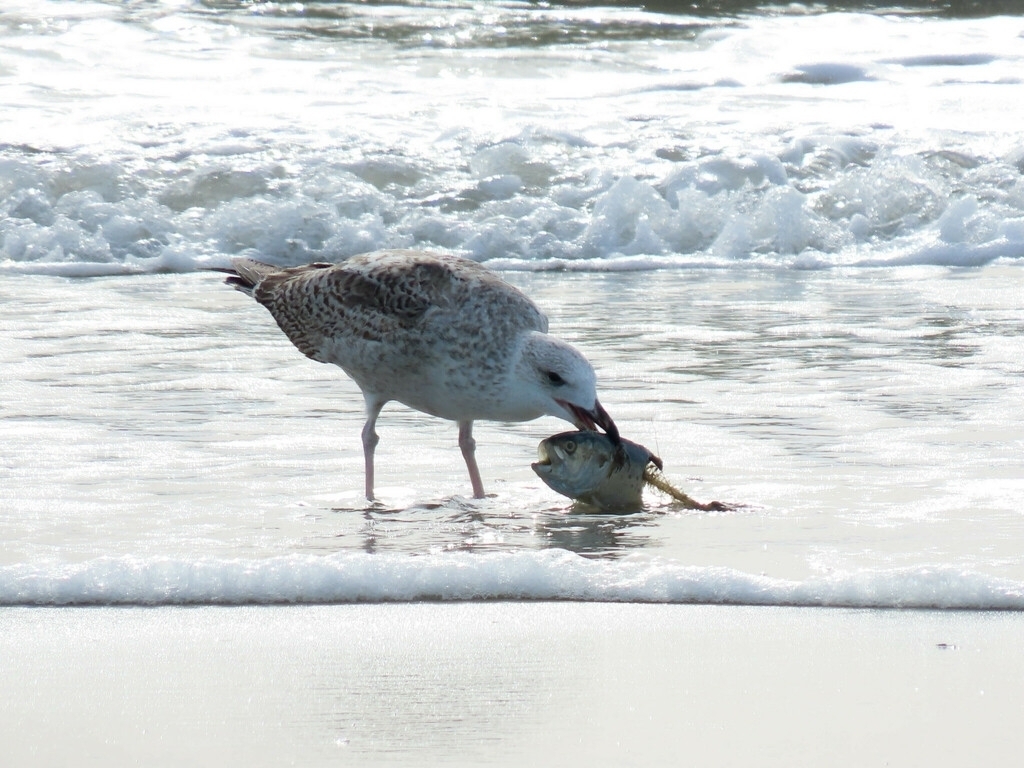
Its closest relatives
The other species of the genus Larus.
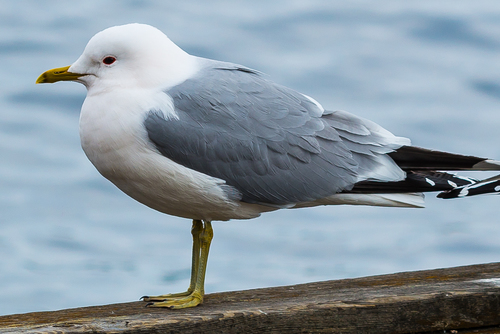

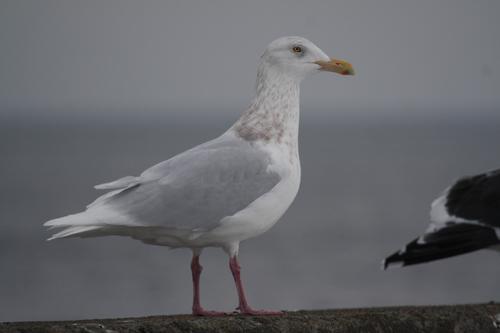
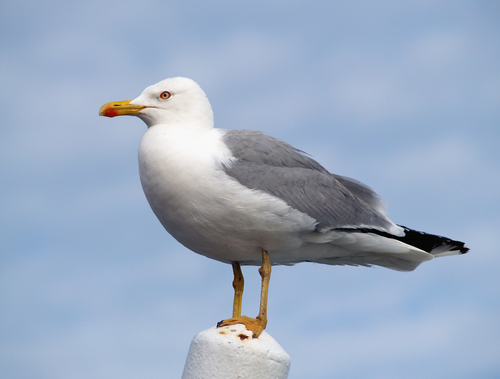
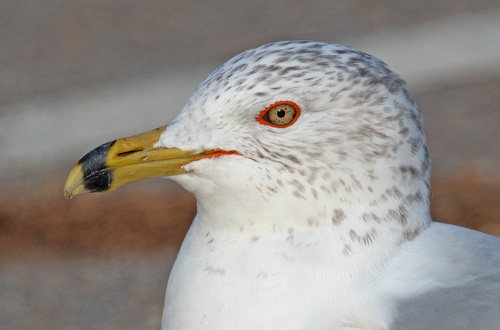
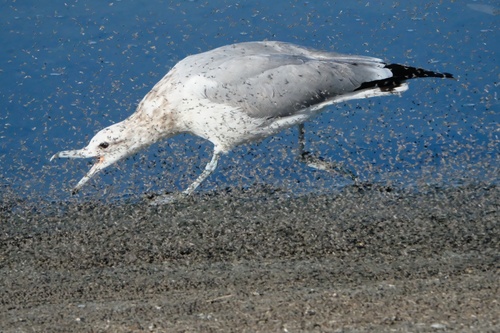
Seen a great black-backed gull?
Share your photo on iNaturalist. Other naturalists help confirm it, and the record goes to GBIF, where scientists use it and where the maps on this page come from.
Put this species on your site
The card names every source and links back here.
<iframe src="https://4planetatlas.com/place/embed/species/great-black-backed-gull" title="Great black-backed gull (Larus marinus), 4PLANET Species" width="100%" height="600" style="border:0;max-width:640px" loading="lazy"></iframe>
<p><a href="https://4species.com/great-black-backed-gull">Great black-backed gull on 4PLANET Species</a></p>Questions people ask
What does the great black-backed gull eat?
The great black-backed gull has been recorded eating 221 different kinds of animals and plants, most of them mammals, birds, fish and crustaceans. The ones recorded most often are common starling, great cormorant, european rabbit, ruddy shelduck and common swift; records include animals eaten as carrion. Source: GloBI.
What eats the great black-backed gull?
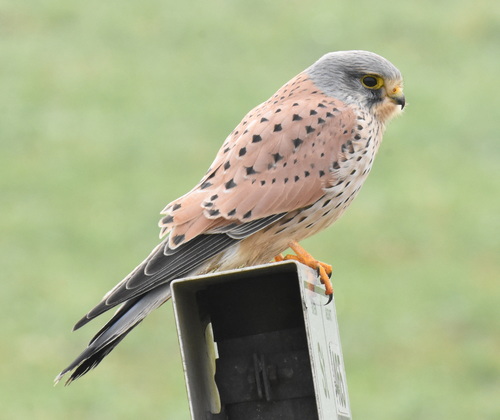
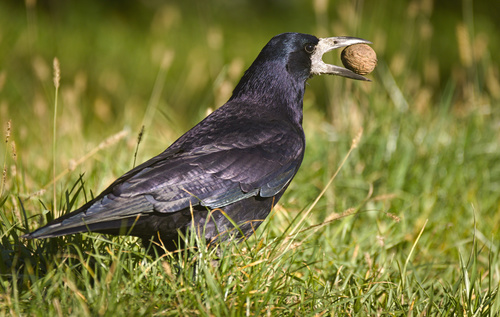
Recorded predators include grey wolf, red fox, brown bear, northern raven and peregrine falcon. Source: GloBI.
Where does the great black-backed gull live?
People have recorded it in 68 countries; the most records come from United States, Canada, United Kingdom, Iceland and Norway. Records show where people have seen it, not its full range.
When is the great black-backed gull seen most?
In the northern hemisphere, the most records are made in January and the fewest in June. More people outdoors also means more records.
What are the great black-backed gull's closest relatives?
It shares the genus Larus with european herring gull, common gull, caspian gull, glaucous gull and yellow-legged gull.
Sources and photo credits
- GBIF · Larus marinus, 3,115,421 human observations
- GloBI · recorded interactions of Larus marinus
- Wikidata · Great black-backed gull (Q26629)
- Great black-backed gull (Larus marinus): egorbirder, CC BY 4.0
- Great black-backed gull (Larus marinus): Mila C., CC BY 4.0
- Great black-backed gull (Larus marinus), Dumfries and Galloway, UK: Rob Wadsworth, CC0
- Great black-backed gull (Larus marinus), Askøy, Hordaland, Norway: amantedarmanin, CC BY 4.0
- Great black-backed gull (Larus marinus), Medford, MA, USA: Jonathan Layman, CC BY 4.0
- Great black-backed gull (Larus marinus), The Parade, Neston, England, GB: Priya Sandhu, CC BY 4.0
- Great black-backed gull (Larus marinus), 7680 Thyborøn, Dänemark: Christoph Moning, CC BY 4.0
- Great black-backed gull (Larus marinus), 692 Sunset Blvd, Cape May, NJ 08204, USA: Mila C., CC BY 4.0
- Great black-backed gull (Larus marinus), Georgetown County, SC, USA: Alina Martin, CC BY 4.0
- Common starling: Shiva Shenoy, CC BY 4.0
- Great cormorant: Frank Vassen, CC BY 4.0
- European rabbit: Alexis Lours, CC BY 4.0
- Ruddy shelduck: egorbirder, CC BY 4.0
- Common swift: Константин Селивёрстов, CC BY 4.0
- Carrion crow: no rights reserved, uploaded by Charlie Farrell, CC0
- Common shelduck: Daniel Seth Jackson, CC BY 4.0
- Tufted duck: Katja Schulz, CC BY 4.0
- Eurasian curlew: Joanne Goldby, CC BY-SA 4.0
- European eel: Julien Renoult, CC BY 4.0
- European herring gull: Stu's Images, CC BY-SA 4.0
- Little ringed plover: Donsky, CC BY 4.0
- Grey wolf: Andrew Simon, CC BY 4.0
- Red fox: Алина Урусова, CC BY 4.0
- Brown bear: Nathan Ruser, CC BY 4.0
- Northern raven: xulescu_g, CC BY-SA 4.0
- Peregrine falcon: Shirley Zundell, CC BY 4.0
- Common kestrel: Thorsten Hackbarth, CC BY 4.0
- Rook: hedera.baltica, CC BY-SA 4.0
- Common gull: Bengt Nyman, CC BY 4.0
- Caspian gull: Katya, CC BY 4.0
- Glaucous gull: Alastair Rae, CC BY-SA 4.0
- Yellow-legged gull: Jörg Hempel, CC BY-SA 4.0
- Iceland gull: Elizabeth Axley, CC BY 4.0
- Ring-billed gull: Judy Gallagher, CC BY-SA 4.0
- California gull: Madeleine Claire, CC BY 4.0
Records show where people have seen and shared the great black-backed gull, not its full range, and some countries and months are recorded far more than others. The food web lists interactions that studies have recorded somewhere in the world (GloBI), not everything it eats in one place.
Checked 2026-11-24.