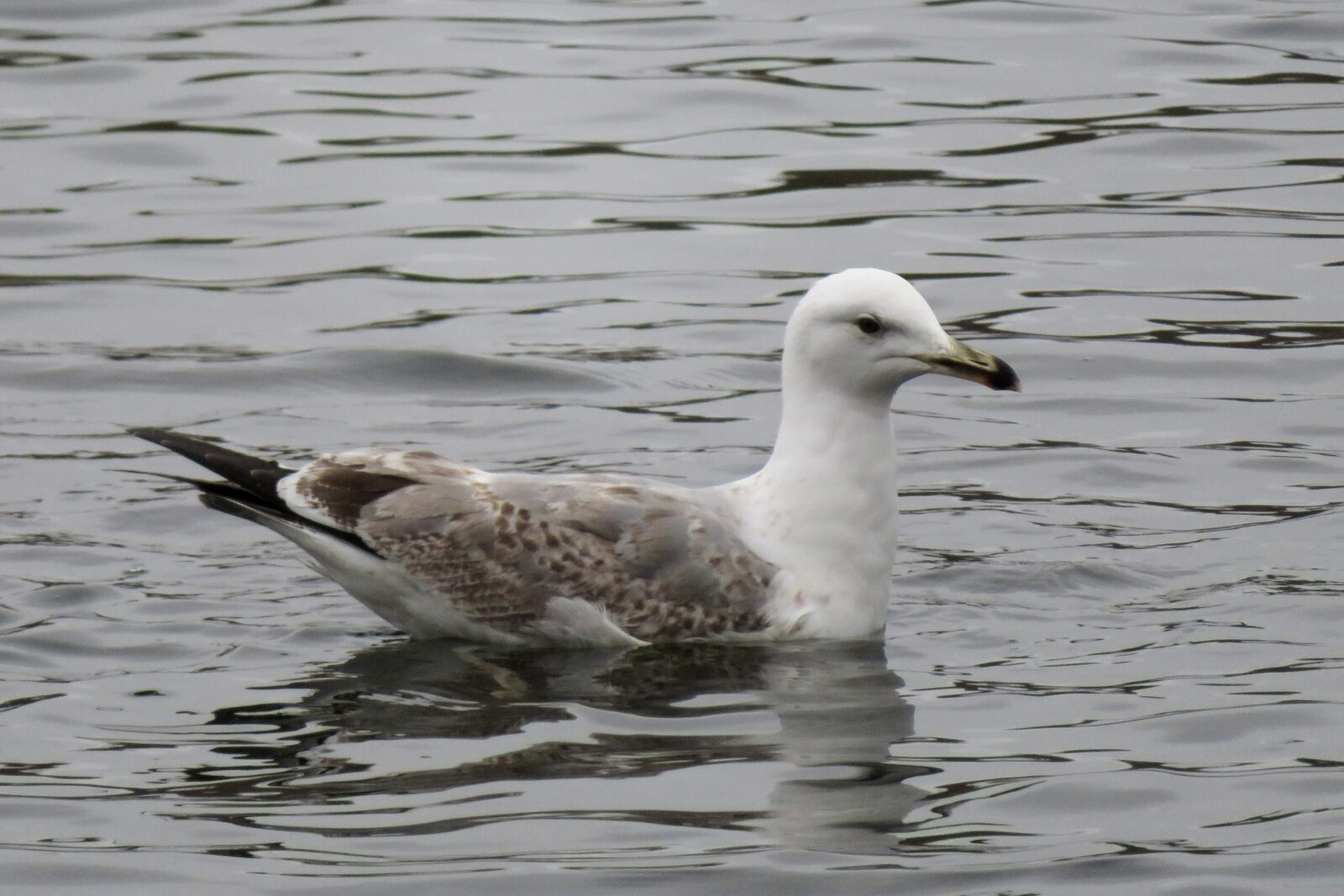
Caspian gull
Larus cachinnans
- Status
- Least Concern IUCN Red List
- Eats
- great cormorant, greylag goose, common coot and 550 more
- Where
- 78 countries
On 4Planet Atlas it is among the wildlife people record most around Ashgabat, Astana and Baku, and 23 more of the cities we cover.
People have shared 177,306 records of the caspian gull with GBIF, from 78 countries, most of them from Poland, Czech Republic and Ukraine. Records collected by GloBI show it eating 553 different kinds of animals and plants, and being eaten by 14.
What the caspian gull eats, and what eats it
Studies have recorded it eating 553 kinds of animals and plants, and 14 kinds of animals eating it. Tap any of them to follow the food chain.
- Birds 167
- Mammals 142
- Reptiles 119
- Amphibians 79
- Fish 13
- Crustaceans 7
- Octopus and squid 1




 Caspian gull
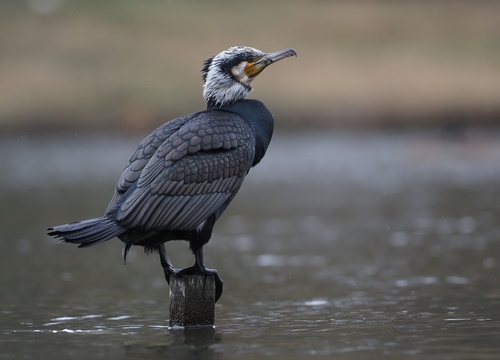

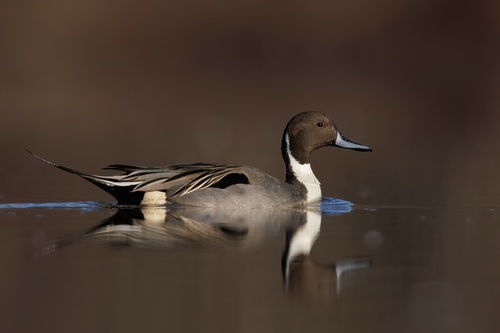
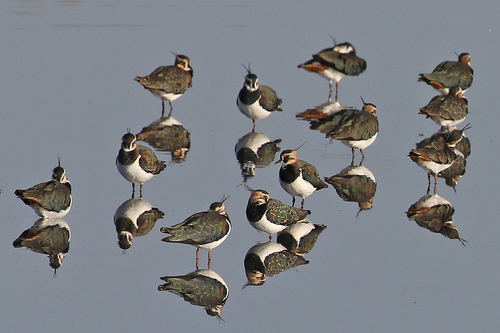
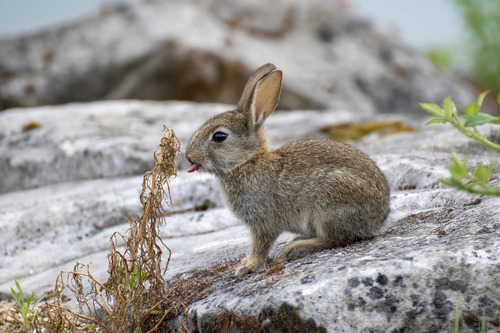
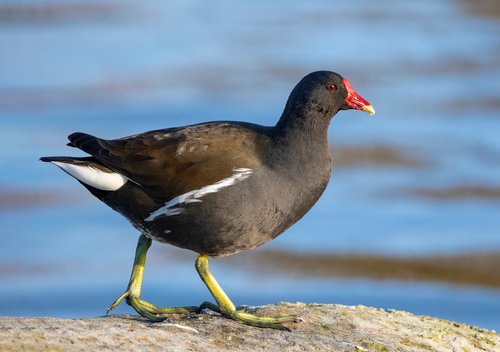
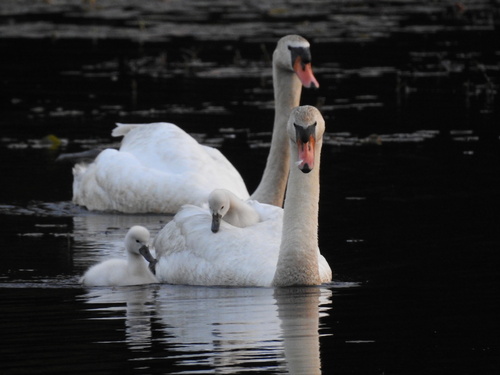
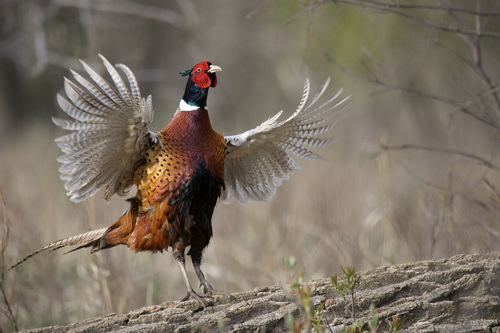
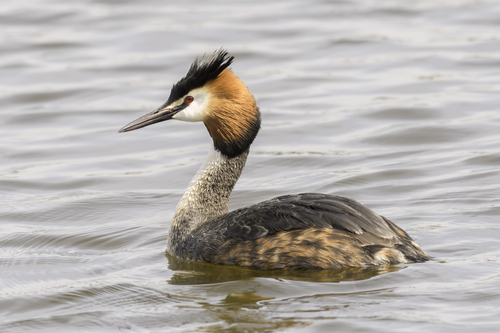
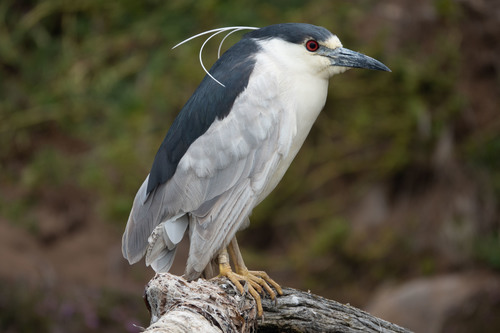
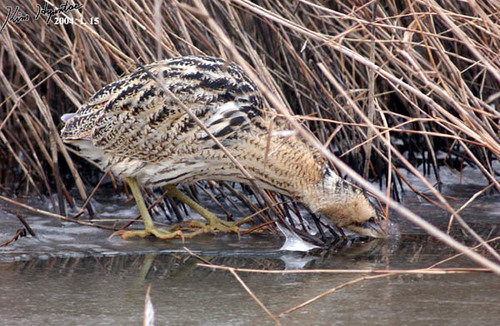
Records from studies worldwide, collected by GloBI. They include animals eaten as carrion, and they are not everything it eats in one place.
Where people see the caspian gull
People have shared 177,306 records from 78 countries.
Near a city: Ashgabat, Astana, Baku, Beirut, Belgrade, Bishkek, Bratislava, Bucharest, Budapest, Chișinău, Copenhagen, Istanbul, Kuwait City, Kyiv, Manama, Minsk, Moscow, Muscat, Prague, Tashkent, Tbilisi, Tehran, Valletta, Vilnius, Warsaw, Zagreb.
Records show where people have seen it and shared it, not its full range. Country names open their page in Atlas.
When it is seen
Records per month in the northern hemisphere. More people outdoors also means more records.
Watch and listen
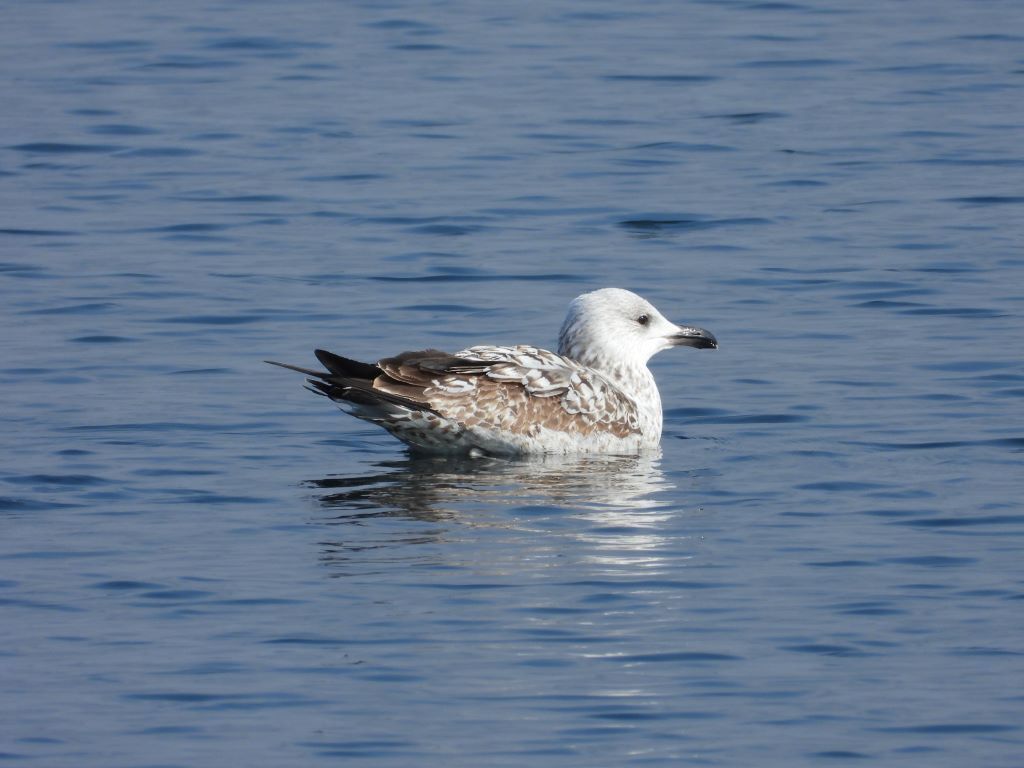
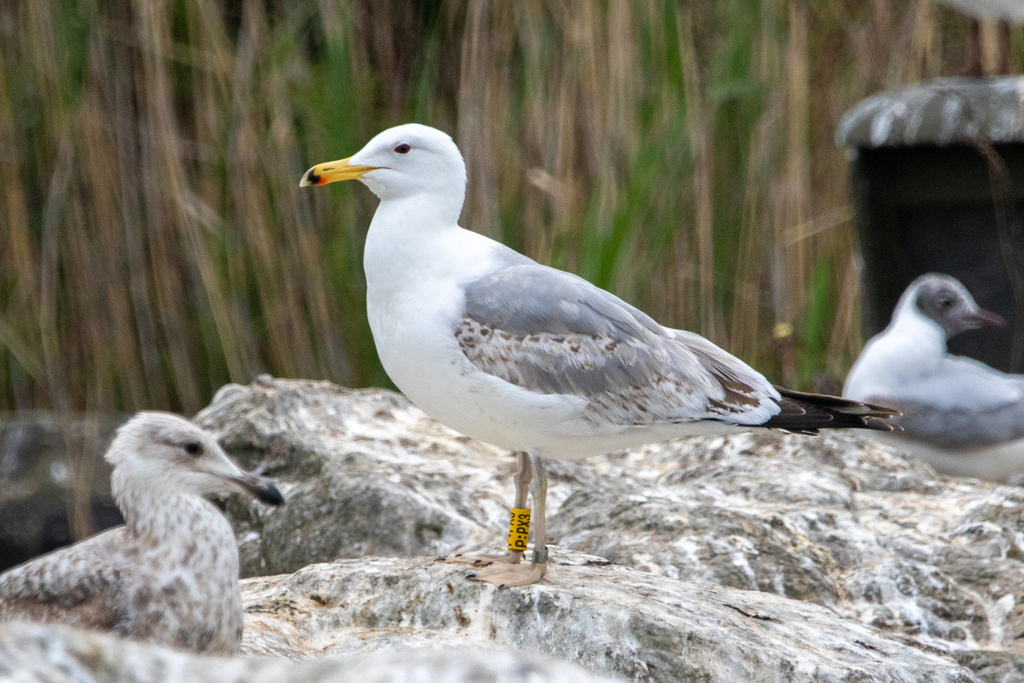
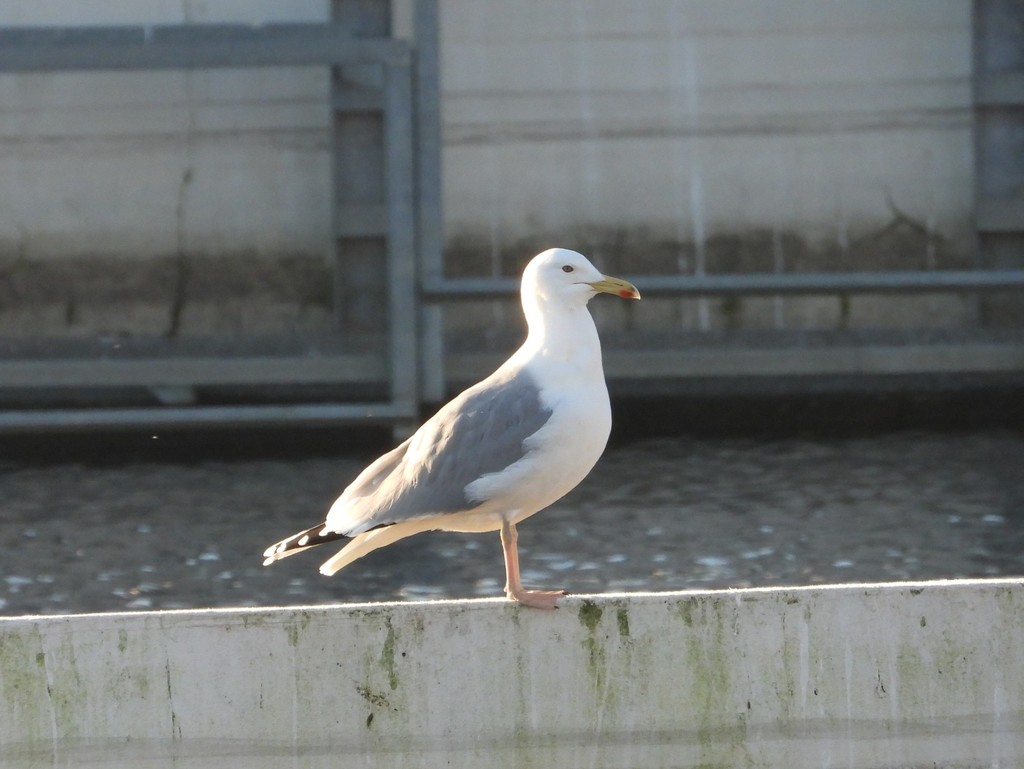
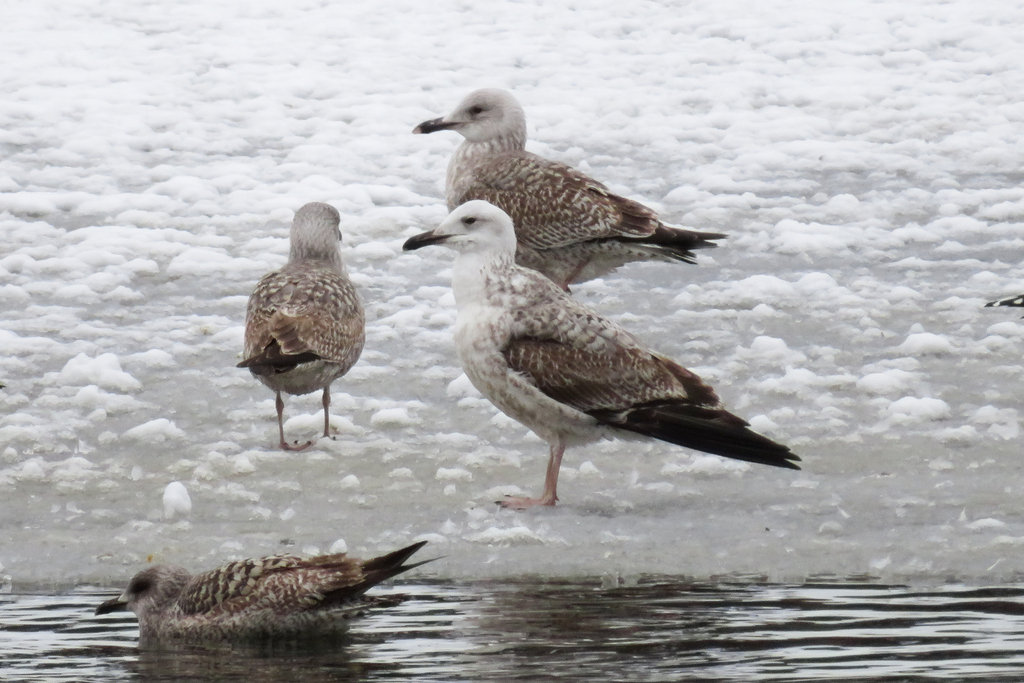
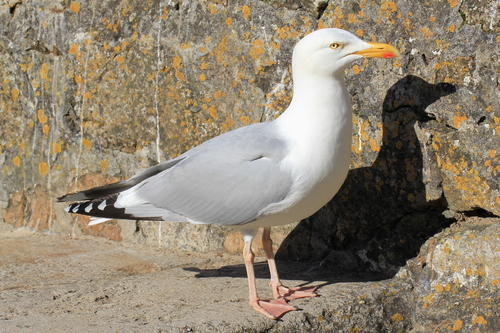
Its closest relatives
The other species of the genus Larus.
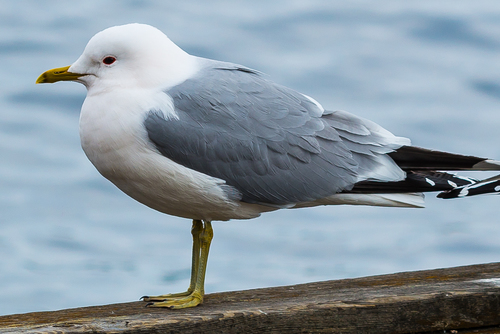
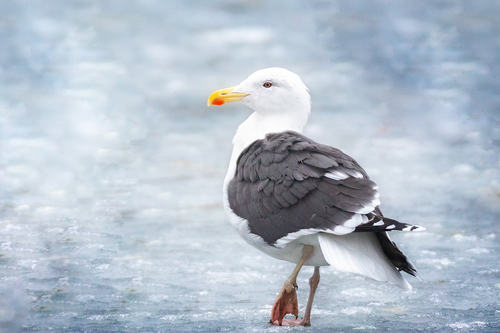
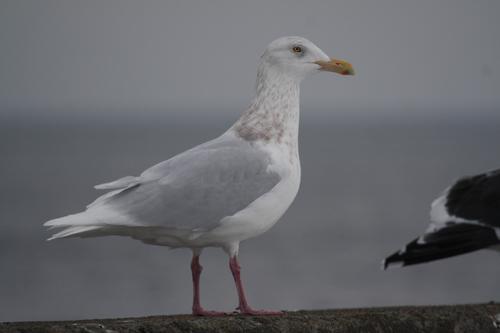
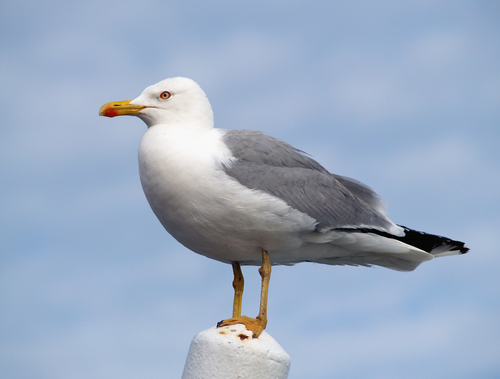
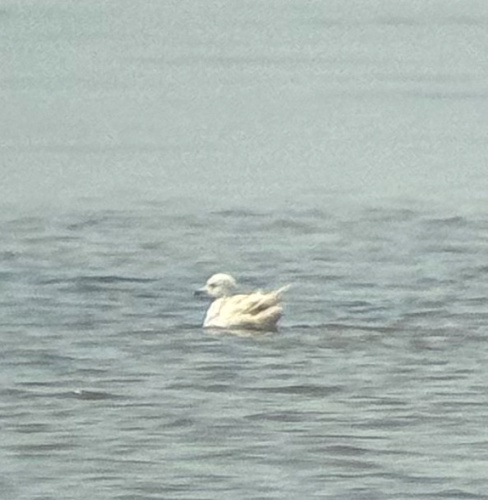
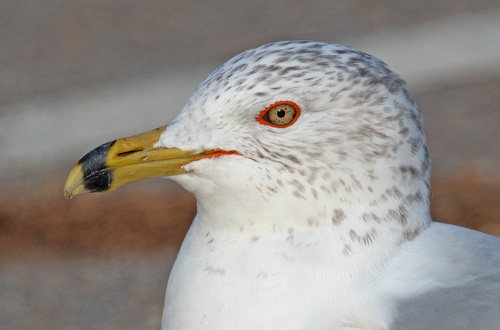
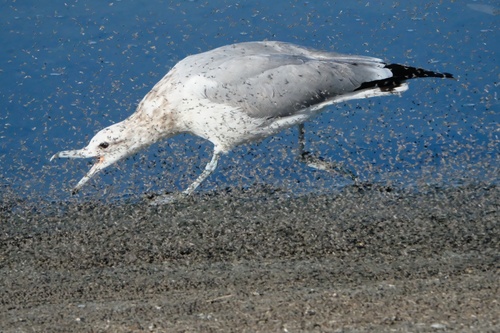
Seen a caspian gull?
Share your photo on iNaturalist. Other naturalists help confirm it, and the record goes to GBIF, where scientists use it and where the maps on this page come from.
Put this species on your site
The card names every source and links back here.
<iframe src="https://4planetatlas.com/place/embed/species/caspian-gull" title="Caspian gull (Larus cachinnans), 4PLANET Species" width="100%" height="600" style="border:0;max-width:640px" loading="lazy"></iframe>
<p><a href="https://4species.com/caspian-gull">Caspian gull on 4PLANET Species</a></p>Questions people ask
What does the caspian gull eat?
The caspian gull has been recorded eating 553 different kinds of animals and plants, most of them birds, mammals, reptiles and amphibians. The ones recorded most often are great cormorant, greylag goose, common coot, northern pintail and northern lapwing; records include animals eaten as carrion. Source: GloBI.
What eats the caspian gull?
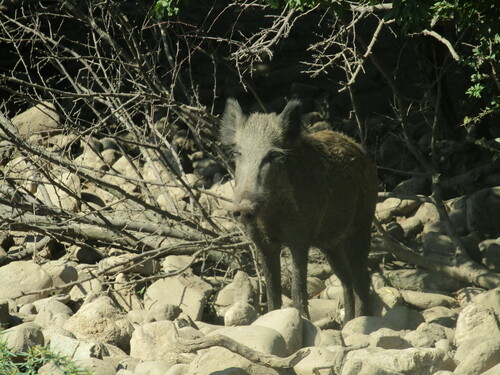
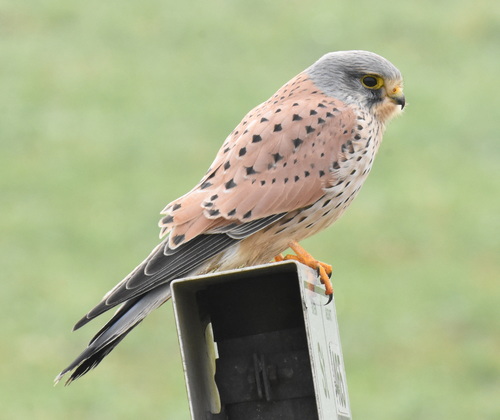
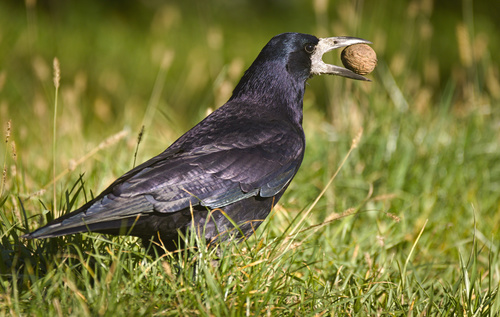
Recorded predators include grey wolf, wild boar, red fox, northern raven and peregrine falcon. Source: GloBI.
Where does the caspian gull live?
People have recorded it in 78 countries; the most records come from Poland, Czech Republic, Ukraine, United Kingdom and Germany. Records show where people have seen it, not its full range.
When is the caspian gull seen most?
In the northern hemisphere, the most records are made in January and the fewest in June. More people outdoors also means more records.
What are the caspian gull's closest relatives?
It shares the genus Larus with european herring gull, common gull, great black-backed gull, glaucous gull and yellow-legged gull.
Sources and photo credits
- GBIF · Larus cachinnans, 177,306 human observations
- GloBI · recorded interactions of Larus cachinnans
- Wikidata · Caspian gull (Q389505)
- Caspian gull (Larus cachinnans): Antonina, CC BY 4.0
- Caspian gull (Larus cachinnans), Provincia di Novara, Italia: Simone Bocca, CC BY-SA 4.0
- Caspian gull (Larus cachinnans), 92230 Gennevilliers, France: Alexis Lours, CC BY 4.0
- Caspian gull (Larus cachinnans), 28041 Arona NO, Italia: Simone Bocca, CC BY-SA 4.0
- Caspian gull (Larus cachinnans), Gatchinsky District, Leningrad Oblast, Russia: Antonina, CC BY 4.0
- Great cormorant: Frank Vassen, CC BY 4.0
- Greylag goose: Imran Shah, CC BY-SA 4.0
- Common coot: Roger Culos, CC BY-SA 4.0
- Northern pintail: Matt Felperin, CC BY 4.0
- Northern lapwing: Roy Lowry, CC BY 4.0
- European rabbit: Alexis Lours, CC BY 4.0
- Common moorhen: Alexis Lours, CC BY 4.0
- Mute swan: Laura Mae, CC BY 4.0
- Common pheasant: John Krampl, CC BY 4.0
- Great crested grebe: caroline legg, CC BY 4.0
- Black-crowned night heron: no rights reserved, uploaded by Kyle Nessen, CC0
- Eurasian bittern: Kim, Hyun-tae, CC BY 4.0
- Grey wolf: Andrew Simon, CC BY 4.0
- Wild boar: SteveM4560, CC BY 4.0
- Red fox: Алина Урусова, CC BY 4.0
- Northern raven: xulescu_g, CC BY-SA 4.0
- Peregrine falcon: Shirley Zundell, CC BY 4.0
- Common kestrel: Thorsten Hackbarth, CC BY 4.0
- Rook: hedera.baltica, CC BY-SA 4.0
- European herring gull: Stu's Images, CC BY-SA 4.0
- Common gull: Bengt Nyman, CC BY 4.0
- Great black-backed gull: egorbirder, CC BY 4.0
- Glaucous gull: Alastair Rae, CC BY-SA 4.0
- Yellow-legged gull: Jörg Hempel, CC BY-SA 4.0
- Iceland gull: Elizabeth Axley, CC BY 4.0
- Ring-billed gull: Judy Gallagher, CC BY-SA 4.0
- California gull: Madeleine Claire, CC BY 4.0
Records show where people have seen and shared the caspian gull, not its full range, and some countries and months are recorded far more than others. The food web lists interactions that studies have recorded somewhere in the world (GloBI), not everything it eats in one place.
Checked 2026-11-24.